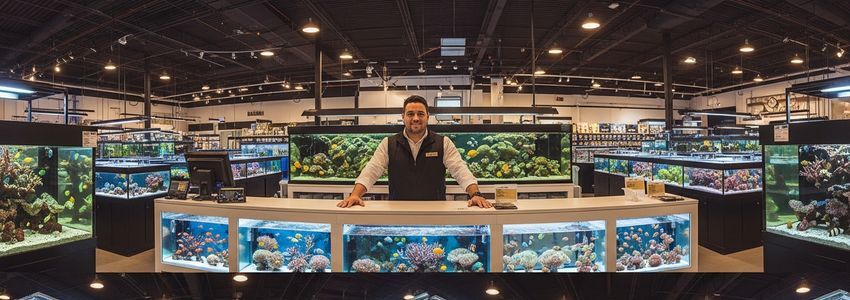
The aquarium and aquatics industry is a vibrant, passion-driven market. As an aquarium store owner, you provide hobbyists with everything from rare fish and exotic corals to high-tech filtration systems and custom tank setups. To thrive in this competitive niche, however, passion must be paired with strong financial footing, which often requires access to capital. This guide provides a comprehensive overview of aquarium store business loans, exploring how they work, what they cover, and how you can secure the funding needed to grow your business and keep your tanks teeming with life.
In This Article
- What Are Aquarium Store Business Loans?
- Why Aquarium Store Owners Need Financing
- Types of Business Loans for Aquarium Stores
- How Aquarium Store Business Loans Work
- What You Can Finance as an Aquarium Store Owner
- Qualifying for Aquarium Store Business Loans
- Comparing Financing Options for Aquarium Stores
- How Crestmont Capital Helps Aquarium Store Owners
- Real-World Scenarios
- Frequently Asked Questions
- Next Steps / How to Get Started
- Conclusion
What Are Aquarium Store Business Loans?
Aquarium store business loans are specialized financial products designed to meet the unique capital requirements of aquatic retail businesses. Unlike generic personal loans, these commercial financing solutions are structured around the specific operational needs of a fish store. This includes funding for high-value, perishable livestock, sophisticated life support and filtration equipment, and the large physical footprint required for display tanks and inventory.
These loans provide a crucial infusion of cash that can be used for a wide range of business purposes, from startup costs to expansion projects. Lenders who understand the pet industry, and specifically the aquatics niche, recognize the high upfront costs and ongoing inventory expenses. They can offer tailored financing that aligns with the store's revenue cycle, which can be affected by seasonal trends and the delicate nature of live inventory.
Whether you are launching a new freshwater-focused shop, expanding your saltwater and reef section, or simply need working capital to manage daily operations, a business loan provides the necessary resources. The funds can help you purchase inventory, invest in marketing, hire expert staff, or upgrade your point-of-sale (POS) system. Ultimately, these loans are a strategic tool for maintaining a healthy cash flow, seizing growth opportunities, and ensuring the long-term success and stability of your aquatic business.
Why Aquarium Store Owners Need Financing
Running an aquarium store is a capital-intensive venture. The unique challenges of managing live animals, specialized equipment, and a knowledgeable customer base create a constant need for strategic financial investment. External financing is often not just a luxury for growth but a necessity for survival and competitiveness. Here are the primary reasons why aquarium store owners seek business loans.
1. High Inventory Costs and Management
Your inventory is your main attraction, and it is both expensive and perishable. Sourcing healthy, high-quality fish, corals, invertebrates, and live plants requires significant upfront investment. Unlike a hardware store where inventory can sit on a shelf indefinitely, aquatic livestock requires constant care, feeding, and pristine water conditions, all of which add to overhead. A loan can provide the capital to:
- Stock a Diverse Range of Livestock: Purchase a wide variety of species to attract different types of hobbyists, from beginners to advanced reef keepers.
- Bulk Dry Goods Purchases: Buy aquariums, filters, heaters, lighting, food, and supplements in larger quantities to receive volume discounts from suppliers.
- Manage Perishability: Absorb the financial impact of livestock loss, a common and unavoidable aspect of the business, without crippling your cash flow.
2. Specialized and Expensive Equipment
An aquarium store is essentially a collection of complex life support systems. The equipment needed to keep your livestock healthy and your store running efficiently represents a major capital expense. This includes:
- Centralized Filtration Systems: Large-scale, custom-built filtration systems for holding tanks are costly to install and maintain.
- Display Tanks and Racks: Professional, well-lit display aquariums and sturdy racking systems are essential for showcasing livestock effectively and safely.
- Point-of-Sale (POS) and Inventory Management Systems: Modern POS systems that can track live inventory, manage customer loyalty programs, and process transactions are crucial for operational efficiency.
- Water Purification Systems: Reverse osmosis/deionization (RO/DI) systems to produce purified water for sale and for use in store systems are standard equipment.
3. Store Expansion and Renovation
As your customer base grows, you may need to expand your physical space or renovate your existing layout to improve customer experience and operational workflow. Financing can fund:
- Leasing a Larger Retail Space: Move to a location with more square footage to accommodate more display tanks and dry goods.
- Renovating Your Current Store: Update flooring, lighting, and plumbing to create a more modern and inviting atmosphere and improve the health of your systems.
- Adding New Sections: Build out a dedicated quarantine room for new arrivals or create a specialized section for high-end reef corals or aquascaping supplies.
4. Managing Seasonal Cash Flow
The retail pet industry often experiences seasonal fluctuations. Sales may spike during holiday seasons or tax return season when customers have more disposable income. Conversely, there can be slower periods. A business loan or line of credit provides a cash reserve to:
- Cover Operating Expenses: Pay rent, utilities, and payroll during slower months without stress.
- Prepare for Busy Seasons: Stock up on inventory and run marketing campaigns ahead of peak sales periods to maximize revenue.
Keep Your Business Swimming Forward
Don't let cash flow hold you back. Get the capital you need to stock your tanks and grow your store.
Apply Now →Types of Business Loans for Aquarium Stores
Several financing options are available to aquarium store owners, each with distinct features, benefits, and use cases. Understanding the differences is key to selecting the right product for your business goals. Here are the most common types of business loans suitable for aquatic retailers.
1. Term Loans
A traditional term loan provides a lump sum of capital that you repay over a set period (the term) with fixed, regular payments. These loans are ideal for large, one-time investments with a clear return on investment, such as a major store renovation, the purchase of another local fish store, or a significant expansion project.
- Best for: Large, planned investments and expansions.
- Pros: Predictable payments, potentially lower interest rates for qualified borrowers.
- Cons: Can have a longer application process and stricter credit requirements.
2. SBA Loans
SBA loans are partially guaranteed by the U.S. Small Business Administration, which reduces the risk for lenders. This often results in more favorable terms, such as lower interest rates and longer repayment periods, compared to conventional loans. The most common types, the SBA 7(a) and 504 loans, can be used for a wide range of purposes, including working capital, equipment purchases, and real estate acquisition.
- Best for: Well-established businesses with strong financials seeking favorable terms.
- Pros: Excellent rates and long terms.
- Cons: The application process is notoriously long and document-intensive, as detailed on the official SBA website.
3. Equipment Financing
This type of loan is specifically designed for purchasing business equipment. For an aquarium store, this could include new display tanks, centralized filtration systems, RO/DI units, or a new POS system. The equipment itself typically serves as collateral for the loan, which can make it easier to qualify for. With equipment financing, you can acquire necessary assets without a large upfront cash outlay.
- Best for: Purchasing new or used equipment like tanks, filters, and POS systems.
- Pros: The asset secures the loan, often leading to higher approval rates and less required collateral.
- Cons: Funds can only be used for the specified equipment purchase.
4. Business Line of Credit
A business line of credit provides access to a specific amount of capital that you can draw from as needed. You only pay interest on the funds you use, and as you repay the drawn amount, your available credit is replenished. This flexibility makes it perfect for managing cash flow fluctuations, handling unexpected expenses (like a major equipment failure), or seizing time-sensitive inventory opportunities from wholesalers.
- Best for: Ongoing cash flow management and unexpected expenses.
- Pros: Flexible access to funds, pay interest only on what you use.
- Cons: Interest rates can be variable and potentially higher than term loans.
5. Working Capital Loans
Working capital loans are short-term financing solutions designed to cover everyday operational expenses. This can include payroll, rent, utilities, and inventory purchases. They are particularly useful for bridging cash flow gaps during a slow season or for funding a large marketing campaign to drive new traffic to your store. These loans are typically approved and funded quickly, providing immediate access to cash when you need it most.
- Best for: Short-term operational needs and bridging revenue gaps.
- Pros: Fast funding, often with less stringent qualification requirements.
- Cons: Shorter repayment terms and potentially higher costs than longer-term loans.
Industry Insight: According to the American Pet Products Association (APPA) 2023-2024 National Pet Owners Survey, an estimated 13.1 million U.S. households own freshwater fish and 2.5 million own saltwater fish, demonstrating a large and dedicated market for aquarium stores.
How Aquarium Store Business Loans Work
Navigating the business loan process can seem complex, but it generally follows a clear set of steps from application to repayment. While specifics can vary between lenders and loan types, the core process remains consistent. Understanding this workflow helps you prepare effectively and approach financing with confidence. Here is a step-by-step breakdown of how aquarium store business loans work, particularly with a streamlined lender like Crestmont Capital.
- Initial Assessment and Goal Setting: Before applying, determine exactly why you need the funds and how much you require. Are you buying a new shipment of rare corals? Upgrading your central filtration? Expanding your retail space? Having a clear business case will not only guide your application but also demonstrate to lenders that you have a solid plan for the capital.
- Application Submission: The process begins with a simple application. Modern lenders often offer a quick online form that takes only a few minutes to complete. You will provide basic information about your business, including its legal name, time in business, monthly revenue, and the desired loan amount.
- Documentation and Review: After the initial application, you will typically be asked to provide supporting documents. This may include recent bank statements, tax returns, and financial statements (profit and loss, balance sheet). This information allows the lender to assess your business's financial health, cash flow, and ability to repay the loan.
- Underwriting and Offer Generation: The lender's underwriting team reviews your application and documents. They analyze your credit history, revenue consistency, and other risk factors. If you are approved, you will receive one or more loan offers detailing the loan amount, interest rate, term, and any associated fees.
- Acceptance and Funding: Once you review and accept a loan offer, you will sign the final loan agreement. After the agreement is executed, the funds are transferred directly into your business bank account. With fast lenders, this entire process, from application to funding, can take as little as 24-48 hours.
- Repayment: Repayment begins according to the terms of your loan agreement. This usually involves automatic daily, weekly, or monthly payments debited from your business account. Consistent, on-time payments are crucial for maintaining a good relationship with the lender and building your business credit profile for future financing needs.
Your Loan Application Journey
Apply Online
Submit our simple one-page application in minutes.
Submit Documents
Provide basic financial documents like bank statements.
Review Offers
Receive and compare your customized loan options.
Get Funded
Accept your offer and receive funds in as fast as one business day.
What You Can Finance as an Aquarium Store Owner
The flexibility of modern business financing allows aquarium store owners to allocate funds across virtually every aspect of their operation. This strategic use of capital is essential for maintaining a competitive edge, ensuring animal health, and creating an exceptional customer experience. Here is a detailed breakdown of common areas where aquarium store business loans can be applied.
Inventory and Livestock
Your livestock is the heart of your business. Financing can ensure your tanks are always full of healthy, desirable, and diverse specimens.
- Livestock Purchases: Secure funding to purchase common freshwater fish, rare saltwater species, vibrant corals, and unique invertebrates from trusted wholesalers and breeders.
- Quarantined Stock: Invest in a robust quarantine (QT) system and the livestock to fill it, ensuring all new arrivals are healthy before they hit the sales floor.
- Dry Goods and Supplies: Stock up on essential dry goods like fish food, water conditioners, testing kits, aquarium salt, and substrates.
- Aquascaping Materials: Purchase high-quality driftwood, rock (live and dry), and a wide variety of aquatic plants to cater to the growing aquascaping community.
Equipment and Technology
Upgrading your store's infrastructure can improve efficiency, reduce livestock loss, and enhance the customer experience.
- Filtration and Life Support: Invest in or upgrade to a centralized filtration system, protein skimmers, UV sterilizers, and powerful pumps to maintain optimal water quality.
- Aquariums and Racking: Purchase new display tanks, frag tanks, and heavy-duty commercial racking to expand your holding capacity and improve presentation.
- Lighting Systems: Upgrade to energy-efficient LED lighting systems that provide the correct spectrum for coral growth and enhance the visual appeal of your fish.
- Point-of-Sale (POS) System: Implement a modern POS system that integrates inventory management, sales tracking, and customer relationship management (CRM).
- Water Production: Buy a commercial-grade RO/DI system to produce and sell purified water, a steady source of recurring revenue.
Operational and Growth Expenses
Beyond inventory and equipment, loans can cover the fundamental costs of running and growing your business.
- Working Capital: Cover day-to-day expenses like payroll for your expert staff, rent for your retail location, and utility bills (which can be high due to lighting and pumps).
- Marketing and Advertising: Fund a digital marketing campaign, sponsor a local aquarium club, or run promotions to attract new customers and build your brand.
- Expansion or Renovation: Finance the construction of a new wing for saltwater fish, renovate your checkout area, or lease an adjacent unit to increase your square footage.
- Hiring and Training: Bring on new staff with specialized knowledge in reef keeping or aquascaping and invest in their ongoing training and certifications.
Qualifying for Aquarium Store Business Loans
Securing a business loan requires lenders to have confidence in your ability to repay it. They assess this by evaluating several key aspects of your business's financial health and operational history. While traditional banks often have very strict requirements, alternative lenders like Crestmont Capital offer more flexible criteria, opening up financing to a broader range of small businesses. Here are the primary factors that influence your qualification for aquarium store financing.
1. Time in Business
Lenders prefer to see a track record of stability. Most require a minimum of six months to one year in operation. A longer history demonstrates that your business model is viable and that you have experience navigating the challenges of the aquatic retail industry. Startups may have more difficulty securing traditional loans but can explore options like SBA microloans or financing based on strong personal credit and a solid business plan.
2. Annual and Monthly Revenue
Consistent revenue is one of the most critical factors. Lenders will analyze your bank statements to verify your cash flow and ensure it is sufficient to cover your existing expenses plus the new loan payment. They are looking for a steady stream of income, not necessarily massive profits. Many alternative lenders have minimum revenue thresholds, often starting around $10,000 to $20,000 in average monthly revenue.
3. Credit Score
Both your personal and business credit scores play a role. A strong credit score indicates a history of responsible borrowing and timely payments. While a high score (700+) will open up the best rates and terms, many modern lenders work with business owners across the credit spectrum. Options exist for those with fair or even poor credit, though the rates may be higher to compensate for the increased risk.

4. Business Financials
Be prepared to provide key financial documents. The most commonly requested are your three to six most recent business bank statements. For larger loan amounts or more traditional products, you may also need to provide profit and loss statements, balance sheets, and business tax returns. These documents give the lender a clear picture of your business's overall financial health.
5. Collateral
Some loans, particularly larger term loans or those from traditional banks, may require collateral. Collateral is an asset (such as real estate, equipment, or inventory) that you pledge to the lender to secure the loan. If you default on the loan, the lender can seize the asset. However, many modern financing options, including working capital loans and merchant cash advances, are unsecured and do not require specific collateral, relying instead on the business's revenue.
Pro Tip: Maintaining clean and organized financial records is crucial. Use accounting software to track your revenue and expenses. This not only helps you manage your business better but also makes the loan application process significantly smoother and faster.
Comparing Financing Options for Aquarium Stores
Choosing the right financing product is as important as getting approved. Each option has a different structure, cost, and ideal use case. For an aquarium store owner, the best choice depends on your specific need-whether it is a quick inventory purchase, a major equipment upgrade, or long-term expansion. Below is a comparison to help you weigh your options.
Term loans are best for predictable, large-scale projects. If you are planning a $100,000 renovation to build a state-of-the-art coral propagation facility, the fixed payments and clear end date of a term loan make budgeting straightforward.
A business line of credit is the superior choice for managing uncertainty. Imagine a key supplier offers a rare, high-demand fish shipment with a 48-hour window to purchase. A line of credit allows you to draw the necessary funds immediately without a new application, then repay it once the fish are sold.
Equipment financing is highly specialized. It is the perfect tool for acquiring a $25,000 commercial-grade protein skimmer and pump system. The loan is secured by the equipment itself, often resulting in better rates than an unsecured loan for the same amount. The funds are restricted to that purchase, ensuring the capital is used as intended.
Finally, working capital loans are built for speed and short-term needs. If your main water pump fails unexpectedly and you need $15,000 for an emergency replacement to prevent livestock loss, a working capital loan can provide funds in as little as 24 hours, bridging the gap until your revenue catches up.
To simplify the decision, here is a table comparing these key financing options:
| Financing Type | Best For | Loan Amount | Repayment Term | Funding Speed |
|---|---|---|---|---|
| Term Loan | Large, one-time investments (e.g., expansion, renovation) | $25,000 - $2,000,000+ | 1 - 10 years | Days to weeks |
| Business Line of Credit | Cash flow management, inventory buys, unexpected costs | $10,000 - $250,000 | Revolving (typically 6-24 month terms on draws) | 1 - 3 business days |
| Equipment Financing | Purchasing tanks, filters, POS systems, lighting | Up to 100% of equipment cost | 2 - 7 years | 2 - 5 business days |
| Working Capital Loan | Short-term needs (e.g., payroll, marketing, emergency repairs) | $5,000 - $500,000 | 3 - 24 months | 1 - 2 business days |
How Crestmont Capital Helps Aquarium Store Owners
Crestmont Capital understands that an aquarium store is not just another retail business. We recognize the unique challenges you face, from managing perishable live inventory to investing in highly specialized life support equipment. Our goal is to provide fast, flexible, and transparent financing solutions that empower you to not only meet these challenges but to thrive and grow. We cut through the red tape and lengthy processes of traditional banks to get you the capital you need, when you need it.
Our application process is designed for busy entrepreneurs like you. It is simple, online, and can be completed in minutes. We focus on your business's health and cash flow rather than just your credit score, allowing us to approve a high percentage of applicants. Whether you need a small infusion of cash or a significant investment for a major project, we offer a diverse portfolio of products to match your specific needs.
Here is how our tailored solutions can help your aquatic business:
- Diverse Loan Products: We offer a full suite of financing options. From flexible business line of credit products for ongoing inventory needs to robust equipment financing for that new filtration system, we have the right fit. Our general small business loans can cover any need, while our specialized working capital loans provide quick cash for immediate opportunities or emergencies.
- Expertise in Niche Industries: Our experience extends beyond general retail. We have helped businesses in related sectors, providing insights from our work on pet store business loans and even large-scale aquaculture business loans. We understand the value of your livestock and the importance of your equipment.
- Speed and Efficiency: In the aquatics business, opportunities and emergencies are time-sensitive. A delay in funding can mean a missed shipment of rare corals or a catastrophic tank failure. We specialize in providing fast approvals and can often get funds into your account within 24 hours.
- A Partnership Approach: At Crestmont Capital, we see ourselves as your financial partner. Our dedicated funding specialists work with you to understand your goals and structure a loan that makes sense for your business's cash flow and long-term vision. We are committed to your success.
Partner with a Lender Who Understands Your Niche
Get expert guidance and fast funding from a team that knows the aquatics industry. Start your application today.
Apply Now →Real-World Scenarios
To better understand the practical application of aquarium store business loans, let's explore a few realistic scenarios that owners commonly face.
Scenario 1: The Urgent Equipment Upgrade
The Situation: "Reef Dreams," a popular saltwater fish store, suffers a catastrophic failure of its main circulation pump for its 2,000-gallon coral system. Without immediate replacement, thousands of dollars in delicate coral colonies are at risk. The owner, Maria, needs $15,000 for a new commercial-grade pump and emergency installation, but doesn't have the cash on hand.
The Solution: Maria applies for a working capital loan. Due to the urgency, she chooses a lender known for speed. She is approved within hours and receives the $15,000 the next morning. She purchases and installs the new pump, saving her valuable livestock. The short-term loan is repaid over the next 9 months through small, automated daily payments, which are manageable for her store's consistent cash flow.
Scenario 2: The Time-Sensitive Inventory Opportunity
The Situation: "AquaScapers Paradise" gets a call from a premium fish wholesaler. They have just received a rare, CITES-certified shipment of wild-caught Altum Angelfish from Colombia. The entire lot costs $20,000, and it is first-come, first-served. The owner, David, knows he can sell these fish for a significant profit to his high-end clientele, but the purchase would deplete his operating cash.
The Solution: David uses his pre-approved business line of credit. He draws $20,000 to secure the shipment immediately. The fish arrive, are quarantined, and sell out within a month. He repays the principal and interest on the draw, and his line of credit is restored to its full amount, ready for the next opportunity.
Scenario 3: The Strategic Expansion
The Situation: "The Fish Bowl," a successful freshwater store, wants to expand into the lucrative saltwater and reef market. This requires a significant investment: $75,000 for new display tanks, a dedicated saltwater mixing station, a large protein skimmer, high-end LED lighting, and the initial livestock and dry goods.
The Solution: The owner, Sarah, applies for a term loan. She presents a detailed business plan outlining the projected costs and revenue from the new saltwater section. The lender approves the $75,000 loan with a 5-year repayment term. The predictable monthly payments allow her to budget effectively as she builds her new customer base. The investment pays off, and the saltwater section becomes a major profit center for the store.
Scenario 4: The Digital Marketing Push
The Situation: A newer aquarium store, "Digital Reef," has a great in-store experience but is struggling to compete with online retailers. The owner, Ken, wants to invest $10,000 in a comprehensive digital marketing strategy, including a new e-commerce website, social media advertising, and content creation to showcase his unique inventory.
The Solution: Ken secures a small business loan for marketing purposes. He uses the funds to hire a web developer and a digital marketing agency. The new website allows him to sell dry goods and even some hardier livestock online, while the targeted ad campaigns drive significant local foot traffic to his physical store. The increase in sales easily covers the loan payments and establishes a new, sustainable revenue stream.
Frequently Asked Questions
What exactly is an aquarium store business loan?
An aquarium store business loan is a form of commercial financing specifically intended for owners of aquatic retail shops. It provides capital for business-related expenses such as purchasing live inventory (fish, corals), specialized equipment (tanks, filters), covering operational costs like rent and payroll, or funding expansion projects.
How does the loan process work for a fish store?
The process typically starts with a simple online application where you provide basic business information. Next, you will submit documents like recent bank statements for the lender to review your revenue and cash flow. If approved, you will receive loan offers to choose from. After signing the agreement, the funds are deposited directly into your business bank account, often within 24-48 hours.
Who qualifies for aquarium store financing?
Qualification criteria vary by lender, but generally, they look for a business that has been operating for at least 6-12 months, has consistent monthly revenue (e.g., $15,000+), and a reasonable credit history. Lenders like Crestmont Capital are often more flexible than traditional banks, focusing more on cash flow than just credit score.
How much money can I borrow for my aquarium store?
Loan amounts can range from as little as $5,000 for a small working capital loan to over $2,000,000 for a large expansion or real estate loan. The amount you qualify for will depend on your business's annual revenue, cash flow, creditworthiness, and the specific loan product you choose.
What are the typical repayment terms?
Repayment terms vary significantly by loan type. Short-term working capital loans may have terms from 3 to 24 months. Term loans and equipment financing can have longer terms, typically from 2 to 10 years. Business lines of credit are revolving, meaning you can draw and repay funds as needed within your credit term.
Can I get a loan with a bad credit score?
Yes, it is possible. While a strong credit score will secure better rates, many alternative lenders specialize in providing financing to business owners with less-than-perfect credit. They place a greater emphasis on your business's recent revenue and cash flow performance. Be prepared for potentially higher interest rates or fees to offset the lender's risk.
Will I need to provide collateral?
It depends on the loan. Many modern financing options, such as working capital loans and merchant cash advances, are unsecured and do not require specific collateral. However, larger loans, SBA loans, and equipment financing often do. In equipment financing, the equipment you purchase serves as the collateral for the loan.
What documents are required for the application?
For most streamlined applications, you will need to provide your 3-6 most recent business bank statements and a government-issued ID. For larger or more complex loans, you may also be asked for business tax returns, profit and loss statements, a balance sheet, and a detailed business plan.
How quickly can I receive the funds?
Funding speed is a major advantage of alternative lenders. While traditional banks can take weeks or months, lenders like Crestmont Capital can often provide funding in as little as 24 to 48 hours after approval, making it ideal for urgent needs like emergency repairs or time-sensitive inventory purchases.
Can I finance specialized equipment like RO/DI systems or coral frag tanks?
Absolutely. Equipment financing is perfectly suited for purchasing any type of specialized equipment essential to your aquarium store's operation. This includes everything from RO/DI water purification systems and frag tanks to commercial-grade protein skimmers, LED lighting, and POS systems.
How can a loan help manage my store's seasonal cash flow?
A business line of credit or a working capital loan is an excellent tool for managing seasonal fluctuations. You can use the funds to cover operating expenses like rent and payroll during slower months. You can also use it to stock up on inventory ahead of busy periods, like the holiday season, ensuring you are prepared to maximize sales.
Is it possible to use a loan for a large inventory purchase from a wholesaler?
Yes. Using financing for large inventory purchases is a very common and strategic use of capital. It allows you to take advantage of bulk discounts from suppliers or secure rare and high-demand livestock without tying up all of your available cash, preserving your liquidity for other operational needs.
Can I use a business loan to expand my store or open a second location?
Yes. A term loan or an SBA loan is ideal for funding major growth projects like expanding your current retail space or opening a new store in a different location. You can use the funds to cover construction costs, real estate down payments, initial inventory, and equipment for the new location.
What if my store is new? Can I still get a loan?
Financing for startups (businesses open less than one year) can be more challenging but not impossible. Options may include SBA microloans, financing based on the owner's strong personal credit and collateral, or certain startup loan programs. Most lenders, however, will want to see at least 6-12 months of operational history and revenue.
What are some tips for increasing my chances of getting approved?
To improve your approval odds, focus on maintaining clean financial records, keeping your business bank account balance healthy (avoiding negative balance days), and developing a clear plan for how you will use the funds. It also helps to pay your existing bills on time to build a positive credit history.
Next Steps / How to Get Started
Securing the financing your aquarium store needs is a straightforward process. By taking a few organized steps, you can position your business for a successful application and fast funding. Follow this simple guide to get started.
Assess Your Needs
Clearly define why you need funding and calculate the exact amount required. Whether it's for a $10,000 livestock order or a $50,000 equipment overhaul, having a specific number and a clear purpose is the crucial first step.
Gather Your Documents
Prepare the necessary paperwork to streamline your application. At a minimum, have your last 3-6 months of business bank statements ready. For larger loans, you may also need your most recent business tax return and profit & loss statement.
Complete the Application
Fill out our simple, one-page online application. It takes just a few minutes and requires no commitment. This will allow our team to begin assessing your eligibility and identifying the best financing options for your store.
Consult with a Funding Specialist
Once you apply, a dedicated funding specialist will contact you to discuss your application, understand your business goals, and walk you through your customized loan offers. This is your opportunity to ask questions and ensure you choose the perfect solution.
Ready to Fund Your Store's Future?
The capital you need is just a few clicks away. Start your no-obligation application now and see what you qualify for.
See Your Options →Conclusion
For aquarium store owners, managing capital is as critical as maintaining water quality. The high costs of inventory, specialized equipment, and daily operations demand a proactive financial strategy. Fortunately, a wide range of financing solutions exists to help you navigate these challenges and seize opportunities for growth. Whether you are weathering a slow season, upgrading your life support systems, or expanding your retail footprint, the right funding can provide the stability and momentum your business needs to succeed.
By understanding the different types of loans available, preparing your financial documents, and partnering with a lender that understands your unique industry, you can secure the capital to build a thriving, profitable aquatic business. Investing in your store is an investment in your passion. With strategic use of aquarium store business loans, you can ensure your tanks stay bright, your customers stay loyal, and your business continues to make a splash in the market for years to come.
Disclaimer: The information provided in this article is for general educational purposes only and is not financial, legal, or tax advice. Funding terms, qualifications, and product availability may vary and are subject to change without notice. Crestmont Capital does not guarantee approval, rates, or specific outcomes. For personalized information about your business funding options, contact our team directly.