Equipment Leasing
- Crestmont Capital
- Equipment Financing
- Equipment Leasing

 (800) 949-0401 Apply Now
Equipment leasing gives your business access to the machinery, technology, and tools you need to operate - without the large upfront investment of an outright purchase. By spreading costs over manageable monthly payments, leasing preserves your working capital and keeps you equipped with up-to-date assets. Crestmont Capital connects businesses with equipment leasing solutions from $5,000 to $2 million, with approvals often within 24-72 hours. Whether you're outfitting a new location or upgrading aging equipment, leasing is a smart, flexible alternative to financing a purchase.
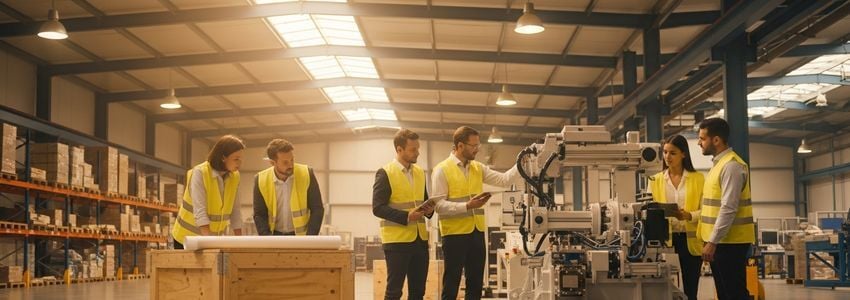
Equipment leasing is a contractual arrangement in which a leasing company purchases equipment and rents it to a business for a fixed monthly payment over a set term. At the end of the lease, the business typically has the choice to purchase the equipment at a predetermined or fair market value, renew the lease, or return the equipment and upgrade to newer models.
Unlike equipment financing where you take on debt and build equity in an asset, leasing is an operating arrangement that keeps your balance sheet lighter. It's particularly popular in industries where technology changes rapidly (IT, medical, communications) or where regular equipment refresh cycles are built into operations.
| Lease Type | How It Works | Best For |
|---|---|---|
| Operating Lease | Rent equipment; return at end of term | Short-term use; rapidly evolving tech |
| Capital (Finance) Lease | Lease with intent to purchase; builds equity | Long-term use; eventual ownership |
| $1 Buyout Lease | Own the equipment for $1 at lease end | Businesses planning to keep equipment long-term |
| Fair Market Value Lease | Option to buy at FMV, renew, or return | Maximum flexibility at end of term |
| Sale-Leaseback | Sell owned equipment and lease it back | Unlocking capital from existing assets |
Crestmont Capital offers fast approvals and competitive rates. Apply in minutes.
Apply Now →| Component | Typical Range | Notes |
|---|---|---|
| Lease Amount | $5,000 - $2M+ | Based on equipment value and business profile |
| APR Equivalent | 5%-20% | Lower for strong credit and long-term assets |
| Lease Term | 1-7 years | Shorter for tech; longer for heavy equipment |
| Down Payment | Usually none | First/last payment may be required upfront |
| End-of-Term Options | Buy, renew, or return | Varies by lease structure |
Crestmont Capital works with businesses across all industries to structure equipment leases that fit their operations and cash flow. Our team understands the nuances between operating leases, capital leases, and sale-leaseback arrangements, and will help you identify the structure that works best for your goals. We also offer equipment financing for businesses that prefer to own their assets, and comprehensive small business financing solutions including commercial financing for larger capital needs.
Equipment leasing is a financing arrangement where a business rents equipment from a lender or leasing company for a fixed monthly payment over an agreed term. At the end of the lease, you typically have the option to purchase the equipment, renew the lease, or return it.
With equipment financing (a loan), you own the equipment and build equity. With leasing, the leasing company owns the equipment and you pay for the right to use it. Leasing typically requires lower monthly payments and may offer more flexible end-of-term options.
You can lease virtually any business equipment including construction machinery, medical devices, vehicles, IT infrastructure, manufacturing equipment, restaurant appliances, agricultural equipment, and office technology.
Monthly lease payments are typically lower than equivalent loan payments. Rates generally range from 5% to 20% APR equivalent, depending on equipment type, term, credit profile, and residual value of the equipment.
At lease end, most agreements offer three options: purchase the equipment at its fair market value (or a predetermined price), renew the lease for continued use, or return the equipment with no further obligation.
Equipment leasing typically requires little to no down payment, which is one of its main cash flow advantages. Some programs may require the first and last month's payment upfront.
Most equipment leasing programs work with credit scores from 600 and above. Leasing can be more accessible than purchasing because the lessor retains ownership of the asset, reducing their risk.
Equipment lease approvals often come within 24 to 72 hours, with funding and delivery in days. Smaller ticket leases (under $50,000) are typically the fastest to process.
Lease payments may be treated as operating expenses, which can offer accounting benefits depending on your business structure. For specific tax guidance, consult a qualified accountant as tax treatment varies based on lease type and structure.
Yes. Used equipment leasing is available through many programs. The equipment must meet age and condition requirements set by the lessor, but this is a common way to access quality equipment at lower lease payments than new.
Fast decisions. Competitive terms. Dedicated funding advisors. Apply now with Crestmont Capital.
Get Funded Now →Disclaimer: The information provided on this page is for general educational purposes only and is not financial, legal, or tax advice. Funding terms, qualifications, and product availability may vary and are subject to change without notice. Crestmont Capital does not guarantee approval, rates, or specific outcomes. For personalized information about your business funding options, contact our team directly.