Franchise Loan Case Studies: Real Examples of How Entrepreneurs Fund and Scale Their Franchises

Franchise Loan Case Studies: Real Examples of How Entrepreneurs Fund and Scale Their Franchises

Franchise Loan Case Studies: Real Examples of How Entrepreneurs Fund and Scale Their Franchises

Franchise loan case studies offer some of the clearest insights into how real business owners secure funding, overcome financing barriers, and accelerate growth. Whether you are opening your first franchise location or expanding into multiple territories, understanding how others have navigated the lending process can dramatically increase your chances of approval. These case studies also highlight which funding structures work best for specific situations, how lenders evaluate franchise deals, and what steps you can take to position your application for success.

Equipment Leasing for Franchises: A Smart Funding Strategy for Franchise Growth

Equipment Leasing for Franchises: A Smart Funding Strategy for Franchise Growth

Equipment Leasing for Franchises: A Smart Funding Strategy for Franchise Growth

Equipment leasing for franchises refers to financing arrangements whereby franchise owners — or prospective franchise owners — obtain crucial operational equipment (e.g., kitchen appliances, office furniture, point-of-sale systems, delivery vehicles) through a lease rather than purchasing outright. Instead of investing a large upfront capital amount, the franchisee agrees to periodic lease payments over a defined term. At the end of the lease, depending on the agreement, the franchisee may return the equipment, buy it at a residual value, or renew the lease.

For a franchise system, this financing model allows both franchisor-backed and independent owners to equip multiple locations rapidly, standardize equipment without absorbing large capital expenditures, and preserve working capital for marketing, hiring, or other growth activities. Whether you are launching a fast-casual restaurant, a fitness franchise, or a specialty retail chain, equipment leasing gives you financial flexibility — and leaves cash flow for growth.

In this article, we’ll explore exactly how equipment leasing for franchises works, its advantages, practical applications, comparisons to other funding alternatives, and how Crestmont Capital can help you leverage leasing smartly for your franchise business.


Why franchises use equipment leasing: Benefits explained

Using equipment leasing for franchises offers a host of practical and financial advantages. Key benefits include:

  • Preserve cash flow for other needs
    Instead of tapping into savings or obtaining a large loan, lease payments are spread out over time — allowing franchisees to keep cash on hand for hiring, inventory, marketing, or upgrades.

  • Lower upfront capital required
    Purchasing equipment outright often requires 30–50% down or total payment. Leasing reduces that burden significantly. For a brand-new franchise location, this can be the difference between opening on schedule or delaying due to lack of funds.

  • Predictable budgeting and cash flow management
    Fixed lease payments help plan monthly expenditures. Especially for new franchises — where revenue may fluctuate — fixed costs provide predictability.

  • Faster rollout and standardization across multiple locations
    Leasing enables opening multiple branches quickly with consistent, standardized equipment — critical for maintaining brand consistency across a franchise network.

  • Tax and accounting advantages
    Under many accounting standards, lease payments can be treated as operating expenses — which may have favorable implications for cash flow and taxes (always consult a professional).

  • Mitigation of obsolescence risk
    In industries with rapid equipment turnover — such as restaurants (ovens, freezers), fitness (machines), or technology (POS, IT hardware) — leasing reduces the risk of being stuck with outdated equipment. Lease agreements can offer upgrade paths.

  • Preserve borrowing capacity
    Because leasing doesn’t require traditional collateral as a secured loan might, franchisees can preserve their lines of credit for unexpected expenses or other growth opportunities.

In short: equipment leasing lets franchise businesses scale faster, with less risk, and more agility.


How equipment leasing for franchises works — step by step

Here is a typical process when a franchise obtains equipment via lease:

  1. Equipment selection and quote
    The franchisee selects the necessary equipment — could be new appliances for a restaurant, delivery vans for a logistics franchise, or IT hardware for a retail franchise. They obtain price quotes from suppliers or vendors.

  2. Lease application and approval
    The franchisee (or franchisor) applies to a leasing company (lessor). The lessor evaluates business credit, the franchise’s financials, and potentially the strength of the franchise brand. Once approved, the lessor purchases the equipment from the vendor.

  3. Lease agreement is signed
    The lease agreement specifies the lease term (e.g., 36, 48, 60 months), monthly payment amount, any residual value at lease end (if applicable), and conditions for maintenance, upgrades, or buyout.

  4. Franchise receives and installs equipment
    The vendor delivers the equipment, and the franchisee installs and begins operations.

  5. Monthly lease payments are made
    Each month (or quarter, depending on agreement), the franchisee pays the lease amount. Because payments are fixed, this increases predictability.

  6. End-of-lease options
    Depending on lease type, at lease end the franchisee may:

    • Return the equipment to the lessor

    • Purchase the equipment at residual value

    • Lease or negotiate new equipment — especially useful if you want to upgrade (common in restaurants or retail).

This structured flow allows franchises to invest in necessary equipment without draining capital, while keeping operations consistent and up-to-date.


Types of equipment leasing for franchises

Not all leases are the same. Several types of leasing arrangements are common in the franchise world. Understanding these helps you pick the right one.

  • Operating lease
    The most common for franchises: the lessor owns the equipment and the franchisee rents it for a fixed period. At lease end, the franchisee may return or renew. Operating leases don’t burden the balance sheet heavily and are useful when you intend to upgrade equipment.

  • Capital lease (finance lease / lease-to-own)
    Similar to a loan; payments are structured so that by the end of the lease term the franchisee effectively owns the equipment. Useful when the equipment has a long useful life and the franchise wants ownership (e.g., vehicles or fixtures likely to remain for many years).

  • Sale-leaseback
    Existing equipment already owned by the franchise is sold to a leasing company and simultaneously leased back. This is a way to unlock capital tied up in owned equipment — especially useful for mature franchises looking to free up cash.

  • Custom deferred-payment lease
    Some leases offer a deferred-payment schedule (e.g., initial period with low or no payments, ramping up as revenue builds). This is often used for new franchise locations that expect revenue growth over time.

Each lease type serves a different strategic need. Your choice depends on whether you aim for ownership, cash flow flexibility, upgrade flexibility, or balance-sheet considerations.


Who benefits most from equipment leasing for franchises

Equipment leasing isn’t one-size-fits-all. It works especially well for:

  • New franchisees starting a first location — helps manage startup costs without draining capital.

  • Multi-unit franchise owners expanding rapidly — leasing enables standardization and quick rollout of many locations.

  • Franchises with equipment that depreciates quickly or becomes outdated — e.g., restaurants, gyms, retail stores, delivery fleets, IT-based franchises.

  • Franchises wanting to preserve cash flow and maintain liquidity — for marketing, staffing, or emergency expenses.

  • Franchise systems undergoing renovation or upgrades across locations — leasing allows equipment upgrades without large cash outlays.

In short: if your franchise requires significant and recurring equipment investment — or if you anticipate growth, turnover, or upgrades — leasing may be the smartest financial move.


Comparing leasing to other funding options for franchises

It helps to see how equipment leasing stacks up against other common funding methods: traditional loans, personal savings, or vendor financing.

Option Pros Cons
Equipment leasing Low upfront cost; predictable payments; potential tax benefits; upgrade flexibility; preserves working capital. May cost more over long term if you want ownership; restrictions on use/maintenance; residual value or buyout may add extra cost.
Traditional bank loan You own the equipment; no restrictions once bought. Higher upfront payment; may require collateral; increased debt burden; reduces liquidity.
Personal/owner savings or equity No debt, no monthly payments. Depletes capital; reduces safety cushion; limits growth opportunities.
Vendor financing or in-house financing Sometimes easier approvals; bundled with vendor relationship. Often high interest; less flexible; may tie you to vendor or limit future upgrades.

For many franchisees, leasing offers a balance between flexibility and control — often making it a more strategic choice than loans, especially when cash flow or growth is a priority.


How Crestmont Capital supports franchise leasing and financing

Crestmont Capital helps franchise brands and individual owners structure and secure equipment leasing tailored to their business model and growth plans. We offer financing solutions suited for franchise needs. Whether you’re opening a first location or scaling across multiple sites, Crestmont Capital provides guidance, application support, and access to competitive leasing programs.

You can explore our different services, including equipment financing, franchise financing, working capital loans, SBA loans, and more via our Resources page. For franchise-specific needs, our equipment financing option offers flexible lease-to-own and operating lease plans that align with typical franchise business models and cash flow requirements.

Our team can evaluate your business model, cash flow projections, and equipment needs — helping you choose between a capital lease (if you plan long-term ownership) or an operating lease (if you anticipate upgrades or growth).

If you’re uncertain where to start or want to compare options, visit our franchise financing page to learn how leasing mixes with other working capital tools, or our business line of credit page for short-term cash flow buffers to supplement lease payments.


Real-world examples: How equipment leasing helps franchises grow

Example 1: Launching a new restaurant franchise

A restaurateur signs a franchise agreement for a fast-casual concept. Instead of spending $250,000 on kitchen equipment, refrigeration, and POS systems, they lease everything through Crestmont Capital. With just a small down payment and monthly lease payments, the owner opens the restaurant with enough capital left to market aggressively and hire qualified staff. The predictable lease payments help manage cash flow until the location becomes profitable — and a lease-end buyout gives the option to own the equipment when the business is stable.

Example 2: Multi-unit gym franchise expansion

A gym franchise owner plans to expand to 5 new locations over 24 months. Buying heavy equipment (machines, cardio equipment, locker room fixtures) outright would tie up millions of dollars and restrict liquidity. Instead, the owner leases all equipment for each location, staggering start dates. Lease payments are aligned with expected ramp-up revenue — and at lease end, the owner upgrades certain machines to newer models, ensuring each gym stays modern and competitive.

Example 3: Retail franchise upgrading fixtures and POS systems

A retail chain operating 10 stores wants uniform POS systems and store fixtures. They lease the equipment network-wide, which reduces immediate outlay and ensures brand consistency across locations. When a new POS system emerges, they simply lease upgrades rather than throw away owned hardware — avoiding waste and staying technologically current.

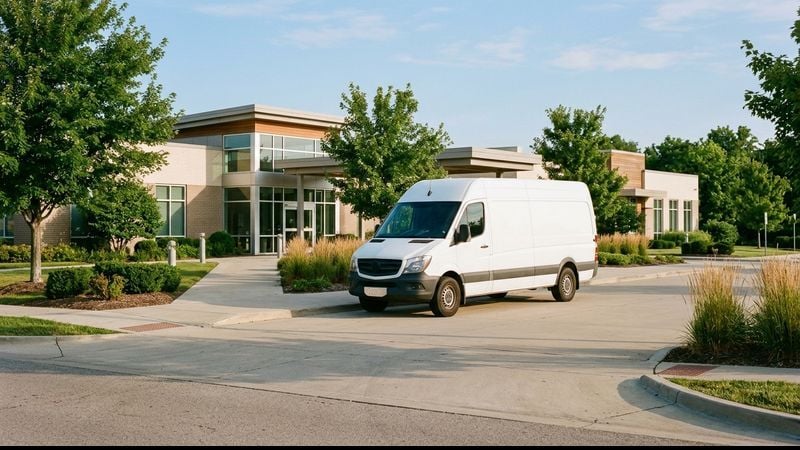
Example 4: Delivery-based franchise adding vehicles

A delivery-based franchise (for example, home services or food delivery) needs vans and service vehicles. Rather than buying a fleet, the owner leases a set number of vehicles. As demand grows, they add more vehicles via lease without straining capital. Lease terms include maintenance packages, reducing operational burden. At term end, they return or replace the vehicles, avoiding long-term vehicle maintenance or resale issues.

Example 5: Existing franchise converting owned equipment to cash via sale-leaseback

A mature franchise owner has owned equipment for years — much of it largely depreciated. Instead of selling and losing utility, they sell the equipment to a leasing company and lease it back. This frees capital to invest in renovations, marketing, or opening additional locations — all while continuing operations without interruption.

These examples illustrate how equipment leasing for franchises supports growth, preserves capital, and offers flexibility tailored to real-world business needs.


Frequently Asked Questions (FAQ)

What does “equipment leasing” mean for a franchise owner?

For a franchise owner, equipment leasing means using a leasing company to obtain and use business-critical equipment — rather than buying it outright. You pay a fixed monthly (or quarterly) fee over a term, enabling you to use necessary equipment while preserving capital for other needs.

Is leasing better than buying equipment for a franchise?

It depends. Leasing offers lower upfront cost, improved cash flow management, upgrade flexibility, and potentially favorable accounting/tax treatment. But if you want long-term ownership and plan to use the equipment for many years, purchasing (or a capital lease with buyout) might cost less in the long run. Evaluate your business’s growth plans, expected equipment lifespan, and cash flow needs.

Will leasing affect my balance sheet or credit line?

Operating leases typically stay off the balance sheet (depending on accounting rules and lease classification), which can preserve borrowing capacity. This leaves credit lines and collateral opportunities available for other uses. However, capital leases may be reported as liabilities. It’s best to consult your accountant or financial advisor for accounting treatment.

Can I lease used equipment for my franchise instead of new?

Yes. Some lessors allow leasing of used but functional equipment at lower monthly payments. This can be a cost-effective solution for low-margin or budget-sensitive operations. However, confirm the quality, maintenance history, and remaining useful life before leasing used equipment.

What happens at the end of a lease term?

Typically one of three outcomes: return the equipment to the lessor; purchase it at a predetermined residual value (common in capital leases); or renew/lease new equipment (common for operating leases). The best path depends on whether you want to own the equipment or upgrade to newer assets.

How quickly can a franchise get equipment leasing approval?

If you have clear financials and are part of an established franchise brand (or have solid credit), a leasing application can be approved in days — equipment purchased and delivered soon after. That speed enables rapid rollout, especially when opening multiple locations.

Is leasing expensive over time compared to buying?

Leasing typically costs more over a long horizon because you pay both depreciation and financing fees — and in operating leases, you may never own the equipment. But the value comes from preserving startup capital, predictable payments, flexibility, and lower risk — which for growing or capital-sensitive franchises often outweighs long-term cost differences.


Next steps: How to decide if leasing is right for your franchise

  1. Assess your equipment needs — make a detailed list of everything you need before opening or expanding: furniture, fixtures, vehicles, POS, kitchen appliances, IT hardware, etc.

  2. Estimate ownership vs leasing costs — compare the total cost of buying outright vs monthly leasing over 36–60 months, including residuals, maintenance, and upgrade potential.

  3. Run cash flow projections — simulate revenue over the first 6–18 months, and analyze how lease payments affect cash flow, staffing, marketing, and ramp-up.

  4. Consider equipment lifecycle — will the equipment likely become outdated quickly (e.g., tech hardware, POS systems, kitchen appliances)? If yes, leasing may offer strategic advantage.

  5. Reach out to your financing partner — contact a lender that specializes in franchise leasing (like Crestmont Capital) to explore terms.

  6. Compare with other funding options — consider whether combining leasing with working capital loans or lines of credit makes sense for flexibility.

  7. Consult financial and tax advisors — understand how lease payments affect your balance sheet, cash flow, and potential tax treatment.

If these steps point toward leasing, begin by contacting a trusted financing partner and negotiate terms that align with your business needs and growth plan.


How to get started with Crestmont Capital — streamlined support for franchise leasing

At Crestmont Capital, we specialize in helping franchise businesses access the equipment leasing solutions they need.

  • Visit our Equipment Financing page to view detailed leasing packages.

  • If you’re exploring multiple funding options, our Franchise Financing page outlines how leasing can integrate with working capital loans or lines of credit.

  • If cash flow fluctuations or rapid expansion are concerns, consider our Working Capital Loans or Business Line of Credit products.

  • For long-term growth or acquisition financing, our SBA Loans page explains how leasing can complement broader financing strategies.

Our experienced team guides you from initial inquiry through application, approval, and lease deployment — helping you choose the right lease type (operating vs capital), negotiate terms, and plan for upgrades or expansion.

By combining lease financing with prudent cash flow planning, Crestmont Capital helps franchisees scale smarter — without compromising on quality or financial stability.


Conclusion

For franchise businesses — whether launching a single location or scaling to multiple sites — equipment leasing for franchises offers a powerful funding strategy. It allows you to acquire necessary equipment, preserve working capital, maintain predictable cash flow, and adapt to changing business needs. Compared to buying outright or traditional loans, leasing offers flexibility, speed, and lower upfront costs, enabling rapid growth and operational agility.

If you’re planning to start a new franchise, expand existing locations, or upgrade equipment across your network, leasing may be the most efficient and strategic choice. Explore how Crestmont Capital can help you leverage leasing to scale your business confidently and sustainably.


Disclaimer:
The information provided in this article is for general educational purposes only and is not financial, legal, or tax advice. Funding terms, qualifications, and product availability may vary and are subject to change without notice. Crestmont Capital does not guarantee approval, rates, or specific outcomes. For personalized information about your business funding options, contact our team directly.


Common Mistakes in Franchise Loan Applications (And How to Avoid Them)

Common Mistakes in Franchise Loan Applications (And How to Avoid Them)

Common Mistakes in Franchise Loan Applications (And How to Avoid Them)

Securing financing for a franchise is a major step toward business ownership, but many entrepreneurs unintentionally sabotage their own funding process. The most common franchise loan application mistakes lead to delays, higher costs, or outright denials—even for otherwise strong candidates. Understanding these pitfalls is essential before approaching lenders, especially as franchise financing continues to expand across both SBA and non-SBA lending markets.

How to Finance Franchise Fees: A Comprehensive Guide for New and Growing Franchise Owners

How to Finance Franchise Fees: A Comprehensive Guide for New and Growing Franchise Owners

How to Finance Franchise Fees: A Comprehensive Guide for New and Growing Franchise Owners

Franchising offers entrepreneurs a proven business model, established brand recognition, and ongoing operational support—but the initial costs can be significant. Understanding how to finance franchise fees is one of the most important steps in launching a successful franchise location. Whether you are a first-time franchisee or expanding your existing portfolio, choosing the right funding structure can set the tone for long-term profitability and financial stability.

Best Industries for Franchise Funding: Where Financing Works Most Successfully

Best Industries for Franchise Funding: Where Financing Works Most Successfully

Best Industries for Franchise Funding: Where Financing Works Most Successfully

For entrepreneurs exploring franchising, understanding the best industries for franchise funding can significantly improve the odds of securing capital and building a profitable business. Franchise financing varies widely across sectors, and lenders evaluate risk differently depending on industry performance, stability, scalability, and historical default data. Choosing the right industry—combined with the right lender—can dramatically shape your funding options and long-term success.

This guide provides a data-driven, in-depth look at which industries consistently receive stronger approval rates, what lenders look for, how financing structures differ across sectors, and how Crestmont Capital helps franchise owners secure the capital they need to grow. Whether you're in the early research phase or preparing to submit a loan application, this article explains everything you need to make a confident decision.


What Franchise Funding Is and Why It Varies by Industry

Franchise funding refers to the capital entrepreneurs secure to launch, expand, or acquire a franchise location. Funding typically comes in the form of term loans, working capital, SBA loans, equipment financing, or revolving credit facilities. Unlike traditional business startups, franchises often receive more favorable lending consideration because they come with proven systems, operational infrastructure, and established brand recognition.

However, funding does not apply equally across all franchise categories. Lenders evaluate industries based on stability, consumer demand, historical performance, revenue predictability, and asset collateralization. Some industries show stronger loan repayment consistency, while others fluctuate with economic trends.

Understanding which industries have the highest likelihood of funding success helps borrowers strategically position their loan applications and choose opportunities that align with lender requirements.


Why Certain Industries Perform Better in Franchise Funding

Some franchise industries attract stronger funding approval because they:

  • Show long-term consumer demand regardless of economic cycles

  • Provide lenders with predictable cash flow and franchise reporting data

  • Offer proven, scalable franchise models with strong unit economics

  • Maintain healthy collateral options (e.g., equipment, inventory, real estate)

  • Demonstrate low historical default rates

  • Provide recession-resilient services

Each of these attributes reduces lending risk—which increases approval rates and improves funding terms.


The Best Industries for Franchise Funding

Below are the industries with the strongest historical lender confidence and the most favorable funding outcomes.


1. Quick-Service Restaurants (QSR) and Fast Casual Dining

QSR franchises consistently lead financing approval lists because they offer repeatable revenue streams, proven business models, structured training programs, and recognizable brands. Even during economic downturns, food service remains a high-demand category.

Examples include:

  • Sandwich shops

  • Pizza chains

  • Coffee franchises

  • Smoothie and juice bars

  • Chicken and burger concepts

According to data from Forbes and other industry analysts, food service continues to be one of the largest and fastest-growing franchise sectors in the United States. Lenders view these businesses as lower-risk when backed by strong franchise systems.


2. Health, Wellness, and Fitness Franchises

Industries centered around personal well-being—including boutique fitness, physical therapy, massage therapy, and wellness centers—have seen steady funding interest. With sustained shifts toward preventive health and self-care, lenders see strong revenue potential and predictable membership models.

Common franchise types include:

  • Pilates, barre, and yoga studios

  • Boutique gyms

  • Stretch therapy centers

  • Nutritional counseling franchises

  • Medical spas

This sector often uses hybrid funding: SBA loans for build-out, equipment loans for fitness gear, and working capital for membership acquisition.


3. Home Services and Property Maintenance

Home services are among the most recession-resistant franchise industries. According to Census.gov, U.S. homeownership rates and demand for residential services continue to trend upward—supporting strong long-term growth.

Home service franchises include:

  • HVAC

  • Plumbing

  • Electrical

  • Restoration and remediation

  • Cleaning services

  • Pest control

  • Lawn care and landscaping

These businesses often come with strong asset collateralization—vehicles, tools, and equipment—which lenders prefer.


4. Senior Care and Home Health Support

With aging populations increasing nationwide, senior care franchises have become one of the fastest-growing funding categories. Non-medical home care in particular requires relatively low overhead and offers predictable recurring revenue.

Franchise categories include:

  • Companion care

  • Meal support

  • Transportation assistance

  • Daily living support

Because demand is driven by demographic trends reported by SBA.gov and national health organizations, lenders recognize long-term growth potential in this sector.


5. Professional Services and B2B Franchises

B2B franchises—especially those focusing on marketing, staffing, financial services, and technology—offer strong margins and low initial overhead. Their scalable structure makes them attractive to lenders.

Typical franchises include:

  • Tax and accounting offices

  • Staffing and recruiting agencies

  • Business consulting

  • IT management services

  • Commercial cleaning services

Many of these businesses require minimal equipment, making them suitable for working capital financing or SBA microloans.


6. Automotive Repair and Maintenance

Automotive repair remains a high-demand industry as the average age of vehicles in the United States continues to rise. According to CNBC, vehicle lifespan expansion has driven consistent growth in aftermarket repairs and maintenance services.

Automotive franchises include:

  • Full-service repair shops

  • Oil change centers

  • Tire and alignment shops

  • Transmission specialists

  • Auto detailing

Lenders appreciate that automotive franchises generate recurring revenue and stable customer retention due to ongoing vehicle maintenance needs.


Key Benefits of Choosing a Franchise in a High-Approval Industry

Selecting one of the best industries for franchise funding provides advantages such as:

  • Higher loan approval likelihood

  • More financing options (SBA, equipment loans, working capital, etc.)

  • Lower interest rates due to reduced risk profiles

  • Faster underwriting and decision timelines

  • Stronger historical franchise performance data

  • Greater investor and lender confidence

  • Access to established success metrics from the franchisor

  • Increased operational predictability

These advantages improve both the startup experience and long-term financial stability.


How Franchise Funding Works Step-by-Step

Understanding the funding process helps borrowers prepare accurate documentation and strengthen their approval potential.

Step 1: Franchise Selection

Choose a franchise with strong performance history, transparent financials, and high lender credibility. Many lenders reference the Franchise Disclosure Document (FDD) to assess viability.

Step 2: Financial Assessment and Prequalification

Borrowers undergo income, credit, cash-flow, and liquidity screenings. Crestmont Capital assists franchises with prequalification to determine which financing structures fit best.

Step 3: Funding Strategy Development

This includes mapping out:

  • Total project costs

  • Working capital requirements

  • Equipment needs

  • Build-out or renovation costs

  • Franchise fees

Step 4: Loan Application and Underwriting

Lenders evaluate business plans, FDD data, projections, and borrower qualifications. Industries with strong performance histories generally experience faster approvals.

Step 5: Approval and Loan Structuring

Once approved, borrowers receive term sheets detailing rates, terms, fees, repayment structures, and disbursement timelines.

Step 6: Funding Disbursement

Capital is delivered to the franchise operator or directly to contractors, suppliers, or franchisors depending on loan structure.

Step 7: Launch, Growth, and Expansion

Borrowers use capital to open, operate, or scale their franchise location. Many franchise owners seek additional funding later to open second or third units.


Types of Franchise Funding Most Commonly Used

SBA 7(a) Loans

Best for startups and expansions with strong financials. SBA loans are known for longer repayment terms and lower rates.

SBA 504 Loans

Often used for real estate or major equipment purchases. Businesses with physical locations may combine 7(a) and 504 financing.

Equipment Financing

Useful for restaurants, gyms, automotive shops, and home services businesses with heavy tool or machinery needs.

Working Capital Loans

Supports payroll, marketing, operations, and early-stage franchise cash flow stabilization.

Franchise Expansion Loans

Ideal for multi-unit operators or owners acquiring additional territories.

Lines of Credit

Useful for seasonal businesses or those with fluctuating cash flow needs.

These funding methods vary by industry, which is why choosing a sector with proven lender confidence makes the process smoother and more accessible.


Who Franchise Funding Is Best For

The best industries for franchise funding are ideal for:

  • First-time business owners seeking lower risk

  • Entrepreneurs who prefer structured guidance

  • Operators seeking predictable financial models

  • Multi-unit investors expanding across territories

  • Borrowers who need long-term financing stability

  • Individuals with strong management skills but limited startup experience

  • Investors seeking industries with high consumer demand

Franchising works especially well for people who want a business with established brand equity, training, and operational frameworks.


Best Industries for Franchise Funding Compared to Other Industries

Industries such as hospitality, entertainment, and retail apparel can be more challenging to finance due to higher volatility, seasonality, or unpredictable consumer behavior. Lenders may categorize these as higher-risk because of:

  • Fluctuating demand

  • Sensitivity to economic shifts

  • Lower collateral value

  • Shorter business life cycles

  • Higher operating costs

By contrast, industries like home services, QSR, senior care, and professional services offer:

  • Consistent customer demand

  • Lower default trends

  • Recurring revenue

  • Strong unit economics

These attributes enhance lender confidence and improve access to capital.


How Crestmont Capital Helps Franchise Owners Secure Funding

Crestmont Capital specializes in customized franchise funding solutions designed to support startups, expansions, and multi-unit growth. Entrepreneurs choose Crestmont Capital because of its extensive lender network and deep experience across franchise industries.

Helpful internal resources include:

Crestmont Capital guides franchisees through every step, from prequalification and documentation to underwriting, approval, and long-term growth financing. The team works with thousands of businesses nationwide and understands the financial nuances unique to each franchise industry.


Real-World Examples of Industries with Strong Funding Outcomes

Example 1: A First-Time Franchise Owner Opening a Coffee Shop

Because QSRs consistently show strong lender performance, this borrower secured an SBA 7(a) loan with favorable terms. Recurring customer foot traffic and strong franchisor support made the lender confident in the business plan.

Example 2: An Investor Expanding a Senior Care Franchise

With a rapidly growing senior population and historically stable revenue models, the borrower obtained multi-unit financing to expand into two additional territories.

Example 3: A Fitness Franchise Launching Its First Studio

High consumer demand for boutique fitness combined with predictable membership structures helped this entrepreneur qualify for combined working capital and equipment financing.

Example 4: A Home Services Franchise Scaling Its Fleet

Because home services businesses offer strong collateral (vehicles, tools, equipment), the borrower received fast approval for expansion funding when adding new technicians and service routes.

Example 5: Automotive Repair Franchise Upgrading Equipment

Automotive shops often secure equipment loans due to necessary machinery investments. This borrower leveraged collateralized financing to modernize diagnostic and repair tools.


Frequently Asked Questions

What are the easiest franchise industries to fund?

Quick-service restaurants, home services, senior care, fitness, and automotive repair consistently receive higher lender approval rates due to long-term demand and predictable revenue.

Do lenders prefer certain franchise brands?

Yes. Well-established brands with strong FDDs, proven profitability, and detailed performance metrics typically receive stronger lending consideration.

Is SBA financing available for most franchise industries?

Most franchises qualify for SBA 7(a) or 504 loans, provided they appear on the SBA franchise directory and meet credit, liquidity, and operational requirements.

How much money do I need to qualify for franchise financing?

Requirements vary, but most lenders expect reasonable credit, manageable debt levels, liquidity for down payments, and sufficient cash flow projections.

Are service-based franchises easier to finance than retail?

Often yes. Service franchises generally require less overhead, provide recurring revenue, and show stronger resilience during economic downturns.

Can franchise owners get funding for multiple units?

Yes. Many lenders and funding partners—including Crestmont Capital—offer expansion loans specifically for multi-unit operators.

What if I have limited business experience?

Franchises are attractive to first-time owners. Strong franchisor training combined with structured business models helps offset limited experience from borrowers.


Next Steps for Entrepreneurs Ready to Pursue Franchise Funding

If you're evaluating the best industries for franchise funding, now is the ideal time to explore financing options aligned with your business goals. Start by assessing your financial readiness, researching top franchise systems, reviewing the FDD, and determining total startup expenses.

From there, connect with a funding partner like Crestmont Capital to build a tailored funding plan. The right financial strategy ensures you secure sufficient working capital, avoid early cash-flow challenges, and position your franchise for long-term growth.


Conclusion: Choosing the Best Industries for Franchise Funding for Long-Term Success

Understanding the best industries for franchise funding empowers entrepreneurs to make informed decisions and secure the capital necessary to launch or expand a successful franchise. Industries such as QSR, home services, senior care, fitness, automotive repair, and professional services consistently demonstrate strong lender confidence—and therefore stronger approval outcomes. With the right funding partner, franchise operators can build a scalable, resilient business supported by stable financial structures and long-term growth opportunities.


Disclaimer:
The information provided in this article is for general educational purposes only and is not financial, legal, or tax advice. Funding terms, qualifications, and product availability may vary and are subject to change without notice. Crestmont Capital does not guarantee approval, rates, or specific outcomes. For personalized information about your business funding options, contact our team directly.


How Much Down Payment Is Required for Franchise Loans?

How Much Down Payment Is Required for Franchise Loans?

How Much Down Payment Is Required for Franchise Loans?

Financing a franchise can be an attractive path to entrepreneurship, but many buyers are surprised to learn how substantial a franchise loan down payment can be. Understanding how lenders determine down payment requirements—and how you can prepare—can dramatically improve your chances of securing affordable financing. Whether you're purchasing a well-known national franchise or a smaller regional brand, the down payment influences everything from your approval odds to your long-term profitability.

Why Lenders Like Franchises Over Startups

Why Lenders Like Franchises Over Startups

Why Lenders Like Franchises Over Startups

Securing capital is one of the biggest challenges facing new business owners, and anyone who has attempted to launch a company from scratch knows how difficult the lending landscape can be. Franchise financing, however, tells a very different story. Lenders consistently favor franchise borrowers over independent startup owners—and the reasons go far beyond brand recognition. Understanding why lenders make this distinction can help entrepreneurs choose the right path, improve their approval odds, and access better funding terms.

SBA loans for franchise businesses – What Every Franchise Owner Should Know

SBA loans for franchise businesses – What Every Franchise Owner Should Know

SBA loans for franchise businesses – What Every Franchise Owner Should Know

Franchising offers entrepreneurs a proven business model, recognized brand, and operational support — but getting started or expanding a franchise often requires significant capital. That’s where SBA loans for franchise businesses come into play. These government-backed loans can offer favorable terms, lower interest rates, and manageable repayment schedules, helping both new and existing franchisees access the funding needed to succeed.

Franchise Financing vs Traditional Loans: A Complete Guide for New and Growing Franchise Owners

Franchise Financing vs Traditional Loans: A Complete Guide for New and Growing Franchise Owners

Franchise Financing vs Traditional Loans: A Complete Guide for New and Growing Franchise Owners

Choosing how to fund a franchise is one of the most important decisions new business owners make. The path you choose affects not only your startup costs but also your long-term financial stability, your ability to scale, and your ownership control. Understanding the differences between franchise financing vs traditional loans gives you the clarity needed to select the right solution for your business model.

Business Loans for Franchise Startups: How to Secure the Right Funding for Your New Franchise

Business Loans for Franchise Startups: How to Secure the Right Funding for Your New Franchise

Business Loans for Franchise Startups: How to Secure the Right Funding for Your New Franchise

Launching a franchise is one of the most reliable paths to entrepreneurship, but even the strongest franchise system requires working capital to get off the ground. Understanding how business loans for franchise startups work—and how to choose the right lender—can dramatically increase your odds of long-term success. This in-depth guide explains everything you need to know, from loan types and qualifications to step-by-step application strategies and real-world examples, all backed by the latest insights from trusted industry sources.