
 (800) 949-0401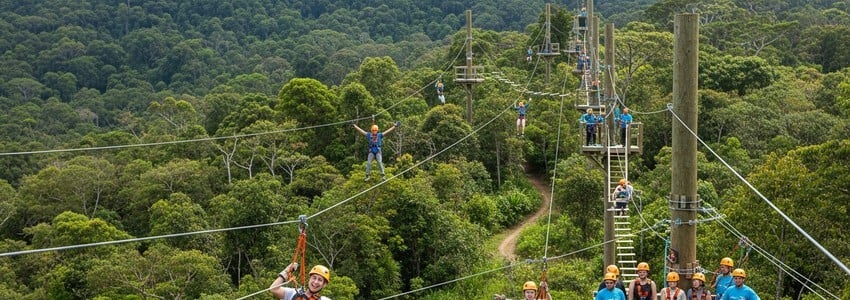
The Ultimate Guide to Zip Line Business Loans
The adventure tourism industry is soaring to new heights, offering thrilling experiences to millions of people each year. At the heart of this exhilarating sector is the zip line park, a business that combines the beauty of nature with the rush of adrenaline. Launching or expanding a zip line business, however, is a capital-intensive venture that requires significant upfront investment in land, construction, high-grade equipment, and comprehensive insurance. This is where zip line business loans become an essential tool for entrepreneurs. These specialized financing solutions are designed to address the unique financial hurdles of the outdoor recreation industry, providing the necessary capital to build safe, state-of-the-art courses, purchase essential gear, and cover operational costs during seasonal fluctuations. Whether you are building your first tower or adding a new canopy tour to an existing park, understanding your funding options is the first step toward turning your high-flying business dream into a profitable reality. At Crestmont Capital, we specialize in providing tailored financing for ambitious entrepreneurs in the adventure industry, ensuring you have the support you need to succeed.
In This Article
- Why Zip Line Businesses Need Specialized Financing
- What Can You Use Zip Line Business Loans For?
- Top Types of Zip Line Business Loans Explained
- How to Qualify for Zip Line Adventure Park Financing
- The Application Process: A Step-by-Step Guide
- Navigating the Adventure Tourism Market
- Tips for a Stronger Loan Application
- Frequently Asked Questions About Zip Line Business Loans
Why Zip Line Businesses Need Specialized Financing
Operating a zip line or adventure park is unlike running a typical retail store or restaurant. The business model is characterized by high initial capital expenditures, significant ongoing safety and maintenance costs, seasonal revenue streams, and substantial liability insurance premiums. These unique factors make specialized zip line business loans not just helpful, but often essential for long-term success and stability.
Traditional lenders may sometimes view adventure tourism as a high-risk category due to perceived liability and fluctuating income. A lender like Crestmont Capital, which understands the nuances of the outdoor recreation industry, can look past these surface-level concerns and see the strong potential of a well-managed park. Here’s a breakdown of why this specialized financing is so critical:
- Massive Upfront Investment: The cost to design, engineer, and construct a professional zip line course can easily run from hundreds of thousands to over a million dollars. This includes land acquisition or leasing, clearing and preparation, building takeoff and landing platforms, installing steel towers or using existing trees, and running high-tensile steel cables. These are not expenses most entrepreneurs can cover out of pocket. A substantial term loan or SBA loan is often required to get the project off the ground.
- Specialized and Expensive Equipment: Safety is the number one priority in this industry, and it comes at a price. A constant inventory of high-quality, certified equipment is non-negotiable. This includes harnesses, helmets, trolleys (pulleys), lanyards, carabiners, and braking systems. Each piece of gear has a limited lifespan and must be regularly inspected and replaced. Equipment financing is a perfect solution for these needs, allowing you to acquire necessary gear without draining your working capital.
- Managing Seasonality: Most zip line parks are subject to seasonal demand. You might see a huge influx of customers during the summer months and a significant drop-off in the winter, depending on your climate. This creates a cash flow rollercoaster. A business line of credit provides a flexible safety net, allowing you to cover payroll, rent, and other fixed costs during the slow season and pay it back when revenue peaks.
- Prohibitive Insurance Costs: Liability insurance is one of the single largest operating expenses for a zip line business. Premiums are high due to the inherent risks of the activity. Lenders need to see that you are fully insured, and you need sufficient working capital to cover these annual or semi-annual premium payments, which can be tens of thousands of dollars. A working capital loan can ensure you never have a lapse in this critical coverage.
- Expansion and Upgrades: The adventure tourism market is competitive. To attract repeat customers and stay ahead of the competition, you need to innovate. This could mean adding a longer, faster line, a new ropes course, a climbing wall, or other attractions. Zip line business loans provide the capital needed to fund these revenue-generating expansion projects, helping you grow your market share and increase profitability.
Without access to lenders who understand these specific challenges, zip line entrepreneurs may face rejection from traditional banks or be forced to accept unfavorable terms. Specialized financing provides the right capital structure to build a safe, thrilling, and financially sustainable adventure business.
Ready to Fund Your Zip Line Business?
Get fast, flexible financing tailored to adventure businesses. Apply in minutes.
Apply NowWhat Can You Use Zip Line Business Loans For?
Securing a zip line business loan opens up a world of possibilities for launching, running, and growing your adventure park. The capital can be allocated to virtually every aspect of your business, from the initial groundwork to your grand opening marketing campaign. Lenders who specialize in this niche, like Crestmont Capital, understand the diverse and critical expenses involved. Here is a comprehensive look at how you can use the funds:
1. Course Design and Construction
This is often the largest single expense. Funds can be used for:
- Professional Course Design: Hiring an accredited firm to design a safe, exciting, and environmentally conscious course that meets industry standards (e.g., ACCT or ASTM).
- Engineering and Permitting: Paying for structural engineering reports, environmental impact studies, and securing all necessary local and state building permits.
- Construction Costs: Covering labor and materials for building launch and landing platforms, support towers, bridges, and trails between lines.
- Cable and Hardware Installation: The purchase and professional installation of high-tensile steel cables, anchors, and tensioning systems.
2. Essential Safety and Riding Equipment
This category is critical for operations and safety. A loan can cover:
- Participant Gear: Bulk purchases of harnesses, helmets, gloves, and trolleys for your customers. You'll need various sizes and enough inventory to handle peak capacity, plus spares.
- Guide and Staff Gear: Specialized equipment for your guides, including rescue gear, communication devices, and first-aid kits.
- Braking Systems: Investing in reliable braking systems, whether they are passive (like gravity brakes or prusik knots) or active (like magnetic or hand-braking systems).
- Inspection and Maintenance Tools: Tools and software needed for daily, weekly, and annual inspections of the course and equipment.
3. Land and Infrastructure
Before you build, you need a location. Financing can help with:
- Land Purchase or Lease: Acquiring the perfect piece of forested or mountainous terrain, or securing a long-term lease.
- Site Preparation: Clearing land, grading, and ensuring proper drainage.
- Visitor Facilities: Building a welcome center, restrooms, a check-in area, gift shop, and parking lot.
- Utilities: Running electricity, water, and internet service to your site, which can be a significant cost in remote locations.
4. Working Capital and Operational Expenses
These are the ongoing costs of running the business. A loan provides a crucial buffer for:
- Insurance Premiums: Paying the substantial upfront cost of a comprehensive liability insurance policy.
- Staffing and Payroll: Covering wages for guides, office staff, and maintenance crews, especially during the ramp-up period before you generate consistent revenue.
- Marketing and Advertising: Funding a professional website, online booking system, social media campaigns, and local advertising to attract your first customers.
- Inventory: Stocking your gift shop with merchandise or your small cafe with concessions.
- Seasonal Cash Flow Gaps: Having funds in reserve to cover fixed costs during the off-season when business is slow.
5. Business Expansion and Technology
For existing parks, a loan can fuel growth:
- Adding New Attractions: Building new zip lines, a ropes course, a climbing tower, or an aerial adventure park to diversify your offerings.
- Upgrading Technology: Implementing a new point-of-sale (POS) system, online waiver software, or a customer relationship management (CRM) platform to improve efficiency.
- Purchasing Transportation: Buying vans or ATVs to transport guests from the welcome center to the start of the course.
By leveraging zip line business loans, you can ensure every facet of your operation is well-funded, professionally executed, and positioned for maximum safety and profitability.
Top Types of Zip Line Business Loans Explained
When seeking financing for your zip line adventure park, it’s crucial to understand that not all loans are created equal. The best funding solution depends on your specific needs, whether you're starting from scratch, buying equipment, or managing cash flow. At Crestmont Capital, we offer a diverse portfolio of small business loans to match the unique demands of the adventure tourism industry. Here are the top types of zip line business loans to consider:
1. Equipment Financing
Equipment financing is one of the most popular options for zip line businesses due to their heavy reliance on specialized gear. This type of loan is specifically designed to fund the purchase of tangible assets.
- How it Works: You receive funds to purchase specific equipment, and the equipment itself serves as collateral for the loan. This reduces the risk for the lender, often resulting in higher approval rates and more favorable terms.
- Best For: Purchasing zip line cables, trolleys, harnesses, helmets, braking systems, platforms, and even vehicles for guest transport.
- Advantages: Often easier to qualify for than other loans, preserves working capital for other expenses, and can offer tax benefits through depreciation (consult a tax professional). Our blog post on Equipment Financing 101 provides more detail.
2. SBA Loans
Backed by the U.S. Small Business Administration, SBA loans are considered the gold standard in small business financing. They offer long repayment terms and low interest rates, making them ideal for large-scale projects like building a new zip line park.
- How it Works: The SBA doesn't lend money directly; instead, it guarantees a portion of the loan made by a partner lender like Crestmont Capital. This reduces the lender's risk, allowing them to offer excellent terms.
- Best For: Major expenses like land acquisition, course construction, business acquisition, or refinancing existing debt.
- Advantages: Some of the lowest rates and longest terms available (up to 25 years for real estate), which keeps monthly payments manageable.
- Considerations: The application process is typically more intensive and time-consuming, requiring detailed documentation and a strong business plan.
3. Term Loans
A traditional term loan provides a lump sum of capital that you repay over a set period with fixed, regular payments. They are highly versatile and can be used for nearly any business purpose.
- How it Works: You apply for a specific amount, and if approved, you receive the full sum upfront. Repayment begins shortly after, with terms typically ranging from one to ten years.
- Best For: Large, one-time investments such as course expansion, major renovations to visitor facilities, or funding a large marketing campaign. Crestmont Capital offers both short-term and long-term business loans to fit your timeline.
- Advantages: Predictable, fixed payments make budgeting easy. Interest rates are often competitive for well-qualified borrowers.
4. Business Line of Credit
A business line of credit offers the ultimate flexibility for managing ongoing expenses and unexpected costs. It functions similarly to a credit card but with lower interest rates and higher limits.
- How it Works: You are approved for a maximum credit limit and can draw funds as needed, up to that limit. You only pay interest on the amount you use. As you repay the funds, your available credit is replenished.
- Best For: Managing seasonal cash flow gaps, covering unexpected repairs, payroll during the off-season, or seizing a sudden business opportunity.
- Advantages: Provides an immediate financial safety net. You only pay for what you use, making it a cost-effective way to manage working capital.
5. Merchant Cash Advance (MCA)
For businesses that need capital extremely quickly and may not qualify for traditional loans, a Merchant Cash Advance can be an option. It's not a loan but rather a sale of a portion of your future credit card sales.
- How it Works: A lender provides you with a lump sum of cash in exchange for a percentage of your daily credit and debit card sales until the advance is paid back, plus a fee.
- Best For: Emergency funding for critical repairs or a sudden inventory need, especially if your credit history is a challenge.
- Advantages: The funding process is incredibly fast, often within 24-48 hours. Repayments are flexible, as they adjust with your sales volume. Explore our fast business loan options for more information.
- Considerations: The cost of capital is typically higher than traditional loans, so it should be used strategically for short-term, high-return needs.
Zip Line Industry Snapshot
$680B+
Global Adventure Tourism Market Size
15.2%
Projected Annual Growth (CAGR)
$500k+
Average Startup Cost for a Multi-Line Course
Top Expense
Insurance & High-Grade Equipment
Source: Industry estimates and market research reports.
How to Qualify for Zip Line Adventure Park Financing
Securing a zip line business loan requires lenders to have confidence in your ability to manage both the financial and operational aspects of a high-risk, high-reward venture. Lenders will scrutinize several key areas of your personal and business profile to assess your creditworthiness. Preparing these elements in advance will significantly strengthen your application and improve your chances of approval.
Key Qualification Factors:
-
Personal and Business Credit Score: Your credit history is a primary indicator of your financial responsibility. For most traditional loans, including SBA and term loans, lenders typically look for a personal credit score of 650 or higher. A score above 700 will open up the best rates and terms. If your business has been operating for a while, its credit history will also be evaluated. For startups without a business credit history, personal credit is paramount.
-
Time in Business: Lenders prefer to work with established businesses that have a proven track record of generating revenue. Most lenders require at least one to two years in operation. However, for startups, this requirement can be overcome with a very strong business plan, significant industry experience, and substantial personal investment (equity injection) into the project.
-
Annual Revenue: Your business's revenue demonstrates its ability to generate the cash flow needed to make loan payments. Lenders will want to see your historical revenue figures (if you're an existing business) or well-researched revenue projections (if you're a startup). A common minimum annual revenue requirement is $100,000 to $250,000, but this varies widely by loan type and lender.
-
A Comprehensive Business Plan (Especially for Startups): This is arguably the most important document for a new zip line venture. Your business plan must be thorough, professional, and convincing. It should include:
- An executive summary.
- A detailed description of the zip line course and other attractions.
- A market analysis of your location, target demographic, and competitors.
- A marketing and sales strategy.
- A management team overview showcasing relevant experience.
- Detailed financial projections, including startup costs, projected profit and loss statements, cash flow statements, and a break-even analysis.
-
Collateral: Many types of zip line business loans, particularly larger ones like SBA or long-term loans, require collateral. This is an asset that the lender can seize if you default on the loan. Collateral can include business assets (like the zip line equipment itself), real estate, or other valuable property. A strong collateral position significantly reduces the lender's risk.
-
Financial Statements: Be prepared to provide a suite of financial documents. This includes business tax returns (for at least 2-3 years if established), profit and loss statements, balance sheets, and business bank statements (typically the last 6-12 months). These documents give the lender a clear picture of your financial health.
Meeting these qualifications can seem daunting, but working with a lender like Crestmont Capital can streamline the process. Our funding specialists understand the zip line industry and can guide you toward the loan products for which you are best qualified, helping you present your business in the strongest possible light.
Ready to Fund Your Zip Line Business?
Get fast, flexible financing tailored to adventure businesses. Apply in minutes.
Apply NowThe Application Process: A Step-by-Step Guide
Navigating the loan application process can feel complex, but breaking it down into manageable steps makes it much more approachable. While the exact process can vary slightly depending on the lender and the type of loan, the core stages are generally consistent. Here’s a step-by-step guide to applying for zip line business loans with a lender like Crestmont Capital.
Step 1: Pre-Application and Document Gathering
This is the preparation phase. Before you even fill out an application, you need to get your house in order. A well-prepared applicant is a successful applicant.
- Define Your Needs: Clearly determine how much funding you need and exactly how you will use it. Create a detailed, itemized budget.
- Check Your Credit: Pull your personal and business credit reports. Check them for errors and understand your score so you know where you stand.
- Gather Your Documents: This is the most time-consuming part. Compile all necessary paperwork, which typically includes:
- Government-issued ID (e.g., driver's license)
- Business license and registration documents
- Business and personal tax returns (2-3 years)
- Bank statements (6-12 months)
- Profit & Loss statements and balance sheets
- A detailed business plan with financial projections (especially for startups)
- A list of collateral with estimated values
- Quotes for equipment or construction costs
- Proof of insurance or a quote for a comprehensive liability policy
Step 2: Choose the Right Lender and Loan Product
Don’t just apply to the first lender you find. Research lenders who have experience in the outdoor recreation business loans space. Crestmont Capital, for example, understands the unique capital needs of a zip line park. Discuss your needs with a funding specialist to identify the best loan product, whether it's equipment financing, an SBA loan, or a line of credit.
Step 3: Complete the Application
Once you have your documents and have chosen a lender, it’s time to apply. Most modern lenders, including Crestmont Capital, offer a streamlined online application process.
- Be Accurate and Honest: Fill out the application form completely and accurately. Any inconsistencies or misinformation can lead to an immediate denial.
- Submit All Required Documents: Use the lender's secure portal to upload all the documents you gathered in Step 1. A complete package speeds up the review process significantly.
Step 4: Underwriting and Review
This is where the lender's team evaluates your application. An underwriter will perform a deep dive into your financials, credit history, business plan, and the overall risk profile of your project. They will verify all the information you provided. During this stage, they may reach out with follow-up questions or requests for additional documentation. Be responsive and provide any requested information promptly to keep the process moving.
Step 5: Receive and Review Your Offer
If your application is approved, the lender will extend a formal loan offer. This document will outline all the critical details of the loan, including:
- Loan Amount: The total capital you will receive.
- Interest Rate: The cost of borrowing, expressed as a percentage. It may be fixed or variable.
- Repayment Term: The length of time you have to repay the loan.
- Monthly Payment: The amount you will owe each month.
- Fees: Any origination fees, closing costs, or other charges associated with the loan.
Review this offer carefully. Make sure you understand all the terms and that the payments fit comfortably within your projected cash flow. Don't be afraid to ask your loan officer to clarify anything you're unsure about.
Step 6: Closing and Funding
If you accept the offer, you'll move to the final stage. You will sign the official loan agreement and any other closing documents. Once all the paperwork is finalized, the lender will disburse the funds. The capital is typically deposited directly into your business bank account, and depending on the loan type, this can happen in as little as 24 hours or may take a few weeks for more complex loans like an SBA 7(a). You can now put your capital to work building or growing your zip line empire.
Navigating the Adventure Tourism Market: Industry Growth and Financial Strategy
The decision to seek a zip line business loan should be grounded in a solid understanding of the market you're entering. The good news is that the adventure tourism sector is not just growing; it's booming. Post-pandemic, there is a pent-up demand for authentic, experience-based travel, and outdoor activities are at the forefront of this trend. According to a recent report from Forbes, adventure travel is surging as consumers prioritize unique experiences over material goods.
This growth presents a massive opportunity for zip line entrepreneurs. However, it also brings increased competition and evolving customer expectations. A smart financial strategy, powered by the right business loan, is essential to capitalize on these trends and build a resilient business.
Key Market Trends to Leverage:
- Eco-Tourism and Sustainability: Modern travelers are environmentally conscious. They prefer businesses that demonstrate a commitment to sustainability. A business loan can fund eco-friendly construction methods, solar panel installations for your visitor center, or partnerships with local conservation groups. Highlighting these initiatives in your marketing can be a powerful differentiator.
- Family-Friendly Adventures: While thrill-seekers are a core demographic, the market for family-friendly outdoor activities is enormous. Consider using loan funds to build a less intense, kid-focused zip line course or a complementary ropes course with varying difficulty levels. This broadens your customer base and increases potential revenue.
- "Instagrammable" Experiences: Social media is a primary driver of tourism. Design your course with photo opportunities in mind: a platform with a stunning view, a uniquely designed landing zone, or a particularly scenic portion of the zip. Use a portion of your funding for professional photography and a targeted social media marketing strategy.
- Technology Integration: Modern consumers expect convenience. A loan can help you invest in a seamless online booking system, digital waivers to speed up check-in, and professional video/photo packages that guests can purchase, creating an additional revenue stream.
Your financial strategy should align with these market trends. When presenting your business plan to a lender, don't just show them how you'll build a zip line; show them how you'll build a modern, competitive, and profitable adventure tourism destination that capitalizes on current consumer demands. Using a zip line business loan to invest in these forward-thinking areas demonstrates to lenders that you have a clear vision for long-term success, not just a plan for initial construction. This strategic approach is crucial for securing the funding you need to thrive in this exciting and expanding market.
Tips for a Stronger Loan Application
Getting approved for a zip line business loan requires more than just meeting the minimum criteria. You need to present a compelling case that inspires confidence in your lender. Here are some expert tips to make your application stand out and maximize your chances of securing the funding you need.
- Craft an Impeccable Business Plan: This is your primary sales document. It should be data-driven, professionally written, and completely free of errors. Pay special attention to the financial projections. Use realistic, well-researched numbers, not just optimistic guesses. Clearly explain your assumptions and show a clear path to profitability.
- Demonstrate Your "Skin in the Game": Lenders want to see that you are personally invested in the success of your business. A significant personal equity injection (typically 10-20% of the total project cost) shows that you are sharing the risk. This commitment can be a powerful factor in a lender's decision.
- Highlight Your Management Team's Expertise: Your team is one of your greatest assets. Create detailed biographies for all key personnel, emphasizing any experience in outdoor recreation, hospitality, business management, or construction. If your team has gaps, explain how you plan to fill them, perhaps by hiring an experienced general manager or consulting with industry experts.
- Get Quotes and Bids in Advance: Don't just estimate your costs. Get formal quotes from course builders, equipment suppliers, and insurance brokers. Including these in your loan package shows that you've done your homework and that your funding request is based on real-world figures, not speculation.
- Address the Risks Head-On: Every business has risks, and zip line parks have more than most. Instead of ignoring them, address them directly in your business plan. Dedicate a section to risk management, detailing your safety protocols, staff training procedures, regular inspection schedules, and emergency action plans. This demonstrates foresight and responsibility.
- Clean Up Your Personal and Business Finances: Before applying, take steps to improve your financial profile. Pay down personal credit card debt to lower your debt-to-income ratio. Resolve any outstanding collections or liens. Ensure your business bank accounts are well-managed and avoid non-sufficient funds (NSF) charges.
- Choose the Right Lender: Partner with a lender who understands your industry. Crestmont Capital has experience with unique businesses like adventure parks. We understand the seasonality, the high equipment costs, and the insurance requirements. An experienced lender can be a valuable partner, guiding you to the right product and helping you navigate the process.
By following these tips, you transform your application from a simple request for money into a convincing proposal for a successful business partnership. You show the lender that you are a serious, prepared, and capable entrepreneur ready to build a thriving zip line business.
Ready to Fund Your Zip Line Business?
Get fast, flexible financing tailored to adventure businesses. Apply in minutes.
Apply NowFrequently Asked Questions About Zip Line Business Loans
How much does it cost to start a zip line business?
Can I get a zip line business loan as a startup with no revenue yet?
What is the minimum credit score needed for a zip line business loan?
How important is liability insurance when applying for a loan?
What kind of loan is best for buying zip line equipment like harnesses and trolleys?
How long does it take to get funded?
Do I need collateral to secure a zip line business loan?
How can I finance my business during the slow winter season?
What are typical interest rates for zip line business loans?
Can I use a loan to pay for staff training and certification?
What are the biggest financial mistakes new zip line owners make?
Can I refinance an existing zip line business loan?
Is it better to lease or buy the land for my zip line park?
How much working capital should I request in my loan?
Will a past bankruptcy affect my ability to get a loan?
Next Steps
You now have a comprehensive understanding of the world of zip line business loans. From the critical need for specialized funding to the specific types of loans available and the steps to a successful application, you are equipped with the knowledge to take action. The adventure tourism industry is full of opportunity for entrepreneurs with a clear vision and a solid financial foundation.
Your next step is to translate this knowledge into a concrete plan. Start by refining your business plan, gathering your financial documents, and creating a detailed budget for your project. When you're ready to explore your funding options, the expert team at Crestmont Capital is here to help. We specialize in financing for unique industries like yours and are committed to finding the right solution to help you launch or grow your zip line adventure.
Ready to get started? Apply now or contact our team today to discuss your project.
Disclaimer: The information provided in this article is for general educational purposes only and is not financial, legal, or tax advice. Funding terms, qualifications, and product availability may vary and are subject to change without notice. Crestmont Capital does not guarantee approval, rates, or specific outcomes. For personalized information about your business funding options, contact our team directly.








