
 (800) 949-0401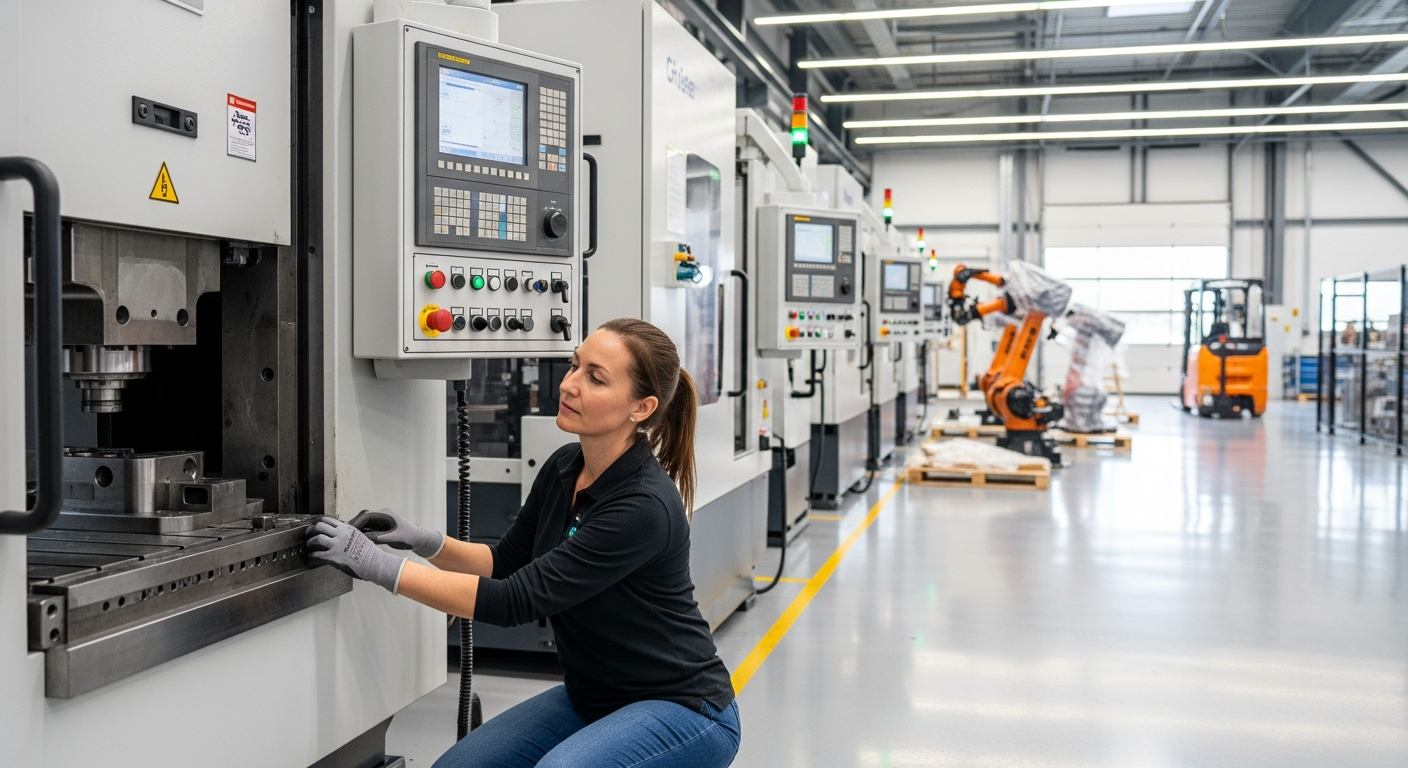
Equipment Financing 101: How It Works and Who Should Use It
Equipment financing is one of the most practical and widely used forms of business funding available today. Whether you need a commercial oven for your restaurant, a CNC machine for your manufacturing floor, a dump truck for your construction company, or an ultrasound machine for your medical practice, equipment financing lets you acquire what you need now and pay for it over time - without tying up your working capital or waiting until you have saved enough cash.
For businesses of all sizes across virtually every industry, understanding how equipment financing works is essential. This guide breaks down the mechanics of equipment financing, explains who it is best suited for, walks through the qualification process, and shows you how to use it strategically to grow your business.
What Is Equipment Financing?
Equipment financing is a type of business loan used specifically to purchase equipment or machinery for commercial use. The financed equipment typically serves as collateral for the loan, which means the lender can repossess the asset if payments are not made. This collateral structure is what makes equipment financing more accessible than many other forms of business lending - the lender has a tangible asset backing the loan, which reduces their risk and often translates into better rates for borrowers.
Unlike a general-purpose working capital loan, equipment financing is tied to a specific purchase. You apply for a loan amount based on the cost of the equipment, make monthly payments over an agreed term, and at the end of the loan you own the equipment outright. The entire process can be completed in days for established businesses with clean credit profiles.
How Does Equipment Financing Work?
The process follows a straightforward path from application to ownership:
- Identify the equipment - You select the equipment you need and get a purchase price, whether from a manufacturer, dealer, or private seller.
- Apply for financing - You submit a loan application with basic business and financial information. Many lenders offer streamlined applications for equipment loans under $150,000.
- Lender reviews and approves - The lender evaluates your credit, revenue, time in business, and the value of the equipment. Approval can happen within 24 to 72 hours for straightforward applications.
- Funds disbursed - The lender pays the equipment seller directly, or funds are deposited in your account to complete the purchase.
- You repay over time - Monthly payments cover principal and interest. Terms typically range from 24 to 84 months depending on the equipment type and loan amount.
- Ownership transfers - Once the loan is fully repaid, you own the equipment with no remaining obligations to the lender.
It is worth noting that equipment financing differs from equipment leasing. With financing, you are purchasing the asset and building equity throughout the repayment period. With leasing, you are paying for the right to use the equipment but do not own it at the end of the term. For a full comparison, see our guide to equipment financing vs. leasing.
Equipment Financing Rates: What to Expect
Equipment financing rates vary based on several factors, but here is a general range you can use as a benchmark:
- New equipment: 5% to 15% APR for well-qualified borrowers
- Used equipment: 7% to 20% APR, depending on age and condition
- Startups and lower credit profiles: 10% to 30% or higher
- SBA equipment loans: Typically 7% to 14%, tied to benchmark rates
The interest rate you receive depends on your personal credit score, business credit history, time in business, annual revenue, and the type and age of equipment being financed. Newer equipment in strong demand typically gets better rates because its resale value is higher, reducing lender risk if the loan defaults. For a deeper look at how rates are determined across loan types, see our guide to business loan interest rates and fees.
Types of Equipment You Can Finance
Equipment financing covers an extraordinarily wide range of business assets. Here are some of the most common categories:
Construction and Heavy Equipment
Excavators, bulldozers, cranes, concrete mixers, forklifts, and skid steers are among the most financed assets in the equipment lending market. These assets are expensive, have long useful lives, and hold resale value well - all characteristics that make them ideal collateral. Crestmont Capital works with construction companies to finance construction equipment across all categories.
Medical and Healthcare Equipment
MRI machines, CT scanners, X-ray systems, dental chairs, surgical robots, and ultrasound devices are financed through medical equipment loans. These assets can cost hundreds of thousands of dollars and have long productive lives, making financing the standard approach for medical practices and hospitals alike.
Manufacturing and Industrial Equipment
CNC machines, laser cutters, injection molding systems, conveyor systems, and industrial presses are all financed through equipment loans. Manufacturing equipment is one of the highest-value categories in equipment financing, with individual machines often costing $100,000 to $1 million or more.
Restaurant and Food Service Equipment
Commercial ovens, refrigeration systems, dishwashers, espresso machines, and food preparation equipment are financed through restaurant equipment loans. For restaurateurs, financing kitchen equipment is often the most capital-efficient way to launch or expand a food service operation.
Transportation and Fleet Vehicles
Semi-trucks, delivery vans, dump trucks, and box trucks are financed through commercial vehicle loans - a specialized form of equipment financing. Fleet financing allows transportation companies to expand their capacity without depleting cash reserves.
Technology and Office Equipment
Servers, networking equipment, high-end computers, printing systems, and point-of-sale technology can be financed through equipment loans. Technology equipment typically has shorter useful lives, which is reflected in shorter loan terms - often 24 to 48 months.

Who Should Use Equipment Financing?
Equipment financing is one of the most broadly applicable forms of business lending. It is a strong fit for:
Established businesses replacing aging equipment. When machinery reaches the end of its productive life, financing a replacement preserves operating capital while maintaining productivity. The monthly payment is often offset by reduced maintenance costs and increased output from newer, more efficient equipment.
Growing businesses expanding capacity. Adding a second production line, a new vehicle to a delivery fleet, or additional medical equipment to serve more patients all require capital investment. Equipment financing lets you grow now and pay for that growth with the revenue the new equipment generates.
Startups acquiring their first equipment. New businesses often have limited capital. Equipment financing allows a startup to acquire the tools of their trade without exhausting their launch capital. Qualification may require stronger personal credit or a down payment, but many lenders work with businesses in their first year of operation.
Businesses with seasonal cash flow. Industries with seasonal revenue patterns - agriculture, construction, retail - benefit from equipment financing because it spreads the cost of major assets across multiple years rather than requiring a large upfront cash expenditure in a single period.
Tax-conscious businesses. According to guidance published by the U.S. Small Business Administration, equipment financing is one of the most commonly used funding tools for small businesses. Under Section 179 of the IRS tax code, businesses may be able to deduct the full purchase price of qualifying financed equipment in the year it is placed in service, rather than depreciating it over time. This can significantly reduce your effective first-year cost. Consult your tax advisor for guidance specific to your situation.
Equipment Loan Requirements: How to Qualify
Equipment financing has some of the most accessible qualification standards in business lending, thanks to the collateral value of the equipment itself. Here is what most lenders evaluate:
Credit Score
Personal credit scores of 620 or higher qualify for most equipment financing programs. Scores above 680 unlock the most competitive rates. Some lenders work with scores as low as 550 for strong-revenue businesses or with a larger down payment. Business credit scores, if established, are also evaluated alongside personal credit.
Time in Business
Most conventional equipment lenders prefer a minimum of one to two years of operating history. Some startup programs exist for businesses under one year, typically requiring stronger personal credit and sometimes a down payment of 10% to 20%. Established businesses with two or more years of history have the widest range of options.
Annual Revenue
Lenders want to see that your business generates enough revenue to service the proposed monthly payment. There is no universal minimum, but most lenders want to see annual revenue of at least three to four times the annual loan payment. A business with $300,000 in annual revenue can typically support a monthly payment of up to $6,000 to $8,000.
Equipment Age and Condition
Most lenders will finance new and late-model used equipment. Restrictions typically apply to very old equipment - many lenders will not finance equipment more than 10 to 15 years old because the resale value is limited. Specialty or niche equipment with limited secondary markets may also face more scrutiny.
Equipment Financing vs. Other Loan Types
Understanding how equipment financing compares to alternative funding sources helps you choose the right tool for your situation:
Equipment financing vs. working capital loan: Working capital loans are unsecured and can be used for any business purpose, but typically carry higher rates than equipment financing. If your specific need is an asset purchase, equipment financing will almost always be less expensive. Our working capital loans are better suited for operating expenses, not capital asset purchases.
Equipment financing vs. SBA loan: SBA loans offer the lowest rates available to small businesses and can be used for equipment among other purposes. However, SBA loans require more documentation and take longer to close. If speed is a priority or if SBA qualification is out of reach, equipment financing from a private lender closes much faster.
Equipment financing vs. business line of credit: A business line of credit provides flexible revolving access to funds, but drawing down a large line for an equipment purchase can be costly. Equipment financing is structured specifically for asset acquisition and is typically more cost-effective for a defined purchase.
Equipment financing vs. paying cash: Even businesses with sufficient cash reserves often choose financing because it preserves liquidity. According to CNBC Select, tying up $200,000 in a single equipment purchase can leave a business vulnerable to unexpected expenses or opportunities. Equipment financing lets you keep cash working in the business while still acquiring the assets you need.
How to Get the Best Equipment Financing Terms
A few strategic moves before and during your application can meaningfully improve the terms you receive:
- Check your credit before applying. Pull your personal and business credit reports and address any errors or negative items that can be resolved quickly. Even a 20-point credit score improvement can unlock a better rate tier.
- Get multiple quotes. Equipment financing rates vary significantly across lenders. As noted by Forbes Advisor, comparing offers from two or three sources takes a few days and can save thousands over the loan term.
- Consider a down payment. Putting 10% to 20% down reduces the loan amount, improves your loan-to-value ratio, and often results in a meaningfully lower interest rate.
- Align term with asset life. Choose a loan term that does not exceed the useful life of the equipment. Paying for equipment that has already worn out is a financial drag that can be avoided with careful term selection.
- Work with a lender who knows your industry. Lenders familiar with your industry understand the equipment, its value, and typical use cases. This knowledge often translates into faster approvals and better-structured loans.
For more on strengthening your overall application, see our guide on how to get approved for a business loan.
How Crestmont Capital Supports Equipment Financing
At Crestmont Capital, we specialize in connecting businesses with equipment financing solutions that fit their specific needs - not generic loan products that force your situation into a predetermined box. Whether you need $20,000 for a commercial kitchen appliance or $2 million for a fleet of construction vehicles, our team has the expertise and lending relationships to find the right solution.
Our equipment financing programs cover virtually every industry and equipment category, with fast approvals and transparent terms. We evaluate the full picture of your business - not just a credit score - and work to structure financing that supports your growth rather than constraining it.
Apply now and receive a decision within 24 hours.
Frequently Asked Questions About Equipment Financing
Conclusion
Equipment financing is one of the most powerful and accessible tools in the small business lending toolkit. By allowing businesses to acquire the machinery, vehicles, and technology they need while spreading payments over time, it enables growth without depleting operating capital. Whether you are a startup acquiring your first piece of equipment or an established business upgrading aging assets, understanding how equipment financing works - and how to qualify for the best available terms - puts you in a position to make smart, strategic decisions about capital investment.
Disclaimer: The information provided in this article is for general educational purposes only and is not financial, legal, or tax advice. Funding terms, qualifications, and product availability may vary and are subject to change without notice. Crestmont Capital does not guarantee approval, rates, or specific outcomes. For personalized information about your business funding options, contact our team directly.








