
 (800) 949-0401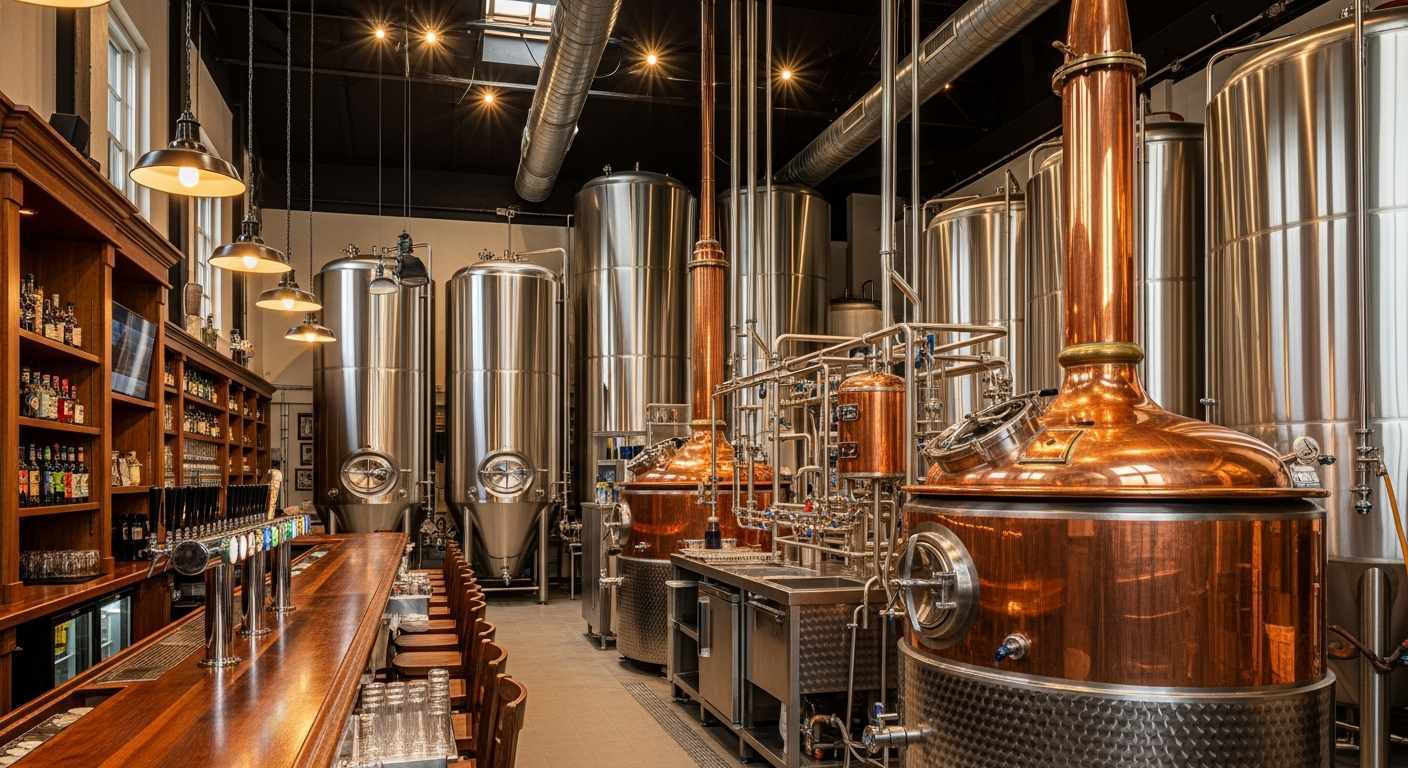
Brewery Loans: The Complete Financing Guide for Craft Breweries and Distilleries
Starting or expanding a craft brewery or distillery takes more than passion for the craft. It takes capital, and often a lot of it. Brewery loans exist to help business owners at every stage fund the equipment, space, and working capital they need to grow. Whether you are opening a microbrewery from scratch, upgrading your fermentation tanks, or launching a taproom, understanding your brewery financing options is the first step toward securing the funding you need.
What Are Brewery Loans?
Brewery loans are business financing products designed to meet the specific capital needs of craft breweries, microbreweries, distilleries, meaderies, and cideries. These loans cover a broad range of uses, from purchasing commercial brewing equipment and building out a taproom to managing day-to-day operating expenses during slower seasons.
Unlike generic small business loans, brewery financing takes into account the unique cash flow dynamics and capital requirements of alcohol production businesses. Lenders familiar with the industry understand that large upfront equipment costs, licensing timelines, and seasonal revenue fluctuations are the norm, not exceptions.
The U.S. Small Business Administration offers several loan programs that breweries can access, and alternative lenders like Crestmont Capital provide faster, more flexible funding solutions alongside traditional bank options.
Benefits of Brewery Financing
- Preserve cash flow: Finance large equipment purchases instead of depleting your operating reserves.
- Grow faster: Secure capital to expand capacity, add a taproom, or enter new markets without waiting years to save up.
- Flexible use of funds: Most brewery loans can be used for equipment, inventory, payroll, renovations, marketing, or working capital.
- Build business credit: Responsibly managed loans strengthen your business credit profile for future financing.
- Tax advantages: Interest on business loans is generally deductible, and equipment financing may qualify for Section 179 deductions (consult your tax advisor).
- Access to larger amounts: Lenders with brewery experience can approve higher loan amounts than a generic underwriter unfamiliar with the industry.
For food and beverage business owners exploring broader financing options, our guide on restaurant financing options covers many parallel strategies that apply to breweries and distilleries as well.
How Brewery Loans Work: Step by Step
- Identify your funding need. Determine exactly what you need capital for, whether it is a specific piece of equipment, a taproom buildout, or general working capital. The clearer your purpose, the easier it is to match the right loan product.
- Gather your financial documents. Lenders typically want to see business bank statements (last 3-6 months), tax returns, a business plan, and your business license or TTB permit for alcohol producers.
- Choose a lender and loan type. Compare traditional bank loans, SBA loans, and alternative lenders. Each has different approval times, requirements, and flexibility.
- Submit your application. Online applications with alternative lenders like Crestmont Capital can be completed in minutes, while bank or SBA loans require more paperwork.
- Review your offer. Evaluate the loan amount, interest rate, repayment term, and any fees. Make sure the payment schedule aligns with your cash flow projections.
- Receive funding. Upon approval, funds are typically deposited directly into your business bank account. Equipment financing may involve the lender paying the vendor directly.
- Repay and grow. Make consistent payments, build your credit, and position yourself for larger funding rounds as your brewery scales.
Types of Brewery Loans
Brewery Equipment Financing
Equipment financing is one of the most common forms of brewery funding. It allows you to purchase fermentation tanks, kegging systems, canning lines, glycol chillers, boilers, and other specialized gear without a large cash outlay. The equipment typically serves as collateral, which makes approval easier even for newer businesses. Learn more about brewing equipment financing and leasing options through Crestmont Capital.
SBA Loans for Breweries
SBA 7(a) and SBA 504 loans offer competitive rates and long repayment terms, making them ideal for larger capital needs like building purchases or major renovations. The tradeoff is a longer application and approval process, often several weeks to months. If you have time on your side and strong documentation, SBA loans can provide excellent terms for established breweries.
Working Capital Loans
Craft breweries often face seasonal cash flow dips, and a working capital loan can bridge the gap. These short-term funds are ideal for covering payroll, purchasing ingredients, paying rent, or handling an unexpected expense without disrupting operations.
Business Line of Credit
A business line of credit gives brewery owners revolving access to funds they can draw on as needed and repay on a flexible schedule. It works well for managing unpredictable expenses like hop or grain price fluctuations, packaging material costs, or short-notice marketing opportunities.
Taproom and Renovation Loans
Opening or expanding a taproom requires significant capital for buildout, furniture, point-of-sale systems, and licensing. General term loans and SBA loans are commonly used for this purpose, providing lump-sum financing repaid over a set period.
Microbrewery and Startup Financing
Startup breweries face the toughest lending environment because they lack operating history. However, alternative lenders and some SBA microloan programs can provide startup capital. A strong business plan, personal credit history, and collateral go a long way in these situations.

Who Are Brewery Loans Best For?
Brewery loans are a strong fit for a range of operators across the alcohol production industry:
- Startup microbreweries that need initial equipment, licensing fees, and buildout capital to launch.
- Established craft breweries looking to expand production capacity, add a canning line, or open a second location.
- Distilleries and meaderies with capital needs similar to breweries, including stills, barrels, aging facilities, and tasting rooms.
- Taproom-focused breweries that generate significant revenue on-site and need funds to renovate, expand seating, or improve the customer experience.
- Seasonal operations that need working capital during slow months to maintain staffing and inventory.
- Breweries pursuing distribution that need to scale production, invest in packaging, or hire additional staff to meet wholesale demand.
If you operate another type of food and beverage business, our guide to food truck financing provides useful context on flexible funding options for the broader food service industry.
Brewery Loans vs. Other Financing Options
Brewery owners have more options than ever, but not all financing is created equal. Here is how the main options compare:
| Option | Speed | Rates | Best For |
|---|---|---|---|
| Alternative Lender (Crestmont) | 1-3 days | Competitive | Fast funding, flexible terms |
| SBA Loan | Weeks to months | Low | Large loans, established businesses |
| Traditional Bank Loan | Weeks | Low to moderate | Strong financials, patient timeline |
| Equipment Financing | Days | Moderate | Specific equipment purchases |
| Line of Credit | Days to weeks | Variable | Revolving, flexible spending |
According to Forbes Advisor, small businesses that use alternative lenders often benefit from faster approvals and less documentation compared to banks, though it is important to compare total cost of capital before committing. And CNBC Select notes that for specialized industries like craft brewing, finding a lender familiar with your sector makes a meaningful difference in approval rates and loan structuring.
How Crestmont Capital Helps Brewery Owners
Crestmont Capital has helped hundreds of food and beverage businesses secure the financing they need to grow. For brewery and distillery owners, we offer a streamlined process designed to work around the realities of the alcohol production industry, including longer licensing timelines, seasonal revenue patterns, and high upfront equipment costs.
Here is what sets Crestmont Capital apart:
- Fast approvals: Many brewery owners receive a decision within 24 to 48 hours of submitting their application.
- Flexible loan amounts: We work with breweries of all sizes, from nano-breweries to regional craft brands.
- Multiple product types: From working capital and equipment financing to lines of credit, we match you with the right product for your specific need.
- No heavy collateral requirements: Many of our products are unsecured, so you do not have to put personal assets on the line.
- Dedicated support: Our team understands the brewing business and will help you structure funding that works for your cash flow.
Explore all of your options through our small business financing hub, or apply now to get started today.
Real-World Scenarios: Brewery Financing in Action
Scenario 1: The Startup Microbrewery
Marcus and his partner had been homebrewing for a decade before deciding to go pro. They needed $150,000 to purchase a 10-barrel brewing system, secure their TTB permit, and cover the first three months of operating expenses. They did not qualify for a traditional bank loan due to limited business history, but through Crestmont Capital they secured equipment financing for the brewing system and a working capital loan to cover startup costs. They opened their taproom eight months after applying.
Scenario 2: The Expanding Craft Brewery
A regional craft brewery with three years of operation had outgrown its original 15-barrel system. Customer demand had pushed them to capacity, and they were turning down distribution deals. They used a $300,000 equipment loan to purchase a new 30-barrel system and canning line, allowing them to triple production and sign their first statewide distribution agreement within six months of the equipment going live.
Scenario 3: The Taproom Buildout
After years of operating as a production-only brewery selling exclusively to bars and restaurants, a family-owned brewery decided to open a taproom to capture higher-margin direct-to-consumer sales. They secured a $120,000 term loan to cover leasehold improvements, furniture, point-of-sale systems, and their initial taproom inventory. The taproom reached profitability in its fourth month of operation.
Scenario 4: The Distillery Expansion
A small-batch whiskey distillery in Kentucky needed to purchase additional barrels and expand its aging warehouse to meet growing demand. Because aged spirits require multi-year holding periods before sale, cash flow management was critical. The distillery used a business line of credit to purchase barrels during peak production season, drawing on the line as needed and repaying it as finished product sold.
Scenario 5: The Seasonal Cash Flow Crunch
A craft brewery in a tourist-heavy lake town generated most of its revenue between May and October. During the winter months, payroll, rent, and ingredient costs continued while taproom traffic dropped sharply. A short-term working capital loan helped bridge the revenue gap, allowing the brewery to retain its full-time staff and be ready for the busy season without financial stress.
Scenario 6: The Cidery Adding a Taproom
A hard cider producer in the Pacific Northwest had built a loyal wholesale customer base but wanted to add a tasting room to diversify revenue. They needed $85,000 for buildout and equipment. Because cideries share many of the same financing dynamics as breweries, they were able to secure funding through Crestmont Capital using the same product suite available to craft beer producers.
Frequently Asked Questions About Brewery Loans
What are brewery loans?
Brewery loans are business financing products designed to fund the capital needs of craft breweries, microbreweries, distilleries, and related alcohol production businesses. They cover equipment, working capital, taproom buildouts, and more.
How much can I borrow with a brewery loan?
Loan amounts vary widely based on lender, loan type, and your business financials. Brewery equipment loans often range from $25,000 to $500,000 or more, while SBA loans can reach $5 million for qualified borrowers.
What credit score do I need for brewery financing?
Requirements vary by lender. Traditional banks typically require a personal credit score of 680 or higher. Alternative lenders like Crestmont Capital often work with scores as low as 550, focusing more heavily on business revenue and cash flow.
Can I get a brewery loan as a startup?
Yes, though it is more challenging. Startup breweries often rely on equipment financing (where the gear serves as collateral), SBA microloan programs, or lenders who weigh personal credit and business plan heavily. Having a solid plan, industry experience, and some personal investment helps significantly.
What are typical interest rates on brewery loans?
Rates depend on the loan type, lender, your creditworthiness, and loan term. SBA loans currently range from around 7% to 10%. Alternative lenders may charge higher factor rates in exchange for faster approval and more flexibility. Always compare the total cost of capital, not just the stated rate.
How long does it take to get approved for brewery financing?
Alternative lenders like Crestmont Capital can approve applications within 24 to 48 hours. SBA loans typically take several weeks to a few months. Traditional bank loans fall somewhere in between depending on complexity and the institution.
What types of brewery equipment can be financed?
Most commercial brewing and distilling equipment qualifies, including fermentation tanks, brewing kettles, canning and bottling lines, glycol chillers, kegging systems, stills, barrel storage equipment, refrigeration units, and taproom furniture and fixtures.
What documents do I need to apply for a brewery loan?
Most lenders require business bank statements (typically 3-6 months), federal tax returns (last 1-2 years), a business plan, proof of business ownership, your business license, and for alcohol producers, your TTB permit or state liquor license.
Are SBA loans available for craft breweries?
Yes. Craft breweries that meet SBA eligibility requirements can apply for SBA 7(a) or SBA 504 loans. These loans offer favorable rates and terms but require strong documentation and have longer processing times. Visit SBA.gov for current program details.
Can I use a brewery loan to open a taproom?
Yes. Taproom financing is one of the most common uses for brewery loans. Funds can cover leasehold improvements, furniture and fixtures, point-of-sale systems, signage, equipment, and initial inventory. Both term loans and SBA loans are commonly used for this purpose.
What is the difference between brewery equipment financing and a working capital loan?
Equipment financing is specifically for purchasing machinery or equipment, with the asset serving as collateral and longer repayment terms. Working capital loans provide short-term funds for operating expenses like payroll, inventory, or utilities, and are typically repaid within 3 to 18 months.
How do I qualify for a craft brewery loan?
Qualification factors include time in business, annual revenue, personal and business credit scores, cash flow consistency, and the strength of your business plan. Most alternative lenders require at least 6-12 months in business and a minimum monthly revenue threshold. Equipment loans have more flexible requirements because the equipment serves as collateral.
Can distilleries get the same loans as breweries?
Yes. Distilleries, meaderies, cideries, and wineries can access the same types of business financing as craft breweries. The equipment and operational capital needs are similar, and most lenders treat these businesses the same way when evaluating loan applications.
What if my brewery has bad credit?
Bad credit makes financing harder but not impossible. Alternative lenders place more emphasis on revenue and cash flow than credit score alone. Equipment financing with the gear as collateral is also more accessible for lower credit scores. Working on rebuilding your credit while exploring financing options simultaneously is the recommended approach.
How does Crestmont Capital help brewery owners get financed?
Crestmont Capital offers a range of financing products including equipment loans, working capital loans, and lines of credit, with fast approvals and flexible terms suited to the brewing industry. Our team reviews your application holistically, not just your credit score, and works to structure funding around your business's actual cash flow and needs.
Next Steps: Securing Your Brewery Loan
Ready to move forward with brewery financing? Here is how to get started:
- Define your capital need. Be specific about how much you need and what it will be used for. Equipment, working capital, and buildout financing each have the best-fit products.
- Check your financials. Pull together your last six months of bank statements, your most recent tax returns, and a current profit and loss statement if available.
- Compare lender types. If you need funds quickly, alternative lenders are your best bet. If you have time and strong documentation, an SBA loan may offer better long-term rates.
- Apply with Crestmont Capital. Our online application takes minutes and gives you access to multiple financing products in one place. There is no obligation to accept any offer.
- Review your offer carefully. Understand the total repayment amount, payment schedule, and any prepayment terms before signing.
- Put the capital to work. With funding secured, execute your plan and track the business results so you can report strong performance when you seek additional financing in the future.
Apply Now - Get a Decision in 24 Hours
Conclusion
The craft brewing and distilling industry continues to grow, and the capital demands that come with that growth are real. Whether you are investing in a new fermenter, opening your first taproom, or bridging a seasonal cash flow gap, brewery loans give you the financial flexibility to move forward without putting your entire business at risk.
The key is matching the right financing product to your specific need. Equipment financing works best for large gear purchases. Working capital loans handle short-term operational needs. SBA loans provide low-rate, long-term capital for major expansions. And a line of credit gives you flexible access to funds for unpredictable expenses.
Crestmont Capital has the products, the expertise, and the speed to help brewery and distillery owners at every stage get the funding they deserve. Explore your options, gather your documents, and take the first step toward funding your brewery's next chapter.
Disclaimer: The information provided in this article is for general educational purposes only and is not financial, legal, or tax advice. Funding terms, qualifications, and product availability may vary and are subject to change without notice. Crestmont Capital does not guarantee approval, rates, or specific outcomes. For personalized information about your business funding options, contact our team directly.








