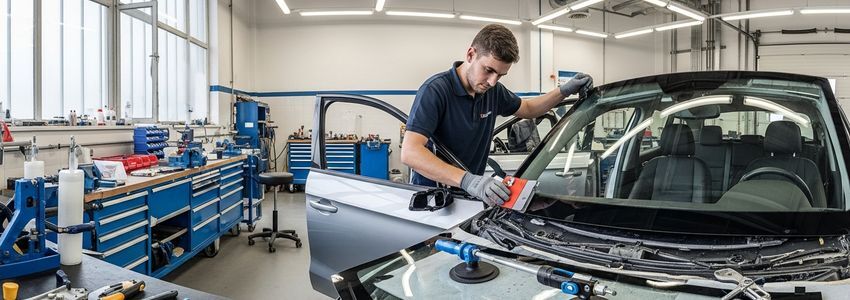
The auto glass industry is a critical component of the automotive service sector, driven by the constant need for repairs and replacements. Securing the right funding through windshield repair business loans can be the difference between stagnating and scaling your operations to meet this demand. This comprehensive guide will walk you through every aspect of financing, from understanding your options to successfully securing the capital your business needs to thrive.
In This Article
- Understanding Windshield Repair Business Loans
- Why Auto Glass Businesses Need Financing
- Top 7 Types of Financing for Windshield Repair Shops
- Financing Essential Equipment for Auto Glass Repair
- Startup Costs: Funding Your New Windshield Repair Venture
- How Much Funding Can Your Windshield Repair Business Secure?
- Qualification Requirements for Auto Glass Business Loans
- Navigating the Application Process: A Step-by-Step Guide
- Special Considerations for Mobile Windshield Repair Businesses
- Securing a Loan with Bad Credit: Strategies for Success
- How to Choose the Right Lender for Your Auto Glass Business
- Frequently Asked Questions
Understanding Windshield Repair Business Loans
Windshield repair business loans are financial products specifically designed to address the unique capital needs of auto glass installation and repair companies. Unlike generic personal loans, this type of funding is structured to support commercial activities, whether you are a mobile operator, own a single-location shop, or manage a multi-location enterprise. These loans provide the necessary cash flow to purchase equipment, manage inventory, cover payroll, and invest in growth opportunities.
The core purpose of this financing is to bridge the gap between your current financial state and your business goals. For instance, you might need to purchase an expensive Advanced Driver-Assistance Systems (ADAS) calibration machine to service modern vehicles. A loan allows you to acquire this revenue-generating asset now instead of waiting months or years to save up the cash, enabling you to serve more customers and increase profits sooner.
Lenders like Crestmont Capital understand the cyclical nature and operational demands of the auto glass industry. They evaluate your business's health, revenue streams, and potential for growth to offer tailored financing solutions. This specialized approach ensures that the loan terms, repayment schedules, and funding amounts align with the realities of running a windshield repair business.
Why Auto Glass Businesses Need Financing
The need for capital in the auto glass industry is constant and varied. From day-to-day operations to long-term strategic growth, financing plays a pivotal role in maintaining a competitive edge and ensuring sustainability. A clear understanding of these needs helps you select the most appropriate funding product.
One of the most significant expenses is specialized equipment. As vehicle technology advances, so does the equipment required to service it, particularly with the rise of ADAS. Financing allows you to invest in state-of-the-art calibration tools, urethane guns, and extraction systems without depleting your working capital.
Inventory management is another critical area where funding is essential. You need a diverse stock of windshields, side glass, sealants, and resins to serve various makes and models promptly. A business line of credit, for example, can help you manage inventory fluctuations and take advantage of bulk purchasing discounts from suppliers.
Beyond tangible assets, financing supports growth initiatives like marketing and expansion. A well-funded marketing campaign can attract new individual customers and lucrative fleet accounts. If you're looking to open a new location or expand your mobile service area, a term loan can provide the substantial capital required for leases, hiring, and new vehicle acquisition.
Finally, working capital is the lifeblood of any business. It covers payroll, rent, utilities, and unexpected expenses. Seasonal dips or delays in payments from insurance companies can strain cash flow, and having access to fast business loans ensures you can meet your obligations without interruption.
Ready to Upgrade Your Equipment or Expand Your Services?
Don't let a lack of capital hold your auto glass business back. Get the funding you need to purchase new tools, stock inventory, and grow your customer base.
Apply Now - Free QuoteTop 7 Types of Financing for Windshield Repair Shops
Choosing the right loan type is crucial for your business's financial health. Each option comes with different terms, rates, and use cases. Here’s a breakdown of the most common financing solutions for auto glass and windshield repair businesses.
1. Equipment Financing
This is one of the most popular options for auto glass shops. Equipment financing is a loan used specifically to purchase machinery and tools. The equipment itself typically serves as the collateral for the loan, which can make it easier to qualify for than other types of financing.
This is ideal for acquiring high-cost items like ADAS calibration systems, glass lifting devices, or a new service van. The loan terms are often structured to match the expected lifespan of the equipment, allowing you to pay it off as it generates revenue for your business.
2. SBA Loans
Backed by the U.S. Small Business Administration, SBA loans offer favorable terms, long repayment periods, and competitive interest rates. These loans are provided by traditional lenders like banks but are partially guaranteed by the government, reducing the lender's risk. Popular programs include the SBA 7(a) loan for general business purposes and the CDC/504 loan for major fixed assets like real estate.
While highly attractive, the application process for SBA loans can be lengthy and requires extensive documentation. They are best suited for well-established businesses with strong credit and a solid financial history seeking significant capital for major expansion projects.
3. Business Lines of Credit
A business line of credit functions like a credit card for your business. You are approved for a specific credit limit and can draw funds as needed, paying interest only on the amount you use. This provides incredible flexibility for managing cash flow and handling unexpected expenses.
Auto glass businesses use lines of credit to purchase inventory, cover payroll during a slow month, or launch a small marketing campaign. Once you repay the drawn amount, your credit limit is replenished, making it a reusable financial tool for ongoing working capital needs.
4. Short-Term Business Loans
When you need capital quickly to seize an opportunity or cover an emergency, a short-term loan is an excellent option. These loans provide a lump sum of cash with repayment terms typically ranging from three to 18 months. The application and funding process is often much faster than with traditional bank loans.
For a windshield repair shop, a short-term business loan could be used to repair a critical piece of equipment, secure a large, discounted inventory order, or bridge a cash flow gap while waiting on insurance payments. While interest rates may be higher, the speed and convenience can be invaluable.
5. Merchant Cash Advances (MCAs)
A merchant cash advance is not a loan but rather a sale of a portion of your future credit and debit card sales. A provider gives you a lump sum of cash in exchange for a percentage of your daily card transactions until the advance is repaid. This option is accessible to businesses with high card sales volume, even those with poor credit.
The primary advantages are speed and a simple application process. However, it's crucial to understand the cost, as the factor rates can translate to a very high APR. MCAs are best used for short-term, urgent funding needs when other options are not available.
6. Invoice Financing (Factoring)
Invoice financing is particularly useful for auto glass businesses that work with fleet accounts or do a lot of insurance work. If you have large, unpaid invoices with long payment terms (e.g., net-30 or net-60), you can sell them to a factoring company for an immediate cash advance, typically 80-90% of the invoice value.
The factoring company then collects the payment from your customer. Once the invoice is paid in full, they release the remaining balance to you, minus their fee. This service converts your accounts receivable into immediate working capital, smoothing out cash flow and eliminating the stress of waiting for payments.
7. Working Capital Loans
A working capital loan is a general-purpose loan designed to cover everyday operational expenses rather than long-term assets. This type of funding ensures you have the cash on hand to manage payroll, pay rent and utilities, and purchase necessary supplies. It's a broad category that can include short-term loans and lines of credit.
For an auto glass business, this is vital for managing seasonality. During colder months when rock chips and cracks are more common, you might need extra capital for inventory and overtime pay. A working capital loan provides that buffer to keep operations running smoothly.
KEY INSIGHT: MATCH THE LOAN TO THE NEED
Always align the type of financing with its purpose. Use long-term loans like equipment financing for assets that will generate revenue for years. Use short-term solutions like a line of credit for managing fluctuating operational costs like inventory and payroll.
Financing Essential Equipment for Auto Glass Repair

The quality and sophistication of your equipment directly impact your service quality, efficiency, and the types of jobs you can accept. As vehicle technology evolves, staying current with the latest tools is not just an advantage-it's a necessity. Equipment financing makes these crucial investments manageable.
The most significant investment for modern auto glass shops is ADAS calibration equipment. Most new vehicles come with systems like lane-keep assist and adaptive cruise control, which rely on cameras and sensors mounted on or near the windshield. After a replacement, these systems must be precisely recalibrated to function correctly, a service that is both legally necessary and highly profitable.
Other essential tools that can be financed include:
- Resin Injection Systems: High-quality bridge tools and injectors (from brands like Delta Kits or Glass Mechanix) are vital for performing seamless chip repairs.
- Urethane and Primer Systems: Professional-grade electric or battery-powered urethane guns ensure a consistent and proper seal, which is critical for vehicle safety and structural integrity.
- Glass Extraction Tools: This includes powered cold knives, wire-out systems, and long knives that allow for the safe and efficient removal of bonded glass without damaging the vehicle's frame or interior.
- Mobile Service Vehicles: For mobile operators, the van is the workshop. Financing can cover the vehicle itself, plus custom racking, power inverters, and branding wraps.
- Glass Handling and Lifting Equipment: Suction cup lifters and other ergonomic tools protect both your technicians and the expensive glass from damage during installation.
When you finance equipment, you can often roll the costs of installation, training, and delivery into the loan. This comprehensive approach ensures your team is ready to use the new tools effectively from day one. Because the equipment serves as collateral, it's one of the most accessible forms of financing for small business loans in the auto glass industry.
Auto Glass Industry: Key Statistics
$5.6 Billion
U.S. Auto Glass Repair & Replacement Market Size
15,000+
Number of Auto Glass Businesses in the U.S.
75 Million
Vehicles on the road with ADAS technology (and growing)
Data sourced from industry reports and sources like the U.S. Census Bureau.
Startup Costs: Funding Your New Windshield Repair Venture
Launching a new windshield repair business requires a significant upfront investment. Securing a startup loan can provide the capital needed to cover these initial expenses and set your business up for success. The costs will vary depending on whether you're starting a mobile operation or a brick-and-mortar shop.
For a mobile-only business, your primary costs include:
- Vehicle: A reliable van or truck ($15,000 - $40,000).
- Vehicle Outfitting: Racking, tool storage, and branding wraps ($3,000 - $8,000).
- Tools & Equipment: A complete set of repair and replacement tools ($5,000 - $15,000).
- Initial Inventory: A small stock of common windshields, resins, and urethanes ($2,000 - $5,000).
- Business Formation & Licensing: LLC registration, business licenses, and technician certifications ($500 - $2,000).
- Insurance: General liability and commercial auto insurance ($2,000 - $4,000 annually).
- Marketing: Website development, online ads, and local marketing materials ($1,000 - $3,000).
For a brick-and-mortar shop, you'll have all the costs of a mobile business, plus:
- Lease & Renovations: Security deposit, first month's rent, and any necessary bay modifications ($5,000 - $20,000+).
- Shop Equipment: Lifts, large tool chests, and office furniture ($10,000 - $25,000).
- Signage & Utilities: Exterior signs and utility setup costs ($2,000 - $7,000).
- Larger Inventory: A more extensive stock to service walk-in customers ($10,000 - $30,000).
A comprehensive business plan is essential when applying for a startup loan. It should detail these expected costs, project your revenue for the first few years, and outline your marketing strategy. This demonstrates to lenders that you have a clear vision and a viable plan for repayment.
Turn Your Business Plan into a Reality.
Whether you're starting a new mobile service or opening a full-service shop, we provide the startup capital to get you off the ground. Get a decision fast and access funds quickly.
Apply Now - Free QuoteHow Much Funding Can Your Windshield Repair Business Secure?
The amount of financing your auto glass business can obtain depends on several key factors. Lenders assess risk by evaluating your business's financial health and its ability to generate consistent revenue to cover loan payments. Understanding these factors can help you set realistic expectations and strengthen your application.
For established businesses, the primary determinant is your annual revenue. Lenders typically offer funding amounts that are a percentage of your yearly or monthly sales. A business with $500,000 in annual revenue will qualify for a significantly larger loan than one with $100,000, assuming other factors are equal.
Your personal and business credit scores are also critical. A higher credit score indicates a history of responsible financial management, reducing the perceived risk for the lender. While some financing options are available for those with lower scores, a strong credit profile will unlock better rates, larger amounts, and more favorable terms.
The number of years you've been in business is another important metric. Lenders prefer to see a track record of at least one to two years of successful operation. This history provides concrete data on your revenue, profitability, and ability to navigate market fluctuations. Startups will need to rely more heavily on a strong business plan and personal credit history.
Finally, the purpose of the loan and any available collateral will influence the funding amount. An equipment loan, where the asset itself secures the debt, may be easier to obtain for a larger amount than an unsecured working capital loan. Clearly articulating how the funds will be used to generate more revenue can also persuade a lender to approve a higher amount.
Qualification Requirements for Auto Glass Business Loans
While specific requirements vary by lender and loan product, most financial institutions evaluate a common set of criteria to determine your eligibility. Preparing for these requirements in advance can streamline your application process and increase your chances of approval.
The most common requirements include:
- Credit Score: For traditional bank loans and SBA loans, a personal credit score of 680+ is often required. Alternative lenders like Crestmont Capital offer more flexibility, with programs available for scores in the 500s.
- Time in Business: Most lenders require at least one year of operation, though some may ask for two or more. Startup programs are available but often have stricter credit and collateral requirements.
- Annual Revenue: Lenders need to see proof of consistent cash flow. Minimum annual revenue requirements can range from $100,000 to $250,000 or more, depending on the loan size and type.
- Business Bank Statements: You will typically need to provide three to six months of recent business bank statements. Lenders use these to verify your revenue, analyze your cash flow, and check for negative balances.
- Legal & Financial Documents: Be prepared to provide your business license, articles of incorporation, tax returns (both business and personal), and a profit and loss statement.
Lenders also consider industry-specific factors. For an auto glass business, they may want to see proof of technician certifications (e.g., from the Auto Glass Safety Council) and adequate business insurance, including general liability and garage keepers insurance. These demonstrate professionalism and mitigate risk.
PRO TIP: THE POWER OF A BUSINESS PLAN
Even if not explicitly required, a well-written business plan can significantly strengthen your loan application. It should include an executive summary, market analysis, financial projections, and details on how the loan will be used. This document shows lenders you are a serious, organized, and forward-thinking business owner.
Navigating the Application Process: A Step-by-Step Guide
Securing a business loan can seem daunting, but breaking it down into manageable steps makes the process straightforward. A methodical approach ensures you are well-prepared and can present your business in the best possible light.
Step 1: Determine Your Needs. Before you apply, clearly define how much money you need and exactly how you will use it. Are you buying a specific piece of ADAS equipment? Do you need working capital to cover payroll for three months? Having precise figures and a clear purpose is the foundation of a strong application.
Step 2: Gather Your Documents. Collect all the necessary paperwork in advance. This typically includes recent business bank statements, tax returns, profit and loss statements, a list of outstanding debts, and your business registration documents. Having everything organized will expedite the process significantly.
Step 3: Research and Compare Lenders. Not all lenders are the same. Compare banks, credit unions, and alternative lenders like Crestmont Capital. Look at their loan products, interest rates, fees, repayment terms, and customer reviews. An online lender may offer faster funding, while a bank might have lower rates for highly qualified applicants.
Step 4: Complete the Application. Fill out the application form accurately and completely. Most online lenders have a simple, one-page application that can be completed in minutes. Be honest and transparent about your business's financial situation.
Step 5: Review and Accept the Offer. If approved, the lender will present you with a loan offer detailing the amount, interest rate, term, and any fees. Review this document carefully to ensure you understand all the terms and conditions. Once you accept and sign the agreement, the funds are typically deposited into your business bank account, sometimes in as little as 24 hours.
Special Considerations for Mobile Windshield Repair Businesses
Mobile auto glass businesses have a different operational model and unique financing needs compared to traditional shops. Lenders who understand this model can provide more suitable funding solutions. The primary asset and operational hub for a mobile business is its service vehicle.
Financing for a mobile unit often goes beyond just the cost of the van or truck. It can include the custom outfitting required, such as specialized glass racks, power inverters for tools, and secure storage for urethane and primers. Vehicle wraps, a crucial marketing tool for mobile businesses, can also be included in a financing package.
Working capital needs are also distinct. Mobile operators face fluctuating fuel costs, which can significantly impact monthly expenses. A flexible business line of credit is an ideal tool for managing these variable costs, allowing you to draw funds when fuel prices spike and repay them when they stabilize.
Marketing is another area where funding is critical. A mobile business must effectively reach customers across a wider service area. Loans can be used to fund digital marketing campaigns, search engine optimization (SEO) to appear in local search results, and traditional advertising to build brand recognition within your target communities.
Securing a Loan with Bad Credit: Strategies for Success
A less-than-perfect credit score doesn't automatically disqualify you from getting a business loan. While it can make securing financing from a traditional bank challenging, many alternative lenders specialize in providing bad credit business loans. The key is to focus on other strengths of your business.
Lenders who work with business owners with bad credit place more emphasis on recent business performance. They will look closely at your bank statements to see consistent revenue and positive cash flow. If you can demonstrate strong, reliable sales, a past credit issue becomes less of a concern.
Another strategy is to apply for secured financing. Offering collateral, such as a piece of equipment or real estate, reduces the lender's risk and significantly increases your chances of approval. Equipment financing is a prime example, as the new equipment you are purchasing secures the loan itself.
You can also improve your chances by providing a down payment. Contributing your own capital to a purchase shows the lender you have "skin in the game" and are committed to the investment's success. Even a 10-20% down payment can make a significant difference in a lender's decision.
Finally, be prepared to explain any past credit issues. A brief, honest explanation of the circumstances that led to the low score-such as a medical emergency or a past business failure-can provide important context. Lenders appreciate transparency and are often more willing to work with someone who takes responsibility and has a clear plan for the future, as noted in business articles on platforms like Forbes.
Don't Let Your Credit Score Define Your Business's Future.
We believe in the potential of your business, not just your credit history. We offer a range of financing solutions for business owners with varying credit profiles. Find out what you qualify for today.
Apply Now - Free QuoteHow to Choose the Right Lender for Your Auto Glass Business
Selecting the right lending partner is as important as choosing the right loan product. The right lender will understand your industry, offer transparent terms, and provide support throughout the life of the loan. Here are key factors to consider when comparing your options.
1. Interest Rates and APR: The interest rate is the cost of borrowing, but it's not the whole story. Always ask for the Annual Percentage Rate (APR), which includes the interest rate plus any additional fees (like origination fees or closing costs). Comparing APRs gives you a more accurate picture of the total cost of the loan.
2. Funding Speed: How quickly do you need the capital? Traditional banks can take weeks or even months to approve and fund a loan. Alternative and online lenders, like Crestmont Capital, can often provide funding in as little as 24-48 hours, which is critical when you have an urgent need or a time-sensitive opportunity.
3. Repayment Terms: Look at both the length of the term and the frequency of payments. A longer term will result in lower payments but more total interest paid over time. Some loans require daily or weekly payments, while others are monthly. Ensure the payment schedule aligns with your business's cash flow cycle.
4. Customer Service and Reputation: Read online reviews and testimonials from other business owners. A good lender will have dedicated funding specialists who can answer your questions and guide you through the process. A strong reputation for transparency and customer support is a sign of a trustworthy partner.
Frequently Asked Questions
What is the minimum credit score needed for a windshield repair business loan?
The minimum credit score varies significantly by lender. Traditional banks often require a score of 680 or higher. However, alternative lenders like Crestmont Capital can work with business owners with scores as low as 550, focusing more on the business's revenue and cash flow.
How quickly can I get funded?
Funding speed depends on the lender and loan type. SBA loans can take several weeks to months. In contrast, alternative lenders can often approve and fund short-term loans, lines of credit, and equipment financing within 24 to 48 hours of a completed application.
Can I get a loan to start a new mobile windshield repair business?
Yes, startup loans are available for new mobile auto glass businesses. These loans typically require a strong personal credit score, a detailed business plan, and sometimes a down payment or collateral. They can cover the costs of a vehicle, tools, initial inventory, and marketing.
What is ADAS calibration equipment and can I finance it?
ADAS (Advanced Driver-Assistance Systems) calibration equipment is used to recalibrate cameras and sensors in modern vehicles after a windshield replacement. This equipment is expensive but essential for servicing newer cars. It is one of the most common items financed through an equipment loan.
What's the difference between a loan and a line of credit?
A loan provides a lump sum of cash upfront, which you repay in fixed installments over a set term. A line of credit gives you access to a revolving credit limit that you can draw from as needed, paying interest only on the funds you use. A loan is better for large, one-time purchases, while a line of credit is ideal for ongoing cash flow management.
Do I need collateral to get a loan?
Not always. Many financing options, such as working capital loans and some lines of credit, are unsecured and do not require specific collateral. However, secured loans, like equipment financing (where the equipment is the collateral), often have better rates and are easier to qualify for, especially with lower credit.
How much working capital does an auto glass business need?
A general rule of thumb is to have enough working capital to cover three to six months of operating expenses (rent, payroll, utilities, etc.). This provides a cushion to manage seasonality, slow payments from insurance companies, and other unexpected cash flow disruptions.
Can I use a business loan to hire more technicians?
Absolutely. A working capital loan or a business line of credit can be used to cover payroll, recruitment costs, and training for new technicians. Investing in skilled labor is a key growth strategy that can be funded with the right business loan.
What documents are required for a loan application?
The most commonly required documents are three to six months of business bank statements, your most recent business and personal tax returns, a profit and loss statement, and a copy of your driver's license. Some lenders may also ask for a business plan or a list of existing business debts.
Will applying for a loan hurt my credit score?
Most lenders, including Crestmont Capital, perform a "soft credit pull" for the initial application, which does not affect your credit score. A "hard credit pull," which can have a small, temporary impact on your score, is typically only performed once you decide to move forward with a specific loan offer.
What are typical repayment terms for an equipment loan?
Repayment terms for equipment loans are often designed to match the useful life of the asset being financed. For auto glass equipment, terms typically range from two to seven years. This allows you to spread the cost over the period the equipment is generating revenue.
Can I finance the purchase of another auto glass business?
Yes, business acquisition loans are available for this purpose. An SBA 7(a) loan is a common vehicle for financing the purchase of an existing business. Lenders will evaluate the financial health of both you (the buyer) and the business you intend to acquire.
How do I handle financing if my business is seasonal?
A business line of credit is an excellent tool for managing seasonality. You can draw funds during your slower months to cover expenses and then repay the balance as business picks up. Some lenders may also offer flexible repayment plans that align with your seasonal cash flow.
What is the difference between an interest rate and an APR?
The interest rate is simply the percentage charged for borrowing money. The Annual Percentage Rate (APR) is a broader measure of the cost of a loan, as it includes the interest rate plus any lender fees, such as origination or processing fees. Always compare APRs for an accurate comparison of loan costs.
Can I pay off my business loan early?
This depends on the lender and the loan agreement. Some loans have prepayment penalties, which are fees charged if you pay the loan off before the end of its term. It's important to ask your lender about their prepayment policy before signing the loan documents.
Next Steps to Secure Your Windshield Repair Business Loan
- Assess Your Needs: Clearly define the exact amount of funding you require and create a detailed list of how it will be used to improve or grow your business.
- Organize Your Financials: Gather essential documents, including at least three months of business bank statements, recent tax returns, and your business registration information.
- Check Your Credit: Review both your personal and business credit reports to understand your current standing and address any inaccuracies before applying.
- Consult a Funding Expert: Speak with a specialist at Crestmont Capital to discuss your specific needs. They can help you identify the best financing options for your situation.
- Submit Your Application: Complete our simple online application. With your documents ready, this process can be finished in just a few minutes, starting your path to fast and reliable funding.
Disclaimer: The information provided in this article is for general educational purposes only and is not financial, legal, or tax advice. Funding terms, qualifications, and product availability may vary and are subject to change without notice. Crestmont Capital does not guarantee approval, rates, or specific outcomes. For personalized information about your business funding options, contact our team directly.