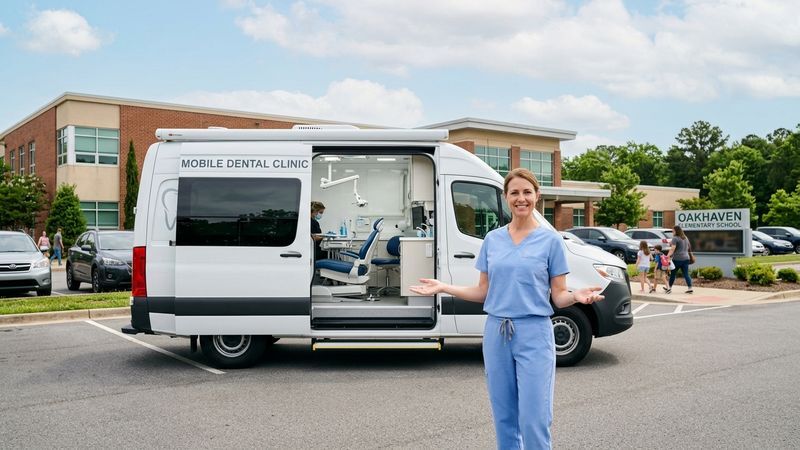
Navigating the world of business financing can be a significant challenge, but for entrepreneurs in Clearwater, securing the right capital is the key to unlocking growth and stability. Whether you are looking to expand your operations, manage cash flow, or invest in new equipment, understanding the landscape of small business loans in Clearwater, Florida is your first step toward success. This comprehensive guide provides the insights and information you need to make informed financing decisions for your company in 2026 and beyond.
In This Article
- Clearwater's Business Landscape: Why Financing Matters
- Types of Small Business Loans Available in Clearwater
- SBA Loan Programs for Clearwater Businesses
- How Small Business Loans Work in Florida
- How to Qualify for a Small Business Loan in Clearwater
- How Crestmont Capital Helps Clearwater Business Owners
- Top Industries Seeking Business Financing in Clearwater
- Real-World Financing Scenarios for Clearwater Businesses
- Alternative Financing Options Beyond Traditional Loans
- Comparing Your Financing Options: A Clearwater Business Owner's Guide
- Frequently Asked Questions
- How to Get Started
- Conclusion
Clearwater's Business Landscape: Why Financing Matters
Clearwater, a vibrant city nestled on Florida's Gulf Coast, is more than just a world-famous tourist destination. It is a dynamic hub for small businesses, driven by a diverse economy and a supportive community. As part of the Tampa-St. Petersburg-Clearwater metropolitan statistical area, the city benefits from a robust regional economic engine. According to the U.S. Census Bureau, Pinellas County is home to over 85,000 businesses, the vast majority of which are small enterprises that form the backbone of the local economy.
The economic landscape in Clearwater is characterized by several key sectors. Tourism and hospitality are undeniably dominant, with businesses ranging from hotels and restaurants to boat tours and retail shops catering to millions of visitors each year. Beyond tourism, the area has a strong presence in healthcare, professional and technical services, marine industries, and light manufacturing. This diversity creates a resilient economic base but also fosters a highly competitive environment.
In this competitive market, access to capital is not just an advantage-it is a necessity. Business financing serves as the fuel for growth, innovation, and operational stability. For a Clearwater business, a loan can mean the difference between:
- Seizing Growth Opportunities: Expanding a restaurant patio to accommodate more diners, purchasing a new vessel for a charter business, or opening a second retail location.
- Managing Seasonality: The tourism-driven economy often comes with pronounced seasonal fluctuations in revenue. Working capital loans can help businesses bridge cash flow gaps during the slower months, ensuring they can cover payroll, rent, and other fixed costs.
- Investing in Technology and Equipment: A medical practice might need to finance a new diagnostic machine, while a contractor may need to upgrade their fleet of vehicles. These investments improve efficiency, enhance service quality, and drive revenue.
- Staying Competitive: Renovating a hotel to meet modern guest expectations or launching a sophisticated marketing campaign requires significant upfront investment. Financing allows businesses to make these critical updates to attract and retain customers.
As Clearwater continues to grow and attract new residents and businesses, the need for strategic financial planning becomes even more critical. Entrepreneurs who understand their financing options and can secure capital effectively are best positioned to thrive in this promising yet demanding economic climate. Accessing Florida small business financing is a strategic move that empowers owners to build sustainable, profitable enterprises in one of the state's most desirable locations.
Types of Small Business Loans Available in Clearwater
Clearwater business owners have access to a wide array of financing products, each designed to meet specific needs. Understanding the differences between these options is crucial for selecting the loan that best aligns with your business goals. The right choice depends on factors like the intended use of funds, your company's financial health, and how quickly you need the capital.
Term Loans
A traditional term loan is what most people picture when they think of a business loan. You receive a lump sum of cash upfront and repay it, plus interest, over a predetermined period through regular fixed installments. Term lengths can range from a few months to over ten years.
- Best For: Large, one-time investments with a clear return on investment. This includes purchasing real estate, financing a major expansion, acquiring another business, or making significant equipment purchases.
- Pros: Predictable monthly payments make budgeting easier. Interest rates are often fixed and can be very competitive for well-qualified borrowers.
- Cons: The application process can be lengthy and often requires extensive documentation and strong credit. They are less flexible for covering unexpected, ongoing expenses.
Business Line of Credit
A business line of credit operates much like a credit card. You are approved for a maximum credit limit and can draw funds as needed, up to that limit. You only pay interest on the amount you have drawn. As you repay the principal, your available credit is replenished.
- Best For: Managing cash flow, covering unexpected expenses, bridging seasonal revenue gaps, or seizing opportunities that require quick access to capital. A Clearwater retail store might use a line of credit to stock up on inventory before the busy spring break season.
- Pros: Extreme flexibility. You have access to capital on-demand without needing to reapply. It's an excellent tool for ongoing financial management.
- Cons: Interest rates can be variable and may be higher than those for traditional term loans. There can be fees for maintaining the line, even if it is not used.
Equipment Financing
Specifically designed for the purchase of machinery and equipment, this type of loan uses the asset being purchased as its own collateral. This structure can make it easier to qualify for than other types of loans.
- Best For: Acquiring any tangible asset needed for your business operations. This could be new kitchen appliances for a restaurant, diagnostic tools for a medical clinic, a new boat for a tour operator, or computer systems for an office.
- Pros: The loan is secured by the equipment, reducing the risk for the lender and potentially for the borrower. The application process is often faster than for other secured loans. Crestmont Capital offers specialized equipment financing solutions to help you get the tools you need.
- Cons: The funds can only be used for the specified equipment purchase. The loan term is tied to the expected useful life of the asset.
Working Capital Loans
These are short-term loans designed to cover everyday operational expenses rather than long-term investments. They provide the liquidity needed to manage the day-to-day functions of the business.
- Best For: Covering payroll during a slow month, paying for a large marketing campaign, purchasing inventory, or managing other short-term obligations. Working capital loans are essential for businesses with cyclical revenue streams, a common scenario in Clearwater.
- Pros: The application and funding process is typically very fast, often taking only a few days. They are often unsecured, meaning you may not need to pledge specific collateral.
- Cons: Because they are short-term and often higher-risk for lenders, they usually come with higher interest rates and more frequent repayment schedules (sometimes daily or weekly).
Pro Tip: Align your loan type with its purpose. Use short-term financing like a working capital loan for short-term needs and long-term financing like a term loan for long-term assets. Mismatching can create cash flow problems.
SBA Loan Programs for Clearwater Businesses
The U.S. Small Business Administration (SBA) does not lend money directly to small businesses. Instead, it provides a government-backed guarantee on a portion of the loan made by an approved lending partner, such as a bank or a lending company. This guarantee reduces the risk for lenders, making them more willing to provide capital to small businesses that might not otherwise qualify for traditional financing. For Clearwater entrepreneurs, SBA loans are among the most attractive financing options available due to their long repayment terms and competitive interest rates.
SBA 7(a) Loan Program
The 7(a) program is the SBA's most popular and flexible loan program. The funds can be used for a wide range of business purposes, making it a versatile tool for growth and stability.
- Use of Funds: Working capital, purchasing equipment or inventory, refinancing existing business debt, acquiring land and buildings, or even buying another business.
- Loan Amounts: Up to $5 million.
- Repayment Terms: Up to 10 years for working capital and equipment, and up to 25 years for real estate.
- Key Advantage: The broad eligibility and flexible use of funds make it a go-to option for many established Clearwater businesses looking to make a significant strategic investment.
SBA 504 Loan Program
The 504 loan program is designed to provide long-term, fixed-rate financing for major fixed assets that promote business growth and job creation. The loan is structured in three parts: a traditional lender provides about 50% of the project cost, a Certified Development Company (CDC) provides up to 40% backed by an SBA guarantee, and the business owner contributes at least 10%.
- Use of Funds: Primarily for purchasing commercial real estate, constructing new facilities, or buying long-term heavy machinery. A Clearwater-based manufacturing company could use a 504 loan to build a new production facility.
- Loan Amounts: The CDC portion is typically up to $5 million, but can be higher for certain projects.
- Repayment Terms: Up to 20 years for real estate and up to 10 years for equipment.
- Key Advantage: This program allows business owners to secure major assets with a lower down payment (as low as 10%) and long-term, fixed interest rates, preserving working capital for other needs.
SBA Microloan Program
The Microloan program provides smaller loans to help startups and small businesses with limited financing needs. These loans are administered through a network of nonprofit, community-based intermediary lenders.
- Use of Funds: Working capital, inventory, supplies, furniture, fixtures, and machinery. The funds cannot be used to purchase real estate or refinance existing debt.
- Loan Amounts: Up to $50,000, with the average loan being around $13,000.
- Repayment Terms: The maximum repayment term is six years.
- Key Advantage: This program is highly accessible, especially for new businesses, minority-owned businesses, or entrepreneurs with less-than-perfect credit who may not qualify for larger, traditional loans. The intermediary lenders also provide valuable business counseling and technical assistance. An external resource from the SBA website provides more details on this program.
The application process for SBA loans is known for being thorough and document-intensive. Working with a financing expert like Crestmont Capital can help you navigate the complexities, prepare a strong application package, and connect with the right SBA-approved lenders, significantly increasing your chances of approval.
How Small Business Loans Work in Florida
The process of obtaining a small business loan in Clearwater follows a generally standardized path, though specifics can vary by lender and loan type. Understanding this workflow helps you prepare effectively and sets realistic expectations for the timeline. Florida does not have overly burdensome state-specific regulations that complicate the lending process, making it a business-friendly environment for seeking capital.
Step 1: Pre-Application and Preparation
Before you even fill out an application, the most critical work begins. This phase involves assessing your business's financial needs and health.
- Define Your Need: Clearly articulate why you need the loan and exactly how much capital is required. Lenders want to see a well-defined plan for the funds, whether it's for a $50,000 equipment purchase or $250,000 for a facility expansion.
- Gather Documentation: Lenders will require a standard set of documents to evaluate your business. This typically includes:
- Business and personal tax returns (2-3 years)
- Business financial statements (Profit & Loss, Balance Sheet, Cash Flow Statement)
- Business bank statements (3-6 months)
- A detailed business plan, especially for startups or significant expansions
- Legal documents (Articles of Incorporation, business licenses, franchise agreements)
- Check Your Credit: Both your personal and business credit scores will be heavily scrutinized. Obtain copies of your credit reports, check for errors, and take steps to address any issues before applying.
Step 2: Application and Submission
Once you have your documentation in order, you can begin the application process. You can apply through various channels:
- Traditional Banks: Often have the most stringent requirements but can offer the best rates.
- Credit Unions: May offer more personalized service and flexible terms, particularly if you are a member. -Online Lenders: Known for speed and convenience, with streamlined digital applications.
- Loan Brokers and Marketplaces (like Crestmont Capital): You submit one application and get access to a network of different lenders, increasing your chances of finding a match.
The application will ask for detailed information about your business, its owners, its financial history, and your specific funding request.
Step 3: Underwriting and Review
This is the stage where the lender meticulously evaluates your application. Underwriters will analyze your financial documents to assess the "5 Cs of Credit":
- Character: Your credit history and reputation.
- Capacity: Your ability to repay the loan, demonstrated by your cash flow.
- Capital: The amount of money you have personally invested in the business.
- Collateral: Assets you can pledge to secure the loan.
- Conditions: The purpose of the loan, the state of the economy, and industry-specific trends.
The underwriter may come back with questions or requests for additional documentation. Prompt and thorough responses are crucial during this phase.
Step 4: Approval and Funding
If your application is approved, the lender will extend a formal loan offer. This document will outline all the terms: the loan amount, interest rate, repayment schedule, term length, and any associated fees or covenants. It is essential to review this agreement carefully before signing. Once you accept the terms and sign the loan documents, the funds will be disbursed to your business bank account. The time from approval to funding can range from a single business day for some online lenders to several weeks for a complex SBA loan.
Clearwater Small Business by the Numbers
$419.8M
Total SBA 7(a) & 504 loan value approved in the Tampa-St. Petersburg-Clearwater MSA in FY 2023.
(Source: SBA)
85,292
Total number of business firms in Pinellas County, Florida, highlighting a dense and competitive market.
(Source: U.S. Census Bureau)
99.9%
Percentage of all Florida businesses that are classified as small businesses, employing 3.6 million people.
(Source: SBA)
+7.2%
Job growth rate in the Leisure & Hospitality sector in the Tampa-St. Pete-Clearwater MSA over the past year.
(Source: Bureau of Labor Statistics)

How to Qualify for a Small Business Loan in Clearwater
Securing a small business loan requires careful preparation and a clear understanding of what lenders look for. While specific requirements vary, lenders universally assess a few key areas to determine your creditworthiness. Focusing on strengthening these areas will significantly improve your chances of approval.
1. Strengthen Your Personal and Business Credit Scores
Your credit score is a primary indicator of your financial responsibility. Lenders will review both your personal FICO score and your business credit score (from agencies like Dun & Bradstreet or Experian Business). A higher score signals lower risk.
- Minimum Scores: For traditional bank loans and SBA loans, you will generally need a personal credit score of 680 or higher. Alternative lenders may have more flexible requirements, sometimes accepting scores as low as 550, but often at a higher cost.
- How to Improve: Pay all bills on time, every time. Keep credit card balances low relative to their limits (utilization ratio). Separate business and personal finances to build a distinct business credit profile. Dispute any errors on your credit reports.
2. Demonstrate Strong and Consistent Cash Flow
More than anything, lenders want to see that your business generates enough cash to comfortably cover its existing expenses plus the new loan payment. This is often measured by the Debt Service Coverage Ratio (DSCR), which compares your net operating income to your total debt obligations.
- What Lenders Look For: Consistent revenue streams and healthy profit margins. Your business bank statements should show a positive cash flow and a healthy average daily balance. Lenders typically want to see a DSCR of 1.25x or higher.
- How to Prepare: Have your recent P&L statements, balance sheets, and cash flow statements professionally prepared and ready to present. Be prepared to explain any significant dips or inconsistencies in your revenue.
3. Have Sufficient Time in Business
Lenders see a longer operational history as a sign of stability. Most traditional lenders and SBA programs require a minimum of two years in business. Startups have fewer options and are considered higher risk.
- The Two-Year Mark: This is a common threshold where many more financing options become available.
- Options for Newer Businesses: If your business is less than two years old, you may need to explore options like SBA Microloans, business credit cards, or financing from online lenders who specialize in working with younger companies. A strong business plan and solid revenue projections are critical for new businesses.
4. Prepare Collateral (If Necessary)
Many loans, especially larger term loans and SBA loans, require collateral. This is a tangible asset that the lender can seize if you default on the loan. Collateral reduces the lender's risk and can help you secure better terms.
- Types of Collateral: Common forms include commercial real estate, inventory, accounts receivable, and equipment. Lenders may also require a personal guarantee, which means you are personally liable for the debt if the business cannot pay.
- Unsecured Options: If you lack significant collateral, you can seek unsecured loans. These are more common with small business financing from online lenders but typically come with higher interest rates and shorter terms due to the increased risk for the lender.
5. Craft a Compelling Business Plan
Your business plan is your opportunity to tell the story of your business and explain why the loan is a sound investment. It should be clear, concise, and data-driven.
- Key Components: Your plan should include an executive summary, company description, market analysis, organization and management structure, product or service line, marketing and sales strategy, and detailed financial projections.
- Focus on the "Why": Clearly articulate the purpose of the loan and provide projections showing how the capital will be used to generate enough new revenue to repay the debt and grow the business.
How Crestmont Capital Helps Clearwater Business Owners
Navigating the complex world of small business loans can be overwhelming and time-consuming, especially when you are also running the daily operations of your company. This is where a dedicated financing partner like Crestmont Capital becomes an invaluable asset for Clearwater entrepreneurs. We simplify the process, expand your options, and provide the expert guidance needed to secure the right funding for your unique situation.
A Streamlined, Single Application
Instead of spending countless hours researching different lenders and filling out multiple, lengthy applications, you can complete one simple, secure online application with Crestmont Capital. We use this single point of entry to understand your business's needs and financial profile. This saves you valuable time and effort, allowing you to focus on what you do best-managing your business.
Access to a Vast Lender Network
Crestmont Capital is a business lender and also works with financing partners to help businesses explore suitable options. This network includes a diverse range of institutions, from traditional banks to specialized online lenders and equipment financiers. This breadth of options dramatically increases your chances of approval and ensures you are matched with a lender whose products and risk appetite align with your business. For a Clearwater business owner, this means you are not limited to just the local banks on the corner.
Expert Guidance and Personalized Service
Once you apply, you will be assigned a dedicated Funding Advisor who will act as your advocate throughout the entire process. Your advisor will:
- Review Your Financials: Help you understand your strengths and weaknesses from a lender's perspective.
- Identify the Best Options: Analyze your needs to recommend the specific loan products-be it an SBA loan, a line of credit, or equipment financing-that offer the best terms for your goals.
- Navigate the Paperwork: Assist you in preparing and organizing the necessary documentation to present the strongest possible case to lenders.
- Negotiate on Your Behalf: Work to secure the most favorable rates and terms available from our network of lenders.
Speed and Efficiency
We understand that in business, opportunities are often time-sensitive. A traditional loan process can drag on for weeks or even months. Our technology-driven platform and established lender relationships are designed to accelerate the timeline. For many of our financing products, we can provide approvals in as little as 24 hours and deliver funding in just a few business days. This speed can be a game-changer for a Clearwater business needing to purchase inventory for an upcoming festival or repair critical equipment unexpectedly.
By partnering with Crestmont Capital, Clearwater business owners gain a strategic financial ally committed to their success. We level the playing field, giving small businesses access to the same breadth of financing options that larger corporations enjoy, all with the personalized support they deserve.
Ready to Fuel Your Clearwater Business Growth?
Get matched with the best loan options for your needs. Our simple application takes minutes.
Apply Now →Top Industries Seeking Business Financing in Clearwater
Clearwater's unique economic composition means that businesses in certain sectors have recurring and specific financing needs. Understanding these industry-specific demands highlights the critical role that accessible capital plays in the local economy.
1. Tourism and Hospitality
As the lifeblood of the Clearwater economy, businesses in this sector face intense competition and significant seasonality. Hotels, motels, restaurants, bars, and attractions constantly need capital for renovations, marketing, and managing off-season cash flow. A restaurant loan could be used to upgrade a kitchen, while a hotel might seek a term loan for a major property improvement project to keep up with visitor expectations.
2. Marine and Boating Industries
From charter fishing boats and dolphin-watching tours to marinas and boat repair services, the marine industry is a cornerstone of Clearwater's identity. These businesses are capital-intensive. The primary financing need is for equipment. A new tour boat can cost hundreds of thousands of dollars, making specialized equipment financing an essential tool for acquisition and growth.
3. Healthcare and Medical Services
With a large retiree population and a growing number of young families, the demand for healthcare services in the Clearwater area is robust. This includes everything from dental offices and private medical practices to physical therapy clinics and diagnostic centers. These businesses seek financing to purchase advanced medical technology, expand their facilities, manage billing cycles, and cover high payroll costs.
4. Retail and E-commerce
The retail landscape in Clearwater is diverse, ranging from souvenir shops on the beach to high-end boutiques in downtown and a growing number of e-commerce businesses. Retailers frequently use financing to manage inventory, especially ahead of peak seasons. A business line of credit is a popular tool for this purpose, providing the flexibility to purchase stock as needed. Funds are also used for store build-outs, point-of-sale system upgrades, and digital marketing.
5. Construction and Contracting
Florida's continued population growth fuels a strong construction market. General contractors, electricians, plumbers, and landscapers in Clearwater need capital to purchase materials for large projects, invest in heavy equipment and vehicles, and manage payroll while waiting for project payments. Equipment financing and working capital loans are vital for these businesses to take on larger contracts and grow their operations.
Real-World Financing Scenarios for Clearwater Businesses
To better understand how different loan products apply in practice, let's explore some hypothetical scenarios for businesses operating in Clearwater.
Scenario 1: The Beachfront Restaurant
- Business: "Gulfside Grill," a popular restaurant on Clearwater Beach, experiences strong revenue during the spring and summer but a significant slowdown in the late fall.
- Challenge: The owner needs to cover rent, utilities, and salaries for key staff during the slow season to avoid losing talented employees. She also wants to do a minor cosmetic renovation before the next tourist season begins.
- Solution: The owner secures a $75,000 Working Capital Loan. The fast funding allows her to immediately cover her operating expenses. The short-term repayment schedule is structured to align with her expected revenue increase when the busy season kicks off, allowing her to pay it back quickly once cash flow improves.
Scenario 2: The Boat Tour Company
- Business: "Clearwater Adventures LLC" offers dolphin tours and sunset cruises. Their main boat is aging, leading to higher maintenance costs and occasional breakdowns that result in lost revenue.
- Challenge: They need to purchase a new, larger, and more fuel-efficient boat to expand capacity and improve reliability. A new vessel costs $250,000.
- Solution: The company obtains an Equipment Financing agreement for the full purchase price. The new boat itself serves as the collateral for the loan. The loan term is set for 10 years, matching the expected useful life of the vessel. This allows them to acquire a critical revenue-generating asset without a massive upfront cash outlay.
Scenario 3: The Expanding Medical Clinic
- Business: A successful primary care clinic in a growing Clearwater suburb has outgrown its current space. The doctors want to purchase and renovate a nearby building to double their capacity.
- Challenge: The total project cost for the acquisition and renovation is $1.2 million. They need a long-term loan with a favorable, fixed interest rate.
- Solution: The clinic works with a financing partner to secure an SBA 504 Loan. They contribute a 10% down payment ($120,000). A traditional bank provides a loan for 50% of the cost, and a CDC provides the remaining 40% with an SBA guarantee. This structure gives them a 20-year repayment term at a low, fixed interest rate, making the expansion affordable and preserving their working capital for operational needs.
Scenario 4: The Downtown Retail Boutique
- Business: A clothing boutique in downtown Clearwater needs to manage inventory for various seasons and local events. The owner often finds great deals from suppliers but lacks the immediate cash to take advantage of them.
- Challenge: The owner needs a flexible source of capital to purchase inventory on short notice and manage unpredictable cash flow.
- Solution: The boutique is approved for a $50,000 Business Line of Credit. She doesn't have to use it immediately, but it's available when needed. When a supplier offers a discount on a large order of summer apparel, she draws $20,000 from the line to make the purchase. After selling the inventory over the next few months, she repays the drawn amount, and her full $50,000 credit line becomes available again for the next opportunity.
Alternative Financing Options Beyond Traditional Loans
While traditional loans are a primary source of funding, they are not the only option. Clearwater business owners should be aware of several alternative financing methods that can be suitable for different situations, especially for businesses that may not qualify for conventional bank loans.
Merchant Cash Advance (MCA)
An MCA is not a loan but rather an advance on your future sales. A financing company provides you with a lump sum of cash in exchange for a percentage of your future credit and debit card sales. Repayment is made through automatic daily or weekly deductions from your sales revenue.
- Best For: Businesses with high credit card sales volume, like restaurants and retail stores, that need extremely fast access to cash and may not have strong credit.
- Pros: Funding can occur in as little as 24 hours. Repayments are flexible-you pay back more when sales are strong and less when they are slow.
- Cons: MCAs are one of the most expensive forms of financing, with factor rates that can equate to very high APRs.
Invoice Financing (Factoring)
If your business operates on a B2B model and deals with long payment cycles, invoice financing can be a powerful tool. You sell your outstanding invoices to a factoring company at a discount. The company advances you a large percentage (e.g., 85%) of the invoice value immediately. They then collect the full payment from your customer and pay you the remaining balance, minus their fee.
- Best For: B2B businesses in industries like consulting, manufacturing, or wholesale that have creditworthy customers but face cash flow gaps while waiting for payments.
- Pros: Unlocks cash tied up in unpaid invoices, dramatically improving cash flow. Approval is based on your customers' creditworthiness, not your own.
- Cons: The fees can be high, and it can sometimes affect customer relationships if not handled professionally.
Business Credit Cards
A straightforward and accessible option, business credit cards can be used for everyday expenses, small purchases, and managing minor cash flow needs. Many cards offer introductory 0% APR periods and rewards programs.
- Best For: Startups and small businesses needing a flexible line of credit for smaller, routine purchases and expense management.
- Pros: Easy to obtain, helps build business credit when used responsibly, and provides a revolving line of credit.
- Cons: Credit limits are typically lower than loans, and interest rates can be very high if a balance is carried past the due date.
Did You Know?: Florida offers several state and local grant programs. While competitive, grants are essentially free money that does not need to be repaid. Check resources like the Florida Department of Economic Opportunity and local business incubators for potential opportunities.
Comparing Your Financing Options: A Clearwater Business Owner's Guide
With multiple financing paths available, choosing the right one can be daunting. The best option depends entirely on your specific circumstances: your timeline, the use of funds, your financial profile, and your tolerance for cost and risk. This table provides a side-by-side comparison of the most common financing products to help you make a more informed decision for your Clearwater business.
| Feature | Term Loan | Business Line of Credit | SBA Loan | Equipment Financing |
|---|---|---|---|---|
| Best Use | Large, one-time investments (expansion, acquisition) | Ongoing cash flow management, unexpected expenses | Major investments, real estate, debt refinancing | Purchase of specific machinery or vehicles |
| Funding Speed | 1-2 weeks | Days to weeks for initial setup; instant draws after | Several weeks to months | 2-5 business days |
| Repayment | Fixed monthly payments over 1-10 years | Pay interest only on drawn amount; revolving | Fixed monthly payments over 10-25 years | Fixed monthly payments over the asset's life |
| Typical Rates | Low to moderate | Moderate | Lowest (prime-based) | Low to moderate |
| Credit Requirement | Good to Excellent (660+) | Good to Excellent (660+) | Excellent (680+) | Fair to Excellent (620+) |
Don't Guess Which Loan is Right.
Our experts can analyze your needs and match you with the perfect financing solution. See your options today.
See Your Options →Frequently Asked Questions
What is the minimum credit score needed for a small business loan in Clearwater?
While there's no single magic number, most traditional lenders and SBA programs in Florida look for a personal credit score of at least 680. However, some online lenders and alternative financing options may be available for business owners with scores as low as 550, though terms will be less favorable.
How long does it take to get a business loan in Florida?
The timeline varies significantly by loan type. A merchant cash advance or working capital loan from an online lender can be funded in 24-72 hours. A traditional term loan from a bank can take 2-6 weeks. A complex SBA loan can take anywhere from 30 to 90 days from application to funding.
Can I get a business loan in Clearwater with no collateral?
Yes, unsecured business loans are available. These loans do not require you to pledge specific assets as collateral. They are typically offered by online lenders and are common for products like working capital loans and business lines of credit. Because the lender takes on more risk, unsecured loans usually have higher interest rates and shorter repayment terms than secured loans.
Are there special loan programs for businesses in Clearwater's tourism industry?
While there aren't specific "tourism-only" loans, many financing products are perfectly suited for the industry's needs. Working capital loans and business lines of credit are ideal for managing the seasonal cash flow common in tourism. SBA loans can be used for major hotel or attraction expansions. Lenders familiar with the Clearwater market understand these dynamics and can structure loans accordingly.
What documents do I need to apply for a business loan?
At a minimum, you will likely need 3-6 months of business bank statements, your most recent business and personal tax returns, and basic information about your business. For larger or more traditional loans, expect to provide 2-3 years of financial statements (P&L, balance sheet), a detailed business plan, and legal documents like your articles of incorporation.
How much can I borrow for my Clearwater-based business?
The amount you can borrow depends on your business's annual revenue, profitability, cash flow, credit history, and the type of loan. Small working capital loans can be as low as $5,000, while SBA 7(a) loans can go up to $5 million. A lender will assess your capacity to repay to determine the maximum loan amount you qualify for.
Is it better to use a local Clearwater bank or an online lender?
Both have pros and cons. A local bank may offer a personal relationship and competitive rates but often has a slow, stringent application process. An online lender offers speed and convenience with more flexible qualifications but potentially at a higher cost. Using a marketplace like Crestmont Capital gives you the best of both worlds by providing access to a wide variety of lenders through a single point of contact.
Can I use a business loan to buy out a business partner?
Yes, a business acquisition loan, often structured as a term loan or an SBA 7(a) loan, can be used for this purpose. Lenders will carefully evaluate the financial health of the business and the terms of the buyout agreement. This is a common and acceptable use of funds.
What are the interest rates for small business loans in Florida right now?
Interest rates are dynamic and depend on the prime rate set by the Federal Reserve, the loan type, the lender, and your business's risk profile. As of late 2025, you can expect SBA loans to have rates based on the prime rate plus a small margin (e.g., Prime + 2.75%). Term loans from banks may be similar, while online lenders can range from single-digit APRs for strong businesses to over 50% APR for high-risk products like MCAs.
Does Florida offer any state-backed loan programs?
Florida offers several programs through organizations like the Florida Small Business Development Center (SBDC) and Enterprise Florida. These often focus on specific goals like minority-owned business support, exporting, or disaster recovery. While not direct loan programs in the same way as the SBA, they are valuable resources that can provide loan guarantees or connect you with capital sources.
Will I need a personal guarantee for my business loan?
It is highly likely. Almost all small business loans, especially those from traditional banks and the SBA, require a personal guarantee from any owner with 20% or more stake in the company. This means that if the business defaults on the loan, you are personally responsible for repaying the debt. It's a standard practice that mitigates risk for the lender.
Can a startup business get a loan in Clearwater?
Getting a loan for a startup (less than two years in business) is challenging but not impossible. Traditional bank loans are very difficult to secure. The best options for startups include SBA Microloans, business credit cards, and some online lenders that specialize in financing new businesses. A very strong business plan, excellent personal credit, and a significant owner investment (capital) are essential.
What is the difference between an interest rate and an APR?
The interest rate is simply the cost of borrowing the principal amount. The Annual Percentage Rate (APR) is a broader measure of the loan's cost. It includes the interest rate plus all associated fees, such as origination fees, closing costs, and other charges. Always compare loans using the APR to get a true "apples-to-apples" comparison of the total cost.
Can I refinance an existing business loan?
Yes, refinancing business debt is a common strategy. You might do this to secure a lower interest rate, switch from a variable to a fixed rate, extend the repayment term to lower your monthly payments, or consolidate multiple debts into a single loan. The SBA 7(a) loan program is a popular option for debt refinancing.
How can Crestmont Capital help if my bank in Clearwater denied my loan application?
A denial from a single bank doesn't mean you're out of options. Banks often have very conservative lending criteria. Crestmont Capital's network includes a wide range of lenders with different credit standards. We can take your application and match it with alternative lenders who are more likely to approve your request, saving you from the frustrating process of applying to multiple institutions one by one.
How to Get Started
Taking the first step toward securing financing for your Clearwater business is easier than you think. Our process is designed to be simple, fast, and transparent. Here is how to begin:
Apply Online in Minutes
Fill out our secure online application. It takes less than five minutes and won't impact your credit score. Tell us about your business and your financing needs.
Speak with a Specialist
A dedicated Funding Advisor will contact you to review your application, discuss your goals, and identify the best financing options from our network of over 100 lenders.
Review Offers and Get Funded
Receive and compare offers tailored to your business. Once you select the best option and sign the agreement, funds can be deposited into your account in as little as 24 hours.
Your Clearwater Business Deserves the Best Financing.
Stop waiting and start growing. Find out what you qualify for today.
Start Your Application →Conclusion
For entrepreneurs in Clearwater, Florida, the path to business growth is paved with strategic financial decisions. The local economy is vibrant and full of opportunity, but capitalizing on it requires access to the right kind of funding at the right time. From traditional term loans and versatile lines of credit to government-backed SBA programs and specialized equipment financing, the options are plentiful. The key is to understand your business's specific needs, prepare your financials diligently, and choose a financing product that aligns with your long-term goals.
Navigating this landscape alone can be a significant hurdle. Partnering with a financing expert like Crestmont Capital removes the complexity from the process. We provide the guidance, options, and efficiency you need to secure capital without distracting you from your core mission: running a successful Clearwater business. By taking a proactive approach to financing, you can ensure your company not only survives but thrives in this dynamic Gulf Coast market.
Disclaimer: The information provided in this article is for general educational purposes only and is not financial, legal, or tax advice. Funding terms, qualifications, and product availability may vary and are subject to change without notice. Crestmont Capital does not guarantee approval, rates, or specific outcomes. For personalized information about your business funding options, contact our team directly.