For any business owner, acquiring necessary equipment is a pivotal moment that directly impacts cash flow, operational efficiency, and long-term financial health. The decision is rarely as simple as just picking the right machine; it involves a complex strategic choice between two primary paths: leasing or buying. This single decision can free up critical working capital for growth or tie it up in a depreciating asset, making it one of the most important financial considerations you'll face.
In This Article
- What Is Equipment Leasing?
- What Is Buying Equipment?
- Lease vs. Buy: A Side-by-Side Cost Comparison
- When Leasing Makes More Sense
- When Buying Makes More Sense
- Industry-Specific Lease vs. Buy Considerations
- The Hidden Costs of Leasing vs. Buying
- How Crestmont Capital Can Help
- 5 Real-World Scenarios
- How to Evaluate the Decision for Your Business
- Frequently Asked Questions
- How to Get Started
What Is Equipment Leasing?
Equipment leasing is essentially a long-term rental agreement. A leasing company, known as the lessor, purchases the equipment you need and then rents it to your business, the lessee, for a specific period and a fixed monthly payment. At the end of the lease term, you typically have several options: return the equipment, renew the lease, or purchase the equipment at its fair market value or a predetermined price.
This arrangement allows you to use state-of-the-art equipment without the substantial upfront capital expenditure required for an outright purchase. The lessor retains ownership of the asset, while you gain the right to use it for your business operations. This structure is particularly attractive for assets that quickly become obsolete, such as technology, or for businesses that need to conserve cash.
There are two primary types of leases to understand: operating leases and capital leases (also known as finance leases). An operating lease is a true rental; it's short-term, doesn't transfer ownership, and the payments are treated as an operating expense. A capital lease is more like a loan; it's longer-term, often includes a purchase option at the end, and the asset and liability are recorded on your balance sheet.
For a deeper dive into how these agreements are structured, our guide on equipment leasing provides a comprehensive overview of the process and its benefits. Understanding the nuances of each lease type is crucial for making an informed decision that aligns with your financial strategy.
What Is Buying Equipment?
Buying equipment means you are acquiring it as a business asset through an outright purchase. You gain full ownership and equity in the equipment from day one. This can be accomplished in two main ways: paying with cash reserves or financing the purchase through a loan.
Paying with cash is the most straightforward method, eliminating debt and interest payments. However, it requires a significant initial cash outlay that can strain working capital, potentially limiting your ability to invest in other growth areas like marketing or hiring. This option is typically best for highly profitable, cash-rich companies.
The more common approach is to secure an equipment financing agreement. This is a specialized loan where the equipment itself serves as collateral. You make regular payments over a set term, and once the loan is fully paid off, you own the equipment free and clear. This method allows you to build equity in the asset over time while spreading the cost over its useful life.
Key Stat: According to the U.S. Census Bureau, total business investment in equipment reached over $1.2 trillion in a recent year, highlighting the massive scale and importance of equipment acquisition for American companies. (Source: U.S. Census Bureau)
Unlike leasing, buying means the equipment is a long-term asset on your balance sheet. You are responsible for all maintenance, repairs, and insurance, but you also have complete control over its use, customization, and eventual resale. For a foundational understanding of this process, exploring an equipment financing 101 guide can clarify how these loans work from application to funding.
Lease vs. Buy: A Side-by-Side Cost Comparison
To truly understand the financial implications, it's essential to compare the costs and benefits of leasing versus buying side-by-side. The "cheaper" option is not always the best one; the optimal choice depends on your business's specific financial situation, long-term goals, and the nature of the equipment itself. Below is a detailed breakdown of the key financial factors to consider.
| Financial Factor | Equipment Leasing | Buying Equipment (with Financing) |
|---|---|---|
| Upfront Cost | Significantly lower. Typically requires only the first and last month's payment and a security deposit. This preserves working capital for other business needs. | Higher. Usually requires a substantial down payment, often 10-20% of the equipment's total purchase price. |
| Monthly Payments | Generally lower than loan payments because you are only paying for the depreciation of the asset during the lease term, not its full value. | Higher than lease payments because each payment includes both principal and interest, building equity toward full ownership of the asset. |
| Total Cost Over Time | Can be higher over the long run if you decide to lease continuously or purchase the equipment at the end of the term. You pay for convenience and flexibility. | Lower in the long term. Once the loan is paid off, the payments stop, and you own a valuable asset. The total cost is the purchase price plus interest. |
| Ownership & Equity | No. You do not own the equipment or build any equity. At the end of the term, you have nothing to show for your payments unless you exercise a purchase option. | Yes. You own the equipment from day one and build equity with every payment. The asset appears on your balance sheet and can be sold later. |
| Maintenance & Repairs | Often covered under the lease agreement, especially for shorter-term leases. This leads to predictable maintenance costs and less hassle. | Solely your responsibility. As the owner, you bear all costs for maintenance, repairs, and service, which can be unpredictable. |
| Tax Implications | Operating lease payments are typically 100% tax-deductible as a business operating expense. This can offer significant tax advantages. | You can deduct the interest paid on the loan and depreciate the asset's value over time according to tax laws (e.g., Section 179 deduction). |
| Obsolescence Risk | Low. You can easily upgrade to the latest technology at the end of each lease term, avoiding being stuck with outdated equipment. Ideal for tech-heavy industries. | High. You are responsible for the equipment for its entire useful life. If technology advances quickly, you may be left with an obsolete, less valuable asset. |
| Flexibility & Customization | Lower flexibility. Lease agreements often have restrictions on usage, mileage, and modifications. Customization is generally not allowed. | Total flexibility. As the owner, you can use, modify, and customize the equipment in any way that suits your business needs without restrictions. |
Ready to Acquire Your Next Asset?
Whether you choose to lease or buy, Crestmont Capital offers fast, flexible funding solutions.
Apply Now →When Leasing Makes More Sense
Leasing isn't just about lower monthly payments; it's a strategic tool that offers flexibility and preserves capital. Certain business situations and equipment types are perfectly suited for a leasing arrangement. Understanding these scenarios can help you determine if leasing is the right path for your company's immediate and future needs.
1. When Equipment Becomes Obsolete Quickly
This is the classic case for leasing. In industries like IT, medical diagnostics, and digital printing, technology evolves at a breathtaking pace. A server or a medical imaging machine purchased today could be significantly outdated in just three years. Leasing allows you to stay on the cutting edge by simply upgrading to the newest model at the end of your lease term, ensuring your business remains competitive without being burdened by obsolete assets.
2. When You Need to Conserve Cash Flow
For startups, small businesses, or companies in a rapid growth phase, cash is king. A large down payment on a piece of equipment can deplete reserves needed for marketing, inventory, or payroll. Leasing requires minimal upfront cash, freeing up your working capital to be deployed in other areas of the business that generate revenue and drive growth.
3. For Short-Term Projects or Contracts
If your business takes on specific projects with a defined timeline, leasing equipment for the duration of that project is a perfect fit. A construction company might lease a specialized crane for a nine-month building project rather than buying it. This avoids the hassle and cost of owning an expensive piece of machinery that may sit idle between jobs.
4. When You Prefer Predictable, All-in-One Expenses
Many lease agreements, particularly for vehicles or office equipment, can bundle maintenance and service costs into the fixed monthly payment. This simplifies budgeting and eliminates the risk of unexpected, costly repair bills. For business owners who value predictable expenses and want to offload maintenance responsibilities, leasing offers peace of mind.
5. When You Are Unsure About Long-Term Needs
Perhaps your business is testing a new service line and you're not yet certain about the long-term demand. Leasing the required equipment provides a low-risk way to test the market. If the venture is successful, you can consider purchasing equipment later. If not, you can simply return the leased asset at the end of the term without a long-term financial commitment.
When Buying Makes More Sense
Ownership brings a different set of advantages centered on long-term value, equity, and control. While it requires a larger initial investment, buying equipment is often the most cost-effective and strategic decision in many circumstances. Here are the key scenarios where purchasing is the superior choice.
1. For Long-Term Use and Durable Assets
If the equipment has a long, predictable useful life and is central to your core business operations, buying is almost always the better financial move. Think of assets like manufacturing machinery, restaurant ovens, or basic construction tools. You'll be using this equipment for many years, and the total cost of ownership through purchasing will be significantly lower than perpetual leasing.
2. When You Want to Build Equity
Every loan payment you make builds equity in an asset that your company owns. This asset adds value to your balance sheet and can be used as collateral for future financing. Once the loan is paid off, the equipment becomes a source of value that can be sold to recoup some of its initial cost or traded in for an upgrade.
3. When the Equipment Needs Customization
Leasing agreements strictly prohibit modifications to the equipment. If you need to customize a vehicle with special shelving, modify a machine for a specific manufacturing process, or alter equipment in any way, you must own it. Ownership grants you the complete freedom to adapt the asset to your precise operational needs.
4. For Equipment with High Usage Demands
Leases often come with restrictions on usage, such as mileage caps for vehicles or hourly limits for heavy machinery. Exceeding these limits can result in substantial penalties. If you anticipate heavy, consistent use of the equipment, buying it removes all such restrictions and potential overage fees.
5. When You Can Take Full Advantage of Tax Benefits
While lease payments are deductible, the tax benefits of ownership can be even more substantial for profitable companies. Section 179 of the IRS tax code allows businesses to deduct the full purchase price of qualifying equipment in the year it is placed into service. This can lead to a massive reduction in your taxable income, an advantage not available with a standard operating lease. Always consult with a tax professional to see how this applies to your business.
By the Numbers
Equipment Leasing and Financing in the U.S.
$1 Trillion+
The estimated annual value of equipment financed in the United States, showcasing its critical role in business investment.
8 in 10
The approximate number of U.S. companies that use some form of financing to acquire equipment, including loans and leases.
67%
Percentage of businesses that are expected to use equipment financing or leasing for their acquisitions in the coming year, according to industry surveys.
2-5 Years
The most common term length for both equipment leases and financing agreements, balancing affordability and commitment.
Industry-Specific Lease vs. Buy Considerations
The optimal choice between leasing and buying is heavily influenced by industry norms and the specific types of assets required. What works for a construction firm may be entirely wrong for a medical practice. Here's a look at the typical considerations for several key sectors.
Construction
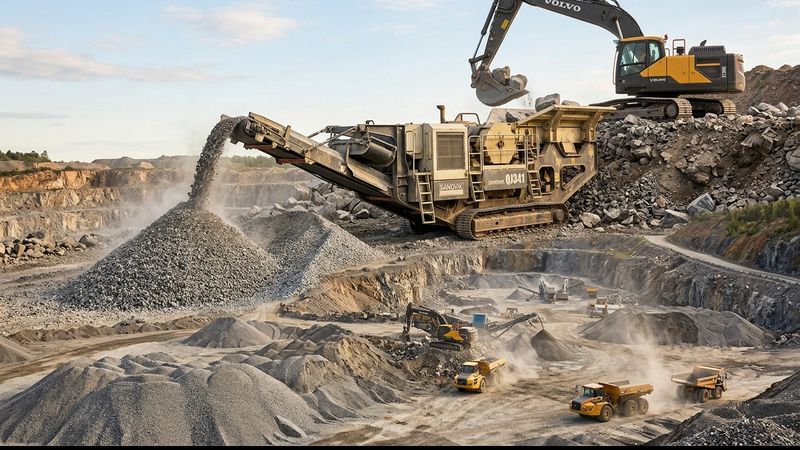
Construction relies on durable, high-usage machinery like excavators, bulldozers, and cranes. For core equipment used daily, buying is often preferred to build equity and avoid usage penalties. However, leasing makes sense for specialized equipment needed for a single project, allowing firms to bid on diverse jobs without owning every possible machine. A comprehensive guide to heavy equipment financing can provide more specific insights for this sector.
Healthcare and Medical
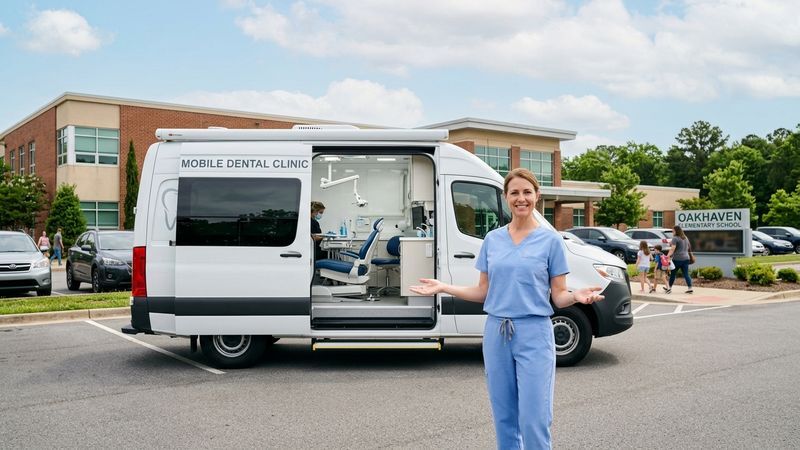
Medical technology, such as MRI machines, ultrasound devices, and lab analyzers, is expensive and evolves rapidly. Leasing is very common in this field as it allows clinics and hospitals to access the latest diagnostic tools without massive capital outlays and protects them from obsolescence. For basic, long-lasting equipment like exam tables or hospital beds, purchasing is a more logical choice.
Information Technology (IT)
The IT sector is defined by rapid technological advancement. Servers, laptops, and networking hardware have a short useful life, making leasing an extremely popular and practical option. It ensures companies can regularly refresh their technology to maintain security and efficiency. Buying may only be considered for foundational infrastructure that has a longer replacement cycle.
Manufacturing
Manufacturing equipment like CNC machines, lathes, and assembly line robotics is built for long-term, heavy-duty use. These are core assets that are often customized for specific production processes. Consequently, buying is the dominant strategy in this industry, as it provides the lowest total cost of ownership and the necessary control over the machinery.
Restaurant and Food Service
This industry sees a mix of both. Core, durable kitchen equipment like commercial ovens, ranges, and walk-in freezers are typically purchased for long-term value. However, items like point-of-sale (POS) systems, which are tech-based, or specialized equipment for a seasonal menu, might be leased for flexibility and lower upfront cost.
Transportation and Logistics
For trucking companies, the decision is complex. Owner-operators and large fleets that run high mileage often buy their trucks to avoid mileage restrictions and build equity. Leasing, especially full-service leasing that includes maintenance, is attractive for companies that want predictable costs and a modern, reliable fleet without the hassle of maintenance and repairs.
Agriculture
Farming equipment like tractors, combines, and planters represents a massive capital investment. Due to the long service life and the need for reliability and customization, buying is the traditional and most common approach. Leasing might be used for seasonal equipment or for farmers looking to test new technology before committing to a purchase.
The Hidden Costs of Leasing vs. Buying
A simple comparison of monthly payments doesn't tell the whole story. Both leasing and buying come with potential hidden costs that can impact your total expenditure. Being aware of these is critical for an accurate cost-benefit analysis.
Hidden Costs of Leasing
- Early Termination Fees: Ending a lease before the term expires can trigger substantial penalties, sometimes requiring you to pay the remainder of the lease payments.
- Usage Penalties: Exceeding mileage, hour, or usage limits stipulated in the contract will result in costly overage charges at the end of the term.
- Wear and Tear Charges: The equipment must be returned in good condition. You will be charged for any damage deemed beyond "normal" wear and tear, and the definition of normal can be subjective.
- Insurance Requirements: Lessors often require more comprehensive (and more expensive) insurance coverage than you might carry on owned equipment to protect their asset.
- No End Value: While not a "cost," the lack of an asset at the end of the lease is an opportunity cost. You have no equipment to sell or trade in.
Hidden Costs of Buying
- Unexpected Maintenance and Repairs: Once the manufacturer's warranty expires, you are on the hook for all repairs. A major breakdown can result in a significant, unplanned expense and costly downtime.
- Depreciation: Equipment is a depreciating asset. The value it loses over time is a real, though non-cash, expense that impacts your balance sheet and its eventual resale value.
- Property Taxes and Insurance: As the owner, you are responsible for paying any applicable property taxes on the equipment and ensuring it is fully insured, adding to the total cost of ownership.
- Disposal Costs: At the end of its useful life, you are responsible for selling, scrapping, or disposing of the old equipment, which can sometimes incur costs.
How Crestmont Capital Can Help
Navigating the lease versus buy decision can be complex, and securing the right funding is just as important as making the right choice. At Crestmont Capital, we specialize in helping businesses acquire the assets they need to grow, offering a full suite of flexible and transparent funding solutions tailored to your specific situation.
If you've determined that ownership is the best path, our Equipment Financing programs provide competitive rates and terms up to 7 years. We finance a wide range of new and used equipment, with a streamlined application process designed to get you funded quickly, often in as little as 24 hours. The equipment itself serves as the collateral, making this an accessible option for many businesses.
For those who benefit from flexibility and capital preservation, our Equipment Leasing options are second to none. We work with you to structure a lease agreement that fits your budget and operational needs, with options to purchase the equipment at the end of the term. This is an ideal solution for acquiring technology or managing short-term equipment needs.
Did You Know? The fundamental differences between these two options are critical. Our detailed comparison of equipment leasing vs. equipment financing can help you weigh the pros and cons for your specific asset.
Beyond equipment-specific funding, we also offer a range of small business loans that can be used for various purposes, including equipment down payments or other capital investments. Our team of funding experts acts as a partner, taking the time to understand your business and recommend the best financial product to help you achieve your goals.
Get Expert Guidance on Your Decision
Our specialists can help you analyze the costs and secure the best funding for your next equipment acquisition.
Apply Now →5 Real-World Scenarios
To make these concepts more concrete, let's explore five hypothetical scenarios where a business must decide between leasing and buying.
1. The Tech Startup ("Pixel Perfect Inc.")
Situation: A two-year-old software development startup needs to equip its 20 new employees with high-end laptops and servers. Their technology needs will likely change significantly in the next 2-3 years.
Decision: Lease. The upfront cost of buying 20 powerful laptops and servers would be a massive drain on their venture capital funding. Leasing allows them to get the best equipment with a low initial outlay and provides a simple path to upgrade everyone to newer models in two years, avoiding the problem of obsolete hardware.
2. The Established Construction Firm ("Bedrock Builders")
Situation: A 15-year-old construction company with steady contracts needs to replace its primary backhoe, a machine they use on nearly every job site, 40 hours a week.
Decision: Buy (with financing). This backhoe is a core, long-term asset. The total cost of ownership will be far lower by purchasing it. They will build equity, have no usage restrictions, and can take advantage of the Section 179 tax deduction to significantly lower their tax liability for the year.
3. The New Restaurant ("The Golden Spoon")
Situation: A restaurateur is opening her first location. She needs a full suite of kitchen equipment, from ovens and ranges to a commercial dishwasher. Cash flow is tight in the first year.
Decision: A Hybrid Approach. She decides to buy the core, long-lasting equipment like the stove and walk-in cooler through an equipment loan. For the tech-based POS system and a specialty ice cream machine for a seasonal menu, she chooses to lease to conserve cash and maintain flexibility.
4. The Medical Imaging Center ("ClearView Diagnostics")
Situation: A diagnostic center needs to add a new MRI machine to meet growing patient demand. These machines cost millions of dollars and the technology is constantly improving.
Decision: Lease. The risk of technological obsolescence is extremely high. Leasing allows the center to offer state-of-the-art imaging services with predictable monthly payments. It also often includes service and maintenance, which is critical for such complex machinery. The lessor bears the risk of the asset's declining value.
5. The Logistics Company ("Swift Haulage")
Situation: A logistics company needs to add five semi-trucks to its fleet to service a new, long-term contract. They want to minimize downtime and keep their fleet modern.
Decision: A Full-Service Lease. While buying is an option, a full-service lease that includes all maintenance, repairs, and replacement vehicles is very attractive. It provides a fixed, predictable cost per truck and ensures their fleet is always on the road, maximizing revenue from their new contract without the headache of managing repairs.
How to Evaluate the Decision for Your Business
Making the right choice requires a systematic approach. Don't rely on gut feelings; use a structured process to analyze the numbers and strategic implications for your specific business.
Step 1: Assess the Asset's Lifespan and Your Usage.
First, determine the equipment's expected useful life versus how long you plan to use it. If the asset's life is 10+ years and you'll use it for that entire duration (like a piece of heavy machinery), buying is a strong contender. If it's technology that will be outdated in 3 years, leasing becomes more attractive.
Step 2: Project Your Cash Flow.
Analyze your current and projected cash flow. Can you comfortably afford the down payment and higher monthly loan payments of buying? Or is preserving working capital for growth your absolute top priority right now, making the lower upfront cost of a lease the only viable option?
Step 3: Calculate the Total Cost of Each Option.
This is the most critical step. For buying, calculate the total cost: down payment + all loan payments (principal and interest) - estimated resale value. For leasing, calculate the total cost: all lease payments + any end-of-lease purchase cost (if applicable). This comparison will reveal the true long-term financial impact.
Step 4: Consider the Non-Financial Factors.
Think beyond the numbers. How much do you value flexibility? Do you need to customize the equipment? Do you want to offload maintenance responsibilities? The answers to these strategic questions are just as important as the financial calculation.
Step 5: Consult with Your Advisors.
Finally, discuss the decision with your accountant or financial advisor. They can provide specific advice on the tax implications of leasing versus buying for your business and help you understand how each choice will affect your financial statements. A credible lender like Crestmont Capital can also provide quotes for both options to make your analysis more accurate.
Frequently Asked Questions
1. What is the main difference between an equipment lease and an equipment loan?
The primary difference is ownership. With an equipment loan (financing), you own the asset from the start, and your payments build equity. With a lease, the leasing company (lessor) owns the asset, and you are essentially renting it for a fixed term. At the end of a lease, you typically return the equipment, while at the end of a loan term, you own it free and clear.
2. Is it cheaper to lease or buy equipment?
Leasing usually has a lower upfront cost and lower monthly payments. However, buying is almost always cheaper in the long run because once the loan is paid off, you own a valuable asset. The total cost of leasing over many years will eventually exceed the cost of buying once.
3. What are the typical credit score requirements for equipment financing or leasing?
Requirements vary by lender, but generally, a FICO score of 620 or higher is needed for traditional equipment financing. Lenders also look at time in business, annual revenue, and cash flow. At Crestmont Capital, we work with a wide range of credit profiles and can often find solutions for businesses with less-than-perfect credit.
4. How do tax benefits differ between leasing and buying?
Generally, operating lease payments can be fully deducted as a business expense. When you buy, you can deduct the interest on the loan and also take depreciation deductions. For purchased equipment, the Section 179 deduction may allow you to deduct the full purchase price in the first year, which can be a significant tax advantage. Always consult a tax professional for advice specific to your business.
5. Should I lease equipment that depreciates quickly?
Yes, leasing is an excellent strategy for equipment that rapidly loses its value, such as computers, servers, and some types of medical technology. It protects you from the risk of obsolescence, allowing you to upgrade to newer models at the end of the lease term without being stuck with an outdated asset.
6. Can I terminate an equipment lease early?
It is often possible, but it usually comes with significant early termination penalties. These fees can sometimes equal the total of all remaining payments, making it a very costly option. It is crucial to review the termination clause in your lease agreement before signing.
7. What is a Fair Market Value (FMV) lease?
An FMV lease is a type of operating lease where at the end of the term, you have the option to purchase the equipment for its current fair market value. This type of lease offers the lowest monthly payments but provides less certainty about the final purchase price compared to a lease with a fixed buyout option (like a $1 buyout lease).
8. Does leasing or buying have a bigger impact on my cash flow?
Buying has a much larger initial impact on cash flow due to the required down payment. Leasing has a smaller initial impact, preserving your working capital. On a monthly basis, lease payments are typically lower than loan payments, making leasing more cash-flow-friendly in the short term.
9. What happens if I damage leased equipment?
You are responsible for any damage beyond normal wear and tear. When you return the equipment at the end of the lease, the lessor will inspect it and charge you for any necessary repairs to bring it back to the condition stipulated in your agreement. Proper insurance is essential to cover major damages.
10. Is it better for a startup to lease or buy?
Most startups benefit more from leasing. It conserves precious startup capital, provides access to top-tier equipment without a large investment, and offers flexibility as the business model evolves. The predictable monthly payments also make budgeting easier during the critical early stages of the business.
11. How can Crestmont Capital help me decide?
Our team of financing experts can provide you with quotes for both leasing and financing options for the equipment you need. By presenting you with real numbers for both scenarios, we can help you conduct an accurate cost-benefit analysis and understand the terms, rates, and structures available, empowering you to make the best decision for your business.
12. Can I finance used equipment?
Yes, many lenders, including Crestmont Capital, offer financing for both new and used equipment. Financing used equipment can be a great way to reduce costs, as long as the equipment is in good condition and has a reasonable amount of useful life remaining. The terms may be slightly shorter for used equipment compared to new.
13. What is a $1 buyout lease?
A $1 buyout lease is a type of capital lease where, at the end of the lease term, you have the option to purchase the equipment for a nominal amount, typically $1. This structure is essentially a financing agreement disguised as a lease, and for tax and accounting purposes, it's often treated as a purchase from the beginning.
14. Does an equipment lease show up on my business credit report?
Yes, like a loan, an equipment lease is a financial obligation and will typically be reported to business credit bureaus. Making timely payments on your lease can help build a positive business credit history, while missed payments can have a negative impact.
15. What industries benefit most from equipment leasing?
Industries with rapidly advancing technology benefit the most. This includes IT, healthcare, telecommunications, and creative services (e.g., video production). Additionally, industries with project-based work, like construction, often use leasing for specialized, short-term equipment needs.
Your Equipment is Waiting. So is Your Funding.
Complete our simple online application in minutes and get a decision fast.
Apply Now →How to Get Started
Complete a Simple Application
Fill out our secure online application in under five minutes. Provide basic information about your business and the equipment you need to acquire.
Review Your Options
A dedicated funding specialist will contact you to discuss your application and present you with clear, transparent financing and leasing options tailored to your needs.
Get Funded and Acquire Your Equipment
Once you select your preferred option and complete the paperwork, we'll transfer the funds directly to the vendor, often on the same day. You can then get your equipment and put it to work.
Ultimately, the question of should I lease or buy equipment has no single right answer. The best choice is a strategic one, deeply rooted in your company's financial position, operational needs, and long-term growth strategy. By carefully analyzing the total costs, considering the non-financial benefits, and partnering with a trusted financial expert, you can make a confident decision that powers your business forward.
Disclaimer: The information provided in this article is for general educational purposes only and is not financial, legal, or tax advice. Funding terms, qualifications, and product availability may vary and are subject to change without notice. Crestmont Capital does not guarantee approval, rates, or specific outcomes. For personalized information about your business funding options, contact our team directly.