The rock climbing industry is experiencing unprecedented growth, transforming from a niche sport into a mainstream fitness and recreational activity. For entrepreneurs in this space, this presents a massive opportunity. However, launching, operating, or expanding a climbing gym is a capital-intensive venture requiring significant upfront investment. Securing the right funding is often the crucial step that separates a great idea from a successful business. This is where rock climbing gym business loans become essential, providing the capital needed to build-out facilities, purchase specialized equipment, and manage operational cash flow. This comprehensive guide will explore every facet of financing your climbing gym, from the types of loans available to the qualification requirements and application process.
In This Article
What Are Rock Climbing Gym Business Loans?
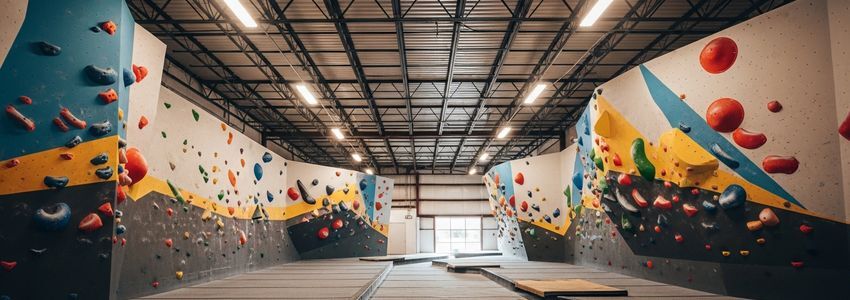
Rock climbing gym business loans are not a single, specific financial product. Instead, the term refers to a broad category of commercial financing solutions tailored to the unique needs of climbing and bouldering gym owners. These businesses have distinct capital requirements that differ significantly from typical retail stores or restaurants. The high cost of specialized equipment, custom construction, and substantial real estate footprints necessitates access to flexible and significant funding.
These loans can be used for a wide range of purposes, including:
- Purchasing or leasing a commercial property with high ceilings.
- Funding the extensive build-out and construction of the facility.
- Financing the design, manufacturing, and installation of custom climbing walls.
- Acquiring essential equipment like safety flooring, auto-belays, harnesses, shoes, and ropes.
- Purchasing thousands of climbing holds and volumes for route setting.
- Covering initial marketing expenses and grand opening costs.
- Managing ongoing operational costs, such as payroll, rent, insurance, and utilities.
Lenders like Crestmont Capital understand the specific financial landscape of the fitness and recreation industry. They offer various funding products, from large-scale SBA loans for startups to targeted equipment financing for wall upgrades. The goal is to provide capital that aligns with the gym's business plan, growth trajectory, and cash flow, enabling owners to build a safe, engaging, and profitable community hub.
Why Rock Climbing Gyms Need Financing
The financial barrier to entry for a modern climbing gym is substantial. Unlike many small businesses, a climbing gym cannot be started on a shoestring budget. The initial investment often runs from several hundred thousand to well over a million dollars, depending on the size, location, and scope of the facility. This capital-intensive nature makes external financing a virtual necessity for most entrepreneurs.
High Startup Costs
Opening a new climbing gym involves a long list of significant expenses. Without adequate funding, getting a project off the ground is nearly impossible.
- Real Estate: Finding a suitable building with high ceilings (typically 30-50 feet) and a large open floor plan is the first challenge. Leasing security deposits and initial rent payments, or the down payment for a commercial property purchase, represent a major upfront cost.
- Construction and Build-Out: The space often requires extensive renovation. This includes building locker rooms, reception areas, retail spaces, offices, and potentially a cafe or yoga studio. HVAC, electrical, and plumbing systems must be robust enough to handle the facility's needs.
- Climbing Walls: This is usually the single largest expense. Custom-designed walls from reputable manufacturers like Walltopia or EP Climbing can cost hundreds of thousands of dollars. The price includes design, engineering, manufacturing, shipping, and professional installation.
- Safety Flooring: High-quality, seamless padded flooring is non-negotiable for safety. This specialized flooring for bouldering and roped areas is a significant investment, often costing tens of thousands of dollars.
- Equipment and Inventory: This includes a large fleet of rental harnesses, climbing shoes, and chalk bags. It also covers ropes, auto-belay systems, belay devices, and a massive initial purchase of climbing holds and volumes, which can easily exceed $50,000-$100,000 for a medium-sized gym.
Key Stat: According to a report highlighted by Bloomberg, the global climbing gym market is projected to grow at a compound annual growth rate (CAGR) of 11.2%, indicating strong and sustained industry expansion.
Expansion and Renovation
For existing gyms, financing is the key to staying competitive and meeting evolving customer demands. Growth often requires capital investment.
- Adding New Climbing Terrain: To keep members engaged, gyms must regularly update their facilities. This can mean adding a new bouldering area, a dedicated training section with modern boards (Kilter, Moon, Tension), or expanding the top-rope and lead climbing sections.
- Facility Upgrades: Renovating locker rooms, upgrading the front desk area, or adding a cafe can significantly enhance the member experience and create new revenue streams.
- Opening New Locations: Successful gyms often look to expand their brand by opening additional facilities in new neighborhoods or cities. Each new location requires a startup-level investment, necessitating another round of significant financing.
Managing Working Capital
Beyond the large one-time expenses, climbing gyms need consistent cash flow to manage day-to-day operations. A business line of credit or working capital loan can be a lifeline.
- Payroll: Staffing a climbing gym requires a diverse team, including front desk staff, route setters, instructors, coaches, and management. Payroll is a major recurring expense.
- Insurance: Due to the inherent risks of climbing, insurance premiums for these facilities are substantial and must be paid consistently.
- Seasonality: Business can fluctuate seasonally, with indoor gyms often being busier in the winter months. Financing helps smooth out cash flow during slower periods.
- Inventory and Maintenance: Ropes need to be replaced, rental gear wears out, and new climbing holds are constantly needed to keep routes fresh. These ongoing costs add up quickly.
Without access to various forms of rock climbing gym business loans, owners would struggle to cover these essential costs, hindering their ability to start, operate, and grow a successful business.
[IMAGE_PLACEHOLDER]
Types of Financing Available for Rock Climbing Gyms
Climbing gym owners have several financing avenues to explore, each suited for different needs, business stages, and financial situations. Understanding the options is the first step toward building a sound financial strategy for your gym. Crestmont Capital offers a suite of products designed to meet these diverse requirements.
1. SBA Loans
Loans backed by the U.S. Small Business Administration (SBA) are often considered the gold standard for small business financing. They are particularly well-suited for large-scale projects like starting a new climbing gym or purchasing a commercial building.
- SBA 7(a) Loans: This is the most popular SBA loan program. It's highly versatile and can be used for a wide range of purposes, including working capital, equipment purchases, real estate acquisition, and business expansion. Loan amounts can go up to $5 million with long repayment terms (up to 10 years for working capital/equipment and 25 years for real estate), which helps keep monthly payments manageable.
- SBA 504 Loans: This program is specifically designed for purchasing major fixed assets, such as commercial real estate or heavy machinery. For a climbing gym, this is the ideal product for buying the building that will house your facility. The loan is structured with a portion from a conventional lender, a portion from a Certified Development Company (CDC), and a down payment from the borrower.
While SBA loans offer excellent terms, the application process is rigorous and lengthy, requiring a strong business plan, good credit, and often, collateral.
2. Equipment Financing
Given that a significant portion of a climbing gym's budget is allocated to tangible assets, equipment financing is a perfect fit. This type of loan allows you to purchase specific pieces of equipment, and the equipment itself typically serves as the collateral for the loan.
Assets that can be financed include:
- Climbing walls and structures
- Auto-belay systems
- Specialized safety flooring and padding
- Training equipment (campus boards, spray walls, systems boards)
- Point-of-sale (POS) systems and computer hardware
- Fitness equipment for a workout area (weights, cardio machines)
The process for equipment financing is generally much faster than for an SBA loan, and it allows you to preserve working capital for other business needs. To learn more about the mechanics, explore our guide on how equipment financing works.
3. Term Loans
A traditional term loan provides a lump sum of capital that you repay over a fixed period with regular installments. These are offered by both traditional banks and alternative lenders like Crestmont Capital. While bank loans often have stricter requirements, alternative lenders can offer more flexibility and much faster funding times.
Term loans are ideal for specific, planned investments such as:
- A major facility renovation or expansion project.
- Funding a large marketing campaign.
- Bridging a capital gap for a specific project.
These versatile small business loans are a foundational tool for many growing businesses.
4. Business Line of Credit
A business line of credit provides access to a revolving pool of funds that you can draw from as needed, up to a certain credit limit. You only pay interest on the amount you use. This makes it an incredibly flexible tool for managing cash flow and handling unexpected expenses.
For a climbing gym, a line of credit is perfect for:
- Purchasing new sets of holds for a route-setting refresh.
- Covering payroll during a slow season.
- Paying for an emergency repair to an HVAC system or auto-belay.
- Seizing a time-sensitive opportunity, like buying discounted retail inventory.
Having a business line of credit in place provides a crucial safety net and the agility to act quickly.
5. Working Capital Loans
Working capital loans are short-term financing solutions designed to cover everyday operational expenses. They are typically easier to qualify for than long-term loans and provide very fast access to cash. While they may come with higher interest rates, they are an effective tool for short-term needs, such as boosting inventory before a busy season or launching a targeted marketing initiative.
Ready to Fund Your Rock Climbing Gym?
Get a no-obligation quote and see how much your climbing gym can qualify for.
Apply Now
How Rock Climbing Gym Owners Use Business Loans
Understanding the theoretical types of loans is one thing; seeing how they apply in practice is another. Rock climbing gym business loans are used to fund every stage of a gym's lifecycle, from the initial blueprint to a multi-location enterprise. Here are some of the most common and strategic ways owners deploy capital.
1. Launching a New Gym from the Ground Up
This is the most capital-intensive phase. A combination of financing is often required to get a new gym open.
- Use Case: An entrepreneur with a solid business plan wants to open the first modern bouldering gym in their city.
- Financing Strategy: They secure a large SBA 7(a) loan to cover the commercial lease deposit, major construction for locker rooms and a front desk, and initial working capital. Simultaneously, they use an equipment financing agreement specifically to fund the $400,000 custom-designed climbing walls and the $80,000 of padded flooring. This preserves cash from the SBA loan for payroll and marketing during the first few months of operation.
2. Acquiring and Renovating an Existing Gym
Buying an existing business can be a smart move, but it often requires capital for both the purchase and necessary upgrades.
- Use Case: A gym owner wants to purchase a competitor's aging facility across town. The facility has a good location but outdated walls and amenities.
- Financing Strategy: A business acquisition loan (often structured as a term loan or SBA loan) is used to fund the purchase price of the business. The new owner then secures a separate, medium-term loan of $250,000 to completely renovate the space, including tearing down old walls, installing a new training area, and upgrading the branding and signage.
3. Expanding a Successful, Existing Facility
As a gym's membership base grows, so does the need for more space and variety.
- Use Case: A popular roped climbing gym notices a growing demand for bouldering and dedicated training space. They have an unused section of their warehouse they want to develop.
- Financing Strategy: The owner uses a business line of credit, which they have had open for a year, to pay architects and engineers for the design plans. Once the plans are finalized, they take out a $300,000 term loan to fund the construction of the new bouldering area and purchase a new set of holds and a Kilter Board. The predictable payments of the term loan fit well with their established revenue.
4. Managing Seasonal Cash Flow and Route Setting
Even profitable gyms face fluctuating revenue and have ongoing, lumpy expenses.
- Use Case: A gym in a college town sees a dip in revenue during the summer when students leave. However, this is the best time for a major route-setting refresh and deep cleaning.
- Financing Strategy: The owner draws $25,000 from their business line of credit to cover the cost of a large hold order and pay their route setters for the two-week project. As revenue picks back up in the fall semester, they pay down the balance, ensuring the line is available for the next time it's needed.
5. Upgrading to Modern Training and Technology
Staying current is key to retaining dedicated climbers and attracting new ones.
- Use Case: A gym wants to appeal more to competitive climbers and teams by adding state-of-the-art training tools.
- Financing Strategy: They use a small equipment loan for $40,000 to purchase and install a Tension Board and a spray wall. The funding is approved in a few days, allowing them to complete the project quickly and market the new features to their members and local youth teams. This is a targeted investment in member retention and attraction, similar to how other facilities look into kickboxing gym loans for new equipment.
How Crestmont Capital Helps Rock Climbing Gym Owners
Navigating the world of commercial financing can be complex, especially for a niche industry like rock climbing gyms. Traditional banks may not fully grasp the business model, the value of specialized assets like climbing walls, or the industry's growth potential. This is where a specialized lender like Crestmont Capital provides a distinct advantage.
As the #1 rated U.S. business lender, we have built our reputation on understanding the unique challenges and opportunities that entrepreneurs face. We don't see a climbing gym as just another fitness facility; we see a dynamic business with specific capital needs. Here’s how our approach differs and directly benefits climbing gym owners:
1. Industry Expertise
Our funding advisors have experience working with businesses in the fitness, recreation, and entertainment sectors. We understand the high upfront costs, the importance of member experience, and the operational cash flow cycles of a climbing gym. This expertise means we can ask the right questions and structure financing that makes sense for your specific situation, rather than trying to fit you into a generic lending box. This is part of our commitment to providing tailored funding, whether it's for general gym business loans or highly specific projects.
2. A Broad Portfolio of Loan Products
Unlike a single bank that may only offer one or two types of loans, Crestmont Capital provides access to a wide spectrum of financing solutions. This allows us to create a customized funding strategy for your gym.
- Need to fund a multi-million dollar new build? Our SBA loan specialists can guide you through the process.
- Looking to buy new auto-belays quickly? Our equipment financing program is fast and straightforward.
- Want a safety net for cash flow? A business line of credit offers ultimate flexibility.
Our ability to offer multiple products means we can serve as a long-term financial partner, supporting your gym from its grand opening through every phase of its growth.
3. Speed and Efficiency
We know that in business, timing is everything. An opportunity to secure a great real estate deal or purchase discounted equipment won't wait for a slow, bureaucratic loan process. Our application is streamlined and can be completed online in minutes. We provide fast decisions, and for many of our loan products, funding can be deposited in your account in as little as 24 hours after approval. This speed and efficiency give you a competitive edge.
Key Insight: A Forbes Advisor article on the business loan process notes that alternative lenders can often fund loans in a matter of days, compared to the weeks or months it can take with traditional banks, a crucial advantage for time-sensitive projects.
4. High Approval Rates
Our extensive network of lending partners and our flexible underwriting criteria allow us to approve a higher percentage of applicants than traditional banks. We look at the overall health of your business, including cash flow and growth potential, not just a single credit score. We work with new and established gyms, businesses with perfect credit, and those that have faced challenges.
Partner with an Expert in Gym Financing
Our funding advisors specialize in the fitness and recreation industry. Let's discuss your goals.
Apply NowWho Qualifies for Rock Climbing Gym Business Loans
Qualification criteria for rock climbing gym business loans vary depending on the type of financing, the loan amount, and the lender. However, lenders generally evaluate a few key areas to assess risk and determine eligibility. Understanding these factors can help you prepare a stronger application.
1. Credit Score
Your personal and business credit scores are a primary indicator of your financial responsibility. While requirements differ, here are some general guidelines:
- SBA Loans & Bank Term Loans: Typically require good to excellent credit, often a personal FICO score of 680 or higher.
- Alternative Lender Term Loans & Equipment Financing: Offer more flexibility. Lenders like Crestmont Capital can often work with scores in the low 600s, and sometimes even lower, depending on other factors like revenue.
- Working Capital Loans & MCAs: Have the most lenient credit requirements, often accepting scores of 500 or above, but this is balanced by higher costs.
2. Time in Business
Lenders want to see a track record of stability and operation. For established gyms, this is a significant advantage.
- Startups (0-1 year): Financing a brand-new gym is challenging but not impossible. The best options are typically SBA loans, which are designed to support new businesses, provided you have a very strong business plan, industry experience, and good personal credit. Personal investment or "skin in the game" is almost always required.
- Early-Stage Businesses (6 months - 2 years): More options become available, including some alternative term loans, equipment financing, and lines of credit.
- Established Businesses (2+ years): Gyms with a proven history of revenue and profitability will qualify for the widest range of products and the most favorable terms.
3. Annual Revenue
Consistent cash flow is the most critical factor for many lenders, as it demonstrates your ability to make loan payments. Most lenders have a minimum annual or monthly revenue requirement.
- Lenders may look for minimum annual revenues ranging from $100,000 to $250,000 or more, depending on the loan size.
- They will analyze your bank statements to verify revenue, assess the consistency of your cash flow, and look for any negative balances. A healthy average daily balance is a positive sign.
4. Business Plan (Especially for Startups)
For a new climbing gym, a comprehensive business plan is non-negotiable. It is your primary tool for convincing a lender that your venture is viable and that you have a clear path to profitability. Your plan should include:
- Executive Summary
- Market Analysis (including demographics and local competition)
- Management Team Bios (highlighting industry experience)
- Services and Pricing (memberships, day passes, classes, retail)
- Marketing and Sales Strategy
- Detailed Financial Projections (startup costs, projected revenue, profit and loss, cash flow statements for at least 3-5 years)
5. Collateral
Collateral is an asset that you pledge to a lender to secure a loan. If you default on the loan, the lender can seize the asset.
- Secured Loans: Equipment financing is self-secured by the equipment being purchased. SBA loans and some term loans may require you to pledge other business assets or even personal assets, like real estate.
- Unsecured Loans: Many modern business loans, particularly from alternative lenders, are unsecured. This means you don't need to pledge specific collateral, which is a major advantage for many business owners. However, a personal guarantee is almost always required.
How to Apply for Rock Climbing Gym Financing
Applying for a business loan with a modern lender like Crestmont Capital is designed to be a fast and transparent process. We've eliminated the mountains of paperwork and long waits associated with traditional bank lending. Here is a typical step-by-step guide to securing the funding your climbing gym needs.
Quick Guide
How Rock Climbing Gym Financing Works - At a Glance
Preparing Your Documentation
To ensure the process moves as quickly as possible, it's helpful to have your documents ready. While requirements vary by loan type and amount, common documents include:
- Driver's License: For identity verification of the business owner(s).
- Voided Business Check: To confirm your business bank account for funding.
- Bank Statements: Typically the 3-6 most recent months of business bank statements to verify revenue.
- Financial Statements: For larger loans, you may need to provide a profit and loss statement, balance sheet, and business tax returns.
- Business Plan: Essential for startups and major expansion projects.
- Quotes or Invoices: For equipment financing, you will need to provide the quote from the vendor for the walls, flooring, or other assets you intend to purchase.
Having these items organized will demonstrate your professionalism and preparedness to lenders, potentially leading to a faster and more favorable outcome.
Real-World Scenarios: Rock Climbing Gyms That Used Financing
To better illustrate how financing works in practice, let's look at a few hypothetical but realistic scenarios that climbing gym owners commonly face.
Scenario 1: The Startup Bouldering Gym
- The Business: "BoulderStrong," a startup founded by two experienced climbers who want to open a 15,000 sq. ft. bouldering-focused gym in a growing suburban area.
- The Challenge: They have a detailed business plan and have saved $150,000 for a down payment, but their total project cost is estimated at $1.2 million.
- The Solution: They work with a Crestmont Capital SBA specialist. They are approved for a $1.05 million SBA 7(a) loan. They use the funds to cover their long-term lease, the extensive interior build-out, the purchase of all climbing holds, rental gear, and initial working capital for marketing and payroll. The 10-year term on the loan keeps the monthly payments manageable as they build their membership base.
Scenario 2: The Established Gym's Expansion
- The Business: "Vertical Ventures," a successful climbing gym that has been in operation for five years. They have a strong membership base but are at capacity during peak hours. They want to expand into an adjacent, vacant commercial space.
- The Challenge: The expansion will cost $450,000 for construction and new climbing walls. They need the capital quickly to secure the lease on the new space before another business does.
- The Solution: An SBA loan would be too slow. Instead, they apply for a business term loan through Crestmont Capital. Based on their strong revenue and two years of profitable tax returns, they are approved for a $450,000 loan with a 5-year term. The funds arrive in their account within three days, allowing them to sign the lease and begin construction immediately, minimizing downtime and capitalizing on their current momentum.
Scenario 3: The Multi-Location Operator's Cash Flow Needs
- The Business: "Apex Climbing," a regional chain with three locations. Their cash flow is generally strong but can be unpredictable, and they need a flexible way to fund ongoing needs like route setting and minor upgrades across all gyms.
- The Challenge: They need to place a large, $75,000 order for new climbing holds to refresh all three facilities but want to avoid draining their operating cash reserves.
- The Solution: They secure a $150,000 business line of credit. They draw $75,000 to pay the hold manufacturer immediately. Over the next six months, as membership dues come in, they pay back the drawn amount with interest. The line of credit is now fully available again for the next unexpected expense or opportunity, such as a failing HVAC unit or a bulk discount on retail products.
Comparing Financing Options for Rock Climbing Gyms
Choosing the right financing product is critical. The best option depends entirely on your specific need, timeline, and financial profile. This table provides a quick comparison of the most common financing types for climbing gyms.
| Financing Type | Best For | Typical Amount | Speed |
|---|---|---|---|
| SBA Loans | New gym startups, real estate purchase, major business acquisition. | $350,000 - $5,000,000 | Slow (30-90+ days) |
| Equipment Financing | Purchasing climbing walls, flooring, auto-belays, training boards. | $25,000 - $1,000,000+ | Fast (1-3 days) |
| Term Loans | Facility expansion, major renovations, large one-time projects. | $50,000 - $2,000,000 | Fast (1-5 days) |
| Business Line of Credit | Managing cash flow, buying holds, unexpected repairs, marketing. | $10,000 - $500,000 | Fast (1-3 days) |
| Working Capital Loan | Short-term cash needs, bridging revenue gaps, inventory purchase. | $5,000 - $250,000 | Very Fast (24-48 hours) |
Frequently Asked Questions
What is the minimum credit score for a climbing gym loan?
The minimum credit score varies by loan type. SBA loans typically require a score of 680+, while alternative lenders like Crestmont Capital can often work with scores in the low 600s for term loans and equipment financing. Some short-term options may be available for scores of 550+.
Can I get a loan to start a new rock climbing gym?
Yes, but it is challenging. The best option for a startup climbing gym is typically an SBA loan. You will need a very strong business plan, excellent personal credit, relevant industry experience, and a significant personal financial injection (down payment) to be considered.
How much financing can I get for my climbing gym?
Funding amounts can range from a few thousand dollars for a working capital loan to over $5 million for an SBA loan used to build a new facility. The amount you qualify for depends on your business's revenue, time in business, credit history, and the specific use of funds.
What are the typical interest rates for these loans?
Interest rates vary widely based on the loan product, your creditworthiness, and market conditions. SBA loans and bank loans offer the lowest rates, often tied to the Prime Rate. Alternative lender rates are higher but come with faster funding and more flexible criteria. It's best to get a specific quote for your business.
How long does the funding process take?
The timeline depends on the loan type. Working capital loans and equipment financing can be funded in as little as 24-48 hours. Term loans typically take 2-5 business days. SBA loans are the slowest, often taking 30 to 90 days or more from application to funding.
Can I finance the climbing walls themselves?
Absolutely. Climbing walls are a perfect asset for equipment financing. The walls serve as collateral for the loan, making it a straightforward and popular financing option for both new gyms and existing gyms looking to expand or upgrade their terrain.
Do I need to provide collateral for a climbing gym loan?
It depends. Equipment loans are secured by the equipment itself. SBA loans often require collateral, which could be business assets or real estate. Many term loans and lines of credit from alternative lenders are unsecured, meaning no specific collateral is required, though a personal guarantee is standard.
What documents are required to apply?
For a simple application, you may only need basic business information and a few months of bank statements. For larger loans like an SBA loan, expect to provide tax returns, full financial statements (P&L, balance sheet), a detailed business plan, and personal financial information.
Can I use a loan to buy an existing climbing gym?
Yes. Business acquisition loans are designed for this purpose. Both SBA 7(a) loans and some conventional term loans can be used to finance the purchase of an existing business. Lenders will want to see the historical financial performance of the gym you intend to buy.
Are there specific loans for bouldering-only gyms?
There are no loan products named "bouldering gym loans," but all the financing options discussed here-SBA loans, equipment financing, term loans-are perfectly suited for bouldering-only facilities. The principles and application process are the same as for a full-service climbing gym.
How does revenue affect my loan eligibility?
Revenue is one of the most important factors. Strong, consistent revenue demonstrates your ability to repay a loan. Lenders will look at your monthly and annual revenue totals to determine the loan amount you can support. Higher revenue generally leads to higher loan offers and better terms.
Can I get a loan if my gym has been open for less than a year?
Yes, some options are available. While many traditional lenders require 2+ years in business, some alternative lenders can provide financing to businesses that have been operating for as little as 6 months, provided they show strong and consistent monthly revenue.
What's the difference between a term loan and a line of credit for my gym?
A term loan provides a single lump sum of cash for a specific, large project (like an expansion) and is repaid in fixed installments. A line of credit provides a revolving fund you can draw from as needed for ongoing, smaller, or unexpected expenses (like buying holds), and you only pay interest on the amount used.
Are SBA loans a good option for climbing gyms?
Yes, they are an excellent option, especially for startups or for purchasing real estate. They offer high loan amounts, long repayment terms, and competitive interest rates. The main drawbacks are the long, document-intensive application process and strict qualification requirements.
How can I improve my chances of getting approved?
To improve your approval odds, focus on maintaining a good personal and business credit score, keeping clean financial records, showing consistent revenue, and having a clear plan for how you will use the funds. For startups, a professionally written and thoroughly researched business plan is the most critical element.
Don't Let Financing Hold You Back
Secure the capital you need to reach new heights. Start your application today.
Apply NowHow to Get Started
Taking the next step toward funding your rock climbing gym is simple. At Crestmont Capital, we've designed our process to be as efficient as possible so you can focus on what you do best: building an amazing climbing community.
Complete our secure, one-page application. It requires only basic information about you and your business and will not affect your credit score. You can find it at offers.crestmontcapital.com/apply-now.
A dedicated funding advisor will reach out to you to discuss your specific needs, answer your questions, and walk you through the best financing options available for your climbing gym.
Once you select an offer and are approved, the funds are transferred directly to your business bank account. You can immediately put the capital to work to build, expand, or improve your gym.
Conclusion
The climbing industry is on a steep upward trajectory, and for entrepreneurs, the opportunities are immense. However, the significant capital required to build and operate a state-of-the-art climbing facility remains a major hurdle. A strategic approach to financing is not just an option; it's a fundamental component of success. By understanding the different types of rock climbing gym business loans available, from versatile SBA loans for startups to fast equipment financing for wall upgrades, you can build a financial foundation that supports your vision.
Whether you are planning your grand opening, expanding to a second location, or simply need to manage your cash flow more effectively, the right funding partner can make all the difference. At Crestmont Capital, we are committed to helping climbing gym owners reach their peak potential by providing fast, flexible, and reliable financing solutions. By securing the necessary capital, you can focus on creating an exceptional experience for your members and building a thriving business that stands the test of time.
Disclaimer: The information provided in this article is for general educational purposes only and is not financial, legal, or tax advice. Funding terms, qualifications, and product availability may vary and are subject to change without notice. Crestmont Capital does not guarantee approval, rates, or specific outcomes. For personalized information about your business funding options, contact our team directly.