Septic service is essential, recession-resistant, and capital-intensive. Whether you're pumping residential tanks, installing new systems, or expanding into commercial contracts, your business runs on expensive equipment and steady cash flow. Septic company business loans give you the financial muscle to invest in the vacuum trucks, pumper equipment, and working capital your operation needs to grow without draining your reserves.
This guide covers every financing option available to septic service companies in 2026 - from equipment loans and lines of credit to SBA programs and short-term working capital - so you can make the smartest decision for your business.
In This Article
- What Are Septic Company Business Loans?
- Key Benefits of Financing for Septic Businesses
- How Septic Business Financing Works
- Types of Loans for Septic Companies
- Equipment Financing for Septic Trucks and Tools
- Who Qualifies for a Septic Company Loan?
- How Crestmont Capital Helps Septic Businesses
- Real-World Scenarios
- Frequently Asked Questions
- How to Get Started
What Are Septic Company Business Loans?
Septic company business loans are financing products designed to help septic service operators, installers, and environmental contractors fund the high upfront costs of running and growing their businesses. These loans cover everything from purchasing vacuum trucks and jet hydro-excavation units to managing payroll gaps during slow seasons or funding a new service territory expansion.
Unlike general personal loans, business financing for septic companies is structured around your company's revenue, time in business, and operational needs. Lenders evaluate your business on its own merits, meaning strong cash flow can get you approved even with less-than-perfect personal credit.
The septic industry in the United States serves more than 21 million homes and countless commercial properties that rely on onsite wastewater systems. According to the U.S. Census Bureau, approximately 20 percent of U.S. households depend on septic systems, creating a consistent, year-round demand for pumping, repair, and installation services. The U.S. Small Business Administration also reports that access to capital is one of the top growth barriers cited by small business owners in service industries. That demand and that capital barrier both make septic companies strong candidates for business financing.
Industry Fact: Over 21 million U.S. homes rely on private septic systems, and the average system requires pumping every 3 to 5 years. That's a predictable, recurring revenue stream that lenders find highly attractive when evaluating loan applications.
Key Benefits of Financing for Septic Businesses
Financing isn't about going into debt - it's about using capital strategically to grow faster than your cash reserves would allow. Here's why septic business owners consistently turn to business loans:
- Preserve working capital: Keep cash on hand for payroll, fuel, parts, and unexpected repairs instead of tying it up in equipment purchases.
- Acquire revenue-generating equipment immediately: A new vacuum truck can generate $150,000 or more in annual revenue. Waiting to save cash means lost contracts every month you delay.
- Manage seasonal cash flow: Septic pumping slows in some regions during winter months. A business line of credit bridges those gaps without disrupting operations.
- Fund expansion into new service areas: Adding routes, hiring technicians, and marketing to new zip codes all require capital upfront before revenue catches up.
- Build business credit: Consistently repaying a business loan builds your company's credit profile, making future financing easier and cheaper to obtain.
- Compete for larger commercial contracts: Municipal contracts, HOA agreements, and commercial accounts often require proof of bonding, insurance, and equipment capacity - all funded through financing.
Ready to Grow Your Septic Business?
Get fast, flexible financing from the #1 business lender in the U.S. Equipment loans, working capital, lines of credit - apply in minutes.
Apply Now →How Septic Business Financing Works
The process of securing a loan for your septic company is more straightforward than most owners expect. Here's how it typically flows from application to funding:
Step 1 - Pre-qualification. Most lenders offer a soft-inquiry pre-qualification that won't affect your credit score. You'll share basic information about your business revenue, time in operation, and the amount you need.
Step 2 - Documentation. Lenders typically request 3 to 6 months of business bank statements, a valid business license, and basic ownership information. Larger loans may require tax returns and profit-and-loss statements.
Step 3 - Underwriting. The lender evaluates your cash flow patterns, revenue consistency, credit score (both business and personal), and the purpose of the funds. Septic companies tend to show strong, recurring cash flows that underwriters respond well to.
Step 4 - Approval and terms. You receive a loan offer outlining the amount, term, interest rate or factor rate, repayment schedule, and any fees. Review carefully before accepting.
Step 5 - Funding. Once you sign, funds are typically deposited to your business checking account within 1 to 3 business days for online lenders, or 2 to 4 weeks for SBA loans.
By the Numbers
Septic Industry - Key Financing Statistics
21M+
U.S. homes on septic systems
$80K+
Avg. cost of a new vacuum truck
24 Hrs
Typical funding time for alternative lenders
$5M+
Max loan size available to septic businesses
Types of Loans for Septic Companies
Not every septic business has the same needs. A solo operator looking to add a second truck has different requirements than a regional company pursuing municipal contracts. Here are the most common loan types that work well for septic service businesses:
Term Loans
A term loan provides a lump sum of capital repaid over a fixed period - typically 1 to 10 years. Term loans work well for major capital investments like equipment purchases, facility upgrades, or business acquisitions. Rates are generally lower than short-term options, making them ideal when you need substantial capital and have time to repay.
Business Lines of Credit
A business line of credit functions like a business credit card - you draw funds as needed up to your approved limit, repay what you use, and the credit replenishes. For septic companies, lines of credit are ideal for managing seasonal cash flow gaps, covering unexpected repair costs, or bridging gaps between completing large jobs and receiving payment.
Equipment Financing
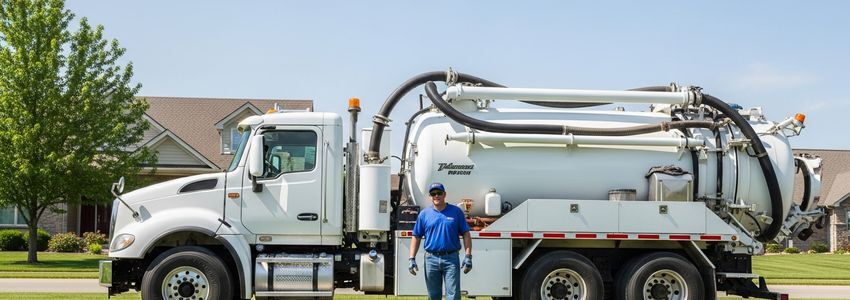
Equipment loans are secured by the equipment itself, which often results in more favorable terms and approval rates. For a septic company, this is the go-to option for financing vacuum trucks, hydro-jetting machines, portable restrooms for event work, and diagnostic camera systems. The equipment acts as collateral, reducing lender risk.
SBA Loans
The Small Business Administration's 7(a) loan program offers amounts up to $5 million with competitive rates and long repayment terms. SBA loans are ideal for established septic businesses looking to make significant capital investments or expand into new service territories. The tradeoff is a longer application process - typically 30 to 90 days.
Short-Term Business Loans
Short-term business loans offer fast capital (often within 24 to 48 hours) with repayment periods of 3 to 18 months. These are best for immediate cash needs - covering a large payroll run, purchasing parts inventory before peak season, or capitalizing on a time-sensitive equipment deal.
Working Capital Loans
Working capital loans give septic companies the cash needed to keep daily operations running. Unlike equipment loans tied to a specific asset, working capital loans are unsecured and flexible - use them for payroll, fuel, insurance premiums, marketing, or any other operational expense.
Invoice Financing
If you do significant work for commercial accounts or municipalities with net-30 or net-60 payment terms, invoice financing can unlock cash tied up in outstanding receivables. You receive an advance (typically 80 to 90 percent of the invoice value) immediately, with the remainder paid when your client settles the bill, minus a small fee.
Pro Tip: Many septic business owners combine financing products for maximum efficiency - using an equipment loan for new truck acquisition and a line of credit for day-to-day cash flow management. This strategy preserves liquidity while still capitalizing on growth opportunities.

Equipment Financing for Septic Trucks and Tools
Equipment is the lifeblood of any septic service company. The cost of outfitting even a modest operation can run well into six figures, making equipment financing one of the most popular and practical tools in the septic industry.
What Equipment Can Be Financed?
Virtually any piece of business equipment used by a septic company is eligible for financing. Common items include:
- Vacuum trucks and pumper trucks ($80,000 to $300,000+)
- Hydro-jetting units and combination sewer cleaners
- Sewer camera inspection systems
- Excavation and backhoe equipment for installations
- Portable restroom units and trailers for event rental revenue
- Spray trucks and aerobic treatment unit maintenance equipment
- Service vans and pickup trucks for field technicians
- Shop and storage facility improvements
How Equipment Financing Differs from a Standard Loan
Equipment loans use the financed asset as collateral, which lowers the lender's risk and typically results in better rates, longer terms, and higher approval odds compared to unsecured loans. If you're purchasing a $150,000 vacuum truck, the truck itself secures the loan. This structure is favorable for septic business owners - especially those building their credit profile or recovering from a past financial challenge.
Learn more about how equipment loans compare to leasing in our guide to Equipment Financing 101.
New vs. Used Equipment
Both new and used vacuum trucks and equipment qualify for financing. Used equipment is often financed at slightly higher rates due to age and depreciation concerns, but it can make sense when cash flow is tight or you need to test a new service line before committing to a brand-new unit.
Finance Your Next Vacuum Truck
Equipment loans from $10,000 to $5M+. Competitive rates, fast approvals, flexible terms - get started today.
Apply Now →Who Qualifies for a Septic Company Loan?
Qualification requirements vary by lender and loan type, but here are the general benchmarks you'll encounter:
| Loan Type | Min. Credit Score | Min. Time in Business | Min. Monthly Revenue |
|---|---|---|---|
| Equipment Loan | 600+ | 1 year | $10,000+ |
| SBA 7(a) Loan | 680+ | 2 years | $20,000+ |
| Business Line of Credit | 620+ | 1 year | $15,000+ |
| Short-Term Loan | 550+ | 6 months | $10,000+ |
| Working Capital Loan | 580+ | 6 months | $10,000+ |
| Invoice Financing | No minimum | 3+ months | Tied to invoice value |
Septic companies with bad credit still have options. Bad credit business loans are available from alternative lenders who focus on your business revenue and bank statements rather than credit score alone. If your business generates consistent revenue from a steady client base, you stand a strong chance of approval even with credit challenges.
What Lenders Actually Look For
Beyond the numbers, lenders evaluate the overall health and stability of your business. Key factors include:
- Revenue consistency: Steady monthly deposits signal a stable customer base and reliable service demand. According to Forbes, lenders typically want to see at least 6 to 12 months of consistent bank deposits before approving larger loan amounts.
- Cash flow patterns: Lenders want to see that you have enough cash flow to comfortably service the debt, typically at a 1.25x debt service coverage ratio or higher.
- Business longevity: The longer you've been operating, the lower the perceived risk.
- Licensing and compliance: Septic companies are licensed and regulated at the state level. Active, current licensing demonstrates operational legitimacy.
- Asset base: Owned equipment and vehicles can be used as collateral, improving your position with lenders.
How Crestmont Capital Helps Septic Businesses
Crestmont Capital is a direct lender with a track record of helping service-based businesses - including environmental and septic contractors - access capital quickly and without the bureaucracy of traditional banks. Here's what sets the experience apart:
Speed: Unlike banks that may take 30 to 60 days to process a loan, Crestmont Capital can fund many loan types within 24 to 72 hours of approval. When a prime vacuum truck comes up for sale, or you need to cover a large equipment repair before peak season, that speed matters.
Flexible qualification: Crestmont works with businesses across the credit spectrum. Strong revenue can offset a lower credit score, and the team evaluates applications holistically rather than applying rigid, one-size-fits-all criteria.
Wide product range: From equipment financing and working capital to lines of credit and small business loans, Crestmont offers every product type a growing septic company might need under one roof.
No guessing games: Crestmont's advisors work directly with business owners to match them with the right product at the right time, rather than pushing a one-size solution regardless of fit.
Understanding how working capital trends affect businesses in your industry can also inform your financing strategy - see our analysis in Working Capital Loan Trends: What the 2026 Data Shows.
Why Septic Companies Qualify Easily: Septic service is considered an essential industry - demand doesn't disappear during economic downturns. Lenders view this stability favorably. A septic company with 2+ years of operation and $15,000+ in monthly revenue is genuinely competitive for most business financing products.
Real-World Scenarios: How Septic Companies Use Business Loans
Business financing isn't abstract - here's how real septic operators use loans to grow and protect their businesses:
Scenario 1: Adding a Second Vacuum Truck
A solo operator in a growing suburban market is turning away 10 to 15 jobs per week because his single truck can't keep up with demand. He applies for a $120,000 equipment loan, finances a used combination vacuum truck, and hires a second technician. Within six months, his monthly revenue has nearly doubled, and the truck payment is covered by the first week's work each month.
Scenario 2: Seasonal Cash Flow Gap
A mid-sized septic company in the Northeast sees revenue drop 40 percent during January and February when frozen ground limits installations. The owner draws $30,000 from a business line of credit in December to prepay insurance, cover payroll through the slow period, and purchase parts inventory at year-end prices. She repays the draw in full by March as spring installations ramp up, paying only a few hundred dollars in interest.
Scenario 3: Landing a Municipal Contract
A growing septic company wins a three-year contract to service all public facilities for a county with 400+ properties. The contract requires two dedicated service trucks and a licensed crew. The owner secures an SBA 7(a) loan for $350,000 to purchase two new trucks, hire and certify additional staff, and upgrade his office management software. The contract revenue far exceeds the loan service payments, and the business is projected to triple in revenue over the contract term.
Scenario 4: Emergency Equipment Repair
A vacuum truck's pump system fails in peak summer season. The repair quote is $18,000 and parts are on back order for two weeks. Rather than turn away a full schedule of booked jobs, the owner takes a $20,000 short-term working capital loan, covers the repair, and resumes operations the same week. The loan is repaid in 6 months from the revenue that would have otherwise been lost.
Scenario 5: Starting a Portable Restroom Division
An established septic pumping company wants to enter the portable restroom rental market for construction sites and events. The owner finances 50 units, a delivery trailer, and a service truck for $85,000 through a business term loan. The portable restroom business generates steady rental income with minimal additional labor, creating a new revenue stream that strengthens the overall business's cash flow profile.
Scenario 6: Acquiring a Competitor
A regional septic company has the opportunity to buy a smaller competitor who is retiring. The acquisition price is $220,000, which includes an existing customer list of 1,200 accounts, two service trucks, and all equipment. The buyer finances the acquisition through a combination of an SBA acquisition loan and a business line of credit for working capital during the transition period. The acquired customer base pays back the acquisition cost within 18 months.
See How Much Your Septic Business Can Get
Fast decisions, competitive rates, no guessing. Find out your options in minutes - no obligation required.
Apply Now →Frequently Asked Questions
What types of loans are best for septic companies?
Equipment financing is the most commonly used loan type for septic companies due to the high cost of vacuum trucks and pumping equipment. Business lines of credit are popular for managing cash flow, while term loans and SBA loans work well for expansion and acquisition. Short-term working capital loans fill gaps during seasonal slowdowns or unexpected expenses.
How much can a septic company borrow?
Loan amounts range from as little as $5,000 for short-term working capital up to $5 million or more for SBA and commercial loans. The amount you qualify for depends on your monthly revenue, time in business, credit score, and the specific loan product. Equipment loans are often sized to the cost of the specific equipment being financed.
Can I get a septic business loan with bad credit?
Yes. Alternative lenders evaluate your business revenue and cash flow as primary factors, meaning strong monthly deposits can offset a lower credit score. Equipment loans in particular are accessible with scores as low as 580-600 because the equipment serves as collateral. Short-term working capital loans are also available to businesses with credit scores in the 550-600 range.
How fast can I get funding for my septic business?
Alternative lenders like Crestmont Capital can fund approved applications in as little as 24 to 72 hours. Short-term and working capital loans are typically the fastest. Equipment loans may take 2 to 5 business days depending on documentation requirements. SBA loans typically take 30 to 90 days due to the government-backed underwriting process.
Do I need collateral for a septic business loan?
It depends on the loan type. Equipment loans are secured by the equipment itself, so no additional collateral is required. Unsecured working capital loans and lines of credit do not require specific collateral but may require a personal guarantee. SBA loans may require collateral for amounts over a certain threshold, typically business assets like equipment or real estate.
What documents do I need to apply for a septic company loan?
For most alternative lenders, you'll need 3 to 6 months of business bank statements, a valid driver's license, proof of business ownership, and basic business information (EIN, business license). Larger loans and SBA applications may also require 2 years of business and personal tax returns, a profit-and-loss statement, and a business plan.
Can I finance a used vacuum truck?
Yes, most lenders finance both new and used vacuum trucks and equipment. Used equipment financing typically comes with slightly higher rates than new equipment financing due to depreciation, but it remains a viable and often cost-effective option. Most lenders require the equipment to be less than 10 to 15 years old, and some may require an appraisal for high-value used assets.
What is a typical interest rate for a septic business loan?
Rates vary widely depending on loan type, creditworthiness, and lender. SBA loans currently range from approximately 8 to 11 percent APR. Equipment loans from alternative lenders typically range from 8 to 25 percent APR. Short-term working capital loans and lines of credit can range from 15 to 50 percent APR. Your specific rate will depend on your credit score, revenue, time in business, and the loan amount.
Does my septic company need to be profitable to qualify for a loan?
Not necessarily. Many lenders focus on revenue and cash flow rather than net profit. A business with strong gross revenue but thin margins due to high expenses can still qualify for financing if monthly deposits are consistent and sufficient to service the debt. However, businesses with strong profitability will generally receive better rates and higher loan amounts.
Can a new septic company get a business loan?
Startups and businesses under one year old face more limited options, but funding is available. Equipment financing with a strong down payment is accessible to newer businesses. SBA microloan programs also serve startups. Some alternative lenders will consider businesses as young as 6 months with consistent revenue. The best route for a brand-new septic company is to build revenue for 6 to 12 months before applying for larger loan products.
How does a business line of credit work for a septic company?
A business line of credit gives you a revolving credit limit - say $50,000 - that you can draw from as needed. You only pay interest on the amount drawn. When you repay it, the credit becomes available again. For a septic company, this is ideal for covering payroll during slow months, purchasing emergency parts, or bridging gaps when waiting on large invoice payments from commercial clients.
Can I use a business loan to hire and train septic technicians?
Yes. Working capital loans and term loans can be used for any legitimate business purpose, including payroll, hiring costs, training programs, licensing fees, and onboarding expenses. If hiring and training staff will generate more revenue - which additional technicians reliably do - it is a sound use of financing capital.
Is it better to lease or finance a vacuum truck?
Financing typically leads to ownership, building equity in an asset that holds value and can be used as future collateral. Leasing offers lower monthly payments and the flexibility to upgrade equipment at the end of the term. For vacuum trucks - which are core revenue-generating assets - most operators prefer financing to build ownership, while leasing may make sense for secondary or specialty equipment used less frequently.
What happens if my septic business is seasonal and revenue drops in winter?
Seasonal fluctuations are common in the septic industry and lenders understand this. Lenders will review your trailing 12-month average revenue rather than a single month's performance. A business line of credit is specifically designed to address seasonal cash flow gaps - you draw during slow months and repay as revenue returns. Some term loan products also offer flexible payment schedules that accommodate seasonal businesses.
How do I choose the right lender for my septic company loan?
Look for a lender who understands your industry, offers the specific product you need, and can fund within your required timeframe. Compare total cost of capital - not just the interest rate - including origination fees, prepayment penalties, and any recurring maintenance fees. Direct lenders like Crestmont Capital typically offer faster decisions and more flexible terms than bank intermediaries. Read reviews, ask about the underwriting process, and ensure you're comfortable with the repayment terms before signing.
How to Get Started
Complete our quick application at offers.crestmontcapital.com/apply-now - takes just a few minutes and won't affect your credit score.
A Crestmont Capital advisor will review your septic business's needs, match you with the right product, and walk you through your options - no pressure, no obligation.
Receive your funds often within 24 to 72 hours and put them to work - adding equipment, hiring crew, expanding your service area, or stabilizing cash flow.
Conclusion
The septic industry is built on essential services that communities cannot do without. But growing a septic business - adding trucks, entering new markets, winning larger contracts - requires capital that most operators can't fund out of pocket. Septic company business loans are the tool that bridges the gap between where your business is today and where it can be.
From equipment financing for your next vacuum truck to a working capital line of credit for managing seasonal gaps, the right financing product can accelerate your growth, stabilize your operations, and position your business to compete for the largest accounts in your market. The key is acting strategically - using the right product at the right time, from a lender who understands your industry and your timeline.
Crestmont Capital works with septic service businesses across the United States. Whether you're a solo operator ready to buy your first truck or an established company pursuing a municipal contract, the team is ready to help you find the right financing path forward.
Disclaimer: The information provided in this article is for general educational purposes only and is not financial, legal, or tax advice. Funding terms, qualifications, and product availability may vary and are subject to change without notice. Crestmont Capital does not guarantee approval, rates, or specific outcomes. For personalized information about your business funding options, contact our team directly.