For most businesses, equipment is not a luxury — it is the core productive asset that generates revenue. Whether you are a restaurant that needs commercial kitchen equipment, a contractor who needs a new excavator, a medical practice acquiring an imaging system, or a manufacturer adding a production line, the ability to acquire equipment efficiently is fundamental to running a competitive business. Equipment financing makes this possible by allowing you to spread the cost of equipment over time while putting it to work immediately. This guide covers everything you need to know about equipment financing: how it works, what it costs, who qualifies, and when it is the right choice for your business.
What Is Equipment Financing?
Equipment financing is a type of business loan specifically designed for the purchase of equipment and machinery. The equipment you are purchasing serves as collateral for the loan — meaning the lender has a security interest in the equipment and can repossess it if you default. This collateral structure makes equipment financing one of the most accessible business loan products available, because the asset itself reduces the lender's risk.
Unlike general-purpose term loans or lines of credit, equipment loans are tied to a specific piece of equipment or a defined list of equipment. The lender either pays the vendor directly or funds your account to make the purchase. You own the equipment from day one and make fixed monthly payments over the loan term. At the end of the term, the loan is paid off and you own the equipment outright with no further obligations.
According to the U.S. Small Business Administration, equipment is the largest category of hard asset investment for most small businesses, and equipment financing is consistently among the top five most-used business financing products nationwide.
How Equipment Financing Works
Step 1: Identify the Equipment and Get a Quote
Obtain a price quote, invoice, or purchase agreement from the equipment vendor. The lender will base the loan amount on the purchase price. Most lenders finance 80 to 100 percent of the equipment cost — some require a 10 to 20 percent down payment, while others offer 100 percent financing for well-qualified borrowers.
Step 2: Apply for Equipment Financing
Submit an equipment financing application with basic business and financial information. The application process is generally faster and simpler than a general business loan because the equipment serves as collateral. Many alternative lenders offer same-day or next-day decisions for amounts under $150,000.
Step 3: Lender Reviews and Approves
The lender evaluates your credit profile, business financials, and the equipment itself (type, age, resale value, and condition). Newer equipment with high resale value is easiest to finance. Highly specialized equipment with limited secondary market value may require stronger borrower qualification to offset the collateral risk.
Step 4: Loan Funded and Equipment Purchased
Upon approval, the lender pays the vendor directly or funds your account. You take delivery and ownership of the equipment. A UCC-1 financing statement is typically filed to establish the lender's security interest in the equipment.
Step 5: Make Monthly Payments
You repay the loan over the agreed term (typically 24 to 84 months) with fixed monthly payments. Payments include principal and interest. As you pay down principal, the lender's claim on the equipment diminishes.
Step 6: Full Ownership at Payoff
When the final payment is made, the lender releases the UCC-1 lien and you own the equipment free and clear. This is the fundamental advantage of equipment financing over leasing — you build equity and ultimately own the asset.
What Equipment Can Be Financed?
Almost any business equipment can be financed, including:
- Construction: Excavators, bulldozers, cranes, paving equipment, compactors, loaders
- Transportation: Commercial trucks, vans, trailers, forklifts, fleet vehicles
- Restaurant and food service: Commercial ovens, refrigeration, dishwashers, kitchen equipment, point-of-sale systems
- Medical and dental: X-ray machines, MRI equipment, dental chairs, surgical equipment, diagnostic devices
- Manufacturing: CNC machines, lathes, presses, conveyor systems, welding equipment
- Technology: Servers, computers, networking equipment, AV systems
- Agricultural: Tractors, harvesters, irrigation systems, livestock equipment
- Fitness and wellness: Commercial gym equipment, massage tables, treatment beds
- Office: Furniture, copiers, phone systems, office build-out fixtures
- Printing and packaging: Commercial printers, bindery equipment, packaging machinery
What Is Harder to Finance
Equipment with very limited resale value — highly customized machinery, single-use industrial equipment, or technology with very short useful lives — may require stronger borrower qualifications because the lender has limited collateral recovery options. Soft costs (installation, training, shipping) are sometimes included in equipment financing but typically require specific lender approval.
Equipment Financing Rates and Terms
Equipment financing rates vary based on your credit profile, the type of equipment, the loan term, and the lender:
| Credit Profile | Typical APR Range | Max Term |
|---|---|---|
| Excellent (720+ credit, 2+ years) | 6–10% | 84 months |
| Good (650–719 credit, 1+ years) | 10–18% | 72 months |
| Fair (580–649 credit, 6+ months) | 18–28% | 60 months |
| Limited (550–579 credit) | 25–40% | 36–48 months |
Loan amounts typically range from $5,000 for small equipment purchases to $5 million or more for large industrial equipment. Down payment requirements range from 0 to 20 percent depending on lender and borrower profile.
How to Qualify for Equipment Financing
Equipment financing has more accessible qualification requirements than most other business loan products because the equipment serves as collateral:
Minimum Requirements (Most Alt. Lenders)
- Time in business: 6+ months (some lenders accept startup equipment loans)
- Personal credit score: 550+ (higher scores get better rates)
- Monthly revenue: $5,000–$10,000 minimum for small equipment; higher for large purchases
- Equipment invoice or purchase agreement from vendor
Documents Typically Required
- Equipment invoice or purchase agreement (required)
- Last 3–6 months of business bank statements
- Government-issued photo ID
- Business license
- Tax returns for loans over $150,000
Equipment Considerations
- New equipment: Easiest to finance — full collateral value, manufacturer warranty
- Used equipment under 5 years old: Generally financeable with standard requirements
- Used equipment 5–10 years old: May require stronger borrower profile or higher down payment
- Used equipment over 10 years old: More difficult — limited remaining useful life and resale value
Tax Benefits: Section 179 and Bonus Depreciation
One of the most compelling reasons to finance equipment rather than lease it is the substantial tax benefits available to equipment owners:
Section 179 Deduction
Section 179 of the IRS tax code allows businesses to deduct the full purchase price of qualifying equipment in the year it is placed in service, rather than depreciating it over multiple years. For 2026, the Section 179 deduction limit is $1,220,000 with a phase-out beginning at $3,050,000 in total equipment purchases. Visit our Section 179 page for current limits and details.
Critically, Section 179 applies even if you financed the equipment. A business that finances $150,000 in equipment can deduct the full $150,000 in year one, dramatically reducing its tax liability — even though it has not yet paid the full purchase price. This effectively makes the government a silent partner in financing the purchase.
Bonus Depreciation
Bonus depreciation allows additional first-year deductions on new and used equipment beyond Section 179 limits. Bonus depreciation is being phased down gradually but remains available. Consult your CPA for current bonus depreciation percentages and how they interact with Section 179 for your specific situation.
Interest Deduction
The interest portion of your equipment loan payments is generally deductible as a business expense throughout the loan term, providing ongoing annual tax benefits.
If your business had a particularly profitable year and wants to reduce its tax burden, financing equipment before December 31 and placing it in service by year-end locks in the Section 179 deduction for that tax year. Equipment financed in Q4 can generate an immediate full deduction even if only one payment has been made. Work with your CPA to time equipment purchases around your tax situation.
Equipment Financing vs Equipment Leasing
The choice between financing and leasing depends on how long you plan to use the equipment and what matters most — ownership, flexibility, or monthly payment amount:
- Finance when: The equipment will be used for many years, you want to build equity, you want to take Section 179 deductions, or you plan to modify/customize the equipment
- Lease when: The equipment becomes obsolete quickly (technology, diagnostic equipment), you want lower monthly payments without equity, or your business needs change frequently
For a detailed comparison, see our complete guide on equipment leasing vs equipment financing.
Equipment Financing at a Glance
Equipment Financing: Key Numbers
Sources: IRS, SBA, Crestmont Capital. Rates and limits subject to change.
Equipment Financing by Industry
Construction and Heavy Equipment
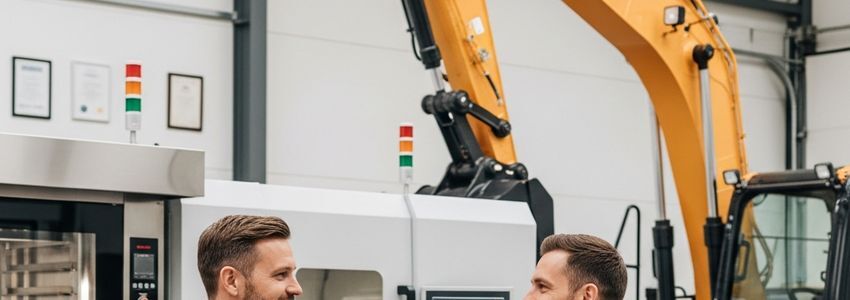
Construction businesses use equipment financing for excavators, bulldozers, cranes, paving machines, and loaders. Equipment represents the primary productive asset for most contractors. Financing allows businesses to take on larger contracts requiring specific machinery without depleting working capital. Construction equipment typically has 10-25 year useful lives and strong resale values, making it ideal collateral.
Restaurants and Food Service
Commercial kitchen equipment — ovens, refrigeration units, dishwashers, hood systems, and walk-in coolers — is expensive and essential. Equipment financing allows new restaurant openings and established operators to upgrade equipment without large cash outlays. Section 179 deductions are particularly valuable for restaurant equipment in profitable years.
Medical and Dental Practices
Medical equipment (imaging systems, surgical equipment, diagnostic tools) can cost hundreds of thousands of dollars. Equipment financing allows practices to acquire the latest technology while maintaining cash flow for operations. Many medical equipment lenders specialize in this sector and offer competitive rates for established practices.
Manufacturing
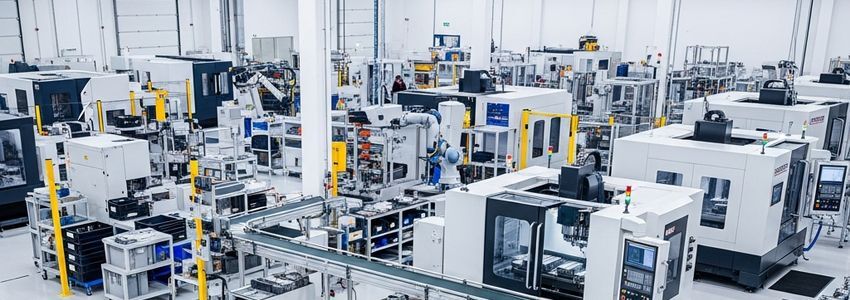
CNC machines, presses, lathes, and production equipment often represent investments of $100,000 to $2 million or more. Equipment financing allows manufacturers to expand capacity and upgrade technology without disrupting working capital. Crestmont Capital's capital equipment financing program is specifically designed for industrial and manufacturing applications.
Trucking and Transportation
Commercial trucks, trailers, and specialized transport vehicles are quintessential equipment financing candidates. Strong resale values, clear productive use, and the central role of vehicles in generating revenue make transportation equipment easy to finance even for businesses with limited history.
How to Apply for Equipment Financing
Applying for equipment financing with Crestmont Capital is designed to be fast and straightforward:
Process
- Get your vendor quote: Obtain a purchase agreement or invoice for the equipment. This is the foundation of your application.
- Apply online: Submit your application at offers.crestmontcapital.com/apply-now in about 5 minutes. No hard pull to apply.
- Receive a decision: Decisions on amounts under $150,000 often come within 24 hours. Larger amounts may take 2-5 business days.
- Review and accept your offer: Review the APR, term, monthly payment, and any fees before accepting.
- Equipment purchased and delivered: Lender pays vendor directly. You take ownership and begin using the equipment immediately.
- Make monthly payments and build equity: Fixed monthly payments over the agreed term. At payoff, you own the equipment free and clear.
According to NerdWallet, equipment financing is consistently rated as one of the most efficient forms of business capital because the asset itself serves as security, making it accessible to a broader range of businesses than unsecured lending while providing competitive rates that support real economic returns.
Ready to Finance Your Business Equipment?
Crestmont Capital offers equipment financing from $5,000 to $5 million. Fast approval, competitive rates, and flexible terms for any equipment type.
Apply for Equipment FinancingNext Steps
Your Action Plan for Equipment Financing
- Get a vendor quote: Before you apply, have a price quote from the equipment vendor in hand. This makes your application specific and actionable.
- Check your credit: Pull your personal and business credit scores. Know where you stand so you can target the right lender tier and rate expectation.
- Model the ROI: Calculate how much additional revenue or cost savings the equipment will generate. Equipment that generates a return exceeding the financing cost is a compelling investment regardless of rate.
- Talk to your CPA about Section 179: If you are in a profitable year, equipment financing with Section 179 may deliver significant current-year tax savings that dramatically reduce the effective cost of the purchase.
- Apply with Crestmont Capital: Submit your application at offers.crestmontcapital.com/apply-now. Fast decisions, competitive rates, and the full range of equipment types accepted.
Frequently Asked Questions
What is equipment financing?
What types of equipment can be financed?
What credit score do I need for equipment financing?
Can I use Section 179 with equipment financing?
How fast can I get equipment financing?
Disclaimer: The information provided in this article is for general educational purposes only and is not financial, legal, or tax advice. Tax deduction limits, loan terms, and product availability are subject to change. Consult a qualified CPA or tax advisor before making equipment acquisition decisions. Crestmont Capital does not guarantee approval, rates, or specific outcomes. For personalized information, contact our team directly.