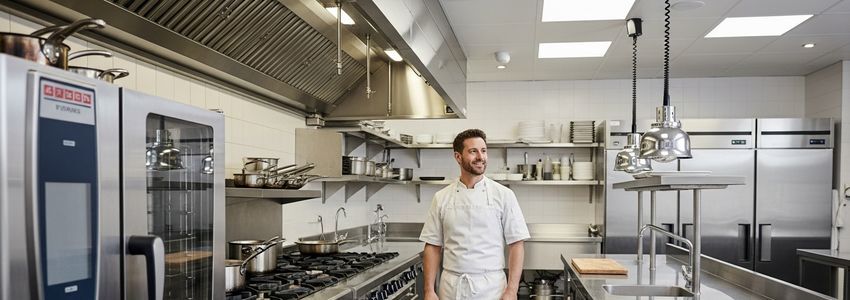
The restaurant industry is a symphony of controlled chaos. From the sizzle on the grill to the clatter of plates in the dining room, every element must work in perfect harmony. At the heart of this operation is your kitchen, and the quality of your equipment can make or break your success. A state-of-the-art convection oven, a reliable walk-in freezer, or a high-efficiency dishwasher isn't just a tool; it's an investment in your restaurant's quality, consistency, and profitability. But acquiring these essential assets often comes with a staggering price tag that can strain even the most well-managed cash flow.
This is where restaurant equipment leasing emerges as a powerful and strategic financial tool for savvy restaurant owners. Instead of draining your capital on a massive upfront purchase, leasing allows you to acquire the latest and greatest equipment for a predictable, manageable monthly payment. It’s a solution that provides immediate access to the tools you need to thrive while preserving your precious working capital for other critical areas like marketing, payroll, and inventory. Whether you're launching a brand-new ghost kitchen, upgrading an established fine-dining establishment, or expanding your catering business, understanding the nuances of leasing is essential for sustainable growth.
In this comprehensive guide, we will dive deep into every facet of restaurant equipment leasing. We’ll explore what it is, how it works, and how it compares to traditional financing. We’ll break down the costs, qualification requirements, and immense benefits it offers. By the end, you'll have a clear roadmap to help you decide if leasing is the right recipe for your restaurant's financial health and long-term success. As the nation's #1 business lender, Crestmont Capital is here to demystify the process and empower you to make the best decision for your culinary venture.
In This Article
- What Is Restaurant Equipment Leasing?
- Types of Restaurant Equipment You Can Lease
- Restaurant Equipment Leasing vs. Buying: Which Is Better?
- How Restaurant Equipment Leasing Works (Step-by-Step)
- How Much Does Restaurant Equipment Leasing Cost?
- How to Qualify for Restaurant Equipment Leasing
- Top Benefits of Leasing Restaurant Equipment
- Potential Drawbacks to Consider
- How to Choose the Right Restaurant Equipment Lease
- Restaurant Equipment Leasing for Startups and New Restaurants
- How Crestmont Capital Can Help
- Frequently Asked Questions (FAQ)
What Is Restaurant Equipment Leasing?
At its core, restaurant equipment leasing is a financial agreement where a leasing company (the lessor) purchases a piece of equipment and then allows a restaurant owner (the lessee) to use it for a specific period in exchange for regular, fixed payments. Think of it like renting an apartment instead of buying a house. You get the full use and benefit of the asset without the large upfront cost and long-term burdens of ownership.
The leasing company retains legal ownership of the equipment during the lease term. This is a key distinction from a restaurant equipment loan, where you borrow money to buy the equipment and own it from day one, using the equipment itself as collateral. With a lease, your obligation is simply to make the agreed-upon payments for the duration of the contract, which typically ranges from 24 to 60 months (2 to 5 years).
At the end of the lease term, you generally have several options, which are determined by the type of lease you sign:
- Purchase the Equipment: You can buy the equipment, often for a predetermined price (like $1) or its fair market value.
- Renew the Lease: If the equipment is still serving you well, you can extend the lease, usually at a reduced monthly payment.
- Return the Equipment: You can simply return the equipment to the leasing company, freeing you to lease newer, more advanced models.
- Upgrade: Many leasing companies allow you to upgrade your equipment mid-lease or at the end of the term, ensuring you always have access to the latest technology.
This flexibility is one of the primary reasons why equipment leasing is such a popular choice in the fast-paced restaurant industry, where technology and culinary trends evolve rapidly. It provides a strategic way to manage assets, preserve capital, and stay competitive without being tied down to aging equipment.
Types of Restaurant Equipment You Can Lease
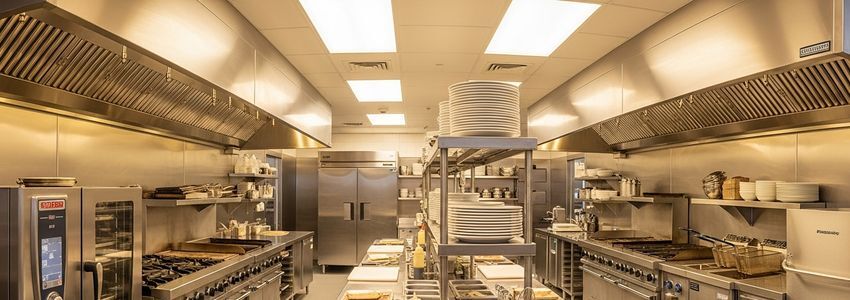
Virtually any piece of equipment essential to running a food service operation can be leased. If you can buy it from a vendor, you can almost certainly find a lender willing to lease it to you. This includes everything from the heavy-duty cooking appliances in the back of the house to the sophisticated point-of-sale (POS) systems at the front.
Leasing allows you to acquire a full suite of equipment, ensuring every part of your operation is efficient and reliable. Here’s a detailed breakdown of the common categories and specific items you can lease:
Back-of-House (BOH) / Kitchen Equipment
- Cooking Equipment: Commercial ranges, convection ovens, combi ovens, deep fryers, griddles, charbroilers, salamanders, smokers, and pizza ovens.
- Refrigeration: Walk-in coolers and freezers, reach-in refrigerators, under-counter coolers, prep tables with refrigeration, and blast chillers.
- Food Preparation: Commercial mixers, food processors, slicers, dicers, immersion blenders, and stainless steel work tables.
- Storage and Shelving: Dunnage racks, wire shelving units, and food storage containers.
- Ventilation: Commercial kitchen hoods, exhaust fans, and fire suppression systems.
- Sanitation and Warewashing: Three-compartment sinks, commercial dishwashers (high-temp and low-temp), grease traps, and handwashing stations.
Front-of-House (FOH) Equipment
- Point-of-Sale (POS) Systems: Terminals, cash drawers, receipt printers, kitchen display systems (KDS), and handheld ordering devices.
- Beverage Equipment: Espresso machines, coffee brewers, soda fountains, bar blenders, ice machines, and draft beer systems. -Dining Room Furnishings: In some cases, leases can be structured to include tables, chairs, booths, and host stands.
- Display Cases: Heated or refrigerated display cases for bakeries, delis, and cafes.
Specialty and Other Equipment
- Food Trucks: The entire vehicle and its built-in kitchen equipment can often be leased.
- Catering Equipment: Insulated food carriers, portable burners, chafing dishes, and beverage dispensers.
- Bakery and Pastry Equipment: Dough sheeters, proofing cabinets, and deck ovens.
By leasing, you can equip your entire operation with top-tier, reliable machinery. This is a significant advantage, as having the right tools not only improves efficiency but also enhances food quality and safety, directly impacting your customer experience and bottom line. To learn more about funding these specific assets, explore our guide to commercial kitchen equipment financing.
Ready to Equip Your Kitchen?
Don't let high equipment costs slow down your restaurant's growth. Get the gear you need now with our fast and flexible leasing options. Apply in minutes and get a decision in hours.
Apply for Equipment Leasing TodayRestaurant Equipment Leasing vs. Buying: Which Is Better?
The decision to lease or buy restaurant equipment is one of the most critical financial choices a restaurant owner will make. There is no single "right" answer; the best path depends on your restaurant's financial situation, long-term goals, and philosophy on asset ownership. Both options have distinct advantages and disadvantages.
To help you decide, let's break down the key differences between leasing and buying (often financed with a loan).
Leasing vs. Buying: A Head-to-Head Comparison
| Factor | Restaurant Equipment Leasing | Buying with a Loan |
|---|---|---|
| Upfront Cost | Very low. Typically first and last month's payment. Preserves cash flow. | High. Requires a significant down payment (10-20% of the purchase price). |
| Ownership | Lessor owns the equipment. You gain ownership only if you complete a buyout. | You own the equipment from day one and build equity with each payment. |
| Total Cost | Higher over the long term if you decide to purchase the equipment. | Lower total cost of ownership over the equipment's entire lifespan. |
| Technology & Upgrades | Easy to upgrade to new technology at the end of the lease term. Avoids obsolescence. | You are stuck with the equipment. Upgrading means selling the old and buying new. |
| Maintenance & Repairs | You are typically responsible for maintenance, just as if you owned it. | You are fully responsible for all maintenance and repair costs. |
| Flexibility | High. Options to return, renew, or purchase at the end of the term. | Low. You own the asset and are responsible for its disposal. |
| Balance Sheet Impact | Operating leases are treated as an operational expense and don't appear as a liability. | The loan is a liability on your balance sheet, and the equipment is an asset. |
When Leasing Makes More Sense
You should strongly consider restaurant equipment leasing if:
- Cash Flow is a Priority: If you're a startup or need to preserve capital for operations, marketing, or unexpected expenses, the low upfront cost of leasing is a massive advantage.
- You Need a Hedge Against Obsolescence: For technology-driven equipment like POS systems or advanced combi ovens, leasing allows you to stay current. The National Restaurant Association's research often highlights technology as a key driver of efficiency, making leasing a smart way to keep up without constant reinvestment.
- You Value Flexibility: If you're unsure about your long-term needs or want the ability to adapt as your menu or concept evolves, leasing provides a clear path to upgrade or change equipment every few years.
- You Prefer Predictable Expenses: A fixed monthly lease payment makes budgeting simple and predictable, which is invaluable in an industry with fluctuating revenues.
When Buying Makes More Sense
Buying (or financing the purchase with a loan) might be the better option if:
- You Have Ample Capital: If you have strong cash reserves and can afford the down payment without compromising your operations, buying can be more cost-effective in the long run.
- The Equipment Has a Long Useful Life: For durable, non-technological items like stainless steel tables, sinks, or certain types of ranges, ownership makes sense. These items won't become obsolete and will serve your business for many years.
- You Want to Build Equity: Owning your equipment means it's an asset on your balance sheet. You can sell it or use it as collateral for future small business financing.
- You Plan to Use it Heavily: If you anticipate very high usage, owning the equipment means you don't have to worry about any potential use clauses that might be present in a lease agreement.
For a more detailed analysis of these two financing methods, we recommend reading our in-depth comparison of equipment leasing vs. equipment financing.
How Restaurant Equipment Leasing Works (Step-by-Step)
The process to lease restaurant equipment is designed to be fast and straightforward, allowing you to get the tools you need with minimal friction. While every lender has a slightly different process, the journey generally follows these five key steps:
- Identify Your Equipment Needs and Choose a Vendor: The first step is to determine exactly what equipment you need. Create a detailed list, including makes, models, and specifications. Get a formal quote from one or more equipment vendors. This quote is crucial as it establishes the total cost that needs to be financed.
- Submit a Simple Application: Next, you'll complete a financing application with a lender like Crestmont Capital. Our online application is designed to be completed in minutes. You'll provide basic information about your business (name, address, time in business, monthly revenue) and yourself (name, contact information). For most leases under $250,000, a simple one-page application is all that's required.
- Underwriting and Approval: Once your application is submitted, the lender's underwriting team will review it. They'll assess your business's financial health and your personal credit history to determine your creditworthiness. Thanks to streamlined processes and technology, this step is incredibly fast. At Crestmont Capital, approvals are often granted within a few hours.
- Review and Sign Lease Documents: Upon approval, you'll receive a lease agreement outlining the terms. This document will detail the monthly payment, the lease term (length), and the end-of-term options (e.g., $1 Buyout or FMV). It is vital to read this document carefully. Once you are satisfied with the terms, you'll sign the agreement, which can usually be done electronically.
- Funding and Equipment Delivery: After the signed documents are received, the leasing company will issue a purchase order to your chosen equipment vendor and pay them directly. The vendor will then arrange for the delivery and installation of your new equipment. Your lease payments begin once you have confirmed that the equipment has been delivered and is in good working order. You're now ready to start cooking!
Pro Tip: Get Pre-Approved!
You can apply for leasing before you have a final quote from a vendor. Getting pre-approved gives you a clear budget to work with and empowers you to negotiate with vendors like a cash buyer. This can speed up the process and put you in a stronger position.
How Much Does Restaurant Equipment Leasing Cost?
Understanding the cost of a lease is crucial for budgeting. Unlike a loan with a stated interest rate, a lease's cost is typically expressed through a "lease rate factor" (or "lease factor"). This is a decimal figure that, when multiplied by the total equipment cost, gives you your monthly payment.
Formula: Total Equipment Cost x Lease Rate Factor = Monthly Payment
Example: You want to lease a $30,000 combi oven. The lender offers you a lease rate factor of 0.029 for a 60-month term.
$30,000 x 0.029 = $870 per month
Several factors influence the lease rate factor you'll be offered:
- Your Credit Score: This is one of the most significant factors. A higher personal and business credit score demonstrates lower risk to the lender, resulting in a lower lease factor and a more favorable monthly payment.
- Time in Business: Established restaurants with a proven track record of revenue will generally receive better terms than brand-new startups. Lenders see a longer history as a sign of stability.
- Equipment Cost and Type: The total cost of the equipment package matters. Additionally, the type of equipment can play a role; equipment that holds its value well (has good resale value) may sometimes secure slightly better terms.
- Lease Term Length: Longer terms (e.g., 60 months) will have lower monthly payments but a higher total cost over the life of the lease. Shorter terms (e.g., 24 months) will have higher monthly payments but a lower overall cost.
- Type of Lease: A $1 Buyout lease, which is structured more like a loan, typically has a slightly higher monthly payment than a Fair Market Value (FMV) lease because the lender is building the full cost of the equipment into the payments.
It's important to remember that the total cost of leasing will almost always be higher than paying with cash. However, you are paying for the immense benefit of conserving your capital and gaining immediate access to revenue-generating equipment. For most restaurant owners, this trade-off is well worth it.
How to Qualify for Restaurant Equipment Leasing
Qualifying for restaurant equipment leasing is generally more accessible than qualifying for a traditional bank loan. Lenders in the alternative financing space, like Crestmont Capital, prioritize speed and flexibility, looking at a holistic picture of your business's health.
Here are the primary criteria lenders evaluate:
- Credit Score: While there's no magic number, most lenders prefer to see a personal credit score of 620 or higher. A score above 680 will likely qualify you for the most competitive rates and terms. However, options are available for business owners with less-than-perfect credit. Crestmont Capital specializes in finding solutions for various credit profiles, and we encourage you to explore our bad credit business loans and financing options.
- Time in Business: Lenders typically like to see at least 6-12 months in business. The longer your restaurant has been operating and generating revenue, the more confident a lender will be in your ability to make payments. (See our section on startups for new business qualifications).
- Annual or Monthly Revenue: Consistent cash flow is key. Lenders will want to see that your restaurant generates enough revenue to comfortably cover its existing expenses plus the new lease payment. Many programs look for a minimum of $10,000 - $15,000 in monthly revenue.
- Business Documentation: For most small-ticket leases (under $150,000 - $250,000), the application is simple. You may only need to provide a few recent bank statements. For larger, more complex transactions, you might be asked for additional documents like financial statements or tax returns.
The application process is designed to be simple. The goal is to get you a fast decision so you can move forward with acquiring your equipment. Don't assume you won't qualify; it's always worth completing a no-obligation application to see what options are available for your specific situation.
Find Out What You Qualify For
Curious about your leasing options? Our simple application takes less than 5 minutes and won't impact your credit score. See how much you can get approved for today.
Get Pre-Approved NowTop Benefits of Leasing Restaurant Equipment
The advantages of leasing extend far beyond simply avoiding a large upfront payment. It's a strategic financial decision that can positively impact multiple areas of your restaurant's operations.
- 100% Financing and Capital Preservation: This is the most significant benefit. Leasing often requires no down payment, allowing you to finance the entire cost of the equipment, including soft costs like taxes, shipping, and installation. This keeps your cash in the bank, available for payroll, marketing, inventory, or unexpected emergencies. As a Forbes article might note, cash flow management is a leading reason for small business success or failure.
- Access to Better Equipment: Leasing allows you to acquire higher-quality, more efficient, and more reliable equipment than you might be able to afford if you were paying cash. This can lead to better food quality, faster service, lower energy bills, and reduced labor costs, providing a tangible return on investment.
- Predictable, Fixed Payments: Lease payments are fixed for the entire term. This makes budgeting and financial forecasting much simpler and more accurate. You'll know exactly what you owe each month, protecting you from inflation or rising interest rates.
- Protection Against Obsolescence: The restaurant industry sees constant innovation in kitchen technology. A combi oven from five years ago lacks the features and efficiency of today's models. Leasing allows you to easily upgrade your equipment at the end of the term, ensuring your kitchen remains modern and competitive.
- Potential Tax Advantages: In many cases, lease payments on a True Lease (FMV) can be deducted as a business operating expense, potentially lowering your overall tax burden. For capital leases ($1 Buyout), you may be able to depreciate the asset. (Note: Crestmont Capital does not provide tax advice. Please consult with your accountant).
- Fast and Simple Process: Unlike the lengthy and document-heavy process of securing a traditional bank loan, equipment leasing applications are simple, and approvals are incredibly fast, often within the same business day.
- Diversifies Funding Sources: Using leasing for your equipment keeps your bank lines of credit open and available for other needs, such as a short-term business loan to cover a seasonal cash gap or a larger loan for expansion.
Potential Drawbacks to Consider
While leasing offers tremendous benefits, it's essential to be aware of the potential downsides to ensure it's the right fit for your restaurant.
- Higher Total Cost: If your end goal is to own the equipment, the total amount you pay over the lease term plus the buyout will be more than if you had purchased it outright with cash. You are paying a premium for the flexibility and cash flow benefits.
- No Equity During the Lease: Until you complete the buyout at the end of the term, you do not own the equipment. This means you cannot sell it or use it as collateral for another loan. You are building equity for the leasing company, not your own.
- Obligation to Pay: A lease is a firm, non-cancelable contract. You are obligated to make all payments for the entire term, even if you stop using the equipment or your business closes. Early termination can result in substantial penalties.
- Responsibility for Maintenance: Even though you don't own the equipment, you are almost always responsible for insuring it and keeping it in good working order. Any repair costs come out of your pocket.
Understanding Your Contract
Before signing any lease agreement, read it thoroughly. Pay close attention to the end-of-term options, any potential fees or penalties, and your responsibilities regarding insurance and maintenance. A reputable lender will be transparent and happy to walk you through every clause.
How to Choose the Right Restaurant Equipment Lease
Not all leases are created equal. The most common choice you'll face is between a Fair Market Value (FMV) lease and a $1 Buyout lease. Understanding the difference is key to aligning the lease with your business goals.
Fair Market Value (FMV) Lease
An FMV lease is often called a "True Lease" or an "Operating Lease." It functions most like a rental. You make lower monthly payments for the use of the equipment over the term. At the end of the term, you have the option to purchase the equipment for its current Fair Market Value, which is determined at that time.
Choose an FMV Lease if:
- You want the lowest possible monthly payment.
- You want to avoid equipment obsolescence and plan to upgrade to new technology every few years.
- You are not certain you want to own the equipment at the end of the term.
- You want to treat the payments as a simple operating expense for tax purposes (consult your accountant).
$1 Buyout Lease
This type of lease is also known as a "Capital Lease" or a "Finance Lease." It is structured as a path to ownership. The monthly payments are slightly higher than an FMV lease because you are paying off the full value of the equipment over the term. At the end of the term, you can purchase the equipment for a nominal amount, typically $1.
Choose a $1 Buyout Lease if:
- Your ultimate goal is to own the equipment.
- The equipment has a long useful life and is unlikely to become obsolete (e.g., sinks, ovens, mixers).
- You want to build equity in the asset over time.
- You want to take advantage of depreciation tax benefits (consult your accountant).
Restaurant Equipment Leasing for Startups and New Restaurants
For a new restaurant, startup capital is the lifeblood of the business. The costs of securing a location, renovations, licensing, initial inventory, and marketing can be immense. Tying up a huge portion of that precious capital in equipment purchases can be a fatal mistake. This is why restaurant equipment leasing is an indispensable tool for startups.
Leasing allows new restaurant owners to get a fully-equipped, professional-grade kitchen up and running with minimal cash outlay. This preserves capital for the critical first few months of operation when revenue is just beginning to build.
However, qualifying for a lease as a startup can be more challenging than for an established business. Without a history of business revenue, lenders will place greater emphasis on other factors:
- Personal Credit Score: The owner's personal credit history becomes a primary indicator of financial responsibility. A strong personal credit score is crucial.
- A Strong Business Plan: Lenders will want to see a well-researched and detailed business plan. This should include financial projections, market analysis, and a clear description of your restaurant concept. The SBA offers excellent resources for creating a compelling business plan.
- Industry Experience: If you or your management team have prior experience in the restaurant industry, it significantly boosts your credibility and a lender's confidence.
- Owner Investment: Lenders may want to see that you have invested some of your own capital into the business, demonstrating your commitment to its success.
Leasing provides a pathway for passionate entrepreneurs to bring their culinary visions to life without being crippled by the upfront cost of equipment.
How Crestmont Capital Can Help
Navigating the world of business financing can be complex, but it doesn't have to be. As the #1 rated business lender in the country, Crestmont Capital specializes in making the process of securing restaurant equipment leasing fast, transparent, and hassle-free.
We understand the unique pressures and fast-paced nature of the restaurant industry. You don't have time for the mountains of paperwork and long waiting periods associated with traditional banks. That's why we've built our entire process around your needs.
With Crestmont Capital, you get:
- Speed: Our online application takes just a few minutes to complete, and we often provide approvals in as little as two hours.
- Flexibility: We offer a wide range of leasing products, including FMV and $1 Buyout options, with terms tailored to your budget and business goals. We finance both new and used equipment.
- High Approval Rates: We look beyond just a credit score, considering the overall health of your business to find a way to say "yes." We have programs for startups and business owners with challenged credit.
- Expertise: Our dedicated financing specialists understand the restaurant industry and will work with you as a partner to structure the best possible deal.
- Simplicity: We handle the communication and payment with your chosen equipment vendor, so you can focus on what you do best: creating amazing food and unforgettable experiences.
We are more than just a lender; we are a partner in your growth. We offer a full suite of small business loans and financing solutions to support you at every stage of your journey.
Frequently Asked Questions (FAQ)
What is the difference between leasing and renting restaurant equipment?
Leasing involves a long-term contract (typically 1-5 years) with the intent to use the equipment for a significant portion of its useful life, often with an option to purchase it at the end. Renting is a short-term agreement (days, weeks, or months) ideal for temporary needs, seasonal peaks, or testing equipment before committing. Leasing offers more stability and is treated as a capital expense, while renting is a simple operating expense.
Can I lease used restaurant equipment?
Yes, many lenders, including Crestmont Capital, offer leasing options for both new and used restaurant equipment. Leasing used equipment can significantly lower your monthly payments, making it an attractive option for startups or businesses on a tight budget. The lender will assess the age, condition, and value of the used equipment as part of the approval process.
How long does it take to get approved for restaurant equipment leasing?
The approval process is typically very fast. With a streamlined online application like the one at Crestmont Capital, you can often receive a decision in just a few hours. For larger, more complex transactions, it might take 24-48 hours. Once approved and the lease documents are signed, funding can happen quickly, allowing you to acquire your equipment without delay.
What credit score do I need for restaurant equipment leasing?
While a higher credit score (650+) will secure the best rates and terms, it's possible to qualify for restaurant equipment leasing with a lower score. Lenders like Crestmont Capital look at the overall health of your business, including revenue and time in business. We offer solutions for various credit profiles, including options for those seeking bad credit business loans.
Is a down payment required for an equipment lease?
One of the major advantages of leasing is that it often requires little to no down payment. Typically, you may only need to pay the first and last month's lease payment upfront. This preserves your working capital for other critical business expenses like inventory, marketing, or payroll.
Who is responsible for equipment maintenance and repairs on a lease?
In most standard equipment lease agreements, the lessee (the restaurant owner) is responsible for all routine maintenance, insurance, and repairs. It's important to treat the leased equipment as if you own it. Review your lease agreement carefully to understand your specific responsibilities.
Can I lease equipment for a new restaurant startup?
Absolutely. Leasing is a very popular and often essential financing tool for restaurant startups. Because startups lack extensive business history, lenders will typically place more emphasis on the owner's personal credit score, a strong business plan, and any industry experience. Leasing helps startups get off the ground without depleting their initial seed capital.
What happens at the end of a restaurant equipment lease?
At the end of the lease term, you have several options depending on your agreement. With a Fair Market Value (FMV) lease, you can: 1) return the equipment, 2) renew the lease, or 3) purchase the equipment for its current market value. With a $1 Buyout lease, you can purchase the equipment for a nominal fee, typically $1, and take full ownership.
Can I end my equipment lease early?
Equipment leases are binding contracts for a fixed term. Ending a lease early is often difficult and can involve significant penalties, such as being required to pay all remaining payments. It's crucial to choose a lease term that you are confident your business can manage. If you anticipate needing flexibility, discuss this with your lender beforehand.
What is a 'lease rate factor' or 'lease factor'?
A lease rate factor is a decimal number (e.g., 0.035) that lenders use to calculate your monthly lease payment. You multiply the total cost of the equipment by the lease factor to determine your payment. For example, $20,000 in equipment with a 0.035 factor would result in a $700 monthly payment. This factor is determined by your creditworthiness, the lease term, and the type of equipment.
Are there tax benefits to leasing restaurant equipment?
Leasing can offer potential tax advantages. With a true lease (like an FMV lease), your monthly payments may be fully deductible as an operating expense. With a capital lease (like a $1 Buyout), you may be able to depreciate the equipment. However, tax laws are complex. It is essential to consult with a qualified tax advisor to understand the specific implications for your business.
Can I bundle soft costs into my equipment lease?
Yes, many leasing agreements allow you to bundle 'soft costs' like delivery, installation, and training into the total financed amount. This is a significant benefit, as it allows you to finance 100% of the cost of putting the new equipment into service with a single, manageable monthly payment.
What types of restaurants can benefit from equipment leasing?
Virtually any food service business can benefit from equipment leasing. This includes fine dining establishments, quick-service restaurants (QSRs), cafes, bakeries, pizzerias, bars, food trucks, catering companies, and ghost kitchens. Any business that relies on commercial-grade equipment to operate can leverage leasing to manage cash flow and acquire necessary assets.
How is restaurant equipment leasing different from a restaurant equipment loan?
With a lease, you are paying to use the equipment for a set term, and the leasing company retains ownership until the end-of-term buyout is complete. With a loan, you borrow money to purchase the equipment, and you own it from the start, with the equipment serving as collateral for the loan. Loans build equity immediately, while leases offer more flexibility and lower upfront costs.
Why should I choose Crestmont Capital for my restaurant equipment lease?
Crestmont Capital is a top-rated national lender specializing in fast, flexible, and transparent financing solutions. We understand the unique challenges of the restaurant industry. We offer a simple application process, quick approvals (often within hours), competitive rates, and personalized service to help you get the exact equipment you need to grow your business.
Disclaimer: The information provided in this article is for general educational purposes only and is not financial, legal, or tax advice. Funding terms, qualifications, and product availability may vary and are subject to change without notice. Crestmont Capital does not guarantee approval, rates, or specific outcomes. For personalized information about your business funding options, contact our team directly.