In the fast-paced world of warehousing and logistics, efficiency is the currency of success. Every square foot of storage space and every minute of operational time counts. For businesses looking to maximize their vertical storage and navigate narrow aisles, the reach truck is not just a piece of equipment; it's a cornerstone of productivity. However, acquiring these specialized machines comes with a significant capital investment. This is where strategic financing becomes a powerful tool, enabling companies to scale operations, improve efficiency, and preserve critical cash flow.
This comprehensive guide is designed for warehouse managers, logistics coordinators, and business owners who understand the operational necessity of reach trucks but need a clear path to acquiring them. We will explore everything from the fundamental types of financing and their benefits to the step-by-step application process and common pitfalls to avoid. Whether you're adding a single truck to your fleet or outfitting an entire new facility, understanding your financing options is the first step toward smarter growth.
In This Article
- What is a Reach Truck and Why is it Essential?
- The Financial Impact of Acquiring Reach Trucks
- Understanding Reach Truck Financing: The Basics
- Types of Reach Truck Financing Options
- The Benefits of Financing vs. Paying Cash
- How to Qualify for Reach Truck Financing
- The Reach Truck Financing Application Process: A Step-by-Step Guide
- New vs. Used Reach Trucks: A Financing Perspective
- Common Mistakes to Avoid When Financing Reach Trucks
- Crestmont Capital: Your Partner in Warehouse Equipment Financing
- Next Steps: How to Get Started with Crestmont Capital
- Frequently Asked Questions About Reach Truck Financing
What is a Reach Truck and Why is it Essential?
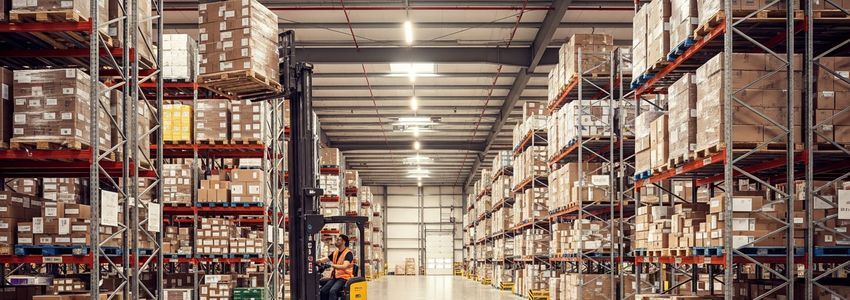
Before diving into the financial aspects, it's crucial to understand the asset itself. A reach truck is a specialized class of forklift designed primarily for warehouse environments with narrow aisles and high-density storage. Its name comes from its key feature: the ability to "reach" its forks forward, extending beyond the stabilizing legs to place or retrieve pallets from racking systems.
Unlike a standard counterbalance forklift, which requires wide aisles to turn and maneuver, a reach truck operates in a much smaller footprint. This is achieved through its unique design, which typically includes outrigger legs at the front and a sideways operator compartment. This configuration allows operators to drive parallel to the racking and extend the mast and forks directly into the storage bay.
Key Differentiators from Standard Forklifts:
- Aisle Width: Reach trucks can operate in aisles as narrow as 8 to 9 feet, whereas standard forklifts often require 12 feet or more. This single factor can increase a warehouse's storage capacity by 25-30% without expanding the building's physical footprint.
- Lifting Height: They are engineered for verticality. Reach trucks can lift loads to heights of 30 feet or more, far exceeding the capabilities of most standard forklifts. This is essential for modern warehouses that utilize high-bay racking to maximize vertical space.
- Maneuverability: With a tighter turning radius and the ability to move loads without turning the entire vehicle, reach trucks are exceptionally agile in confined spaces.
- Operation: Operators typically stand or sit sideways in a reach truck, providing excellent visibility in both forward and reverse directions, which is critical for safety and precision in tight quarters.
The strategic importance of this equipment cannot be overstated. In an era where e-commerce fulfillment centers and third-party logistics (3PL) providers are under immense pressure to store more inventory and process orders faster, the space-saving and efficiency-boosting capabilities of reach trucks are indispensable. According to recent industry analysis covered by Reuters, the demand for warehouse space continues to surge, making efficient utilization more critical than ever. Investing in a reach truck is an investment in maximizing the revenue-generating potential of every square foot of your facility.
The Financial Impact of Acquiring Reach Trucks
The operational benefits are clear, but the financial implications require careful consideration. Reach trucks are sophisticated pieces of machinery, and their price reflects that. A new, standard-capacity electric reach truck can cost anywhere from $30,000 to $60,000, with high-capacity or specialized models easily exceeding that range. Even a quality used reach truck represents a significant capital outlay, often falling between $15,000 and $30,000.
Beyond the initial purchase price, business owners must account for the Total Cost of Ownership (TCO), which includes:
- Batteries and Charging Equipment: Industrial batteries can cost several thousand dollars and have a finite lifespan. Proper charging infrastructure is also a necessary expense.
- Maintenance and Repairs: Regular preventative maintenance is vital for safety and longevity. Unplanned repairs can be costly and lead to downtime.
- Operator Training and Certification: Proper training is a legal requirement and an essential investment in safety and efficiency.
- Insurance: Adding high-value equipment to your business will impact your insurance premiums.
Faced with these figures, the idea of paying cash might seem prudent to avoid debt. However, this approach can be short-sighted. Depleting a large portion of your working capital on a single equipment purchase can leave your business vulnerable to unexpected expenses or unable to seize other growth opportunities. Preserving cash for payroll, inventory, marketing, and daily operations is paramount for long-term stability. This is why a majority of businesses, from startups to Fortune 500 companies, turn to equipment financing as a strategic financial tool.
Understanding Reach Truck Financing: The Basics
At its core, reach truck financing is a straightforward concept. It is a category of business funding designed specifically for the acquisition of equipment. Instead of paying the full purchase price to the vendor upfront, a business partners with a lender, like Crestmont Capital, to cover the cost.
The process works as follows:
- The business selects the reach truck(s) it needs from a dealer or private seller and obtains a formal quote or invoice.
- The business applies for financing with a lender, submitting the invoice and necessary financial documents.
- The lender evaluates the application and, upon approval, provides a financing agreement outlining the terms, interest rate, and monthly payment.
- Once the agreement is signed, the lender pays the equipment vendor directly.
- The business receives the reach truck and begins making regular monthly payments to the lender for the agreed-upon term.
A key feature of this type of financing is that the reach truck itself typically serves as the collateral for the loan. This often makes it easier to secure than other forms of business loans, which might require a lien on all business assets or personal guarantees. Because the loan is secured by a tangible, valuable asset, lenders view it as a lower-risk transaction, which can translate to more favorable terms for the borrower.
Ready to Upgrade Your Fleet?
Don't let upfront costs hold your business back. Get the reach trucks you need with flexible, fast financing from Crestmont Capital. See your options in minutes with our simple application.
Apply NowTypes of Reach Truck Financing Options
Not all financing is created equal. The right choice depends on your business's financial situation, long-term goals, and philosophy on equipment ownership. Here are the most common financing structures for acquiring reach trucks:
Equipment Loans
An equipment loan is a traditional financing agreement where the lender provides the funds to purchase the reach truck, and you make fixed monthly payments over a set term (typically 2 to 7 years). With each payment, you build equity in the equipment. At the end of the term, you own the reach truck outright. This is the preferred option for businesses that plan to use the equipment for its entire functional lifespan and want to build assets on their balance sheet.
Equipment Leases
Leasing is an excellent alternative for businesses that prioritize lower monthly payments and want to regularly upgrade to the latest technology. Instead of a loan to buy, a lease is essentially a long-term rental agreement. There are two primary types:
- Fair Market Value (FMV) Lease: Also known as an operating lease, an FMV lease offers the lowest monthly payments. At the end of the lease term, you have several options: return the equipment, renew the lease, or purchase the reach truck for its fair market value at that time. This is ideal for companies that want to avoid the hassles of ownership and obsolescence.
- $1 Buyout Lease: Also known as a capital lease, this structure functions more like a loan. The monthly payments are higher than an FMV lease, but at the end of the term, you can purchase the equipment for a nominal amount, typically just $1. This is a good choice for businesses that want the benefits of ownership but prefer to structure the acquisition as a lease for accounting or tax purposes.
Working Capital Loans
Sometimes, the need extends beyond just the equipment cost. A working capital loan provides a lump sum of cash that can be used for various business purposes, including a down payment on a reach truck, paying for shipping and installation, or funding operator training. This unsecured option offers flexibility when you need more than just asset-based financing.

Business Lines of Credit
A business line of credit provides access to a revolving pool of funds up to a certain limit. You can draw from it as needed and only pay interest on the amount you use. This is perfect for businesses that may need to purchase multiple smaller pieces of equipment over time or want a financial safety net for maintenance and repairs.
SBA Loans
Backed by the U.S. Small Business Administration, SBA loans (like the 7(a) and 504 programs) can be used for equipment purchases. They are known for offering long repayment terms and competitive interest rates. However, the application process is typically more intensive and time-consuming than with direct lenders. According to the SBA's official site, these loans are designed to help small businesses that may not qualify for traditional lending.

The Benefits of Financing vs. Paying Cash
Choosing to finance your reach truck acquisition is a strategic decision that offers numerous advantages over a cash purchase, directly impacting your company's financial health and operational agility.
1. Cash Flow Preservation
This is the single most important benefit. Cash is the lifeblood of any business. By financing, you avoid a massive cash outlay, keeping your working capital available for day-to-day operations, payroll, inventory, marketing, and unexpected emergencies. This financial flexibility allows you to manage your business effectively without being cash-poor after a large purchase.
2. Predictable Monthly Payments
Financing converts a large, prohibitive upfront cost into a manageable, fixed monthly expense. This predictability makes budgeting and forecasting far more accurate. You know exactly what your equipment costs will be each month, allowing for better long-term financial planning and stability.
3. Access to Better, Newer Equipment
Financing can put superior equipment within your reach. You may be able to afford a new, more efficient, and technologically advanced reach truck that was outside your cash budget. Newer equipment often means better performance, lower maintenance costs, enhanced safety features, and a manufacturer's warranty, leading to greater overall ROI.
4. Potential Tax Advantages
Financing your equipment can offer significant tax benefits. Under Section 179 of the IRS tax code, businesses may be able to deduct the full purchase price of qualifying new or used equipment in the year it is placed into service. Additionally, bonus depreciation can allow for further deductions. Lease payments are also often treated as a fully deductible operating expense. This can substantially lower your taxable income. For more details, explore our guide on equipment financing and its tax implications.
Important Tax Note: Section 179 and bonus depreciation rules can change. Crestmont Capital does not provide tax advice. We strongly recommend consulting with a qualified tax professional to understand how these deductions apply to your specific business situation.
5. Building Business Credit
Successfully managing an equipment loan or lease is a powerful way to build a strong credit history for your business. Making consistent, on-time payments demonstrates financial responsibility to credit bureaus. A robust business credit profile can make it easier and cheaper to secure financing for future growth initiatives.
6. Competitive Edge
By using financing to acquire the best equipment, you can improve your warehouse's efficiency, increase storage capacity, and fulfill orders faster. This operational advantage translates directly into a competitive edge in a crowded marketplace, helping you attract and retain more customers.
How to Qualify for Reach Truck Financing
Lenders evaluate several factors to assess the risk of an application and determine the terms of a financing offer. While requirements vary between lenders, here are the key criteria they typically consider:
- Credit Score: Both your personal and business credit scores are important. A personal FICO score of 620 or higher is often a starting point for many financing programs. Higher scores generally lead to better interest rates and more favorable terms. Lenders look at your credit history to see a track record of responsible debt management.
- Time in Business: Most lenders, especially traditional banks, prefer to work with established businesses. A minimum of two years in operation is a common requirement. However, specialized lenders like Crestmont Capital have programs available for newer businesses, sometimes requiring as little as six months of operational history.
- Annual Revenue: Your business's cash flow is a primary indicator of your ability to make monthly payments. Lenders will look at your annual revenue to ensure it's sufficient to support the new debt. Minimum revenue requirements can range from $100,000 to $250,000 per year, depending on the lender and loan size.
- Industry Experience: Lenders feel more comfortable financing equipment for businesses operating within their area of expertise. As a warehouse or logistics company, you are in a strong position, as lenders understand the essential, revenue-generating nature of a reach truck in your industry.
Required Documentation
Being prepared with the right paperwork can significantly speed up the application process. While a simple one-page application might be enough for smaller amounts, be ready to provide:
- Completed Financing Application: The lender's standard application form.
- Equipment Invoice: A formal quote or invoice from the vendor detailing the reach truck's make, model, year, and price.
- Bank Statements: Typically the last 3-6 months of business bank statements to verify revenue and cash flow.
- Financial Statements: For larger financing amounts, you may be asked for a profit and loss statement and a balance sheet.
- Tax Returns: Business and personal tax returns may be required to get a complete financial picture.
Quick Guide
How Reach Truck Financing Works - At a Glance
Select your reach truck and get a formal invoice from the dealer or vendor.
Complete our easy online application in just a few minutes - no lengthy paperwork.
Receive competitive financing options and compare rates and terms from our team.
E-sign the financing agreement from anywhere, on any device, in minutes.
We pay the vendor directly, and you get your equipment to put to work immediately.
The Reach Truck Financing Application Process: A Step-by-Step Guide
Navigating the financing process can seem daunting, but it's a logical progression. Here’s a more detailed breakdown of what to expect from start to finish.
Step 1: Define Your Equipment Needs and Budget
Before you even talk to a lender, you need a clear plan. How many reach trucks do you need? What lifting capacity and height are required for your racking system? Will a new or used model better suit your needs and budget? Answering these questions will help you establish a realistic budget for the equipment itself.
Step 2: Obtain a Formal Vendor Quote
Once you've identified the right reach truck, you need an official quote or purchase order from the equipment dealer or seller. This document is essential for the financing application, as it tells the lender exactly what they are financing and for how much. Ensure the quote includes the full cost, including any attachments, delivery fees, and taxes.
Step 3: Choose the Right Lending Partner
You have several options for financing, each with pros and cons:
- Banks and Credit Unions: Often offer the lowest interest rates but typically have the strictest qualification requirements and the longest application processes.
- Captive Finance Companies: These are the financing arms of the equipment manufacturers (e.g., Toyota Financial, Crown Credit). They can offer convenience and promotional rates but may lack flexibility.
- Independent Lenders (like Crestmont Capital): We specialize in commercial equipment financing and often provide a balance of competitive rates, flexible terms, and a much faster, more streamlined process. We can often approve applications that banks would decline.
Step 4: Complete the Application and Submit Documents
With your quote in hand, you can formally apply. At Crestmont Capital, this is a simple online form. Be prepared to submit the supporting documents mentioned earlier, such as bank statements. Accuracy and completeness are key to a quick review.
Step 5: Underwriting and Approval
This is where the lender's team reviews your application. They analyze your credit profile, cash flow, time in business, and the value of the equipment (the collateral). A strong application can often receive an approval within hours, not days or weeks.
Step 6: Review and Sign the Financing Agreement
Upon approval, you will receive a financing agreement. It is critical to read this document carefully. Pay close attention to the interest rate (or factor rate), the repayment term (number of months), the exact monthly payment amount, and any potential fees. If you have any questions, your financing advisor should be able to clarify them before you sign.
Step 7: Funding and Equipment Delivery
After you sign the agreement, the process is nearly complete. The lender will coordinate directly with the equipment vendor to finalize the transaction, typically through a wire transfer or check. Once the vendor confirms they have been paid, they will release the reach truck for delivery to your facility. Your first payment to the lender will usually be due about 30 days later.
See Your Personalized Financing Options
Every business is unique. Let our dedicated financing advisors build a custom funding solution that fits your budget and goals. Find out what you qualify for today, with no obligation.
Get My Free QuoteNew vs. Used Reach Trucks: A Financing Perspective
The decision between purchasing a new or used reach truck has significant financial implications. Lenders view these two options differently, which affects the financing terms you can expect.
Financing New Reach Trucks
- Pros: Lenders generally prefer financing new equipment. It has a higher collateral value, a predictable lifespan, and is covered by a manufacturer's warranty, reducing the risk of costly breakdowns. This lower risk often translates into better financing terms for the borrower: lower interest rates, longer repayment periods, and potentially lower down payment requirements.
- Cons: The primary drawback is the higher initial purchase price, which results in a larger loan amount and a higher overall monthly payment compared to a used equivalent.
Financing Used Reach Trucks
- Pros: The most obvious benefit is the lower upfront cost, which can make acquiring essential equipment more accessible for businesses with tighter budgets. This results in a smaller loan and a more manageable monthly payment.
- Cons: Financing used equipment can be more challenging. Lenders are more cautious due to the higher risk of mechanical failure and the faster depreciation of the asset. They may place restrictions on the age of the truck (e.g., no older than 7-10 years) or the number of hours on the machine. As a result, you might face slightly higher interest rates or shorter repayment terms compared to financing a new unit. A thorough inspection and maintenance record are crucial when seeking financing for a used reach truck.
Pro Tip: Get Pre-Approved First. Before you start seriously shopping for a reach truck, consider getting pre-approved for financing. A pre-approval gives you a clear understanding of your budget and shows vendors that you are a serious, qualified buyer. This can give you significant leverage during negotiations.
Common Mistakes to Avoid When Financing Reach Trucks
Securing financing is a major step, but avoiding common pitfalls is just as important to ensure a positive outcome for your business. Be mindful of these potential mistakes:
- Focusing Only on the Monthly Payment: While a low monthly payment is attractive, it's not the whole story. A very long repayment term might have a low payment but could cause you to pay significantly more in total interest over the life of the loan. Always consider the total cost of financing.
- Not Reading the Fine Print: Your financing agreement is a legally binding contract. Read it thoroughly. Understand the interest rate, all associated fees (like origination or documentation fees), and any prepayment penalties before you sign.
- Failing to Compare Multiple Offers: Don't accept the first offer you receive. Just as you would shop around for the best price on the truck, you should compare offers from different types of lenders (banks, online lenders, captives) to ensure you're getting the most competitive terms available to you.
- Ignoring "Soft Costs": The price on the invoice isn't the final cost. Remember to budget for soft costs like delivery, installation, taxes, and operator training. Some financing agreements can be structured to include these costs, so be sure to ask your lender.
- Choosing the Wrong Financing Structure: A business that wants to own its assets long-term should not be in an FMV lease. Conversely, a company that prioritizes low payments and frequent upgrades would be ill-served by a traditional loan. Ensure the financing type aligns with your business's strategic goals for equipment ownership and cash flow. As economic conditions shift, which CNBC reports can be frequent, having the right loan structure provides stability.
Crestmont Capital: Your Partner in Warehouse Equipment Financing
When it's time to finance your reach trucks, you need a partner who understands your industry and is dedicated to your success. As the #1 rated business lender in the U.S., Crestmont Capital offers a financing experience designed for the modern business owner.
We specialize in providing fast, flexible, and transparent equipment financing solutions. Our team has extensive experience working with businesses in the warehousing, logistics, and supply chain sectors. We understand that a reach truck is not just a purchase; it's a vital component of your revenue-generating operations. That's why we've streamlined our process to get you the funding you need with minimal hassle and maximum speed.
The Crestmont Capital Advantage:
- Speed: Apply online in minutes and receive a decision in as little as a few hours. We can fund your equipment purchase in 24-48 hours.
- Flexibility: We offer a wide range of financing products, including equipment loans and leases, to match your specific needs and budget. We finance both new and used equipment from dealers or private sellers.
- High Approval Rates: We look beyond just a credit score, taking a holistic view of your business's health to find a way to say "yes."
- Dedicated Advisors: You'll work with a dedicated financing expert who will guide you through every step of the process, ensuring you get the best possible terms.
From a single reach truck to a whole fleet of material handling equipment, we have the resources and expertise to help you grow. Explore our dedicated forklift financing options to learn more about how we can help power your warehouse operations.
Fuel Your Warehouse's Growth Today
The efficiency you need is within reach. Partner with the nation's top business lender to secure fast, affordable financing for your new or used reach trucks. Start your application now and get funded this week.
Apply Now in 60 SecondsNext Steps: How to Get Started with Crestmont Capital
Ready to take the next step toward acquiring the reach trucks that will elevate your business? Follow this simple plan to get started with Crestmont Capital.
Frequently Asked Questions About Reach Truck Financing
What is the minimum credit score needed for reach truck financing?
While requirements vary, many of our financing programs consider applicants with a FICO score of 620 or higher. We also have options available for those with less-than-perfect credit, as we evaluate the overall health of your business, including cash flow and time in business.
How fast can I get approved and funded?
Our process is built for speed. You can often receive an approval decision within a few hours of submitting your application. Once the financing documents are signed, we can typically fund the equipment vendor within 24 to 48 hours.
Is a down payment required for reach truck financing?
In many cases, no down payment is required. For well-qualified businesses, we can offer 100% financing that covers the full cost of the equipment. For newer businesses or those with challenged credit, a down payment of 10-20% may be requested to secure financing.
Can I finance a used reach truck?
Absolutely. We provide financing for both new and used reach trucks. Lenders may have certain restrictions on the age and hours of used equipment, but we work with a wide network of funding partners to find solutions for most used asset purchases.
What's the difference between an equipment loan and a lease?
An equipment loan is a financing agreement where you borrow money to buy the reach truck and own it at the end of the term. A lease is a long-term rental agreement where you pay to use the equipment for a set period. Leases often have lower monthly payments and give you the option to upgrade at the end of the term, while loans build equity.
Can I finance a reach truck from a private seller?
Yes, we can facilitate financing for purchases from private sellers. The process involves a few extra steps to verify the seller and the equipment's condition, but it is a common transaction we handle for our clients.
What are typical interest rates for reach truck financing?
Interest rates are determined by several factors, including your credit score, time in business, annual revenue, and the type/age of the equipment. Rates can range from the single digits for highly qualified applicants to higher rates for riskier profiles. We work to secure the most competitive rate available for your specific situation.
Can I finance soft costs like shipping and installation?
Yes, many of our financing agreements can be structured to include soft costs such as taxes, shipping, and installation fees. This allows you to bundle all acquisition-related expenses into one convenient monthly payment.
How long are the repayment terms?
Repayment terms typically range from 24 to 84 months (2 to 7 years). The term length you qualify for will depend on your business's financial profile and the age of the equipment. Longer terms result in lower monthly payments, while shorter terms reduce the total interest paid.
Does applying for financing affect my credit score?
Our initial application process uses a "soft" credit pull, which does not impact your credit score. This allows you to see what options you qualify for without any negative effect. A "hard" credit inquiry is only performed later in the process once you decide to move forward with a specific offer.
What happens at the end of a lease term?
This depends on the type of lease. With a Fair Market Value (FMV) lease, you can return the equipment, renew the lease, or buy it for its current market value. With a $1 Buyout lease, you own the equipment at the end of the term by paying a final $1.
My business is new. Can I still get financing?
Yes, we have programs specifically designed for startups and new businesses, some requiring as little as 6 months in operation. While terms may differ from those for established companies, we are committed to helping new businesses get the equipment they need to grow.
What is Section 179 and how does it relate to financing?
Section 179 is an IRS tax code provision that allows businesses to deduct the full purchase price of qualifying equipment in the year it's put into service. Even if you finance the equipment, you may be able to take the full deduction, making it a powerful tax-saving strategy. Always consult your tax advisor for details.
Can I pay off my equipment loan early?
Some financing agreements may have prepayment penalties, while others do not. This is an important detail to clarify with your financing advisor and review in your agreement. We offer transparent terms and will ensure you understand the prepayment conditions before you sign.
What types of reach trucks can be financed?
We can finance virtually any type of new or used reach truck, including standard stand-up rider, double-deep, and straddle models from all major manufacturers like Crown, Raymond, Toyota, Hyster, and Yale.
Disclaimer: The information provided in this article is for general educational purposes only and is not financial, legal, or tax advice. Funding terms, qualifications, and product availability may vary and are subject to change without notice. Crestmont Capital does not guarantee approval, rates, or specific outcomes. For personalized information about your business funding options, contact our team directly.