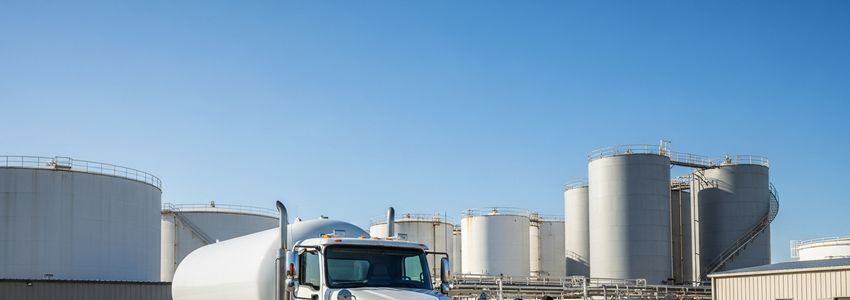
Operating a propane delivery business requires substantial capital investment - from propane transport trucks and bulk storage tanks to safety equipment, licensing, and the working capital to manage fuel inventory and payroll between deliveries. Whether you are building a regional route from the ground up or expanding an established operation, access to the right financing determines how quickly you can grow, compete, and serve your customers at scale. This guide covers every financing option available to propane delivery companies, how to qualify, and how Crestmont Capital can help you move fast when opportunity presents itself.
- What Are Propane Delivery Business Loans?
- Types of Financing for Propane Delivery Companies
- How to Qualify for a Propane Delivery Business Loan
- How to Use Business Loan Funds in Your Propane Company
- How Crestmont Capital Helps Propane Delivery Businesses
- Real-World Financing Scenarios
- Financing Options Comparison
- Next Steps
- Frequently Asked Questions
What Are Propane Delivery Business Loans?
Propane delivery business loans are commercial financing products designed to provide capital to companies that deliver, store, and distribute propane gas to residential, agricultural, commercial, and industrial customers. These loans cover the significant upfront and ongoing costs of running a fuel distribution business - from purchasing bobtail delivery trucks and bulk storage tanks to funding fuel inventory, hiring drivers, maintaining compliance with DOT and OSHA regulations, and bridging cash flow gaps between bulk fuel purchases and customer payments.
Unlike general consumer credit, propane business financing is underwritten based on your company's revenue, time in operation, equipment assets, and cash flow patterns. Lenders who specialize in small business financing evaluate your operation as a business entity, meaning strong business performance often outweighs personal credit limitations. These products exist because fuel distribution is a capital-intensive industry where trucks cost $100,000 or more, tanks require ongoing testing and maintenance, and seasonal demand creates cyclical cash flow challenges that even well-run operations must actively manage.
The propane distribution industry serves a broad range of customers including rural homeowners who use propane for heating, agricultural operations for grain drying and irrigation equipment, restaurants and food service companies for commercial cooking, and industrial manufacturers for process heating. According to data from Census.gov, fuel dealers including propane distributors represent a significant segment of U.S. small businesses with specialized capital needs that traditional banks often struggle to accommodate. Propane delivery business loans fill that gap, providing operators with the runway to compete, expand route territories, and weather the seasonal volatility that defines the industry.
Decisions in as little as 24 hours. No obligation to accept.
Types of Financing for Propane Delivery Companies
No single financing product fits every situation. Understanding the available options allows you to match the right structure to each specific business need. Below is an overview of the most relevant products for propane delivery operators.
Small Business Term Loans
A term loan delivers a lump sum of capital upfront, which you repay over a fixed period with interest. Term loans work well for large one-time investments such as purchasing a new delivery truck, acquiring a competitor's route, upgrading storage infrastructure, or funding a fleet expansion. Repayment terms typically range from 6 months to 10 years depending on the lender and loan size. Crestmont Capital's small business loans offer flexible terms designed for fuel delivery operators who need predictable monthly payments aligned with their cash flow cycles.
Equipment Financing
For propane delivery companies, equipment financing is one of the most powerful tools available. This structure allows you to purchase bobtail propane trucks, bulk transports, service vehicles, storage tanks, fill station equipment, and compressors using the equipment itself as collateral. Because the asset secures the loan, lenders often extend more favorable rates than unsecured options. Crestmont Capital's equipment financing program covers new and used commercial equipment up to 100 percent of asset value, preserving working capital for operational expenses like fuel inventory and payroll.
Business Line of Credit
A revolving business line of credit functions like a commercial credit card with higher limits and lower rates. You draw from available credit as needed and only pay interest on what you use. For propane delivery companies, a line of credit is ideal for managing the cyclical nature of the business - purchasing bulk fuel inventory ahead of peak season, covering payroll during slow summer months, funding emergency equipment repairs, or bridging the gap between deliveries and customer invoice payments.
SBA Loans
The U.S. Small Business Administration guarantees a portion of certain loans issued through approved lenders, allowing lenders to offer lower rates and longer repayment terms. SBA loans through the 7(a) program can finance up to $5 million and are well suited for propane operators looking to purchase real estate for a bulk storage facility, fund significant fleet acquisitions, or finance business acquisitions. The tradeoff is more documentation and a longer approval timeline. The SBA's official loan programs page provides detailed eligibility requirements.
Short-Term Business Loans
When capital is needed quickly, short-term business loans deliver funding within 24 to 48 hours of approval. These loans carry shorter repayment windows (3 to 18 months) and may cost more in exchange for speed. They work well for urgent equipment repairs, seizing a route acquisition opportunity before a competitor does, or covering an unexpected fuel inventory shortfall during a cold snap.
Bad Credit Business Loans
Credit challenges should not automatically disqualify a capable operator. Lenders who specialize in bad credit business loans evaluate the overall health of your operation, including monthly revenue, time in operation, and fleet asset values. If your personal credit has taken hits from previous economic cycles, alternative financing options still exist to support your growth.
Invoice Financing
If your propane business operates on commercial billing terms with agricultural, industrial, or commercial accounts, invoice financing unlocks the value of outstanding receivables before clients pay. The lender advances 70 to 90 percent of invoice value immediately and releases the remainder minus fees when your customer pays. This is particularly useful for operators with large commercial or agricultural accounts on 30 to 60 day payment terms.
Revenue-Based Financing
Revenue-based financing provides an upfront capital advance in exchange for a percentage of future monthly revenue. For propane delivery operators with strong, consistent monthly revenue, this structure aligns repayment with actual business performance - paying more during high-revenue winter months and less during slower summer periods. Learn more about how revenue-based financing works at Crestmont Capital.
How to Qualify for a Propane Delivery Business Loan
Qualification requirements vary by lender and product type, but most commercial lenders evaluate a consistent set of factors when reviewing propane business loan applications. Understanding these factors helps you position your application for the best possible outcome.

Time in Business
Most traditional lenders prefer businesses with at least two years of operating history. Alternative lenders often work with operators who have been in business for as little as six months. New propane delivery startups may find SBA microloan programs or equipment financing structures - which rely on asset value rather than operating history - more accessible.
Annual Revenue
Lenders use annual revenue as a primary indicator of your ability to service debt. Most alternative lenders require a minimum of $100,000 to $150,000 in annual revenue for standard term loans. Larger loan amounts require higher revenue thresholds. Make sure your business bank statements clearly reflect all revenue, including fuel sales, service call fees, and equipment rental income.
Credit Profile
Both personal and business credit profiles matter. A personal score above 650 opens access to more competitive rates. Scores between 500 and 649 may still qualify through alternative lenders with adjusted terms. Building business credit through a dedicated business bank account, timely vendor payments, and established trade lines strengthens your profile over time.
Business Bank Statements
Lenders typically request three to six months of business bank statements to verify revenue, cash flow patterns, and financial health. Consistent monthly deposits, predictable cash flow, and low overdraft frequency all signal a healthy borrower. Seasonal operators should be prepared to explain revenue patterns and demonstrate how they manage the slower summer months.
Fleet and Equipment Assets
For propane delivery companies specifically, the value of your fleet - delivery trucks, bulk transports, and storage tanks - strengthens your borrowing position. Equipment with clear ownership documentation and documented market value gives lenders additional collateral security and often results in more favorable loan terms.
Applying does not affect your credit score.
How to Use Business Loan Funds in Your Propane Delivery Company
Strategic deployment of borrowed capital separates propane operators who grow consistently from those who remain at the same revenue level year after year. Loan funds can be directed across a wide range of operational and growth needs.
Fleet Acquisition and Expansion
Propane delivery trucks are the backbone of every route-based distribution operation. A bobtail delivery truck typically costs between $80,000 and $150,000 new. Purchasing an additional truck opens new routes, reduces delivery density per vehicle, and allows you to take on commercial and agricultural accounts that require dedicated equipment. Equipment financing structures are ideally suited for truck purchases because the vehicle itself secures the loan.
Bulk Storage Infrastructure
Owning your own bulk storage tanks reduces dependence on third-party terminals, lowers per-gallon fuel costs through volume purchases, and improves delivery efficiency. Above-ground storage tanks range from $10,000 to $100,000 or more depending on capacity. Business loan funds can cover tank purchase, installation, secondary containment construction, and permitting costs.
Fuel Inventory Purchasing
Buying propane inventory during summer off-season months when prices are typically lower requires capital that may not be available from operating cash flow alone. A business line of credit or term loan allows you to purchase at favorable prices, store inventory, and sell at full winter rates - a strategy that can meaningfully improve annual margins.
Route and Business Acquisitions
Acquiring an existing propane route or purchasing a retiring competitor's customer base and equipment is one of the fastest ways to scale. SBA loans and larger term loans can finance these acquisitions, providing immediate revenue, equipment, and market presence. Route acquisitions typically generate strong ROI because the customer base comes with established relationships and predictable demand.
Driver Hiring and Payroll
Commercial propane delivery requires CDL-licensed drivers with hazmat endorsements. Recruiting, training, and retaining qualified drivers is expensive. Business loan funds can cover signing bonuses, CDL training reimbursements, payroll during onboarding periods, and sustained payroll during seasonal demand spikes when temporary staffing increases are needed.
Safety and Regulatory Compliance
DOT inspections, OSHA compliance, EPA reporting requirements, and state propane regulations require ongoing investment. Tank testing, vehicle maintenance logs, driver safety training, and hazmat compliance programs all involve real costs. Using business loan funds to maintain compliance protects your operating licenses and reduces liability exposure.
Technology and Routing Software
Modern route optimization software, automatic tank monitoring systems, and customer management platforms reduce operating costs and improve delivery efficiency. Investing in these tools with loan proceeds generates measurable returns in reduced fuel costs, fewer missed deliveries, and improved customer retention.
How a Propane Delivery Business Loan Works: Step-by-Step
(5-10 minutes)
Most Crestmont Capital applicants receive funding within 1-3 business days of approval.
How Crestmont Capital Helps Propane Delivery Businesses
Crestmont Capital is a national small business lender that has built its reputation on fast approvals, flexible terms, and genuine commitment to contractor and operator success. Unlike traditional banks that apply uniform underwriting models, Crestmont Capital works with propane delivery operators across the full spectrum of business maturity and credit profiles to find the right financing solution for each specific need.
The application process is fully online, requires no in-person visits, and takes less than 10 minutes to complete. Decisions typically arrive within 24 hours, and approved funds can reach your account within days. For a propane operator who just identified a route acquisition opportunity, found a retiring competitor willing to sell equipment below market, or needs to pre-buy winter inventory before prices rise, that speed is operationally critical.
Crestmont Capital's full suite of products serves fuel delivery businesses at every stage:
- Small business loans from $5,000 to $2 million
- Equipment financing for delivery trucks, bulk transports, and storage tanks
- Revolving business lines of credit for ongoing working capital and seasonal cash flow
- SBA loans for route acquisitions, real estate, and major fleet expansion
- Short-term business loans for urgent capital needs
- Specialized programs for operators with credit challenges
Crestmont Capital's funding advisors understand the unique cash flow dynamics of seasonal fuel distribution businesses. They know that propane delivery revenue concentrates in heating season, that fleet reliability determines customer retention, and that route acquisition windows often close quickly. That industry awareness translates into loan structures that fit your actual business cycle rather than generic repayment schedules designed for year-round retail businesses.
As leading business publications including Forbes and CNBC have noted, fast-approval alternative lenders have become critical resources for small operators who cannot afford to wait weeks for traditional bank decisions. Crestmont Capital consistently ranks among the most accessible and operator-friendly lenders in the alternative lending space.
Real-World Financing Scenarios for Propane Delivery Companies
Abstract financing concepts only go so far. The following scenarios illustrate how propane operators in different situations can use business financing to solve real problems and capture real opportunities.
Scenario 1: The Growing Operator Acquiring a Retiring Competitor's Route
A three-year-old propane delivery company in Ohio learns that a neighboring operator with 400 residential accounts is retiring and willing to sell the route and two trucks for $280,000. The company has $45,000 in cash reserves and strong bank statement revenue. They apply to Crestmont Capital for a $240,000 term loan. After a 48-hour approval, they close the acquisition, immediately add over $400,000 in annual revenue, and the loan repays from the acquired route's cash flow within three years.
Scenario 2: The Seasonal Operator Managing Cash Flow Between Heating Seasons
A Midwest propane distributor generates 70 percent of annual revenue between October and March. By April, cash flow drops sharply while payroll, insurance, truck maintenance, and licensing costs continue. Rather than laying off experienced CDL drivers and rehiring in October, the owner opens a $75,000 business line of credit through Crestmont Capital in March. The line covers operational costs through summer. When heating season resumes, the drawn balance repays within two months of peak delivery revenue resuming.
Scenario 3: The Expanding Fleet Adding Capacity for Commercial Accounts
A propane delivery operator in rural Pennsylvania lands a large agricultural account requiring dedicated bobtail service for grain drying during harvest season. Serving the account requires a second delivery truck. The operator uses equipment financing from Crestmont Capital to purchase a $120,000 bobtail with a 60-month repayment term. The agricultural account alone generates enough revenue to cover the monthly payment with meaningful margin remaining.
Scenario 4: The New Operator Building From One Truck
A former propane technician launches a delivery operation with one used bobtail and 85 residential customers. After 8 months of consistent revenue, they qualify for a $55,000 short-term business loan to purchase a second delivery truck and expand into an underserved adjacent territory. Within 14 months, the customer base has grown to 220 accounts and monthly revenue has more than doubled.
These paths mirror what business growth researchers including those at Reuters document when small operators pair strategic financing with operational execution. For similar perspectives from contractors in adjacent fuel service industries, see our guides on drain cleaning business loans and well drilling business loans.
Financing Options Comparison for Propane Delivery Companies
The table below summarizes key characteristics of each financing product to help you match the right option to your current needs.
| Loan Type | Amount | Term | Speed | Best For |
|---|---|---|---|---|
| Term Loan | $5K - $2M | 6 mo - 10 yr | 1-5 days | Route acquisitions, large purchases |
| Equipment Financing | $10K - $5M | 12 - 84 mo | 2-5 days | Delivery trucks, tanks, transport vehicles |
| Line of Credit | $5K - $500K | Revolving | 1-3 days | Seasonal cash flow, fuel inventory, payroll |
| SBA Loan | Up to $5M | Up to 25 yr | 30-90 days | Real estate, major acquisitions, expansion |
| Short-Term Loan | $5K - $500K | 3 - 18 mo | 24-48 hrs | Urgent needs, emergency repairs |
| Invoice Financing | 70-90% of invoice | Until paid | 1-3 days | Commercial/agricultural accounts on net terms |
| Revenue-Based Financing | $5K - $500K | Variable | 24-48 hrs | Seasonal revenue operators, flexible repayment |
Next Steps: How to Move Forward
Join thousands of operators who have funded growth through Crestmont Capital.
Frequently Asked Questions
What credit score do I need to qualify for a propane delivery business loan?
Most traditional lenders prefer a personal credit score of 650 or above. Alternative lenders including Crestmont Capital work with operators who have scores as low as 500, provided they demonstrate sufficient monthly revenue and time in business. Your company's cash flow and monthly deposits often carry more weight than personal credit score with alternative lenders.
How quickly can I get funding for my propane delivery business?
With Crestmont Capital, most applicants receive a decision within 24 hours of submitting a complete application. Funds are typically deposited within 1 to 3 business days of approval and document verification. SBA loans take longer - typically 30 to 90 days - due to additional government processing requirements.
Can I get a propane delivery business loan if my business is less than a year old?
Yes. Some lenders including Crestmont Capital work with businesses that have been operating for as little as six months. At that mark, if you can demonstrate consistent monthly revenue of $10,000 or more, you may qualify for short-term loans or equipment financing. Startups under six months typically need to explore SBA microloan programs or equipment-secured financing where asset value drives the underwriting.
What documents do I need to apply for a propane delivery business loan?
Standard documentation includes your last three to six months of business bank statements, most recent business or personal tax return, valid government-issued photo ID, business license or DOT operating authority, and any relevant equipment valuations or route acquisition documentation. Some products require additional financial statements.
What can I use a propane delivery business loan for?
Propane delivery business loan funds can be used for delivery truck purchases, bulk storage tank acquisition, fuel inventory pre-purchasing, driver hiring and CDL training, safety and compliance upgrades, route and business acquisitions, routing software and technology, vehicle maintenance and repairs, and seasonal working capital. Most lenders allow broad use of funds for legitimate business purposes.
Is equipment financing better than a term loan for buying a propane delivery truck?
Equipment financing is often the better choice for purchasing delivery trucks because the vehicle serves as collateral, reducing lender risk and often resulting in better rates. Equipment financing also preserves working capital for fuel inventory and operational expenses. A term loan may be more appropriate when purchasing equipment alongside other business needs or when the truck is older and may not qualify for standard equipment financing.
Do propane delivery business loans require collateral?
Not always. Many alternative lenders including Crestmont Capital offer unsecured business loans that do not require specific collateral. Equipment loans use the purchased asset as collateral by definition. Larger SBA loans and term loans may require a general lien on business assets or a personal guarantee. Ask your lending advisor which products are unsecured before applying.
Can I get a propane delivery business loan with bad credit?
Yes. Alternative lenders evaluate your overall business health rather than solely your credit score. If your propane delivery company has strong monthly revenue, consistent cash flow, and sufficient time in operation, you may qualify even with a credit score below 600. Crestmont Capital specializes in helping contractors and operators with credit challenges access the capital needed to grow.
How much can I borrow for my propane delivery business?
Loan amounts range from $5,000 to $5 million or more depending on product type and your financial profile. Most propane delivery operators qualify for between $25,000 and $500,000 through alternative lenders. SBA loans can reach $5 million for established businesses. Your maximum loan amount is primarily determined by annual revenue, existing debt obligations, and debt service capacity.
What interest rates should I expect on a propane delivery business loan?
Interest rates vary based on product type, credit profile, and lender. SBA loans typically carry rates between 7 and 12 percent. Alternative term loans range from 10 to 35 percent APR. Equipment financing often falls between 6 and 20 percent. Short-term loans carry higher effective rates in exchange for speed and accessibility. Always calculate total cost of capital rather than comparing interest rates alone.
How does a business line of credit work for seasonal propane operators?
A business line of credit gives you access to a revolving pool of funds up to a set credit limit. You draw from the line as needed and repay what you use - once repaid, funds become available again. For seasonal propane operators, a line of credit is ideal for covering payroll and operational costs during slower summer months, with repayment funded by peak winter delivery revenue.
Can I finance a propane route acquisition with a business loan?
Yes. Route and business acquisitions are among the most common uses of propane delivery business loans. Term loans and SBA 7(a) loans can finance the purchase of a competitor's customer accounts, equipment, and goodwill. The acquired route's cash flow typically supports debt service, making these loans financially self-sustaining when the route is priced appropriately.
Are there SBA loan programs specifically for propane delivery companies?
The SBA does not have programs specific to propane delivery, but the SBA 7(a) and SBA 504 programs are broadly available to qualifying small businesses in the fuel distribution sector. These programs can fund equipment, real estate, working capital, and business acquisitions. Review eligibility requirements at SBA.gov or speak with a Crestmont Capital advisor.
How does invoice financing work for propane delivery businesses with commercial accounts?
Invoice financing allows you to convert unpaid commercial invoices into immediate working capital. The lender advances 70 to 90 percent of invoice value upfront and releases the remainder minus fees when your client pays. For propane operators with commercial or agricultural accounts operating on net-30 to net-60 terms, invoice financing eliminates the cash flow gap without requiring new traditional debt.
How do I build my propane business credit to qualify for better loans over time?
Building business credit starts with maintaining a dedicated business bank account and business credit card completely separate from personal finances. Register your business with Dun and Bradstreet to establish a DUNS number, pay all vendor invoices on time, keep credit utilization low, and open trade credit accounts with fuel suppliers and equipment vendors. Consistent on-time payments over 12 to 24 months can significantly improve your business credit profile and unlock better rates and larger loan amounts.
Disclaimer: The information provided in this article is for general educational purposes only and is not financial, legal, or tax advice. Funding terms, qualifications, and product availability may vary and are subject to change without notice. Crestmont Capital does not guarantee approval, rates, or specific outcomes. For personalized information about your business funding options, contact our team directly.