
 (800) 949-0401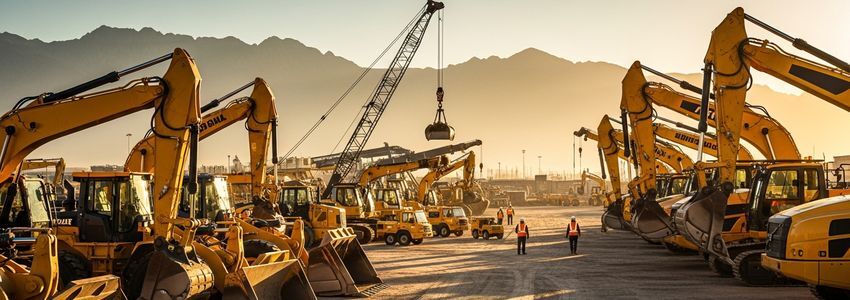
Non-Recourse Equipment Leasing: What Business Owners Need to Know
When your business needs equipment, the financing structure you choose can be just as important as the equipment itself. Non-recourse equipment leasing has emerged as one of the most business-friendly options available, offering significant protection that traditional lease agreements simply do not provide. For business owners who want to acquire machinery, vehicles, technology, or other assets without exposing their personal finances or other business assets to unlimited liability, understanding non-recourse leasing is essential.
This guide breaks down exactly what non-recourse equipment leasing means, how it differs from standard financing, who qualifies, and where to find the best options in 2026.
In This Article
- What Is Non-Recourse Equipment Leasing?
- How Non-Recourse Equipment Leasing Works
- Recourse vs. Non-Recourse Leasing Compared
- Types of Non-Recourse Equipment Leases
- Key Benefits for Business Owners
- Potential Drawbacks and Considerations
- Who Qualifies for Non-Recourse Equipment Leasing?
- Industries That Benefit Most
- How to Apply and Get Approved
- How Crestmont Capital Can Help
- Real-World Scenarios
- How to Get Started
- Frequently Asked Questions
What Is Non-Recourse Equipment Leasing?
Non-recourse equipment leasing is a lease agreement in which the lessor (the financing company) accepts that their only recourse in the event of default is the equipment itself. In other words, if your business cannot make lease payments and the arrangement defaults, the lender can repossess the equipment, but they cannot come after your other business assets, future revenue, or personal finances to cover any remaining balance.
The term "non-recourse" refers to the limited claim the lender has against the borrower. Standard ("recourse") leases allow lenders to pursue the borrower's broader financial resources if the equipment's value at repossession does not cover the outstanding obligation. Non-recourse leasing eliminates that exposure, making it an especially attractive structure for companies that want to ring-fence their liability.
Non-recourse leasing is most commonly used for high-value equipment where the asset itself carries substantial collateral value, including construction machinery, commercial vehicles, manufacturing equipment, medical devices, and aircraft. Because the lender's recovery is limited to the equipment, they take extra care to assess the asset's long-term value before approving the lease.
Key Point: In a non-recourse equipment lease, the lender's only claim is against the leased equipment. Your business assets, personal assets, and future cash flows are not on the hook if the lease defaults.
How Non-Recourse Equipment Leasing Works
Understanding the mechanics of non-recourse equipment leasing helps you evaluate whether it is the right fit for your business situation. Here is how a typical non-recourse lease transaction unfolds from start to finish.
Asset Selection and Valuation: The lender begins by evaluating the equipment you want to lease, focusing heavily on its residual value - how much the equipment will be worth at the end of the lease term if it needs to be repossessed and sold. High-residual-value assets like heavy construction equipment, commercial aircraft, and specialized industrial machinery are ideal candidates because the lender is confident they can recover their investment through asset liquidation if needed.
Credit and Business Assessment: While non-recourse leasing reduces your personal liability, lenders still evaluate your business's financial health. They want to see that your business can realistically make the lease payments throughout the term. Factors reviewed include revenue trends, time in business, existing debt obligations, and the specific use case for the equipment.
Lease Structuring: The lender structures the lease terms based on the equipment's useful life, market depreciation rate, and current interest rate environment. Lease payments are typically set to reflect the equipment's depreciation over the lease term plus a financing fee. Common lease terms range from 24 to 84 months depending on the asset class.
Documentation and Closing: The lease agreement explicitly states the non-recourse nature of the arrangement, spelling out that the lender's remedies upon default are limited to repossessing and disposing of the leased asset. This language is the critical differentiator from a standard recourse lease.
Payment and Use Period: You make monthly payments and use the equipment for your business operations. The lender holds the legal title to the equipment throughout the lease term.
End-of-Term Options: At the end of the lease term, you typically have three options: return the equipment, purchase it at a predetermined residual value, or refinance for a new lease term. The structure at end-of-term depends on the specific lease agreement negotiated at origination.
Quick Guide
How Non-Recourse Equipment Leasing Works
Identify the equipment your business needs and confirm it has strong residual value for non-recourse eligibility.
Submit your application with business financials. The lender reviews both business health and equipment value.
Review lease terms confirming non-recourse language that limits lender claims to the equipment only.
Put the equipment to work for your business and make scheduled monthly payments.
Return, purchase, or extend the lease when the term ends based on your business needs.
Recourse vs. Non-Recourse Leasing Compared
The distinction between recourse and non-recourse leasing is fundamental, and understanding the comparison helps business owners make informed financing decisions. Both structures allow you to acquire and use equipment, but the risk allocation is dramatically different.
In a recourse lease, the lender has full recourse against the borrower. If you default and the repossessed equipment does not sell for enough to cover the remaining balance, the lender can pursue the shortfall through multiple channels. This may include placing liens on other business assets, pursuing the guarantor's personal assets if a personal guarantee was signed, or obtaining a deficiency judgment that allows them to garnish future business revenue or bank accounts. Recourse leases are more common for smaller ticket items or lessees with limited credit history because the additional security lets lenders take on more risk.
In a non-recourse lease, the lender's remedies are explicitly capped at recovering and selling the leased equipment. Even if the equipment sells at auction for less than the outstanding lease balance, the lender absorbs that loss. There is no deficiency claim, no lien on your other assets, and no personal guarantee required in a true non-recourse arrangement. This shifts the residual value risk back to the lender, which is why lenders only approve non-recourse leases for equipment with strong and predictable secondary market values.
| Feature | Recourse Lease | Non-Recourse Lease |
|---|---|---|
| Default recovery | Equipment + other assets | Equipment only |
| Personal guarantee | Usually required | Not required |
| Deficiency liability | Yes - borrower responsible | No - lender absorbs loss |
| Equipment eligibility | Broad - most equipment | High residual value assets |
| Approval requirements | Broader credit range | Stronger business profile needed |
| Interest rates | Often lower (more lender security) | May be slightly higher |
| Personal financial risk | Significant | Minimal to none |
| Best for | Smaller equipment, newer businesses | High-value assets, risk-averse owners |
Protect Your Business Assets with Smart Equipment Financing
Explore non-recourse leasing and equipment financing options tailored for your industry. Apply in minutes.
Apply Now →Types of Non-Recourse Equipment Leases
Non-recourse leasing is not a single, uniform product. It encompasses several distinct lease structures, each designed to meet different business needs and financial objectives. Understanding the main types helps you identify the right fit for your situation.
True Operating Lease (Non-Recourse): In a true operating lease, the lender retains ownership and the associated residual value risk. You pay for the use of the equipment over the lease term, and when the term ends, the equipment goes back to the lessor. Because the lender keeps the equipment on their books as a depreciating asset, they bear all the downside risk if the equipment is worth less than expected at lease-end. This is the purest form of non-recourse leasing and is common for technology equipment, vehicles, and office machinery.
Finance Lease with Non-Recourse Structure: Also known as a capital lease or full-payout lease, this arrangement is designed so that your total payments over the lease term will cover the full cost of the equipment. Non-recourse language can be included in a finance lease, especially for high-value industrial or commercial equipment. The key distinction is that a finance lease is treated as ownership from an accounting perspective - the asset and corresponding liability appear on your balance sheet - whereas an operating lease is an off-balance-sheet arrangement.
Sale-Leaseback with Non-Recourse Terms: If your business already owns equipment outright, a sale-leaseback allows you to sell the equipment to a financing company and immediately lease it back. Structuring this as a non-recourse arrangement gives you the cash from the sale while limiting your exposure if the business encounters difficulties later. This is particularly useful for capital-intensive industries that need to unlock liquidity without losing use of their equipment.
Leveraged Non-Recourse Lease: This structure involves a third party - typically a bank or institutional lender - providing a portion of the financing, with the lease payments flowing through to service that debt. The non-recourse nature means the third-party lender's claim is limited to the equipment's cash flows and residual value. Leveraged leases are most common for very high-value assets like commercial aircraft, railcar fleets, and large power generation equipment.
Industry Insight: According to the Equipment Leasing and Finance Association (ELFA), the U.S. equipment leasing and finance industry represents more than $1 trillion in annual investment. Non-recourse structures account for a significant portion of large-ticket transactions, particularly in transportation, energy, and manufacturing sectors.
Key Benefits for Business Owners
Non-recourse equipment leasing offers a compelling set of advantages for business owners who want to protect their financial position while acquiring the equipment they need to grow.
Asset Protection: The most significant benefit is the protection it affords your business and personal assets. In a volatile industry or during an economic downturn, knowing that a difficult lease cannot cascade into a broader financial crisis provides genuine peace of mind. This is especially valuable for business owners who have invested personal assets in their company and want to draw a hard line around their liability exposure.
No Personal Guarantee Required: Many business owners have signed personal guarantees on loans and leases, exposing their homes, savings, and personal credit to business risk. Non-recourse leasing eliminates this requirement entirely. The transaction stands on the strength of the equipment and the business's ability to make payments - not the owner's personal net worth.
Off-Balance-Sheet Financing (for Operating Leases): True operating leases structured as non-recourse arrangements often qualify as off-balance-sheet financing under certain accounting standards. This can improve your business's debt-to-equity ratio and make the company appear less leveraged to future lenders, investors, or acquirers. While accounting standards have evolved and some leases must now be capitalized, the classification still matters for certain types of businesses and reporting frameworks.
Preservation of Working Capital: Equipment leasing in general - and non-recourse leasing in particular - conserves your cash reserves and working capital. Rather than deploying large amounts of capital in a single equipment purchase, you spread costs over monthly payments. This capital can be redeployed into revenue-generating activities like marketing, staffing, or inventory.
Tax Advantages: Depending on the lease structure and your business's tax position, lease payments may be fully deductible as operating expenses in the year they are made. This can be more advantageous than depreciation schedules associated with purchased equipment. Equipment purchased through financing may also qualify for Section 179 deductions or bonus depreciation in some lease-to-own structures. Always consult your tax advisor about the specific treatment applicable to your arrangement.
Flexibility and Scalability: Leasing allows you to upgrade or exchange equipment at the end of each lease term, keeping your business current with the latest technology and machinery without being locked into an asset that depreciates. Non-recourse leasing amplifies this flexibility by ensuring that if a piece of equipment becomes obsolete or your business needs change, you can return it without additional financial consequences beyond the scheduled payments.
By the Numbers
Non-Recourse Equipment Leasing - Key Statistics
$1T+
Annual U.S. equipment leasing and finance volume (ELFA)
80%
Of U.S. businesses use some form of equipment leasing or financing
24-84
Typical lease term range in months for non-recourse equipment leases
0%
Personal financial liability if business defaults on a true non-recourse lease
Potential Drawbacks and Considerations
No financing product is perfect for every situation. Non-recourse equipment leasing comes with certain trade-offs that business owners should evaluate honestly before committing.
Higher Financing Costs: Because lenders accept greater risk in a non-recourse arrangement, they typically charge higher lease rates compared to recourse leasing or traditional equipment loans. The additional risk premium is priced into your monthly payments. For businesses with strong credit profiles that could qualify for competitive recourse financing, the cost difference may outweigh the protection benefits depending on their specific risk tolerance.
Stricter Equipment Eligibility: Non-recourse leasing is not available for every type of equipment. Lenders will only approve non-recourse structures for assets with established secondary markets and predictable resale values. Highly specialized or custom-built equipment, technology with rapid obsolescence cycles, and assets with limited aftermarket demand may not qualify. If the equipment you need falls into these categories, a recourse lease or equipment loan may be your only option.
Higher Business Qualification Bar: Lenders offering non-recourse leases typically require stronger business financials than recourse lenders. If your business is relatively new, has limited revenue history, or carries significant existing debt, you may not qualify for a non-recourse structure. Startups and early-stage companies often find that recourse leasing or SBA-backed equipment loans are more accessible.
No Equity Building: In a true operating lease, you never own the equipment. If building equity in productive assets is a priority for your business, a non-recourse operating lease does not serve that goal. You make payments throughout the lease term and then return the equipment, leaving nothing on your books at the end. For equipment you expect to use long-term, purchasing or using a finance lease may ultimately be more economical.
Complexity of Documentation: Non-recourse lease agreements are typically more detailed and complex than standard lease documentation. The non-recourse language must be precise, and there may be additional provisions around maintenance, insurance, and equipment condition requirements. Working with an experienced attorney or financial advisor to review the agreement is strongly recommended.
Not Sure Which Structure Is Right for You?
A Crestmont Capital specialist can evaluate your situation and recommend the best equipment financing structure for your business goals and risk tolerance.
Speak with a Specialist →Who Qualifies for Non-Recourse Equipment Leasing?
Non-recourse equipment leasing is not a one-size-fits-all product. Lenders apply specific criteria to evaluate whether a business and its intended equipment qualify for this structure. Understanding these criteria helps you assess your eligibility and prepare your application accordingly.
Business Age and Track Record: Most lenders prefer businesses with at least 2-3 years of operating history for non-recourse leasing. Established businesses have financial records that demonstrate revenue patterns, profitability, and debt service capacity. Some lenders may consider younger businesses for smaller ticket items or when the owner has a strong background in the industry, but non-recourse arrangements for startups are uncommon.
Revenue and Cash Flow: Lenders review annual revenue, monthly cash flow, and debt service coverage to confirm the business can comfortably make lease payments. A common benchmark is that your monthly lease payment should not exceed 10-15% of your monthly net cash flow. Strong, consistent revenue growth is particularly favorable for non-recourse approval.
Business Credit Profile: Your business credit score, payment history on existing obligations, and any public records (liens, judgments, bankruptcies) are all factors. While non-recourse leasing does not require a personal guarantee, lenders still want assurance that your business manages its financial obligations responsibly.
Equipment Type and Value: As discussed above, the equipment itself must meet the lender's standards for residual value and secondary market liquidity. Common qualifying equipment categories include commercial vehicles and trucks, construction and heavy machinery, agricultural equipment, manufacturing and industrial machinery, medical imaging and diagnostic equipment, commercial aircraft and marine vessels, and large-scale power generation equipment.
Lease-to-Value Ratio: Lenders evaluate the relationship between the lease amount and the equipment's current market value. For non-recourse structures, lenders often require a more conservative loan-to-value ratio - typically financing 75-90% of the equipment's appraised value - to ensure there is sufficient cushion to recover the outstanding balance through equipment liquidation if needed.
Industry Stability: Lenders also consider the overall health and cyclicality of your industry. Equipment financed for businesses in stable, growing industries commands better non-recourse terms than equipment in sectors experiencing significant disruption or contraction. A well-established construction firm in a strong regional market, for example, is a more favorable non-recourse candidate than a business in a rapidly changing technology vertical.
Did You Know? According to the Federal Reserve's Small Business Credit Survey, equipment financing and leasing remain among the most common sources of external capital for small and mid-sized businesses, with approval rates significantly higher than general-purpose term loans for qualified applicants.
Industries That Benefit Most from Non-Recourse Equipment Leasing
Certain industries are particularly well-suited to non-recourse equipment leasing because their core assets tend to have strong secondary market values, predictable depreciation curves, and established resale networks.
Construction and Heavy Equipment: Excavators, cranes, bulldozers, loaders, and other heavy machinery have robust secondary markets with active dealers, auctions, and export channels. Construction equipment depreciates on a well-understood schedule, making it an ideal non-recourse asset class. Contractors who want to protect their business equity while acquiring the fleet needed for large projects benefit significantly from this structure.
Commercial Transportation and Trucking: Semi-trucks, commercial vans, and specialty vehicles maintain meaningful residual values thanks to freight demand and well-established secondary markets. Trucking companies and fleet operators that want to expand their capacity without exposing owners to personal liability find non-recourse leasing particularly appealing. Our commercial fleet financing solutions include non-recourse options for qualifying fleet operators.
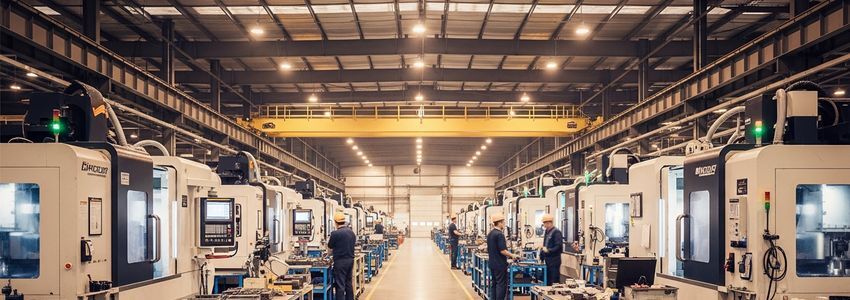
Manufacturing and Industrial: CNC machines, fabrication equipment, industrial presses, and specialized production machinery often carry significant value on the secondary market, especially when maintained in good condition. Manufacturers benefit from non-recourse leasing because it allows them to upgrade production capacity without permanently committing capital to assets that may become obsolete in 5-10 years. Explore manufacturing equipment financing options tailored for production operations.
Healthcare and Medical Imaging: MRI machines, CT scanners, ultrasound systems, and other high-value diagnostic equipment represent some of the strongest non-recourse lease candidates in the market. These assets are expensive, maintain value reasonably well, and have an active secondary market in the refurbished medical equipment space. Practices looking to expand diagnostic capabilities without taking on unlimited liability find non-recourse leasing particularly well-suited.
Agriculture: Tractors, combines, irrigation systems, and other farm equipment have active secondary markets through dealers and auction houses. Agricultural businesses that operate on thin margins during commodity price cycles value the protection that non-recourse structures provide against equipment loan deficiencies during difficult seasons. Our farm equipment financing specialists can assess non-recourse eligibility for farming operations.
Energy and Power Generation: Solar arrays, generators, turbines, and other energy infrastructure assets are frequently financed through non-recourse structures, especially for project-specific deployments. The project finance model, where the project's own cash flows and assets serve as the only collateral, is essentially a form of non-recourse leasing at the enterprise level.
How to Apply and Get Approved for Non-Recourse Equipment Leasing
Preparing a strong application increases your chances of approval and helps you secure the most favorable non-recourse lease terms available. Here is what to focus on throughout the process.
Organize Your Financial Documentation: Pull together the last 2-3 years of business tax returns, recent profit and loss statements, current balance sheets, and 3-6 months of business bank statements. Lenders will use these documents to verify revenue, assess profitability, and calculate debt service coverage. Having clean, organized financials dramatically speeds up the approval process.
Get an Equipment Appraisal: For larger non-recourse transactions, lenders may require an independent appraisal to confirm the equipment's current market value and expected residual value at lease-end. If you are purchasing new equipment, the manufacturer's invoice and standard industry depreciation guides typically suffice. For used equipment, a formal appraisal from a recognized appraiser may be required.
Prepare an Equipment Use Case: Lenders want to understand how the equipment will generate revenue for your business and confirm that the intended use aligns with the asset's condition and expected life. A brief business justification - explaining what the equipment does, how it fits your operations, and how it will contribute to revenue - strengthens your application and demonstrates borrower sophistication.
Review Your Business Credit Report: Before applying, check your business credit report through Dun & Bradstreet, Experian Business, or Equifax Business. Address any inaccuracies and resolve any outstanding derogatory items that could unnecessarily reduce your score. Our post on non-recourse equipment financing covers additional qualification strategies in depth.
Compare Multiple Lenders: Non-recourse leasing terms vary widely across lenders. Some specialize in specific industries or equipment types and may offer superior terms for your particular asset class. Getting quotes from multiple providers lets you compare effective rates, lease terms, end-of-term options, and the specific non-recourse language in the agreement. Working with a specialized lender like Crestmont Capital ensures access to a broad network of equipment financing sources.
Review the Lease Agreement Carefully: Before signing, verify that the non-recourse language in the agreement is comprehensive and unambiguous. Look specifically for any carve-outs or exceptions - such as clauses that reintroduce lender recourse for certain types of default or in cases of misrepresentation - that could partially or fully undermine the non-recourse protection. A business attorney familiar with equipment financing can help you interpret complex lease language.
Quick Comparison
Non-Recourse Equipment Leasing vs. Equipment Loan
| Factor | Non-Recourse Equipment Lease | Equipment Loan |
|---|---|---|
| Ownership | Lender (returned at end) | Business owns after payoff |
| Default liability | Equipment only | May include personal guarantee |
| Balance sheet | Off-balance-sheet (operating lease) | On-balance-sheet liability |
| Upgrade flexibility | Easy - return at end of term | Must sell existing equipment |
| Tax treatment | Payments often fully deductible | Depreciation + interest deduction |
| Monthly payment | Generally lower than loan | Higher (full amortization) |
How Crestmont Capital Helps with Equipment Leasing
Crestmont Capital specializes in helping business owners navigate the full landscape of equipment financing options, including non-recourse leasing structures. As one of the country's leading equipment finance providers, we work with businesses across virtually every industry to match them with the leasing structure that best fits their financial goals and risk profile.
Our equipment financing team begins by understanding your specific situation - the equipment you need, your business financials, your preferred lease structure, and your long-term goals. From there, we leverage our network of lenders and institutional partners to identify non-recourse lease opportunities for qualifying businesses. We handle the documentation, coordinate with equipment vendors, and guide you through the process from application to funding.
For businesses that do not qualify for a true non-recourse arrangement, we explore alternative structures that still offer meaningful liability protection, including limited recourse provisions, standard equipment leasing, and equipment financing packages tailored to your credit profile. Our goal is to help you acquire the equipment you need while keeping your overall financial exposure at an appropriate level.
We also offer specialized expertise in sectors with the highest demand for non-recourse structures, including construction, transportation, manufacturing, and healthcare. Industry expertise matters when evaluating equipment values and residual projections, and our specialists bring deep knowledge to these assessments.
For business owners who have questions about the relative merits of leasing versus purchasing, or who want to understand how non-recourse leasing compares to options like working capital loans or business lines of credit for equipment purchases, our advisors provide objective guidance grounded in real market data.
Ready to Explore Non-Recourse Equipment Leasing?
Talk to a Crestmont Capital equipment financing specialist today. We'll evaluate your options and help you find the right structure for your business.
Get Started →Real-World Scenarios: Non-Recourse Equipment Leasing in Action
Abstract concepts become clearer when examined through real-world examples. Here are several scenarios illustrating how non-recourse equipment leasing operates in practice and why it can be the right choice for specific business situations.
Scenario 1 - Construction Contractor: A mid-sized general contractor needs to add an excavator worth $285,000 to their fleet for a series of infrastructure projects they've been awarded. They qualify for both a recourse equipment loan at 7.2% and a non-recourse lease at 8.9%. The owner decides the higher rate is justified because they recently invested significant personal capital into the business and want to protect against any risk of the excavator being damaged or losing value faster than expected. They sign a 60-month non-recourse operating lease, complete their contracts, and return the excavator at term's end - their personal assets were never at risk throughout.
Scenario 2 - Medical Practice Expansion: A radiology group wants to add a new MRI machine valued at $1.2 million to a recently opened satellite office. Because the satellite's revenue history is only 14 months old, the group's senior partner does not want to sign a personal guarantee. The group qualifies for a non-recourse finance lease based on the practice's consolidated financials and the MRI machine's strong secondary market value among refurbished equipment dealers. The lease closes in 3 weeks and the satellite office begins generating new diagnostic revenue immediately.
Scenario 3 - Trucking Fleet Expansion: A regional trucking company wants to add six semi-trucks to their fleet. They have operated successfully for 12 years, have strong credit, and generate $8 million in annual revenue. Their CFO structures a non-recourse operating lease for the entire fleet addition, keeping the new liability off the balance sheet ahead of a planned bank refinancing the following year. The clean balance sheet helps them secure better refinancing terms, more than offsetting the slightly higher non-recourse lease rate.
Scenario 4 - Manufacturing Upgrade: A precision machining company needs to replace three aging CNC mills with new automated systems at a total cost of $780,000. Facing uncertainty about long-term demand in their industry, the owner wants protection in case the business has a difficult year. A non-recourse sale-leaseback structure allows them to sell the existing (owned) mills to a finance company for $90,000 in immediate cash and lease the new systems on a non-recourse basis. Their cash position improves, they have modern equipment, and their downside exposure is capped at the equipment itself.
Scenario 5 - Agricultural Equipment: A multi-generation farming operation needs to lease a combine harvester and two large tractors for the upcoming growing season. The farm has carried significant debt from a drought two years earlier, and the owners want to avoid any financing structure that could put their land at risk. A non-recourse equipment lease for the three assets provides the machinery needed for the harvest without adding any new claims against the farmland or other business assets.
Scenario 6 - Technology Company: A managed IT services company wants to lease a server farm for a new data center they're building out for a corporate client. The equipment includes specialized rack-mounted servers and networking hardware totaling $420,000. While technology typically depreciates faster than construction equipment, the specific hardware has an established enterprise secondary market. The company structures a 36-month non-recourse lease, completing the data center build-out without pledging any business assets as collateral beyond the equipment itself.
How to Get Started with Non-Recourse Equipment Leasing
Define the specific equipment you need, its approximate value, and the intended use. Confirm it falls within the categories that typically qualify for non-recourse leasing.
Prepare 2-3 years of business tax returns, recent financial statements, and 3-6 months of bank statements to support your application.
Submit your application online at offers.crestmontcapital.com/apply-now. A specialist will reach out to discuss your non-recourse leasing options within one business day.
Carefully review the non-recourse provisions with your attorney or advisor. Once satisfied, sign and the equipment can typically be ordered or delivered within days.
Frequently Asked Questions
Disclaimer: The information provided in this article is for general educational purposes only and is not financial, legal, or tax advice. Funding terms, qualifications, and product availability may vary and are subject to change without notice. Crestmont Capital does not guarantee approval, rates, or specific outcomes. For personalized information about your business funding options, contact our team directly.








