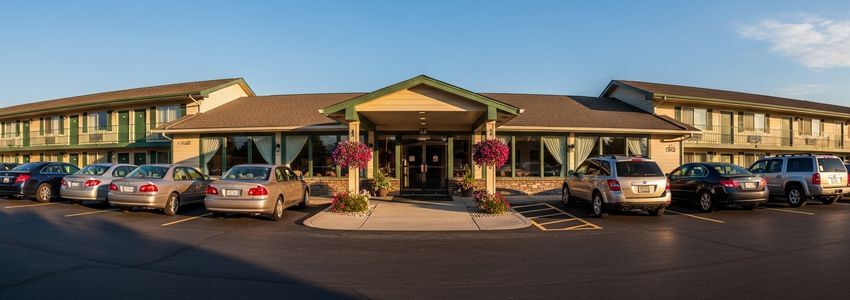
Running a motel is capital-intensive. From property upgrades and renovations to equipment replacement and marketing spend, motel owners constantly face demands that exceed their immediate cash reserves. Motel loans give independent and franchise property owners the financial runway to maintain facilities, handle seasonal gaps, and grow their operations without draining the working capital they need to stay competitive.
Whether you own a roadside inn, a small independent motel, or a growing lodging brand, understanding your financing options is essential. This guide breaks down every loan type relevant to motel operators, what lenders look for, how to qualify, and how Crestmont Capital helps hospitality businesses secure the funding they need - fast.
In This Article
- What Are Motel Business Loans?
- Key Benefits of Motel Financing
- Types of Motel Loans
- How Motel Financing Works
- Common Uses for Motel Loans
- Who Qualifies for Motel Financing?
- How Crestmont Capital Helps Motel Owners
- Real-World Financing Scenarios
- Comparing Motel Loan Options
- Frequently Asked Questions
- How to Get Started
What Are Motel Business Loans?
Motel business loans are financing products designed to meet the unique capital needs of motel owners and operators. Unlike standard small business loans, motel financing must account for the property-intensive nature of the hospitality industry, seasonal revenue swings, and the ongoing capital requirements of maintaining guest-ready facilities.
These loans can be structured as term loans, lines of credit, SBA-backed products, equipment financing, or working capital advances - depending on what the motel owner needs the money for and how quickly they need it. The hospitality sector, including motels, generated over $1.1 trillion in revenue in the United States according to the U.S. Census Bureau, making it one of the largest small business sectors in the country.
Motel owners use loans for everything from HVAC replacements and pool restorations to property acquisitions, brand flag upgrades, and working capital to bridge the gap between off-season lows and peak summer revenues. Access to reliable financing is one of the defining competitive factors for motel operators in a market dominated by newer extended-stay brands and large hotel chains.
Industry Insight: According to the Small Business Administration, accommodation and food services businesses have one of the highest loan approval rates among commercial categories, largely because properties provide strong collateral. Motel owners with real estate equity are particularly well-positioned to access capital.
Key Benefits of Motel Financing
Financing gives motel owners the ability to act on business opportunities and operational needs without waiting for cash flow to catch up. The benefits of motel loans extend well beyond just covering emergencies - they are strategic tools for running a profitable, competitive operation.
- Preserve working capital - Finance large expenditures without draining your operating reserves
- Upgrade faster - Renovate rooms, update amenities, and refresh common areas without years of savings
- Manage seasonality - Bridge revenue gaps between low and high seasons without cutting staff or services
- Expand your portfolio - Use equity in an existing property to acquire a second or third motel location
- Access emergency capital - Handle unexpected HVAC failures, roof damage, or plumbing repairs without disrupting operations
- Stay competitive - Match the amenity upgrades that newer brands offer to retain repeat guests and attract new ones
- Build credit history - Responsible use of business financing strengthens your credit profile for future, larger loans
Need Financing for Your Motel?
Crestmont Capital works with motel owners across the country. Get pre-qualified in minutes - no obligation to accept.
Apply Now →Types of Motel Loans
There is no one-size-fits-all financing solution for motel owners. Different capital needs call for different products. Understanding the range of options available helps you choose the right tool for each situation.
SBA Loans for Motel Owners
The SBA 7(a) and SBA 504 programs are among the most attractive financing options for established motel owners. SBA loans offer longer repayment terms (up to 25 years for real estate), lower monthly payments, and competitive interest rates. They are ideal for property acquisition, major renovations, and long-term capital needs. However, SBA loans require strong documentation, typically a minimum 680+ credit score, two or more years in business, and detailed financial records.
The SBA 504 loan is specifically designed for owner-occupied commercial real estate and large fixed assets, making it a natural fit when a motel owner wants to purchase a new property or finance a significant facility upgrade. Crestmont Capital helps motel owners navigate both the SBA 7(a) and 504 paths. Learn more about SBA loans for small businesses.
Term Loans
Traditional term loans provide a lump sum of capital repaid over a fixed schedule, typically ranging from one to five years for short-term products and up to ten years for longer commercial options. Motel owners use term loans for planned capital expenditures - like a complete room renovation project, a new pool installation, or a major equipment replacement cycle. Interest rates on term loans vary based on creditworthiness, time in business, and the lender type. Explore small business loan options through Crestmont Capital.
Business Lines of Credit
A business line of credit functions like a revolving credit account. You draw funds as needed, repay them, and draw again up to your limit. This flexibility makes lines of credit ideal for motel owners managing seasonal cash flow, making opportunistic supply purchases, or covering unexpected repair costs. Unlike a term loan, you only pay interest on what you actually draw, which makes it cost-effective for variable needs.
Working Capital Loans
Working capital loans are designed specifically to fund day-to-day operations rather than long-term assets. Motel owners use working capital financing to cover payroll, utilities, and supplies during low occupancy months, or to fund pre-season hiring and marketing before peak travel periods begin. These loans are typically shorter-term and can be approved and funded quickly - sometimes within 24 to 48 hours for qualified borrowers.
Equipment Financing
Motels rely on a wide range of specialized equipment - commercial HVAC systems, laundry machines, pool filtration, elevators, commercial kitchen appliances, security systems, and more. Equipment financing allows owners to acquire or replace this equipment using the equipment itself as collateral. This preserves working capital and often results in lower rates than unsecured loans. Check out Crestmont Capital's equipment financing options for hospitality businesses.
Revenue-Based Financing
Revenue-based financing (RBF) is structured as a percentage of future revenue rather than a fixed monthly payment. For motels with seasonal swings, this can be particularly valuable - your repayment flexes with your income. When occupancy is high in summer, you repay more. When occupancy drops in winter, your payment drops proportionally. This product is available through Crestmont's revenue-based financing program.
Commercial Real Estate Loans
If you are purchasing a motel property outright, expanding your footprint, or refinancing an existing commercial mortgage, commercial real estate loans are the appropriate vehicle. These are long-term, property-secured loans with terms of 15 to 25 years. They are larger in size and require significant documentation including property appraisals, environmental assessments, and detailed operating history.
Merchant Cash Advances
For motels that process significant credit card transactions, a merchant cash advance (MCA) provides fast funding in exchange for a percentage of future card sales. While MCAs carry higher effective rates than traditional loans, they approve quickly and don't require strong credit. They can be a useful last resort when urgent capital is needed and other products aren't accessible in time.
By the Numbers
Motel Industry Financing - Key Statistics
54K+
Motels and lodging establishments operating in the U.S.
$1.1T
Annual U.S. hospitality industry revenue (Census Bureau)
72%
Average U.S. hotel/motel occupancy rate in peak summer months
1-3 Days
Typical funding time for working capital loans at Crestmont Capital
How Motel Financing Works
The process for getting a motel business loan follows a similar path regardless of which product you choose, though documentation requirements and timelines vary significantly by loan type and lender.
Quick Guide
How Motel Financing Works - At a Glance
Determine the specific purpose - renovation, equipment, working capital, acquisition, or cash flow management.
Match the loan type to your need: SBA for long-term capital, line of credit for flexibility, term loan for planned projects.
Prepare financials, tax returns, bank statements, property information, and business history documents.
Submit your application through Crestmont Capital and receive pre-qualification results often within 24 hours.
Upon approval, funds are deposited directly to your business account - as fast as 24-48 hours for working capital products.

Common Uses for Motel Loans
Motel owners use financing for a wide variety of strategic and operational purposes. Knowing what's possible helps owners approach financing proactively rather than reactively.
Property Renovation and Room Upgrades
Guest expectations have risen dramatically over the past decade. Travelers now compare independent motels directly to extended-stay brands offering modern furnishings, updated bathrooms, and high-speed wifi. Room renovation loans give motel owners the ability to modernize their properties and command higher nightly rates. A $200,000 renovation financed over five years might increase occupancy by 10-15% and justify a $15-$25 increase in average daily rate - easily covering the monthly loan payment with significant profit remaining.
HVAC and Mechanical Systems
Heating and cooling systems are among the highest-cost maintenance items for any motel. A failed HVAC unit during peak summer season can result in immediate revenue loss and negative reviews that damage bookings for months afterward. Equipment financing allows motel owners to replace failing systems before they fail completely, spreading the cost of $80,000 to $200,000 in new equipment over two to five years. Visit Crestmont's equipment financing page to learn more about financing mechanical upgrades.
Swimming Pool Maintenance and Restoration
A functioning pool is a significant revenue driver for roadside motels, particularly those near highways and tourist destinations. Pool restoration projects - including new liners, pump systems, decking, and safety equipment - often cost $25,000 to $100,000 depending on the property. Financing spreads this cost while the improvement begins generating additional bookings immediately.
Seasonal Working Capital
Motels in beach towns, ski destinations, national park areas, and other seasonal locations experience wide swings in revenue. A motel that earns $400,000 in July and August may bring in only $40,000 in January and February. Working capital loans and lines of credit help owners bridge these gaps - covering payroll, utilities, insurance, and maintenance costs during lean months without dipping into reserves needed for the coming season's operations.
Marketing and Online Presence
Modern travelers book through online travel agencies (OTAs) like Expedia and Booking.com. A motel without strong digital presence, professional photography, and active review management loses bookings directly to better-positioned competitors. Financing marketing campaigns, website redesigns, and reputation management services is an increasingly common use of working capital loans for motel operators.
Property Acquisition
Experienced motel operators often expand by acquiring additional properties. Commercial real estate loans and SBA 504 programs are the primary vehicles for motel acquisition financing. Lenders evaluate the acquiring owner's operational experience, existing property performance, and the acquisition target's revenue history when underwriting these larger transactions.
Brand Flag Upgrades and Franchise Fees
Converting an independent motel to a franchise flag (such as Econo Lodge, Days Inn, or Super 8) typically requires a substantial initial investment in property upgrades, signage, and franchise fees. Franchise financing products and standard term loans can fund these upgrades, which often result in increased bookings from brand loyalty programs and OTA visibility.
Pro Tip: Timing your loan application before your peak season - not during it - gives you the most favorable income documentation and the longest runway to deploy capital before you need it most. A renovation completed in March earns you the full summer season. One completed in August misses it entirely.
Who Qualifies for Motel Financing?
Qualification standards vary significantly by loan type, lender, and the specific financial profile of your motel. Understanding what lenders look for helps you prepare your application for maximum approval odds.
General Qualification Criteria
Most motel business loans require:
- Time in business: 1-2 years minimum for most products; SBA loans typically require 2+ years
- Annual revenue: $150,000+ for most working capital products; $500,000+ for SBA and commercial real estate loans
- Credit score: 600+ for alternative lending; 650+ for most bank products; 680+ for SBA loans
- Occupancy rates: Lenders want to see consistent occupancy above 50-55% annually for the property to qualify as a viable business
- No recent bankruptcies: Most lenders require clean bankruptcy history for 3-7 years depending on loan type
What Makes Motel Loans Unique
Motels are property-intensive businesses. Lenders look beyond just the business financials - they evaluate the physical asset. Key factors include:
- Property condition: Well-maintained properties with documented capital improvement histories qualify more easily
- Location: Highway-adjacent, tourist-area, and business corridor motels have more favorable loan terms due to consistent demand
- Franchise affiliation: Franchised properties have more predictable revenue streams and often qualify for better terms
- ADR (Average Daily Rate) trends: Rising ADR signals pricing power and improves loan qualification
- RevPAR (Revenue Per Available Room): This is the key performance metric lenders use to assess motel health
Qualifying with Imperfect Credit
Motel owners with less-than-perfect credit still have options. Alternative lenders like Crestmont Capital evaluate the full business picture - not just a credit score. Revenue, occupancy rates, operational consistency, and property equity all contribute to loan decisions. Bad credit business loans are available for qualified motel operators who have solid revenue but challenging credit histories.
How Crestmont Capital Helps Motel Owners
Crestmont Capital is a direct business lender rated #1 in the U.S. for small business financing. Unlike traditional banks with rigid underwriting criteria and months-long approval processes, Crestmont Capital offers motel owners multiple loan products with a streamlined application process and funding timelines that actually meet hospitality industry needs.
Here is what sets Crestmont Capital apart for motel owners:
- Multiple products under one roof: Term loans, lines of credit, equipment financing, working capital, and SBA-aligned products - you don't need to shop four different lenders
- Fast decisions: Pre-qualification often in 24 hours; funding as fast as 48 hours for working capital products
- Flexible underwriting: We look at the whole business - not just your credit score
- Hospitality expertise: Our team understands seasonal revenue patterns and can structure loans to fit your occupancy calendar
- No prepayment penalties on most products: If you have a strong season, pay down your balance early without extra fees
Motel owners can also explore our hotel business loans page for related financing options. If your motel has significant working capital needs between seasons, our unsecured working capital loans provide fast access without requiring real estate collateral.
Ready to Finance Your Motel?
From seasonal working capital to full renovations - Crestmont Capital has the product that fits. Apply in minutes, get a decision fast.
Get Funded →Real-World Motel Financing Scenarios
The best way to understand how motel loans work in practice is to see them applied to realistic situations that motel owners face every day.
Scenario 1: The Pre-Season Renovation
Maria owns a 32-room roadside motel outside Gettysburg, Pennsylvania. The property earns $620,000 annually with strong summer occupancy but a slow winter. In January, she secures a $185,000 term loan to renovate 20 rooms with new flooring, updated bathrooms, and new HVAC units before the April spring season begins. Her ADR increases from $89 to $115 after the renovation. The loan at 8.5% over 48 months costs her $4,600 monthly - which the additional $26 per room per night more than covers after just 30 room-nights.
Scenario 2: The Seasonal Cash Flow Bridge
James operates a 45-unit motel near a ski resort in Colorado. January through March is peak season, but April through September sees occupancy drop below 30%. James uses a $75,000 line of credit to bridge his off-season operations - covering housekeeping staff, utilities, insurance, and routine maintenance. He draws steadily from May through September, then repays the line in full during the first week of October when bookings surge back. The interest cost for five months on $75,000 is approximately $2,800 - far less than the cost of laying off trained staff and re-hiring in the fall.
Scenario 3: The Emergency HVAC Replacement
Priya manages a 28-room independent motel in Daytona Beach. In mid-June, the central air conditioning system for her main building fails. Without AC in Florida in June, the motel cannot host guests - a potential loss of $14,000+ per week during peak season. Priya applies for $55,000 in emergency equipment financing through Crestmont Capital. The loan is approved within 36 hours. The HVAC contractor begins installation on day three. The total cost of the loan over three years is $4,200 in interest - compared to potential revenue losses ten times that amount.
Scenario 4: The Second Property Acquisition
Kevin owns a profitable 38-room motel in Tennessee with $780,000 in annual revenue. He has identified a distressed 24-room property two miles away selling below market value due to deferred maintenance. Kevin uses an SBA 7(a) loan backed by the equity in his existing property to purchase and renovate the acquisition target. Over three years, the second property - once stabilized - adds $320,000 in annual revenue to his portfolio. The SBA loan at $620,000 over 25 years carries a monthly payment of approximately $4,800, which the second property covers within its first operational year.
Scenario 5: Brand Flag Conversion
Sandra's independent "Sunset Motel" in suburban Georgia competes for the same highway travelers as a nearby Super 8 and Econo Lodge. After analyzing booking data, she determines that travelers overwhelmingly prefer flagged properties due to loyalty points and brand trust. She uses a $140,000 term loan to fund the franchise application fees, required property upgrades (new signage, bedding, brand-standard amenities), and initial marketing costs. Within 18 months of the flag conversion, her occupancy increases from 51% to 68% and her ADR improves by $22. The revenue increase more than covers the loan repayment with a significant margin.
Scenario 6: Technology and Distribution Upgrade
Robert owns a small motel in rural Montana that books almost entirely by phone and direct walk-ins. He uses a $22,000 working capital loan to implement a modern property management system (PMS), connect to OTA platforms, hire a digital marketing consultant for six months, and upgrade his wifi infrastructure. Within the first year, online bookings account for 40% of his revenue - a segment that didn't exist before. The loan is repaid entirely within 14 months from the additional booking revenue.
Comparing Motel Loan Options
| Loan Type | Best For | Typical Amount | Term | Speed |
|---|---|---|---|---|
| SBA 7(a) Loan | Major renovations, acquisitions, refinancing | $150K - $5M | Up to 25 years | 30-90 days |
| Term Loan | Planned projects, room upgrades, equipment | $25K - $500K | 1-7 years | 2-10 days |
| Business Line of Credit | Seasonal cash flow, recurring needs | $10K - $250K | Revolving | 1-7 days |
| Equipment Financing | HVAC, laundry, kitchen, pool equipment | $10K - $500K | 2-7 years | 2-7 days |
| Working Capital Loan | Off-season operations, payroll, supplies | $10K - $250K | 3-24 months | 1-3 days |
| Revenue-Based Financing | Variable revenue businesses, no fixed payment | $10K - $500K | 6-24 months | 1-5 days |
Frequently Asked Questions
What credit score do I need for a motel business loan?
Credit score requirements vary by loan type. For SBA loans, most lenders require a personal credit score of 680 or above. For traditional term loans, 650 is typically the minimum. For working capital loans and revenue-based financing through alternative lenders like Crestmont Capital, scores as low as 600 may qualify depending on the overall strength of the business. Motel owners with property equity often qualify even with lower scores due to the collateral value of the real estate.
How much can I borrow for a motel renovation?
Renovation loan amounts depend on your property's revenue, the loan product, and your creditworthiness. Term loans for motel renovations typically range from $50,000 to $500,000. SBA 7(a) loans can provide up to $5 million for major renovations or property improvements. The loan-to-value ratio on secured loans typically caps at 70-80% of the property's appraised value. Lenders will also evaluate whether the renovation project will generate enough additional revenue to service the debt comfortably.
Can I get a motel loan if my occupancy is below average?
Yes, although below-average occupancy may limit some loan products. Alternative lenders focus on overall cash flow and property equity rather than just occupancy rates. If your motel is generating sufficient revenue to service the debt - even at 45% occupancy - many lenders will still approve working capital and equipment loans. SBA loans and commercial real estate products have stricter occupancy requirements, typically preferring properties at or above national average occupancy for the market segment.
How long does it take to get a motel business loan approved?
Approval timelines vary dramatically by loan type. Working capital loans and business lines of credit through Crestmont Capital can be approved and funded in as little as 24-48 hours. Equipment financing typically takes 2-7 days. Term loans take 1-2 weeks for alternative lenders and 2-6 weeks for bank products. SBA loans are the slowest, typically requiring 30-90 days from application to funding due to the additional government review process involved. Plan accordingly - don't wait until you're in a cash crisis to apply for longer-term products.
What documents do I need to apply for a motel loan?
Standard documents include 3-6 months of business bank statements, the past 2 years of business and personal tax returns, a profit-and-loss statement, a current balance sheet, and basic property information. For SBA and commercial real estate loans, lenders also require property appraisals, environmental assessments, and detailed occupancy and revenue history going back 2-3 years. Equipment financing requires the vendor quote or invoice for the specific equipment being financed. Crestmont Capital's application process starts with just basic information and bank statements for pre-qualification.
Are there motel loans available with no personal guarantee?
Some unsecured working capital products and equipment financing loans do not require a personal guarantee, particularly for established businesses with strong revenue and credit profiles. However, most motel loans - especially those secured by the property itself - will require a personal guarantee from the primary owner or owners. The personal guarantee gives the lender recourse if the business defaults. For motel owners with significant personal assets, this is a factor to discuss with a lender before committing to any loan product.
Can I use an SBA loan to buy a motel?
Yes. SBA 7(a) loans are commonly used for motel acquisitions, and SBA 504 loans are specifically designed for owner-occupied commercial real estate including lodging properties. For a motel purchase, the SBA typically requires a 10-20% down payment from the buyer, with the loan covering the remaining 80-90% of the purchase price up to the program maximum of $5 million. The property itself serves as collateral. Buyers must demonstrate management experience in the hospitality industry to qualify for acquisition financing on most motel properties.
What interest rates should I expect on motel loans?
Interest rates vary widely based on loan type, your credit score, time in business, and lender. SBA loans typically range from Prime plus 2.25% to Prime plus 4.75% depending on the loan size and term. Conventional bank term loans for motels with strong financials range from 6-10% annually. Alternative lender working capital loans range from 12-35% depending on risk factors. Equipment financing typically runs 6-15%. Revenue-based financing is often quoted as a factor rate between 1.15 and 1.45, which translates to higher effective APR but with flexible repayment tied to actual revenue.
How does seasonality affect motel loan qualification?
Seasonality is a well-understood characteristic in hospitality lending. Experienced lenders evaluate annual revenue rather than a single month's performance. For motel owners applying during a slow season, lenders typically request a full 12 months of bank statements and the prior year's tax return to assess the complete annual revenue picture. Some alternative lenders will also average the most recent 3-6 months against prior-year figures to account for seasonality. The key is demonstrating that the business generates sufficient annual revenue to service the debt - even if individual months look thin.
Can I get a motel loan if I'm a first-time owner?
First-time motel owners face more limited options but still have paths to financing. Most operational loans require at least 1-2 years in business. For acquisition financing, first-time buyers need to demonstrate relevant industry experience, strong personal credit (680+), and a significant down payment (20-30% of purchase price). SBA loans are available to first-time motel buyers when they can show hospitality management experience through prior employment or related business ownership. Crestmont Capital can assess your specific situation and recommend the right starting path.
How do motel loans differ from hotel loans?
Structurally, motel and hotel loans are very similar - both fall into the commercial hospitality lending category. The primary differences are scale and collateral. Motels are typically smaller properties (under 100 rooms) with lower overall loan sizes, making them accessible to smaller lenders and SBA programs. Hotels - particularly full-service properties - often require larger commercial real estate financing with institutional lenders. Qualification criteria, documentation requirements, and interest rate structures are essentially the same. The key differentiator is the property's STAR report (industry occupancy and revenue benchmarking data), which lenders use for both motel and hotel underwriting.
What is RevPAR and why do lenders care about it?
RevPAR stands for Revenue Per Available Room, and it is calculated by multiplying a motel's occupancy rate by its average daily rate (ADR). For example, a 40-room motel with 65% occupancy and an $85 ADR has a RevPAR of $55.25. Lenders use RevPAR because it captures both pricing power and occupancy efficiency in a single metric - two properties with the same ADR but different occupancy rates will have very different debt service capacity. Strong and growing RevPAR trends signal a well-managed, demand-appropriate operation that is more likely to service loan obligations reliably.
Can I use a motel loan to convert to a franchise brand?
Yes, and it is one of the most ROI-positive uses of motel financing. Franchise conversion loans typically fund the property improvements required to meet brand standards (new signage, bedding, finishes, amenities), initial franchise fees, and working capital for the transition period. These are typically structured as term loans with payback periods of 3-7 years. Lenders evaluate the specific franchise being joined - brands with higher recognition and loyalty program penetration support stronger loan terms because the revenue uplift from the flag conversion is more predictable and measurable.
What should I watch out for when comparing motel loan offers?
Key factors to compare beyond the interest rate include: origination fees (which can range from 1% to 5% of the loan amount), prepayment penalties (which penalize you for paying early), balloon payment structures (which require a large lump sum at the end of the term), and draw/maintenance fees on lines of credit. Always ask lenders to disclose the full APR including all fees, not just the stated interest rate. Also confirm whether the loan requires a personal guarantee, what collateral is pledged, and whether there are financial covenants (such as maintaining minimum occupancy rates or debt service coverage ratios) that could trigger default if not met.
How to Get Started
Complete our quick application at offers.crestmontcapital.com/apply-now - takes just a few minutes. Basic business information and bank statements are all you need to get started.
A Crestmont Capital advisor who understands the motel industry will review your needs and match you with the right financing product - whether that's a working capital loan, equipment financing, or a term loan for renovation.
Receive your funds and start your renovation, cover seasonal expenses, or finance that equipment upgrade - often within days of approval.
Conclusion
Motel loans are an essential tool for competitive hospitality operators. Whether you need working capital to bridge the off-season, equipment financing to replace a failing HVAC system, or a term loan to fund a full property renovation, the right financing product can be the difference between a motel that stagnates and one that grows. The motel industry rewards well-maintained, strategically managed properties with higher occupancy, stronger ADR, and repeat guest loyalty - all of which are built with capital.
Crestmont Capital provides motel owners across the country with fast, flexible access to the full range of financing products they need. From working capital loans approved in 24 hours to long-term SBA-aligned financing for major projects, we have the product that fits your operation. Apply today and put your motel's potential to work.
Apply for Your Motel Business Loan Today
Fast approvals, flexible terms, and a team that understands the hospitality industry. No obligation - apply in minutes.
Get Funded Now →Disclaimer: The information provided in this article is for general educational purposes only and is not financial, legal, or tax advice. Funding terms, qualifications, and product availability may vary and are subject to change without notice. Crestmont Capital does not guarantee approval, rates, or specific outcomes. For personalized information about your business funding options, contact our team directly.