
 (800) 949-0401
Retail Display Financing: The Complete Guide for Business Owners
Retail display financing is one of the most strategic investments a store owner can make. The way your merchandise is presented directly impacts customer dwell time, purchase intent, and average transaction value. Yet most small and mid-size retailers operate with tight cash flow, making it difficult to fund the premium fixtures, lighting systems, digital signage, and custom shelving that elevate the shopping experience. That is where retail display financing comes in - giving your business the capital to create a store environment that drives revenue without draining your operating account.
Whether you run a boutique clothing store, a specialty food shop, a furniture showroom, or a multi-location chain, financing your in-store displays is a proven way to invest in growth. This guide covers every aspect of retail display financing, from loan types and qualification requirements to real-world use cases and how Crestmont Capital can help you move forward.
In This Article
- What Is Retail Display Financing?
- Types of Financing for Retail Displays
- What You Can Finance
- Key Benefits of Financing Your Displays
- How Retail Display Financing Works
- By the Numbers
- Who Qualifies
- Comparing Loan Options
- How Crestmont Capital Helps
- Real-World Scenarios
- Frequently Asked Questions
- How to Get Started
What Is Retail Display Financing?
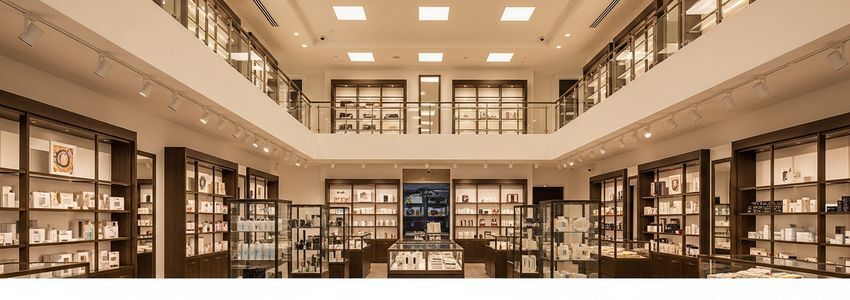
Retail display financing refers to any business loan, equipment financing arrangement, or line of credit used to fund the purchase, installation, or upgrade of in-store display systems. These displays include everything from wall fixtures and freestanding shelving units to glass cases, digital signage, POP (point-of-purchase) displays, window installations, and lighting systems designed to showcase products effectively.
The core concept is straightforward: instead of paying tens of thousands of dollars upfront from your business savings, you use a financing product to spread the cost over monthly payments. This preserves your working capital for inventory, payroll, and daily operations while still allowing you to make the upgrades that attract customers and drive sales.
Retail display financing is not a single product - it is a category that includes several loan types and credit facilities. The best option for your business depends on the scope of your project, your credit profile, how quickly you need funding, and whether you are purchasing equipment, renovating an existing space, or doing both.
Key Insight: Research consistently shows that retailers who invest in professional display environments see average transaction values increase by 15 to 30 percent. A well-executed display strategy does not just look good - it directly improves your bottom line.
Types of Financing for Retail Displays
Business owners have several strong options when it comes to retail display financing. Each product has distinct advantages, qualification requirements, and repayment structures. Here is a breakdown of the most common approaches:
Equipment Financing
Equipment financing is purpose-built for purchasing physical assets like display cases, shelving systems, and digital signage hardware. The equipment itself serves as collateral, which often means lower interest rates and more flexible qualification criteria compared to unsecured loans. Terms typically range from 24 to 72 months, and you own the equipment outright at the end of the term. This is often the most cost-effective path for businesses investing in high-quality, long-lasting display systems.
Business Term Loans
A traditional business term loan provides a lump sum of capital that you repay over a fixed period with regular payments. Term loans are versatile - you can use the funds for displays, installation labor, custom fabrication, and any other store upgrade costs in a single package. This is ideal for businesses undertaking a complete store redesign or multi-area upgrade where the costs are defined upfront.
Business Line of Credit
A business line of credit gives you a revolving credit facility that you draw from as needed and repay on your schedule. For retailers who make display upgrades incrementally - adding a new section here, refreshing window displays seasonally, or adding digital screens over time - a line of credit offers maximum flexibility. You only pay interest on what you have drawn, making it highly cost-efficient for ongoing or phased projects.
Working Capital Loans
Unsecured working capital loans provide fast access to capital without requiring collateral. For retail businesses that need to move quickly - perhaps ahead of a holiday season, a grand opening, or a competitive store relaunch - these loans can fund display projects within days. Approval is primarily based on business revenue and cash flow rather than specific assets.
SBA Loans
SBA loans, particularly the SBA 7(a) program, offer competitive interest rates and long repayment terms - often up to 10 years for working capital. For larger retail renovation projects combining displays with broader facility upgrades, SBA loans can provide the most favorable terms available. The tradeoff is that the approval process takes longer, typically several weeks.
Ready to Upgrade Your Retail Space?
Get fast, flexible retail display financing from the #1 business lender in the U.S. Apply in minutes - no obligation.
Apply NowWhat You Can Finance with Retail Display Loans
One of the most common misconceptions about retail display financing is that it only covers physical shelving or display cases. In practice, most lenders allow you to finance a comprehensive range of retail environment improvements. Here is what typically qualifies:
Display Fixtures and Shelving
Custom-built shelving units, freestanding display racks, wall-mounted fixtures, and modular gondola systems are all eligible for equipment financing. These represent the backbone of any retail display strategy and often carry significant per-unit costs when sourced from quality commercial vendors.
Digital Signage and Interactive Displays
Large-format LED displays, interactive touchscreen kiosks, video walls, and digital price tag systems have become increasingly common in competitive retail environments. These systems can cost anywhere from $5,000 to $200,000 depending on scale and technology. Equipment financing is particularly well-suited for these assets given their defined useful lives and strong resale value.
Lighting Systems
Retail lighting is a proven driver of sales conversion. Professional-grade track lighting, LED accent systems, window display lighting, and feature lighting for product showcases can all be financed. In many cases, LED lighting upgrades pay for themselves through energy savings within 18 to 24 months while simultaneously boosting the visual appeal of your store.
Display Cases and Showcases
Glass display cases for jewelry, electronics, luxury goods, or specialty products are eligible for equipment financing. High-quality cases with lighting, lockable storage, and custom configurations can cost $2,000 to $20,000 each, making financing a sensible option for most retailers.
Installation and Custom Fabrication
Many financing products allow you to include installation labor, custom fabrication costs, and architectural modifications directly related to your display upgrades. When using a term loan or working capital facility, you have the most flexibility to bundle these soft costs into the loan amount.
Point-of-Purchase Displays
Strategic POP displays at checkout areas, endcaps, and high-traffic zones drive impulse purchases and increase basket size. Whether you are buying pre-fabricated units or commissioning custom designs, these costs can be financed through working capital loans or business lines of credit.
Key Benefits of Retail Display Financing
The business case for financing your retail displays rather than paying out-of-pocket is compelling. Here are the most significant advantages:
- Preserves Working Capital: Retail businesses need liquidity for inventory purchases, payroll, marketing, and operational expenses. Tying up large sums in display upgrades depletes the reserves you need to run your business day-to-day.
- Faster Implementation: With financing, you can execute your full display vision immediately rather than piece it together over months or years as cash allows. Faster execution means faster return on investment.
- Competitive Advantage: Your competitors are investing in their store environments. Financing allows you to match or exceed the quality of larger competitors without the same capital base.
- Tax Deductibility: Business loan interest is generally tax-deductible. Additionally, the Section 179 deduction may allow you to deduct the full cost of financed equipment in the year of purchase, significantly reducing your effective cost of borrowing.
- Scalability: Once you establish a financing relationship, you can easily fund future upgrades, additional locations, or technology refreshes without starting from scratch.
- Builds Business Credit: Responsibly repaying a retail display loan strengthens your business credit profile, making future financing easier and less expensive to obtain.
How Retail Display Financing Works
The process of obtaining retail display financing follows a predictable path. Understanding each step helps you prepare effectively and move quickly when an opportunity arises.
Step 1 - Define Your Project Scope: Before approaching a lender, get clear on exactly what you are financing. Obtain quotes from display vendors, fabricators, and installation contractors. Having specific numbers strengthens your application and helps you request the right loan amount.
Step 2 - Choose Your Financing Product: Based on your project scope, timeline, and financial profile, select the most appropriate product. For defined projects with specific equipment, equipment financing is often optimal. For broader renovations or phased projects, a term loan or line of credit may be more appropriate.
Step 3 - Gather Your Documents: Most lenders require 3 to 6 months of business bank statements, recent tax returns, and basic business information. Some alternative lenders, including Crestmont Capital, have streamlined this process significantly.
Step 4 - Submit Your Application: Complete the application with accurate information about your business revenue, time in operation, and the purpose of the funds. Online applications typically take 10 to 15 minutes.
Step 5 - Review Your Offers: Review the terms carefully, including APR, total repayment amount, fees, and payment frequency. Do not just focus on the monthly payment - understand the total cost of the loan.
Step 6 - Receive Funding and Execute: Upon approval, funds are typically disbursed within 1 to 5 business days for alternative lenders or 2 to 4 weeks for SBA loans. You can then proceed with vendor payments and project execution.
Pro Tip: Apply for financing before you have committed to a specific display vendor. Having pre-approved financing lets you negotiate better terms with vendors since you can move quickly once you have selected your products.
Retail Display Financing - By the Numbers
By the Numbers
Retail Display Investment - Key Statistics
15-30%
Average increase in transaction value with professional displays
$25K+
Typical financing amount for small to mid-size retail display projects
24 hrs
Approval time for qualified applicants at alternative lenders
33M+
Small businesses in the U.S. competing for customer attention
Who Qualifies for Retail Display Financing
Qualification requirements vary by lender and product type. Here is a general framework for understanding where you stand:
For Equipment Financing
Equipment financing typically requires a minimum credit score of 600 to 650, at least 6 to 12 months in business, and sufficient revenue to support the monthly payments. Since the equipment serves as collateral, lenders can sometimes approve borrowers with weaker credit profiles that would not qualify for unsecured products.
For Term Loans and Working Capital
Most alternative lenders want to see a minimum of 6 months in business, $100,000 or more in annual revenue, and a credit score of at least 550 to 600. Some lenders focus primarily on cash flow rather than credit score, which benefits businesses with strong revenue histories.
For Business Lines of Credit
Lines of credit generally require slightly stronger profiles - typically 1 or more years in business, $120,000 or more in annual revenue, and a credit score of 600 or higher.
For SBA Loans
SBA loans have the most rigorous requirements: generally 2 or more years in business, strong personal and business credit, demonstrated profitability, and sometimes collateral. The rewards for qualifying borrowers are significant: rates typically ranging from 7 to 12 percent and terms up to 10 years.
New Business? If you have been operating for less than 12 months, you may still qualify for equipment financing or startup-focused products. Crestmont Capital works with businesses across all stages - contact our team to discuss what is available for your situation.
Comparing Retail Display Financing Options
| Loan Type | Best For | Typical Rate | Term | Speed |
|---|---|---|---|---|
| Equipment Financing | Specific display hardware | 5-18% | 2-6 years | 1-5 days |
| Term Loan | Full store upgrades | 8-30% | 1-5 years | 1-5 days |
| Line of Credit | Phased or ongoing upgrades | 10-40% | Revolving | 1-3 days |
| Working Capital | Fast cash for urgent needs | 15-45% | 3-24 months | Same day to 2 days |
| SBA 7(a) Loan | Large projects, best rates | 7-12% | Up to 10 years | 2-4 weeks |
Find the Right Loan for Your Display Project
Our specialists will match you with the best retail display financing option for your business. No hard inquiry until you accept an offer.
Get My OptionsHow Crestmont Capital Helps with Retail Display Financing
Crestmont Capital is ranked the #1 business lender in the United States, and our team has extensive experience helping retailers fund display upgrades, store renovations, and in-store technology investments. Here is what sets us apart:
We offer a full spectrum of retail display financing products - from equipment financing for specific display systems to small business financing for comprehensive store overhauls. This means we can find the right fit for your situation rather than forcing you into a one-size-fits-all product.
Our application process is built for speed. Most retailers complete the initial application in under 10 minutes, and qualified applicants often receive approval within 24 hours. Funding can be in your account within 1 to 3 business days of approval - fast enough to take advantage of vendor discounts, seasonal windows, or competitive opportunities.
We work with retailers across all stages of business growth. Whether you have been in business for 6 months or 20 years, our team will work with you to identify the best available path to financing. We have helped boutique stores in their first year, established chains, franchise operators, and specialty retailers across every category.
If you are also looking at broader store improvements beyond just displays, explore our resources on customer experience financing and showroom renovation loans for additional guidance.
Real-World Retail Display Financing Scenarios
Scenario 1 - The Boutique Clothing Store Launch
A new boutique clothing store in a high-traffic shopping district needed $45,000 to install custom wall fixtures, a fitting room area, a window display system, and a point-of-purchase counter. Rather than depleting startup capital, the owner secured equipment financing for the physical fixtures and a working capital loan to cover installation and custom fabrication costs. With a blended monthly payment of $1,850, the store launched fully equipped and maintained enough liquidity to fund its initial inventory order and first three months of marketing.
Scenario 2 - The Multi-Location Retailer Refresh
A regional sporting goods chain with eight locations needed to standardize their in-store displays and upgrade to digital signage across all sites. The project totaled $280,000. By securing an SBA 7(a) loan at a competitive rate with a 7-year term, the chain kept monthly payments manageable while implementing a consistent brand experience across all locations. The digital signage paid for itself within 18 months through increased average basket size.
Scenario 3 - The Seasonal Retailer Pre-Season Push
A specialty holiday and seasonal decor store needed to upgrade its display infrastructure before its peak fall-winter season. With only 60 days before peak traffic, the owner used a $30,000 business line of credit to install premium display shelving, window displays, and accent lighting. The draw-and-repay structure allowed them to pay down the line during the busy season and redraw the following year for seasonal refreshes.
Scenario 4 - The Electronics Retailer Technology Upgrade
A consumer electronics retailer wanted to replace aging display cases with interactive product demo stations and a 15-screen video wall. The $95,000 project was financed through a combination of equipment financing for the hardware and a term loan for installation, cable management, and custom millwork. Revenue from the upgraded demo area increased by 22 percent in the first quarter after launch, accelerating payoff ahead of schedule.
Scenario 5 - The Jewelry Store Showcase Investment
A family-owned jewelry store needed to replace outdated display cases with modern LED-lit, lockable showcases. Equipment financing covered $38,000 in display cases over 48 months. The upgraded presentation contributed to a 19 percent increase in average sale price in the first year, making the loan one of the most productive investments the business had made in decades.
Scenario 6 - The Furniture Showroom Transformation
A furniture retailer used a $75,000 term loan to create lifestyle vignettes throughout their showroom - room settings with coordinated furniture, lighting, and accessories. The new display strategy transformed how customers perceived and interacted with products. Previously a price-focused shopping experience, the showroom became a destination, resulting in a 35 percent increase in upsell and accessories revenue within six months.
Frequently Asked Questions
How to Get Started with Retail Display Financing
Obtain quotes from your display vendors, fabricators, and installers so you know exactly how much you need to borrow. This makes your application stronger and ensures you request the right amount.
Complete our quick application at offers.crestmontcapital.com/apply-now - it takes just a few minutes and there is no hard credit pull until you accept an offer.
A Crestmont Capital advisor will review your business profile, discuss your display project, and match you with the best available financing products and terms.
Receive your funds - often within 1 to 3 business days - and move forward with your display project. Build the in-store experience your customers deserve.
Conclusion
Retail display financing is a competitive necessity for businesses that want to create shopping experiences worth visiting. In a market where consumer expectations for in-store environments continue to rise, investing in professional displays, fixtures, and lighting is one of the highest-ROI decisions a retail business can make.
Whether you need $15,000 for a targeted fixture upgrade or $200,000 for a complete store transformation, the right retail display financing product exists for your business. Equipment financing, term loans, business lines of credit, and SBA programs each offer distinct advantages that align with different project scopes, timelines, and financial profiles.
Crestmont Capital has helped thousands of retailers access the capital they need to create premium shopping environments. Our team understands the retail industry, moves quickly, and offers flexible solutions across the full spectrum of business needs. Start your application today and take the first step toward building the in-store experience that sets your business apart.
Disclaimer: The information provided in this article is for general educational purposes only and is not financial, legal, or tax advice. Funding terms, qualifications, and product availability may vary and are subject to change without notice. Crestmont Capital does not guarantee approval, rates, or specific outcomes. For personalized information about your business funding options, contact our team directly.








