In This Article
- What Is Strength Training Equipment Leasing?
- Key Benefits of Leasing Strength Training Equipment
- Types of Strength Training Equipment You Can Lease
- How Strength Training Equipment Leasing Works
- Leasing vs. Buying Strength Equipment: A Full Comparison
- Who Qualifies for Strength Equipment Leasing?
- Understanding Costs, Rates, and Terms
- How Crestmont Capital Helps Gym and Fitness Businesses
- Real-World Scenarios: How Gyms Use Equipment Leasing
- How to Apply: Step-by-Step Guide
- Frequently Asked Questions
- How to Get Started
- Conclusion
What Is Strength Training Equipment Leasing?
Strength training equipment leasing is a financial agreement where a business owner (the lessee) pays a financing company (the lessor) a fixed monthly fee to use specific equipment for a predetermined period. It is essentially a long-term rental contract. Unlike a traditional loan where you borrow money to purchase and own the asset, leasing allows you to use the equipment without holding the title. At the end of the lease term, you typically have several options: purchase the equipment, renew the lease, or return the equipment and upgrade to newer models. This financing method is particularly well-suited for the fitness industry, where equipment technology evolves and wear and tear is a constant factor. Instead of making a massive capital expenditure that ties up funds for years, leasing provides access to top-tier squat racks, cable machines, dumbbells, and more for a manageable monthly payment. This allows gym owners to conserve working capital for other critical business needs like marketing, payroll, and facility improvements. Think of it this way: you are paying for the use and benefit of the equipment, not the burden of ownership. For a new gym, this can mean the difference between opening with a full suite of brand-new equipment versus a patchwork of used or lower-quality pieces. For an established facility, it provides a simple and predictable path to refresh your offerings and stay ahead of the competition. Leasing is not just about affordability; it is a strategic decision that impacts cash flow, taxes, and your ability to adapt to changing market demands.Key Benefits of Leasing Strength Training Equipment
Choosing to lease strength training equipment offers a multitude of strategic advantages for gym and fitness business owners. These benefits extend beyond simple cost savings and can have a profound impact on your business's financial health, operational efficiency, and competitive positioning.1. Conservation of Capital and Improved Cash Flow
This is arguably the most significant benefit. Purchasing a full set of commercial-grade strength equipment can cost tens or even hundreds of thousands of dollars. Leasing eliminates this massive upfront expense, replacing it with predictable, lower monthly payments. This frees up your working capital to be invested in other growth-driving areas of your business, such as marketing campaigns to attract new members, hiring top-tier trainers, expanding your facility, or covering daily operational costs. Healthy cash flow is the lifeblood of any small business, and leasing is a powerful tool to protect it.
2. Access to State-of-the-Art Equipment
The fitness world is driven by trends and technology. Leasing allows you to equip your gym with the latest and most advanced strength training machines without the long-term commitment of ownership. Members are drawn to facilities with high-quality, modern equipment. By leasing, you can offer them the best experience, which improves member satisfaction and retention. When your lease term is up, you can easily upgrade to the newest models, ensuring your gym never feels outdated.
3. Predictable Monthly Expenses
Leasing involves fixed monthly payments over a set term (e.g., 24, 36, 48, or 60 months). This makes budgeting and financial forecasting significantly easier and more accurate. You know exactly what your equipment expense will be each month, with no surprise costs. This stability is invaluable for managing your business's finances effectively, especially in an industry that can experience seasonal fluctuations in revenue.
4. Potential Tax Advantages
Leasing can offer significant tax benefits. In many cases, lease payments can be deducted as a business operating expense, which can lower your overall taxable income. Furthermore, specific lease structures may allow you to take advantage of tax incentives like Section 179 of the IRS tax code. This provision allows businesses to deduct the full purchase price of qualifying equipment financed during the tax year. It is an incentive created by the U.S. government to encourage businesses to buy equipment and invest in themselves. You should always consult with a tax professional to understand the specific implications for your business, but leasing often provides a more tax-efficient path than purchasing outright. For more details on business tax deductions, resources from the Small Business Administration (SBA) can be very helpful.
5. Flexible End-of-Lease Options
Unlike a purchase, a lease gives you flexibility when the term ends. You are not stuck with aging equipment that may be difficult to sell. Your typical options include:
- Purchase the Equipment: Often for a pre-negotiated price, such as fair market value (FMV) or a nominal amount like $1 (in a capital lease).
- Renew the Lease: Continue using the equipment at a reduced monthly rate.
- Return the Equipment: Simply return the gear to the leasing company with no further obligation.
- Upgrade: Return the old equipment and enter a new lease for the latest models.
This flexibility allows you to adapt your equipment strategy as your business grows and member preferences change.
6. Simplified Asset Management
When you own equipment, you are responsible for its entire lifecycle, including eventual disposal or resale. This can be time-consuming and may not yield a significant return, especially for heavily used gym equipment. Leasing transfers this burden to the financing company. At the end of the term, you simply follow the agreed-upon return or purchase procedure, saving you administrative time and hassle.
Ready to Equip Your Gym for Success?
Preserve your capital and get the best strength equipment on the market. See how much you can qualify for in minutes.
Apply Now ->Types of Strength Training Equipment You Can Lease
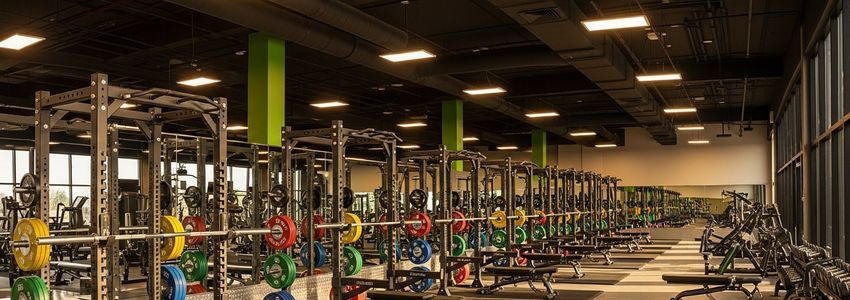
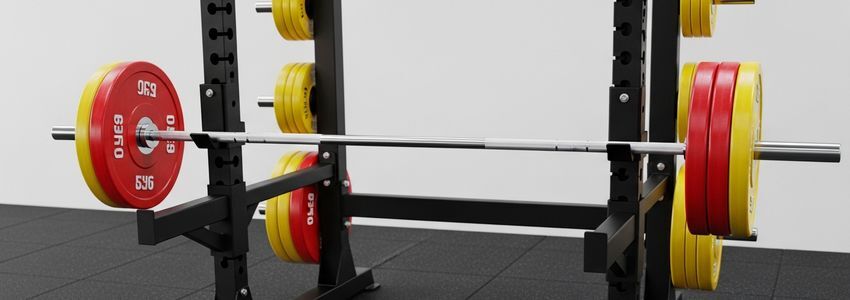
Virtually any piece of commercial-grade strength training equipment can be leased. A quality leasing partner like Crestmont Capital gives you the freedom to choose your preferred brands and vendors, ensuring you get the exact equipment that fits your gym's philosophy and client base. Here is a look at the most common types of strength equipment financed through leasing programs.- Power Racks and Squat Racks: These are the cornerstones of any serious strength training facility. Essential for compound movements like squats, bench presses, and overhead presses, they provide a safe environment for heavy lifting. Leasing allows you to acquire multiple high-quality, heavy-duty racks to accommodate member demand without a huge upfront cost.
- Benches: From adjustable incline/decline benches to flat benches and preacher curl benches, these are fundamental pieces of equipment. Leasing enables you to fully outfit your free weight area with durable, commercial-grade benches that can withstand constant use.
- Cable Machines and Functional Trainers: These versatile machines, including cable crossovers and dual adjustable pulleys (DAPs), are incredibly popular for their ability to target nearly every muscle group with a wide range of exercises. They are often expensive, making them prime candidates for leasing.
- Plate-Loaded Equipment: This category includes machines that mimic free-weight movements but with added stability, such as leg presses, hack squats, and plate-loaded chest and back machines. They are a favorite among bodybuilders and serious lifters, and leasing makes it possible to offer a diverse selection.
- Smith Machines: A Smith machine provides a guided barbell path, offering a safer way for members to perform heavy lifts without a spotter. It is a valuable piece for both beginners and advanced users, and a great addition to any commercial gym's equipment lineup.
- Free Weights (Barbells and Plates): No gym is complete without a comprehensive set of Olympic barbells, bumper plates, and iron plates. A full set represents a significant investment, which can be easily bundled into a larger equipment lease.
- Dumbbells and Kettlebells: From 5 lbs to well over 100 lbs, a full rack of dumbbells is a necessity. Leasing allows you to acquire complete sets of high-quality urethane or rubber dumbbells, along with storage racks, as part of your financing package. The same applies to kettlebells, which are essential for functional and metabolic training.
- Selectorized Strength Machines: These are the user-friendly, pin-loaded machines that form a "strength circuit" in many gyms. Machines like the leg extension, leg curl, lat pulldown, chest press, and shoulder press are perfect for beginners and those looking for a quick, effective workout. Leasing allows you to purchase an entire circuit at once.
How Strength Training Equipment Leasing Works
The process of leasing strength training equipment is designed to be straightforward and efficient, allowing you to get the gear you need with minimal hassle. While specific steps may vary slightly between lenders, the general workflow follows a clear path from application to installation. Here is a breakdown of how it typically works with a lender like Crestmont Capital.Step 1: Application and Consultation
The process begins with a simple application. This can often be completed online in just a few minutes. You will provide basic information about your business, such as its legal name, time in business, and estimated annual revenue. You will also specify the amount of financing you are seeking and the type of equipment you plan to lease. After submitting the application, a financing specialist will likely contact you to discuss your specific needs, goals, and budget. This consultation helps tailor a leasing solution that is perfect for your gym.
Step 2: Credit Review and Approval
Once your application is complete, the leasing company will conduct a credit review. For smaller financing amounts, this can often be an automated process that provides a decision within hours. For larger, more complex deals, it may take a day or two. The lender assesses your business's financial health and credit history to determine your eligibility and the terms they can offer, including the lease rate and maximum funding amount.
Step 3: Select Your Equipment and Vendor
One of the great advantages of leasing is freedom of choice. After you are approved, you can select the exact equipment you want from any vendor or manufacturer you prefer. Whether you want a full line from Life Fitness, Hammer Strength, Rogue Fitness, or a mix of different brands, the choice is yours. You will obtain a formal quote or invoice from your chosen vendor for the equipment package you wish to lease.
Step 4: Review and Sign Lease Documents
The leasing company will use the vendor's invoice to generate the final lease agreement. This document will outline all the critical details: the monthly payment, the lease term (length), and the end-of-term options (e.g., $1 buyout, Fair Market Value purchase). It is crucial to review these documents carefully. Your financing specialist will walk you through the agreement to ensure you understand all the terms and conditions before you sign.
Step 5: Funding and Equipment Delivery
After you sign the lease agreement, the process moves quickly. The leasing company pays the equipment vendor directly. Once the vendor receives payment, they will process your order and arrange for the equipment to be shipped directly to your facility. You will then confirm that you have received the equipment in good condition, which officially starts the lease term and your monthly payments.
Quick Guide
How Strength Training Equipment Leasing Works - At a Glance
Apply Online
Fill out our simple, secure online application in just a few minutes. No complex paperwork required.
Get Approved
Receive a credit decision fast, often within the same business day, so you can move forward quickly.
Choose Your Gear
Select any equipment from any vendor. We provide the financing for the brands you trust.
Receive Equipment
We pay your vendor directly. They ship the equipment to your gym, and you're ready to go.
Leasing vs. Buying Strength Equipment: A Full Comparison
The decision to lease or buy is one of the most critical financial choices a gym owner will make. Both options have their merits, and the right choice depends on your business's financial situation, long-term goals, and operational strategy. To help you decide, here is a direct comparison of the key factors.| Feature | Leasing | Buying (with Cash or Loan) |
|---|---|---|
| Upfront Cost | Low to none. Typically requires only the first and last month's payment. Preserves working capital. | High. Requires 100% of the cost upfront (for cash) or a significant down payment (10-20% for a loan). |
| Ownership | The leasing company owns the equipment. You have the option to buy it at the end of the term. | You own the equipment from day one and build equity in the asset. |
| Technology Upgrades | Easy. At the end of the lease, you can simply return the old gear and start a new lease with brand-new models. | Difficult. You are stuck with the equipment until you can sell it, often at a significant loss, to fund new purchases. |
| Maintenance & Repairs | Typically the lessee's responsibility, but some leases can include maintenance packages. The equipment is usually under warranty for most of the term. | 100% your responsibility. After the manufacturer's warranty expires, all repair costs are out-of-pocket expenses. |
| Tax Implications | Operating lease payments are often 100% tax-deductible as a business expense. Capital leases may qualify for Section 179. | You can deduct the equipment's depreciation over its useful life and may be able to use Section 179 in the year of purchase. |
| Balance Sheet Impact | An operating lease is not recorded as a long-term asset or liability, which can improve certain financial ratios. | The equipment is listed as an asset, and a loan is listed as a liability, which can impact your ability to secure other financing. |
| Total Long-Term Cost | May be slightly higher over the total term if you choose to purchase the equipment at the end. | Generally lower total cost of ownership if you plan to use the equipment for its entire lifespan (7+ years). |
The Verdict: If preserving cash flow, maintaining a modern facility with the latest equipment, and maximizing flexibility are your top priorities, leasing is often the superior choice. If you have ample capital, plan to use the equipment for a very long time, and building assets on your balance sheet is a key goal, buying might be the better path.
Who Qualifies for Strength Equipment Leasing?
Equipment leasing is an accessible financing option for a wide range of businesses in the health and fitness sector. Lenders look at a combination of factors to assess risk and determine eligibility. While requirements vary, here are the general criteria for qualifying for strength training equipment leasing.Types of Eligible Businesses
Leasing is not limited to traditional commercial gyms. A diverse array of fitness-focused businesses can benefit from and qualify for equipment financing:
- Commercial Gyms and Health Clubs: From large chains to independent, locally-owned facilities.
- Boutique Fitness Studios: Including studios focused on HIIT, functional training, group strength classes, and more.
- CrossFit Boxes: Facilities needing a specific suite of barbells, racks, rigs, and weights.
- Personal Training Studios: Smaller, specialized studios requiring high-quality equipment for one-on-one and small group training.
- Corporate Wellness Centers: On-site gyms for employees at large companies.
- Hotels and Resorts: Facilities looking to upgrade their guest fitness centers.
- Municipal and Community Centers: Publicly-funded recreation centers.
- Physical Therapy and Rehabilitation Clinics: Clinics that use strength equipment for patient recovery.
Key Qualification Factors
Lenders evaluate several key metrics when you apply for an equipment lease:
- Time in Business: Most lenders prefer to work with businesses that have been operating for at least one to two years. A proven track record demonstrates stability and reduces risk. However, specialized programs exist for startups, especially if the owner has strong personal credit and industry experience.
- Personal and Business Credit Score: Credit history is a crucial indicator of your financial responsibility. Lenders will typically look at both the business's credit profile and the owner's personal credit score. A personal FICO score of 620 or higher is often the minimum threshold, with more favorable terms offered to applicants with scores of 680 and above.
- Annual Revenue: Your business's revenue demonstrates its ability to handle monthly lease payments. While there is not always a strict minimum, lenders want to see consistent cash flow. A business generating at least $100,000 to $250,000 in annual revenue will generally have an easier time securing financing.
- Financial Statements: For larger lease amounts (e.g., over $150,000), lenders may require additional documentation, such as bank statements, profit and loss statements, and balance sheets. This gives them a more comprehensive view of your business's financial health.
It is important to remember that these are general guidelines. Crestmont Capital and other specialized lenders can often find solutions for businesses that do not perfectly fit the standard mold, including new businesses and those with less-than-perfect credit.
Understanding Costs, Rates, and Terms
When considering strength training equipment leasing, it is essential to understand the financial components that make up your agreement. The costs are not as simple as an "interest rate" on a loan. Instead, they are determined by several factors that result in your fixed monthly payment.Lease Factor (or Money Factor)
Instead of an annual percentage rate (APR), leases use a "lease factor" or "money factor". This is a decimal figure (e.g., 0.0025) that is used to calculate the monthly finance charge. To get a rough equivalent of an interest rate, you can multiply the money factor by 2,400. For example, a money factor of 0.0025 is roughly equivalent to a 6% APR (0.0025 x 2400 = 6).
The lease factor you are offered depends on:
- Your business's credit profile and financial history.
- The total cost of the equipment being leased.
- The length of the lease term.
- The type of equipment and its expected depreciation.
Typical Monthly Payments
Your monthly payment is calculated based on the equipment cost, the lease term, and the lease factor. As a general rule of thumb, you can expect the monthly payment to be around $25 to $50 for every $1,000 worth of equipment on a 60-month lease, and slightly higher for shorter terms. For example:
- A $10,000 equipment package might have a monthly payment of $250 - $450.
- A $50,000 equipment package could range from $1,200 - $2,200 per month.
- A $150,000 full gym outfit could be $3,500 - $6,500 per month.
These are estimates, and your actual payment will depend on your specific qualifications and the terms of your lease.
Lease Terms
Lease terms are flexible to match your budget and business needs. The most common terms for gym equipment are:
- 24 Months (2 years)
- 36 Months (3 years)
- 48 Months (4 years)
- 60 Months (5 years)
- 72 Months (6 years) - Less common, but available for high-value, durable equipment.
Longer terms result in lower monthly payments but a higher total cost over the life of the lease. Shorter terms have higher monthly payments but reduce the total financing cost.
End-of-Term Buyout Options
The structure of your lease determines what happens at the end. The two most common options are:
- Fair Market Value (FMV) Lease: This is an operating lease. At the end of the term, you can purchase the equipment for its determined fair market value, return it, or renew the lease. FMV leases typically offer the lowest monthly payments and are great if you plan to upgrade equipment regularly.
- $1 Buyout Lease: This is a capital lease, which functions more like a loan. The monthly payments are higher, but at the end of the term, you can purchase the equipment for a nominal fee of just $1. This option is ideal if your goal is to own the equipment at the end of the lease.
Get a Clear Picture of Your Leasing Costs
Our financing experts can provide a no-obligation quote tailored to your business needs. Find out your rates today.
Get a Free Quote ->How Crestmont Capital Helps Gym and Fitness Businesses
Navigating the world of equipment financing can be complex, but partnering with a lender that specializes in the fitness industry makes all the difference. Crestmont Capital is a leading national lender with a dedicated focus on helping gyms, studios, and fitness centers thrive. We understand the unique challenges and opportunities of your industry, from the need for high-quality, durable equipment to the importance of managing seasonal cash flow. Our team of financing experts goes beyond just processing applications. We act as strategic partners to help you structure the best possible financing solution for your goals. Whether you are launching a new boutique studio or expanding a multi-location health club, we have the tools and expertise to help you succeed. We offer a comprehensive suite of financing products tailored for fitness businesses:- Specialized Gym Equipment Financing and Leasing: Our core offering provides flexible terms and competitive rates specifically for gym equipment financing and leasing, allowing you to acquire everything from cardio machines to a full set of strength equipment.
- Flexible Fitness Company Business Loans: For needs beyond equipment, such as facility renovations, marketing, or hiring staff, our fitness company business loans provide the capital you need to grow.
- Diverse Equipment Leasing Options: We offer a wide range of equipment leasing options, including both FMV and $1 buyout leases, to match your long-term asset strategy.
- Working Capital Solutions: To help manage day-to-day expenses or seize unexpected opportunities, we provide access to unsecured working capital loans with fast funding times.
Key Stat: According to the 2023 SFIA (Sports & Fitness Industry Association) report, participation in health club activities has rebounded strongly post-pandemic, with over 62 million Americans holding gym memberships. This growing demand highlights the need for well-equipped and modern fitness facilities to attract and retain members.
Real-World Scenarios: How Gyms Use Equipment Leasing
To better understand the practical application of strength training equipment leasing, let's explore a few real-world scenarios. These examples illustrate how different types of fitness businesses leverage leasing to achieve their specific goals.Scenario 1: The Boutique HIIT Studio Launch
The Business: "Ignite Fitness," a new 2,500-square-foot boutique studio specializing in high-intensity interval training (HIIT) and group strength classes.
The Challenge: The owner, Sarah, has secured a location and has a solid business plan but needs to preserve her startup capital for marketing, initial payroll, and unexpected expenses. The required equipment-including functional trainers, kettlebells, dumbbells, plyo boxes, and a few squat racks-costs $75,000.
The Solution: Instead of paying cash or seeking a traditional bank loan that would require a large down payment, Sarah applies for an equipment lease with Crestmont Capital. She is approved for a 48-month FMV lease. Her monthly payment is approximately $1,800. This allows her to open her studio with brand-new, top-of-the-line equipment while keeping over $70,000 in the bank for her grand opening marketing push and operational runway. In four years, she will have the option to upgrade to the latest equipment to keep her studio fresh and exciting for her members.
Scenario 2: The Commercial Gym Expansion
The Business: "Metro Gym," an established 20,000-square-foot commercial gym that has been in business for 10 years.
The Challenge: The owner, David, notices that his free weight and strength area is constantly overcrowded, leading to member complaints. He decides to expand into an adjacent vacant space, adding 5,000 square feet dedicated entirely to strength training. The project requires a full suite of plate-loaded machines, power racks, and dumbbells, totaling $200,000.
The Solution: David wants to own the equipment in the long run but does not want to tie up a large amount of capital that could be used for future renovations. He opts for a 60-month, $1 buyout lease. His monthly payment is around $4,500. This payment is a predictable operating expense that he can easily budget for. At the end of five years, he will own all the equipment for just $1, securing a long-term asset for his business without disrupting his current cash flow.
Scenario 3: The CrossFit Box Refresh
The Business: "Forge CrossFit," a successful CrossFit affiliate that has been operating for six years.
The Challenge: The gym's equipment, particularly the barbells, bumper plates, and rigs, has seen heavy use and is showing significant wear. The owners want to refresh the entire facility to maintain their premium brand image and provide the best experience for their dedicated members. The total cost for new rigs, bars, plates, and concept rowers is $50,000.
The Solution: The owners choose a 36-month FMV lease. The shorter term aligns with the high-wear nature of CrossFit equipment. Their monthly payment is manageable, and they can deduct the full amount as a business expense. In three years, they can easily lease a new package of equipment, ensuring their box always has pristine, high-performance gear. This strategy helps them justify their premium membership fees and reduces member turnover. As one Forbes article on cash flow management highlights, matching financing terms to asset life is a smart financial strategy.
How to Apply: Step-by-Step Guide
Applying for strength training equipment leasing is a streamlined process designed to get you the financing you need as quickly as possible. Follow these simple steps to get started.- Determine Your Needs: Before applying, create a detailed list of the equipment you need. Contact one or more vendors to get an official quote or invoice. This will give you a precise funding amount to request in your application.
- Gather Basic Information: Have key business information ready. This typically includes your business's legal name, address, tax ID number (EIN), time in business, and estimated annual revenue. You will also need your personal contact information.
- Complete the Online Application: The fastest way to apply is through a secure online portal. Crestmont Capital's application takes only a few minutes to complete. It is designed to be simple and intuitive, with no complicated paperwork for most transactions under $250,000.
- Speak with a Financing Specialist: After you submit your application, a dedicated financing specialist will contact you. They will review your application, discuss your business goals, and answer any questions you have about the process, rates, and terms.
- Submit Supporting Documents (if required): For most applications, a decision can be made based on the information provided and a credit check. For larger funding amounts or more complex situations, you may be asked to provide a few recent bank statements or basic financial statements.
- Receive Approval and Review Your Offer: Once approved, you will receive a clear, easy-to-understand financing offer. This will detail the approved amount, the monthly payment, the term length, and the end-of-lease options. Your specialist will walk you through the offer to ensure full transparency.
- Sign Documents and Get Funded: If you accept the offer, you will sign the final lease documents electronically. Once signed, we will coordinate directly with your equipment vendor to issue payment, often on the same day. The vendor then ships your equipment, and you are ready to build your business.
Frequently Asked Questions
1. What exactly is strength training equipment leasing?
It is a financing agreement that allows you to use commercial-grade strength equipment for a fixed monthly payment over a set period. Instead of buying the equipment, you are essentially renting it from a leasing company. At the end of the term, you can choose to buy it, return it, or upgrade to new equipment.
2. How does the equipment leasing process work?
The process is simple: 1) You fill out a quick online application. 2) The lender reviews your application and provides an approval, usually within a few hours. 3) You choose the equipment you want from any vendor. 4) The lender pays the vendor directly. 5) The vendor ships the equipment to your gym.
3. Who is eligible to lease gym equipment?
A wide range of businesses can qualify, including new and established commercial gyms, CrossFit boxes, boutique fitness studios, personal training centers, corporate wellness facilities, and more. Both startups and existing businesses are encouraged to apply.
4. What are the minimum requirements to qualify?
While every case is unique, lenders generally look for a personal credit score of 620+, at least 6-12 months in business, and consistent monthly revenue. However, strong credit can often compensate for less time in business, and specific programs are available for startups.
5. What are typical interest rates and lease terms?
Leases use a "lease factor" instead of an interest rate, but the equivalent rates can be very competitive, depending on your credit profile. Common lease terms range from 24 to 60 months (2 to 5 years). Longer terms offer lower monthly payments, while shorter terms have a lower total cost.
6. What types of strength equipment can I lease?
You can lease virtually any type of new or used commercial strength equipment. This includes power racks, Smith machines, cable crossovers, plate-loaded machines, full dumbbell sets, barbells, benches, and complete strength circuits from any brand or vendor you choose.
7. Is it better to lease or buy gym equipment?
Leasing is better if you want to conserve cash, have predictable monthly payments, and easily upgrade to new equipment every few years. Buying is better if you have ample capital, want to build equity in an asset, and plan to use the equipment for its entire lifespan (7+ years).
8. How do I start the application process?
The easiest way to start is by completing a simple, secure online application. It typically takes less than five minutes and does not require extensive paperwork. A financing specialist will then contact you to guide you through the next steps.
9. What credit score do I need for equipment leasing?
Most lenders look for a minimum personal credit score of around 620. Applicants with a credit score of 680 or higher will typically qualify for the most favorable rates and terms. However, some programs are available for those with lower credit scores.
10. Is a down payment required for an equipment lease?
Typically, no large down payment is required. Most lease agreements only require the first and last month's payment at signing. This makes leasing an excellent option for preserving your working capital compared to a traditional loan, which often requires a 10-20% down payment.
11. What happens at the end of the lease term?
You have several options. Depending on your lease structure, you can: 1) Purchase the equipment for a pre-determined price (either Fair Market Value or $1). 2) Renew the lease at a lower monthly payment. 3) Return the equipment to the leasing company and walk away. 4) Upgrade by starting a new lease with brand-new equipment.
12. Can I terminate my equipment lease early?
Early termination is possible but usually involves paying off the remaining lease payments, sometimes at a discounted total. It is best to choose a lease term that you are confident you can complete. Some lenders may offer options to buy out the lease early if your business situation changes.
13. Who is responsible for equipment maintenance and repairs?
The lessee (your business) is generally responsible for the routine maintenance and repair of the equipment. However, since you are leasing new equipment, it will be covered by the manufacturer's warranty for a significant portion of the lease term, minimizing your out-of-pocket repair costs.
14. Can I upgrade my equipment during the lease term?
Yes, many leasing companies offer upgrade options. You can often add new equipment to your existing lease or structure a new lease that incorporates the value of your current equipment. This flexibility is a key advantage of leasing, allowing your gym to evolve with fitness trends.
15. How quickly can I get funded for my equipment?
The process is very fast. After submitting a simple online application, you can receive an approval in a matter of hours. Once you sign the lease documents, funding can be issued to your equipment vendor in as little as 24 hours. You can have your new equipment in your gym much faster than with a traditional bank loan.
How to Get Started
Taking the next step to equip your gym with the best strength training equipment is simple. Follow this clear path to secure the financing you need to grow your business.
Assess Your Needs & Get a Quote
Finalize your equipment list and get a formal quote from your preferred vendor. Knowing the exact cost will streamline your application.
Complete Our 60-Second Application
Use our secure online form to apply in minutes. There is no cost or obligation, and it will not impact your credit score.
Review Your Options & Get Funded
A dedicated financing expert will contact you to discuss your approval and tailor a leasing solution that fits your budget. Once you sign, we fund your vendor, and your equipment is on its way.
Build Your Dream Gym Today
Don't let capital constraints hold you back. Apply now to get the strength equipment your members deserve.
Apply in 60 Seconds ->Conclusion
For gym and fitness business owners, strength training equipment is not just an expense; it is a core asset that directly drives revenue and member satisfaction. While the cost of this equipment can be daunting, purchasing it outright is not the only option. Strength training equipment leasing offers a flexible, intelligent, and financially sound alternative that empowers you to build a top-tier facility without compromising your financial stability. By preserving precious working capital, providing access to the latest technology, and offering significant tax advantages, leasing helps you compete more effectively in a crowded market. It transforms a massive capital expenditure into a predictable and manageable operating expense, allowing you to focus on what you do best: creating an exceptional fitness experience for your members. Whether you are launching, expanding, or refreshing your facility, consider leasing as a strategic tool to power your growth.Disclaimer: The information provided in this article is for general educational purposes only and is not financial, legal, or tax advice. Funding terms, qualifications, and product availability may vary and are subject to change without notice. Crestmont Capital does not guarantee approval, rates, or specific outcomes. For personalized information about your business funding options, contact our team directly.