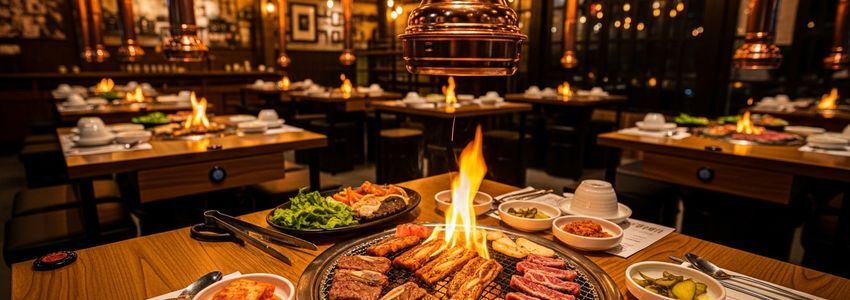
Korean restaurant business loans give owners the capital to launch, expand, and modernize their dining concepts in one of the fastest-growing segments of the American food industry. Whether you are opening your first Korean BBQ concept, upgrading your kitchen ventilation system, or adding a second location to an already thriving business, the right financing can make the difference between stagnation and meaningful growth. This guide covers everything you need to know about funding your Korean restaurant, from loan types and qualification requirements to how Crestmont Capital can connect you with the fastest path to capital.
In This Article
- What Are Korean Restaurant Business Loans?
- Why Korean Restaurant Owners Seek Financing
- Types of Loans Available
- How the Financing Process Works
- Qualification Requirements
- Key Statistics
- How Crestmont Capital Helps
- Real-World Scenarios
- Comparing Your Options
- Frequently Asked Questions
- How to Get Started
What Are Korean Restaurant Business Loans?
Korean restaurant business loans are financing products specifically used to fund the startup costs, operating expenses, equipment purchases, and expansion plans of Korean cuisine establishments. These include Korean BBQ restaurants, Korean fried chicken shops, pojangmacha-style bars, Korean fusion concepts, and traditional Korean dining rooms. The financing can come from traditional banks, alternative lenders, the Small Business Administration, or private lenders specializing in hospitality and food service.
Korean cuisine has experienced explosive popularity in the United States over the past decade, driven by cultural phenomena including K-pop, K-dramas, and widespread social media coverage of dishes like Korean BBQ, tteokbokki, and bibimbap. According to data reported by the National Restaurant Association, Asian cuisine restaurants including Korean establishments have shown some of the strongest growth rates across the restaurant industry. That growth creates both opportunity and capital demand for owners at every stage.
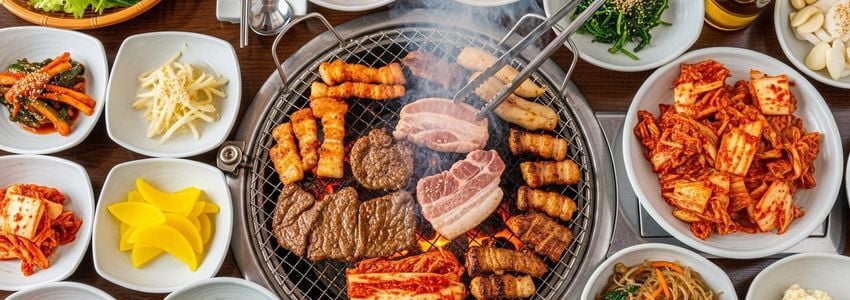
The financing requirements for a Korean restaurant are often more capital-intensive than a standard dining concept. Korean BBQ grills built into table surfaces require significant construction investment. High-powered ventilation systems to handle smoke and cooking fumes can cost tens of thousands of dollars. Imported specialty ingredients and fermented products require careful inventory management and working capital. These factors make access to flexible business financing critical for Korean restaurant operators.
Industry Insight: The Korean food market in the United States has grown significantly over the past decade, with Korean BBQ emerging as one of the most popular dining-out experiences for consumers across demographics. This growth continues to drive demand for Korean restaurant financing nationwide.
Why Korean Restaurant Owners Seek Financing
The capital requirements for opening or expanding a Korean restaurant can be substantial. Unlike a simple sandwich shop or fast-casual concept, Korean restaurants - especially Korean BBQ formats - require significant infrastructure investment before a single guest is served. Understanding why owners seek financing helps clarify the right loan structure for each situation.
Startup and Build-Out Costs
Opening a Korean BBQ restaurant often involves installing gas lines, custom table grill inserts, heavy-duty ventilation hoods, and commercial kitchen equipment for preparing soups, stews, marinated meats, and ban chan side dishes. A full Korean BBQ concept can require $150,000 to $500,000 or more in initial buildout and equipment, depending on location and square footage. Business loans cover these upfront costs so owners can open with a well-equipped space rather than cutting corners that hurt the guest experience.
Equipment Upgrades and Replacement
Commercial kitchen equipment - including high-BTU burners, commercial refrigerators for fermenting kimchi and storing meats, industrial ventilation systems, and gas-fed table grills - has a finite lifespan. Equipment financing allows owners to upgrade aging equipment without depleting cash reserves needed for operations. A business may also need to add equipment as volume grows, requiring additional capital investment that does not always align with cash flow timing.
Working Capital and Inventory
Korean cuisine requires specialty ingredients including gochujang, doenjang, sesame oil, imported seafood, and high-quality cuts of beef and pork. Many of these items are purchased in volume to manage costs. Working capital loans and lines of credit provide the liquidity to purchase inventory, cover payroll during slow periods, and bridge gaps between peak dining seasons.
Renovation and Remodeling
Korean restaurants often have distinct interior design elements that define the dining experience - from traditional pojangmacha aesthetics to modern Korean BBQ dining rooms with individual grill stations. Renovation loans fund updates to dining rooms, bar areas, patio spaces, and kitchen configurations that keep the restaurant competitive and appealing to guests.
Second Location or Franchise Expansion
Successful Korean restaurant owners frequently want to open additional locations or expand their brand regionally. Expansion loans provide the capital to replicate a proven concept without waiting years for cash reserves to accumulate naturally.
Ready to Fund Your Korean Restaurant?
Get fast, flexible financing built for restaurant owners. Apply in minutes with no obligation.
Apply Now ->Types of Loans Available for Korean Restaurant Owners
Korean restaurant owners have access to a variety of financing products, each suited to different needs. Choosing the right structure depends on how you plan to use the funds, your time in business, your credit profile, and your revenue volume.
Term Loans
A traditional term loan provides a lump sum of capital repaid over a fixed period with regular payments. Term loans work well for large, defined expenses such as a kitchen build-out, major equipment purchase, or renovation project. Loan amounts typically range from $25,000 to $500,000 or more, with repayment terms from one to five years. Interest rates vary based on creditworthiness, time in business, and lender type.
SBA Loans
Small Business Administration loans offer some of the most favorable terms available to restaurant owners, including lower interest rates and longer repayment periods. The SBA 7(a) loan program is commonly used for restaurant financing, covering working capital, equipment, and real estate. SBA loans typically require strong documentation and a longer approval timeline but provide exceptional value for well-qualified borrowers. The SBA 504 program is an option for owners purchasing the commercial property that houses their restaurant.
Restaurant Equipment Financing
Equipment financing is a purpose-specific loan where the equipment itself serves as collateral. This makes approval easier and often means better rates compared to unsecured options. Restaurant equipment financing covers Korean BBQ grill tables, ventilation systems, commercial refrigerators, prep equipment, and POS systems. Terms are typically tied to the expected useful life of the equipment, ranging from two to seven years.
Business Line of Credit
A business line of credit works like a revolving credit facility, allowing owners to draw funds as needed up to a set limit and repay over time. This is particularly valuable for managing seasonal cash flow fluctuations, covering unexpected repair costs, or funding inventory purchases. Lines of credit typically range from $10,000 to $250,000 for restaurant businesses.
Working Capital Loans
Working capital loans provide short-term funding for day-to-day operational expenses including payroll, rent, and supplies. These loans are structured for speed and simplicity, often with approval in 24 to 48 hours and minimal documentation requirements. They are ideal for bridging cash flow gaps or seizing time-sensitive opportunities.
Merchant Cash Advance
A merchant cash advance (MCA) provides a lump sum of capital in exchange for a percentage of future credit card sales. MCAs are accessible even for restaurants with lower credit scores but carry higher effective costs. They work best as a short-term bridge when other financing is not available quickly enough.
Commercial Kitchen Equipment Leasing
Rather than purchasing equipment outright, restaurant owners can lease specialized equipment and preserve capital for other uses. Leasing is particularly popular for high-cost items like ventilation systems, commercial refrigerators, and specialized cooking equipment. At the end of the lease term, owners typically have the option to purchase the equipment, upgrade to newer models, or return it.
How the Korean Restaurant Financing Process Works
Quick Guide
How Korean Restaurant Financing Works - At a Glance
Submit basic business information including monthly revenue, time in business, and intended use of funds. Most applications take less than 10 minutes.
Typical documentation includes three to six months of bank statements, recent tax returns, a valid ID, and a voided business check.
A financing specialist reviews your application and presents loan options including amount, term, rate, and payment structure. Many decisions arrive within 24 hours.
After reviewing and accepting your offer, funds are deposited directly to your business bank account - often within one to three business days.
The application and approval process for Korean restaurant business loans varies by lender and loan type. Alternative lenders typically offer the fastest turnaround, with decisions in 24 to 48 hours and funding in one to five business days. Traditional bank loans and SBA loans take longer - often two to eight weeks - but provide lower rates and longer terms for qualified borrowers.
Lenders evaluate several factors when reviewing restaurant loan applications. Monthly and annual revenue tells the lender whether the business generates enough cash flow to support loan repayments. Time in business signals operational stability, with most lenders preferring at least one year of operating history. Personal and business credit scores indicate the owner's history of meeting financial obligations. Collateral availability, particularly for equipment and real estate loans, affects loan sizing and rates.
Restaurant owners should gather documentation before beginning the application process to accelerate approval timelines. Key documents typically include three to six months of business bank statements, the most recent one to two years of business tax returns, a valid government-issued photo ID, a voided business check for funding, and occasionally a profit and loss statement or business plan for larger loan amounts.
Pro Tip: Having at least three months of bank statements ready before applying can cut your approval timeline in half. Lenders move fastest when documentation is organized and complete from the start.
Qualification Requirements for Korean Restaurant Loans
Qualification criteria vary by lender and loan type, but most Korean restaurant owners who have been in business for at least six months with consistent revenue can access some form of financing. Here is what lenders typically look for across the most common loan products.
Revenue Requirements
Alternative lenders and working capital providers typically require $10,000 to $20,000 in monthly gross revenue. SBA and bank lenders focus on annual revenue and profitability. The stronger your revenue history, the more financing options become available and the better the terms you can negotiate.
Time in Business
Most traditional lenders require at least two years in business. Alternative lenders often work with businesses as young as six months. Brand-new restaurants may need to explore SBA 7(a) startup loans, USDA business loans for rural locations, or equipment financing where the equipment itself provides sufficient collateral.
Credit Score Requirements
Bank and SBA loans typically require personal credit scores of 650 or higher. Many alternative lenders work with scores in the 500s, though lower scores lead to higher interest rates and shorter terms. Business credit history also plays a role, particularly for larger loan amounts.
Collateral
Equipment loans use the financed equipment as collateral. Real estate loans use the property. Unsecured working capital loans and lines of credit rely primarily on revenue and creditworthiness without requiring specific collateral, though a personal guarantee is typically required for small business financing.
How Crestmont Capital Helps Korean Restaurant Owners
Crestmont Capital is a top-rated U.S. business lender that specializes in connecting small business owners with fast, flexible financing solutions. For Korean restaurant owners, Crestmont provides access to multiple funding products through a single application process, saving time and eliminating the need to shop lenders individually.
Our financing specialists understand the unique capital needs of restaurant businesses. We know that a Korean BBQ owner needs quick access to capital for ventilation repairs before a busy weekend, or that a restaurateur expanding to a second location needs a structured term loan with a repayment schedule aligned to projected revenue ramp-up. We match each client with the right product rather than a one-size-fits-all solution.
Through our small business financing programs, Korean restaurant owners can access working capital loans, equipment financing, SBA loans, business lines of credit, and revenue-based financing. Our application process is streamlined and digital, and many clients receive approval decisions within 24 hours.
Our team has helped restaurant owners across the country fund kitchen renovations, purchase new equipment, manage seasonal cash flow, and open additional locations. You can also read about how other restaurant owners have approached financing in our guide to restaurant business loans, which covers the full spectrum of funding options for food service businesses.
We partner with dozens of lenders, giving you competitive offers that you can compare side by side. Our goal is to help you find the lowest rate and best terms for your specific situation, not to push a single product that benefits the lender at your expense.
Find Your Financing Match Today
Crestmont Capital has helped thousands of restaurant owners get the capital they need. See what you qualify for - no commitment required.
Check Your Options ->Real-World Scenarios: Korean Restaurant Financing in Action
Understanding how financing works in practice helps restaurant owners identify which products fit their own situations. Here are six real-world scenarios that illustrate how Korean restaurant owners use business loans strategically.
Scenario 1: Opening a Korean BBQ Concept in a High-Traffic Location
A chef with ten years of Korean cuisine experience signs a lease in a popular urban food hall. The buildout requires custom Korean BBQ grill tables, a high-capacity ventilation system, and a commercial kitchen equipped for marinated meat preparation and side dish production. The total startup investment is $280,000. The owner secures a combination of an SBA 7(a) loan for $200,000 and an equipment financing line for $80,000, keeping cash reserves available for the first three months of operations. The longer repayment terms on the SBA loan keep monthly payments manageable during the revenue ramp-up period.
Scenario 2: Adding a Catering Division to an Existing Korean Restaurant
A Korean restaurant with strong dine-in revenue wants to launch a catering operation targeting corporate lunches and Korean cultural events. The expansion requires a catering van, portable heating equipment, and additional commercial prep containers. A working capital loan of $45,000 covers the equipment purchase and first three months of marketing. The catering division adds a new revenue stream without requiring a second physical location.
Scenario 3: Replacing a Failed Ventilation System Mid-Season
A Korean BBQ restaurant's ventilation system fails during the busiest season of the year. Operating without the system is not an option due to health code requirements and smoke management. The owner secures a $35,000 equipment financing loan with same-day approval, funds the repair within 48 hours, and keeps the restaurant running without closing. The loan repayment is structured over 36 months, aligning with the expected life of the new equipment.
Scenario 4: Seasonal Inventory Financing for a Holiday Rush
A Korean restaurant specializing in traditional holiday dishes including galbi-jjim and japchae experiences a major spike in demand during Lunar New Year celebrations. Purchasing the premium ingredients required - including high-quality short ribs, fresh vegetables, and specialty noodles - requires capital in advance of the revenue surge. A $20,000 business line of credit covers ingredient purchasing, and the draws are repaid as holiday revenue comes in.
Scenario 5: Renovating a Tired Dining Room to Attract Younger Guests
A Korean restaurant that opened fifteen years ago has a loyal customer base but a dated interior that struggles to attract younger diners familiar with modern Korean dining aesthetics from social media. The owner invests $75,000 in a full renovation including new seating, updated lighting, a Korean-inspired mural, and an improved bar area featuring Korean soju cocktails. A term loan funds the renovation, and the updated space generates a measurable increase in weekend reservations within the first quarter after reopening.
Scenario 6: Expanding to a Second Location in a Suburban Market
The owner of a successful Korean restaurant in a major city identifies a suburban opportunity in an underserved market with a growing Korean-American community and strong general interest in Korean cuisine. Opening the second location requires $350,000 for buildout, equipment, and initial working capital. A combination of a traditional term loan, equipment financing for the kitchen, and a business line of credit for working capital provides the capital stack needed to open without risking the original location's financial stability. For more information on combining loan types strategically, see our guide to restaurant business financing strategies.
Industry Context: According to the U.S. Census Bureau, restaurants and food service businesses collectively represent one of the largest segments of small business lending. Restaurant owners who proactively manage their credit profile and maintain organized financial records consistently access better financing terms than those who apply reactively during cash flow emergencies.
Comparing Korean Restaurant Loan Options
| Loan Type | Typical Amount | Term | Best For |
|---|---|---|---|
| SBA 7(a) Loan | Up to $5M | 10-25 years | Large buildouts, acquisition, established businesses |
| Equipment Financing | $10K - $500K+ | 2-7 years | Kitchen equipment, grills, ventilation, POS systems |
| Term Loan | $25K - $500K | 1-5 years | Renovations, expansions, defined capital needs |
| Business Line of Credit | $10K - $250K | Revolving | Seasonal cash flow, ongoing inventory, flexibility |
| Working Capital Loan | $5K - $250K | 3-18 months | Payroll, rent, inventory, operational gaps |
| Merchant Cash Advance | $5K - $500K | 3-18 months | Fast capital when other options are not available |
For Korean restaurant owners with strong credit and established revenue, a combination of a term loan for large capital expenditures and a business line of credit for ongoing working capital needs often provides the best overall financing structure. Equipment financing for specific purchases can supplement these products and preserve working capital flexibility.
If you are operating with a credit score below 650 or have less than one year in business, working capital loans and merchant cash advances provide access to capital now while you build the credit profile needed for better terms in the future. Our financing specialists can help you map a path from your current position to lower-cost financing as your business grows. Review our full breakdown of restaurant business loan options for additional context on which products fit which situations.
Frequently Asked Questions
What is the minimum credit score required for a Korean restaurant business loan?
The minimum credit score depends on the lender and loan type. Traditional bank loans and SBA loans generally require a personal credit score of 650 or higher. Alternative lenders often work with scores in the 550 to 600 range, and some merchant cash advance providers have no strict credit score minimum. Higher scores unlock better rates, larger loan amounts, and longer repayment terms.
Can I get a loan to open a brand-new Korean restaurant with no business history?
Yes, though options are more limited for brand-new businesses. SBA 7(a) startup loans, equipment financing secured by the purchased equipment, and some alternative lenders serve pre-revenue or early-stage businesses. A strong personal credit score, detailed business plan, and personal financial documentation significantly improve approval odds for startup financing. Bringing industry experience as a chef or restaurant operator also strengthens startup loan applications.
How much can I borrow for a Korean restaurant business loan?
Loan amounts range from $5,000 for small working capital needs to several million dollars for large buildouts or acquisitions. The amount you qualify for depends on your monthly revenue, credit score, time in business, and the type of loan. Most established Korean restaurant owners with one or more years of operation and $15,000 or more in monthly revenue can access $50,000 to $500,000 in financing.
How fast can I get funded for a Korean restaurant loan?
Funding timelines vary by lender and loan type. Alternative lenders and working capital providers can fund in as little as 24 to 48 hours after a completed application. SBA loans typically take two to eight weeks due to documentation requirements and government processing. Equipment financing can be approved and funded in two to five business days in most cases. Having complete documentation ready before applying significantly reduces timelines.
What documents are typically needed to apply for a Korean restaurant loan?
Most lenders require three to six months of business bank statements, one to two years of business tax returns, a valid government-issued photo ID, a voided business check, and basic business information including legal name, EIN, and business address. SBA loans and larger term loans may also require profit and loss statements, balance sheets, a business plan, and details about any existing debt obligations.
Can I use a business loan to cover the cost of a Korean BBQ ventilation system?
Absolutely. Ventilation systems are one of the most common uses of equipment financing for Korean BBQ restaurants. Commercial-grade ventilation for tabletop grills is expensive - often ranging from $30,000 to $100,000 or more depending on the size of the restaurant and local code requirements. Equipment financing treats the ventilation system as collateral, which often results in faster approval and competitive rates compared to unsecured loan products.
Are there loans specifically designed for Korean or Asian restaurant owners?
While there are no loan products exclusively for Korean restaurant owners, several programs are designed for minority-owned businesses, immigrant entrepreneurs, and underserved business communities that may be particularly relevant. The SBA Community Advantage program and CDFI lenders often serve these communities with favorable terms. Additionally, the standard restaurant business loan market offers strong options for all food service operators regardless of cuisine type or ownership background.
What interest rates should I expect for a Korean restaurant business loan?
Interest rates for restaurant business loans range widely based on credit score, time in business, loan type, and lender. SBA loan rates typically fall between prime plus 2.25% and prime plus 4.75%. Bank term loans range from roughly 6% to 15%. Alternative lender rates range from about 10% to 45%, while merchant cash advances express cost as a factor rate rather than an interest rate and are generally more expensive. Borrowers with strong credit and established revenue consistently access the lowest rates.
Can I get a Korean restaurant loan with bad credit?
Yes. Alternative lenders and merchant cash advance providers serve restaurant owners with credit scores in the 500s and below. These options carry higher costs but provide access to capital when traditional financing is not available. Revenue-based financing and equipment loans also have more flexible credit requirements. After accessing capital and demonstrating repayment discipline, many owners build their credit profile and qualify for better terms within 12 to 24 months.
How does a business line of credit work for a Korean restaurant?
A business line of credit works like a credit card for your business - you receive approval for a maximum credit limit and draw funds as needed. You only pay interest on what you borrow. For Korean restaurant owners, a line of credit is ideal for covering seasonal cash flow gaps, purchasing bulk ingredient orders before peak periods, and handling unexpected repairs without depleting operating cash reserves. The revolving structure means funds replenish as you repay, giving you ongoing access to capital.
Do I need collateral to get a Korean restaurant business loan?
Not necessarily. Unsecured working capital loans and business lines of credit do not require specific collateral, though most require a personal guarantee. Equipment financing uses the purchased equipment as collateral, making it accessible without additional business assets. SBA and bank term loans may require collateral such as business equipment, inventory, or in some cases real estate for larger loan amounts. The need for collateral decreases as your credit profile and revenue strength improve.
Can I use a business loan to pay employees at my Korean restaurant?
Yes. Working capital loans and business lines of credit are regularly used to cover payroll during slow periods, between pay periods when cash timing creates gaps, or during temporary revenue disruptions. Payroll is considered a standard and legitimate business expense for financing purposes. Some lenders specifically offer payroll financing products designed to bridge short-term gaps in payroll funding without requiring long repayment commitments.
How do I improve my chances of getting approved for a Korean restaurant loan?
Several steps strengthen your application. Maintaining clean, organized financial records and bank statements makes underwriting faster and more favorable. Paying existing obligations on time builds your credit profile. Reducing outstanding debt improves your debt service coverage ratio. Keeping personal and business finances separate signals financial discipline. Applying for the right loan type and amount for your specific situation also improves approval odds - avoid applying for more capital than your cash flow can comfortably service.
What can I use a Korean restaurant business loan for?
Korean restaurant business loans can fund nearly any legitimate business expense including: kitchen equipment and Korean BBQ grills, ventilation systems, point-of-sale technology, dining room renovations, inventory and ingredient purchases, payroll, rent and utilities, marketing and advertising, second location buildouts, commercial vehicle purchases for catering, and staff training programs. The only common restriction is that business loan proceeds cannot be used for personal expenses unrelated to the business.
How does applying with Crestmont Capital work?
Applying with Crestmont Capital is fast and straightforward. Visit our online application at offers.crestmontcapital.com/apply-now, complete the short form with basic business and owner information, and submit supporting documents including bank statements. A financing specialist reviews your application and presents matching loan options, typically within 24 hours. You review the options, select the product that fits your needs, and receive funds in as little as one to three business days after signing.
How to Get Started
Complete our quick application at offers.crestmontcapital.com/apply-now - takes just a few minutes and requires no commitment.
A Crestmont Capital advisor will review your needs and match you with the right financing product for your Korean restaurant.
Receive your funds and put them to work - often within one to three business days of approval.
Conclusion
Korean restaurant business loans provide owners at every stage - from pre-opening to established multi-location operators - with the capital to build, grow, and sustain a successful business. The Korean cuisine market continues to expand in the United States, creating real opportunity for operators who are positioned to meet growing consumer demand. Accessing the right financing ensures you can invest in the equipment, space, staff, and operations needed to deliver an exceptional guest experience consistently.
Whether you need funding for a Korean BBQ ventilation system, working capital to navigate a slow season, or a substantial term loan for a second location expansion, Crestmont Capital is here to help you find the right solution. As the number one rated business lender in the country, we combine speed, flexibility, and genuine expertise in restaurant financing to deliver results for our clients.
Take the first step today by applying online at offers.crestmontcapital.com/apply-now or contacting our team to discuss your Korean restaurant financing goals. We look forward to helping you grow.
Start Growing Your Korean Restaurant Today
Fast, flexible financing from America's #1 business lender. Apply in minutes - no obligation.
Apply Now ->Disclaimer: The information provided in this article is for general educational purposes only and is not financial, legal, or tax advice. Funding terms, qualifications, and product availability may vary and are subject to change without notice. Crestmont Capital does not guarantee approval, rates, or specific outcomes. For personalized information about your business funding options, contact our team directly.