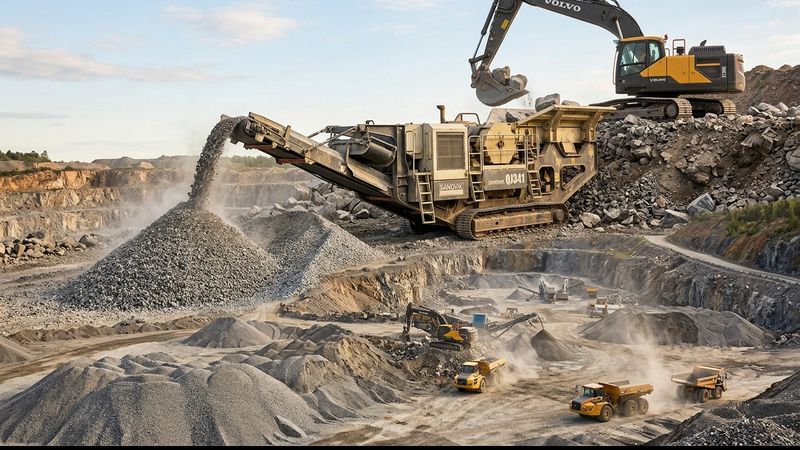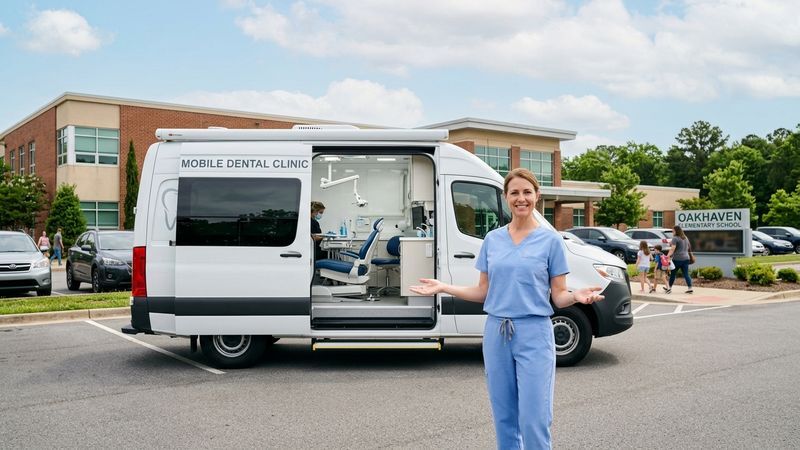
Every growing business reaches a point where it needs more capital, but not every funding need is the same. Sometimes you need cash to stock up on inventory before a busy season. Other times, your production line is slowing down because your machinery is outdated. Knowing the difference between inventory financing and equipment financing is essential for making smart funding decisions that align with your actual business goals.
This guide breaks down both financing options in plain language, helps you understand when each one makes sense, and shows you how to choose the right path based on your specific situation. Whether you run a retail operation, a manufacturing facility, or a distribution company, the right financing choice can be the difference between growth and stagnation.
In This Article
What Is Inventory Financing?
Inventory financing is a type of short-term business loan or line of credit that allows a company to purchase inventory using the inventory itself as collateral. Instead of tying up existing working capital to restock shelves or fill an order, a business can borrow against the value of the goods it intends to buy or already holds.
This financing option is especially popular in retail, wholesale, distribution, and manufacturing industries where cash flow fluctuates seasonally or where large purchase orders require upfront capital before revenue is generated. The loan or credit line is typically repaid as the inventory is sold, creating a natural alignment between the financing cycle and the business revenue cycle.
Inventory financing comes in a few forms. A revolving line of credit lets you draw funds as needed, repay, and draw again - ideal for businesses with ongoing inventory needs. A term loan provides a lump sum for a specific inventory purchase. Some lenders also offer purchase order financing, which is closely related and covers supplier payments directly.
Key Stat: According to the Small Business Administration, inventory and working capital shortages are among the top three reasons small businesses face cash flow crises. Inventory financing directly addresses this gap without requiring a business to deplete its cash reserves.
Lenders typically advance between 50% and 80% of the appraised value of the inventory, depending on how liquid or saleable the goods are. Perishable goods or highly specialized products may receive lower advance rates because they carry more risk if the business cannot repay the loan.
What Is Equipment Financing?
Equipment financing is a loan or lease specifically structured to help businesses acquire physical assets - machinery, vehicles, technology systems, manufacturing tools, medical devices, and any other tangible equipment used in operations. The equipment itself serves as collateral for the loan, which means businesses can often secure these loans even without significant business credit history.
Unlike inventory financing, which is tied to goods intended for resale, equipment financing covers the tools and assets that make production, service delivery, or operations possible. A restaurant financing a commercial oven, a construction company financing an excavator, or a dental practice financing digital X-ray equipment - these are all examples of equipment financing in action.
Equipment loans are typically structured as term loans with fixed monthly payments spread over a period matching the equipment's useful life. Repayment terms commonly range from 24 to 84 months, with interest rates that vary based on creditworthiness, equipment type, and loan term. Alternatively, equipment leasing gives businesses the use of equipment in exchange for periodic payments without full ownership, which can preserve capital and offer more flexibility.
Did You Know? The Equipment Leasing and Finance Association reports that over 8 in 10 U.S. businesses use some form of financing or leasing to acquire equipment rather than paying cash outright. Equipment financing is one of the most widely used business funding tools in the country.
Equipment financing is long-term by nature. Because the asset being financed retains value and serves as collateral, lenders are typically willing to offer favorable terms, competitive interest rates, and higher loan amounts than other forms of unsecured business credit.
Not Sure Which Financing Option Is Right for You?
Our team of business financing specialists can review your situation and recommend the right funding solution. Apply in minutes with no obligation.
Get Your Free Quote →Key Differences Between Inventory and Equipment Financing
While both financing types help businesses access the capital they need, they operate very differently in terms of purpose, structure, repayment, and risk profile. Understanding these distinctions is critical to choosing the financing strategy that actually matches your business need.
The most fundamental difference is what the money is used for. Inventory financing pays for goods you intend to sell, with the expectation that revenue from those sales repays the loan. Equipment financing pays for assets you intend to use in your business operations, with repayment coming from general business revenue over time.
This leads to a second important difference: repayment timeline. Inventory loans are shorter-term because the business should be converting inventory to cash relatively quickly. Equipment loans are longer-term because the asset will be used for years, and the business repays from ongoing operations rather than a single asset liquidation event.
Collateral works differently too. In inventory financing, the collateral is the goods themselves - which can be a challenge if the inventory is perishable, niche, or difficult to liquidate. In equipment financing, the machinery or vehicle being purchased is the collateral, and equipment often holds its value better than consumer goods.
When to Use Inventory Financing
Inventory financing is the right choice in specific situations where your business needs product - and needs it now - but deploying cash reserves would leave you dangerously thin. Here are the most common scenarios where it makes sense.
Seasonal demand spikes. Retailers preparing for the holiday season, outdoor businesses gearing up for summer, or tax preparers stocking office supplies for Q1 rush often need to purchase large quantities of inventory well before the revenue arrives. Inventory financing bridges that gap without disrupting operations.
Large purchase orders. When a major customer places an order that exceeds your current stock levels, you may need capital quickly to fulfill it. Rather than turning down revenue or losing a client relationship, inventory financing lets you purchase the goods required to complete the order.
Bulk purchase discounts. Many suppliers offer significant discounts for volume purchases. If you have the opportunity to lock in a lower per-unit cost by buying more than you can currently afford, inventory financing allows you to capitalize on those savings while maintaining cash flow.
Supply chain disruptions. When suppliers indicate that prices are rising or availability is decreasing, forward-buying inventory can protect your margins. Financing that purchase makes it possible without immediately impacting your working capital position.
Expanding product lines. Launching a new category or adding SKUs requires capital to stock the new offerings. Inventory financing allows you to test new product lines without fully committing your cash reserves to what might be an uncertain sales outcome.
Inventory financing is best suited to businesses with proven sales velocity - meaning you have a track record of turning over inventory within a reasonable period. Lenders want to see that the goods you're financing will actually sell, so businesses with historical sales data and reliable demand are stronger candidates.
When to Use Equipment Financing
Equipment financing serves a completely different set of business needs. It is the right call when your growth - or even your ability to operate - depends on acquiring physical assets that your current cash position can't support outright.
Replacing aging or failing equipment. When critical machinery breaks down repeatedly, productivity suffers and repair costs accumulate. Equipment financing allows you to replace aging assets without depleting your operating reserves, preserving cash for day-to-day expenses.
Scaling production capacity. If your business has more orders than your current equipment can handle, equipment financing is how you close that gap. Adding a second production line, upgrading to higher-capacity machinery, or investing in automation can dramatically increase output and revenue.
Starting or expanding a business. New businesses often need significant equipment to begin operations. Equipment financing allows startups and growing businesses to acquire what they need from day one, with loan repayment funded by the revenue that equipment generates.
Technology upgrades. In fields like healthcare, manufacturing, and IT, technology evolves rapidly. Financing new equipment keeps your business competitive without requiring you to fund large capital expenditures from cash flow. Medical practices financing diagnostic imaging, for example, can offer services that draw more patients and generate additional revenue.
Fleet expansion. Transportation, logistics, construction, and service businesses often need vehicles or fleet additions to take on more contracts. Commercial fleet financing provides the capital to expand without overextending your cash position.
Equipment financing is ideal for businesses that have clear, long-term operational needs tied to specific assets. Because the equipment serves as collateral and retains value, even businesses with moderate credit can often qualify for competitive terms through specialty equipment lenders.
Side-by-Side Comparison: Inventory vs. Equipment Financing
| Feature | Inventory Financing | Equipment Financing |
|---|---|---|
| Purpose | Purchase goods for resale | Acquire assets for operations |
| Collateral | The inventory itself | The equipment itself |
| Typical Term | 30 days to 12 months | 24 to 84 months |
| Repayment Source | Proceeds from inventory sales | General business revenue |
| Loan Amounts | $10,000 to $5 million+ | $5,000 to $20 million+ |
| Best For | Retail, wholesale, distribution | Manufacturing, construction, healthcare, transport |
| Advance Rate | 50%-80% of inventory value | 80%-100% of equipment value |
| Ownership | Business owns inventory outright once sold | Business owns equipment after final payment |
| Interest Rate Range | 8%-25%+ depending on risk | 5%-20% depending on credit and term |
| Qualifying Criteria | Sales history, inventory turnover | Business credit, time in business, equipment type |
By the Numbers: Inventory and Equipment Financing in the U.S.
By the Numbers
Business Financing at a Glance
$1.2T
Equipment financed annually in the U.S. (ELFA)
80%
Of businesses use financing instead of cash for equipment
48 hrs
Average approval time with specialty lenders
33M+
Small businesses in the U.S. needing capital access
How Crestmont Capital Helps with Both
Crestmont Capital is the #1 rated business lender in the United States, and we offer both inventory financing and equipment financing solutions tailored to your specific industry and growth stage. Our approach isn't one-size-fits-all - we take the time to understand what you actually need and match you with the funding structure that makes the most sense.
For inventory financing, we work with retailers, wholesalers, distributors, and e-commerce businesses to provide fast, flexible capital tied to their inventory cycles. Whether you need a revolving line of credit to handle ongoing stock purchases or a one-time loan to fulfill a large order, we can structure a solution that keeps your cash flowing and your shelves stocked.
For equipment financing, we serve industries ranging from construction and manufacturing to healthcare and hospitality. Our team has deep experience with specialized equipment types and can often get approvals faster than traditional banks because we understand the asset values and industry dynamics involved.
We also offer business lines of credit and working capital loans for businesses that need flexibility beyond a single-purpose loan. Sometimes the right answer is a combination of financing tools, and we can help you layer them strategically to support your goals without over-leveraging.
Our application process is straightforward. Most businesses can complete it online in under 10 minutes. We typically provide decisions within 24 to 48 hours, and funding can arrive in as few as 2-3 business days after approval. There are no hidden fees, no prepayment penalties on most products, and no obligation to accept an offer once you receive it.
Ready to Grow with the Right Financing?
Whether you need inventory capital or equipment funding, Crestmont Capital has the right solution. Our advisors are standing by to help you move fast.
Apply Now →Real-World Business Scenarios
The best way to understand when to choose inventory financing versus equipment financing is through real examples that mirror the decisions business owners face every day.
Scenario 1: The Seasonal Retailer. A clothing boutique owner in a college town sees a major spike in sales every August as students return to campus. She needs to purchase $80,000 worth of fall inventory in June to be ready for the rush. Rather than drain her operating account, she secures an inventory line of credit at a 12-month term. She draws down $80,000, restocks her store, sells through the inventory by October, and repays the line with the proceeds. Her cash reserves stay intact throughout the process.
Scenario 2: The Growing Manufacturer. A custom metal fabrication shop wins a new contract that will require a second CNC machine to meet production deadlines. The machine costs $120,000 - more than the company wants to spend from cash. Equipment financing over 60 months at a fixed monthly payment allows the company to take the contract, generate revenue from the new machine immediately, and service the loan from that production. The machine pays for itself.
Scenario 3: The Food Distributor. A specialty food distributor lands a supply agreement with a regional grocery chain. The chain wants 45-day payment terms, but the distributor needs to pay suppliers upfront. An inventory financing facility provides the bridge, allowing the distributor to buy, deliver, and await payment without running dry on working capital.
Scenario 4: The Medical Practice. A physical therapy clinic wants to add a new treatment room with specialized equipment - ultrasound therapy units, parallel bars, and traction tables. The total equipment cost is $75,000. Equipment financing over 48 months allows the clinic to open the new room, see more patients, and service the loan from added revenue. They never touch their cash reserve.
Scenario 5: The E-Commerce Business. An online health supplement company has a strong Q4 but needs to pre-order inventory by Q3 to avoid stockouts. The cost to build inventory for the holiday season is $200,000. An inventory loan allows them to buy in bulk, often at a discount, fulfill peak demand, and repay the loan from Q4 sales. Without financing, they would either miss sales or deplete their operating cash.
Scenario 6: The Construction Company. A mid-sized general contractor needs to add a skid steer and a mini excavator to its fleet to bid on larger commercial projects. Purchasing both outright would cost $140,000 - money the company doesn't want to tie up. A construction equipment financing loan gives them both machines with 72-month terms, freeing their capital for labor, materials, and bonding.
Pro Tip: Many businesses use both inventory financing and equipment financing simultaneously. They are not mutually exclusive. A well-structured mix of both can let you operate at full capacity while also meeting peak demand without ever depleting your cash cushion.
How to Get Started
Determine whether your capital need is tied to inventory (goods for resale) or equipment (operational assets). This single question drives everything else.
Complete our quick application at offers.crestmontcapital.com/apply-now - takes just a few minutes and requires basic business and financial information.
A Crestmont Capital advisor will review your needs, match you with the right financing product, and walk you through your options with no pressure.
Once approved, receive your funds quickly - often within 2-3 business days - and immediately put your capital to work for your business.
The Bottom Line on Inventory vs. Equipment Financing
Choosing between inventory financing and equipment financing is not about which product is "better" - it is about which one matches your actual business need right now. If you need goods to sell, inventory financing is your tool. If you need machines, vehicles, or technology to run or scale your operations, equipment financing is the answer.
In practice, most growing businesses need both at different stages of their development. A manufacturer might use equipment financing to upgrade their production line and inventory financing to build raw material stockpiles for a large contract. A retailer expanding to new locations might use equipment financing for fixtures and POS systems while using inventory financing to stock new shelves.
The key to making either financing product work is alignment - making sure the loan structure, repayment timeline, and advance rate all fit your business model and cash flow. That's exactly what Crestmont Capital specializes in. We understand the nuances of inventory financing vs equipment financing and help businesses of all sizes structure deals that fuel growth without creating financial strain.
Ready to explore your options? Our team is standing by to help you identify the right financing mix for your specific goals. Apply online today and get a decision within 24 to 48 hours.
Start Your Application Today
Join thousands of businesses that trust Crestmont Capital - the #1 rated business lender in the U.S. No obligation. Fast decisions. Real results.
Apply Now →Frequently Asked Questions
What is the main difference between inventory financing and equipment financing?
Inventory financing provides capital to purchase goods intended for resale, with the inventory itself serving as collateral. Equipment financing provides capital to acquire physical assets used in business operations - like machinery, vehicles, or technology - with the equipment serving as collateral. Inventory loans are typically short-term while equipment loans extend over the useful life of the asset.
Can a business use both inventory financing and equipment financing at the same time?
Yes, and many growing businesses do exactly this. A manufacturer might finance new production equipment while also using an inventory line of credit to keep raw materials stocked. Because these financing products serve different purposes and are backed by different collateral, having both simultaneously is common and often the most effective strategy.
How much can I borrow with inventory financing?
Inventory financing typically allows you to borrow between 50% and 80% of the appraised value of your inventory. The actual advance rate depends on the type of inventory, its liquidity, and how easily it could be sold if the loan went into default. Finished goods in high demand typically receive higher advance rates than raw materials or highly specialized products.
What types of businesses qualify for inventory financing?
Businesses that buy and sell physical goods are the primary candidates: retailers, wholesalers, distributors, e-commerce companies, and importers/exporters. Lenders look for a proven sales history, consistent inventory turnover rates, and a reliable demand pattern. Startups without sales history may find inventory financing more difficult to obtain than established businesses.
What types of equipment can be financed?
Almost any business-use equipment can be financed - including manufacturing machinery, construction equipment, medical devices, vehicles, restaurant equipment, office technology, agricultural tools, and more. The key requirement is that the equipment must be used for business purposes and must retain enough value to serve as collateral. Most lenders work with new and used equipment.
How does equipment financing affect my credit?
When you apply for equipment financing, lenders typically do a hard credit inquiry that can temporarily lower your score by a few points. However, responsibly repaying an equipment loan builds your business credit profile over time, which can improve your ability to secure future financing at better rates. Consistent on-time payments are one of the most effective ways to strengthen business credit.
What credit score do I need to qualify for equipment financing?
Many equipment financing lenders work with business owners with credit scores as low as 550-600, particularly for lower loan amounts and when the equipment has strong collateral value. For larger equipment loans with the best rates and terms, a credit score of 680 or higher is ideal. Specialty lenders like Crestmont Capital evaluate the full picture - not just your score.
Is inventory financing the same as a line of credit?
Not exactly, though they can work similarly. A business line of credit is general-purpose and not tied to a specific asset. Inventory financing is specifically structured around inventory as collateral and is typically only usable for purchasing inventory. Some lenders offer inventory-backed revolving lines that function like a line of credit, but the collateral and underwriting criteria are focused on your inventory's value.
What happens if I cannot repay my inventory loan?
If you default on an inventory loan, the lender has the right to seize and liquidate the inventory that was used as collateral. Depending on the loan agreement, the lender may also have recourse to other business assets or may pursue personal guarantees. It is important to ensure your inventory turnover projections are realistic before entering into an inventory financing agreement.
Can I get equipment financing with bad credit?
Yes, equipment financing is one of the most accessible forms of business credit even for owners with challenged credit histories. Because the equipment serves as collateral, lenders take on less risk and are often willing to approve applications that would be declined for unsecured loans. Expect higher interest rates and potentially a larger down payment, but approval is possible even with scores in the 550 range.
How long does it take to get approved for equipment financing?
Approval timelines vary by lender. Traditional banks can take several weeks or longer. Specialty lenders and online platforms like Crestmont Capital often provide decisions within 24 to 48 hours for equipment loans. Funding typically follows within 2-5 business days of approval. Having your documentation ready - business financial statements, bank statements, and equipment details - can significantly speed up the process.
What documents are typically required for inventory financing?
Lenders evaluating inventory financing applications typically require recent business bank statements (3-6 months), financial statements or profit and loss reports, a current inventory list with values, purchase orders or supplier agreements, and information about your inventory turnover rate. Some lenders may also require accounts receivable aging reports or tax returns depending on the loan size.
Is equipment financing the same as equipment leasing?
No, they are structurally different. Equipment financing (a loan) results in ownership of the equipment at the end of the repayment period. Equipment leasing is more like a rental arrangement where you pay to use the equipment for a set term without necessarily owning it at the end. Leasing typically has lower monthly payments and may offer more flexibility, but you may not build equity in the equipment. Both serve legitimate business purposes depending on your goals.
Can startups qualify for either type of financing?
Startups can often qualify for equipment financing more easily than inventory financing because the asset serves as strong collateral regardless of business history. Startup equipment financing programs exist specifically for new businesses. Inventory financing for startups is harder because lenders want to see sales history proving that the inventory will sell. Startups may need to rely on alternative options like SBA microloans or working capital financing initially.
How do I know if inventory financing or equipment financing is right for my business right now?
Ask yourself one simple question: what is limiting your growth right now? If the answer is that you don't have enough product to meet demand or fulfill orders, you need inventory financing. If the answer is that your operations are limited by the capacity, age, or absence of physical assets, you need equipment financing. If both apply, a conversation with a Crestmont Capital advisor can help you prioritize and structure the right combination for your situation.
Disclaimer: The information provided in this article is for general educational purposes only and is not financial, legal, or tax advice. Funding terms, qualifications, and product availability may vary and are subject to change without notice. Crestmont Capital does not guarantee approval, rates, or specific outcomes. For personalized information about your business funding options, contact our team directly.