
 (800) 949-0401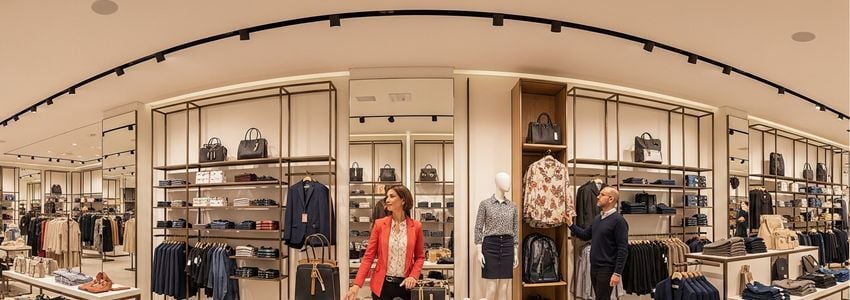
How Retailers Can Lease Store Fixtures and Display Equipment: The Complete Guide for Store Owners
Creating an inviting and functional retail environment is crucial for attracting customers and driving sales, but the initial cost of outfitting a store can be a significant financial hurdle. For many store owners, acquiring essential shelving, displays, and point-of-sale systems requires a substantial capital investment that can strain cash flow. This is where a strategic financial tool like store fixture leasing offers a powerful alternative, allowing retailers to obtain the necessary equipment without a large upfront purchase, preserving capital for other critical business needs like inventory and marketing.
In This Article
- What Is Store Fixture Leasing?
- Benefits of Leasing Store Fixtures vs. Buying
- Types of Store Fixtures and Display Equipment You Can Lease
- How Store Fixture Leasing Works: Step by Step
- How Much Does It Cost to Lease Store Fixtures?
- Comparison: Leasing vs. Buying Store Fixtures
- Who Qualifies for Store Fixture Leasing?
- Real-World Scenarios
- How Crestmont Capital Helps Retailers
- How to Get Started
- Frequently Asked Questions
- Conclusion
What Is Store Fixture Leasing?
Store fixture leasing is a financial arrangement where a retailer pays a leasing company a fixed monthly fee to use store fixtures and retail display equipment for a predetermined period. Essentially, it is a long-term rental agreement. Instead of purchasing the assets outright, the business- the lessee- gains access to the equipment from the owner of the assets- the lessor. At the end of the lease term, the retailer typically has several options, such as purchasing the equipment, renewing the lease, or returning the items.
This method of acquisition is fundamentally different from a traditional loan. With a loan, you borrow money to buy the equipment and you own it from the start, making loan payments to the lender. With a lease, the leasing company purchases the equipment from your chosen vendor and retains ownership while you use it. This distinction is critical for understanding the impact on your balance sheet, cash flow, and tax obligations.
Key terms you will encounter in a store fixture leasing agreement include:
- Lessor: The leasing company that owns the equipment (e.g., Crestmont Capital).
- Lessee: The business that is using the equipment (your retail store).
- Lease Term: The duration of the lease agreement, typically ranging from 12 to 60 months.
- Monthly Payment: The fixed amount paid each month by the lessee to the lessor.
- End-of-Lease Options: The choices available to the lessee when the term expires. Common options include a Fair Market Value (FMV) buyout, a $1 buyout option, or returning the equipment.
Understanding these components is the first step toward leveraging equipment leasing as a strategic advantage. It provides a pathway to equip your store with high-quality fixtures without the financial burden of ownership, making it an accessible option for new and established retailers alike.
Benefits of Leasing Store Fixtures vs. Buying
Choosing between leasing and buying store fixtures is a significant decision with long-term financial implications. While purchasing provides ownership, leasing offers a suite of strategic advantages that are particularly beneficial in the dynamic retail industry. These benefits center on financial flexibility, operational agility, and risk mitigation.
1. Capital Preservation and Improved Cash Flow
The most immediate and compelling benefit of leasing is the conservation of working capital. Purchasing store fixtures for a new store or a complete remodel can cost tens or even hundreds of thousands of dollars. This large, upfront expenditure can deplete cash reserves that are vital for other areas of the business, such as inventory, payroll, marketing, and unexpected expenses. Leasing converts this large capital outlay into a smaller, manageable monthly operating expense. This frees up your cash, allowing you to invest in revenue-generating activities and maintain a healthy financial cushion.
2. Access to Higher-Quality and Modern Equipment
Leasing allows you to acquire the best equipment for your store, not just the equipment you can afford to buy today. A store's ambiance and functionality are directly tied to the quality of its fixtures. With leasing, you can equip your space with modern, durable, and aesthetically pleasing shelving, lighting, and displays that might be too expensive to purchase outright. This can significantly enhance the customer experience, improve product presentation, and ultimately boost sales. An attractive store environment can be a key differentiator in a competitive retail market.
Key Insight: According to a study by retail design firm ZenGenius, 70% of purchasing decisions are made in-store. The quality and layout of your fixtures directly influence these decisions.
3. Flexibility and Scalability
The retail landscape is constantly evolving. Consumer trends change, new technologies emerge, and your business needs will shift as you grow. Leasing provides the flexibility to adapt. When your lease term ends, you can easily upgrade to newer, more efficient fixtures without the hassle of selling old equipment. This is particularly valuable for technology-based equipment like POS systems or digital signage, which can become obsolete quickly. If you plan to expand to new locations, leasing simplifies the process of outfitting new stores with consistent, modern equipment.
4. Potential Tax Advantages
Leasing can offer significant tax benefits. In many cases, lease payments can be fully deducted as a business operating expense, which can lower your taxable income. This is often more advantageous than the depreciation deductions available when you purchase an asset. For example, under an operating lease, you can typically write off 100% of your monthly payments. While purchasing allows for depreciation deductions under Section 179 of the IRS tax code, the rules can be complex. It is always recommended to consult with a tax professional to understand the specific implications for your business, but the potential for a straightforward tax deduction is a major advantage of leasing.
5. Simplified Budgeting and Financial Planning
Leasing involves fixed monthly payments over a set term. This predictability makes budgeting and financial forecasting much simpler. You know exactly how much you need to allocate for your store fixtures each month, which helps in managing cash flow and avoiding unexpected financial strain. Unlike a variable-rate loan, your lease payment will not change, providing stability for your financial planning. This predictable cost structure is invaluable for both new businesses creating their first budget and established businesses managing complex finances.
6. Avoiding Equipment Obsolescence
Retail is driven by aesthetics and technology. What looks fresh and modern today can appear dated in just a few years. When you buy your fixtures, you are locked in with that equipment. If it becomes obsolete or worn, your only options are to sell it at a loss or continue using it, potentially hurting your brand image. Leasing mitigates this risk. At the end of the term, you can simply return the old fixtures and lease new, state-of-the-art equipment. This "technology refresh" cycle ensures your store always looks its best and utilizes the most current technology.
Preserve Your Capital. Build Your Vision.
Don't let upfront costs hold you back. Lease the store fixtures you need with flexible terms and fast approval from Crestmont Capital.
Get a Free Quote →Types of Store Fixtures and Display Equipment You Can Lease
One of the great advantages of display equipment leasing is the wide variety of assets you can acquire. Essentially, any tangible equipment needed to operate your retail space can be included in a lease agreement. This allows you to bundle everything you need into a single, manageable monthly payment. Here is a comprehensive list of common store fixtures and retail display equipment that retailers can lease:
Core Store Fixtures
- Shelving Units: Including gondola shelving, wall-mounted shelves, and specialized product shelving for items like books, wine, or apparel.
- Display Cases: Glass showcases for jewelry, electronics, or other high-value items. This also includes refrigerated display cases for food and beverage retailers.
- Racks and Hangers: Garment racks, waterfalls, and other fixtures essential for clothing and accessory stores.
- Tables and Pedestals: Display tables for featured products, nesting tables for dynamic layouts, and pedestals to highlight specific items.
- Slatwall and Gridwall Panels: Versatile wall systems that allow for flexible merchandising with hooks, shelves, and bins.
- Mannequins and Forms: Full-body mannequins, torsos, and other forms to display apparel and accessories effectively.
Operational and Technological Equipment
- Point-of-Sale (POS) Systems: This includes the complete setup- cash registers, touch-screen monitors, credit card terminals, receipt printers, and barcode scanners. Leasing is ideal for POS systems due to rapid technological advancements.
- Security Systems: Surveillance cameras, electronic article surveillance (EAS) towers, security tags, and monitoring equipment.
- Store Lighting: Track lighting, spotlights, LED systems, and decorative fixtures that create ambiance and highlight products.
- Digital Signage: Interactive displays, video walls, and digital menu boards to engage customers and promote products dynamically.
- Computer and Office Equipment: Back-office computers, printers, and networking hardware needed to run the business.
Customer-Facing and Specialized Fixtures
- Counters and Checkouts: Sales counters, cash wraps, and customer service desks. -
- Fitting Rooms: Mirrors, seating, and privacy partitions for apparel retailers.
- Shopping Carts and Baskets: Essential for customer convenience in grocery stores, superstores, and other large-format retail.
- Furniture: Seating for customers, lounge area furniture, and other pieces that contribute to the store's atmosphere.
- Custom Millwork and Cabinetry: Bespoke fixtures designed specifically for your store's layout and brand identity can often be included in a lease package.
By bundling these diverse items into one lease, you can simplify procurement and financing. Instead of dealing with multiple vendors and payment schedules, you work with one leasing partner like Crestmont Capital to finance the entire project. This streamlined approach saves time and administrative effort, allowing you to focus on launching or growing your retail business.
How Store Fixture Leasing Works: Step by Step
The process of securing a lease for your store fixtures is typically faster and more straightforward than obtaining a traditional bank loan. While each leasing company has its own specific procedures, the general workflow follows a clear and logical path. Here is a step-by-step breakdown of how store fixture leasing works from start to finish.
Step 1: Identify Your Equipment Needs and Vendor
First, determine exactly what fixtures and equipment your store requires. Create a detailed list, including quantities, specifications, and models. You will then select the vendor or vendors you wish to purchase this equipment from. A major benefit of leasing is that you have the freedom to choose your own supplier. You are not limited to a specific catalog from the leasing company. Once you have a complete list and a formal quote from your chosen vendor, you have the necessary information to begin the application process.
Step 2: Apply for Leasing with a Financial Partner
The next step is to apply for financing with a leasing company like Crestmont Capital. The application process is typically quick and can often be completed online in a few minutes. You will need to provide basic information about your business, such as its legal name, address, time in business, and annual revenue. You may also need to provide personal information as a guarantor. For larger lease amounts, additional financial documents like bank statements or tax returns might be required, but many applications for standard amounts are approved based on credit alone.
Step 3: Credit Review and Approval
Once you submit your application, the leasing company will review your business's financial profile and credit history. Lenders like Crestmont Capital utilize advanced technology to provide very fast decisions- sometimes in a matter of hours. They will assess the risk and determine the terms of the lease they can offer you, including the lease factor (which determines your monthly payment), the term length, and any end-of-lease options.
Step 4: Review and Sign the Lease Agreement
If your application is approved, you will receive a formal lease agreement. It is crucial to review this document carefully. Pay close attention to the monthly payment amount, the lease term, any additional fees, and the conditions of the end-of-lease options. The agreement will clearly outline your responsibilities as the lessee and the lessor's obligations. If you have any questions, your financing advisor should be available to clarify them. Once you are satisfied with the terms, you will sign the agreement electronically or physically.
Step 5: Funding and Equipment Purchase
After the signed agreement is received, the leasing company will coordinate directly with your chosen equipment vendor. The lessor will issue a purchase order and pay the vendor the full amount for the store fixtures. This is a key part of the process- you do not have to pay the vendor out of pocket. The leasing company handles the transaction entirely.
Step 6: Equipment Delivery and Acceptance
The vendor will then ship and- if applicable- install the equipment at your retail location. Once you have received all the items and confirmed they are in good working order, you will sign a delivery and acceptance certificate. This document confirms to the leasing company that you have received the equipment as specified, which officially starts the lease term.
Step 7: Make Regular Lease Payments
Your first lease payment is typically due at the start of the term. You will then continue to make fixed monthly payments for the duration of the lease. Most leasing companies offer convenient payment options, such as automatic ACH debits from your business bank account, to ensure payments are timely and hassle-free.
Step 8: Manage End-of-Lease Options
As you approach the end of your lease term, your leasing company will contact you to discuss your options. Depending on your agreement, you can:
- Purchase the Equipment: You can buy the fixtures for a predetermined price (like $1 in a buyout lease) or for their Fair Market Value (FMV).
- Renew the Lease: You can extend the lease, often at a reduced monthly payment.
- Return the Equipment: You can return the fixtures to the leasing company, freeing you to lease new, updated equipment.
This structured process makes acquiring essential business assets predictable and manageable, removing many of the barriers associated with large capital purchases.
By the Numbers
Store Fixture Leasing - Key Statistics
$1.16 Trillion
The total value of new business volume financed by the equipment finance industry in the U.S., according to the Equipment Leasing and Finance Association (ELFA).
8 in 10
Approximately 8 out of 10 U.S. companies use some form of financing when acquiring equipment, including leasing, highlighting its widespread adoption.
95%
Over 95% of small business equipment financing applications are for amounts under $250,000, making it a perfect fit for retail store fixture packages.
24 Hours
Many modern lenders, like Crestmont Capital, can approve equipment lease applications in under 24 hours, compared to weeks or months for traditional bank loans.
How Much Does It Cost to Lease Store Fixtures?
The cost of store fixture leasing is not a one-size-fits-all figure. It is calculated based on several factors related to the equipment, the lease terms, and your business's financial health. Understanding these variables will help you estimate your potential monthly payments and evaluate different lease proposals.
The primary components that determine your leasing cost are:
- Total Equipment Cost: This is the most significant factor. The higher the total purchase price of your fixtures and displays, the higher your monthly lease payment will be.
- Lease Term Length: The duration of your lease plays a crucial role. A longer term (e.g., 60 months) will result in lower monthly payments, but you will pay more in total over the life of the lease. A shorter term (e.g., 24 months) will have higher monthly payments but a lower total cost.
- Business Credit Score and Financial History: Lenders use your business's credit profile and financial stability to assess risk. A stronger credit score, longer time in business, and healthy revenue will typically qualify you for a lower rate, resulting in a more affordable monthly payment.
- Type of Lease and End-of-Lease Option: The structure of the lease matters. A $1 Buyout Lease (also known as a capital lease) functions more like a loan to own. It has slightly higher monthly payments, but you own the equipment for just $1 at the end. A Fair Market Value (FMV) Lease (an operating lease) has lower monthly payments, but you will have to pay the equipment's fair market value if you decide to buy it at the end of the term.
- Lease Rate Factor: Leasing companies use a "lease rate factor" or "lease factor" to calculate your payment. This is a decimal number (e.g., 0.0350) that you multiply by the total equipment cost to determine the monthly payment. This factor is determined by all the variables listed above.
Example Calculation
Let's illustrate with a hypothetical scenario:
- Total Equipment Cost: $40,000
- Lease Term: 48 months
- Business Profile: Established business with good credit
- Lease Rate Factor: 0.0255
The calculation would be:
$40,000 (Equipment Cost) x 0.0255 (Lease Rate Factor) = $1,020 (Monthly Payment)
In this example, the retailer would pay $1,020 per month for 48 months to use the $40,000 worth of store fixtures. The total payments over the lease term would be $48,960. The difference between this total and the original equipment cost represents the financing charge.
It is important to remember that this is a simplified example. The best way to determine your exact cost is to get a personalized quote from a lender. Crestmont Capital provides transparent quotes with no obligation, allowing you to see your exact monthly payment and terms before committing.
Comparison: Leasing vs. Buying Store Fixtures
To make an informed decision, it is helpful to see a direct comparison of leasing and buying across key business considerations. The right choice depends on your company's financial situation, long-term goals, and operational strategy.
| Factor | Store Fixture Leasing | Buying Store Fixtures |
|---|---|---|
| Upfront Cost | Minimal. Typically requires only the first and last month's payment. Preserves working capital. | High. Requires 100% of the purchase price upfront, which can be a significant cash drain. |
| Ownership | The leasing company owns the equipment during the lease term. You have the option to purchase it at the end. | You own the equipment from day one. It becomes a long-term asset on your balance sheet. |
| Cash Flow Impact | Positive. Converts a large capital expense into a small, predictable monthly operating expense. | Negative. A large, immediate cash outflow that can strain financial resources. |
| Tax Implications | Lease payments are often 100% tax-deductible as an operating expense (consult a tax advisor). | You can deduct the equipment's depreciation over its useful life, potentially under Section 179. |
| Flexibility & Upgrades | High. Easy to upgrade to new equipment at the end of the lease term, avoiding obsolescence. | Low. You are responsible for selling or disposing of old equipment before you can upgrade. |
| Approval Process | Fast and simple. Often approved within 24 hours with minimal paperwork. | If using a loan, the process can be slow and require extensive documentation. If paying cash, no approval is needed. |
| Balance Sheet Impact | Operating leases do not appear as a liability on the balance sheet, which can improve financial ratios. | The equipment is listed as an asset, and if financed with a loan, the loan is listed as a liability. |
| Total Cost | The total cost over the lease term is typically higher than the original purchase price due to financing charges. | The total cost is lower if you pay with cash, as there are no financing fees. |
Who Qualifies for Store Fixture Leasing?
Store fixture leasing is a highly accessible form of financing available to a broad range of businesses, from brand-new startups to established national chains. While underwriting criteria vary between lenders, most focus on a few key indicators of business health and creditworthiness. Here are the common factors that determine qualification:
1. Time in Business
Many lenders prefer to work with businesses that have been in operation for at least one to two years, as this provides a track record of stability. However, specialized lenders like Crestmont Capital have programs designed specifically for startups and new businesses. These programs may have slightly different requirements, but they make it possible for new retailers to get the funding they need to launch successfully.
2. Credit Score
Both personal and business credit scores are important. A strong personal credit score (typically 620 or higher) is often required, especially for newer businesses where the owner's credit history is a primary indicator of financial responsibility. An established business credit profile can also play a significant role. While a higher score will secure better rates, financing options are often available for business owners with less-than-perfect credit.
Pro Tip: Even if your credit is not perfect, having a solid business plan and demonstrating consistent revenue can significantly improve your chances of approval for small business financing.
3. Annual Revenue
Lenders want to see that your business generates enough revenue to comfortably afford the monthly lease payments. The specific revenue requirement can vary widely depending on the size of the lease. Some programs may have minimum annual revenue thresholds, such as $100,000 or more. For new businesses without a revenue history, lenders may look at financial projections and the owner's personal financial strength.
4. Industry Type
The retail industry is generally viewed favorably by equipment leasing companies. Fixtures, displays, and POS systems are standard, essential assets with good collateral value. Whether you operate a clothing boutique, a specialty food shop, an electronics store, or a general merchandise retailer, you are likely a strong candidate for store fixture leasing.
5. Down Payment
Unlike many traditional loans that require a substantial down payment (often 10-20%), most lease agreements require little to no money down. Typically, you will only need to provide the first and last month's payment at the time of signing. This low barrier to entry is one of the most attractive features of leasing for cash-conscious businesses.
The qualification process is designed to be inclusive. Lenders who specialize in business financing understand that every company is unique and will often look at the complete picture of your business rather than just a single metric.
Find Out If You Qualify in Minutes
Our simple online application has no impact on your credit score. See your personalized leasing options today.
Apply in 60 Seconds →Real-World Scenarios
To better understand the practical application of store fixture leasing, let's explore three detailed scenarios that retailers commonly face. These examples illustrate how leasing can be a tailored solution for businesses at different stages of growth.
Scenario 1: The Startup Fashion Boutique
The Business: "Urban Threads," a new high-end fashion boutique founded by an entrepreneur named Sarah. She has a strong business plan, a great location, and a curated selection of designer clothing, but her startup capital is limited.
The Challenge: Sarah needs to create a sophisticated, modern store environment to match her premium products. Her equipment list is extensive and expensive: custom shelving, sleek garment racks, a central glass jewelry display case, elegant mannequins, a modern POS system, and high-quality track lighting. The total cost from her chosen vendor is $65,000.
The Problem with Buying: Paying $65,000 in cash would consume nearly all of her startup capital, leaving very little for her first inventory order, pre-launch marketing, and crucial operating cash reserves for the first few months. A traditional bank loan is difficult to secure as a new business with no revenue history.
The Leasing Solution: Sarah applies for store fixture leasing through Crestmont Capital. Based on her strong personal credit and solid business plan, she is approved for a 60-month lease. Her monthly payment is approximately $1,400. This allows her to preserve her capital. She uses her cash to stock her store with a full range of inventory and launch a successful marketing campaign. The predictable monthly payment is easily integrated into her operating budget. At the end of five years, after her business is well-established, she can choose to buy the fixtures, or more likely, lease a brand-new set to refresh her store's look.
Scenario 2: The Expanding Local Bookstore
The Business: "The Reader's Nook," a beloved independent bookstore that has been successful for ten years. The owner, Mark, is ready to open a second, larger location in a neighboring town.
The Challenge: The new location is an empty shell and requires a complete build-out. Mark needs thousands of feet of wooden bookshelves, comfortable reading chairs, a coffee bar with a refrigerated pastry display case, a new POS system, and security cameras. The total equipment cost is estimated at $120,000.
The Problem with Buying: While his existing store is profitable, a $120,000 cash outlay for the new location would put a significant strain on the entire business's cash flow. He wants to keep his existing credit lines open for inventory and potential unexpected costs associated with the new location. He also knows that how bookstores are laid out is changing, with more emphasis on open spaces and event areas, so he is hesitant to invest heavily in fixed shelving he might want to change in a few years.
The Leasing Solution: Mark leverages his business's strong financial history to secure a 48-month Fair Market Value (FMV) lease. The lower monthly payments of an FMV lease are attractive to him, as they maximize cash flow during the critical first two years of the new store's operation. This strategy keeps his business line of credit fully available. After four years, he can evaluate the performance of the new store and the current trends in bookstore design. He might decide to buy the fixtures if they are still perfect, or he can return them and lease a completely new layout to keep the store fresh and engaging for customers.
Scenario 3: The National Electronics Retailer Refresh
The Business: "Gadget Hub," a regional chain with 15 stores that specializes in consumer electronics. They have been in business for 12 years but are facing increasing competition from online retailers.
The Challenge: To stay competitive, the leadership team decides to undertake a company-wide "store of the future" initiative. This involves upgrading all 15 locations with interactive digital displays, modern, minimalist shelving that showcases products better, new secure glass cases for high-end items, and a state-of-the-art POS system that integrates with their online inventory. The total project cost is $1.5 million.
The Problem with Buying: A $1.5 million capital expenditure is a major financial undertaking, even for an established chain. It would impact their balance sheet and could concern investors. Furthermore, the technology they are investing in- particularly the digital displays- will likely be obsolete in three to five years. Owning this rapidly depreciating equipment is a significant financial risk.
The Leasing Solution: Gadget Hub's CFO works with Crestmont Capital to structure a master lease agreement. This allows them to finance the entire project across all 15 stores under a single, streamlined contract. They opt for a 36-month lease term to align with the expected lifecycle of the technology. The lease payments are treated as an operating expense, which has a favorable impact on their financial statements. At the end of the three years, they can seamlessly execute their next technology refresh, returning the old displays and leasing the next generation of retail tech. This keeps their stores modern and their financial risk low.
How Crestmont Capital Helps Retailers
Choosing the right financial partner is just as important as choosing the right fixtures for your store. Crestmont Capital specializes in providing flexible, fast, and transparent financing solutions tailored to the unique needs of retailers. We understand the challenges and opportunities of the retail sector and are dedicated to helping business owners like you succeed.
Here is how Crestmont Capital stands apart:
- Expertise in Retail Financing: We are not just a general lender. We have extensive experience in providing equipment financing for the retail industry. We understand the value and lifecycle of store fixtures, POS systems, and other essential retail assets. This expertise allows us to create financing structures that make sense for your business model.
- Speed and Efficiency: In retail, timing is everything. Our application process is designed for speed. You can apply online in minutes, and in many cases, receive an approval and funding in as little as 24 hours. We eliminate the lengthy paperwork and long waiting periods associated with traditional bank loans.
- Flexible and Customized Terms: We know that no two retail businesses are the same. We offer a variety of lease terms, from 12 to 72 months, and multiple end-of-lease options (including $1 Buyout and FMV) to match your budget and long-term strategy. We work with you to craft a plan that supports your goals.
- Financing for a Wide Range of Needs: Our solutions go beyond just store fixture leasing. We offer a comprehensive suite of small business financing products. Whether you need a working capital loan to purchase inventory, a business line of credit for ongoing cash flow management, or financing for a major expansion, we can be your single source for funding.
- Support for All Business Stages: We are proud to support entrepreneurs at every stage of their journey. We have dedicated programs for startups that other lenders often turn away, as well as competitive solutions for established, multi-location retailers seeking to expand or upgrade.
- Dedicated Advisors: When you work with Crestmont Capital, you are not just a number. You will be assigned a dedicated financing advisor who will guide you through the entire process, answer your questions, and ensure you get the best possible solution for your business.
Our mission is to empower retailers by providing the financial tools they need to build beautiful, functional, and profitable stores. We handle the financing so you can focus on what you do best: serving your customers and growing your business.
How to Get Started
Taking the next step toward outfitting your store is simple and straightforward. We have streamlined our process to be as efficient as possible, getting you the funding you need without unnecessary delays. Follow these three easy steps to begin.
Apply Online in Minutes
Complete our secure, one-page online application. It takes just a few minutes and will not impact your credit score. You will need basic information about your business and yourself to get started.
Review Your Options
A dedicated financing advisor will contact you to discuss your application and present you with personalized leasing options. They will explain the terms, payments, and benefits of each choice, ensuring you can make an informed decision.
Get Your Fixtures Funded
Once you select your preferred option and sign the documents, we handle the rest. We pay your equipment vendor directly, and your new store fixtures are delivered to your location. It is that simple.
Frequently Asked Questions
Conclusion
For retailers, creating an exceptional in-store experience is no longer a luxury- it is a necessity for survival and growth. The fixtures and displays you choose are the silent salespeople of your brand, shaping customer perceptions and guiding purchasing decisions. However, the high cost of acquiring these assets should not be a barrier to realizing your vision. Store fixture leasing provides a smart, flexible, and financially sound alternative to outright purchasing.
By preserving precious capital, improving cash flow, and providing access to the best possible equipment, leasing empowers you to build a more competitive and attractive retail environment. It removes the risk of equipment obsolescence and offers a predictable, manageable path to outfitting your store for success. Whether you are launching your first boutique, expanding to a new location, or refreshing an entire chain of stores, store fixture and display equipment leasing is a strategic tool that can help you achieve your goals faster and more efficiently. By partnering with a financing expert like Crestmont Capital, you can navigate the process with confidence and secure the resources needed to bring your ideal retail space to life.
Ready to Upgrade Your Retail Space?
Get flexible store fixture leasing from the #1 business lender in the U.S. No obligation - apply in minutes.
Apply Now →Disclaimer: The information provided in this article is for general educational purposes only and is not financial, legal, or tax advice. Funding terms, qualifications, and product availability may vary and are subject to change without notice. Crestmont Capital does not guarantee approval, rates, or specific outcomes. For personalized information about your business funding options, contact our team directly.








