
 (800) 949-0401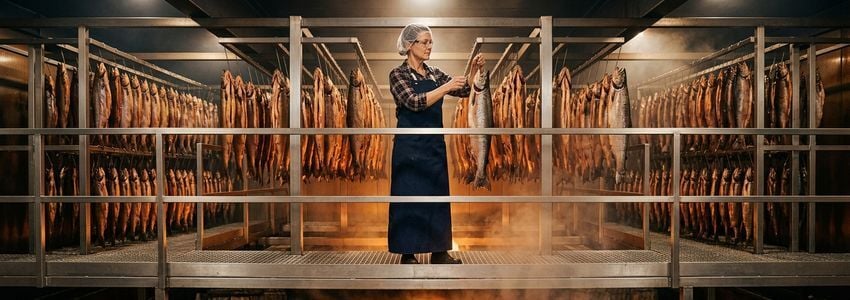
Fish Smoking Equipment Financing: The Complete Guide for Business Owners
Smoked fish is one of the fastest-growing categories in the American seafood case, and the equipment that makes it possible does not come cheap. Fish smoking equipment financing gives seafood processors, smokehouses, and specialty food producers a practical way to fund kilns, smokers, curing chambers, and cold storage without tying up the working capital they need to run daily operations.
Whether you are opening a small-batch artisan smokehouse or scaling up a commercial fish processing line, the right financing structure can be the difference between waiting years to save enough cash and getting new equipment installed this quarter.
In This Article
What Is Fish Smoking Equipment Financing?
Fish smoking equipment financing is a category of commercial equipment financing built specifically for the machinery used to cure, smoke, and preserve fish and seafood. It covers everything from small electric smoking cabinets used by artisan producers to full industrial smokehouse lines capable of processing thousands of pounds of salmon, trout, whitefish, or mackerel per day.
Instead of paying the full purchase price out of pocket, a business applies for a loan or lease structured around the useful life of the equipment. The lender advances funds to buy the machinery, and the borrower repays the balance over a set term, typically two to seven years, with fixed monthly payments.
Because the equipment itself generally serves as collateral, this type of financing tends to be more accessible than an unsecured business loan, even for processors that are still building up a credit history or that operate in a seasonal, cash-flow-sensitive industry like commercial fish processing.
Key Stat: The global smoked fish market was valued at roughly $14 billion in 2025 and is projected to keep growing at a compound annual rate above 6% through the end of the decade, with North America representing a significant share of that demand.
Key Benefits of Financing Fish Smoking Equipment
Buying smoking and curing equipment outright can require anywhere from $15,000 for a compact commercial smoker to well over $500,000 for a full production line with automated brining, smoking, chilling, and packaging stages. Financing spreads that cost out and preserves the cash a processor needs elsewhere.
- Preserves working capital. Cash stays available for raw fish purchases, payroll, packaging, and distribution instead of being locked into a single equipment purchase.
- Predictable monthly payments. Fixed-rate financing makes it easier to budget around seasonal harvest cycles and fluctuating fish prices.
- Faster access to new capacity. Financing allows a processor to add a second smoking line or a larger kiln immediately, rather than waiting years to self-fund the purchase.
- Tax advantages. Many equipment financing structures allow the business to deduct depreciation or lease payments, though a business owner should always confirm specifics with a tax professional.
- Access to both new and used equipment. Financing is available for brand-new smokehouse systems as well as certified used equipment, which can significantly lower the entry cost for a growing operation.
- Equipment as its own collateral. Because the smoker, kiln, or curing chamber itself typically secures the loan, approval standards are often more flexible than for a general working capital loan.
Ready to Upgrade Your Smokehouse?
Get fast, flexible financing from the #1 business lender in the U.S. No obligation. Apply in minutes and see what you qualify for.
Apply Now →How Fish Smoking Equipment Financing Works
The process is similar to other forms of commercial equipment financing, but a few details are specific to the fish and seafood processing industry. Here is what to expect from start to finish.
- Identify the equipment and total cost. Get a firm quote from your equipment vendor for the smoker, kiln, curing chamber, brine injector, or full line you want to purchase, including installation and any necessary electrical or ventilation upgrades.
- Submit an application. Provide basic business information, the equipment quote or invoice, and financial documentation such as bank statements and tax returns. Many lenders, including Crestmont Capital, can process applications in as little as 24 hours.
- Underwriting and approval. The lender reviews your revenue, time in business, credit profile, and the value of the equipment being financed. Since the equipment secures the loan, approval decisions often come back quickly.
- Choose your structure. Depending on the lender, you may be offered a term loan, an equipment lease, or an SBA-backed loan. Review the total cost, term length, and any end-of-term options such as a buyout.
- Funding and installation. Once approved, funds are sent directly to the equipment vendor or reimbursed to your business, and installation of your new smoking or curing system can begin.
- Repayment. You make fixed monthly payments over the agreed term, generally two to seven years depending on the type and expected useful life of the equipment.
Rates and terms vary based on the lender, the age and type of equipment, and the borrower's financial profile, but most fish smoking equipment loans carry terms between 24 and 84 months, with some larger SBA-backed purchases stretching longer.
Quick Guide
Fish Smoking Equipment Financing at a Glance
Lock in pricing for the smoker, kiln, or full line you need.
Submit financials and the equipment invoice in one simple application.
Decisions can come back in as little as 24 hours for qualified applicants.
Your new smoking or curing system goes to work while you repay over time.
Types of Equipment You Can Finance
Fish smoking and curing operations rely on a wide range of specialized machinery, and most of it qualifies for equipment financing. Common categories include:
- Commercial smokers and smokehouses: From single-batch cabinet smokers to walk-in industrial smokehouses that process thousands of pounds per cycle.
- Kilns and drying chambers: Used for controlled temperature and humidity curing before or after the smoking process.
- Brine injectors and mixing tanks: Equipment used to prepare fish for smoking through brining, curing salts, or marinades.
- Blast chillers and freezers: Rapid-chill equipment that locks in food safety and quality immediately after smoking.
- Filleting and portioning equipment: Machinery that prepares raw fish for the smoking process, including slicers and portion-control systems.
- Vacuum sealing and packaging lines: Equipment that extends shelf life and prepares finished product for retail or wholesale distribution.
- Cold storage and walk-in coolers: Essential for holding raw material and finished product at safe temperatures throughout production.
- Wood pellet and chip delivery systems: Automated fuel-feed systems used in larger commercial smokehouses to maintain consistent smoke output.
Both new and used equipment can typically be financed, and many lenders will also finance the electrical, ventilation, and exhaust upgrades required to install a commercial smoking system in a licensed food production facility.
Who Fish Smoking Equipment Financing Is Best For
This type of financing tends to be the strongest fit for a specific set of seafood and specialty food businesses:
- Artisan and specialty smokehouses looking to move from small-batch production into a licensed commercial facility.
- Established seafood processors adding a second smoking line or replacing aging equipment to increase throughput.
- Wholesale and distribution businesses that want to add in-house smoking capability rather than outsourcing to a co-packer.
- Restaurants and specialty retailers that smoke their own salmon, trout, or whitefish and want to scale that offering into a wholesale product line.
- Seasonal operations tied to salmon runs or other harvest cycles that need equipment ready before peak season without draining cash reserves in the off-season.
Because approval is often tied closely to the value of the equipment itself, this financing path can also work well for newer businesses that may not yet qualify for a large unsecured loan.
Comparing Your Financing Options
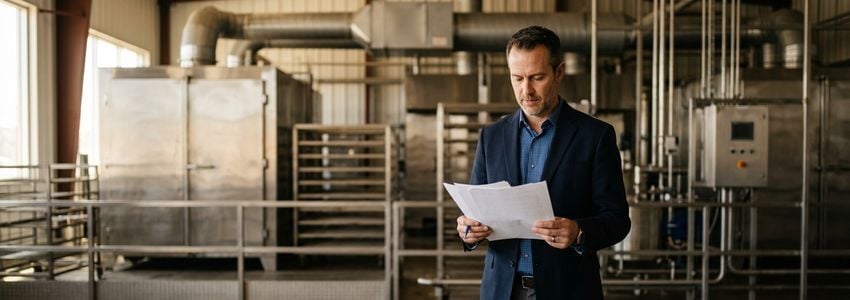
Fish smoking equipment financing is not the only path to new machinery. Here is how it stacks up against other common options.
| Option | Best For | Typical Term | Collateral |
|---|---|---|---|
| Equipment Financing | Purchasing a specific smoker, kiln, or line | 2-7 years | The equipment itself |
| Equipment Leasing | Lower upfront cost, easier upgrades later | 2-5 years | The leased equipment |
| SBA 7(a) or 504 Loan | Larger facility builds with equipment plus real estate | Up to 25 years | Equipment and/or real estate |
| Business Line of Credit | Smaller purchases or supplementing a larger loan | Revolving | Varies, often unsecured |
For most processors, dedicated equipment financing offers the clearest path because the repayment term can be matched to the useful life of the machinery, and approval standards tend to be more flexible than an unsecured loan.
Know Before You Borrow
Before applying for fish smoking equipment financing, take these steps to strengthen your application:
- Get a detailed vendor quote. Lenders move faster when they have exact pricing and specifications for the equipment.
- Confirm your facility is compliant. Check that your space meets local health department and fire code requirements for commercial smoking equipment before committing to a purchase.
- Know your numbers. Be ready to discuss revenue, seasonal cash flow patterns, and how the new equipment will increase output or reduce costs.
- Review new versus used options. Certified used equipment can significantly reduce the amount you need to finance while still meeting production needs.
How Crestmont Capital Helps Fish Smoking and Seafood Processing Businesses
Crestmont Capital works with seafood processors, smokehouses, and specialty food producers across the country to structure financing around the realities of the industry, including seasonal harvest cycles and fluctuating raw material costs. Food equipment financing through Crestmont covers smokers, kilns, chillers, and full processing lines, with funding available for both new and used machinery.
For businesses that prefer to preserve capital and keep more flexibility around upgrades, equipment leasing is available as an alternative to a traditional purchase loan. Larger facility expansions, including new smokehouse buildouts that combine equipment and real estate, may be a strong fit for an SBA loan, which Crestmont Capital can help you navigate from application through funding.
Processors that need ongoing flexibility to manage raw fish purchases, seasonal payroll swings, or unexpected repairs alongside their equipment financing often pair it with a business line of credit, giving them a revolving source of working capital separate from their equipment loan. If you are still assessing your broader processing setup, our guide to seafood processing equipment financing covers the filleting, freezing, and packaging side of the operation, while our commercial smokehouse equipment financing guide dives deeper into smokehouse-specific loan structures for meat and fish producers alike.
Find the Right Financing Solution for Your Smokehouse
Every seafood processing business is different. Let our funding specialists help you find the loan or lease structure that fits your production goals.
Get Your Free QuoteReal-World Scenarios
Here are a few examples of how fish smoking equipment financing plays out for different types of businesses.
Scenario 1: The Artisan Smokehouse Going Commercial. A husband-and-wife team selling smoked salmon at farmers markets outgrows their home kitchen setup. They finance a $65,000 commercial smokehouse and blast chiller through a five-year equipment loan, allowing them to move into a licensed facility and start selling to local grocery stores without depleting their savings.
Scenario 2: The Established Processor Adding Capacity. A regional seafood processor with eight years in business wins a new wholesale contract that requires doubling smoked whitefish output. They finance a $280,000 industrial smoking line with an automated pellet-feed system, structuring the loan over six years to match the useful life of the equipment while keeping cash on hand for the increased raw material purchases the new contract requires.
Scenario 3: The Seasonal Salmon Operation. A Pacific Northwest processor that operates primarily during salmon runs finances a replacement kiln and curing chamber ahead of the season using a structured loan with payments that scale with their seasonal revenue pattern, avoiding a large cash outlay during their slowest months.
Scenario 4: The Restaurant Turned Wholesale Brand. A restaurant known for its house-smoked trout decides to launch a retail product line. They finance a dedicated smoking and packaging setup separate from their kitchen equipment, using the new capacity to supply three regional grocery chains within the first year.
Fish Smoking Equipment Financing by the Numbers
$15k - $500k+
Typical Range for Smoking and Curing Equipment
2 - 7 Years
Common Equipment Loan Terms
6%+
Projected Annual Growth of the Smoked Fish Market Through 2030
Up to 100%
Equipment Cost Often Financeable, New or Used
Next Steps to Financing Your Fish Smoking Equipment
Your Path to Funding
- Get vendor quotes: Confirm exact pricing and specifications for the smoker, kiln, or line you want.
- Gather your documents: Recent bank statements, business tax returns, and basic financial statements.
- Compare structures: Weigh equipment financing, leasing, and SBA options against your cash flow needs.
- Apply: Submit your application online in a few minutes with no obligation.
- Get funded: Work with a funding specialist to finalize terms and get your equipment installed.
Ready to Fund Your Next Smokehouse Upgrade?
Your smoked fish business has room to grow. We have the financing to help you get there. Start our simple application and get a decision quickly.
Apply NowFrequently Asked Questions
Conclusion
Fish smoking equipment financing gives seafood processors, smokehouses, and specialty food producers a practical way to fund the smokers, kilns, and curing equipment their operations depend on, without draining the cash needed to run day-to-day production. Whether you are launching a new commercial smokehouse or scaling an established processing line, matching the right financing structure to your equipment and cash flow can make the difference between a slow, cash-constrained buildout and a fast path to new capacity.
If you are ready to explore financing for your fish smoking or seafood processing equipment, Crestmont Capital's team can walk you through your options and help you find a structure that fits your business.
Disclaimer: The information provided in this article is for general educational purposes only and is not financial, legal, or tax advice. Funding terms, qualifications, and product availability may vary and are subject to change without notice. Crestmont Capital does not guarantee approval, rates, or specific outcomes. For personalized information about your business funding options, contact our team directly.








