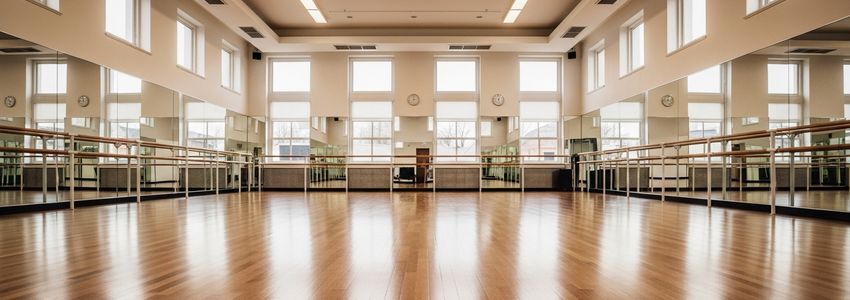
Running a dance or music school is as much a business venture as it is a passion. Whether you operate a youth ballet program, a multi-studio performing arts center, or a private instrument instruction academy, the costs of running these businesses are real and substantial. Sprung dance floors, sound systems, grand pianos, sound-dampening walls, leasing commercial space, hiring qualified instructors, and marketing to new families - all of it adds up. Dance and music school business loans give arts entrepreneurs a practical way to fund operations, grow enrollment, and invest in the physical space that students and parents expect.
This guide covers everything you need to know about financing a dance or music school - from how loans work to what types of funding are available, who qualifies, and how Crestmont Capital can help you get funded fast.
In This Article
- What Are Dance and Music School Business Loans?
- Why Arts Schools Need Financing
- Types of Financing Available
- How Dance and Music School Loans Work
- Key Stats at a Glance
- Who Qualifies
- How to Use Funding in Your Studio
- Comparing Loan Options
- How Crestmont Capital Helps
- Real-World Scenarios
- Frequently Asked Questions
- How to Get Started
What Are Dance and Music School Business Loans?
Dance and music school business loans are financing products designed to help performing arts studio owners access working capital, purchase equipment, renovate studio space, hire staff, and support the ongoing operational needs of their businesses. These loans function much like any other small business loan - the studio owner borrows a lump sum or draws from a credit line, uses the funds for business purposes, and repays over time with interest.
What sets arts school financing apart is the nature of the expenses involved. Dance floors, mirrors, barres, portable sound systems, acoustic panels, and high-end instruments are capital-intensive purchases. At the same time, enrollment income can be seasonal and inconsistent, which creates cash flow gaps that financing helps bridge. Whether you need a one-time injection of capital or a revolving credit line to manage expenses between enrollment cycles, business loans are a critical financial tool for arts studio owners.
Industry Insight: According to the National Dance Education Organization, there are over 40,000 dance studios operating in the United States. Combined with music schools and performing arts centers, this is a multi-billion dollar industry that is consistently growing as parents invest in extracurricular arts education for children.
Why Dance and Music Schools Need Financing
Arts schools carry a unique set of financial challenges. Unlike a retail business that can quickly scale inventory, a dance or music school's capacity is limited by physical space, qualified instructors, and equipment quality. Growing the business requires real capital investment.
Here are the most common reasons dance and music school owners seek financing:
- Studio buildout or renovation - Sprung hardwood floors, mirrors, barres, acoustic wall panels, lighting systems, and soundproofing are expensive but essential.
- Instrument purchase or upgrades - A single Steinway grand piano costs $60,000 or more. Even used professional-grade instruments require significant upfront investment.
- Sound and AV equipment - Professional audio systems, microphones, amplifiers, and digital mixing equipment are needed for performances and daily instruction.
- Hiring and payroll - Taking on certified instructors, front desk staff, and administrative support often precedes the revenue they generate.
- Marketing and enrollment campaigns - Building enrollment requires investing in advertising, website development, class registration software, and promotional events.
- Seasonal cash flow gaps - Many studios see enrollment drop during summer months and need financing to cover overhead until fall classes resume.
- Expansion to a new location - Opening a second studio requires deposits, tenant improvements, and operating capital before the location breaks even.
- Recitals and competitions - Staging annual recitals, purchasing costumes in bulk, and funding competition travel are major recurring expenses.
Ready to Grow Your Arts School?
Get flexible financing designed for small business owners like you. No obligation - apply in minutes.
Apply Now →Types of Financing Available for Dance and Music Schools
Arts school owners have multiple financing options available to them. The right choice depends on how you plan to use the funds, your credit profile, and the timeline of your needs.
Term Loans
Term loans provide a lump sum of capital upfront, repaid over a fixed schedule with interest. They work best for one-time investments like a studio renovation, purchasing an instrument, or opening a new location. Terms typically range from 12 to 60 months, and amounts can range from $10,000 to $500,000 or more depending on your business financials.
Business Line of Credit
A business line of credit gives you access to a pool of revolving capital you can draw from and repay as needed. This is particularly useful for managing seasonal cash flow - you draw funds when enrollment revenue is low and repay when fall or spring registrations come in. Lines of credit typically range from $10,000 to $250,000.
Equipment Financing
Equipment financing is specifically designed to fund the purchase of physical assets - in this case, instruments, sound systems, dance floors, mirrors, and studio fixtures. The equipment itself often serves as collateral, which can make approval easier even for businesses with limited operating history. Terms are typically aligned with the useful life of the equipment.
Working Capital Loans
Working capital loans are short-to-medium-term loans designed to cover day-to-day operating expenses rather than capital purchases. They help bridge gaps between instructor paychecks, rent payments, and utility bills when enrollment fees haven't yet come in. These are typically unsecured and processed quickly.
SBA Loans
SBA loans backed by the Small Business Administration offer some of the lowest interest rates available. The SBA 7(a) program in particular is well-suited for long-term investments like studio buildouts and major equipment purchases. However, SBA loans require extensive documentation and can take several weeks to process.
Merchant Cash Advances
For studios that process credit card payments for tuition, a merchant cash advance (MCA) provides capital in exchange for a percentage of future card sales. Repayment automatically adjusts with your revenue, making MCAs flexible. However, the effective cost of capital tends to be higher than traditional loans, so MCAs are better as short-term solutions.
Revenue-Based Financing
Revenue-based financing is similar to an MCA but typically involves a fixed percentage of gross monthly revenue rather than card-specific sales. It suits dance and music schools with consistent monthly tuition income from monthly payment plans.
How Dance and Music School Loans Work
The process for obtaining financing as a dance or music school owner typically follows these steps:
Step 1 - Determine your funding need. Are you purchasing equipment, covering seasonal expenses, renovating your space, or hiring new instructors? The purpose of your loan influences which product and which amount makes the most sense.
Step 2 - Gather your financial documents. Lenders will typically request three to six months of business bank statements, proof of business ownership, your business license, and sometimes tax returns. Some lenders work with minimal documentation, especially for smaller loan amounts.
Step 3 - Apply online. With an alternative lender like Crestmont Capital, the application process takes minutes. You submit your information, and a funding advisor reviews your file, often the same day.
Step 4 - Review your offers. You receive loan offers with terms, rates, and repayment structures clearly laid out. You choose the option that works best for your cash flow.
Step 5 - Receive funds. Upon approval, funds are typically deposited in your business bank account within one to three business days. SBA loans take longer due to government processing.
By the Numbers
Dance and Music School Financing - Key Statistics
40K+
Dance studios operating in the U.S.
$60K
Avg. cost of a professional grand piano
1-3 Days
Typical funding time with alternative lenders
$25K-$500K
Common loan ranges for arts schools
Who Qualifies for Dance and Music School Business Loans?
Qualification requirements vary by lender and loan type, but most alternative lenders like Crestmont Capital use a straightforward set of criteria to assess arts school applications.
Time in Business
Most lenders prefer businesses that have been operating for at least six months to one year. Established studios with three or more years of operating history typically qualify for the most favorable terms. Startup studios may have limited options but can often access equipment financing or startup programs.
Monthly Revenue
Lenders want to see consistent revenue coming in. For most alternative lending products, a minimum of $10,000 to $15,000 in monthly gross revenue is a common threshold. Studios with $50,000 or more in monthly revenue will have access to larger loan amounts.
Credit Profile
A personal credit score of 600 or above is typically sufficient for alternative lenders, while SBA loans generally require 680 or higher. If your score is lower, bad credit business loans are also available and can provide a path to funding while you work on improving your credit.
Business Bank Statements
Three to six months of bank statements showing consistent deposits and manageable average daily balances are the most important documents. Lenders look at revenue patterns, cash flow stability, and existing debt obligations when reviewing your application.
Industry and Use of Funds
Dance and music schools are generally considered favorable borrowers - they serve recurring clients, generate predictable tuition revenue, and operate in a stable industry. Lenders do not typically restrict performing arts school owners from accessing mainstream business loan products.
Good to Know: If your school is structured as an LLC, S-Corp, or sole proprietorship, you can apply for a business loan. Nonprofit performing arts schools may qualify for different programs. Crestmont Capital works with business entities of all structures.

How to Use Financing in Your Dance or Music School
Business loans for arts schools are versatile. Here is a closer look at how studio owners typically put financing to work.
Dance Floor Installation and Studio Renovation
A professional sprung hardwood dance floor is one of the most important investments a dance studio can make. These floors reduce injury risk, improve technique, and signal professionalism to parents and students. Floor installation combined with mirrors, barres, and acoustic treatment can easily cost $30,000 to $100,000 or more for a full-sized studio. Equipment financing or a term loan is commonly used for these large, one-time capital expenses.
Instrument Acquisition
Whether you are adding a Yamaha Clavinova keyboard lab, a rack of orchestral percussion, or a set of acoustic guitars for group lessons, instrument costs add up fast. Music schools frequently use equipment financing to spread these costs over time, with the instruments serving as collateral. This allows the school to deploy the instruments immediately and generate revenue from them before the loan is fully repaid.
Payroll and Instructor Hiring
Taking on a new certified dance teacher or a credentialed piano instructor before their classes are fully enrolled creates a temporary cash gap. Working capital loans and lines of credit help cover payroll while enrollment builds. This is especially common when launching a new program - the instructor must be in place before students can register.
Marketing and Digital Presence
Modern arts schools compete for students online. Building a professional website, running Google Ads, investing in social media content, and creating print materials for local schools all cost money. A short-term working capital loan or line of credit used strategically for a marketing push can generate enrollment returns that far exceed the cost of borrowing.
Seasonal Cash Flow Management
Most dance and music schools experience a meaningful drop in revenue during June, July, and August as students take summer breaks. A revolving line of credit used during the summer and repaid in September when fall enrollment comes in is an ideal structure for managing this annual pattern without taking on more debt than necessary.
Recital and Competition Costs
Staging a professional recital requires renting a theater or auditorium, printing programs, purchasing costumes, hiring sound and lighting technicians, and managing logistics. For schools that compete regionally or nationally, competition fees, travel costs, and lodging add significant expenses. Many studios fund these events with a working capital loan and recoup the costs through recital ticket sales and competition fundraising.
Opening a Second Location
Expansion is a major capital event. Beyond the lease deposit and tenant improvement costs, opening a second studio requires purchasing a duplicate set of equipment, hiring additional staff, and building a marketing presence in a new market. A term loan or SBA 7(a) loan is typically used for this type of expansion investment, given the scale of capital required.
Fund Your Studio's Next Phase
From instrument purchases to expansion, Crestmont Capital has financing built for growing arts school businesses.
Start Your Application →Comparing Loan Options for Arts Schools
| Loan Type | Best For | Amount Range | Time to Fund |
|---|---|---|---|
| Term Loan | Renovations, expansion | $25K - $500K+ | 1-5 business days |
| Business Line of Credit | Seasonal cash flow | $10K - $250K | 1-3 business days |
| Equipment Financing | Instruments, floors, AV | $5K - $500K | 1-7 business days |
| Working Capital Loan | Payroll, marketing, operations | $10K - $150K | 24-72 hours |
| SBA Loan | Long-term investment, low rate | $50K - $5M | 30-90 days |
| MCA / Revenue Financing | Fast cash, flexible repayment | $5K - $250K | 24-48 hours |
How Crestmont Capital Helps Dance and Music School Owners
Crestmont Capital is a leading U.S. business lender specializing in fast, flexible financing for small business owners across all industries, including dance and music schools. We work directly with studio owners to identify the right financing structure, provide competitive offers, and fund quickly - so you can focus on teaching and growing your programs rather than waiting on a bank.
Here is what sets us apart for arts school owners:
- Fast approvals and funding - Most of our clients receive a decision within hours and funds within one to three business days. This is especially valuable when you have time-sensitive needs like covering payroll or securing a studio lease before a competitor does.
- No collateral required for most products - Our working capital loans and lines of credit are typically unsecured, so you do not need to pledge personal assets or wait for an appraisal.
- Multiple financing options in one place - Whether you need equipment financing for instruments, a line of credit for seasonal cash flow, or a term loan for a studio buildout, we have products to match each need.
- Bad credit-friendly programs - We work with studio owners whose personal credit is imperfect, including those who have had past credit challenges.
- Dedicated advisors who understand your business - Our team understands the financial dynamics of service-based businesses with seasonal revenue patterns.
According to the U.S. Small Business Administration, small businesses in arts, entertainment, and recreation represent one of the most entrepreneurial segments of the U.S. economy. And according to U.S. Census Bureau data, there are hundreds of thousands of performing arts and music instruction businesses operating across the country.
You can also explore related financing resources like our complete guide to gym loans and yoga studio financing guide, which cover similar considerations for fitness and wellness business owners.
Real-World Scenarios: Arts School Owners and Financing
Scenario 1: The Studio Owner Expanding to a Second Location
Maria runs a thriving dance academy with 250 students enrolled in ballet, jazz, and contemporary classes. After five years at her original location, she has identified a second space across town in a growing suburban neighborhood. The lease requires a $15,000 deposit, and the tenant build-out for a proper dance floor, mirrors, and an instructor break room will cost another $60,000. She applies for a $90,000 term loan from Crestmont Capital, receives approval within 48 hours, and signs her new lease by end of the week. The second location opens to 80 enrolled students within three months.
Scenario 2: The Music School Purchasing a Piano Lab
David operates a music instruction studio offering piano, violin, and guitar lessons. He has been renting a single upright piano for group classes, but it limits his enrollment. He decides to purchase a Yamaha Clavinova digital piano lab - eight keyboards with headphone stations and a teacher control console. The total equipment cost is $28,000. He uses equipment financing to purchase the keyboards with a 36-month repayment plan. Monthly enrollment revenue from the new group piano class quickly covers the monthly payment with margin to spare.
Scenario 3: Managing Summer Cash Flow
Lisa's dance studio generates $35,000 per month during the academic year but drops to $8,000 per month during summer. Her fixed overhead - rent, utilities, instructor salaries for summer camp - runs $22,000 per month. She draws $45,000 from a business line of credit she established with Crestmont Capital in the spring. By October, fall enrollment brings her back to full revenue and she repays the line in full, leaving it available for the following summer.
Scenario 4: Funding a Performing Arts Expansion Program
James runs a private music academy with 120 students. He wants to launch a vocal performance program and needs to hire a voice instructor, purchase a PA system, and build out a small vocal studio with acoustic treatment. Total estimated cost: $35,000. He takes a $35,000 working capital loan with an 18-month repayment term, hires his instructor, and launches the program with a class roster of 22 students within 60 days - generating incremental monthly revenue that more than covers the loan payment.
Scenario 5: Pre-Recital Equipment Upgrade
Angela's ballet studio has an annual spring recital at a local performing arts center. She wants to upgrade her in-studio sound system before recital season so students can practice with professional-quality audio. The new system costs $12,000. She uses a short-term working capital loan to purchase and install the system in February, then repays it through March and April as recital registration payments and costume fees come in.
Scenario 6: Opening a Youth Orchestra Program
Dr. Kim is the director of a nonprofit-adjacent community music school. She receives a grant commitment for 50% of the cost of launching a youth orchestra program but needs to purchase instruments before the grant disbursement arrives. She uses a short-term bridge loan from Crestmont Capital to purchase the instrument inventory upfront, then repays the loan immediately upon receiving grant funds. The orchestra launches on time, fully equipped.
Frequently Asked Questions
Can a dance studio or music school get a business loan?
Yes. Dance studios, music schools, and performing arts centers qualify for the same business loan products available to any other small business. Lenders evaluate revenue, time in business, and creditworthiness rather than industry type. Alternative lenders like Crestmont Capital specifically serve service-based businesses with seasonal or recurring revenue patterns.
What credit score do I need to get a dance school business loan?
Many alternative lenders, including Crestmont Capital, work with personal credit scores as low as 550 to 600 for certain products. For SBA loans, most lenders prefer 680 or higher. The stronger your revenue and business history, the less weight a lower credit score carries in the approval decision.
Can I finance a dance floor or studio renovation?
Yes. Dance floor installation and studio renovations are common uses for business loans. These can be funded through a term loan, equipment financing (if the floor installation is capitalized as an asset), or an SBA 7(a) loan for larger buildout projects. Lenders do not restrict loan usage to specific purposes within standard business operations.
How much can I borrow for a music school?
Loan amounts depend on your monthly revenue, time in business, credit profile, and how much existing debt your business carries. Music schools with $20,000 to $50,000 in monthly revenue commonly qualify for $50,000 to $250,000. Larger, more established schools can access $500,000 or more through term loans or SBA programs.
Can I use a business loan to buy instruments?
Yes. Purchasing musical instruments - including pianos, keyboards, guitar inventory, percussion, and band instruments - is one of the most common uses of equipment financing for music schools. The equipment often serves as collateral, which can ease qualification requirements and reduce interest rates.
What documents do I need to apply for a dance studio loan?
Most alternative lenders require three to six months of business bank statements, a government-issued ID, and your business license or EIN. Some lenders may request recent tax returns or profit and loss statements for larger loan amounts. The application process is typically completed online in under 15 minutes.
How long does approval take for a music school business loan?
With alternative lenders like Crestmont Capital, approval can happen the same day you apply. Funding typically arrives within one to three business days. SBA loans, by contrast, take 30 to 90 days due to government processing requirements.
Can a new dance studio get a business loan?
Startups have fewer options, but financing is available. Equipment financing for instruments or studio buildout often works for new businesses, especially when strong personal credit or outside collateral is available. Crestmont Capital's startup programs may also apply to recently launched studios with less than 12 months of operating history.
Is a business line of credit a good fit for arts school seasonality?
A business line of credit is an excellent fit for seasonal dance and music schools. You draw funds when revenue is low (typically summer), cover fixed overhead, and repay the balance once fall enrollment resumes. You only pay interest on what you draw, not the full credit limit, which makes it cost-efficient for seasonal management.
Do I need collateral to get a dance school loan?
Not always. Unsecured working capital loans and lines of credit do not require physical collateral, though a personal guarantee is typical. Equipment financing uses the purchased equipment as collateral. SBA loans may require collateral depending on loan size and the borrower's financial profile.
What interest rates should I expect on a music school business loan?
Interest rates vary by loan type, credit profile, and lender. SBA loans typically offer the lowest rates, ranging from prime plus 2.75% to 4.75%. Term loans from alternative lenders may range from 8% to 25% APR depending on risk. MCAs and revenue-based financing are quoted in factor rates (typically 1.15 to 1.45) rather than APR. Always compare total cost of capital, not just rate.
Can I use a business loan to cover recital or competition costs?
Yes. Business loans can be used for any legitimate operational expense, including recital production costs, costume purchases, venue rental, competition fees, and travel. A working capital loan or line of credit drawn before the event and repaid through recital ticket sales or semester tuition is a common approach.
Can I finance marketing for my dance studio or music school?
Yes. Marketing is a legitimate and common use of business financing. Many arts school owners use working capital loans or lines of credit to fund enrollment campaigns, digital advertising, and website development. The ROI on well-executed marketing typically justifies the cost of borrowing, especially ahead of enrollment periods.
What is the difference between equipment financing and a term loan for a dance school?
Equipment financing is specifically tied to an asset purchase - the equipment serves as collateral and the loan term is typically aligned with the asset's useful life. A term loan is more general-purpose - you receive a lump sum that can be used for equipment, renovations, hiring, or other business needs. Equipment financing sometimes offers lower rates due to the collateral, while term loans are more flexible in how you use the funds.
How do I choose the right lender for my arts school?
Look for a lender that understands service businesses with seasonal revenue patterns, offers multiple product types, is transparent about rates and fees, and can fund quickly. Crestmont Capital is a direct lender that specializes in small business financing - we can review your file quickly and match you with the right product for your specific needs. Avoid lenders who charge upfront fees before you receive approval.
How to Get Started
Complete our quick application at offers.crestmontcapital.com/apply-now - it takes just a few minutes and does not affect your credit score to check your options.
A Crestmont Capital funding advisor will review your school's financials, discuss your goals, and present the financing options that best match your needs and cash flow.
Receive your funds quickly - often within one to three business days - and put them to work. Whether you are installing a new dance floor or expanding your instrument inventory, the capital is yours to use for your business.
Conclusion
Dance and music school business loans are an essential tool for arts entrepreneurs who want to grow, manage cash flow, and invest in the quality programs that attract and retain students. From dance floor installations and instrument purchases to seasonal cash flow management and new location expansions, the right financing product can unlock opportunities that would otherwise require years of savings to achieve.
Crestmont Capital works with performing arts school owners across the country to find fast, flexible financing that fits the unique rhythms of the dance and music school industry. If your studio is ready to grow, explore your options today with a quick application - no obligation, no impact to your credit score to check your rate.
You can also review our small business loans overview or explore our equipment financing options to understand all the ways Crestmont Capital can support your arts school's financial needs.
Take the Next Step for Your Arts School
Apply in minutes. Get a decision fast. Fund your studio's next phase with Crestmont Capital.
Apply Now →Disclaimer: The information provided in this article is for general educational purposes only and is not financial, legal, or tax advice. Funding terms, qualifications, and product availability may vary and are subject to change without notice. Crestmont Capital does not guarantee approval, rates, or specific outcomes. For personalized information about your business funding options, contact our team directly.