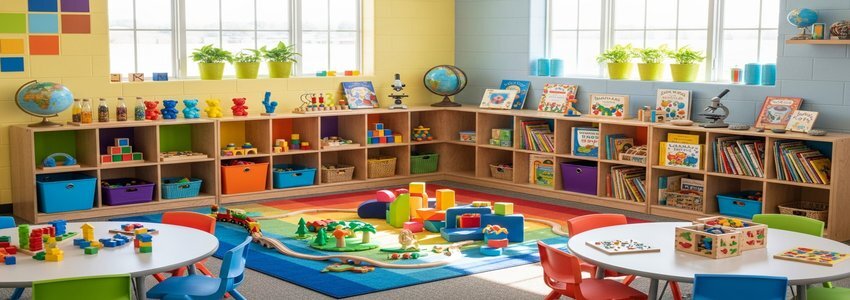
Running a childcare center is one of the most rewarding — and one of the most financially demanding — small businesses in America. Between state licensing fees, hiring qualified staff, maintaining safe facilities, purchasing educational materials, and managing the significant gap between tuition revenue and operating costs, childcare business owners face cash flow challenges that general-purpose business lenders rarely understand. Childcare business loans provide daycare owners, preschool operators, and childcare entrepreneurs with the capital to grow their programs, improve their facilities, expand enrollment capacity, and build financially stable businesses.
Whether you operate a licensed home daycare, a commercial childcare center, a preschool, an after-school program, or a franchise childcare location, Crestmont Capital provides childcare financing from $10,000 to $500,000 with approvals as fast as 24 to 48 hours. This guide explains every financing option available to childcare businesses, what you need to qualify, and how to get funded quickly.
According to the U.S. Small Business Administration, childcare businesses consistently rank among the top service industries seeking working capital and equipment financing. The National Association for the Education of Young Children (NAEYC) notes that the cost of providing high-quality early childhood education continues to rise, placing significant financial pressure on independent childcare operators who do not have access to public school district funding or large franchise resources.
In This Guide
Childcare Industry at a Glance
$60B+
U.S. childcare industry annual revenue
60–70%
Of operating budget spent on staffing
$5K–$50K
Typical state licensing costs
24–48 hrs
Crestmont Capital funding speed
Why Childcare Businesses Need Financing
Childcare is a mission-driven industry, but it operates in a financially challenging environment that creates genuine capital needs at every stage of growth. Understanding these challenges helps childcare owners identify the right financing solution.
State Licensing and Compliance Costs
Every state has its own licensing requirements for childcare facilities, and those requirements come with real costs. Background check fees for staff, facility inspection costs, child-to-staff ratio compliance (which drives staffing costs), annual licensing renewal fees, and the cost of bringing a facility into compliance with state health and safety standards can easily run $5,000 to $50,000 depending on your state and the size of your operation. When a state mandate requires a facility upgrade — such as new fencing, updated fire suppression systems, or accessibility improvements — the cost arrives suddenly and must be addressed immediately to maintain your license.
Staffing Costs Dominate the Budget
Qualified childcare workers — particularly those with early childhood education credentials, CPR/first aid certifications, and experience meeting state licensing ratios — are in high demand and represent 60–70% of a typical childcare center's operating budget. When enrollment grows, staff must be hired and trained before the new enrollees generate revenue. When an experienced teacher leaves, you must hire and pay a replacement during the overlap or training period. A working capital loan or business line of credit gives you the flexibility to manage these staffing realities without compromising the quality of care your families depend on.
Facility Investments and Capacity Expansion
For many childcare operators, the path to greater profitability runs through increasing enrollment capacity — which requires physical space. Adding a classroom, upgrading playground equipment to meet safety standards, renovating an aging facility, or leasing a larger location all require capital that most childcare operators cannot self-fund from monthly tuition revenue alone. According to Forbes Finance Council, small business owners who access financing for expansion investments consistently outperform those who delay growth waiting to accumulate savings organically.
Transportation and Field Programs
Many childcare centers enhance their enrollment appeal — and generate additional revenue — through transportation programs (school pickup/drop-off vans) and enrichment field trips. A properly equipped childcare transport van costs $35,000 to $55,000 and requires special insurance and licensing. Equipment financing makes this investment accessible without depleting operating reserves.
Curriculum Materials and Technology
Competitive childcare programs continually invest in educational materials, curriculum resources, learning management technology, and enrichment programs (music, STEM activities, foreign language) that differentiate their center and justify premium tuition rates. These investments require working capital that compounds over time as a program grows.
Ready to Finance Your Childcare Business?
Get childcare business loans from $10K to $500K. Apply in minutes — no obligation.
Apply Now →Types of Childcare Business Loans
Crestmont Capital offers multiple financing programs suited to the specific capital needs of daycare centers, preschools, and childcare businesses. Here are the primary options:
1. Working Capital Loans
Working capital loans provide fast, flexible capital for day-to-day operational needs — covering payroll during a staffing expansion, funding a state compliance upgrade, or bridging a cash flow gap between enrollment cycles. Unsecured working capital loans require no collateral and fund in 24–48 hours for amounts from $10,000 to $250,000. These are the most commonly used loan type for childcare operators who need capital quickly without complex documentation.
2. SBA Loans for Childcare
SBA 7(a) loans offer the most favorable rates and longest terms available to small childcare businesses — with loan amounts up to $5 million, repayment terms up to 25 years for real estate, and government-backed guarantees that reduce lender risk and improve borrower terms. SBA loans are ideal for major investments: building purchase, facility expansion, large-scale renovation, or acquiring an existing childcare business. The tradeoff is a longer approval timeline (30–90 days) and more documentation requirements.
3. Equipment Financing
Childcare equipment financing covers the investments that make a quality program possible: commercial playground equipment ($15,000–$80,000), childcare transport vans ($35,000–$55,000), kitchen equipment for a licensed commercial kitchen, HVAC upgrades, security camera systems, furniture and classroom fixtures, and educational technology. Equipment loans spread these costs over 24–60 months with the equipment serving as collateral — making qualification easier even for businesses with moderate credit scores.
4. Business Line of Credit
A business line of credit gives childcare operators revolving access to capital — draw what you need, pay interest only on the drawn balance, repay, and draw again. Lines of credit from $25,000 to $250,000 are ideal for managing enrollment fluctuation, covering seasonal staffing costs (summer program expansion), and funding recurring compliance investments. This is the most flexible option for experienced childcare operators who have consistent but variable capital needs.
5. Fast Business Loans
Fast business loans provide same-day or next-day capital for urgent needs — a critical HVAC failure in July, a sudden staffing shortfall that must be filled before Monday's opening, or an emergency playground equipment repair needed to maintain licensing compliance. Fast loans prioritize speed over rate optimization and are best used for true emergencies rather than planned capital investments.
Childcare Loan Comparison
| Loan Type | Amount Range | Best For | Rate Range | Term |
|---|---|---|---|---|
| Working Capital | $10K–$250K | Payroll, compliance, operations | 8–25% APR | 6–18 months |
| SBA 7(a) Loan | Up to $5M | Expansion, real estate, acquisition | Prime + 2.25–4.75% | Up to 25 years |
| Equipment Financing | $10K–$300K | Playground, vans, kitchen, HVAC | 6–18% APR | 24–60 months |
| Line of Credit | $25K–$250K | Revolving operational capital | 8–22% APR | Revolving |
| Fast Business Loan | $10K–$150K | Emergency capital needs | 12–35% APR | 3–18 months |

Who Qualifies for Childcare Business Loans?
Crestmont Capital evaluates childcare loan applications based on a combination of business revenue, time in operation, credit history, enrollment stability, and overall business profile.
| Requirement | Working Capital / LOC | Equipment Financing | SBA Loan |
|---|---|---|---|
| Time in Business | 6+ months | 6+ months | 2+ years |
| Annual Revenue | $75K+ | $100K+ | $200K+ |
| Credit Score | 600+ | 580+ | 650+ |
| Monthly Revenue | $6,000+ | $8,000+ | $17,000+ |
| State License | Required | Required | Required |
| Collateral | Not required | Equipment (self-collateralizing) | May be required |
Tip: Childcare centers with NAEYC accreditation, or those pursuing accreditation, often demonstrate stronger financial discipline and program quality that resonates positively with lenders. Document your accreditation status and enrollment stability in your application to strengthen your approval odds.
Rates & Terms for Childcare Business Loans
| Loan Program | Rate Range | Typical Term | Funding Speed |
|---|---|---|---|
| Working Capital Loan | 8–25% APR | 6–18 months | 24–48 hours |
| Equipment Financing | 6–18% APR | 24–60 months | 3–5 days |
| Business Line of Credit | 8–22% APR | Revolving | 3–7 days |
| SBA 7(a) Loan | Prime + 2.25–4.75% | Up to 25 years | 30–90 days |
| Fast Business Loan | 12–35% APR | 3–18 months | 24 hours |
Rates vary based on creditworthiness, loan amount, time in business, and annual revenue. Contact Crestmont Capital for a personalized quote.
How to Apply for a Childcare Business Loan — 5 Steps
Complete Crestmont Capital's quick online application at offers.crestmontcapital.com. Provide your center name, annual revenue estimate, time in operation, and the amount you need. The application takes under 5 minutes with no commitment required.
Your advisor will request documents based on your loan type. For working capital and fast loans: 3–6 months of business bank statements and your state childcare license. For equipment financing: an equipment quote. For SBA loans: 2 years of tax returns, P&L statement, and a business plan.
Our underwriting team reviews your revenue, bank history, licensing status, enrollment levels, and credit profile. Working capital and fast loans are decided in 24–48 hours. We evaluate childcare businesses based on the real economics of the industry — not generic retail or restaurant benchmarks.
Receive a clear term sheet showing amount, rate, repayment schedule, and all fees. Ask your advisor any questions. Accept when you're fully comfortable — no pressure and no obligation until you sign.
Working capital and fast loans fund directly to your business bank account within 24–48 hours of approval. Equipment financing funds upon vendor confirmation. Use your capital to grow your program, improve your facility, hire great teachers, and serve more families.
Real Childcare Financing Scenarios
Scenario 1: Adding Classroom Capacity — $80,000
A licensed daycare center with 45 enrolled children had a waitlist of 22 families. The owner wanted to add a dedicated toddler classroom by renovating an underutilized storage room, purchasing 10 new cribs and changing stations, adding compliant safety fencing, and hiring two additional qualified teachers. Total project cost: $80,000. With only $22,000 in available cash, they applied for a working capital loan of $80,000 through Crestmont Capital, received approval in 48 hours, completed the renovation in 6 weeks, enrolled 18 additional children, and increased annual tuition revenue by $162,000 — paying off the loan within 7 months from the incremental revenue.
Scenario 2: Purchasing a Transport Van — $65,000
A preschool program wanted to add a school pickup and drop-off service for working parents — a differentiator that competing centers did not offer. A properly equipped 14-passenger childcare van with commercial insurance ran $65,000 total. The owner used equipment financing through Crestmont Capital with a 48-month term. The van program enrolled 12 additional families at a $250/month transportation premium, generating $36,000 per year in new revenue against a monthly loan payment of approximately $1,600 — a strongly positive return on the equipment investment.
Scenario 3: Facility Renovation — $150,000
A 12-year-old childcare center faced increasing competition from a newly opened franchise location nearby. The owner decided to invest in a complete renovation: new commercial playground equipment ($45,000), full interior refresh and new classroom furniture ($35,000), updated kitchen and dining area ($28,000), security camera and digital check-in system ($12,000), and new signage and curb appeal improvements ($30,000). They secured a $150,000 SBA 7(a) loan through Crestmont Capital over 7 years at a competitive rate. Post-renovation enrollment increased from 58 to 82 children within 9 months, and the center's annual revenue grew from $480,000 to $685,000.
Scenario 4: Staffing Emergency Working Capital — $45,000
A summer childcare program experienced an unexpected cash flow crunch when summer enrollment came in 30% higher than projected — a good problem that required immediately hiring 4 additional staff members and purchasing supplies for the additional children. The revenue was confirmed but would arrive over the next 8 weeks through tuition payments. The owner applied for a $45,000 fast business loan through Crestmont Capital on a Friday morning and received funding by Monday — enabling the center to open summer program at full capacity rather than turning away families due to a temporary staffing cash flow gap.
Tips for Getting Your Childcare Business Loan Approved
Why Childcare Owners Choose Crestmont Capital
Crestmont Capital is rated the #1 small business lender in the United States. We bring specialized expertise in service industry financing — including childcare centers, preschools, and after-school programs — directly to the owners who need it most.
- Industry Understanding: Our advisors understand the childcare business model — recurring tuition revenue, high staffing costs, state licensing requirements, and enrollment-driven growth patterns. We don't evaluate your application against restaurant or retail benchmarks.
- Fast Approvals: Working capital and fast loans are approved in 24–48 hours. When a licensing compliance deadline or a staffing emergency requires immediate action, we move at the speed your business demands.
- Flexible Credit Standards: We consider applications with personal credit scores as low as 580–600 for most programs, evaluating your full business picture rather than relying exclusively on a credit score.
- Multiple Programs: From working capital loans to equipment financing, lines of credit, fast loans, and SBA loans, we match your center with the right financing for your specific need and timeline.
- Transparent Terms: No hidden fees. Every offer shows your rate, payment, term, and total cost before you sign anything.
- Dedicated Advisors: You work with the same advisor from first inquiry through funding — and for future financing needs as your childcare business grows.
Apply for a Childcare Business Loan Today
Working capital, equipment loans, and SBA financing for daycare centers and preschools. Apply in minutes. Funding as fast as 24 hours.
Get Your Loan Quote →Frequently Asked Questions: Childcare Business Loans
What are childcare business loans used for?
Childcare business loans are used for expanding enrollment capacity (adding classrooms), purchasing playground equipment, buying transport vans, renovating facilities, covering payroll during staffing expansions, funding state licensing compliance upgrades, purchasing curriculum materials and educational technology, marketing to attract new families, and acquiring or opening additional childcare locations.
How much can a daycare center borrow?
Crestmont Capital provides childcare business loans from $10,000 to $500,000. The specific amount depends on annual tuition revenue, time in operation, enrollment levels, and credit profile. Working capital loans typically scale to 50–100% of average monthly revenue. SBA loans can exceed $1 million for qualified expansion projects. Equipment financing is sized to the specific equipment purchase.
Can I get a loan to cover childcare staffing costs?
Yes. Working capital loans are commonly used by childcare centers to cover payroll during enrollment expansions, staffing transitions, and summer program scale-ups where additional staff must be hired before tuition revenue from new enrollees fully arrives. A business line of credit is particularly well-suited for managing recurring staffing cost fluctuations throughout the year.
What is the minimum credit score for a daycare business loan?
Crestmont Capital considers applications with personal credit scores as low as 580–600 for equipment financing and 600+ for working capital loans and lines of credit. SBA loans typically require 650 or higher. We evaluate the complete business picture — revenue, enrollment stability, bank deposit history, and licensing status — rather than relying exclusively on a credit score.
Can a new daycare get a business loan?
New childcare businesses (under 6 months old) face limited options, but equipment financing is often accessible for centers that have obtained their state license and begun operations. Working capital loans and lines of credit typically require 6+ months of operating history. SBA loans require 2+ years. For new centers, building 6–12 months of operating history with documented enrollment and tuition revenue significantly expands financing options.
Can I finance playground equipment for my daycare?
Yes. Commercial playground equipment is one of the most common equipment financing requests from childcare centers. A new commercial playground installation for a daycare typically costs $15,000 to $80,000 including equipment, safety surfacing, and installation. Equipment financing spreads this cost over 24–60 months, allowing you to invest in the playground that improves enrollment appeal without depleting your operating reserves.
How fast can I get a childcare business loan?
Working capital and fast business loans from Crestmont Capital fund within 24–48 hours of approval. Equipment financing typically funds within 3–5 business days. Business lines of credit are established within 3–7 days. SBA loans require 30–90 days for processing and closing. For urgent needs — emergency facility repairs, compliance deadlines, or unexpected staffing costs — Crestmont Capital's fast business loan program provides the quickest path to capital.
What documents do I need to apply for a childcare business loan?
For most working capital and fast loans: 3–6 months of business bank statements, a government-issued ID, business EIN, and your current state childcare license. For equipment financing: an equipment quote or invoice. For SBA loans and larger amounts: 2 years of business and personal tax returns, a profit and loss statement, balance sheet, and a business plan or use-of-funds description. Your advisor provides a precise checklist based on your specific loan type and amount.
Does NAEYC accreditation help me qualify for a loan?
NAEYC accreditation is not a formal loan qualification criterion, but it can positively influence how lenders perceive your business. Accreditation signals programmatic quality, financial discipline, and long-term operational stability — all qualities lenders value. If your center is NAEYC accredited or pursuing accreditation, include this information in your loan application to strengthen the overall business narrative.
Can I get an SBA loan to buy an existing daycare?
Yes. SBA 7(a) loans are commonly used to acquire existing childcare businesses. Buying an established daycare with existing enrollment, staff, licensing, and cash flow history is often more financially efficient than starting from scratch — and lenders view existing revenue as significantly lower risk than a startup. An SBA acquisition loan can fund the purchase price, working capital for the transition period, and initial improvements. Qualification requires 2+ years in childcare (as an employee or operator) and a strong credit profile.
Do childcare business loans require collateral?
Not always. Working capital loans and fast business loans from Crestmont Capital are unsecured — no collateral required, though a personal guarantee is typically required. Equipment financing uses the financed equipment as collateral. SBA loans may require a lien on business assets and sometimes personal assets for larger amounts. Secured loans typically offer lower interest rates in exchange for the collateral requirement.
Can I use a business loan to open a second childcare location?
Yes. Second-location expansion is one of the most common uses for larger childcare business loans. Typical costs include leasehold improvements ($40,000–$100,000), playground equipment ($20,000–$60,000), initial staffing and training ($25,000–$50,000), licensing and compliance costs ($5,000–$20,000), furniture and classroom materials ($20,000–$40,000), and working capital for the first 6 months of operation ($30,000–$60,000). Total capital need for a second location typically ranges from $150,000 to $350,000. SBA loans and term loans are both used for this purpose.
What is the minimum annual revenue required for a childcare loan?
For working capital loans and lines of credit, Crestmont Capital typically requires $75,000+ in annual revenue and 6+ months in operation. Equipment financing requires $100,000+ in annual revenue. SBA loans generally require $200,000+ in annual revenue and 2+ years of operating history. These are general guidelines — qualification ultimately depends on your complete business profile including revenue trends, enrollment levels, and credit history. Contact Crestmont Capital for a personalized assessment.