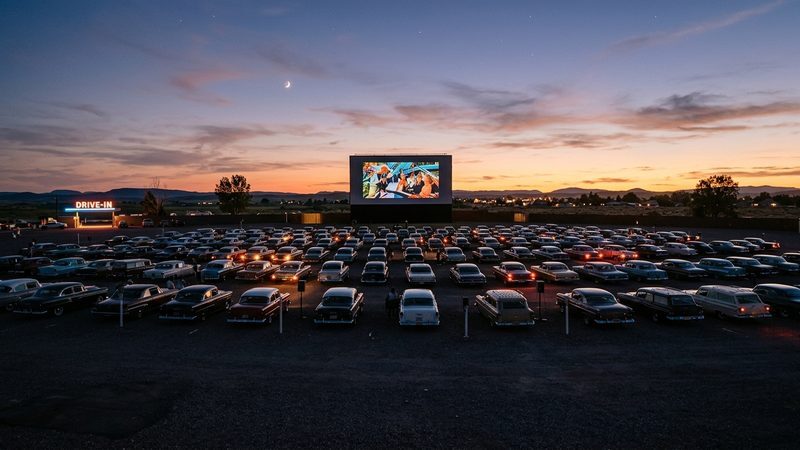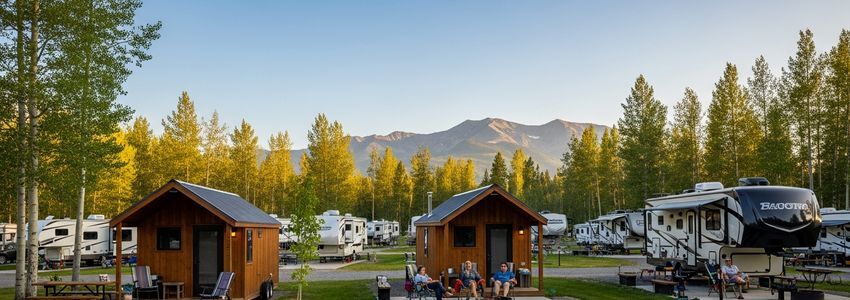
Owning a campground or RV park is more than a lifestyle choice - it is a capital-intensive business that requires ongoing investment in land, infrastructure, amenities, and technology. Whether you are purchasing a new property, expanding an existing campground, upgrading utility hookups, or adding glamping cabins to attract a premium market, campground business loans can provide the working capital you need to grow without draining your reserves.
The outdoor hospitality industry has seen explosive growth in recent years. According to the U.S. Small Business Administration, the number of Americans camping annually has grown significantly - and campground operators are under pressure to modernize facilities to meet rising guest expectations. This guide walks you through every major financing option available to campground and RV park owners, what lenders look for, and how to get funded fast.
- Why Campgrounds and RV Parks Need Financing
- Types of Campground Business Loans
- SBA Loans for Campground Owners
- Equipment Financing for Campgrounds
- How Much Can You Borrow?
- Qualification Requirements
- Campground Financing at a Glance
- How Crestmont Capital Helps Campground Owners
- Tips to Strengthen Your Loan Application
- Next Steps
- Frequently Asked Questions
Why Campgrounds and RV Parks Need Financing
The outdoor hospitality sector is booming. A Forbes Business Council analysis found that domestic camping participation surged dramatically during and after the pandemic, creating a sustained wave of demand for campground stays. With more Americans choosing outdoor vacations, campground operators face both opportunity and obligation to invest in their properties.
The capital needs of a campground or RV park are substantial and wide-ranging. Unlike a typical retail business, campgrounds must maintain physical infrastructure spread across acres of property. Key financing needs include:
- Land acquisition: Purchasing raw land or an existing campground property
- Site development: Grading, utility installation (water, sewer, electric), road paving, and landscaping
- RV hookup upgrades: Installing 30-amp and 50-amp electric pedestals, water/sewer connections
- Glamping structures: Cabins, yurts, safari tents, and tiny homes command premium rates and require significant upfront investment
- Amenity upgrades: Swimming pools, playgrounds, bath houses, laundry facilities, camp stores
- Technology: Online reservation systems, Wi-Fi infrastructure, security cameras, keypad entry
- Equipment: Tractors, utility vehicles, mowing equipment, maintenance tools
- Working capital: Payroll, insurance, marketing, and seasonal operating expenses
Many campground owners also face seasonal cash flow challenges. Revenue peaks in summer while expenses continue year-round. A business line of credit or working capital loan can bridge the gap during shoulder seasons and winter months, keeping operations running smoothly.
Whether you are a first-time campground buyer or an established operator looking to expand, securing the right financing can make the difference between a thriving business and one that struggles to keep up with guest expectations.
Ready to Fund Your Campground or RV Park?
Get pre-qualified in minutes with no impact to your credit score.
Apply Now - It's FreeTypes of Campground Business Loans
Campground and RV park owners have access to a variety of financing products. The right choice depends on your use of funds, timeline, credit profile, and business financials. Here are the most common loan types used in the outdoor hospitality space:
1. Small Business Term Loans
Small business loans are the most straightforward financing tool for campground owners. You receive a lump sum and repay it with fixed monthly payments over a set term, typically one to five years for shorter-term products and five to twenty-five years for longer amortizations. Term loans are ideal for large one-time expenditures like purchasing equipment, funding a site expansion, or completing a major renovation project.
2. Business Lines of Credit
A revolving business line of credit gives campground operators flexible access to capital up to a set limit. You draw funds as needed and only pay interest on what you use. This product is especially useful for managing seasonal cash flow gaps, covering unexpected repairs, or financing marketing campaigns during the off-season.
3. Long-Term Business Loans
Long-term business loans with repayment periods of 5 to 25 years are often the best fit for major capital projects like land acquisition, large-scale infrastructure development, or purchasing an existing campground property. Longer terms spread payments out over time, preserving monthly cash flow.
4. SBA Loans
Small Business Administration loan programs, particularly the SBA 7(a) and SBA 504, are among the most popular options for campground financing because of their competitive rates and long repayment terms. We cover SBA loans in detail in the next section.
5. Equipment Financing
Purpose-built equipment financing lets campground owners acquire tractors, utility vehicles, golf carts, lawn equipment, and other assets using the equipment itself as collateral. This keeps your general working capital free for other expenses.
6. Working Capital Loans
Working capital loans are designed to cover short-term operational needs - payroll during low seasons, pre-season marketing costs, inventory restocking, and similar expenses. These are often shorter in term and faster to fund than traditional business loans.
7. Revenue-Based Financing
For campgrounds with consistent booking revenue, revenue-based financing allows owners to receive a lump sum advance in exchange for a percentage of future revenue. Repayments fluctuate with income, making this particularly flexible during seasonal transitions.
8. Invoice Financing
If your campground provides services to corporate clients, event organizers, or government contracts with net payment terms, invoice financing lets you unlock the value of outstanding receivables immediately rather than waiting 30 to 90 days for payment.
SBA Loans for Campground Owners
SBA loan programs are administered through approved lenders and partially guaranteed by the federal government, which reduces risk for lenders and allows them to offer better terms. Two programs are especially relevant for campground and RV park owners:
SBA 7(a) Loans
The SBA 7(a) is the most flexible SBA product. It can be used for working capital, equipment purchases, renovations, debt refinancing, and even business acquisitions. Campground owners can borrow up to $5 million under this program, with repayment terms up to 10 years for working capital and up to 25 years for real estate. Interest rates are variable, tied to the prime rate plus a lender spread, and are capped by the SBA.
SBA 504 Loans
The SBA 504 program is specifically designed for fixed-asset purchases - commercial real estate and long-lived equipment. If you are buying land for a new campground, constructing permanent facilities, or purchasing a going-concern campground operation, a 504 loan may offer some of the lowest rates available. Loan amounts can reach $5.5 million or higher in some cases. Repayment terms are 10, 20, or 25 years.
SBA loans do require more paperwork and a longer approval timeline - often 30 to 90 days - compared to alternative lenders. However, the rates and terms are typically the most favorable available to small business owners. Learn more about SBA loan options through Crestmont Capital.
Equipment Financing for Campgrounds
Campground operations require substantial equipment investment. From maintaining roads and grounds to providing recreation facilities, the equipment list for a well-run campground is extensive:
- Tractors and utility vehicles (UTVs, golf carts)
- Commercial mowing and landscaping equipment
- Dump trucks and trailers
- Wood chippers and brush cutters
- Generators and power backup systems
- Water pumps and septic equipment
- Laundry machines for bath house facilities
- Pool maintenance equipment
- Security and camera systems
- Wi-Fi access points and networking infrastructure
Equipment financing through Crestmont Capital is structured so that the equipment itself serves as collateral. This means qualification is often easier than a general business loan, and funds can be available in as little as 24 to 48 hours after approval. Terms typically range from 24 to 84 months, depending on the asset type and expected useful life.
For campground owners who also operate a marina or water recreation component, there are specialized financing options available as well. See our guide on marina business loans for complementary coverage of waterfront property financing.
How Much Can You Borrow?
Loan amounts available to campground operators depend on several factors: business revenue, creditworthiness, collateral, time in business, and the specific lender or program used. Here is a general overview of typical ranges:
| Loan Type | Typical Amount | Term | Best For |
|---|---|---|---|
| Term Loan | $25,000 - $500,000+ | 1 - 5 years | Renovations, expansions |
| Business Line of Credit | $10,000 - $250,000 | Revolving | Seasonal cash flow |
| SBA 7(a) | Up to $5 million | Up to 25 years | Acquisitions, real estate |
| SBA 504 | Up to $5.5 million | 10 - 25 years | Land and construction |
| Equipment Financing | $5,000 - $500,000+ | 2 - 7 years | Vehicles, machinery |
| Working Capital Loan | $10,000 - $250,000 | 3 - 18 months | Operations, payroll |
| Revenue-Based Financing | $10,000 - $500,000 | Flexible | Fast capital, growth |
Qualification Requirements for Campground Loans
Lender requirements vary depending on the financing product you are applying for. Alternative lenders and online lenders like Crestmont Capital typically have more flexible criteria than traditional banks, with faster approval times and fewer documentation requirements. Here is what most lenders generally consider:
For Alternative Lenders (Crestmont Capital)
- Time in business: Minimum 6-12 months of operating history
- Monthly revenue: Typically $10,000+ per month in gross deposits
- Credit score: 550+ for many products; better rates with 650+
- Business bank statements: 3-6 months typically required
For SBA Loans
- Credit score: 680+ preferred (some programs allow lower with compensating factors)
- Time in business: Typically 2+ years
- Annual revenue: Varies by loan size; $250,000+ common for larger requests
- Documentation: 2-3 years of business and personal tax returns, financial statements, business plan
- Collateral: Required for most SBA loans above certain thresholds
Campground and RV park owners with less-than-perfect credit history still have options. Bad credit business loans are available for operators who have faced past financial challenges but have a viable, cash-flowing operation today.
If you are buying an existing campground, lenders will also want to review the business's historical financials, occupancy rates, reservation data, and market positioning. Properties with strong year-over-year booking trends and diverse revenue streams (campsite fees, glamping units, camp store sales, activity revenue) are viewed most favorably by underwriters.
Campground Financing at a Glance
Campground Business Loan: Key Stats
Sources: U.S. Census Bureau, SBA.gov, Kampgrounds of America (KOA) Annual Report estimates
How Crestmont Capital Helps Campground Owners
Crestmont Capital is a leading U.S. business lender that specializes in fast, flexible financing for small and mid-sized businesses - including outdoor hospitality operators. Here is what makes Crestmont Capital the right partner for campground and RV park owners:
- Fast approvals: Many campground loans are approved within 24 hours of a complete application
- Flexible credit requirements: We work with operators across the credit spectrum, including those who have been turned down by traditional banks
- Multiple loan products: Access term loans, lines of credit, equipment financing, revenue-based financing, and SBA loans through a single lender relationship
- Dedicated funding specialists: Our team understands the seasonal nature of campground businesses and structures deals accordingly
- No prepayment penalties on most products: Pay off your loan early and save on interest
- Funds wired directly: Upon approval and closing, funds are typically wired to your business bank account within 1-2 business days
As CNBC has reported, bank rejection rates for small business loan applications remain elevated, leaving many viable business owners searching for alternatives. Crestmont Capital fills that gap with fast, accessible capital for businesses that do not fit the traditional bank profile.
Campground operators in rural or semi-rural locations sometimes face additional hurdles with traditional lenders who are unfamiliar with the outdoor hospitality sector. Our guide on rural business loans provides additional context on financing options for businesses outside major metro areas.
Get Your Campground Loan Today
Apply in minutes. No obligation. Funding as fast as 24 hours.
Start Your ApplicationTips to Strengthen Your Campground Loan Application
Whether you are applying to an alternative lender or a traditional bank, a well-prepared application stands out. Here are practical steps you can take to improve your chances of approval and secure the best possible terms:
Organize Your Financial Documentation
Lenders want to see that your business generates consistent revenue. Gather your last 3-6 months of business bank statements, your most recent business tax return, and a current profit and loss statement if available. Campground owners should also have booking and occupancy records ready to demonstrate seasonal demand.
Separate Business and Personal Finances
If you are running personal and business expenses through the same bank account, open a dedicated business checking account immediately. Lenders rely heavily on business bank statements, and commingled finances can complicate underwriting significantly.
Know Your Numbers
Be ready to explain your average daily rate, occupancy percentage across seasons, total number of sites, and revenue breakdown by site type (tent, RV, cabin, glamping). Lenders who specialize in hospitality businesses appreciate operators who understand their own financial metrics.
Address Credit Issues Proactively
If you have a low credit score or past delinquencies, be prepared to explain the circumstances and demonstrate that your business finances are healthy now. Strong recent bank deposits can offset historical credit challenges with many alternative lenders.
Have a Clear Use of Funds
Lenders want to know exactly how the money will be used and how it will benefit the business. A specific, well-reasoned request ("We need $75,000 to install 20 full-hookup RV sites, which will increase our peak-season revenue by an estimated $40,000 annually") is far more compelling than a vague request for working capital.
Consider Applying to Multiple Lenders
Applying to multiple lenders simultaneously does not significantly impact your credit score when done within a short window. Pre-qualifying with several lenders lets you compare terms and select the best offer.
Next Steps: How to Get Your Campground Business Loan
Your Campground Financing Roadmap
Don't Wait for Peak Season to Pass
Secure your financing now and have capital ready when you need it most.
Apply for a Campground LoanFrequently Asked Questions
What types of campground business loans are available?
How much can I borrow for my campground or RV park?
Can I get a campground loan with bad credit?
How long does it take to get a campground business loan?
Can I use a business loan to purchase an existing campground?
Do lenders consider seasonal revenue when evaluating campground loan applications?
What can campground business loan funds be used for?
Is collateral required for campground business loans?
What documents do I need to apply for a campground loan?
Can a new campground get financing?
What interest rates can I expect on campground business loans?
How does a business line of credit work for campground seasonal needs?
Can I finance glamping structures (cabins, yurts, safari tents) with a business loan?
Will taking a business loan hurt my credit score?
What is the difference between campground financing and a commercial real estate loan?
Disclaimer: The information provided in this article is for general educational purposes only and is not financial, legal, or tax advice. Funding terms, qualifications, and product availability may vary and are subject to change without notice. Crestmont Capital does not guarantee approval, rates, or specific outcomes. For personalized information about your business funding options, contact our team directly.

Allan Garfinkle
Allan Garfinkle is the Chief Revenue Officer at Crestmont Capital, where he has spent more than a decade leading revenue strategy, business development, and operational growth. With 28 years of experience building and advising startups and small businesses, Allan has helped more than 10,000 business owners navigate financing decisions, growth opportunities, and changing economic conditions. He earned a Bachelor of Science in Economics and an MBA with a concentration in Finance from Northeastern University, as well as a Juris Doctor from New England Law, where his studies focused on contracts and business law. His writing draws on extensive practical experience in small-business lending, equipment financing, business credit, and commercial finance.