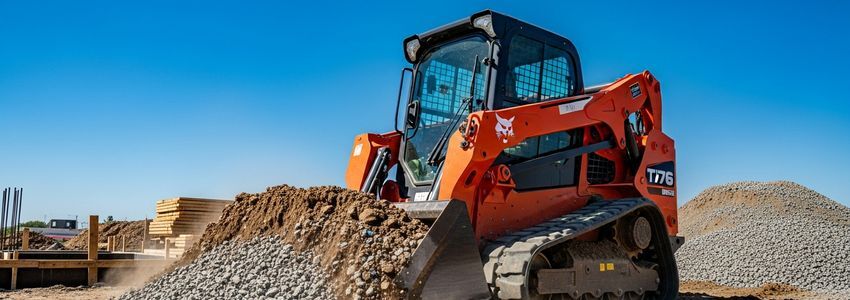
A Bobcat compact loader can transform what your crew gets done in a day. Whether you are clearing a job site, moving pallets in a warehouse, or grading landscaping, these machines are built to work hard. The challenge for most small business owners is not finding the right equipment -- it is figuring out how to pay for it without draining your operating capital.
Bobcat financing gives you a path to acquire the machine you need today while spreading the cost over time. In this guide, you will learn how Bobcat equipment financing works, what it costs, how to qualify, and how to choose the right funding structure for your business. Whether your credit is strong or you have some blemishes on your record, there are options available to help you get moving.
Ready to Finance Your Bobcat?
Crestmont Capital helps contractors and business owners across the U.S. secure equipment financing with fast approvals, flexible terms, and competitive rates -- even with less-than-perfect credit.
Apply Now - Get a Decision in 24 HoursWhat Is Bobcat Financing?
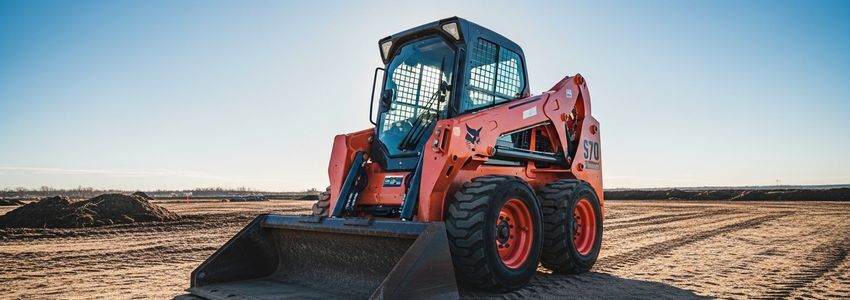
Bobcat financing is a form of equipment financing specifically used to purchase or lease Bobcat brand compact equipment. Bobcat is one of the most recognized names in construction, landscaping, agriculture, and material handling. Their product lineup includes skid steer loaders, compact track loaders, mini excavators, telehandlers, and utility vehicles.
When you finance a Bobcat machine, you are essentially borrowing the money to buy the equipment (or entering a rental-to-own arrangement), then repaying that amount plus interest over a fixed term. The equipment itself typically serves as collateral, which makes approval easier than with unsecured business loans.
Bobcat financing is available through several channels:
- Bobcat Financial: The manufacturer's own financing arm, offering promotional rates on new machines
- Independent lenders: Third-party equipment finance companies like Crestmont Capital
- Banks and credit unions: Traditional lenders with conservative qualification standards
- SBA loan programs: Government-backed loans for small businesses with strong profiles
Each channel has different rate structures, approval timelines, and qualification criteria. For business owners who want fast decisions and flexible credit requirements, working with an independent lender is often the most efficient path.
Bobcat Models and Their Costs
Understanding what you are financing helps you structure the right loan. Bobcat makes a wide range of machines across several categories. Here is a breakdown of common models and their approximate new purchase prices as of 2026:
Skid Steer Loaders
Bobcat's skid steer loaders are among the most popular compact machines in North America. They are highly maneuverable and work well in tight spaces.
- Bobcat S62: $35,000 to $45,000 (small frame, ideal for landscaping)
- Bobcat S76: $42,000 to $55,000 (medium frame, general construction)
- Bobcat S86: $52,000 to $68,000 (large frame, heavy material handling)
Compact Track Loaders
Track loaders offer better traction on soft or uneven terrain, making them popular for site work and agriculture.
- Bobcat T64: $52,000 to $65,000
- Bobcat T76: $60,000 to $78,000
- Bobcat T86: $72,000 to $92,000
Mini Excavators
Bobcat mini excavators are ideal for utility work, trenching, and demo in confined spaces.
- Bobcat E26: $30,000 to $40,000 (2.6-ton class)
- Bobcat E50: $55,000 to $72,000 (5-ton class)
- Bobcat E85: $80,000 to $105,000 (8.5-ton class)
Telehandlers
Bobcat telehandlers bridge the gap between forklifts and cranes, extending your reach on commercial job sites.
- Bobcat TL519: $68,000 to $85,000
- Bobcat TL723: $95,000 to $120,000
Used and certified pre-owned Bobcat equipment can cost 30% to 50% less than new. Many lenders, including Crestmont Capital, finance both new and used Bobcat equipment.
Financing Options for Bobcat Equipment
There is no single best way to finance a Bobcat. Your ideal option depends on how you plan to use the machine, how long you need it, your tax situation, and your credit profile. Here are the four primary financing structures:
1. Equipment Loans (Equipment Finance Agreements)
With a standard equipment loan, you borrow the full purchase price (minus any down payment), pay it back in fixed monthly installments, and own the machine outright when the loan is paid off. This is the most straightforward option and works well when you plan to keep the machine for many years.
Best for: Businesses that want to own their equipment, build equity, and use the machine as a long-term asset.
2. Equipment Leasing
With equipment leasing, you pay a monthly fee to use the machine for a set term (typically 24 to 60 months). At lease end, you typically have the option to purchase the equipment at fair market value or return it. Leasing often comes with lower monthly payments than a loan because you are not financing the full purchase price.
Best for: Businesses that want lower payments, plan to upgrade equipment regularly, or prefer to keep assets off their balance sheet.
3. SBA Loans
The U.S. Small Business Administration backs several loan programs that can be used for equipment purchases. The SBA 7(a) and SBA 504 programs are the most relevant. SBA loans offer long repayment terms and low interest rates, but qualification is rigorous and the process can take 30 to 90 days.
Best for: Established businesses with 2+ years in operation, strong credit, and time to wait for approval.
Learn more about SBA loans from Crestmont Capital.
4. Business Line of Credit
A business line of credit gives you revolving access to funds. You can draw what you need to purchase equipment, repay it, and draw again. Lines of credit are more flexible than term loans but often carry higher interest rates for equipment-specific purchases.
Best for: Businesses that need flexible funding across multiple purchases or want a backup source of capital alongside a primary equipment loan.
Callout: New vs. Used Bobcat Equipment
Financing a used Bobcat can significantly reduce your monthly payments. A used Bobcat S76 with 1,500 hours might sell for $28,000 vs. $48,000 new -- a payment difference of $400+ per month at typical rates. Crestmont Capital finances both new and used Bobcat equipment, including machines purchased from private sellers or dealers.
Rates, Terms, and Monthly Payments
One of the most common questions we hear is: what will my monthly payment be? The answer depends on several variables, including the purchase price, loan term, interest rate, and down payment. Here is a general overview of what to expect in 2026:
Interest Rates
- Excellent credit (720+): 5% to 8% APR
- Good credit (680-719): 8% to 12% APR
- Fair credit (620-679): 12% to 18% APR
- Poor credit (below 620): 18% to 30% APR (specialized lenders required)
Loan Terms
Equipment loans for Bobcat machines typically range from 24 to 72 months. Shorter terms mean higher monthly payments but less total interest paid. Longer terms reduce monthly payments but cost more over the life of the loan.
Sample Monthly Payment Estimates
The following estimates assume a 10% down payment and a 48-month term at 9% APR:
- $40,000 Bobcat skid steer: approximately $895/month
- $60,000 compact track loader: approximately $1,340/month
- $85,000 mini excavator: approximately $1,900/month
- $100,000 telehandler: approximately $2,235/month
Rates vary based on your credit profile, time in business, and the lender's risk assessment. Businesses with stronger profiles can often negotiate lower rates or longer terms. If you want an exact quote, apply with Crestmont Capital and get a personalized offer within 24 hours.
How to Qualify for Bobcat Financing
Qualification requirements differ by lender, but most equipment finance companies look at a standard set of criteria. Here is what Crestmont Capital and most independent lenders evaluate:
Credit Score
Most traditional equipment lenders require a minimum personal credit score of 650. Crestmont Capital works with business owners down to 500+ in many cases. Your credit score affects your interest rate more than it determines approval.
Time in Business
Lenders prefer businesses with at least 12 months of operating history. Startups can still qualify through specialized programs, sometimes requiring a larger down payment or personal guarantee.
Annual Revenue
Most lenders want to see at least $100,000 in annual gross revenue for equipment loans in the $30,000 to $100,000 range. Revenue demonstrates your ability to make monthly payments from business income.
Down Payment
Typical down payments range from 0% (with strong credit) to 20% (with weaker profiles). Putting more money down reduces your monthly payment and often helps you secure a better interest rate.
Documentation
Standard documentation includes:
- Completed application form
- Last 3 to 6 months of business bank statements
- Most recent 2 years of business tax returns (for larger loans)
- Equipment invoice or dealer quote
- Driver's license or government ID
Callout: Seasonal Revenue Spikes
If your business is seasonal (landscaping, snow removal, agriculture), make sure your bank statements show your peak revenue period. Lenders look at average monthly deposits, so strong months matter. Some lenders like Crestmont Capital also offer seasonal payment structures that let you pay more during busy months and less during slow periods.
Bobcat Financing With Bad Credit
Having a low credit score does not automatically disqualify you from Bobcat financing. Specialized lenders focus on your overall business health -- not just your credit score. This is especially important for contractors and tradespeople who may have had personal financial challenges but run profitable businesses.
Crestmont Capital offers bad credit equipment financing to business owners who have been turned down by banks. Common situations we help with include:
- Credit scores as low as 500
- Previous bankruptcy (discharged at least 1 year ago)
- Tax liens or judgments (with explanation)
- Thin credit file or no established business credit
When credit is a challenge, lenders may require:
- A larger down payment (10% to 25%)
- Additional collateral (other equipment, real estate)
- A personal guarantee from the business owner
- A cosigner with stronger credit
You can also explore bad credit business loans as an alternative funding path if traditional equipment financing is not yet accessible to you. These unsecured options often have shorter terms but can help you build credit history while funding essential equipment.
Related reading: Skid Steer Financing: The Complete Guide for Contractors and Business Owners
The Application Process Step by Step
Applying for Bobcat financing with Crestmont Capital is designed to be fast and straightforward. Here is what to expect from start to funded:
- Pre-qualify online (5 minutes): Fill out the short application at offers.crestmontcapital.com/apply-now. Provide basic business info, the equipment you want, and estimated purchase price.
- Document upload (same day): Upload your bank statements and ID. Our team will reach out if additional documents are needed.
- Credit review and underwriting (24 to 48 hours): Our underwriting team reviews your full application and structures an offer based on your profile.
- Receive your offer: You will receive a clear term sheet showing your rate, term, monthly payment, and any fees. No surprises.
- Sign and fund (1 to 3 business days): Once you accept the offer and sign the agreement, funds are sent directly to the dealer or seller. You take delivery of your Bobcat machine.
The entire process from application to funded equipment can be completed in as little as 2 to 5 business days for most borrowers. For fast-turnaround situations, Crestmont Capital also offers fast business loans and same-week funding options.
Start Your Application Today
Crestmont Capital has helped thousands of contractors and small business owners get the equipment they need. Our team works with all credit types and responds quickly so you are not waiting weeks for an answer.
Apply Now - No Obligation QuoteBuy vs. Lease: Which Is Right for You?
One of the most common questions contractors face is whether to buy or lease Bobcat equipment. There is no universal right answer -- the best choice depends on your specific situation.
Reasons to Finance (Buy) Your Bobcat
- You plan to use the machine for 5 or more years
- You want to build equity in an asset
- You want full ownership with no mileage or usage restrictions
- You plan to customize or modify the machine
- You want to depreciate the full cost under Section 179
Reasons to Lease Your Bobcat
- You prefer lower monthly payments
- You like upgrading to newer models every few years
- You want maintenance and warranty coverage bundled into payments
- You want to keep the equipment off your balance sheet
- You have a specific short-term project that justifies the equipment
The Numbers: Buy vs. Lease Comparison
For a $50,000 Bobcat T64 compact track loader:
- Loan (48 months at 9%): approximately $1,120/month, own outright at end of term, total cost approximately $53,760
- Operating lease (48 months): approximately $850/month, return or purchase at end of term, total payments approximately $40,800 but no ownership
If you keep the machine for 10 years, ownership wins by a large margin. If you trade in after 4 years, leasing may offer better economics. Work with a financing advisor to model both scenarios for your situation.
Tax Benefits of Financing Bobcat Equipment
Business equipment financing comes with significant potential tax advantages. Always consult your tax professional for guidance specific to your situation, but here are the general rules:
Section 179 Deduction
Under Section 179 of the U.S. tax code, businesses can deduct the full purchase price of qualifying equipment in the year it is placed in service -- rather than depreciating it over time. For 2025, the Section 179 deduction limit is $1,160,000. This means if you finance a $60,000 Bobcat and use it for business, you may be able to deduct the entire $60,000 from your taxable income in Year 1.
According to the SBA's small business tax guidance, equipment deductions are among the most valuable tax tools for growing businesses.
Bonus Depreciation
In addition to Section 179, businesses may qualify for bonus depreciation on new equipment. As of 2026, bonus depreciation is being phased down from 100%, so the exact percentage depends on when the equipment is placed in service. Your accountant can help you optimize the combination of Section 179 and bonus depreciation.
Lease Payment Deductions
If you lease rather than purchase, lease payments are typically fully deductible as a business operating expense. This can simplify tax treatment compared to depreciation schedules.
Interest Deductions
The interest portion of your equipment loan payments may also be deductible as a business expense, reducing your effective borrowing cost.
According to Forbes Advisor, Section 179 is one of the most underutilized deductions available to small business owners.
Bobcat Financing At a Glance
Bobcat Financing At a Glance
Sources: Bobcat dealer pricing, SBA.gov, Crestmont Capital lending data 2026
Tips for Getting the Best Bobcat Financing Deal
A few strategic moves can save you thousands of dollars over the life of your equipment loan:
1. Know Your Credit Score Before Applying
Pull your personal and business credit reports before approaching any lender. Identify any errors and dispute them. Even a 20-point improvement in your score can drop your interest rate by a full percentage point or more.
2. Get Multiple Quotes
Do not accept the first offer you receive. Equipment finance lenders compete for your business. Getting 2 to 3 quotes gives you negotiating power and ensures you are not overpaying on rate or fees.
3. Consider a Larger Down Payment
If you have capital available, putting down 15% to 20% instead of the minimum can significantly reduce your rate and total interest paid. Do the math -- sometimes the savings on interest outweigh the opportunity cost of the cash.
4. Match the Loan Term to the Equipment's Useful Life
Do not take a 72-month loan on a used machine with 3,000 hours on it. Match your repayment term to how long you expect to keep and use the equipment. Paying off a machine after it breaks down or gets traded is a costly mistake.
5. Watch Out for Prepayment Penalties
Some lenders charge fees if you pay off your loan early. If you plan to pay off the equipment ahead of schedule, look for lenders that offer prepayment flexibility.
6. Bundle Attachments Into the Loan
Many lenders allow you to include attachments (buckets, augers, grapples, forks) in the same financing package as the machine. This simplifies your payment structure and avoids using working capital for add-ons.
According to CNBC Select's guide to equipment financing, shopping around and negotiating terms are the most effective ways small business owners reduce borrowing costs.
Related reading: Construction Equipment Financing: The Complete Guide for Contractors and Construction Companies
For an overview of all your small business funding options, visit our small business loans page or explore long-term business loans designed for substantial capital needs.
Frequently Asked Questions About Bobcat Financing
What credit score do I need to finance a Bobcat?
Most traditional lenders require a minimum personal credit score of 650 to 680 for equipment financing. Crestmont Capital works with scores as low as 500 in many cases. Your credit score primarily affects your interest rate rather than your ability to qualify.
How much does it cost to finance a Bobcat per month?
Monthly payments depend on the machine price, down payment, term, and rate. A $50,000 Bobcat financed over 48 months at 9% with 10% down would run approximately $1,120/month. Use our estimate tables above or apply for a personalized quote.
Can I finance a used Bobcat machine?
Yes. Most equipment lenders, including Crestmont Capital, finance used Bobcat equipment. Lenders typically require a recent appraisal or dealer inspection for older machines. Used equipment often qualifies for the same loan terms as new, though maximum terms may be shorter.
Is Bobcat Financial the best place to finance a Bobcat?
Not necessarily. Bobcat Financial (the manufacturer's finance arm) offers promotional rates on new machines, but these deals often require strong credit. Independent lenders like Crestmont Capital may offer more flexible terms, faster approvals, and better options for businesses with less-than-perfect credit.
How long does it take to get approved for Bobcat financing?
With Crestmont Capital, most applicants receive a decision within 24 to 48 hours of submitting a complete application. Funding typically occurs within 2 to 5 business days. SBA loans take 30 to 90 days, which is why many contractors prefer working with independent lenders.
Do I need to put money down to finance a Bobcat?
Not always. Business owners with strong credit profiles (720+) and established revenue can often qualify for 0% down financing. Borrowers with lower credit scores or shorter business history typically need 10% to 20% down. A larger down payment usually results in a better interest rate.
What types of Bobcat equipment can be financed?
Most lenders finance the full Bobcat product line, including skid steer loaders, compact track loaders, mini excavators, telehandlers, compact utility vehicles, and attachments. Both new and used equipment from authorized dealers or private sellers can typically be financed.
Can a startup business finance a Bobcat?
Yes, though requirements differ from established businesses. Startups (under 2 years in operation) typically need a larger down payment (15% to 25%), a strong personal credit score (usually 650+), and a detailed business plan. Crestmont Capital has startup equipment financing programs designed for newer businesses.
What documents do I need to apply for Bobcat financing?
Basic documentation includes: completed loan application, 3 to 6 months of business bank statements, last 2 years of business tax returns (for loans over $150,000), a dealer invoice or equipment quote, and a copy of your driver's license. Larger loan amounts may require financial statements or additional collateral documentation.
Can I finance Bobcat attachments along with the machine?
Yes. Most lenders allow you to bundle Bobcat attachments (buckets, augers, grapples, breakers, forks) into the same financing package as the base machine. This simplifies your payment structure and avoids depleting working capital for add-ons that are essential to your operations.
Is Bobcat equipment financing tax deductible?
Yes. If you purchase (finance) the equipment, you may qualify to deduct the full cost in Year 1 using Section 179 or bonus depreciation. The 2025 Section 179 deduction limit is $1,160,000. Interest on your equipment loan may also be deductible. Consult your tax advisor for guidance specific to your situation.
What is the difference between a Bobcat loan and a Bobcat lease?
With a loan, you own the machine at the end of the term and build equity along the way. Monthly payments are typically higher. With a lease, you pay to use the machine for a set period and either return it or buy it at end of term. Lease payments are typically lower, and it is easier to upgrade to newer equipment.
What happens if I miss a Bobcat financing payment?
Missing a payment can trigger late fees, negatively impact your credit score, and in severe cases lead to repossession of the equipment since it serves as collateral. If you anticipate difficulty making a payment, contact your lender immediately. Many lenders, including Crestmont Capital, offer hardship accommodations and payment deferrals for qualifying situations.
How does bad credit affect my Bobcat financing options?
Bad credit means higher interest rates and stricter terms, but it does not necessarily prevent you from getting financed. Specialized lenders like Crestmont Capital focus on your overall business health -- revenue, cash flow, time in business -- rather than just credit scores. A larger down payment or personal guarantee can often overcome credit challenges.
Can I refinance my existing Bobcat equipment loan?
Yes. Equipment loan refinancing is available if you want to lower your interest rate, extend your term to reduce monthly payments, or pull equity from a machine you already own. Crestmont Capital can review your existing loan and determine if refinancing makes financial sense for your situation.
Next Steps: Get Your Bobcat Financed Today
Bobcat compact equipment is a proven investment for contractors, landscapers, excavators, farmers, and countless other business operators. The right machine expands what your team can accomplish -- and equipment financing makes it possible to acquire that machine without depleting the cash you need for payroll, materials, and operations.
Here is what to do next:
- Decide which Bobcat model fits your needs -- visit your local dealer for a demo or get a quote online
- Check your credit -- pull your personal and business credit reports so you know where you stand
- Gather your documents -- bank statements, tax returns, and equipment invoice
- Apply with Crestmont Capital -- get a decision in 24 hours with no obligation
- Review your offer and sign -- our team walks you through every line item before you commit
- Take delivery of your equipment -- usually within 2 to 5 business days of approval
Crestmont Capital has been helping small business owners access equipment financing since 2015. We work with all credit types, offer competitive rates, and pride ourselves on transparent terms with no hidden fees. Whether this is your first piece of major equipment or you are expanding a fleet, we are here to help.
Apply for Bobcat Financing Now
Take 5 minutes to fill out our application. No hard credit pull until you accept an offer. Decisions in 24 hours. Funding in as little as 2 business days.
Get My Bobcat Financing QuoteDisclaimer: The information provided in this article is for general educational purposes only and is not financial, legal, or tax advice. Funding terms, qualifications, and product availability may vary and are subject to change without notice. Crestmont Capital does not guarantee approval, rates, or specific outcomes. For personalized information about your business funding options, contact our team directly.