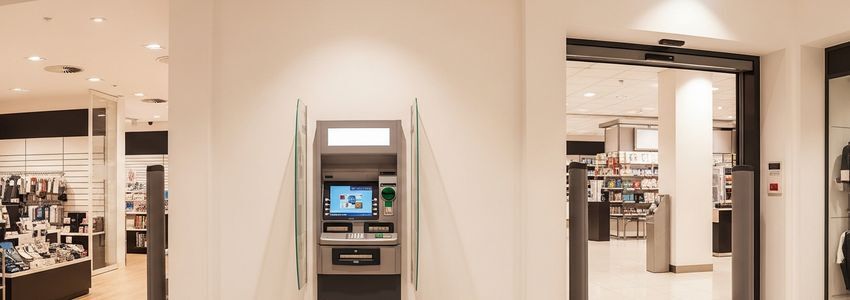
In today's competitive business landscape, diversifying revenue streams and enhancing customer convenience are paramount. For many entrepreneurs and established business owners, adding an Automated Teller Machine (ATM) is a strategic move that achieves both. ATMs not only generate direct income through surcharge fees but also increase foot traffic and encourage cash spending on-site. However, the initial capital required to purchase and install these machines can be a significant hurdle. This is where ATM machine financing becomes an essential tool for growth.
This comprehensive guide explores every facet of ATM machine financing, from the fundamental concepts to the specific loan types available. We will delve into the application process, qualification criteria, and the tangible benefits of leveraging financing to build or expand your ATM portfolio. Whether you are a convenience store owner looking to install your first machine or an aspiring entrepreneur planning to build a network of ATMs, understanding your funding options is the first step toward success. Crestmont Capital, the #1 U.S. business lender, provides the flexible and fast capital solutions you need to turn your ATM business goals into reality.
In This Article
- What Is ATM Machine Financing?
- Key Benefits of ATM Financing
- How ATM Machine Financing Works
- Types of ATM Financing Options
- Who Qualifies for ATM Machine Financing?
- ATM Business Financing at a Glance
- How Crestmont Capital Helps ATM Business Owners
- Real-World Scenarios: How Businesses Use ATM Financing
- Frequently Asked Questions
- How to Get Started
- Conclusion
What Is ATM Machine Financing?
ATM machine financing is a specialized category of business funding designed specifically for the acquisition of automated teller machines. It allows business owners to purchase one or multiple ATMs without paying the full cost upfront. Instead, a lender like Crestmont Capital provides the necessary funds, which are then repaid over a set period through regular installments. This financial tool bridges the gap between the desire to expand and the immediate availability of cash reserves.
This type of financing falls under the broader umbrella of equipment financing. The core principle is that the ATM itself serves as the collateral for the loan. This secured nature often makes it easier to qualify for than an unsecured business loan, as the lender has a tangible asset to recover in the event of a default. The structure minimizes the lender's risk, which can translate into more favorable terms, higher approval rates, and faster funding times for the borrower.
The scope of ATM financing can cover more than just the cost of the machine. Depending on the lender and the loan agreement, financing can also include funds for installation, software, initial cash loading (vault cash), and shipping. This comprehensive approach ensures that business owners have all the capital they need to get their new revenue-generating asset operational as quickly as possible. It is a strategic financial solution that transforms a large capital expenditure into a manageable operating expense, aligning costs with the revenue the machine generates over time.
Understanding the distinction between financing and leasing is also important. While both allow you to acquire an ATM without a large upfront payment, financing leads to ownership at the end of the term. Leasing, on the other hand, is essentially a long-term rental agreement. For a rapidly appreciating and long-lasting asset like an ATM, financing to own is often the more financially prudent choice for long-term profitability.
Key Benefits of ATM Financing
Opting for ATM financing offers a multitude of strategic advantages for businesses of all sizes. These benefits extend beyond simple cash flow management, impacting profitability, operational efficiency, and long-term growth potential. By leveraging external capital, you can deploy revenue-generating assets immediately and keep your own funds free for other critical business needs.
Preserve Working Capital
The most significant benefit of financing is the preservation of your liquid cash. Purchasing an ATM outright, especially multiple units, can deplete thousands of dollars from your operating accounts. This capital could be better used for marketing, inventory, payroll, or unexpected emergencies. Financing allows you to convert a large, one-time purchase into a predictable, manageable monthly payment, keeping your cash flow healthy and your business resilient.
Generate Immediate ROI
An ATM begins generating revenue from its very first transaction. With financing, you can start earning income from surcharge fees and increased in-store sales long before the machine is fully paid off. This immediate return on investment means the asset essentially pays for itself over time. The monthly revenue from the ATM can often exceed the monthly loan payment, creating positive cash flow from day one and accelerating your path to profitability.
Build Business Credit
Successfully managing and repaying an equipment financing agreement is an excellent way to build a strong business credit profile. Each on-time payment is reported to business credit bureaus, demonstrating your company's financial responsibility. A robust credit history makes it easier and more affordable to secure other forms of small business financing in the future, such as a business line of credit or a larger expansion loan.
Key Stat: According to industry reports, a well-placed ATM can generate between $200 and $600 in monthly surcharge revenue, with the potential for a return on investment in as little as 6 to 12 months.
Scalability and Growth
Financing makes scaling your ATM business achievable. Instead of saving up for months to buy one machine, you can use financing to acquire several units at once and place them in multiple high-traffic locations. This strategy multiplies your revenue potential and allows you to establish a market presence much faster than if you were relying solely on your own capital. As your network grows, the combined cash flow can be used to finance even more machines, creating a powerful cycle of expansion.
Tax Advantages
Financing an ATM can offer significant tax benefits. Under Section 179 of the IRS tax code, businesses may be able to deduct the full purchase price of qualifying equipment in the year it is put into service. This can substantially lower your taxable income. Additionally, the interest paid on the loan is typically tax-deductible as a business expense. It is always advisable to consult with a tax professional to understand how these benefits apply to your specific situation.
Access to Better Equipment
Cash constraints might force a business to consider a cheaper, older, or less reliable ATM model. Financing removes this limitation, providing you with the capital to purchase a new, state-of-the-art machine. Modern ATMs offer enhanced security features, better reliability, and compliance with the latest regulations (like EMV chip card readers), which protects your business and provides a better experience for your customers. Investing in quality equipment from the start reduces maintenance costs and downtime, maximizing your revenue potential.
Ready to Finance Your ATM?
Get fast, flexible financing from the #1 business lender in the U.S. Apply in minutes - no obligation.
Apply Now →How ATM Machine Financing Works
The process of securing ATM machine financing is designed to be straightforward and efficient, especially when working with a streamlined lender like Crestmont Capital. While the specific steps can vary slightly between financial institutions, the overall journey from application to installation follows a clear and logical path. Understanding this process helps business owners prepare the necessary information and set realistic expectations for the timeline.
Step 1: Application and Documentation
The first step is to complete a financing application. Modern lenders offer simple online applications that can be finished in minutes. You will need to provide basic information about your business, such as its legal name, address, time in business, and annual revenue. You will also provide personal information as the business owner.
Alongside the application, you may need to submit a few key documents. For smaller financing amounts, a simple one-page application might be all that is required. For larger requests or newer businesses, lenders might ask for recent bank statements (typically the last 3-6 months), business tax returns, and a quote or invoice from the ATM supplier for the specific machine you intend to purchase.
Step 2: Credit Review and Underwriting
Once your application is submitted, it moves to the underwriting stage. The lender's underwriting team will review your business's financial health and credit history to assess risk. They look at factors like your credit score, time in business, cash flow patterns shown in your bank statements, and any existing debt. Because ATM financing is a form of secured Equipment Financing 101, the underwriting criteria can be more flexible than for unsecured loans. The value of the ATM itself provides a layer of security for the lender.
Step 3: Approval and Offer Presentation
Following a successful review, the lender will approve your application and present you with a financing offer. This offer will detail the specific terms of the loan, including the total amount financed, the interest rate, the repayment term (e.g., 24, 36, or 48 months), and the fixed monthly payment amount. This is a critical stage where you should carefully review the terms to ensure they align with your business's budget and revenue projections. A dedicated funding specialist will typically walk you through the offer and answer any questions you may have.
Step 4: Contract and Funding
If you accept the offer, you will sign the financing agreement. Thanks to digital technology, this is usually handled via e-signature, making the process fast and convenient. After the contract is executed, the lender handles the final step: funding. In most equipment financing scenarios, the lender pays the ATM vendor directly. This simplifies the process for you, as you do not have to handle the large payment yourself. The vendor receives payment, and you are notified that the transaction is complete.
Step 5: Machine Delivery and Installation
With the payment processed, the ATM supplier will ship the machine to your business location. You can then proceed with the installation and setup, which includes programming the machine, connecting it to a processing network, and loading it with cash (vaulting). Once operational, your ATM is ready to start serving customers and generating revenue. Your first loan payment will typically be due about 30 days after the funding is complete, giving you time to get the machine up and running.
Types of ATM Financing Options
When seeking funding for an ATM, business owners have several financial products at their disposal. Each option comes with its own structure, terms, and ideal use case. Choosing the right type of financing depends on your business's financial situation, long-term goals, and whether you want to finance a single machine or an entire fleet. Here is a breakdown of the most common ATM financing options available through lenders like Crestmont Capital.
Equipment Financing Agreements (EFAs)
An Equipment Financing Agreement is the most direct and popular method for funding ATMs. It functions very much like a traditional loan: the lender provides the capital to purchase the equipment, and you make fixed monthly payments over a predetermined term. At the end of the term, you own the ATM outright. The ATM itself serves as the collateral, which often results in competitive interest rates and high approval chances. EFAs are ideal for business owners who want the long-term benefits of ownership, including depreciation tax advantages and the ability to keep 100% of the profits after the loan is paid off.
Capital Leases (Lease-to-Own)
A capital lease, often called a $1 buyout lease, is structurally similar to an EFA but is presented as a lease. You make regular monthly lease payments for the duration of the term. At the end of the lease term, you have the option to purchase the ATM for a nominal amount, typically just $1. For all practical purposes, this is a path to ownership. Capital leases are often preferred for accounting reasons and can offer the same tax benefits as an EFA, such as the Section 179 deduction, as explained by government resources like the SBA. This is a great option for those who want the simplicity of a lease payment with the certainty of ownership.
Operating Leases
An operating lease is a true rental agreement. You pay a monthly fee to use the ATM for a set period, but you do not build equity and do not own it at the end. At the end of the term, you can typically return the equipment, renew the lease, or sometimes purchase it at its fair market value. This option is less common for ATMs because they are long-lasting, revenue-generating assets. However, it might be suitable for businesses that want to test the viability of an ATM in a location without a long-term commitment or for those who always want to have the latest technology and plan to upgrade every few years.
Explore Your ATM Funding Options
Not sure which financing is right for you? Our experts can help. Get a free consultation today.
Get Expert Advice →Working Capital Loans
While not a direct equipment financing product, working capital loans offer another route to purchasing an ATM. These are often unsecured loans that provide a lump sum of cash that you can use for various business purposes, including equipment purchases. This option provides maximum flexibility. You could use the funds to buy the ATM, cover installation costs, and provide the initial vault cash. Working capital loans are ideal for established businesses with strong cash flow that may want to fund multiple aspects of their ATM venture simultaneously.
Business Lines of Credit
A business line of credit is a revolving credit facility that you can draw from as needed, up to a certain limit. You only pay interest on the funds you use. This is an excellent tool for experienced ATM operators who plan to expand their network over time. You can secure a line of credit and then draw from it each time you identify a new, profitable location for an ATM. This avoids the need to apply for a new loan for every single machine, streamlining the expansion process and ensuring you can act quickly when opportunities arise.
Who Qualifies for ATM Machine Financing?
Lenders evaluate several key factors to determine a business's eligibility for ATM machine financing. While specific requirements can vary, most financial institutions, including Crestmont Capital, look at a similar set of criteria to assess creditworthiness and the ability to repay the loan. The good news is that because the ATM itself secures the loan, qualification standards are often more accessible compared to other types of business funding.
Credit Score
Both personal and business credit scores play a significant role. A higher credit score indicates a history of responsible debt management and reduces the lender's risk. While a "perfect" score is not necessary, most lenders prefer to see a personal FICO score of 600 or higher. Businesses with stronger credit profiles (e.g., 680+) may qualify for lower interest rates and more favorable terms. However, options are often available for business owners with less-than-perfect credit, though the terms may be adjusted to reflect the higher risk.
Time in Business
The length of time your business has been operational is another important metric. Lenders generally prefer to work with established businesses, as they have a proven track record of generating revenue. A minimum of six months to one year in business is a common requirement. Startups and brand-new businesses may face more challenges in securing traditional financing, but some lenders offer specialized programs for new enterprises, especially if the owner has a strong personal credit history and a solid business plan.
Annual Revenue
Your business's annual or monthly revenue demonstrates its ability to generate consistent cash flow to cover loan payments. Lenders will review your bank statements to verify your revenue and assess the overall financial health of your company. While there is no universal revenue threshold, a consistent and stable income stream is crucial. A business generating at least $10,000-$15,000 in monthly revenue is often in a strong position to qualify.
Industry and Business Type
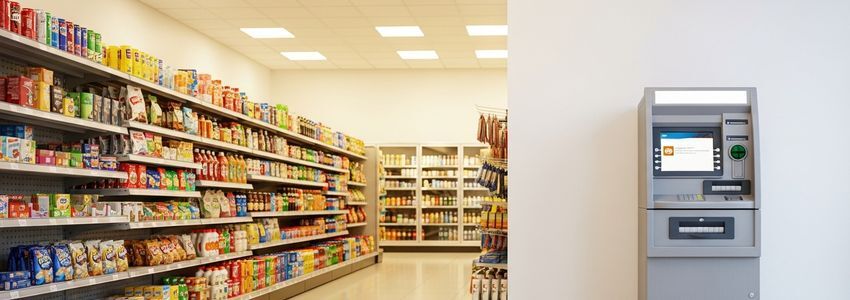
The type of business you operate can also be a factor. Businesses in high-traffic retail environments like convenience stores, gas stations, bars, hotels, and shopping centers are ideal candidates for ATM placement and financing. Lenders view these businesses favorably because the potential for ATM usage and profitability is clear. Independent ATM deployment (IAD) businesses, whose sole purpose is to own and operate a network of ATMs, are also common applicants and can readily qualify with a well-structured business plan.
Did You Know? The U.S. Census Bureau has noted the resilience and adaptability of small businesses in adopting new technologies and services to meet consumer demands, a trend that includes the strategic placement of ATMs to enhance customer service.
Collateral
For ATM machine financing, the primary collateral is the ATM itself. This is a major advantage for business owners, as it means you typically do not have to pledge other business or personal assets, such as real estate or inventory, to secure the loan. In some cases, for higher-risk applicants or very large financing amounts, a lender might request an additional personal guarantee, which is a standard practice in business lending. This guarantee is a promise from the owner to personally repay the debt if the business is unable to do so.
ATM Business Financing at a Glance
The ATM industry represents a stable and lucrative opportunity for business owners. From the cost of entry to the potential for returns, understanding the key figures is essential when considering financing. This data provides a snapshot of the market and highlights why financing is a strategic way to tap into this consistent revenue stream.
The ATM Industry by the Numbers
$2,500 - $8,000
Average cost of a new retail ATM, making financing an accessible entry point.
6 - 12 Months
Typical ROI period for a well-placed ATM, allowing the machine to pay for its financing quickly.
$3.15
Average out-of-network ATM surcharge fee in the U.S., representing direct revenue for the owner.
470,000+
Number of ATMs currently operating in the United States, with a majority owned by independent operators.
How Crestmont Capital Helps ATM Business Owners
As the #1 U.S. business lender, Crestmont Capital has a deep understanding of the unique needs of entrepreneurs in the ATM industry. We recognize that speed, flexibility, and reliable access to capital are critical for success. Our financing solutions are specifically structured to empower both new and experienced ATM operators to seize opportunities and grow their businesses effectively.
Our application process is streamlined to be as fast and simple as possible. We offer a one-page online application that can be completed in minutes, eliminating the burdensome paperwork associated with traditional banks. This efficiency means you can get a credit decision in hours, not weeks. When you find a profitable location for a new ATM, you need to act quickly, and our rapid funding process ensures you never miss an opportunity due to delays in securing capital.
We pride ourselves on our high approval rates. Because we specialize in equipment financing, we understand the intrinsic value of the ATM as collateral. This allows us to approve a wide range of credit profiles, including those that might be turned away by conventional lenders. We look beyond just the credit score, taking a holistic view of your business's health and potential to provide financing solutions for startups, established businesses, and those with challenged credit.
Partner with the Best in the Business
Experience the Crestmont Capital difference with fast approvals and dedicated support for your ATM venture.
Apply in Minutes →Flexibility is at the core of our offerings. We provide a range of financing products, from straightforward equipment loans (EFAs) to versatile lines of credit, allowing you to choose the structure that best fits your business model. Whether you are buying your first machine or financing your fiftieth, we can tailor the terms, including repayment length and payment schedules, to align with your projected cash flow. Our goal is to create a financing partnership that supports your long-term growth, not just a one-time transaction.
Furthermore, every client at Crestmont Capital is paired with a dedicated funding advisor. This expert serves as your single point of contact throughout the entire process, from application to funding and beyond. They are available to answer your questions, explain your options, and provide guidance to help you make the best financial decisions for your ATM business. This personalized service ensures a smooth, transparent, and supportive experience.
Real-World Scenarios: How Businesses Use ATM Financing
ATM machine financing is not a one-size-fits-all solution. Its flexibility allows it to be adapted to a wide variety of business models and growth strategies. From a single-store owner to a large-scale independent operator, businesses leverage this funding in different ways to achieve their specific goals. Here are some real-world scenarios illustrating the practical application of ATM financing.
Scenario 1: The Convenience Store Owner
Maria owns a busy convenience store in a suburban neighborhood. She notices that many customers ask for cash back or leave to find an ATM. To improve customer service and capture more in-store sales, she decides to add an ATM. The cost of a new, reliable machine is $4,000, but she wants to keep her cash reserves for inventory. Maria applies for ATM equipment financing through Crestmont Capital and is quickly approved for the full amount with a 36-month term. The monthly payment is easily covered by the surcharge fees, and she sees a 15% increase in cash sales within the first two months. The financing allowed her to add a valuable service and revenue stream without impacting her daily operations.
Scenario 2: The Aspiring Entrepreneur
David wants to start his own business and has identified the independent ATM market as a great opportunity. He has researched and secured contracts for five high-traffic locations: a hotel lobby, two popular bars, a laundromat, and a local event center. The total cost for the five machines and installation is $25,000. As a new business, he lacks the extensive financial history required by traditional banks. He turns to a specialized lender that offers financing for business equipment. By presenting a strong business plan, location contracts, and a good personal credit score, David secures financing for the entire fleet. This allows him to launch his business at scale, generating significant cash flow from multiple sources right from the start.
Scenario 3: The Expanding ATM Operator
Global Cash Solutions is an established Independent ATM Deployment (IAD) company with a network of 50 machines. They have an opportunity to acquire a smaller competitor's portfolio of 20 ATMs in a neighboring state. To fund the acquisition and upgrade some of the older machines, they need $100,000 quickly. Instead of taking out a term loan for the full amount, they secure a business line of credit. This gives them the immediate capital to close the deal and the flexibility to draw additional funds as needed for the upgrades over the next few months. This strategic use of financing enables them to expand their market share efficiently and manage their capital on their own terms.
Scenario 4: The Cannabis Dispensary
Due to federal banking regulations, many cannabis dispensaries operate on a cash-only basis. The owner of a dispensary needs a reliable on-site cash solution for customers. They need to purchase two high-capacity, secure ATMs to handle the high volume of transactions. Given the unique nature of their industry, they seek a lender with experience in financing for specialized sectors. They use an equipment financing agreement to purchase two robust machines for $15,000. The ATMs not only provide a critical convenience for their customers but also become a significant secondary revenue source, enhancing the overall profitability of the dispensary.
Frequently Asked Questions
What exactly is ATM machine financing?
ATM machine financing is a type of business loan, specifically equipment financing, that allows you to purchase one or more ATMs without paying the full price upfront. You receive funds from a lender to buy the machine, and you repay the loan in fixed monthly installments over a set term. The ATM itself typically serves as the collateral for the loan.
How much does an ATM machine cost to purchase?
The cost of a new ATM machine generally ranges from $2,500 to $8,000. The price depends on the model, features (like cash recycling or deposit capabilities), and security level. Used or refurbished machines can be less expensive, but may come with higher maintenance risks.
What are the typical qualification requirements for an ATM loan?
Lenders typically look at a few key factors: a personal credit score (often 600+), time in business (usually at least 6-12 months), and consistent monthly or annual revenue. Because the loan is secured by the equipment, qualification criteria can be more flexible than for other types of unsecured business loans.
What credit score do I need for ATM financing?
While requirements vary by lender, a personal FICO score of 600 is often the minimum threshold. Applicants with scores of 680 or higher will typically qualify for the most competitive rates and terms. However, some lenders specialize in financing for business owners with lower credit scores, so options are often available.
Can I get financing for a used ATM machine?
Yes, many lenders, including Crestmont Capital, offer financing for both new and used ATM machines. The terms for used equipment might differ slightly, and the lender will assess the age and condition of the machine as part of the underwriting process to determine its collateral value.
Is collateral required for an ATM equipment loan?
The ATM machine itself serves as the collateral for the loan. This is known as a self-collateralized loan. This means you typically do not need to pledge additional business or personal assets, like property or inventory, to secure the financing.
How quickly can I get approved for ATM financing?
The approval process with modern, alternative lenders is very fast. With a streamlined online application, you can often receive a credit decision within a few hours. The entire funding process, from application to the vendor being paid, can be completed in as little as 24-48 hours.
What are the average interest rates and terms?
Interest rates and terms vary based on your credit profile, time in business, and the lender. Rates can be very competitive, often starting in the single digits for well-qualified applicants. Repayment terms typically range from 24 to 60 months (2 to 5 years).
Is it better to lease or buy an ATM machine?
For a long-lasting, revenue-generating asset like an ATM, buying via an equipment financing agreement or a capital lease ($1 buyout) is usually more financially advantageous. It allows you to build equity and own the asset, keeping 100% of the profits after the loan is paid. An operating lease (true rental) is better for short-term needs or if you plan to upgrade equipment frequently.
Can I get ATM financing with bad credit?
Yes, it is possible. Many alternative lenders, including Crestmont Capital, have programs for business owners with subprime credit. Because the loan is secured by the ATM, lenders are often more flexible. The interest rates may be higher to compensate for the increased risk, but financing is often still accessible.
What other costs are involved besides the machine itself?
Beyond the purchase price, you should budget for shipping, installation, a dedicated phone or internet line, processing fees, and the initial cash load (vault cash). Some comprehensive financing agreements can be structured to cover some of these initial setup costs as well.
How much revenue can a single ATM generate?
Revenue depends entirely on location and foot traffic. A moderately successful ATM can conduct 150-250 transactions per month. If your surcharge is $3.00, that translates to $450-$750 in monthly gross profit. Very high-traffic locations like busy bars or event venues can generate significantly more.
Can I finance multiple ATMs at once?
Absolutely. Lenders are happy to finance entire fleets of ATMs for operators looking to scale their business. You can bundle the cost of multiple machines into a single financing agreement, or use a business line of credit to purchase them as you secure new locations.
What documents are needed to apply?
For many financing requests under $100,000, a simple one-page application may be all that is needed. For larger amounts or more complex cases, you might be asked to provide the last 3-6 months of business bank statements, a quote from the ATM vendor, and possibly your most recent business tax return.
What are the main risks of starting an ATM business?
The primary risks include choosing a poor location with low traffic, which leads to low transaction volume and revenue. Other risks involve machine maintenance and downtime, vandalism or theft, and the need to keep the machine stocked with sufficient vault cash. Proper research, insurance, and choosing reliable equipment can mitigate these risks.
How to Get Started
Securing financing for your ATM is a clear, decisive process with Crestmont Capital. We have refined our system to ensure you can move from planning to profitability as quickly as possible. Follow these simple steps to begin your journey.
Submit Your Application
Complete our secure, one-page online application in just a few minutes. Provide basic details about your business and your financing needs. There is no cost or obligation to apply.
Review Your Offer
You will receive a decision and a clear financing offer, often within hours. Your dedicated funding advisor will walk you through the terms, rates, and monthly payments to ensure you are comfortable with the agreement.
Receive Your Funding
Once you accept the offer and sign the documents electronically, we handle the rest. We pay the ATM vendor directly, and they will coordinate with you to ship and install your new machine. The entire process can take as little as one business day.
Conclusion
ATM machine financing is a powerful and accessible tool that empowers business owners to unlock new revenue streams, enhance customer convenience, and scale their operations efficiently. By transforming a significant capital expense into a manageable monthly payment, financing allows you to preserve precious working capital while putting a revenue-generating asset to work for you immediately. The benefits-from immediate ROI and tax advantages to building business credit-make it a strategically sound decision for any entrepreneur looking to enter or expand in the ATM market.
The path to acquiring an ATM is more straightforward than ever, especially when partnering with a lender that understands your needs. As a leading expert in equipment financing, Crestmont Capital is committed to providing the fast, flexible, and reliable funding solutions that your business deserves. If you are ready to take the next step and explore how an ATM can benefit your business, we invite you to contact our team or begin our simple application process today.
Disclaimer: The information provided in this article is for general educational purposes only and is not financial, legal, or tax advice. Funding terms, qualifications, and product availability may vary and are subject to change without notice. Crestmont Capital does not guarantee approval, rates, or specific outcomes. For personalized information about your business funding options, contact our team directly.