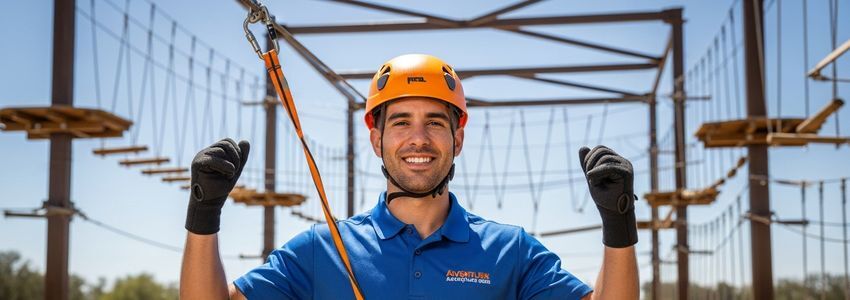
The adventure park industry is a dynamic and growing sector, offering thrilling experiences from zip lines and ropes courses to climbing walls and ninja warrior challenges. To launch, expand, or sustain such a capital-intensive business, owners require strategic financial planning and access to the right funding. This guide provides a comprehensive overview of adventure park business loans, detailing how they work, what types are available, and how you can secure the capital needed to build a successful enterprise. Understanding your financing options is the first step toward turning your vision of a premier adventure destination into a profitable reality.
In This Article
- What Are Adventure Park Business Loans?
- Why Financing Is Critical for Adventure Park Owners
- Types of Business Loans for Adventure Parks
- How to Qualify for Adventure Park Financing
- How Crestmont Capital Helps Adventure Park Owners
- How Adventure Park Owners Use Business Loans
- Real-World Financing Scenarios
- Choosing the Right Loan for Your Adventure Park
- Frequently Asked Questions
- How to Get Started
What Are Adventure Park Business Loans?
Adventure park business loans are specialized financial products designed to meet the unique capital requirements of businesses in the aerial adventure and recreation industry. Unlike generic business loans, these funding solutions are structured to address the specific challenges and opportunities that adventure park owners face. This includes high upfront costs for construction and equipment, significant ongoing expenses for safety and maintenance, and the potential for seasonal revenue fluctuations.
These loans can be used for a wide range of purposes, from purchasing land and constructing complex courses to acquiring specialized gear and launching marketing campaigns. Lenders who offer adventure park financing understand the business model, recognize the value of assets like zip line towers and ropes courses, and can assess the financial health of a business that may have peak and off-peak seasons.
Whether you operate a sprawling outdoor complex with multiple zip lines and obstacle courses or an indoor facility with climbing walls and ninja warrior setups, securing the right financing is fundamental. These loans provide the necessary capital to build a safe, exciting, and profitable attraction that stands out in a competitive market. They are not just about funding an idea; they are about investing in the infrastructure, safety, and guest experience that define a successful adventure park.
Why Financing Is Critical for Adventure Park Owners
Capital is the lifeblood of any adventure park. The initial investment is substantial, and ongoing operational costs require a steady flow of cash. Without adequate financing, even the most innovative park concepts can fail to get off the ground or struggle to maintain momentum. Financing is critical across every stage of an adventure park's lifecycle.
High Startup and Construction Costs
Launching an adventure park is a significant undertaking. The costs go far beyond a simple business registration. Key startup expenses include:
- Land Acquisition and Preparation: Purchasing or leasing a suitable parcel of land, often with specific topographical features, is the first major expense. This is followed by site surveys, clearing, and grading.
- Course Design and Engineering: Professional design and engineering are non-negotiable for ensuring safety and a quality guest experience. These services can cost tens of thousands of dollars.
- Construction and Installation: Building the structures for zip lines, ropes courses, and climbing walls is labor-intensive and requires specialized contractors. Costs can range from $200,000 to well over $1 million, depending on the park's scale and complexity.
- Permitting and Licensing: Navigating local zoning laws, building codes, and industry-specific regulations involves significant fees and professional consultations.
Specialized and Expensive Equipment
The equipment that makes an adventure park thrilling is also what makes it expensive. Financing is often necessary to purchase and maintain these critical assets.
- Ropes Courses: A multi-element high ropes course can cost anywhere from $100,000 to $500,000 or more.
- Zip Lines: A single commercial zip line can range from $20,000 for a simple setup to over $200,000 for a long, high-speed line with complex towers and braking systems.
- Climbing Walls and Bouldering Structures: An indoor or outdoor climbing wall can cost between $40 to $70 per square foot, with large installations easily exceeding $150,000.
- Ninja Warrior Courses: Custom-built ninja warrior obstacles require specialized design and fabrication, often costing $50,000 to $250,000 for a complete course.
- Safety Gear: A full inventory of harnesses, helmets, smart belays, lanyards, and carabiners for 100 guests can cost $50,000 to $100,000, with regular replacement cycles required.
Key Stat: According to a report by CNBC, consumers are increasingly prioritizing spending on experiences over material goods, a trend that directly benefits the adventure park and entertainment industry.
Expansion and Upgrades
The adventure park industry is driven by novelty. To keep guests returning and attract new ones, parks must regularly invest in new attractions and upgrades. Financing allows owners to:
- Add a new zip line or ropes course element.
- Build a dedicated kids' area to attract families.
- Install a new climbing wall or refresh a ninja warrior course.
- Upgrade point-of-sale (POS) systems and booking software.
- Enhance visitor amenities like cafes, restrooms, and observation decks.
Managing Seasonality and Cash Flow
Many adventure parks, especially outdoor ones, experience seasonal peaks and troughs in revenue. A business loan or line of credit can provide the working capital needed to cover fixed costs during the off-season. This includes rent or mortgage payments, insurance premiums, key staff salaries, and marketing efforts to drive bookings for the upcoming peak season. Without this financial cushion, a slow season could jeopardize the entire operation. This financial stability is just as important for indoor parks like trampoline parks, which also face seasonal demand shifts. For more on this, see our guide to Trampoline Park Business Loans.
Types of Business Loans for Adventure Parks
Adventure park owners have several financing options to consider, each suited for different needs and business stages. Understanding the features of each loan type is crucial for making an informed decision that aligns with your financial strategy.
SBA Loans
Backed by the U.S. Small Business Administration, SBA loans are a popular choice for their favorable terms, including long repayment periods and competitive interest rates. They are ideal for major investments.
- SBA 7(a) Loan: This is the most common SBA loan. It's highly versatile and can be used for real estate acquisition, construction, equipment purchases, working capital, or even refinancing existing debt. Loan amounts can go up to $5 million.
- SBA 504 Loan: This loan is specifically for purchasing major fixed assets, such as land, buildings, and long-term machinery. It involves two lenders: a bank or certified development company (CDC) and a direct lender, offering long-term, fixed-rate financing.
While SBA loans offer excellent terms, the application process is often lengthy and requires extensive documentation.
Equipment Financing
Equipment financing is a loan used to purchase specific business equipment. For an adventure park, this could cover everything from zip line trolleys and harnesses to POS systems and ticketing software. The equipment itself typically serves as the collateral for the loan, which can make it easier to qualify for than other types of financing. This is an excellent option for upgrading existing attractions or adding new ones without tying up working capital.
Business Line of Credit
A business line of credit provides flexible, revolving access to capital. You are approved for a certain credit limit and can draw funds as needed, paying interest only on the amount you use. This is perfect for managing cash flow during the off-season, covering unexpected repair costs, or funding short-term marketing initiatives. Once you repay the drawn amount, your credit limit is restored for future use.
Need Capital for Your Adventure Park?
Secure the funding you need to build, expand, or operate your park. Apply in minutes with no obligation.
See Your OptionsShort-Term Business Loans
When you need capital quickly for a specific opportunity or urgent need, a short-term business loan can be an effective solution. These loans typically have repayment terms of 18 months or less and feature a streamlined application and funding process. They are ideal for bridging a revenue gap, seizing a bulk discount on equipment, or covering an emergency repair to a critical attraction. While interest rates may be higher than long-term loans, their speed and accessibility are major advantages.
Working Capital Loans
Working capital loans are designed to cover everyday operational expenses rather than large asset purchases. This includes payroll, rent, utilities, insurance premiums, and inventory for concessions or merchandise. For an adventure park, securing a working capital loan before the slow season can ensure you have the funds to retain key staff and prepare for the next busy period.
Merchant Cash Advance (MCA)
A merchant cash advance is not a traditional loan but rather an advance on your future credit and debit card sales. A lender provides a lump sum of cash, which you repay through a percentage of your daily card transactions. An MCA can be a viable option for parks with strong, consistent sales but may not qualify for traditional loans due to credit history or time in business. It offers very fast funding but typically comes with a higher cost of capital.
How to Qualify for Adventure Park Financing
Securing an adventure park business loan requires thorough preparation. Lenders will scrutinize your application to assess risk and determine your ability to repay the loan. Focusing on the following areas will significantly improve your chances of approval.
1. A Comprehensive Business Plan
Your business plan is the cornerstone of your loan application. It must be detailed, professional, and data-driven. Key components include:
- Executive Summary: A concise overview of your park, its mission, and your funding request.
- Market Analysis: Detailed research on your target demographic, local competition, and the broader adventure tourism industry. Use data from sources like the U.S. Census Bureau to define your local market.
- Operations Plan: Information on your location, park layout, attractions, staffing, and, most importantly, your safety protocols and risk management procedures.
- Marketing and Sales Strategy: How you plan to attract and retain customers through pricing, promotions, online booking, and partnerships.
- Financial Projections: Realistic and well-supported revenue and expense forecasts for at least three to five years. Include a break-even analysis and detailed startup cost breakdown.
2. Strong Personal and Business Credit
Lenders use credit scores to gauge your financial responsibility.
- Personal Credit Score: For new businesses, your personal credit score is paramount. Most lenders look for a score of 680 or higher for the best rates, though options exist for lower scores.
- Business Credit Score: If you have an established business, your business credit history will also be evaluated. A history of on-time payments to vendors and other creditors is crucial.
3. Financial Documentation
Be prepared to provide a complete set of financial documents. The exact requirements will vary by loan type and lender, but you should have the following ready:
- Personal and business tax returns (2-3 years)
- Personal and business bank statements (6-12 months)
- Profit and Loss (P&L) statements
- Balance sheets
- A detailed list of business assets and liabilities
4. Time in Business and Revenue History
For existing parks, lenders typically want to see at least one to two years of operational history. Strong, consistent revenue is a key indicator of a healthy business. Startups will need to rely more heavily on their business plan's financial projections and the owner's industry experience.
5. Down Payment or Collateral
Most significant loans, especially for startups or major expansions, will require some form of owner investment.
- Down Payment: For large loans like SBA loans or commercial real estate financing, a down payment of 10% to 25% is standard. This demonstrates your commitment to the project.
- Collateral: Secured loans require collateral, which is an asset the lender can seize if you default. This can include business equipment, real estate, or other valuable assets. Unsecured loans, like some short-term loans and lines of credit, do not require specific collateral but often have higher interest rates.
Pro Tip: Emphasize your safety record and insurance coverage in your application. Lenders in this space are highly aware of the inherent risks and will be reassured by a robust risk management plan.
How Crestmont Capital Helps Adventure Park Owners
Navigating the world of business financing can be complex, but you do not have to do it alone. At Crestmont Capital, we specialize in providing tailored financing solutions for businesses in the entertainment and recreation industries, including adventure parks, amusement parks, and other attractions. We understand the unique financial landscape you operate in and are committed to helping you succeed.
Industry Expertise
Our team has extensive experience working with businesses like yours. We understand the high upfront costs of attractions like ropes courses and zip lines, the importance of maintaining impeccable safety standards, and the challenges of seasonal cash flow. This industry-specific knowledge allows us to evaluate your business on its true merits and connect you with the most suitable small business loans. We know the difference between a smart belay and a standard belay, and we recognize the value of your specialized assets.
A Wide Range of Funding Products
Crestmont Capital offers a diverse portfolio of financing options to meet your specific needs. Whether you are a startup seeking a large SBA loan for construction, an established park needing equipment financing for a new climbing wall, or an operator looking for a flexible line of credit to manage winter expenses, we have a solution. Our access to a wide network of lenders ensures you get competitive rates and terms.
Streamlined and Efficient Process
We know that as a business owner, your time is valuable. That is why we have developed a simple and efficient application process. Our online application takes just a few minutes to complete, and our dedicated funding specialists will guide you every step of the way. We cut through the red tape often associated with traditional bank lending to provide you with fast business loans, often with funding in as little as 24 hours for certain products.
Financing for All Credit Profiles
While a strong credit history is always beneficial, we believe every business deserves a chance to secure funding. We offer solutions for various credit profiles, including options for those who may not meet the strict criteria of traditional banks. Our bad credit business loans are designed to help passionate entrepreneurs get the capital they need to grow.
Partner with an Expert Lender
Let Crestmont Capital's industry expertise work for you. Get the right financing with a partner who understands your business.
Get Started TodayHow Adventure Park Owners Use Business Loans
Adventure park business loans provide the capital to fund virtually every aspect of your operation. Strategic use of these funds can accelerate growth, enhance safety, and improve profitability. Here are some of the most common and impactful ways owners use their financing:
- New Construction and Park Development: Funding the ground-up construction of a new adventure park, including land acquisition, site preparation, and installation of foundational infrastructure.
- Purchasing Core Attraction Equipment: Acquiring the main features of your park, such as multi-level ropes courses, zip line systems with towers and platforms, modular ninja warrior obstacles, and custom-designed climbing walls.
- Expanding Existing Attractions: Adding new elements to keep the experience fresh and increase park capacity. This could mean adding more zip lines, a higher-difficulty ropes course, or a new bouldering area.
- Upgrading Safety Gear and Technology: Investing in the latest safety equipment, like smart belay systems that prevent accidental unclipping, or replacing harnesses, helmets, and ropes at the end of their lifecycle.
- Developing Visitor Amenities: Building or improving facilities that enhance the guest experience, such as a modern check-in building, a cafe or snack bar, retail space for merchandise, and clean, accessible restrooms.
- Marketing and Advertising Campaigns: Launching targeted marketing efforts to drive ticket sales, including digital advertising, social media campaigns, partnerships with local hotels, and creating promotional video content.
- Hiring and Training Staff: Covering the costs of recruiting, hiring, and extensively training guides, operators, and guest service staff to ensure safe and professional operations.
- Covering High Insurance Premiums: Paying for the substantial liability insurance required to operate an adventure park, which can be a significant annual expense.
- Managing Off-Season Operating Costs: Using working capital to cover fixed expenses like rent, utilities, and salaried employee wages during slower months to ensure business continuity.
- Implementing New Technology: Investing in modern online booking software, waiver management systems, and POS technology to streamline operations and improve customer service.
By the Numbers
Adventure Park Industry - Key Statistics
15.2%
Projected CAGR for the global adventure tourism market from 2023 to 2030 (Grand View Research).
$500K+
Typical initial investment required to build a medium-sized aerial adventure park.
54%
Percentage of Americans aged 6+ who participated in outdoor recreation in 2021 (Outdoor Industry Association).
450+
Number of commercial aerial adventure parks currently operating in the United States.
Real-World Financing Scenarios
To better understand how different loans apply to specific situations, let's explore a few hypothetical scenarios for adventure park owners.
Scenario 1: The Startup Park
The Situation: An experienced outdoor guide has a solid business plan to build a new adventure park on a leased plot of land. The plan includes a large ropes course, five zip lines, and a small welcome center. The total projected cost is $750,000. The Challenge: As a startup, the business has no revenue history, and the owner needs a significant amount of capital with a long repayment term to make monthly payments manageable. The Solution: An SBA 7(a) loan is the ideal choice. The owner uses their strong personal credit, detailed business plan, and a 15% down payment to secure a $637,500 loan. The 10-year repayment term keeps the monthly payments affordable while the park builds its customer base. The funds cover the construction of the courses, the welcome center, and the initial purchase of all necessary safety equipment.
Scenario 2: The Expansion Project
The Situation: A successful adventure park has been open for five years and has a steady stream of customers. To attract repeat visitors and tap into the family market, the owner wants to add a dedicated kids' ropes course and a state-of-the-art climbing wall. The total cost for the new equipment and installation is $150,000. The Challenge: The owner doesn't want to use their existing working capital, which is needed for marketing and payroll. They need a fast, targeted financing solution. The Solution: The owner applies for equipment financing. Because the new ropes course and climbing wall serve as collateral, the application process is quick and requires less documentation than a traditional loan. They are approved for the full $150,000 with a five-year term. The new attractions open in time for the peak season, and the revenue they generate easily covers the monthly loan payments.
Scenario 3: Managing Seasonal Cash Flow
The Situation: An outdoor adventure park in a northern climate generates 80% of its revenue between May and October. During the winter months, revenue drops significantly, but fixed costs like insurance, rent, and the salaries of core management staff remain. The Challenge: The owner needs a way to cover expenses during the slow season without taking on long-term debt. The Solution: The owner secures a $75,000 business line of credit at the beginning of the off-season. They draw funds as needed to make payroll and pay bills from November to April. As soon as the busy season starts and revenue increases, they pay back the balance. This flexible tool provides peace of mind and ensures the business remains financially healthy year-round, ready for the next peak season. This strategy is common across the entire outdoor recreation business landscape.
Choosing the Right Loan for Your Adventure Park
Selecting the right financial product is as important as designing a thrilling zip line. The best choice depends on your specific need, your business's financial health, and your long-term goals. Use the table below to compare the most common types of adventure park business loans.
| Loan Type | Loan Amount | Term Length | Best For |
|---|---|---|---|
| SBA 7(a) Loan | $50,000 - $5 Million | 7 - 25 years | New park construction, real estate purchase, major expansion, business acquisition. |
| Equipment Financing | $10,000 - $1 Million+ | 2 - 7 years | Purchasing specific assets like ropes courses, zip lines, climbing walls, and safety gear. |
| Business Line of Credit | $10,000 - $250,000 | 6 - 24 months (revolving) | Managing seasonal cash flow, covering unexpected expenses, short-term working capital needs. |
| Short-Term Loan | $5,000 - $500,000 | 3 - 18 months | Bridging revenue gaps, urgent repairs, seizing time-sensitive opportunities, quick funding needs. |
| Working Capital Loan | $10,000 - $300,000 | 6 - 36 months | Funding day-to-day operations like payroll, marketing, and insurance during the off-season. |
Frequently Asked Questions
What is the average cost to start an adventure park?
The cost varies widely based on scale and location. A small to medium-sized park can cost anywhere from $250,000 to over $1 million. This includes land preparation, course construction, equipment, and initial operating capital.
Can I get a loan for an adventure park with no experience?
It can be challenging, but not impossible. Lenders will want to see either relevant industry experience or a very strong management team with experience. A meticulously detailed business plan, significant personal investment (down payment), and strong personal credit will be critical.
What credit score do I need for an adventure park loan?
For the best rates and terms, such as those with SBA loans, a personal credit score of 680+ is typically recommended. However, alternative lenders and other loan products may be available for business owners with scores in the lower 600s or even 500s, though terms will be less favorable.
Can I finance used adventure park equipment?
Yes, many lenders offer financing for used equipment. However, safety-critical items like harnesses, ropes, and carabiners should almost always be purchased new. Used financing is more common for structural elements, office furniture, or POS systems.
How long does it take to get funded?
Funding times vary by loan type. SBA loans can take 30-90 days or more. Short-term loans and equipment financing through alternative lenders like Crestmont Capital can often be funded in as little as 24-72 hours after approval.
Do I need collateral to get a loan?
It depends on the loan. Large loans like SBA loans typically require collateral. For equipment financing, the equipment itself serves as collateral. Unsecured loans and lines of credit are available but may have higher rates and lower funding amounts.
How do lenders view the seasonality of an adventure park?
Experienced lenders in this industry understand seasonality. They will analyze your annual revenue and cash flow patterns. Your business plan should clearly address how you manage cash flow during the off-season, which can strengthen your application.
Can I use a business loan to pay for insurance?
Yes. A working capital loan or a business line of credit is an excellent tool for covering large annual or semi-annual insurance premiums, which are a major operating expense for any adventure park.
What is more important: revenue or profit?
Both are important, but lenders primarily focus on cash flow and profitability. They want to see that your business generates enough profit to comfortably cover its existing expenses plus the new loan payment. Strong, consistent revenue is a good indicator, but it must translate to positive net income.
Are interest rates for adventure park loans high?
Interest rates depend on the loan type, your creditworthiness, and the lender. SBA loans generally have the lowest rates. Short-term loans and MCAs will have higher rates due to their speed and higher risk. The entertainment industry can be seen as higher risk, so working with a specialized lender can help you secure more competitive rates.
Can I refinance an existing adventure park business loan?
Yes, refinancing is often a smart financial move. If your business's financial health has improved or interest rates have dropped since you took out your original loan, you may be able to refinance to get a lower monthly payment, a better interest rate, or a longer repayment term.
What documents do I need to apply?
At a minimum, most applications will require several months of business bank statements, a driver's license, and a voided business check. For larger loans or SBA loans, you will also need business and personal tax returns, financial statements (P&L, balance sheet), and a business plan.
How much can I borrow for my adventure park?
The amount you can borrow depends on your business's annual revenue, profitability, credit history, and the specific loan product. It can range from a few thousand dollars for a small working capital loan to over $5 million for a large-scale SBA loan for construction.
Is it better to lease or buy equipment?
This depends on the equipment and your financial situation. Leasing can offer lower monthly payments and allows you to upgrade to newer technology more easily. Buying (through an equipment loan) means you own the asset outright, which builds equity. For core, long-lasting infrastructure like towers and platforms, buying is common. For gear with a shorter lifespan, leasing can be attractive.
What are the biggest financial mistakes adventure park owners make?
Common mistakes include underestimating startup costs, failing to secure enough working capital to cover the first year of operations (especially the off-season), not having a detailed marketing budget, and choosing the wrong type of loan for their specific need.
How to Get Started
Securing the right financing for your adventure park is a critical step toward success. At Crestmont Capital, we make the process straightforward and transparent. Follow these simple steps to get the capital you need.
Apply in Minutes
Complete our secure online application. It takes less than five minutes and won't impact your credit score. Provide some basic information about your business and your funding needs.
Review Your Options
A dedicated funding specialist will contact you to discuss your application and learn more about your park. They will then present you with the best loan options available, clearly explaining the terms, rates, and payments for each.
Receive Your Funds
Once you select the offer that best fits your needs and provide any final documentation, your loan will be processed for funding. For many of our loan products, capital can be deposited into your business bank account in as little as 24 hours.
Conclusion
Building and operating a successful adventure park is a rewarding venture that provides unforgettable experiences for your guests. However, it requires significant capital investment and careful financial management. Understanding the various types of adventure park business loans, from SBA loans for major construction to lines of credit for seasonal cash flow, empowers you to make strategic decisions that fuel growth and ensure long-term stability. By preparing a thorough business plan, organizing your financial documents, and partnering with a lender who understands your industry, you can secure the funding necessary to launch your park, expand your offerings, and thrive in the exciting world of adventure recreation.
Disclaimer: The information provided in this article is for general educational purposes only and is not financial, legal, or tax advice. Funding terms, qualifications, and product availability may vary and are subject to change without notice. Crestmont Capital does not guarantee approval, rates, or specific outcomes. For personalized information about your business funding options, contact our team directly.