
Acupuncture has moved from the fringes of alternative medicine to a mainstream healthcare modality — covered by most major insurance plans, recommended by primary care physicians for chronic pain and stress management, and sought by an increasing share of Americans looking for evidence-based alternatives to pharmaceutical treatment. For licensed acupuncturists (LAcs) and Doctor of Oriental Medicine practitioners (DOM), private practice ownership offers autonomy, meaningful work, and strong income potential. But transitioning from an employed position or associate role to owning a clinic requires capital — for office setup, equipment, marketing, and the working capital to bridge the early months while building caseload. This guide covers every financing option available to acupuncture practitioners opening or growing their practices.
In This Article
- Why Acupuncture Practices Need Business Financing
- Types of Acupuncture Business Loans
- Acupuncture Practice Startup and Growth Costs
- SBA Loans for Acupuncture Practices
- How to Qualify for an Acupuncture Business Loan
- Acupuncture Loan Rates, Terms, and Amounts
- Best Uses for Acupuncture Practice Financing
- Acupuncture Industry Statistics
- How to Apply and What to Prepare
- Why Acupuncture Practitioners Choose Crestmont Capital
- Frequently Asked Questions
Why Acupuncture Practices Need Business Financing
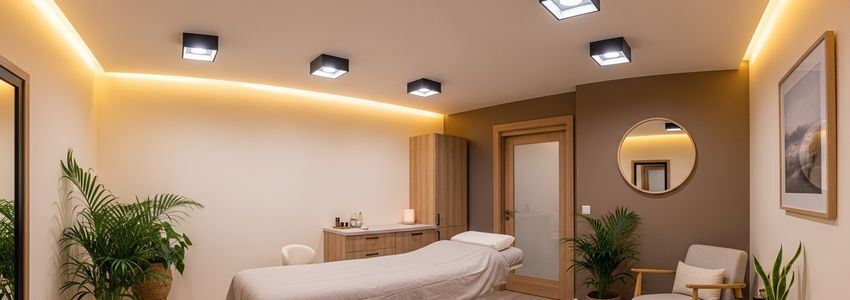
Acupuncture practices have significantly lower capital requirements than most medical practices — no expensive diagnostic equipment, no surgical suite, no imaging infrastructure. But meaningful startup and growth capital is still needed for a professional, well-equipped clinic:
- Treatment room buildout — acupuncture-appropriate treatment rooms with privacy, comfortable treatment tables, proper lighting, and heating/cooling ($5,000–$25,000 per room)
- Acupuncture tables and equipment — professional treatment tables ($1,000–$3,500 each), needle disposal systems, sanitation equipment, moxa tools, cupping sets, electro-acupuncture devices
- Office technology — practice management and EHR software (Jane App, Practice Fusion, acupuncture-specific platforms), patient intake systems, billing software ($2,000–$8,000 setup)
- Herbal medicine dispensary — if offering Chinese herbal medicine, initial inventory of dried herbs, formulas, or patent medicines ($3,000–$15,000+)
- Marketing and online presence — website, Google Business profile, patient review platform, Psychology Today/Healthgrades listings, local advertising ($2,000–$10,000 initial)
- Working capital — covering overhead during the patient caseload build-up period; insurance credentialing delays; the lag between completing sessions and receiving insurance reimbursement
- Expanding to a larger clinic — adding additional treatment rooms, hiring associate practitioners, moving to a dedicated standalone space from a shared office arrangement
Insurance Expansion Note: Major commercial insurance plans (BCBS, Aetna, United, Cigna) increasingly cover acupuncture for specific conditions — particularly chronic pain, headaches, and nausea. Medicare covers acupuncture for low back pain. This insurance coverage expansion has meaningfully increased the potential patient volume for in-network acupuncture practices. For related healthcare practice financing context, see our Mental Health Practice Loans: The Complete Financing Guide for Mental Health Practitioners. For SBA program details, see our SBA Loan Alternatives for Faster Funding: The Complete Guide for Business Owners.
Types of Acupuncture Business Loans
Small Business Term Loans
Term loans provide lump-sum capital for clinic buildout, equipment packages, and working capital. For most acupuncture practice startups and expansions, term loan amounts of $25,000 to $150,000 cover the primary capital need. Online alternative lenders approve in 1 to 5 days; banks take 2 to 8 weeks at lower rates.
SBA 7(a) Loans
SBA 7(a) loans are appropriate for larger acupuncture practice investments — multi-room clinic buildouts, acquiring an existing practice, or expanding to a larger standalone location. With loan amounts up to $5 million and terms up to 10 years, SBA loans provide competitive rates for qualified licensed practitioners. Acupuncture practices qualify as healthcare service businesses under SBA guidelines.
SBA Microloans
SBA Microloans (up to $50,000) through nonprofit intermediaries are the most accessible financing option for acupuncture startup practitioners. They can cover initial clinic buildout, treatment tables, equipment, basic technology, and 2 to 3 months of working capital at rates of 8%–13% over up to 6 years. More accessible credit and documentation requirements than conventional bank loans.
Business Lines of Credit
A revolving line of credit is valuable for managing acupuncture practice cash flow — particularly the insurance reimbursement lag and seasonal patient volume variation. Draw to cover overhead when insurance payments are pending, repay when reimbursements clear. Lines of $10,000–$50,000 are appropriate for most acupuncture practices.
Equipment Financing
Specific clinical equipment — electro-acupuncture devices, photobiomodulation (red light therapy) units, infrared heating systems, or other specialty treatment technology — qualifies for equipment financing using the equipment as collateral. Treatment tables can also be financed through furniture/equipment financing programs.
CDFI and Complementary Health Lenders
Community Development Financial Institutions (CDFIs) like Accion Opportunity Fund are particularly relevant for acupuncture practitioners because they serve underrepresented business owners, including Asian American practitioners, with more flexible credit requirements and smaller loan amounts than conventional banks. CDFIs understand the complementary and integrative health market better than many generalist lenders.
Ready to Launch or Grow Your Acupuncture Practice?
Get fast, flexible financing from the #1 business lender in the U.S. No obligation — apply in minutes.
Apply Now →Acupuncture Practice Startup and Growth Costs
Acupuncture practices have relatively low capital requirements compared to most healthcare settings, but a well-equipped and professionally designed clinic requires thoughtful investment:
| Cost Category | Solo Practice | Multi-Room Clinic |
|---|---|---|
| Lease deposit + first month | $1,500–$5,000 | $4,000–$15,000 |
| Treatment room buildout | $3,000–$15,000 | $15,000–$60,000 |
| Acupuncture tables + equipment | $2,000–$8,000 | $8,000–$30,000 |
| Herbal dispensary inventory | $0–$5,000 | $5,000–$20,000 |
| Practice management / EHR / billing | $1,000–$4,000 | $3,000–$10,000 |
| Marketing and website | $1,500–$5,000 | $3,000–$12,000 |
| Working capital reserve | $5,000–$20,000 | $15,000–$50,000 |
Total estimated startup capital:
- Solo practice (1 treatment room): $14,000 to $62,000
- Multi-room clinic (3–5 treatment rooms): $53,000 to $197,000+
The relatively modest capital requirements of acupuncture practice startups make SBA Microloans and CDFI loans particularly appropriate for solo practitioners, while SBA 7(a) and online term loans support larger clinic buildouts.
SBA Loans for Acupuncture Practices
Acupuncture practices qualify for SBA loan programs as licensed healthcare service businesses. Key programs:
| SBA Program | Max Amount | Best Use | Min. Credit | Time to Fund |
|---|---|---|---|---|
| SBA 7(a) | $5 million | Multi-room clinic, expansion, acquisition | 650+ | 60–90 days |
| SBA Express | $500,000 | Practice expansion, equipment, working capital | 650+ | 30–45 days |
| SBA Microloan | $50,000 | Solo practice startup, equipment, working capital | 560+ | 30–60 days |
How to Qualify for an Acupuncture Business Loan
Credit Score Requirements
- Bank term loans: 700+
- SBA 7(a) loans: 650–680+
- Online alternative term loans: 600–650+
- Equipment financing: 580–620+
- SBA Microloans / CDFIs: 560+ (more flexible)
- Business lines of credit: 600–650+
Time in Business / Practice
- Banks and SBA (established): 2 years preferred
- SBA startup loans / Microloans: New practice with active LAc or DOM license + business plan
- Online alternative lenders: 6 months to 1 year
- CDFIs: Available for startups
Annual Revenue
- SBA 7(a) / bank loans: $100,000+ annually for established practices
- Online term loans: $75,000+ annually
- Equipment financing and Microloans: License is primary credential; lower revenue requirements
Acupuncture-Specific Considerations
- State acupuncture license: Active state LAc, DOM, or DAc license is the primary professional credential. All 50 states have acupuncture licensing requirements. Verify your license is current and in good standing before applying.
- Insurance panel status: Credentialing with commercial insurance panels (BCBS, Aetna, United, Cigna) and Medicare credentialing for low back pain indicates a practice with diversified, predictable revenue. Panel documentation strengthens loan applications.
- Revenue mix: Practices accepting insurance have more verifiable revenue than cash-only practices. For cash-only practitioners, bank statements and income tax returns are the primary revenue documentation.
- Business entity structure: Establishing a proper business entity (LLC or professional corporation) with a separate business bank account before applying significantly streamlines any loan process.
Acupuncture Practice Loan Rates, Terms, and Amounts
| Loan Type | Typical Rate | Term | Amount Range | Speed |
|---|---|---|---|---|
| SBA Microloan | 8%–13% | Up to 6 years | Up to $50K | 30–60 days |
| CDFI Loan | 8%–18% | 1–7 years | $5K–$250K | 2–6 weeks |
| Online Term Loan | 15%–45% | 3 months–5 years | $5K–$250K | 1–5 days |
| SBA 7(a) Loan | 10%–13% | Up to 10 years | $50K–$5M | 60–90 days |
| Business Line of Credit | 8%–35% | Revolving | $10K–$100K | 1–7 days |
Best Uses for Acupuncture Practice Financing
Opening a First Private Practice
The most common use of acupuncture financing is funding the transition from associate or employed acupuncturist to private practice owner. A solo practitioner opening a 1 to 2 room practice needs $14,000 to $62,000 in total startup capital — very achievable through SBA Microloans or online term loans. Key expenses: lease deposit and initial months' rent, treatment room buildout, tables and equipment, software setup, initial marketing, and 2 to 3 months of working capital.
Moving from a Shared Office to a Dedicated Clinic
Many acupuncturists start in shared office or wellness center subleases before graduating to their own dedicated space. Moving to a dedicated clinic — with multiple treatment rooms, a proper waiting area, and full control over patient experience — typically requires $30,000 to $80,000 in leasehold improvements and new equipment. SBA Microloans or online term loans cover this transition for established practitioners.
Adding Herbal Medicine or Integrative Services
Expanding beyond acupuncture to offer Chinese herbal medicine, cupping, gua sha, moxibustion, and other traditional Chinese medicine modalities increases revenue per patient visit. An herbal dispensary ($5,000–$20,000 in initial inventory) generates additional retail revenue that diversifies practice income. A line of credit or small term loan covers initial inventory investment.
Adding Complementary Modalities
Acupuncture practices increasingly add adjacent modalities — photobiomodulation (red light therapy, $5,000–$25,000 per device), infrared sauna, massage therapy, or naturopathic medicine — to create integrative health centers with higher revenue per visit and broader patient appeal. Equipment financing covers these technology additions while the additional revenue services the payments.
Acquiring an Established Acupuncture Practice
Purchasing an established acupuncture practice with existing patient base, insurance panel credentials, and name recognition eliminates the patient acquisition challenge that is the primary difficulty in private practice startup. SBA 7(a) acquisition financing covers purchase price plus working capital. Acupuncture practice acquisition prices vary widely — typically $30,000 to $150,000+ depending on patient volume, revenue, and goodwill.
Acupuncture Industry Statistics
- The U.S. acupuncture market is valued at approximately $6–8 billion annually, with over 38,000 licensed acupuncturists practicing in the United States (Accreditation Commission for Acupuncture and Oriental Medicine)
- Medicare coverage for acupuncture for chronic low back pain, enacted in 2020, opened the treatment to the approximately 65 million Medicare beneficiaries — a significant expansion of potential patients for licensed acupuncturists
- Major commercial insurers have expanded acupuncture coverage — approximately 70% of commercial health plans now include some acupuncture benefit, though covered visit limits and conditions vary
- The average acupuncture session generates $75 to $150 in self-pay revenue and $50 to $110 in insurance reimbursement depending on payer and geographic market
- A full-time acupuncturist practicing 5 days per week with 8 patients per day generates approximately $200,000 to $350,000 in annual revenue at average rates — comfortably supporting private practice ownership and debt service
- Consumer interest in acupuncture has grown significantly — nearly 3.5 million Americans received acupuncture in the most recent survey year, up from 2.1 million a decade earlier
How to Apply and What to Prepare
For SBA Microloans and CDFI Loans (Solo Startup)
- Active state acupuncture license (LAc, DOM, DAc)
- Business plan with financial projections (sessions per week, fee schedule, insurance mix)
- Personal financial statement and credit report
- Evidence of equity contribution (bank statements)
- Signed office lease or letter of intent
For Online Term Loans and Lines of Credit
- 3 to 6 months of business bank statements (or personal if practice is new)
- State acupuncture license
- Government-issued ID
- Basic business information (EIN, entity type if applicable)
For SBA 7(a) Loans (Established Practices)
- 2 to 3 years of business and personal tax returns
- Year-to-date profit and loss statement
- Current balance sheet
- 12 months of business bank statements
- Insurance panel credentialing documentation
- State acupuncture license
- Personal financial statement
Application Tips for Acupuncture Practitioners
- Establish a business bank account first: Acupuncture practitioners who comingle personal and practice finances have the most difficulty with loan applications. A dedicated business bank account with 3+ months of consistent deposits makes any loan application dramatically smoother.
- Document your insurance panel credentials: If you are credentialed with commercial insurers or Medicare, include panel participation letters. Insurance-accepting practices have more verifiable and predictable revenue than cash-only practices.
- Realistic revenue projections: Base your financial projections on achievable patient volume growth — 5 patients/week in month 1, building to 25–30 patients/week by month 6 — rather than optimistic full-capacity scenarios. Lenders appreciate conservatism.
Why Acupuncture Practitioners Choose Crestmont Capital
Crestmont Capital is the #1 rated business lender in the United States. We work with complementary and integrative healthcare practitioners — including acupuncturists, traditional Chinese medicine practitioners, and holistic health clinic owners — at every stage of their practice development. We understand the unique financing needs, revenue models, and growth paths of acupuncture practices.
- Complementary healthcare expertise: We understand acupuncture practice revenue and growth dynamics
- Accessible amounts: Financing from $5,000 (small equipment) to $500,000+ (full clinic development)
- Multiple products: Term loans, SBA programs, lines of credit, equipment financing, and CDFI connections
- Transparent terms: No hidden fees, complete cost disclosure before you sign
Get Your Acupuncture Business Loan Today
Apply in minutes. No obligation. We understand practice financing.
Apply Now →Frequently Asked Questions
Frequently Asked Questions: Acupuncture Business Loans
Disclaimer: This article is provided for general educational purposes only and does not constitute financial, legal, or clinical practice advice. Loan rates, terms, and requirements vary by lender and are subject to change. Insurance coverage for acupuncture varies by plan, state, and condition — verify current coverage with each insurer. Revenue and income figures are estimates based on publicly available industry data and may vary significantly by market and practice type. Consult a qualified financial advisor before making practice financing decisions.