Vertical farming is transforming food production in the United States - and the business of growing crops in stacked, indoor, climate-controlled environments requires serious capital. Whether you are launching a new vertical farm, scaling your existing grow operation, or upgrading to more advanced lighting and hydroponic systems, securing the right financing is one of the most critical steps in your journey. Vertical farm business loans give operators the capital they need to compete in one of the fastest-growing sectors in American agriculture.
In This Article
- What Is a Vertical Farm?
- Why Vertical Farms Need Financing
- Types of Vertical Farm Business Loans
- How Vertical Farm Financing Works
- Vertical Farming By the Numbers
- Who Qualifies for Vertical Farm Loans
- Loan Amounts and Use of Funds
- How Crestmont Capital Helps Vertical Farmers
- Comparing Financing Options
- Real-World Funding Scenarios
- Frequently Asked Questions
- How to Get Started
What Is a Vertical Farm?
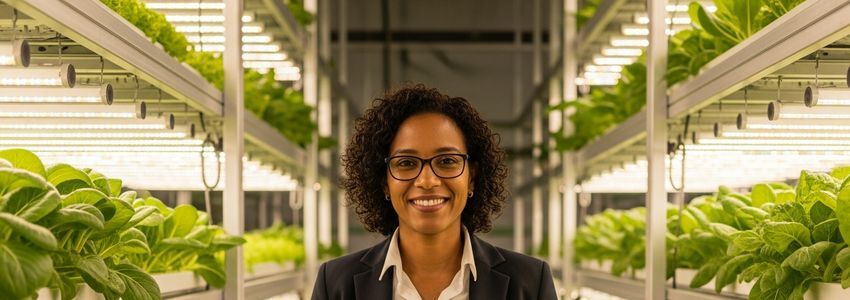
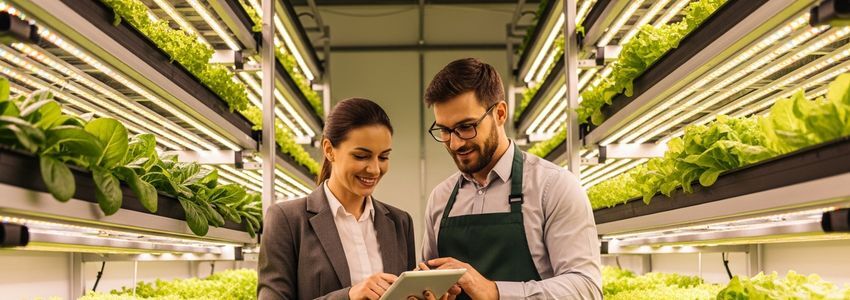
A vertical farm is a controlled-environment agriculture (CEA) operation that grows crops in vertically stacked layers, typically inside a warehouse, repurposed industrial building, or purpose-built facility. Instead of relying on outdoor soil and weather conditions, vertical farms use hydroponic, aeroponic, or aquaponic growing systems combined with artificial LED lighting, climate controls, and precision irrigation to produce year-round harvests of leafy greens, herbs, strawberries, microgreens, and other high-value crops.
Unlike traditional farming, vertical farming eliminates dependence on seasons, weather, and large land areas. A single 10,000-square-foot warehouse can produce the equivalent output of several acres of traditional farmland - with dramatically less water usage and no pesticides. This efficiency makes vertical farming one of the most attractive agricultural opportunities of the 21st century, drawing investment from both food companies and technology entrepreneurs.
The industry is growing rapidly. According to data cited by Forbes and CNBC, the global vertical farming market was valued at more than $5 billion in recent years and is projected to grow at a compound annual growth rate (CAGR) exceeding 20% through 2030. In the United States, hundreds of commercial vertical farms now operate in urban centers, suburbs, and rural communities, supplying local grocery chains, restaurants, and food service operations.
Why Vertical Farms Need Business Financing
Starting or scaling a vertical farm is capital-intensive by nature. The combination of specialized infrastructure, advanced technology, and operating costs creates substantial upfront investment requirements that are far beyond what most owners can self-fund. Here is a breakdown of where the capital goes:
Infrastructure and Build-Out Costs
Vertical farms require significant build-out investments before a single plant grows. This includes warehouse lease or purchase, structural modifications to support vertical racking systems, electrical upgrades to handle high-wattage LED arrays, plumbing for hydroponic or aeroponic delivery systems, and climate control installations for temperature and humidity management. A modest commercial vertical farm build-out commonly ranges from $150,000 to $500,000 or more, depending on scale and location.
Growing Equipment and Technology
The core equipment of a vertical farm includes tiered grow racks, LED grow light systems, nutrient delivery and irrigation infrastructure, environmental control systems, and automation equipment. LED lighting alone accounts for a major portion of equipment cost - commercial-grade LED arrays optimized for plant growth can run $50 to $200 per linear foot. Full lighting and racking systems for a mid-size operation can easily exceed $100,000.
Working Capital and Operating Expenses
Even after setup, vertical farms carry substantial monthly operating costs: electricity for lighting and climate control, nutrients and growing media, seeds, labor, packaging, and distribution. Many operators need working capital loans to bridge the gap between harvest cycles and incoming revenue, particularly in their first one to two years of operation when output is scaling up and client relationships are being established.
Expansion and Upgrades
Established vertical farms frequently need capital to expand into new space, add additional grow tiers, install advanced automation systems like robotic harvesting, or upgrade older LED systems to more energy-efficient models. Financing supports these growth investments without disrupting existing cash flow.
Ready to Grow Your Vertical Farm?
Crestmont Capital specializes in financing for modern agricultural businesses. Get fast approval and flexible terms for vertical farm operators.
Apply Now →Types of Vertical Farm Business Loans
Vertical farm operators have access to several financing options, each suited to different stages of growth and types of capital needs. Understanding the differences helps you match the right product to your specific situation.
Equipment Financing
Equipment financing is one of the most commonly used loan types for vertical farms. Because the physical assets - grow racks, LED systems, HVAC, irrigation - serve as collateral, equipment loans are often easier to qualify for than unsecured loans. You can finance new or used equipment, and the repayment schedule aligns with the useful life of the assets, typically two to seven years. Crestmont Capital's equipment financing allows vertical farmers to acquire the technology they need without depleting working capital reserves.
Small Business Loans (Term Loans)
Small business loans provide a lump sum of capital that can be used for any legitimate business purpose - facility build-out, equipment purchases, working capital, or expansion. Term loans offer predictable monthly payments and fixed interest rates, making them straightforward to budget. For vertical farms with 12+ months of operating history and consistent revenue, term loans are a strong primary financing tool.
Business Line of Credit
A business line of credit gives vertical farmers revolving access to capital - draw what you need, repay it, and draw again. This is ideal for managing working capital fluctuations: buying nutrients and seeds before a harvest cycle, covering a large utility bill, or bridging cash flow gaps between wholesale customer payments. Lines of credit provide financial flexibility that term loans cannot match for day-to-day operational needs.
SBA Loans
SBA loans are government-backed business loans with lower interest rates and longer repayment terms than conventional financing. The SBA 7(a) program is the most flexible, with loan amounts up to $5 million and terms up to 10 years for working capital or up to 25 years for real estate. Vertical farms that own or are purchasing their facility may find the SBA 504 program particularly suited for fixed asset acquisition. SBA loans require more documentation and longer processing times but offer the most favorable long-term economics for established operations.
Working Capital Loans
Working capital loans provide short-term cash flow support for operational expenses. For vertical farms, this might mean covering payroll during a slow revenue period, purchasing a larger-than-usual seed or nutrient order at a bulk discount, or financing a marketing push to onboard new wholesale grocery accounts. These loans move quickly and are designed for operational agility rather than long-term asset purchases.
Long-Term Business Loans
Long-term business loans with extended repayment periods are well-suited for major capital projects such as constructing a new grow facility or undertaking a comprehensive expansion of an existing operation. Lower monthly payments preserve cash flow during periods of high capital deployment.
How Vertical Farm Financing Works
The process of obtaining a business loan for your vertical farm follows a straightforward path when you work with a lender experienced in agricultural and food production businesses. Here is how the typical process works at Crestmont Capital:
Step 1 - Assess Your Capital Needs
Start by defining exactly what the capital will be used for. Are you purchasing grow lights and racks for a new tier installation? Funding a facility lease and build-out? Covering three months of operating expenses while a new wholesale account ramps up? Clear, specific capital needs make your application stronger and help match you to the right loan product.
Step 2 - Gather Financial Documentation
Lenders will review your business financials to assess repayment capacity. Typical documents include three to six months of business bank statements, profit and loss statements, a current balance sheet, and business tax returns. Startups without operating history may substitute a detailed business plan with financial projections and evidence of pre-orders or letters of intent from buyers.
Step 3 - Submit Your Application
Crestmont Capital's application process is straightforward and primarily conducted online. You submit your business information, loan request, and financial documents through a secure portal. Our team reviews your file quickly - many decisions are made within 24 to 48 hours for standard loan types.
Step 4 - Review Offers and Accept Terms
Once approved, you receive a loan offer specifying the amount, interest rate, repayment term, and any fees. Review the offer carefully with your accountant or financial advisor if needed, then accept and proceed to funding.
Step 5 - Receive Funds and Execute Your Plan
Funds are typically disbursed within a few business days after acceptance. You then execute your capital deployment plan - ordering equipment, paying contractors, stocking materials, or covering operating costs as outlined in your application.
Industry Insight: According to the USDA and industry research, controlled-environment agriculture has grown from fewer than 100 commercial operations in 2010 to thousands of facilities across the U.S. today - and access to specialized business financing has been a critical driver of that growth.
Vertical Farming Industry: By the Numbers
By the Numbers
Vertical Farming in America - Key Statistics
$5B+
Global vertical farming market value
20%+
Projected annual market growth rate through 2030
95%
Less water used vs. traditional farming
365
Days per year of production capability
Who Qualifies for Vertical Farm Business Loans
Vertical farm operators across different stages and scales can qualify for business financing through Crestmont Capital. Qualification criteria vary by loan type but here are the general standards that apply to most of our products:
Credit Score Requirements
Most of our small business loan products are accessible to borrowers with a personal credit score of 600 or higher. Higher credit scores unlock better rates and larger loan amounts. For SBA loans, lenders typically look for scores of 650 or above, along with a clean credit history. If your credit score needs improvement, our team can advise on the best path forward given your current profile.
Time in Business
Established vertical farm businesses with at least six months to one year of operating history have the most product options available to them. Startups or pre-revenue operations can still qualify for financing - particularly through equipment financing programs, where the equipment itself serves as collateral - but documentation requirements and underwriting scrutiny increase accordingly.
Revenue and Cash Flow
Lenders assess whether your business generates enough revenue to comfortably service debt payments. For working capital loans and lines of credit, lenders typically want to see consistent monthly revenue - generally $8,000 to $15,000 or more per month - with healthy bank account balances. For equipment financing, the focus is more on asset value and business viability than on revenue history alone, making it accessible even for newer operations.
Business Structure
Vertical farm businesses operating as sole proprietorships, partnerships, LLCs, or corporations are all eligible to apply. Having a formal business entity established (with an EIN from the IRS) is standard. If you have not yet formalized your business structure, do so before applying - it streamlines the application process and separates personal and business liability.
Collateral
For secured loans like equipment financing, the assets being purchased serve as collateral. For unsecured term loans or lines of credit, lenders may request a personal guarantee or general lien on business assets. Strong financials and good credit can reduce collateral requirements. Operations with significant physical assets - grow racks, HVAC systems, lighting infrastructure - often have adequate collateral to support larger loan amounts.
Pro Tip: If you are launching a new vertical farm without operating history, consider pairing an equipment financing application (collateralized by your grow systems) with a smaller working capital request to cover initial operating expenses. This combination often achieves better approval outcomes than applying for a single large unsecured loan.
Loan Amounts and Use of Funds
Crestmont Capital works with vertical farm businesses across a wide range of capital needs, with loans typically ranging from $25,000 to $500,000 or more depending on the program. Here is how different loan sizes typically map to operational needs:
$25,000 - $75,000: Startup Equipment and Initial Build-Out
At this range, vertical farm businesses can fund a small-scale launch: purchasing an initial set of grow racks and LED lighting, installing basic hydroponic systems, upgrading electrical panels, and covering initial operating expenses. This level of financing is appropriate for urban micro-farms, restaurant or hotel farm-to-table operations, or small commercial operations targeting local farmers markets and food co-ops.
$75,000 - $250,000: Mid-Scale Operations and Expansion
This funding range covers the build-out and equipment installation for mid-size commercial operations, facility leasehold improvements, additional grow tiers, climate control upgrades, and enough working capital to carry operations through initial scaling. Many professional vertical farms targeting wholesale grocery accounts and regional food distributors operate in this investment range.
$250,000 - $500,000+: Large Commercial Facilities
At the higher end, capital supports full-scale commercial warehouse conversions, advanced automation systems, robotic seeding and harvesting equipment, large LED installations, and the operating runway needed to reach profitability at commercial scale. SBA loans and long-term equipment financing are often the preferred structures at this level, providing competitive rates and extended repayment terms that support a multi-year path to full profitability.
Related resource: If your vertical farm is also producing specialty processed food products for retail sale, you may want to review the Food Manufacturing Business Loans guide for additional financing options specific to food production operations.
How Crestmont Capital Helps Vertical Farm Owners
Crestmont Capital is rated the number one small business lender in the United States. We have deep experience financing agricultural and food production businesses, including greenhouse operations, aquaponic farms, hydroponic growers, and vertical farming enterprises. Our team understands that vertical farms operate differently from traditional businesses - with capital-intensive setup phases, longer paths to profitability, and revenue tied to seasonal crop cycles and wholesale buyer relationships.
We bring that understanding to every loan application we review. Rather than simply plugging your numbers into a formula, our advisors take time to understand how your specific farm operates, what you are trying to accomplish with the capital, and which financing structure best positions you for success. This consultative approach has helped hundreds of agricultural entrepreneurs across the country access the capital they need on terms that make business sense.
Our loan products for vertical farm operators include:
- Equipment Financing - For grow systems, LED lighting, HVAC, and infrastructure
- Small Business Term Loans - For facility costs, build-out, and general business purposes
- Business Lines of Credit - For working capital flexibility and cash flow management
- SBA Loans - For larger investments requiring lower rates and extended terms
- Working Capital Loans - For operational expenses, payroll, and inventory
- Long-Term Business Loans - For major expansion projects with extended repayment needs
We also maintain relationships across the agricultural lending landscape and can help identify complementary funding sources such as USDA programs, state agricultural development loans, and energy efficiency incentive programs for LED upgrades.
If you are exploring a related specialty growing operation, our guides to Hydroponics Business Loans, Greenhouse Business Loans, and Aquaponics Business Loans cover additional financing frameworks relevant to controlled-environment agriculture operations.
Talk to a Vertical Farm Financing Specialist
Our team understands agricultural business finance. Get a personalized consultation and loan recommendation for your vertical farm - no obligation.
Apply Now →Comparing Vertical Farm Financing Options
| Loan Type | Best For | Typical Amount | Typical Term | Speed |
|---|---|---|---|---|
| Equipment Financing | Grow systems, LEDs, HVAC | $25K - $500K | 2 - 7 years | 2 - 5 days |
| Small Business Term Loan | Build-out, multiple uses | $25K - $500K | 1 - 5 years | 1 - 3 days |
| Business Line of Credit | Working capital, cash flow | $10K - $250K | Revolving | 3 - 7 days |
| SBA 7(a) Loan | Large investments, real estate | $50K - $5M | Up to 10-25 yrs | 2 - 6 weeks |
| Working Capital Loan | Payroll, supplies, operations | $10K - $150K | 3 - 18 months | 24 - 48 hours |
The best financing strategy for most vertical farms combines two complementary products: a term loan or equipment financing for capital assets and build-out, paired with a business line of credit for ongoing working capital management. This combination gives you the predictability of fixed-payment debt service on large capital investments while maintaining flexible access to cash for day-to-day operational needs.
For a deeper comparison of short and long-term business loan structures, see Crestmont Capital's guides to Short-Term Business Loans and Long-Term Business Loans.
Real-World Vertical Farm Funding Scenarios
The following scenarios illustrate how vertical farm businesses at different stages and sizes use business loans to fund growth. These are representative examples based on common financing needs in the industry.
Scenario 1: Urban Micro-Farm Launch in a Repurposed Retail Space
A first-generation farmer in Chicago converts a 2,000-square-foot vacant retail unit into an urban vertical farm targeting local restaurants and a nearby grocery co-op. The business plan calls for three grow towers with LED lighting systems, a nutrient delivery system, basic climate control, and two months of operating runway. Total capital need: $65,000.
The best solution is equipment financing for the grow infrastructure at $50,000 paired with a $15,000 working capital loan. The equipment loan uses the grow systems as collateral, making approval more accessible for a new operation. The working capital loan covers seed inventory, nutrients, utility deposits, and first-month payroll for part-time help. Combined monthly payments fit within the revenue projections from the initial harvest cycle, which begins at roughly 12 weeks post-installation.
Scenario 2: Established Vertical Farm Scaling to a Second Facility
A two-year-old vertical farm in Denver has proven its model selling leafy greens to three regional grocery chains. Current annual revenue is $480,000 with consistent profitability. The owner identifies a second warehouse space 15 minutes away and wants to replicate the first operation, with the addition of a more automated seeding and harvesting system. Capital need: $280,000.
This operator qualifies for an SBA 7(a) loan based on demonstrated profitability and strong financials. The loan funds facility improvements, full equipment installation, and provides working capital during the ramp-up phase. The extended SBA repayment term keeps monthly payments manageable relative to the current operation's cash flow, allowing the second facility to grow without straining the existing business.
Scenario 3: LED Upgrade for Energy Efficiency and Yield Improvement
A vertical farm in Texas has been operating for four years with first-generation LED lighting systems that are now showing diminished output and higher-than-market electricity consumption. Replacing the lighting across 40 grow tiers with current-generation LED technology would reduce electricity costs by an estimated 30% and increase yields by 15-20% due to improved light spectrum control. Equipment cost: $120,000.
Equipment financing is the logical choice here. The new LED systems serve as collateral, the improved cash flow from lower utility bills and higher yields supports the loan payments, and the upgrade pays for itself within approximately three years based on projected savings. Approval turnaround is two to three days, allowing the operator to order and install during a planned operational pause.
Scenario 4: Launching a Farm-to-Table Restaurant Micro-Farm
An upscale farm-to-table restaurant group in Seattle wants to install a visible vertical growing wall in their two flagship dining rooms, grow fresh herbs and microgreens for kitchen use, and use the living installations as a centerpiece of their local sourcing marketing. Capital need: $45,000 for two custom-designed vertical growing installations with integrated LED lighting, irrigation, and plant management systems.
A short-term business loan or equipment financing covers this project cleanly. The restaurant has established revenue and strong credit, making approval fast. The installation becomes a revenue-generating marketing asset as well as a cost reduction tool, improving both the dining experience and the kitchen's access to fresh ingredients year-round.
Scenario 5: Cash Flow Bridge During Wholesale Account Onboarding
A vertical farm in North Carolina signs its first major contract with a regional grocery chain requiring weekly deliveries of packaged leafy greens. The contract begins in 60 days, and reaching full production capacity requires purchasing two months of nutrients, seeds, and growing media in advance. The grocer's payment terms are net 30. Capital needed for supply procurement and a cash flow bridge: $35,000.
A business line of credit provides the ideal solution. The farm draws $35,000 to cover supply procurement, begins producing, and repays the draw as wholesale invoices clear. The revolving structure allows the operator to manage the ongoing timing mismatch between supply purchases and customer payments without applying for a new loan each cycle.
Find the Right Loan for Your Vertical Farm
From startup micro-farms to large commercial operations, Crestmont Capital has flexible financing programs built for modern agricultural businesses.
Apply Now →Frequently Asked Questions
What types of vertical farms can qualify for business loans?
Most commercial vertical farm operations can qualify, including hydroponic farms, aeroponic operations, aquaponic facilities, container farms, warehouse grow operations, urban vertical farms, and specialty crop producers. The key factors are your business structure, creditworthiness, and ability to demonstrate repayment capacity.
Can I get a vertical farm business loan as a startup with no revenue?
Yes, financing options exist for pre-revenue vertical farm startups, particularly through equipment financing programs where the grow systems and infrastructure serve as collateral. A strong business plan with financial projections, evidence of buyer commitments or pre-orders, and a good personal credit score strengthen your application significantly.
What credit score do I need for a vertical farm loan?
Most Crestmont Capital small business loan products are accessible with a personal credit score of 600 or above. SBA loans typically require 650 or higher. Higher scores unlock lower interest rates and larger loan amounts. If your credit needs improvement, our team can suggest the best options given your current profile.
How much can I borrow for a vertical farm?
Crestmont Capital works with vertical farm operators on loans from $25,000 to $500,000 or more depending on the program. SBA loans can go up to $5 million for larger commercial operations. The amount you qualify for depends on your creditworthiness, business revenue, collateral, and how the capital will be used.
How fast can I get funding for my vertical farm?
For equipment financing and working capital loans, many approvals are completed within 24 to 48 hours, with funding following within a few business days. SBA loans require more documentation and typically take two to six weeks to complete. If you have an urgent capital need, discuss timelines with your loan advisor at application.
Can I use a vertical farm loan for LED lighting upgrades?
Yes, absolutely. LED grow light systems are one of the most common uses of vertical farm equipment financing. The lighting systems serve as collateral for the loan, often making approval straightforward even for operations that have not been in business long. Upgrading to modern LED systems typically reduces electricity costs significantly while improving crop yields.
What documents do I need to apply for a vertical farm business loan?
Typical documentation includes three to six months of business bank statements, profit and loss statements, a current balance sheet, business and personal tax returns for the past one to two years, and a description of how the loan will be used. Startups may substitute a business plan with financial projections and any supporting evidence of buyer interest or sales contracts.
Is vertical farming considered a high-risk business for lenders?
Vertical farming is treated as an emerging industry rather than a high-risk sector by most lenders. Operations with established revenue, solid profit margins, and consistent wholesale accounts are generally viewed favorably. Startups or highly speculative operations may face stricter underwriting, but equipment-collateralized loans reduce lender risk substantially and are widely available even for newer operations.
Can an SBA loan cover vertical farm facility construction or purchase?
Yes. SBA 7(a) loans can fund facility leasehold improvements, construction costs, and business acquisition. SBA 504 loans are specifically designed for long-term fixed assets including real estate and major facility construction. For a vertical farm purchasing or constructing its own building, the SBA 504 program offers some of the most competitive fixed-rate terms available in the market.
Are there USDA programs available for vertical farmers?
Yes. The USDA offers several programs relevant to vertical farming operations, including the Farm Service Agency (FSA) loan programs for beginning farmers, the Value-Added Producer Grant (VAPG) program, and various Rural Energy for America Program (REAP) grants for energy-efficient systems including LED lighting. These programs can complement private business financing with favorable terms or grant funding.
What is the difference between a vertical farm and a greenhouse for financing purposes?
Both are controlled-environment agriculture operations and are financed similarly. Greenhouses rely on natural sunlight supplemented by artificial lighting, while vertical farms operate entirely under artificial LED lighting in enclosed warehouse or indoor environments. From a lending perspective, both benefit from equipment financing, term loans, and SBA programs. The specific equipment and infrastructure costs differ, but the financing tools available are largely the same.
Can I refinance existing vertical farm debt with a new loan?
In many cases, yes. Refinancing higher-rate equipment or working capital debt into a new loan with better terms can reduce monthly payments and improve cash flow. Contact a Crestmont Capital advisor to review your current debt obligations and assess whether refinancing makes financial sense for your operation.
How do I build business credit for my vertical farm?
Start by establishing a formal business entity with an EIN, opening a dedicated business bank account, and obtaining a business credit card or small secured line of credit. Pay all business obligations on time, open trade accounts with suppliers who report to business credit bureaus, and ensure your business is registered with Dun and Bradstreet. Consistent, on-time payment history builds a business credit profile that unlocks better loan terms over time.
What crops are most financeable for vertical farm operations?
Operations focused on high-value, fast-cycling crops - leafy greens, herbs, microgreens, strawberries, specialty lettuce varieties - are viewed more favorably because of proven commercial demand, strong margins, and quick harvest cycles that generate reliable revenue. Operations with wholesale grocery accounts or food service contracts are particularly attractive to lenders.
What is the best way to apply for a vertical farm loan with Crestmont Capital?
The fastest path is through our online application at offers.crestmontcapital.com/apply-now. Complete the application with your business information and loan request, upload your financial documents, and a loan advisor will reach out within one business day to discuss your options and move the process forward.
How to Get Started
Complete our quick application at offers.crestmontcapital.com/apply-now - takes just a few minutes to get started.
A Crestmont Capital advisor will review your operation's needs and match you with the right financing option - whether that is equipment financing, an SBA loan, a line of credit, or a term loan.
Receive your funds - often within days of approval - and deploy them toward equipment, facility upgrades, working capital, or expansion. Then grow.
Conclusion
Vertical farming represents one of the most promising intersections of technology, sustainability, and food production in the modern economy. The business opportunity is real, the demand from grocery chains, restaurants, and food service operations is growing, and the financing infrastructure to support vertical farm entrepreneurs has never been more accessible. Vertical farm business loans from Crestmont Capital give you the capital foundation to build, scale, and sustain a profitable growing operation.
Whether you are equipping your first grow facility, upgrading to advanced LED systems, scaling to a second location, or simply managing working capital through a harvest cycle, the right financing makes the difference between growing with confidence and growing under strain. Crestmont Capital, rated the number one small business lender in the United States, has the expertise, the product range, and the agricultural business experience to help you get there.
For growers in adjacent controlled-environment agriculture sectors, explore our guides to Organic Farm Business Loans and Mushroom Farm Business Loans for additional financing frameworks relevant to specialty agricultural operations.
Apply today and start growing your vertical farm business with the capital it deserves.
Disclaimer: The information provided in this article is for general educational purposes only and is not financial, legal, or tax advice. Funding terms, qualifications, and product availability may vary and are subject to change without notice. Crestmont Capital does not guarantee approval, rates, or specific outcomes. For personalized information about your business funding options, contact our team directly.