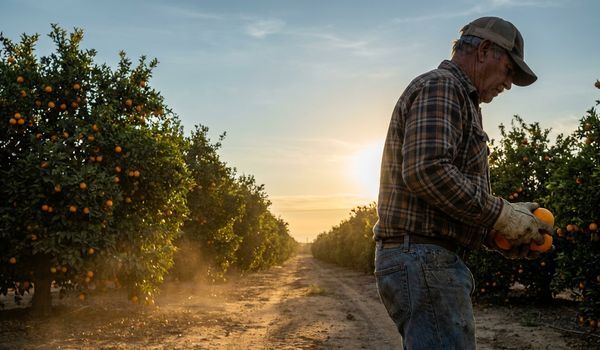
Citrus grove financing gives growers the capital they need to buy land, plant and replant trees, upgrade irrigation and harvesting equipment, and smooth out the long gaps between harvest revenue. Whether you run a third-generation orange grove in Florida, a lemon operation in California, or a grapefruit ranch in the Rio Grande Valley, the right funding structure can be the difference between a grove that survives a rough season and one that keeps growing for decades.
Citrus is a uniquely capital-intensive corner of agriculture. Trees take three to five years to reach commercial production, revenue arrives in concentrated harvest windows, and threats like citrus greening, freezes, and hurricanes can force expensive replanting with little warning. Traditional banks often struggle to underwrite that profile, which is why many growers turn to specialized lenders that understand grove economics. This guide covers every major citrus grove financing option, what each one costs, who qualifies, and how to get funded quickly.
In This Article
- What Is Citrus Grove Financing?
- Key Benefits of Citrus Grove Financing
- How Citrus Grove Financing Works
- Types of Citrus Grove Financing
- Citrus Grove Financing Costs and Terms
- Who Qualifies for Citrus Grove Financing?
- Citrus Grove Financing vs Other Funding Options
- How Crestmont Capital Helps Citrus Growers
- Real-World Citrus Grove Financing Scenarios
- Citrus Grove Financing: By the Numbers
- Frequently Asked Questions
- Next Steps: How to Get Funded
- The Bottom Line on Citrus Grove Financing
What Is Citrus Grove Financing?
Citrus grove financing is a category of agricultural business funding designed around the specific economics of growing oranges, lemons, limes, grapefruit, tangerines, and specialty citrus. It covers everything from purchasing raw land and establishing new plantings to financing the equipment, irrigation systems, frost protection, working capital, and replanting that a producing grove demands over its lifetime.
What makes it distinct from generic small business lending is timing. A citrus grove is a long-cycle asset. New trees typically need three to five years before they produce a commercial crop, and full maturity can take eight years or more. Meanwhile, operating costs such as fertilizer, pest and disease management, irrigation, labor, and grove maintenance arrive every month, while revenue concentrates into one or two harvest windows per year. Lenders that specialize in citrus grove financing structure repayment around that seasonality instead of forcing a grove into a rigid monthly payment that ignores how the money actually comes in.
The umbrella of citrus grove financing includes several products. Term loans fund grove acquisitions, expansions, and major replanting projects. Equipment financing covers harvesters, sprayers, tractors, wind machines, and micro-irrigation systems. A business line of credit smooths seasonal cash flow between crops. SBA loans offer longer terms and lower rates for qualifying growers. Working capital loans bridge input costs during the growing season. Many grove operations use two or three of these products together, matched to different needs and timelines.
Growers use this financing at every stage of the grove lifecycle. A new operator might finance raw land and site preparation. An established grower might fund a replanting program after disease or storm damage, or convert older blocks to higher-density plantings and new varieties that packers and juice processors are paying premiums for. A large operation might finance a packing line or cold storage to capture more of the value chain. The common thread is that the financing maps to how citrus actually grows and sells.
Key Benefits of Citrus Grove Financing
Structured correctly, financing does far more for a grove than plug a cash gap. It becomes a strategic tool that lets growers invest ahead of revenue and stay resilient through the shocks that define modern citrus farming.
- Faster replanting and recovery. When citrus greening, a freeze, or a hurricane damages a block, speed matters. Financing lets growers remove diseased trees, prepare the ground, and reset new stock immediately instead of waiting several seasons to rebuild cash reserves.
- Payments aligned with harvest cycles. Specialized lenders can structure seasonal or interest-only periods so the heaviest payments land when the fruit is sold, not in the middle of the growing season when cash is tightest.
- Access to better technology. Financing puts modern micro-irrigation, fertigation, frost protection, and mechanical harvesting equipment within reach, which cuts water and labor costs and protects yield per acre.
- Preserves operating cash. Rather than draining reserves on a single large purchase, growers spread costs over the useful life of the asset and keep cash available for labor, crop protection, and unexpected repairs.
- Expansion without giving up equity. Debt financing lets a family grove add acreage, buy a neighboring operation, or plant new varieties while keeping full ownership and control of the business.
- Builds business credit. Successfully managing grove financing strengthens the operation's credit profile, which improves terms on future borrowing and opens doors to larger facilities as the grove grows.
- Speed compared with farm credit channels. Alternative lenders focused on agriculture can often deliver decisions in days and funding in about a week, which matters when a pump fails in July or a neighboring parcel hits the market unexpectedly.
How Citrus Grove Financing Works
The mechanics depend on the product, but the overall process is simpler than most growers expect, especially with a lender that works with agricultural businesses every day. Here is the typical path from application to funded capital.
Step 1: Define the Funding Need
Start with a specific purpose and a realistic number. Lenders move faster when the request is concrete: a 40-acre replanting project with a documented per-acre cost, a specific irrigation system with a vendor quote, or a working capital facility sized to your monthly operating burn between harvests. Pull together the numbers behind the request, including what the investment is expected to return in yield, quality, or cost savings.
Step 2: Choose the Right Product
Match the financing to the asset and the timeline. Equipment and irrigation systems fit equipment financing, where the asset itself serves as collateral. Land and grove acquisitions fit term loans. Recurring seasonal gaps fit a business line of credit. Growers with strong credit and time to spare may pursue SBA loans for the best rates. The next section breaks down each option in detail.
Step 3: Gather Documentation
Most lenders ask for basic business information, recent bank statements, and a description of the operation. Larger facilities may call for tax returns, financial statements, production history, and details on varieties, acreage, and contracts with packers or processors. Equipment financing usually needs just the vendor invoice plus a simple application.
Step 4: Apply and Get a Decision
Online applications with a specialized lender typically take under ten minutes. Decisions on equipment financing and working capital often come back within 24 to 48 hours. Term loans and SBA products take longer because underwriting is deeper, but a lender experienced with citrus operations moves far faster than a generalist bank encountering grove economics for the first time.
Step 5: Review Terms and Fund
Review the rate, term, payment schedule, and any prepayment provisions before signing. For equipment, the lender often pays the vendor directly. Working capital and term loan proceeds deposit into your business account. Many growers time funding so capital lands just before major input purchases or planting windows.
Step 6: Repay on a Schedule That Fits the Grove
Repayment follows the agreed schedule, ideally one built around your harvest calendar. Some structures allow interest-only payments during establishment years on new plantings, with principal kicking in as blocks reach production. Staying current builds the relationship and the credit history that makes the next round of financing cheaper and faster.
Ready to Fund Your Grove?
Apply in minutes and get a fast decision from a team that finances agricultural businesses every day. No obligation, no impact to your credit to check options.
Apply Now - It Takes MinutesTypes of Citrus Grove Financing
No single loan covers everything a grove needs. Most successful operations combine two or three of the following products, each matched to a specific job.
Grove Term Loans
Term loans deliver a lump sum repaid over a fixed period, usually one to ten years depending on size and purpose. They are the workhorse for big-ticket moves: buying an existing producing grove, acquiring raw land for development, funding a full-block replant, or consolidating higher-cost debt into one predictable payment. Rates and terms depend on credit strength, time in business, revenue, and collateral.
Equipment Financing
Citrus is increasingly mechanized, and agricultural equipment financing covers the machinery that drives efficiency: tractors, herbicide and fertilizer rigs, airblast sprayers, mechanical harvesters, wind machines for frost protection, and the pumps and filtration behind modern irrigation. The equipment itself collateralizes the loan, which keeps rates competitive and approvals fast, often with terms matched to the machine's useful life. Growers can also explore dedicated irrigation equipment financing for micro-jet and drip conversions, which are among the highest-return investments a water-stressed grove can make.
Business Line of Credit
A revolving business line of credit is the classic tool for citrus seasonality. Draw funds to cover fertilizer, crop protection, labor, and repairs through the growing season, then pay the balance down when harvest revenue arrives. Interest accrues only on what you draw, and the line replenishes as you repay, ready for the next cycle.
SBA Loans
Growers with solid credit and organized financials should look hard at SBA loans. The SBA 7(a) program funds working capital, equipment, and business acquisitions with long terms and competitive rates, while the 504 program can finance land and major fixed assets. The trade-off is a heavier documentation burden and a slower timeline, so SBA works best for planned expansions rather than urgent needs. The SBA's loan programs page outlines current options and eligibility.
Working Capital Loans
Short-term working capital loans bridge specific gaps: an unexpectedly large spray program after a disease flush, harvest labor before the packinghouse pays, or a fertilizer buy ahead of a price increase. They fund fast, sometimes within days, and typically repay over six to eighteen months.
Grove Acquisition and Expansion Financing
When a neighboring grove comes up for sale or a packing operation wants to add acreage, acquisition financing structures the purchase around the grove's production history and projected returns. Lenders evaluate varieties, tree age and condition, water rights, and existing contracts alongside the buyer's experience and financials.
Citrus Grove Financing Costs and Terms
What a grove pays for capital depends on the product, the borrower's credit profile, time in business, and how the deal is collateralized. Rather than fixate on a single rate, evaluate the total cost of capital against what the funding earns or saves. A loan that costs 12 percent but funds an irrigation conversion cutting water and pumping costs 20 percent is a winning trade.
| Financing Type | Typical Amounts | Typical Terms | Best For |
|---|---|---|---|
| Term loans | $50,000 to $5 million+ | 1 to 10 years | Grove purchases, replanting, major expansion |
| Equipment financing | $25,000 to $2 million+ | 2 to 7 years | Harvesters, tractors, sprayers, irrigation systems |
| Business line of credit | $25,000 to $1 million | Revolving, renewed annually | Seasonal operating costs between harvests |
| SBA loans | Up to $5 million | 7 to 25 years | Planned expansion at the lowest available rates |
| Working capital loans | $10,000 to $500,000 | 6 to 18 months | Fast bridges for inputs, labor, and repairs |
Rates across these products range widely, from single digits on well-qualified SBA and equipment deals to higher costs on fast, unsecured working capital. Credit score, years in operation, annual revenue, and debt load all move pricing. Growers can generally improve offers by presenting clean bank statements, documenting production history, and showing contracts with packers, processors, or juice buyers.
Grower Tip: Ask every lender how payments line up with your harvest calendar. A structure that concentrates payments in the two or three months after your crop is sold can be worth more than a slightly lower rate on a rigid monthly schedule.
Who Qualifies for Citrus Grove Financing?
Qualification standards vary by product, but specialized lenders evaluate grove operations on a handful of core factors. Understanding them ahead of time lets an operator put the strongest possible file together.
Time in Business
Most programs want at least one to two years of operating history, though equipment financing can be more flexible. New grove acquisitions by experienced operators are underwritten on the strength of the buyer's track record and the grove's own production history.
Credit Profile
A personal credit score in the mid-600s or better opens the widest menu of options and the best pricing. Scores in the high 500s can still qualify for equipment financing and some working capital products, especially with strong revenue. Bankruptcies and recent delinquencies narrow the field but rarely close it entirely for asset-backed deals.
Revenue and Cash Flow
Lenders look at annual revenue and, more importantly, how cash moves through the operation. Groves with lumpy, harvest-concentrated income should present trailing 12-month bank statements and, for larger requests, production records and sales contracts that demonstrate the reliability of the next crop's revenue.
Collateral and Down Payment
Equipment financing is largely self-collateralized, sometimes with 10 to 20 percent down. Term loans for land or grove purchases typically involve the real estate and trees as collateral. Unsecured working capital relies on cash flow alone, which is why it prices higher.
What Strengthens an Application
- Documented production history by block and variety
- Contracts or letters of intent from packers, processors, or fresh-market buyers
- Water rights documentation, especially in California and Texas
- A clear use-of-funds statement with vendor quotes or per-acre budgets
- Evidence of crop insurance or risk management practices
Citrus Grove Financing vs Other Funding Options
Growers weighing citrus grove financing usually compare it against three alternatives: paying cash from reserves, going through a traditional bank or farm credit institution, or using USDA farm loan programs. Each has a place, but they solve different problems.
| Factor | Specialized Citrus Grove Financing | Traditional Bank | Cash Reserves |
|---|---|---|---|
| Speed to funding | Days to about two weeks | Weeks to months | Immediate |
| Seasonal payment fit | Often structured around harvest | Usually rigid monthly | No payments, but drains liquidity |
| Understanding of citrus | High; underwrites grove economics | Varies; often limited crop knowledge | N/A |
| Credit flexibility | Approvals across a wide credit range | Strict; best rates reserved for top tiers | No credit check |
| Opportunity cost | Interest cost, offset by faster growth | Lower rates, slower execution | Cash unavailable for the next emergency or opportunity |
The pattern is consistent: banks and government programs win on price when there is no time pressure and the file is spotless, while specialized lenders win on speed, flexibility, and structural fit with grove cash flow. Paying cash preserves optionality only until a freeze, a pump failure, or a land opportunity wipes out the reserve. Most established groves blend all three, using specialized financing for time-sensitive investments and reserving bank or SBA channels for long-planned, rate-sensitive projects. For broader context on financing trends affecting small businesses, resources like the U.S. Census Bureau's Economic Census and CNBC's small business coverage track credit conditions across industries, agriculture included.
Compare Your Real Options in Minutes
One application shows you term loans, equipment financing, and credit lines matched to your grove. See what you qualify for today.
Check My Funding OptionsHow Crestmont Capital Helps Citrus Growers
Crestmont Capital finances agricultural businesses across the country, and citrus operations are a natural fit for the way its products are built. Rather than forcing a grove into a generic loan template, the team matches each operation with funding structured around how citrus actually produces revenue.
Growers work with Crestmont Capital for a few practical reasons. Applications take minutes, and decisions on equipment and working capital frequently come back within one to two business days, which matters when a harvest window or a planting deadline is close. Approvals consider the whole operation, including seasonality, rather than screening out any business whose revenue does not arrive in neat monthly installments. Funding amounts scale from a $25,000 irrigation upgrade to multi-million-dollar grove acquisitions, so the relationship can grow with the operation.
The product menu covers the full grove lifecycle. Equipment financing handles tractors, sprayers, harvesters, wind machines, and irrigation infrastructure with terms matched to equipment life. A business line of credit absorbs the pre-harvest expense curve. Term loans fund land, replanting, and expansion. For growers comparing their options against government-backed programs, Crestmont Capital also guides qualified borrowers through SBA loan applications when the timeline allows for it.
Growers running adjacent operations can find depth here too. The same team that funds citrus groves publishes guidance on related agricultural funding, including financing options for fruit orchard operations and agricultural loan programs in Florida, the heart of American juice orange country. That breadth matters when an operation spans citrus and other tree fruit, or when a grower wants a lender that already understands the regional landscape.
Why It Matters: Citrus greening, water pressure, and labor costs are squeezing grove margins across every producing state. A financing partner that moves quickly and structures payments around harvest revenue gives growers room to invest in the efficiency upgrades that protect those margins.
Real-World Citrus Grove Financing Scenarios
Abstract loan features matter less than what the capital actually does on the ground. These composite scenarios show how different citrus operations put financing to work.
Scenario 1: Replanting After Disease Losses in Florida
A 120-acre orange grove in the Indian River region loses a third of a block to citrus greening over two seasons. Rather than watch yields erode, the operator finances a $480,000 replanting program with a term loan structured with interest-only payments during the establishment years. New tolerant varieties go in at higher density, and the grove returns to full production with a stronger long-term yield profile instead of a slow decline.
Scenario 2: Irrigation Conversion in California's Central Valley
A lemon grower facing tighter water allocations and rising pumping costs finances a $190,000 conversion from flood irrigation to a micro-jet and drip system through equipment financing. Water use per acre drops significantly, fertigation improves nutrient timing, and the utility and labor savings cover a substantial share of the monthly payment from the first season.
Scenario 3: Seasonal Cash Flow for a Texas Grapefruit Operation
A Rio Grande Valley grapefruit grower carries heavy costs for crop protection, labor, and grove maintenance from spring through the fall harvest, but revenue concentrates after the crop moves to packers. A $150,000 business line of credit funds the operating curve each season; the grower draws as needed and pays the line down after harvest settlements, paying interest only on what is actually used.
Scenario 4: Buying the Neighboring Grove
When an 80-acre producing grove next door hits the market, a family operation does not have $1.6 million in cash on hand. Grove acquisition financing covers the purchase with a term loan underwritten on the acquired block's production history and the buyer's management record. The combined operation spreads fixed costs over more acreage and negotiates better packing rates with its larger volume.
Scenario 5: Harvest Equipment for a Growing Specialty Citrus Brand
A direct-to-consumer specialty grower shipping mandarins and blood oranges needs a used mechanical harvester and a wash line to keep up with orders. Equipment financing covers the $140,000 package with payments matched to the machines' useful life, letting the business scale fulfillment without diverting cash from planting and marketing.
Citrus Grove Financing: By the Numbers
Citrus Grove Financing at a Glance
What growers typically fund, and how fast it moves
Your Grove's Next Season Starts Now
Planting windows, equipment deals, and land opportunities do not wait for bank timelines. Apply today and put capital to work this season.
Get Funded FastFrequently Asked Questions
What is citrus grove financing? +
Citrus grove financing is business funding designed for citrus operations, covering land and grove purchases, tree planting and replanting, equipment, irrigation, and working capital. It is structured around the long production cycles and seasonal revenue that define citrus farming.
How much can I borrow for a citrus grove? +
Amounts range from about $25,000 for equipment and working capital up to $5 million or more for grove acquisitions and major expansion projects. The right size depends on the purpose, your revenue, credit profile, and available collateral.
What credit score do I need for citrus grove financing? +
A score in the mid-600s or better unlocks the widest product selection and best pricing. Equipment financing and some working capital products can approve scores in the high 500s when revenue is strong, since the equipment itself secures the deal.
Can I finance the purchase of an existing citrus grove? +
Yes. Grove acquisition financing underwrites both the buyer's experience and the grove's own production history, varieties, tree condition, water rights, and sales contracts. Term loans and SBA 7(a) loans are the most common structures.
What can citrus grove financing funds be used for? +
Nearly any business purpose tied to the operation: land, trees and planting costs, harvesters and other equipment, irrigation and frost protection systems, fertilizer and crop protection, harvest labor, repairs, debt refinancing, and general working capital.
How fast can a citrus grove get funded? +
Equipment financing and working capital often fund within a few business days of approval. Term loans typically take one to three weeks. SBA loans take longer, usually one to three months, because of the deeper documentation and guarantee process.
Do I need collateral for citrus grove financing? +
It depends on the product. Equipment financing uses the equipment itself as collateral. Term loans for land or grove purchases are secured by the property. Working capital loans and lines of credit can be unsecured, relying on cash flow, which is why they tend to price higher.
Can I get citrus grove financing with bad credit? +
Often, yes. Asset-backed products like equipment financing are the most credit-flexible because the equipment secures the loan. Lenders weigh revenue strength, time in business, and the quality of the operation alongside the credit score.
What documents do I need to apply? +
For smaller requests, expect a simple application plus three to six months of business bank statements. Larger facilities may require tax returns, financial statements, production history by block, and details on buyer contracts. Equipment deals usually need just the vendor invoice.
Are SBA loans a good fit for citrus groves? +
For planned expansions with no urgent deadline, SBA loans offer long terms and competitive rates, and the 7(a) program covers working capital, equipment, and acquisitions. The trade-off is a slower process and heavier paperwork, so they fit best when timing is flexible.
Can I finance citrus harvesting and irrigation equipment? +
Yes. Equipment financing covers tractors, airblast sprayers, mechanical harvesters, wind machines, pumps, filtration, and complete micro-irrigation or drip conversions. Terms typically run two to seven years, matched to the equipment's useful life.
How do seasonal harvest cycles affect repayment? +
Specialized lenders can align repayment with your crop calendar, concentrating payments after harvest when revenue lands or offering interest-only periods while new plantings mature. Always discuss payment timing with your lender before signing.
What is the difference between citrus grove financing and a general farm loan? +
General farm loans serve every type of agriculture with standardized terms. Citrus grove financing is built around citrus-specific economics: multi-year tree maturity, harvest-concentrated revenue, perishable output, and industry risks like citrus greening and freezes.
Can I refinance existing grove debt? +
Yes. Refinancing can consolidate equipment loans, operating lines, and higher-rate debt into a single term loan with one payment, often at a lower blended cost. It is a common move after a grove's revenue and credit profile improve.
How do I apply for citrus grove financing with Crestmont Capital? +
Complete the short online application with basic business details and recent bank statements. A funding specialist reviews your operation and goals, presents matched options, and walks you through closing. Most applicants hear back within one to two business days.
Next Steps: How to Get Funded
Citrus rewards growers who move early. Whether the goal is replanting, upgrading equipment, or securing seasonal working capital, the process below gets capital in place before the window closes.
Define the project and the number
Pin down exactly what the funds will do: acres replanted, equipment quoted, or months of operating costs covered. Concrete requests get faster, better offers.
Pull your basic documents
Have three to six months of business bank statements ready, plus vendor quotes for equipment projects and production history for larger requests.
Apply online in minutes
Submit one short application and let a funding specialist match your grove with the right product mix instead of applying blindly to multiple lenders.
Compare offers and structure payments
Review rate, term, and total cost side by side, and align the payment schedule with your harvest calendar before you sign.
Fund and put the capital to work
Proceeds land in your account or go directly to your equipment vendor. Track the return on the investment and keep your credit profile strong for the next round.
The Bottom Line on Citrus Grove Financing
Citrus has never been a crop for short-term thinkers, and financing it well requires the same long view. The operations that thrive are the ones investing ahead of revenue: replanting before decline sets in, converting irrigation before water costs bite harder, mechanizing before labor gets scarcer, and securing working capital before the season's bills arrive. Citrus grove financing makes those moves possible without draining the reserves every grove needs for the unexpected.
The key is fit. Match the product to the purpose, match the payments to the harvest, and work with a lender that treats seasonality as a feature of the business rather than a flaw in the application. Do that, and capital stops being a constraint and starts being a competitive advantage.
Crestmont Capital finances citrus growers across every producing region, with fast decisions, flexible structures, and funding from $25,000 to more than $5 million. If your grove is ready for its next stage of growth, apply today and see your citrus grove financing options in minutes.
Disclaimer: The information provided in this article is for general educational purposes only and is not financial, legal, or tax advice. Funding terms, qualifications, and product availability may vary and are subject to change without notice. Crestmont Capital does not guarantee approval, rates, or specific outcomes. For personalized information about your business funding options, contact our team directly.

Allan Garfinkle
Allan Garfinkle is the Chief Revenue Officer at Crestmont Capital, where he has spent more than a decade leading revenue strategy, business development, and operational growth. With 28 years of experience building and advising startups and small businesses, Allan has helped more than 10,000 business owners navigate financing decisions, growth opportunities, and changing economic conditions. He earned a Bachelor of Science in Economics and an MBA with a concentration in Finance from Northeastern University, as well as a Juris Doctor from New England Law, where his studies focused on contracts and business law. His writing draws on extensive practical experience in small-business lending, equipment financing, business credit, and commercial finance.