
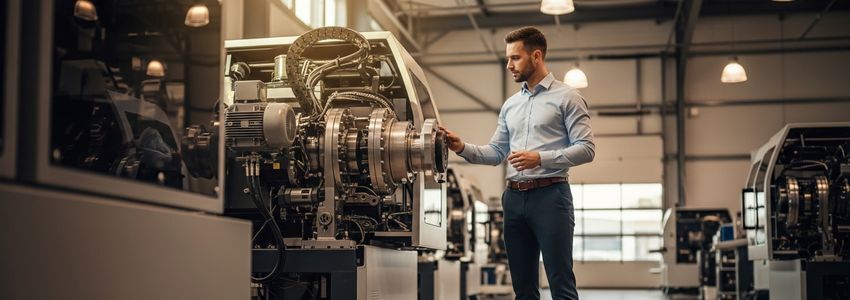
Running a small business often means walking a fine line between investing in the tools you need to grow and preserving the cash flow that keeps your doors open. Whether you need a commercial oven for your restaurant, a CNC machine for your fabrication shop, or a fleet of delivery trucks, acquiring equipment is one of the biggest financial decisions you will face. That is where equipment financing becomes a game-changer.
Equipment financing allows businesses to acquire the machinery, vehicles, technology, and tools they need without depleting working capital. Instead of paying the full purchase price upfront, you spread the cost over time through manageable monthly payments. According to the U.S. Small Business Administration (SBA), equipment costs are among the top startup and expansion expenses for small businesses across virtually every industry.
This comprehensive guide covers everything you need to know about small business equipment loans and financing: how they work, the types available, what rates to expect, how to qualify, and how Crestmont Capital can help you get funded quickly so you can focus on running your business instead of chasing paperwork.
In This Article
- What Is Equipment Financing?
- How Equipment Financing Works
- Types of Equipment Financing
- Benefits of Equipment Financing for Small Businesses
- Rates, Terms, and Qualification Requirements
- How Crestmont Capital Helps You Get Funded
- Real-World Scenarios: Who Uses Equipment Financing?
- Frequently Asked Questions
- Next Steps
- Conclusion
What Is Equipment Financing?
Equipment financing is a type of business funding specifically designed to help companies purchase or lease the physical assets they need to operate. Unlike a general-purpose business loan, equipment financing is tied directly to a specific asset. The equipment itself typically serves as collateral, which means lenders often require less from borrowers in terms of personal guarantees or additional security.
The term "equipment" covers a broad range of assets. Common examples include:
- Manufacturing and production machinery
- Commercial vehicles and delivery trucks
- Restaurant and food service equipment
- Medical and dental equipment
- Construction and heavy machinery
- Technology hardware, servers, and point-of-sale systems
- Agricultural equipment and farm machinery
- Fitness equipment for gyms and studios
- Office furniture and professional tools
According to the U.S. Census Bureau's Annual Survey of Entrepreneurs, capital expenditures on equipment represent a significant portion of total business investment among small and mid-size firms. For many businesses, accessing equipment financing is the practical bridge between where they are today and the growth they want to achieve.
If you are new to the concept, our detailed primer on what is equipment financing is a great starting point before diving deeper into the specifics covered here.
Ready to Finance Your Equipment?
Get a fast decision on small business equipment loans. No lengthy paperwork, no runaround.
Apply Now →How Equipment Financing Works
The mechanics of equipment financing are straightforward. A lender provides funding to cover the cost of a specific piece of equipment. You repay the lender over a set term with interest, making fixed monthly payments throughout the loan period. At the end of the term, you own the equipment outright (in a loan structure) or have the option to purchase it, return it, or renew the agreement (in a lease structure).
Here is a simple breakdown of how the process typically unfolds:
The Equipment Financing Process: Step by Step
Identify the Equipment You Need
Choose a Lender and Apply
Get Approved and Review Terms
Funding is Issued to Vendor
You Repay via Monthly Payments
Most approvals at Crestmont Capital happen within 24 to 48 hours.
One of the most important aspects of equipment financing is that the equipment secures the loan. This reduces the lender's risk, which often makes it easier for small businesses to qualify than for unsecured financing options. Even businesses with limited credit history may be able to access equipment funding because the asset itself provides built-in collateral.
For a side-by-side comparison of your options, read our article on equipment leasing vs. equipment financing to see which path fits your situation best.
Key Insight
Because equipment acts as its own collateral, small business equipment loans typically have faster approvals and more flexible qualification criteria than traditional term loans. This makes them one of the most accessible forms of business financing available.
Types of Equipment Financing
Not all equipment financing is the same. Depending on your business needs, cash flow situation, and long-term goals, different structures may serve you better. Here are the primary types available:
Equipment Loans
An equipment loan is the most straightforward option. The lender finances the full purchase price (or a portion of it after a down payment), and you repay the principal plus interest over a fixed term. At the end of the loan, you own the equipment with no further obligations. This is ideal for assets with a long useful life that you plan to keep for many years.
Equipment Leasing
With an equipment lease, you pay to use the equipment for a specified period without purchasing it outright. At the end of the lease, you may have the option to buy the equipment at a residual value, renew the lease, or return the equipment. Leasing is popular for technology and equipment that becomes outdated quickly, since it allows for regular upgrades.
Sale-Leaseback Financing
If your business already owns equipment outright, a sale-leaseback allows you to sell that equipment to a lender and then lease it back. This converts an illiquid asset into working capital while allowing you to continue using the equipment. It is a useful strategy when you need cash quickly without disrupting operations.
SBA Equipment Loans
The SBA 7(a) and CDC/504 loan programs can be used to finance equipment purchases. These government-backed loans often offer favorable interest rates and longer terms, but they come with more documentation requirements and longer processing times. They work best for established businesses with strong credit and financials. Learn more about SBA loan programs on the SBA website.
Vendor Financing
Some equipment manufacturers and dealers offer in-house financing directly. While convenient, vendor financing terms are not always competitive. It is worth comparing offers from independent lenders before committing.
Lines of Credit for Equipment
An unsecured working capital line of credit can sometimes be used to fund smaller equipment purchases, particularly for businesses that need flexibility to buy multiple items over time. This is not traditional equipment financing, but it is an option worth considering for lower-cost assets.

Benefits of Equipment Financing for Small Businesses
Equipment financing offers a wide array of advantages that make it one of the most popular forms of small business financing in the United States. Here is why so many business owners choose this route:
Preserve Working Capital
Paying cash for a $50,000 piece of equipment drains your bank account and leaves you vulnerable. Financing that same machine with fixed monthly payments protects your cash reserves for payroll, inventory, marketing, and unexpected expenses.
Fixed, Predictable Payments
Most equipment loans carry fixed interest rates, meaning your payment amount does not change month to month. Predictable payments make budgeting and financial planning significantly easier for small business owners.
Faster Access to Better Equipment
Financing allows you to acquire the best equipment for your operation today rather than settling for what you can afford outright. Better equipment often means greater productivity, improved quality, and a stronger competitive position.
Potential Tax Advantages
Business owners may be able to deduct equipment costs through depreciation. Consult your tax advisor to understand how equipment financing may benefit your tax situation. (This is not tax advice; always work with a qualified professional.)
Build Business Credit
Making consistent, on-time payments on an equipment loan helps establish and strengthen your business credit profile. A stronger credit history opens doors to larger financing amounts and better terms in the future.
Equipment as Collateral
Because the equipment serves as collateral, small businesses with limited credit history or shorter time in business may still qualify. You do not always need a spotless credit score or extensive financials to get approved.
Get the Equipment Your Business Needs
Crestmont Capital has helped thousands of small businesses access equipment funding. See what you qualify for today.
Check My Options →Rates, Terms, and Qualification Requirements
Understanding the financial parameters of equipment financing helps you make a more informed decision. Here is what to expect:
Interest Rates
Equipment loan rates vary based on lender type, your creditworthiness, the age of the equipment, and loan term length. Generally speaking:
- Bank and SBA rates: Typically range from 5% to 12% APR for well-qualified borrowers
- Online and alternative lenders: May range from 8% to 30%+ depending on risk factors
- Equipment leases: Often quoted as a money factor rather than an interest rate, but effective rates are comparable
According to Forbes Advisor, the average rate on equipment financing varies widely, making it critical to shop multiple lenders and compare total cost of capital, not just the interest rate.
Loan Terms
Equipment financing terms are typically aligned with the expected useful life of the equipment. Common term lengths include:
- 24 to 36 months for computers, software, and short-lived technology
- 36 to 60 months for most general business equipment
- 60 to 84 months for heavy machinery, vehicles, and long-lived assets
Down Payments
Many equipment loans require little to no down payment, especially when the equipment is new and holds its value well. Some lenders may require 10% to 20% down, particularly for used equipment or borrowers with lower credit scores.
Qualification Requirements
Requirements differ by lender and loan type, but typical benchmarks include:
- Time in business: 1+ years preferred (some lenders work with startups)
- Personal credit score: 600+ for most alternative lenders; 680+ for banks and SBA
- Annual revenue: Typically $100,000+ per year, though this varies
- Business bank statements: 3 to 6 months, demonstrating consistent cash flow
Pro Tip: Compare Total Cost, Not Just Rate
When comparing equipment financing offers, look at the total repayment amount, not just the interest rate. Factor in origination fees, documentation fees, prepayment penalties, and any end-of-lease purchase options. The lowest rate is not always the lowest total cost.
Documentation You May Need
- Completed application
- Government-issued photo ID
- 3 to 6 months of business bank statements
- Equipment invoice or quote from the vendor
- Business tax returns (for larger loan amounts)
- Business formation documents if requested
How Crestmont Capital Helps You Get Funded
Crestmont Capital is a nationally recognized small business lender specializing in fast, flexible equipment financing for businesses of all sizes. Here is what sets us apart:
Speed That Matches Your Urgency
Traditional banks can take weeks or even months to process a loan application. Crestmont Capital is built for speed. Most clients receive a decision within 24 to 48 hours, and funding can often be completed within a few business days. When a piece of equipment breaks down or a time-sensitive opportunity arises, that speed matters.
Flexible Qualification Standards
We work with businesses that may not qualify at a traditional bank. Whether your credit is still building, your time in business is limited, or your financials are not perfectly polished, our team works to find a financing solution that fits your situation.
A Wide Range of Financing Options
From equipment loans and leases to working capital and SBA financing, Crestmont Capital gives you access to multiple funding products so you can find the right fit. We also offer broader small business financing for growth beyond just equipment.
Transparent, No-Surprise Terms
Our team walks you through every aspect of your offer: the rate, the term, the total repayment amount, and any fees involved. There are no hidden surprises when you fund with Crestmont Capital.
Dedicated Support from Start to Finish
You will work with a dedicated funding advisor who guides you through the application, approval, and funding process. We believe in building long-term relationships with our clients, not just processing transactions.
Why Small Business Owners Choose Crestmont Capital
Crestmont Capital has funded thousands of small businesses nationwide with equipment financing, working capital, and growth loans. Our focus is simple: help you access the funding you need, as fast as possible, with terms that work for your business.
Real-World Scenarios: Who Uses Equipment Financing?
Equipment financing is not limited to any one industry. Here are some practical examples of how business owners across different sectors put equipment financing to work:
Restaurant Owner: Commercial Kitchen Upgrade
A restaurant owner in Phoenix needed to replace an aging commercial oven and add a walk-in refrigerator before a busy holiday season. The total cost was $42,000. Rather than depleting cash reserves, the owner financed the equipment over 48 months. The new equipment increased kitchen capacity, reduced energy costs, and helped the restaurant serve more customers during peak hours.
Construction Contractor: Excavation Equipment
A small landscaping and excavation company in Tennessee was awarded a large commercial contract but lacked the heavy machinery to complete it. By financing a $95,000 excavator over 60 months, the business could take on the project, generate new revenue, and make payments from the profit of the job.
Medical Practice: Diagnostic Equipment
A physical therapy clinic needed to upgrade its diagnostic and treatment equipment to offer new services. Financing $68,000 in new equipment allowed the practice to expand its service offerings without stretching the operating budget. The additional revenue streams from new services more than offset the monthly payments.
Manufacturing Shop: CNC Machine Purchase
A metal fabrication company wanted to add a CNC machine to reduce outsourcing costs and take on larger orders. The $120,000 machine was financed over 72 months, enabling the business to keep more production in-house, improve margins, and compete for contracts that were previously out of reach.
Trucking Company: Fleet Expansion
A regional trucking company needed two additional semi-trucks to fulfill new shipping contracts. Vehicle financing allowed them to acquire both trucks immediately and begin earning revenue from the new routes before the first payment was due.
These are representative examples meant to illustrate how businesses use equipment financing. Individual results will vary based on the specific circumstances of each business and financing arrangement.
Apply in Minutes. Get Funded in Days.
Join thousands of small business owners who have financed their growth with Crestmont Capital. Your next piece of equipment is closer than you think.
Start My Application →Frequently Asked Questions
Below are the most common questions small business owners ask about equipment financing. Click any question to expand the answer.
1. What is the difference between equipment financing and equipment leasing?
Equipment financing (a loan) means you own the equipment at the end of the term. Equipment leasing means you are renting the equipment for a set period and may or may not own it at the end. Loans build equity; leases offer more flexibility for upgrading. See our comparison article for a full breakdown.
2. What credit score do I need to qualify for equipment financing?
Most alternative lenders work with credit scores of 600 and above. Banks and SBA programs generally require 680 or higher. A lower credit score does not automatically disqualify you; other factors like revenue, time in business, and the value of the equipment also matter.
3. Can I get equipment financing with a new business or limited credit history?
Yes, in many cases. Because the equipment itself acts as collateral, some lenders are willing to work with newer businesses or those with limited credit history. Startup equipment financing programs exist specifically for this purpose. Requirements and available amounts may be more limited, but options are available.
4. How long does the equipment financing application process take?
At Crestmont Capital, most applications receive a decision within 24 to 48 hours. Full funding can often be completed within 2 to 5 business days. Traditional banks and SBA lenders can take several weeks or months to process applications.
5. Is a down payment required for equipment financing?
Not always. Many equipment loans are structured with zero down payment, particularly for new equipment with strong collateral value. Some lenders may require 10% to 20% down for used equipment, borrowers with lower credit scores, or high-risk industries. Your specific terms will depend on the lender and your financial profile.
6. What types of equipment can be financed?
Nearly any type of business-use equipment can be financed, including manufacturing machinery, commercial vehicles, restaurant equipment, medical devices, construction equipment, IT hardware, agricultural tools, and more. Both new and used equipment are generally eligible, though used equipment may have different terms.
7. What interest rates should I expect on equipment loans?
Interest rates on small business equipment loans typically range from 5% to 30% APR depending on the lender, your creditworthiness, the equipment type, loan term, and current market conditions. Bank and SBA loans tend to offer the lowest rates; alternative lenders may charge more but often provide faster approval and more flexible requirements.
8. Can I finance used equipment?
Yes. Used equipment financing is available from many lenders. The equipment may need to meet certain age and condition requirements, and the loan amount is typically based on the appraised value or purchase price of the equipment. Terms may be shorter than for new equipment financing.
9. Will equipment financing affect my personal credit?
The initial application may involve a soft or hard credit inquiry depending on the lender. If you sign a personal guarantee (required by many lenders), your personal credit may be affected if the loan goes into default. On the positive side, consistent on-time payments can help strengthen both your personal and business credit over time.
10. What documents do I need to apply for equipment financing?
Requirements vary by lender and loan size, but typically include: a completed application, government-issued ID, 3 to 6 months of business bank statements, an equipment invoice or vendor quote, and business tax returns for larger amounts. Crestmont Capital keeps the process streamlined to get you funded quickly.
11. How much can I borrow for equipment financing?
Equipment financing amounts can range from a few thousand dollars for small tools and technology to several million dollars for large industrial machinery. The amount you can borrow depends on the cost of the equipment, your business financials, and the lender's underwriting guidelines. Many lenders will finance up to 100% of the equipment value.
12. Is equipment financing the same as a business loan?
Equipment financing is a specific type of business loan designed for equipment purchases, with the equipment serving as collateral. It differs from general-purpose business loans (like term loans or lines of credit) in that the funds are typically tied to a specific asset, which often makes it easier to qualify and results in more favorable terms.
13. Can equipment financing help me grow my business?
Absolutely. Equipment financing is one of the most direct ways to invest in business growth. New or upgraded equipment can increase production capacity, improve efficiency, expand your service offerings, reduce downtime, and enhance your competitive position without straining your working capital. Many business owners report that the revenue generated by financed equipment more than covers the monthly payment costs.
14. What happens if my equipment breaks down or becomes obsolete during the loan term?
With an equipment loan, you own the asset and are responsible for maintenance and repair. Equipment insurance is strongly recommended to protect your investment. If the equipment becomes obsolete, you may be able to sell it, upgrade, or refinance depending on your remaining loan balance and the equipment's residual value. Leasing can be a better choice if obsolescence is a major concern.
15. How do I choose the right equipment financing lender?
Look for a lender with experience in your industry, transparent terms, competitive rates, and a reputation for responsive customer service. Compare multiple offers to find the best total cost of capital. Consider how quickly you need the funds, since banks and SBA lenders can be slow while alternative lenders like Crestmont Capital typically offer much faster turnaround. Reading reviews and speaking with a dedicated advisor before committing can save you significant time and money.
Next Steps
Ready to Move Forward? Here Is How to Get Started:
- Identify your equipment need and get a vendor quote or invoice for the equipment you want to finance.
- Gather your documents: business bank statements (last 3 to 6 months), photo ID, and basic business information.
- Apply online at Crestmont Capital's secure application portal. The application takes only a few minutes.
- Review your offer: A dedicated funding advisor will walk you through your options and answer any questions about rates, terms, and next steps.
- Accept and get funded: Once you accept your offer, funding is typically completed within 2 to 5 business days so you can acquire your equipment and get back to growing your business.
Conclusion
Equipment is the backbone of countless small businesses. Whether you are in manufacturing, food service, healthcare, construction, or any other industry that relies on physical assets, having the right tools is essential to delivering value and staying competitive. But acquiring that equipment should not require you to empty your bank account or wait months for approval.
Small business equipment loans and financing solutions make it possible to get the assets you need today while preserving the working capital your business depends on to operate. With predictable payments, flexible qualification criteria, and fast approvals, equipment financing is one of the most practical and powerful growth tools available to small business owners.
Crestmont Capital specializes in helping small businesses across the country access the financing they need quickly and with terms that make sense for their unique situations. Our team is ready to help you find the right solution, whether you are looking for a traditional equipment loan, a flexible lease, or a broader small business financing package.
Do not let a lack of capital hold your business back. Explore your equipment financing options with Crestmont Capital today and take the next step toward the growth you have been working toward.
Disclaimer: The information provided in this article is for general educational purposes only and is not financial, legal, or tax advice. Funding terms, qualifications, and product availability may vary and are subject to change without notice. Crestmont Capital does not guarantee approval, rates, or specific outcomes. For personalized information about your business funding options, contact our team directly.



