Running a business means managing constant change - shifts in demand, growth spurts, technology upgrades, and economic cycles that rarely follow a script. When it comes to acquiring the equipment you need to operate and compete, one of the most powerful tools available is flexible equipment leasing terms. Unlike rigid loan structures that lock you into fixed obligations for years, flexible leasing adapts to your business reality, giving you the agility to scale up, scale down, swap out old equipment, and preserve cash flow when it matters most.
This guide covers everything business owners need to know about flexible equipment leasing terms - what they are, how they work, who they benefit, and how to structure the right deal for your situation. Whether you run a restaurant, construction company, medical practice, or retail store, understanding your leasing options can be the difference between thriving and merely surviving.
In This Article
- What Are Flexible Equipment Leasing Terms?
- Types of Flexible Leasing Structures
- Key Benefits for Business Owners
- How Flexible Leasing Works Step by Step
- Flexible Leasing by the Numbers
- Flexible Leasing vs. Fixed Loan: Side-by-Side Comparison
- Who Qualifies for Flexible Leasing Terms?
- Industries That Benefit Most
- How Crestmont Capital Helps
- Real-World Scenarios
- How to Get Started
- Frequently Asked Questions
What Are Flexible Equipment Leasing Terms?
Flexible equipment leasing terms refer to lease agreements that can be customized to fit a business's operational and financial needs rather than forcing the lessee into a one-size-fits-all contract. Traditional financing often demands fixed monthly payments over a set period with little room for adjustment. Flexible leasing takes a different approach - it allows businesses to negotiate payment schedules, upgrade clauses, early termination options, and end-of-lease buyout provisions that align with how the business actually operates.
At its core, flexible leasing is about removing the rigidity that makes conventional financing challenging for growing or cyclical businesses. You might negotiate seasonal payment adjustments so your payments drop during slow months, or build in an upgrade clause that lets you swap equipment for a newer model at a predetermined point in the lease. You could also arrange step-up payments that start low and increase as your revenue grows.
The flexibility is not just financial - it extends to the type of equipment, the duration of the agreement, the maintenance responsibilities, and what happens at the end of the lease term. Businesses can often choose between returning the equipment, renewing the lease, or purchasing the equipment at its fair market value or a pre-agreed residual amount.
Key Insight: According to the Equipment Leasing and Finance Association (ELFA), over 8 in 10 U.S. businesses use some form of equipment financing or leasing - and flexible terms are consistently cited as one of the primary reasons companies choose leasing over outright purchase.
Types of Flexible Leasing Structures
Understanding the different types of flexible leasing structures helps you match the right tool to your business situation. Each structure is designed to solve a specific financial or operational challenge.
1. Operating Leases with Upgrade Clauses
An operating lease treats the equipment as a rental - you use it, you pay for it, and at the end of the term you return it. The flexible twist: many operating leases now include upgrade clauses that allow you to switch to newer equipment at specific points in the lease. This is especially valuable in fast-moving technology sectors, healthcare, and printing, where equipment can become outdated within two to three years.
2. Step-Up Payment Leases
A step-up payment lease starts with lower monthly payments and gradually increases over time. This structure is ideal for new businesses or those investing in equipment expected to generate increasing revenue over time. A restaurant expanding its kitchen, for example, might start with modest payments and increase them as the expanded menu drives higher sales.
3. Seasonal Payment Schedules
Businesses with predictable seasonal revenue cycles - landscaping companies, retailers, agricultural operations - can negotiate leases where payments are higher during peak months and lower during slow periods. This aligns the cost of the equipment with the revenue it helps generate, preventing cash flow crunches in the off-season.
4. Deferred Payment Leases
A deferred payment lease allows you to start using the equipment immediately while delaying the first payment for 60 to 180 days. This gives you time to deploy the equipment and start generating revenue before the payment obligation kicks in. It is particularly useful when acquiring equipment for a new project or expansion phase.
5. Fair Market Value (FMV) Leases
An FMV lease gives you the option to purchase the equipment at the end of the term for its fair market value, return it, or continue leasing it. The flexibility here lies in the end-of-lease options - you are not locked into buying equipment that may have depreciated significantly, but you also have the purchase option if the equipment still has value for your operations.
6. $1 Buyout Leases
If you know you want to own the equipment at the end of the lease, a $1 buyout lease structures the payments accordingly. Monthly payments tend to be higher, but the buyout price is effectively zero. This combines the structure of a lease with the long-term goal of ownership - providing flexibility in payment timing while building equity in the asset.
Find the Right Leasing Structure for Your Business
Crestmont Capital offers customized flexible leasing terms across dozens of equipment types. Get your options in minutes.
Apply Now →Key Benefits for Business Owners
The advantages of flexible equipment leasing terms extend well beyond simple convenience. For most businesses, the financial and operational benefits are substantial and measurable.
Cash Flow Preservation
Equipment purchases, especially large capital investments, can drain cash reserves at critical moments. Flexible leasing spreads the cost over time, preserving working capital for payroll, inventory, marketing, and unforeseen expenses. Businesses that lease rather than buy equipment consistently report stronger liquidity ratios, making them more resilient during economic downturns.
Hedge Against Obsolescence
Technology moves fast. Equipment that was cutting-edge three years ago may be outpaced by newer models that operate more efficiently, produce better results, or comply with updated regulations. Flexible leasing with upgrade clauses lets you stay current without the financial loss of selling depreciated equipment and purchasing replacements outright.
Scalability on Demand
Growing businesses need equipment that scales with them. Flexible leasing allows you to add equipment, upgrade capacity, or shift to different types of assets as your operations evolve. Rather than being locked into a single large purchase that may be insufficient in two years, you can structure a lease that anticipates growth.
Potential Balance Sheet Benefits
Depending on the lease structure, operating leases can be treated differently on the balance sheet compared to capital purchases or finance leases. Your accounting team can advise on structuring leases to optimize your financial statements, though it is important to note that FASB ASC 842 has brought more leases onto balance sheets for many businesses. Always consult your CPA for guidance specific to your situation.
Simplified Budgeting
Fixed or predictable monthly payments make budgeting easier. Even with flexible seasonal schedules, the payment structure is agreed upon in advance, allowing finance teams to plan accurately. This predictability is invaluable for businesses that need to present clear financial projections to investors, lenders, or boards.
Preserved Credit Lines
Purchasing equipment outright or via traditional loans ties up credit lines and capital. Flexible leasing keeps those credit lines open for operational needs or growth opportunities that may arise unexpectedly. Many business owners find that maintaining available credit is a strategic advantage, even when they could theoretically afford to purchase equipment outright.
Did You Know? The SBA reports that access to affordable equipment financing is among the top three factors small businesses cite when describing challenges to growth. Flexible leasing structures directly address this barrier by reducing upfront costs and improving cash flow management.
How Flexible Leasing Works Step by Step
Understanding the process helps demystify flexible leasing and gives you a clear picture of what to expect from application to equipment delivery.
Step 1 - Define Your Equipment Needs
Start by identifying exactly what equipment you need, its estimated cost, how long you expect to use it, and whether you anticipate needing to upgrade it during the lease period. Being specific here helps lenders tailor a flexible structure to your situation rather than offering a generic product.
Step 2 - Choose Your Preferred Structure
Work with your financing partner to select the lease type that best fits your cash flow patterns, growth trajectory, and long-term ownership goals. Are you in a seasonal business? A seasonal payment schedule may be the priority. Expecting rapid growth? A step-up lease aligned to that growth makes more sense.
Step 3 - Application and Underwriting
Submit your application with standard business financials - typically bank statements, tax returns, and basic business information. Flexible leasing underwriting focuses on business cash flow and operational viability as much as credit score, making it accessible to a broader range of businesses than traditional bank financing.
Step 4 - Term Negotiation
Once approved, work through the specific terms of the lease - monthly payment amounts, payment schedule, upgrade clauses, maintenance responsibilities, insurance requirements, and end-of-lease options. This is where the "flexibility" is built in, so take the time to align every provision with your business plan.
Step 5 - Equipment Delivery and Deployment
After signing, the equipment is ordered, delivered, and installed. The lease term begins, and you start benefiting from the equipment immediately. With deferred payment structures, you may have weeks or months before the first payment is due.
Step 6 - Mid-Lease Flexibility
During the lease, flexible agreements allow you to exercise certain provisions - adding equipment to the lease, triggering upgrade clauses, or adjusting payment schedules if a material change in your business warrants it. Not all leases allow this, so it is important to negotiate these provisions upfront.
Step 7 - End-of-Lease Decision
At lease end, you exercise your end-of-lease option: return the equipment, purchase it, renew the lease, or upgrade to a new model. The right choice depends on the equipment's remaining value to your operations and the availability of better alternatives.
By the Numbers
Flexible Equipment Leasing - Key Statistics
80%
of U.S. businesses use equipment financing or leasing
$1T+
in equipment financed and leased annually in the U.S.
3-5 Days
Typical approval timeline with alternative lenders
60%+
of lessees report improved cash flow after switching to flexible terms
Flexible Leasing vs. Fixed Loan: Side-by-Side Comparison
Choosing between flexible leasing and a traditional fixed loan requires understanding how each structure performs across the dimensions that matter most to your business. The table below provides a clear comparison to guide your decision-making.
| Feature | Flexible Equipment Lease | Traditional Fixed Loan |
|---|---|---|
| Monthly Payment | Adjustable; seasonal/step-up options | Fixed throughout term |
| Equipment Ownership | Optional at end of lease | Owned from day one |
| Upgrade Options | Yes, via upgrade clauses | Must sell/trade and refinance |
| Down Payment | Often minimal or none | Often 10-20% required |
| Cash Flow Impact | Lower initial impact; preserves capital | Higher initial drain from down payment |
| Obsolescence Risk | Mitigated with upgrade clauses | Borne entirely by business |
| Approval Speed | Typically faster (days) | Can take weeks |
| Credit Requirements | More flexible; cash flow focused | Stricter credit and collateral requirements |
| Early Termination | Possible with proper clause; fees may apply | Prepayment penalties common |
Who Qualifies for Flexible Leasing Terms?
One of the significant advantages of flexible equipment leasing is its accessibility. While traditional bank loans often require pristine credit histories and substantial collateral, equipment leasing - especially through alternative lenders - is structured around the equipment itself and your business's revenue-generating capacity.
Credit Score Requirements
Most equipment lessors look for a minimum credit score in the 600 to 650 range, though some programs work with scores as low as 550. The equipment serves as collateral, which reduces lender risk and allows more flexible qualification standards. If your personal credit has had challenges, strong business bank statements showing consistent cash flow can sometimes offset lower scores.
Time in Business
Startups can qualify for equipment leasing, though terms may be stricter. Most lessors prefer at least six months to one year in business, with some flexible programs available for businesses with as little as three months of operating history when the equipment serves as sufficient collateral.
Revenue and Cash Flow
Lessors want to see that your business generates enough revenue to support the lease payments. Typical requirements are monthly revenues of at least $10,000 to $15,000 for standard equipment leases, though this varies based on the lease amount and equipment type. Consistent cash flow is often weighted more heavily than credit score alone.
Industry Considerations
Most industries qualify for equipment leasing. Some high-risk industries - cannabis, certain entertainment sectors - may face more restrictions, but the broad universe of equipment types and lenders means most legitimate businesses can find a leasing program that works for their situation. See our guide on equipment leasing for industry-specific options.
Not Sure If You Qualify?
Tell us about your business and your equipment needs. Our specialists match you with the right flexible leasing program - no obligation, no pressure.
Check Your Options →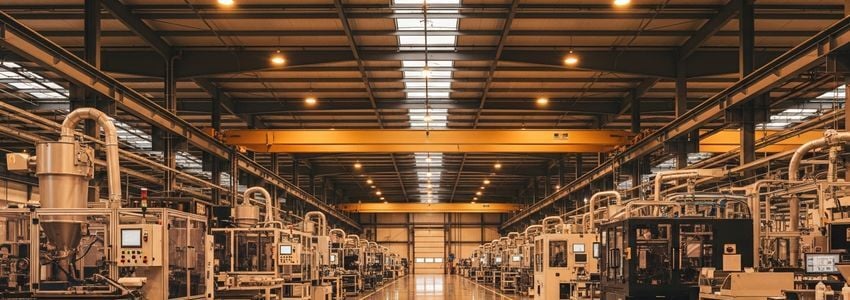
Industries That Benefit Most from Flexible Leasing Terms
While virtually any business that relies on equipment can benefit from flexible leasing, certain industries gain disproportionate advantages due to their specific operational and financial characteristics.
Healthcare and Medical Practices
Medical equipment evolves rapidly, and practices that use flexible leasing with upgrade clauses ensure their diagnostic and treatment capabilities stay current. The high cost of imaging equipment, surgical tools, and dental technology makes flexible payment structures particularly valuable. Our medical equipment financing programs include multiple flexible term options tailored to practice cash flow cycles.
Construction and Contracting
Construction businesses face notoriously variable cash flow - project-based income that surges during active contracts and slows between jobs. Seasonal and project-aligned payment structures allow contractors to match equipment costs to revenue cycles. Construction equipment financing with flexible terms is one of the most sought-after products in the industry.
Restaurants and Food Service
Commercial kitchen equipment, POS systems, and refrigeration units represent substantial capital investments for food service businesses. Seasonal payment schedules that reduce payments in slower months while allowing full operation year-round are particularly valuable for restaurants in tourist-heavy markets. Explore our restaurant equipment financing for tailored options.
Manufacturing and Production
Manufacturers investing in CNC machines, fabrication equipment, and automated production lines benefit from step-up leases that align rising payments with the productivity gains those machines generate. As the equipment ramps up production capacity, the business generates the additional revenue needed to support higher payments.
Technology and IT
The rapid pace of technological change makes flexible leasing with upgrade provisions especially valuable for technology-dependent businesses. Rather than owning outdated servers, networking equipment, or workstations, businesses can structure leases that keep their technology infrastructure current.
Fitness and Wellness
Gyms, yoga studios, and wellness centers often see seasonal demand swings - higher membership in January and September, lower in summer months. Seasonal payment leases aligned to membership trends allow these businesses to invest in quality equipment without creating cash flow stress during slower periods. Learn more about gym equipment financing options.
Agriculture and Farming
Agricultural businesses live and die by seasonal revenue cycles. Harvest-aligned payment schedules that concentrate payments in post-harvest months while reducing obligations during planting and growing seasons are a natural fit for flexible equipment leasing. Agricultural equipment financing with these structures helps farms manage the inherent financial volatility of the agricultural cycle.
How Crestmont Capital Helps Business Owners Access Flexible Leasing
Crestmont Capital specializes in connecting business owners with flexible equipment leasing programs that match their unique financial situations and growth objectives. Rated the #1 business lender in the country, Crestmont works with a broad network of lenders and leasing companies to find structures that banks and rigid lenders cannot offer.
The process begins with understanding your business - not just your credit score. Crestmont advisors ask about your revenue patterns, growth projections, the equipment you need, and your long-term goals. From there, they structure lease options that align your payment obligations with your ability to pay, whether that means seasonal adjustments, deferred starts, step-up schedules, or upgrade provisions.
Crestmont's expertise extends across dozens of equipment categories - from general equipment financing to specialized assets like medical imaging equipment, construction machinery, restaurant kitchen equipment, and commercial vehicles. Whatever your equipment need, Crestmont has lender relationships designed to deliver flexible terms.
The approval process is streamlined for speed. Most businesses receive a decision within 24 to 72 hours, with funding and equipment delivery following shortly after. For businesses that need equipment urgently to fulfill a contract or respond to an opportunity, this speed is a critical advantage over traditional bank financing, which can take weeks or months.
Real-World Scenarios: Flexible Leasing in Action
Understanding how flexible leasing works in practice helps business owners visualize its applicability to their own situations. The following scenarios illustrate the versatility of flexible leasing structures across different business types.
Scenario 1 - The Seasonal Restaurant
Maria operates a beachside restaurant that does 70% of its annual revenue between May and September. She needs to upgrade her commercial kitchen with a $45,000 package of new ovens, refrigeration, and prep equipment. A traditional loan with fixed monthly payments would strain her November through March cash flow. Instead, she arranges a flexible lease with seasonal payments - $2,800 per month from May through September and $900 per month for the remaining seven months. The total annual cost is similar to a fixed lease, but the payment structure matches her revenue perfectly.
Scenario 2 - The Growing Construction Company
Marcus runs a small excavating company and just landed a major three-year highway project. He needs $120,000 in additional excavation equipment immediately. A step-up lease starts him at $2,200 per month for the first year - manageable while he builds project revenue - then steps up to $3,100 in year two and $3,800 in year three as the project is in full swing and generating consistent revenue. By year three, the equipment is fully productive and the higher payment is easily covered.
Scenario 3 - The Tech-Forward Medical Practice
Dr. Chen is upgrading her radiology practice with a new digital imaging system. She knows that imaging technology evolves every three to four years, so she negotiates an operating lease with an upgrade clause that allows her to switch to a new system at the 36-month mark without penalty. She also negotiates a 90-day deferred payment start, giving her time to train staff, market the new capability to referring physicians, and start generating additional revenue before the first payment is due.
Scenario 4 - The Startup Bakery
James is opening a commercial bakery and needs $35,000 in commercial ovens, mixers, and refrigeration. As a startup, his credit history is limited. He qualifies for an equipment lease based primarily on the equipment's value as collateral and a modest personal guarantee. The 24-month lease with $1 buyout gives him ownership of the equipment at the end while keeping monthly payments at a level his projected first-year revenue can support.
Scenario 5 - The Expanding Fitness Studio
Sofia is opening a second location of her yoga and fitness studio. Rather than depleting her working capital reserves, she leases the full equipment package - cardio machines, strength equipment, flooring, and front desk technology - on a 36-month operating lease. The lease payments free up her capital for marketing, hiring, and lease deposits on the new space. At the end of the term, she can return the equipment and lease newer models, or buy the equipment if it still meets her needs.
Scenario 6 - The Agricultural Business
The Peterson family farm needs to upgrade its harvesting equipment before the fall season. A $75,000 combine harvester is essential, but the farm's cash flow is concentrated in post-harvest months. A lease with harvest-aligned payments - $4,500 per month for October, November, and December and $800 per month for the remaining nine months - allows the farm to acquire the equipment it needs while keeping winter and spring cash flow manageable for seed, fertilizer, and operational costs.
How to Get Started
Complete our quick application at offers.crestmontcapital.com/apply-now - takes just a few minutes.
A Crestmont Capital advisor will review your equipment needs and business profile, then present customized flexible leasing options designed for your cash flow and goals.
Once your lease is approved and signed, your equipment is ordered and delivered - often within days. You start operating with the assets you need while preserving your working capital.
Frequently Asked Questions
What are flexible equipment leasing terms?
Flexible equipment leasing terms are lease agreements customized to align with a business's cash flow, growth trajectory, and operational needs. They can include seasonal payment schedules, step-up payments, deferred payment starts, upgrade clauses, and various end-of-lease options. Unlike fixed loan structures, flexible leases adapt to how your business actually operates rather than imposing a rigid payment schedule.
How is flexible leasing different from a traditional equipment loan?
A traditional equipment loan provides financing to purchase equipment outright, with fixed monthly payments and immediate ownership transfer. Flexible equipment leasing gives you use of the equipment without necessarily owning it, allows for adjustable payment structures, and includes options to upgrade or return equipment at the end of the term. Leasing often requires lower upfront costs and is better suited to equipment that may become obsolete.
What types of businesses benefit most from flexible leasing?
Businesses with seasonal revenue cycles, rapid growth phases, technology-dependent operations, or cash-flow-sensitive environments benefit most. This includes restaurants, construction companies, medical practices, farms, fitness studios, manufacturers, and technology businesses. Essentially any business that relies on equipment and has variable or growing revenue streams can find value in flexible leasing structures.
Can I upgrade my equipment during a lease?
Yes, if your lease includes an upgrade clause. This provision allows you to exchange your current leased equipment for a newer model at a predetermined point in the lease term. Upgrade clauses are most commonly negotiated in technology, medical equipment, and manufacturing leases where equipment evolves rapidly. It is important to negotiate this provision upfront, as not all standard leases include it automatically.
What is a seasonal payment schedule in equipment leasing?
A seasonal payment schedule adjusts lease payments based on your business's revenue cycle. During peak revenue months, payments are higher. During slower months, payments are reduced. The total annual payment obligation is similar to a standard lease, but the timing is shifted to match when your business has the most cash available. This structure prevents cash flow crunches in slow seasons for businesses with predictable seasonal patterns.
What credit score is needed for flexible equipment leasing?
Most equipment lessors work with credit scores in the 600 to 650 range for standard programs, with some programs accepting scores as low as 550 when the equipment has strong collateral value. Unlike traditional bank loans that weight credit score heavily, equipment leasing focuses more on business cash flow, revenue history, and the value of the equipment being leased. Strong bank statements showing consistent revenue can often offset a lower credit score.
How long does it take to get approved for an equipment lease?
With alternative lenders like Crestmont Capital, most equipment lease applications receive a decision within 24 to 72 hours. Some straightforward applications receive same-day decisions. Traditional bank leasing can take one to four weeks. Once approved, documentation and equipment delivery typically follow within a few business days. The streamlined process is one of the primary advantages of working with specialty equipment financing companies over traditional banks.
What happens at the end of a flexible equipment lease?
At the end of a flexible equipment lease, you typically have three to four options: return the equipment and walk away, purchase the equipment at its fair market value or a pre-agreed buyout price, renew the lease for another term (sometimes with updated payment terms), or upgrade to newer equipment under a fresh lease. The options available depend on the lease structure you negotiated at the start. FMV leases and $1 buyout leases have different end-of-term economics, so it is important to understand these provisions before signing.
Can startups qualify for flexible equipment leasing?
Yes, startups can qualify for equipment leasing, though the terms may be somewhat stricter than for established businesses. Many lessors work with businesses that have as little as three to six months of operating history. Programs designed for startups often rely more heavily on the equipment's collateral value and may require a personal guarantee from the business owner. Some startup leasing programs also look at the owner's personal credit history more closely in the absence of business financial history.
What is a step-up payment lease?
A step-up payment lease starts with lower monthly payments in the early months of the lease and gradually increases over time. This structure is designed for businesses investing in equipment expected to generate increasing revenue - manufacturers scaling up production, service businesses expanding capacity, or any operation where equipment investment precedes the full revenue benefit. Step-up leases allow businesses to start using equipment immediately without straining cash flow while the investment matures.
How does deferred payment leasing work?
A deferred payment lease allows you to start using the equipment immediately while delaying the first payment for a set period, typically 60 to 180 days. During this deferral window, the equipment is generating value for your business - training staff, building production capacity, serving customers - before you are obligated to start making payments. This structure is particularly valuable for new projects, expansions, or seasonal businesses that need equipment before their revenue-generating season begins.
Is equipment leasing better than buying for small businesses?
The right answer depends on your specific situation. Leasing is generally better when you need to preserve working capital, the equipment may become obsolete, or you want flexibility at the end of the term. Buying is better when you want long-term ownership, the equipment has a very long useful life, or the total cost of ownership over time is significantly lower than leasing. Many businesses use a mix - leasing technology-heavy or rapidly evolving equipment while purchasing long-lived assets. Consult with a financing specialist and your accountant to determine the best approach for your specific equipment and business circumstances.
Are there any hidden fees in flexible equipment leases?
Potential fees in equipment leases include documentation fees, end-of-lease return fees (if the equipment has damage or excessive wear), early termination fees, and in some cases residual guarantee fees on FMV leases. Review any lease agreement carefully for these provisions before signing. Reputable lessors are transparent about all fees upfront. Ask specifically about early termination costs and end-of-lease obligations to avoid surprises.
What documents do I need to apply for equipment leasing?
Typical documents for an equipment lease application include three to six months of business bank statements, a business profile or one-page application, information about the equipment being leased (quote or invoice from the vendor), and for larger leases, business tax returns and financial statements. Some alternative lenders, including Crestmont Capital, can work with bank statements alone for smaller lease amounts, making the process faster and simpler than traditional bank applications.
How do flexible leasing terms help with cash flow management?
Flexible leasing terms improve cash flow management in several ways. Seasonal schedules align payment obligations with revenue cycles, reducing stress in slow months. Step-up payments start low when equipment is ramping up production and increase as revenue grows. Deferred payment starts give businesses time to generate revenue before the first payment is due. And in general, spreading the cost of equipment over time preserves working capital for the day-to-day operations, hiring, and opportunities that keep a business growing and resilient.
Ready to Explore Flexible Leasing for Your Business?
Crestmont Capital's specialists will help you structure the right flexible leasing terms for your equipment and cash flow needs. Apply in minutes - no obligation.
Apply Now →Conclusion
Flexible equipment leasing terms represent one of the most practical and powerful financing tools available to business owners today. By aligning your equipment payment obligations with your actual revenue patterns and growth trajectory, flexible leasing frees up working capital, reduces financial risk, and gives you the agility to adapt as your business evolves. Whether you need seasonal payment schedules, step-up structures, upgrade clauses, or deferred starts, there is a flexible leasing structure designed to match your situation.
The key is working with a financing partner who understands the range of options available and has the lender relationships to structure truly customized solutions. Crestmont Capital has helped thousands of businesses across every industry access the equipment they need with flexible leasing terms that fit their specific financial realities. If you are ready to explore your options, reach out today - the right flexible equipment leasing terms could be the financial tool that takes your business to the next level.
Disclaimer: The information provided in this article is for general educational purposes only and is not financial, legal, or tax advice. Funding terms, qualifications, and product availability may vary and are subject to change without notice. Crestmont Capital does not guarantee approval, rates, or specific outcomes. For personalized information about your business funding options, contact our team directly.