
 (800) 949-0401
Steam Table Financing: The Complete Guide for Catering and Food Service Businesses
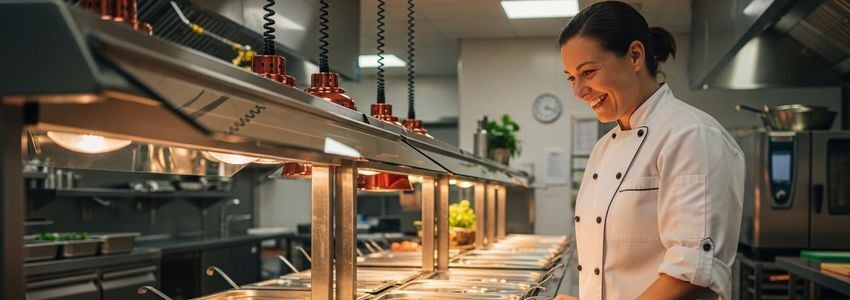
In the dynamic world of catering and food service, maintaining the perfect temperature for your culinary creations is not just a detail- it is a cornerstone of your reputation. Steam tables are the unsung heroes of buffets, event lines, and commercial kitchens, ensuring every dish is served as intended. For many growing businesses, however, the upfront cost of this essential equipment can be a significant hurdle, which is why understanding your options for steam table financing for catering is critical for sustainable growth and success.
In This Article
- What Is Steam Table Financing?
- Types of Steam Tables and Their Costs
- Steam Table Financing Options for Catering Businesses
- How Steam Table Financing Works
- Who Qualifies for Steam Table Financing?
- Key Benefits of Financing Your Steam Table
- How Crestmont Capital Helps Catering Businesses Get Financed
- Real-World Scenarios
- Steam Table Financing vs. Buying Outright
- Frequently Asked Questions
- How to Get Started
- Conclusion
What Is Steam Table Financing?
Steam table financing is a specialized type of business funding designed to help food service operators acquire steam tables without paying the full purchase price upfront. Instead of depleting cash reserves, businesses can make predictable monthly payments over a set term. This financial tool falls under the broader category of equipment financing, where the steam table itself serves as the collateral for the loan or lease.
This arrangement is particularly beneficial for businesses that rely on consistent cash flow to manage daily operations, such as purchasing ingredients, paying staff, and marketing. By financing, a catering company, restaurant, or event venue can immediately put the new equipment to work, generating revenue that helps cover the cost of the financing. It allows for strategic acquisition of assets, enabling businesses to scale their operations, replace outdated equipment, or expand their service capabilities without a significant financial setback. The core concept is simple: use the equipment to pay for itself over time, turning a large capital expenditure into a manageable operating expense.
Types of Steam Tables and Their Costs
Understanding the different types of steam tables available is the first step in determining your financing needs. The cost can vary significantly based on size, fuel type, features, and brand. Here is a breakdown of the most common options for catering and food service businesses.
Full-Size Steam Tables (Stationary and Portable)
Full-size steam tables are the workhorses of buffet lines, cafeterias, and large-scale catering events. They are designed to hold multiple full-size or fractional food pans.
- Stationary Models: These are large, permanent fixtures often found in restaurant kitchens or institutional dining halls. They are built for high-volume, continuous use and may include features like integrated cutting boards, overhead heat lamps (sneeze guards), and under-shelf storage. Costs for stationary units typically range from $2,000 to $8,000 or more, depending on the number of wells, construction material (stainless steel grade), and brand.
- Portable Models: Essential for off-site caterers, these units are mounted on casters for easy mobility. They offer the same functionality as stationary models but with the flexibility to be moved between a commissary kitchen and event locations. Portability adds a layer of engineering complexity, and prices generally fall between $1,500 and $6,000.
Drop-In Steam Tables
Drop-in units are designed to be installed directly into a custom countertop or serving line, creating a seamless, built-in look. They are popular in hotels, convention centers, and high-end restaurants that want a polished, professional presentation. These models offer a clean aesthetic but require professional installation. The cost for the units themselves, excluding installation, ranges from $1,200 to $5,000 per unit, depending on the number of food wells and control features.
Countertop Steam Tables
For businesses with limited space or smaller-scale needs, countertop steam tables are an excellent solution. Food trucks, concession stands, and small cafes often use these compact units to add hot food options to their menu. They typically hold two to four food pans and are easily transportable. Their smaller size and simpler design make them more affordable, with costs generally ranging from $800 to $2,500.
Electric vs. Gas Steam Tables
The power source is another critical factor influencing cost and suitability.
- Electric Models: These are the most common type, valued for their portability and ease of use. They simply plug into a standard electrical outlet, making them ideal for indoor events and venues where gas lines are not available. They offer precise temperature control but can have slower heat-up times compared to gas.
- Gas Models: Powered by natural gas or propane, these units heat up quickly and can be more energy-efficient for long-term, heavy-duty use. They are often preferred for outdoor events or in kitchens already equipped with gas hookups. Gas steam tables are typically more expensive upfront and may require professional installation to ensure safety and compliance with local codes.
Key Point: When calculating your financing needs, remember to include the costs of shipping, installation, and any necessary accessories like food pans, lids, and sneeze guards. These can add 10-20% to the total equipment cost.
Steam Table Financing Options for Catering Businesses
Several financing avenues are available for acquiring steam tables. Each option has distinct features, and the best choice depends on your business's financial health, long-term goals, and credit history. An expert at Forbes Advisor notes that equipment financing is one of the most accessible forms of funding for small businesses because the asset itself secures the loan.
Equipment Loans
An equipment loan is a straightforward financing product where a lender provides the funds to purchase the steam table. You make regular payments (usually monthly) over a predetermined term, which typically ranges from two to five years. The steam table serves as collateral, which often results in more favorable interest rates compared to unsecured loans. At the end of the term, you own the equipment outright. This is an excellent option for businesses that plan to use the steam table for many years and want to build equity in their assets.
Equipment Leasing
Leasing is similar to renting. You pay a monthly fee to use the steam table for a specific period. At the end of the lease term, you generally have several options: purchase the equipment (often at fair market value or a predetermined price), renew the lease, or return the equipment and upgrade to a newer model. Equipment leasing is ideal for businesses that want lower monthly payments, wish to avoid the responsibilities of ownership, or need to stay current with the latest technology. It keeps the equipment off your balance sheet, which can be an accounting advantage for some companies.
SBA Loans
According to CNBC Select, SBA loans remain among the most competitive small business funding options available. Loans backed by the U.S. Small Business Administration (SBA) are a popular choice due to their long repayment terms and competitive interest rates. The SBA 7(a) loan program, for example, can be used for a wide range of business purposes, including equipment purchases. While SBA loans offer excellent terms, the application process is typically more intensive and time-consuming than other options, requiring detailed financial documentation and a strong business plan. They are best suited for established businesses with solid credit profiles.
Business Lines of Credit
A business line of credit provides access to a revolving pool of funds that you can draw from as needed, up to a certain limit. You only pay interest on the amount you use. This flexibility makes it a great tool for managing fluctuating cash flow or for purchasing smaller pieces of equipment, like a countertop steam table. Once you repay the drawn amount, the full credit line becomes available again. It offers more versatility than a term loan but may come with higher interest rates.
Working Capital Loans
These are short-term loans designed to cover everyday operational expenses. While not specifically for equipment, a working capital loan can be used to purchase a lower-cost steam table or cover the down payment for a larger financing agreement. They are typically easier to qualify for than traditional loans and offer fast funding, but they often have shorter repayment terms and higher interest rates. They are best used for immediate, short-term funding needs.
Ready to Finance Your Steam Table?
Get the equipment you need to grow your business. Our simple application takes just minutes.
Apply Now →How Steam Table Financing Works
Navigating the financing process can seem daunting, but it is generally a straightforward procedure when working with an experienced lender. Here is a step-by-step look at how to secure financing for your new steam table.
- Determine Your Equipment Needs: First, identify the exact type, size, and model of the steam table that best suits your business. Obtain a detailed quote from a reputable equipment vendor. This quote will be the basis for your financing application, so ensure it includes the price of the unit, shipping, taxes, and any installation fees.
- Gather Necessary Documentation: Lenders will require certain documents to assess your business's financial health. While requirements vary, it is wise to have the following ready:
- Recent business bank statements (typically 3-6 months)
- Business tax returns
- Profit and loss statements and balance sheets
- A copy of your business license
- The equipment quote from your vendor
- Complete the Application: With your documents in hand, you can fill out the lender's application. Many modern lenders, like Crestmont Capital, offer a simple online application that can be completed in minutes. Be prepared to provide information about your business, its owners, your time in business, and your annual revenue.
- Underwriting and Review: Once you submit your application, it enters the underwriting stage. The lender's team will review your financial documents, check your credit history, and evaluate the overall risk. Because the steam table itself acts as collateral, the approval criteria for equipment financing are often more flexible than for other types of small business loans.
- Receive and Accept an Offer: If approved, you will receive a financing offer detailing the loan amount, interest rate, term length, and monthly payment. Review these terms carefully to ensure they align with your budget and business goals. If you agree, you will sign the financing documents.
- Funding and Purchase: After you sign the agreement, the lender will typically pay the equipment vendor directly. The vendor then ships the steam table to you. Your repayment schedule begins shortly after you receive your new equipment, allowing you to start using it to generate revenue immediately.
Commercial Kitchen Financing: By the Numbers
30%
of food service businesses finance or lease their equipment to manage cash flow effectively.
$75,000
is the average financing amount for a package of new commercial kitchen equipment.
82%
of businesses report that financing equipment helped them stay competitive by adopting new technology.
24 Hours
is the typical funding time for equipment loans from alternative lenders once approved.
Who Qualifies for Steam Table Financing?
One of the primary advantages of steam table financing is its accessibility. Because the equipment itself secures the loan, lenders are often more flexible with their qualification criteria compared to traditional unsecured loans. While specific requirements vary from one lender to another, here are the general benchmarks for catering and food service businesses.
Credit Score
A personal and business credit score is a key factor in any lending decision. For equipment financing, many alternative lenders are willing to work with business owners who have a FICO score of 600 or higher. Businesses with stronger credit profiles (680+) will typically qualify for lower interest rates and more favorable terms. Traditional banks and SBA loans usually require higher credit scores, often 700 or above.
Time in Business
Lenders want to see a track record of stability. Most require a minimum of six months to one year in business. Startups and brand-new businesses may have more difficulty securing traditional financing, but some lenders offer specialized programs for new companies, especially if the owner has strong personal credit and industry experience. For new businesses, a detailed business plan can significantly strengthen an application.
Annual Revenue
Your business's revenue demonstrates its ability to make monthly payments. Lenders will look at your bank statements to verify consistent cash flow. The minimum annual revenue requirement can range from $100,000 to $250,000, depending on the lender and the size of the loan. Higher revenues can help you qualify for larger financing amounts and better terms. The U.S. Small Business Administration provides excellent resources on how to manage your business finances to present a strong case to lenders.
Industry Experience
While not always a formal requirement, lenders look favorably upon owners with experience in the catering or food service industry. A history of successfully running a similar business or managing a kitchen indicates a lower risk and a higher likelihood of success, which can be a deciding factor in borderline applications.
Key Benefits of Financing Your Steam Table
Choosing to finance a steam table instead of buying it with cash offers several strategic advantages that can propel your business forward. These benefits extend beyond simple acquisition and impact your financial health, operational efficiency, and competitive positioning.
Preserve Cash Flow
Cash is the lifeblood of any business, especially in the food service industry where expenses can be unpredictable. Financing allows you to keep your cash on hand for other critical needs, such as marketing, payroll, inventory, or unexpected emergencies. Instead of a single, large cash outlay, you make predictable, manageable monthly payments that fit within your operating budget.
Immediate Use and Return on Investment (ROI)
Financing enables you to acquire and start using your new steam table immediately. You do not have to wait until you have saved enough cash. This means the equipment can start generating revenue right away, whether by allowing you to take on larger catering jobs, improve service speed at your restaurant, or expand your menu. The income generated by the equipment can often offset or even exceed the monthly financing payment, leading to a positive ROI from day one.
Potential Tax Advantages
Financing and leasing equipment can offer significant tax benefits. Under Section 179 of the IRS tax code, businesses may be able to deduct the full purchase price of qualifying equipment in the year it is put into service. Additionally, the interest paid on an equipment loan or the full payments on certain types of leases can often be deducted as business expenses. This can lower your overall tax liability. It is important to consult with a tax professional to understand how these benefits apply to your specific financial situation.
Easy to Upgrade
The food service industry evolves, and so does its technology. Newer steam tables may be more energy-efficient, easier to clean, or offer better temperature control. An equipment lease, in particular, makes it simple to stay current. At the end of your lease term, you can easily upgrade to the latest model, ensuring your business always has modern, efficient equipment without the hassle of selling the old unit.
Don't Let Cash Flow Hold You Back.
Access the capital you need for essential kitchen equipment. See your options today.
Apply Now →How Crestmont Capital Helps Catering Businesses Get Financed
When it comes to securing financing for your steam table, choosing the right lending partner is just as important as choosing the right equipment. Crestmont Capital specializes in providing fast, flexible, and reliable funding solutions for businesses in the food service industry. We understand the unique challenges and opportunities that caterers and restaurant owners face, and we have tailored our financing products to meet those needs.
Our expertise in commercial kitchen equipment financing means we can offer more than just capital; we provide a partnership. We know the difference between a drop-in unit and a portable steam table, and we understand the ROI that this equipment can bring to your business. This industry-specific knowledge allows us to streamline our underwriting process and approve applications that traditional banks might decline.
At Crestmont Capital, we offer a range of solutions, from straightforward equipment loans to flexible leasing options. Our simple online application takes only a few minutes to complete, and we can often provide a decision within hours. We pride ourselves on transparency, with no hidden fees and clear, easy-to-understand terms. Whether you are a small caterer needing your first professional steam table or a large restaurant chain outfitting a new location, our dedicated financing specialists will work with you to find the perfect funding solution. Explore our dedicated restaurant equipment financing programs to see how we can help you grow.
For more insights on funding your growth, our blog offers valuable resources, including articles on catering company business loans and the specifics of financing commercial kitchen equipment.
Real-World Scenarios
To better illustrate how steam table financing works in practice, let's explore a few common scenarios faced by businesses in the food service industry.
Scenario 1: The Expanding Catering Company
Business: "Savory Events," a catering company that has seen a 50% increase in bookings for weddings and corporate events.
Challenge: Their existing two portable steam tables are no longer sufficient to handle multiple large events on the same day. They are turning down lucrative contracts due to equipment limitations.
Solution: Savory Events applies for equipment financing to purchase three new high-capacity portable steam tables, costing a total of $12,000. They are approved for a 36-month loan with a manageable monthly payment. The new equipment allows them to immediately accept two additional large events per month, generating enough new revenue to cover the loan payment three times over.
Scenario 2: The New Restaurant Opening
Business: "The Grand Buffet," a new restaurant preparing for its grand opening.
Challenge: The owners have invested most of their startup capital in the lease, renovations, and initial staffing. They need a full 8-well drop-in steam table line for their buffet but lack the $15,000 in cash to purchase it outright.
Solution: They secure an equipment lease for the steam table line. This requires only the first and last month's payment upfront, preserving their remaining cash for opening inventory and marketing. The lease structure gives them the option to purchase the equipment at the end of the three-year term, by which time the restaurant will be well-established and profitable.
Pro Tip: Many lenders can bundle multiple pieces of equipment into a single financing agreement, simplifying your payments and allowing you to get everything you need at once.
Scenario 3: The Food Truck Upgrade
Business: "Street Tacos," a popular food truck looking to expand its menu.
Challenge: The owner wants to add hot sides like seasoned rice and beans but lacks the equipment to hold them at a safe temperature. A compact, 3-well countertop steam table is the perfect solution, but the $1,800 price tag is a stretch for their tight weekly budget.
Solution: The owner uses a business line of credit to purchase the steam table. They draw the $1,800 and repay it over the next six months. The new menu items are an instant hit, increasing the average ticket size by 25% and allowing them to repay the draw quickly.
Scenario 4: The Event Venue Modernization
Business: "The Lakeside Manor," an established wedding and event venue.
Challenge: Their built-in buffet equipment is over 15 years old, inefficient, and looks dated. They are concerned it is hurting their high-end image.
Solution: The venue finances a complete $30,000 overhaul of their buffet line, including new, energy-efficient drop-in steam tables and modern sneeze guards. They secure a five-year equipment loan. The modern, sleek look helps them justify a price increase for their event packages and attracts a more discerning clientele.
Steam Table Financing vs. Buying Outright
Deciding whether to finance or pay cash for your steam table involves weighing the short-term and long-term financial implications. This table breaks down the key differences.
| Feature | Financing / Leasing | Buying Outright (Cash) |
|---|---|---|
| Initial Cost | Low. Typically requires little to no money down, or just the first and last month's payment. | High. Requires the full purchase price paid upfront. |
| Cash Flow Impact | Minimal. Preserves working capital for other business needs. Creates a predictable monthly expense. | Significant. Depletes a large amount of cash reserves instantly. |
| Ownership | You build equity over time with a loan and own it at the end. With a lease, the lessor retains ownership. | Immediate. You own the asset from day one and can modify or sell it as you wish. |
| Tax Implications | Potential for Section 179 deduction. Loan interest or lease payments are often deductible. | Potential for Section 179 deduction. You can depreciate the asset over its useful life. |
| Equipment Upgrades | Simple, especially with a lease. Easy to upgrade to newer models at the end of the term. | Complex. You are responsible for selling or disposing of the old equipment before buying new. |
| Total Cost | Higher over the long term due to interest or financing fees. | Lower in total, as there are no interest costs. |
Frequently Asked Questions
Can I finance a used steam table?
Yes, many lenders, including Crestmont Capital, offer financing for both new and used equipment. Financing used equipment can be a cost-effective way to get the tools you need. The lender may want to verify the condition and value of the used steam table before approving the loan.
How long does the financing process take?
With a dedicated equipment financing lender, the process is very fast. You can often complete an application online in minutes and receive a credit decision within a few hours. Funding can occur in as little as 24-48 hours after approval.
What is the typical interest rate for steam table financing?
Interest rates vary widely based on your credit score, time in business, annual revenue, and the lender. Rates can range from as low as 6% for highly qualified borrowers to over 20% for businesses with higher risk profiles. Many factors influence the final rate offered.
Can I get financing if I have bad credit?
It is possible. Because the steam table itself acts as collateral, equipment financing is one of the more accessible types of funding for business owners with less-than-perfect credit. While you may face higher interest rates, many lenders specialize in working with businesses in this situation.
Is a down payment required?
This depends on the lender and your credit profile. Some financing agreements may require a down payment of 10-20%. However, many lenders offer 100% financing, meaning no down payment is needed. Leases often require the first and last month's payment upfront instead of a traditional down payment.
What's the difference between an equipment loan and a lease?
With an equipment loan, you borrow money to buy the steam table and own it outright once the loan is repaid. With a lease, you pay to use the equipment for a set term. At the end of the lease, you can typically return it, renew the lease, or purchase it.
Can I finance shipping and installation costs?
Yes, most lenders allow you to roll "soft costs" like shipping, installation, and training into the total financing amount. This allows you to finance the entire cost of getting the equipment operational with a single monthly payment.
Can a startup business get steam table financing?
While more challenging, it is not impossible. Some lenders have programs for startups, especially if the owner has a strong personal credit score, relevant industry experience, and a solid business plan. The owner may need to provide a personal guarantee.
What happens if I want to pay off my loan early?
Some loans have prepayment penalties, while others do not. It is crucial to ask the lender about their prepayment policy before signing the agreement. This is an important detail to clarify if you anticipate being able to pay off the debt ahead of schedule.
Can I choose my own equipment vendor?
Absolutely. You are free to choose any reputable vendor for your steam table. You will provide the lender with a quote from your chosen supplier, and the lender will typically pay the vendor directly once the financing is approved and finalized.
Does financing equipment affect my business credit?
Yes, in a positive way. Making on-time payments on an equipment loan or lease helps build a strong business credit history. Lenders report your payment activity to business credit bureaus, which can make it easier to secure other types of financing in the future.
What loan terms are available?
Repayment terms for equipment financing typically range from 24 to 60 months (2 to 5 years). Some lenders may offer longer terms, up to 7 years, for more expensive equipment. Shorter terms mean higher monthly payments but less total interest paid, while longer terms offer lower monthly payments but more total interest.
What happens if the equipment breaks down while I'm financing it?
You are generally responsible for the maintenance and repair of the equipment, just as if you had bought it with cash. The manufacturer's warranty will still apply. It is a good idea to check the warranty terms before purchasing.
Can I finance more than one piece of equipment at a time?
Yes. Lenders often allow you to bundle multiple pieces of equipment into a single financing agreement. If you need a steam table, a commercial oven, and a refrigerator, you can often finance them all together under one loan with one convenient monthly payment.
Is steam table financing a good idea for a seasonal business?
It can be. Some lenders offer flexible payment structures, such as seasonal payments, where you make larger payments during your busy season and smaller payments during the off-season. This helps align your loan obligations with your cash flow. Be sure to ask potential lenders if they offer this option.
How to Get Started
Ready to take the next step and secure the steam table your business needs? The process with Crestmont Capital is designed to be simple, fast, and transparent. Follow these steps to get funded.
Assess Your Needs & Get a Quote
Determine the exact steam table model you need and get a formal quote from your preferred vendor. This will be the foundation of your financing request.
Complete Our Simple Online Application
Fill out our secure, one-page online application. It takes just a few minutes, and you can upload any necessary documents directly.
Review Your Offer with a Specialist
A dedicated financing specialist will contact you to discuss your approval and walk you through the terms of your offer, ensuring you understand all the details.
Get Funded and Grow
Once you sign the documents, we handle the rest. We pay your vendor, and your new steam table is shipped to you. It is that simple.
Ready to Upgrade Your Kitchen?
Apply in minutes and get a decision quickly. Let's build your business together.
Apply Now →Conclusion
For any catering or food service business, a reliable steam table is not a luxury- it is an essential tool for delivering quality and consistency. While the upfront cost can be substantial, it should not be a barrier to growth. By leveraging smart financial tools, you can acquire the equipment you need to expand your services, improve efficiency, and enhance your customers' experience. Understanding the various models, their costs, and the available funding routes is the key to making an informed decision that benefits your bottom line. Ultimately, effective steam table financing for catering businesses is a strategic move that conserves precious capital and empowers you to invest in your company's future success.
Disclaimer: The information provided in this article is for general educational purposes only and is not financial, legal, or tax advice. Funding terms, qualifications, and product availability may vary and are subject to change without notice. Crestmont Capital does not guarantee approval, rates, or specific outcomes. For personalized information about your business funding options, contact our team directly.








