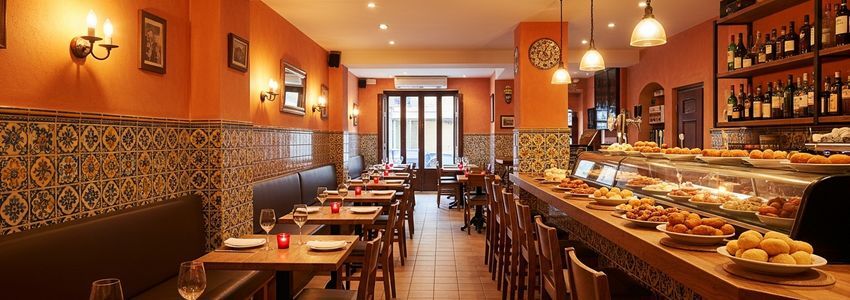
Running a Spanish restaurant is a labor of love. From perfecting your paella to sourcing authentic Iberian ingredients, your restaurant is built on passion, culture, and craft. But growing that vision takes more than culinary skill - it takes capital. Spanish restaurant business loans give owners the financial foundation to hire staff, upgrade equipment, renovate the dining room, expand into catering, and navigate the inevitable slow seasons every restaurant faces.
Whether you are opening your first tapas bar, expanding a family-run Spanish eatery, or refinancing high-cost debt, this guide covers everything you need to know about financing available to Spanish restaurant owners in 2026.
In This Article
What Are Spanish Restaurant Business Loans?
Spanish restaurant business loans are financing products used by owners and operators of Spanish cuisine establishments - including tapas bars, paella restaurants, Spanish bakeries, bodegas, and full-service Spanish dining rooms. These loans cover startup costs, operational expenses, equipment purchases, renovations, and growth initiatives. Lenders evaluate your revenue, time in business, credit profile, and cash flow to determine loan amount and interest rate. Spanish restaurant owners can access $10,000 to $5 million or more depending on lender and loan type.
The restaurant industry is one of the most financing-active sectors in the United States. According to the U.S. Small Business Administration, food service businesses represent one of the largest borrower categories for both SBA loans and alternative lending programs. Spanish-cuisine restaurants sit within a growing niche - demand for authentic global cuisine continues to rise, and operators who invest strategically see strong returns on that capital.
Spanish restaurants face unique capital needs. Specialty imported ingredients - Iberico ham, Manchego cheese, saffron, smoked paprika, Spanish wines, and artisanal olive oil - require consistent purchasing budgets that can strain day-to-day cash flow. Commercial kitchen equipment for paella, seafood, and tapas preparation is specialized and costly. The decor and ambiance of a Spanish dining room are central to the guest experience and require ongoing investment to remain competitive. Understanding your financing options is the essential first step toward addressing these needs strategically rather than reactively.
Key Benefits of Spanish Restaurant Business Loans
Access to restaurant business financing unlocks opportunities that would otherwise take years to achieve through retained earnings alone. For Spanish restaurant owners, acting quickly on a prime location, a kitchen upgrade, or a seasonal staffing need can determine whether you outperform or fall behind competitors in the same market.
- Preserve cash flow - Keep working capital intact while funding large expenses over time
- Act fast on opportunities - Secure leases, purchase equipment, or hire talent before the moment passes
- Build business credit - Responsibly repaid loans strengthen your credit profile for future financing at lower rates
- Fuel seasonal growth - A line of credit helps you staff up and stock specialty Spanish ingredients around festivals, holidays, and peak periods
- Invest without depleting reserves - Equipment, renovations, and marketing are major investments that a loan allows you to spread intelligently over time
- Negotiate better supplier terms - Bulk purchasing and early payment discounts become possible when you have available liquidity
- Survive predictable slow seasons - Spanish restaurants in tourist markets often face seasonal dips; financing helps bridge the gap without laying off trained staff
Industry Insight: The National Restaurant Association reports that more than 60% of independent restaurant owners cite access to capital as a major barrier to growth. Spanish restaurant owners who secure the right financing are positioned to outperform competitors who rely solely on day-to-day revenue to fund every investment.
Ready to Fund Your Spanish Restaurant?
Get fast, flexible financing built for restaurant owners. Apply in minutes with no obligation.
Apply Now ->Types of Loans Available for Spanish Restaurant Owners
Spanish restaurant owners have access to a wide range of financing products. The right choice depends on what you need the money for, how quickly you need it, and what your financial profile looks like. Here is a breakdown of the most common loan types.
Term Loans
A term loan provides a lump sum of capital upfront that you repay over a fixed period with regular payments. Term loans are ideal for large one-time expenses like a kitchen renovation, new furniture, or a significant equipment purchase. Repayment periods typically range from one to five years for short-term loans and up to ten years or more for longer products. Interest rates vary based on creditworthiness, time in business, and lender type.
Business Line of Credit
A business line of credit is a revolving facility letting you draw funds as needed up to a preset limit and only pay interest on what you use. This is one of the most popular tools for restaurant owners because it handles the unexpected - a broken walk-in cooler, a slow January, an emergency repair. You draw what you need, repay it, and the credit resets. Lines typically range from $25,000 to $500,000 for established restaurants.
SBA Loans
SBA loans are government-backed loans that offer competitive rates and longer repayment terms. The SBA 7(a) program is the most commonly used and can fund up to $5 million. SBA loans take longer to process - often two to three months - but offer the lowest cost of capital for small business owners. Spanish restaurant owners with two or more years in business and strong credit history are well-positioned to qualify.
Equipment Financing
Spanish restaurants rely on specialized equipment - commercial ranges and ovens for paella, industrial dishwashers, churro makers, refrigeration systems, and POS technology. Equipment financing uses the equipment as collateral, making approval easier and rates lower than unsecured loans. Terms typically run three to seven years, matching the useful life of the asset purchased.
Working Capital Loans
Working capital loans provide short-term cash for everyday expenses - payroll, inventory, supplies, utilities, and rent. These are designed to bridge cash flow gaps rather than fund long-term investments. They are particularly useful for Spanish restaurants during off-peak seasons or when ramping up for a catering contract or holiday event that requires upfront spending.
Merchant Cash Advance
An MCA advances you capital in exchange for a percentage of your daily credit card sales. MCAs fund quickly - sometimes same day - but carry higher costs than traditional loans. Best used for urgent needs when traditional financing cannot move fast enough. Always review total cost carefully before accepting any MCA offer from a lender.
Invoice Financing
For Spanish restaurants that do significant catering or event work and issue invoices, invoice financing lets you borrow against outstanding invoices rather than waiting 30-90 days for payment. This can significantly improve cash flow for catering-heavy operations without taking on traditional debt.
By the Numbers
Spanish Restaurant Financing - Key Statistics
60%
of independent restaurants cite capital access as a top growth barrier (NRA)
$250K
average SBA 7(a) restaurant loan amount in the United States
24 hrs
typical approval time with alternative lenders like Crestmont Capital
1M+
restaurant locations operating in the U.S. as of 2024 (NRA)
How Spanish Restaurant Financing Works
The restaurant financing process follows a straightforward path from application to funding. Understanding each step helps you prepare the right documents and set realistic expectations on timing and process requirements.
Step 1: Define Your Funding Need
Before applying, be clear about what you need the money for and how much you need. Lenders want to see a specific purpose for the funds - equipment purchase, working capital, renovation, or expansion. A clear use case increases approval chances and helps you select the right loan type for your situation.
Step 2: Check Your Qualifications
Most lenders evaluate three core factors: time in business (typically 6 months to 2 years minimum), monthly revenue (usually $10,000 to $15,000 minimum for alternative lenders), and personal credit score (580+ for many alternative lenders, 650+ for SBA loans). Knowing where you stand before applying saves time and prevents surprises during underwriting.
Step 3: Gather Your Documentation
Common documents include three to six months of bank statements, tax returns for the past one to two years, a copy of your business license, and a brief description of how you will use the funds. SBA loans require additional documentation including financial projections and a formal business plan.
Step 4: Submit Your Application
Alternative lenders like Crestmont Capital offer online applications that take minutes to complete. Alternative lenders typically provide a decision within 24 to 48 hours. Banks and SBA lenders may take several weeks to months depending on documentation completeness and underwriting queue.
Step 5: Review Your Offer and Accept
Review the loan amount, interest rate or factor rate, repayment term, payment frequency, and any fees. Compare offers if you have applied to multiple lenders. Once you accept, funds are typically deposited within one to three business days for alternative lenders after final approval is confirmed.
Step 6: Manage Repayment Strategically
Set up automatic payments to avoid late fees and protect your credit. Keep clear records of how loan funds are used so you can demonstrate ROI if you apply for future financing. Many restaurant owners build a relationship with one trusted lender and return for additional funding rounds as their business grows.
Pro Tip: Many Spanish restaurant owners find that applying during a period of strong sales results in better terms and higher approval amounts. Lenders see consistent deposits as a sign of business health and stability that justifies more favorable financing.

Best Ways to Use a Spanish Restaurant Business Loan
The most successful Spanish restaurant operators are strategic with how they deploy borrowed capital. Here are the most common and highest-return uses of financing in this niche.
Kitchen Equipment and Upgrades
Spanish cuisine requires specific cooking methods - wood-fired ovens for pan con tomate, large plancha grills for seafood, high-capacity ranges for stews and sauces. Investing in commercial-grade equipment increases consistency, reduces breakdown downtime, and enables higher-volume service. Equipment financing lets you spread the cost over three to seven years while generating returns from the day the equipment is installed.
Interior Renovation and Ambiance
The Spanish dining experience is as much about atmosphere as food. Exposed brick, warm lighting, tapas bar seating, and flamenco-inspired decor drive higher check averages, stronger reviews, and repeat visits. A renovation loan can transform a dated space into a destination dining experience that commands premium pricing and consistently earns five-star ratings.
Working Capital and Specialty Inventory
Authentic Spanish cuisine relies on specialty imports - Iberico ham, Manchego cheese, saffron, smoked paprika, Spanish wines, and artisanal olive oil. Stocking these ingredients for holidays, festivals, and special events requires available cash. A working capital facility ensures you never have to turn down a large reservation or catering inquiry due to supply shortages.
Staff Hiring and Training
Qualified cooks trained in Spanish technique are in high demand and short supply in most U.S. markets. Using financing to secure talented chefs, sommeliers, or experienced service staff before a busy season protects service quality and prevents scrambling during peak periods. Payroll financing or a line of credit covers this expense smoothly and helps you retain quality staff year-round.
Catering Expansion
Many Spanish restaurants generate significant revenue from catering for weddings, corporate events, quinceanieras, and private parties. Expanding your catering capacity - vehicles, equipment, staff, marketing - requires upfront investment that a term loan or working capital line funds efficiently, with repayment tied to the new revenue it generates.
Opening a Second Location
For owners with a proven concept, expansion to a second location is often the fastest path to scaling revenue. This requires the largest capital commitment - lease deposit, leasehold improvements, initial inventory and staffing - and is typically funded through a combination of term loans and SBA financing structured around projected cash flows from the new location.
How to Qualify for a Spanish Restaurant Business Loan
Qualification requirements vary significantly by lender and loan type. Here is what most lenders evaluate when reviewing a Spanish restaurant application.
Time in Business
Most alternative lenders require a minimum of six months in business. SBA loans typically require two or more years of operating history. Startups may qualify for equipment financing using strong personal credit or collateral, but options are more limited and rates are higher for new restaurants that have not yet established a revenue track record.
Monthly Revenue
Alternative lenders typically look for $10,000 to $25,000 per month in revenue to approve a standard working capital loan or line of credit. Higher loan amounts require proportionally higher revenues. Traditional banks and SBA lenders require demonstrating significantly higher and more consistent revenue volumes over multiple years.
Personal and Business Credit Score
A personal credit score of 580 or above opens access to most alternative lending products. Scores above 650 qualify for better rates and higher amounts. Business credit - your PAYDEX score and trade line history - also factors in as your restaurant matures. Keeping personal and business finances separate and paying all obligations on time builds the credit profile that unlocks better financing terms.
Bank Statement Health
Many alternative lenders approve based heavily on bank statement analysis rather than tax returns. Lenders want to see consistent deposits, solid average daily balances, and a pattern of positive cash flow over time. Avoid overdrafts and keep your business checking account active with regular deposits in the months before applying.
| Loan Type | Min. Time in Business | Min. Credit Score | Typical Funding Time |
|---|---|---|---|
| Working Capital Loan | 6 months | 580+ | 24-48 hours |
| Business Line of Credit | 12 months | 600+ | 2-5 business days |
| Equipment Financing | 1 month | 580+ | 2-7 business days |
| SBA 7(a) Loan | 2+ years | 650+ | 60-90 days |
| Merchant Cash Advance | 3 months | 500+ | Same day - 24 hours |
How Crestmont Capital Helps Spanish Restaurant Owners
Crestmont Capital is the #1-rated business lender in the United States, offering fast, flexible financing solutions designed for restaurant owners at every stage of growth. We understand that the restaurant industry operates on thin margins, rapid timelines, and seasonal variability - and we have built our products around those realities.
Unlike traditional banks that often require years of financial history, extensive documentation, and weeks of processing, Crestmont Capital can review your application and deliver a decision in as little as 24 hours. Our lending specialists understand the unique challenges of restaurant ownership and work with you to structure financing that fits your business model and timeline.
We offer working capital loans, business lines of credit, equipment financing, SBA loans, and revenue-based financing products - all under one roof. Whether you need $25,000 to stock your bodega for the holiday season or $500,000 to renovate your dining room and open a second location, we have a solution designed for food service businesses.
Many Spanish restaurant owners have relied on our working capital loans to navigate the gap between slow spring weeks and busy summer tapas nights. Others use our equipment financing to upgrade commercial kitchen equipment without tying up operating cash. For a broader look at restaurant financing, our complete restaurant business loans guide and our fast casual restaurant financing guide are both excellent resources for food service operators.
Grow Your Spanish Restaurant with the Right Financing
Crestmont Capital specializes in restaurant financing. Fast approvals, flexible terms, and a dedicated advisor for your business.
Start Your Application ->Real-World Scenarios: Spanish Restaurant Owners Using Financing
Understanding how financing is applied in practice helps owners evaluate whether a loan is right for their specific situation. Here are six scenarios reflecting common financing decisions for Spanish restaurant operators.
Scenario 1: The Kitchen Equipment Refresh
A tapas bar in Chicago had been operating for four years when its commercial range and ventilation system began failing repeatedly. Rather than wait for a full breakdown, the owner secured $85,000 in equipment financing through Crestmont Capital. New commercial ranges, a paella burner station, and an updated ventilation system were installed within two weeks. Food prep times improved, kitchen labor costs fell, and consistent heat control elevated dish quality across the menu. The monthly equipment payment was recouped through improved operational efficiency within the first two months.
Scenario 2: Seasonal Working Capital
A Spanish restaurant in Miami Beach does outstanding business from October through April but experiences a revenue dip during summer months. The owner drew $40,000 from a business line of credit in May to cover payroll, utilities, and specialty ingredient restocking while summer traffic was slow. By September, revenue had rebounded and the line was fully repaid. The restaurant entered the fall season fully staffed and stocked without missing a payment or making any desperate staffing cuts during the slow period.
Scenario 3: Catering Contract Expansion
A family-run Spanish restaurant in Los Angeles landed a contract to cater monthly corporate lunches for 200 guests. Fulfilling the contract required purchasing two catering vans, a portable paella station, and additional serving equipment totaling $65,000. A term loan funded the purchase and the ongoing catering revenue more than covered monthly loan payments. What started as a single catering contract grew into a full catering division accounting for 35% of total annual revenue.
Scenario 4: Second Location Opening
A successful Spanish bodega in Denver had built a loyal following over six years. The owner needed $180,000 for leasehold improvements, initial equipment, and three months of operating capital at a second location. An SBA 7(a) loan covered the full amount at a competitive rate with a seven-year repayment term. The second location broke even within the first year and achieved full profitability by year two.
Scenario 5: Menu Expansion and Rebrand
A New York Spanish restaurant focused exclusively on tapas wanted to expand into a full-service dinner format with an authentic Spanish wine program. The investment required new furniture, wine storage, updated menu design, staff training, and a marketing campaign totaling approximately $55,000. A working capital loan funded the transformation over three months. Higher average check values and increased wine revenue lifted monthly gross revenue by 28% within six months of the rebrand launch.
Scenario 6: Payroll Bridge During Renovation
A Spanish restaurant in San Francisco underwent a mandated seismic retrofit that closed the dining room for eight weeks. A short-term bridge loan of $30,000 covered two months of payroll for essential kitchen staff. The restaurant reopened with the full team intact, avoided the quality gaps that come with high turnover, and recovered to pre-closure revenue levels within the first month back in business.
Key Insight: Across all six scenarios, the common thread is timing. Restaurant owners who secured financing before a crisis consistently negotiated better terms and experienced faster recoveries. Building a lending relationship before you urgently need capital is one of the most valuable financial strategies available to Spanish restaurant operators.
Frequently Asked Questions
Can a new Spanish restaurant qualify for a business loan?
New restaurants can qualify for equipment financing using strong personal credit. Some alternative lenders work with businesses as young as three to six months. Startup-specific SBA loans and microloans are also available for early-stage restaurants. Options are more limited and rates are higher for brand-new operators, but funding is available.
How much can a Spanish restaurant borrow?
Loan amounts range from $10,000 to $5 million or more depending on lender, loan type, and your revenue and credit profile. Alternative lenders typically approve $25,000 to $500,000 for qualified operators. SBA loans can fund up to $5 million for eligible businesses.
What credit score do I need for a Spanish restaurant loan?
Most alternative lenders require a personal credit score of 580 or above. SBA loans typically require 650 or higher. Equipment financing can be available with scores as low as 550 with strong collateral. Higher scores result in better rates and higher approval amounts.
How fast can I get a Spanish restaurant business loan?
Alternative lenders like Crestmont Capital can approve and fund in as little as 24 to 48 hours. Some MCAs fund same day. Equipment financing takes two to seven business days. SBA loans take 60 to 90 days from application to funding.
Do I need collateral to get a restaurant loan?
Not always. Unsecured working capital loans and lines of credit are available without specific collateral, though a personal guarantee is often required. Equipment financing uses the equipment as collateral. SBA loans may require business assets and a personal guarantee. Requirements depend on loan type, amount, and your credit profile.
What documents do I need to apply for a Spanish restaurant loan?
For alternative lenders: three to six months of bank statements, one to two years of tax returns, business license, and a brief description of how funds will be used. SBA loans require additional documentation including financial projections and a formal business plan.
Can I get a restaurant loan if I have bad credit?
Yes. Restaurant owners with credit scores below 620 can still access financing through alternative lenders, merchant cash advances, and equipment financing programs. Rates will be higher and amounts may be lower, but capital is accessible. Strong monthly revenue can offset a weaker credit score with many lenders.
What is the best loan type for buying restaurant equipment?
Equipment financing is typically the best choice. The equipment serves as collateral, making approval easier and rates competitive. Terms are structured around the useful life of the asset. Leasing is an alternative that keeps equipment off your balance sheet and includes upgrade options at lease end.
Can I use a business loan to cover payroll at my Spanish restaurant?
Yes. Working capital loans and business lines of credit are commonly used to cover payroll during slow periods, renovations, or revenue disruptions. Many Spanish restaurant owners rely on a revolving credit facility for payroll smoothing during seasonal dips. Using financing for payroll is a legitimate and common use of restaurant business capital.
How do restaurant lenders evaluate my application?
Lenders primarily evaluate monthly revenue and cash flow consistency, time in business, personal and business credit score, and existing debt obligations. Alternative lenders weight cash flow and bank statement health heavily. Traditional banks and SBA lenders focus more on credit scores, tax returns, and business plans.
Is it possible to get a restaurant loan with no money down?
Many working capital loans and lines of credit require no down payment. Equipment financing may require 10-20% down, though 100% financing is available for qualified borrowers. SBA loans typically require 10-30% down. Requirements vary by lender, loan type, and credit profile.
What interest rates should I expect for a Spanish restaurant loan?
SBA loan rates typically range from 8-13% annually. Traditional bank loans range from 7-15%. Alternative lender rates range from 15-45% for working capital products. Equipment financing rates typically range from 5-20%. Always compare total cost of capital across all offers before committing to any loan.
Should I use an SBA loan or an alternative lender for my restaurant?
SBA loans offer the lowest rates and longest terms, ideal for large investments where you have time to wait. Alternative lenders are better when you need fast capital or have a shorter business history. Many experienced restaurant owners use both - SBA for strategic investments and alternative financing for operational needs.
Can I get a restaurant loan if I already have other business debt?
Yes, but existing debt is a factor in how much you qualify for. Lenders evaluate your total debt service coverage ratio. High-cost existing debt like MCAs may be refinanced to improve your ratio before applying for new loans at better rates.
How do I choose the right lender for my Spanish restaurant?
Evaluate lenders on four dimensions: approval speed, total cost of capital, repayment structure, and reputation. Check reviews, verify licensing, and speak with a specialist before committing. Lenders like Crestmont Capital who specialize in small business financing offer more flexible structures and faster decisions for restaurant operators.
How to Get Started
Complete our quick application at offers.crestmontcapital.com/apply-now - it takes just a few minutes.
A Crestmont Capital advisor will review your restaurant needs and match you with the right financing option for your goals.
Receive your funds - often within 24 hours for working capital - and invest in the Spanish restaurant you have worked hard to build.
Conclusion
Spanish restaurant business loans are one of the most effective tools available for growing, stabilizing, and scaling a cuisine-specific food service operation. Whether you are upgrading kitchen equipment, bridging a seasonal cash flow gap, expanding your catering program, or opening a second location, the right financing product makes it possible without sacrificing the working capital your restaurant needs to operate day to day.
Crestmont Capital has helped thousands of restaurant owners across the United States access fast, flexible funding with terms designed for how restaurants actually work. If you are ready to invest in your Spanish restaurant's next chapter, we are ready to help you get there. Apply for a Spanish restaurant business loan today and get a decision in as little as 24 hours.
Apply for a Spanish Restaurant Business Loan Today
Fast approvals. Flexible terms. Financing built for restaurant owners across America.
Apply Now ->Disclaimer: The information provided in this article is for general educational purposes only and is not financial, legal, or tax advice. Funding terms, qualifications, and product availability may vary and are subject to change without notice. Crestmont Capital does not guarantee approval, rates, or specific outcomes. For personalized information about your business funding options, contact our team directly.