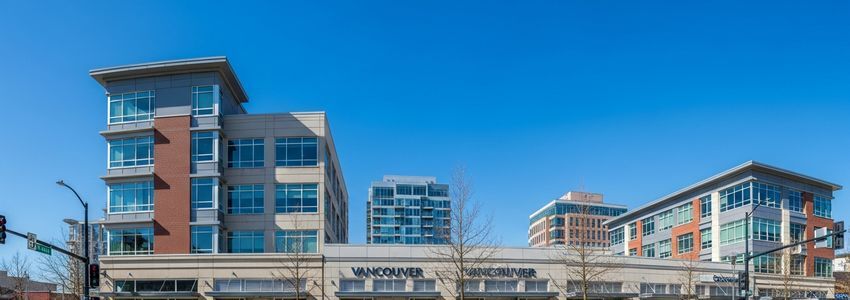
Vancouver, Washington is one of the Pacific Northwest's most dynamic small business markets. Nestled on the north bank of the Columbia River, directly across from Portland, Oregon, Vancouver gives entrepreneurs access to a thriving metropolitan economy, no Washington state income tax, and a business-friendly regulatory environment. Whether you run a construction firm in Salmon Creek, a healthcare practice near PeaceHealth Southwest, a restaurant in downtown Vancouver, or a retail shop along Mill Plain Boulevard, at some point you will need capital to grow.
This guide covers everything Vancouver, WA small business owners need to know about obtaining funding in 2026, from SBA loans and equipment financing to working capital lines of credit and alternative lenders. We break down qualification requirements, loan types, local resources, and strategies to maximize your approval odds.
- Vancouver, WA Small Business Economy Overview
- Types of Business Loans Available in Vancouver
- SBA Loans for Vancouver Businesses
- Equipment Financing in Vancouver
- How to Qualify for a Small Business Loan
- Local Resources and Small Business Support
- Top Industries Getting Funded in Vancouver
- Vancouver Business Lending Snapshot
- Tips for a Strong Loan Application
- Frequently Asked Questions
- Next Steps
Vancouver, WA Small Business Economy Overview
Vancouver is the fourth-largest city in Washington State, with a population exceeding 190,000 residents and a Clark County metropolitan population approaching 500,000. The city's economy has experienced consistent growth over the past decade, driven by in-migration from the Portland metro area, a booming healthcare sector, and a robust construction and real estate market.
Key economic facts for 2026:
- Clark County unemployment rate: below the national average, reflecting a tight labor market
- Major employers include PeaceHealth Southwest Medical Center, SEH America, and numerous government entities
- No Washington state personal income tax, attracting Oregon residents and businesses seeking tax advantages
- The Port of Vancouver is one of the largest grain export terminals on the West Coast
- According to the U.S. Census Bureau, small businesses with fewer than 500 employees account for over 99% of all firms in Washington State
Small business lending in the Vancouver area closely mirrors statewide and national trends. The SBA's Pacific Northwest region consistently ranks among the most active in the country for 7(a) and 504 loan approvals, with Washington businesses receiving billions in guaranteed financing annually.
Types of Business Loans Available in Vancouver, WA
Vancouver entrepreneurs have access to the full spectrum of business financing options, from traditional bank loans to modern alternative lenders. Here is a breakdown of the most common loan types available in 2026:
1. SBA 7(a) Loans
The most popular SBA program, the 7(a) loan offers up to $5 million with terms up to 10 years for working capital and up to 25 years for real estate. Interest rates are capped and tied to the prime rate. These loans work for nearly any business purpose: working capital, equipment, real estate acquisition, and business acquisitions.
2. SBA 504 Loans
Designed for major fixed assets like commercial real estate and large equipment, the 504 program pairs a bank loan with SBA-backed debentures. Loan amounts can reach $5.5 million or more for manufacturing businesses. The fixed below-market interest rate makes 504 loans especially attractive for Vancouver businesses purchasing property along SR-14 corridors or downtown commercial districts.
3. Term Loans
Both banks and alternative lenders offer term loans with fixed repayment schedules. Bank term loans typically require strong credit and at least two years in business, but offer competitive rates. Alternative lenders can approve loans in 24 to 72 hours with more flexible requirements, though at higher rates. Amounts range from $10,000 to over $500,000.
4. Business Lines of Credit
A business line of credit gives Vancouver businesses revolving access to capital they can draw and repay as needed, making it ideal for managing seasonal cash flow, covering payroll during slow periods, or seizing sudden inventory opportunities.
5. Equipment Financing
Vancouver's large construction, healthcare, and manufacturing sectors rely heavily on equipment financing. These loans use the equipment itself as collateral, often allowing 100% financing with no down payment and terms matching the useful life of the asset.
6. Working Capital Loans
Short-term loans ranging from $5,000 to $500,000 to cover day-to-day operating expenses, bridge slow seasons, or fund a marketing push. Terms typically run 3 to 24 months. These are among the fastest-funded products available.
7. Merchant Cash Advances
For businesses with strong credit card or debit card sales, an MCA provides a lump sum in exchange for a percentage of future receivables. MCAs fund in 24 to 48 hours with minimal documentation but carry the highest effective APR of any financing type. They are best used sparingly for true short-term needs.
8. Invoice Financing and Factoring
Vancouver businesses that invoice commercial clients can unlock immediate cash by selling or borrowing against outstanding invoices. This is popular with construction subcontractors, staffing firms, and healthcare providers waiting on insurance reimbursements.
Ready to Fund Your Vancouver Business?
Crestmont Capital works with businesses across Clark County. Get a decision in as little as 24 hours.
Apply Now - Free, No ObligationSBA Loans for Vancouver, Washington Businesses
SBA loans remain the gold standard for Vancouver small business owners who can qualify. They offer the lowest rates, longest terms, and highest loan amounts of any program available. Here is what you need to know about each major SBA product:
SBA 7(a) Loan Requirements
- Operate as a for-profit business in the United States
- Meet SBA size standards for your industry (typically fewer than 500 employees for most businesses)
- Demonstrate ability to repay from business cash flow
- Have reasonable owner equity in the business
- Have used other financial resources (including personal assets) before seeking SBA assistance
- Not be delinquent on any existing government debt
Credit requirements: Most SBA lenders in Clark County look for a minimum personal FICO score of 650 to 680, though some preferred lenders will go lower with compensating factors. Business credit history matters too, particularly PAYDEX scores from Dun & Bradstreet.
SBA 504 Loan Structure
A typical 504 deal in Vancouver might look like this for a $1 million commercial property purchase:
- 50% from a conventional lender (bank): $500,000
- 40% from a Certified Development Company (CDC) backed by SBA debentures: $400,000
- 10% down payment from the borrower: $100,000
The CDC portion carries a fixed interest rate set at the time of funding, providing long-term rate certainty for businesses investing in real estate or large equipment.
SBA Express Loans
For faster approval (turnaround within 36 hours), Vancouver businesses can apply for SBA Express loans up to $500,000. These are processed under delegated authority by approved lenders without SBA review, making them significantly faster than standard 7(a) loans.
SBA Microloans
For startups and very small businesses needing $50,000 or less, the SBA Microloan program offers affordable financing through nonprofit intermediary lenders. These programs often come with technical assistance, making them ideal for first-time business owners in Vancouver.
Equipment Financing in Vancouver, WA
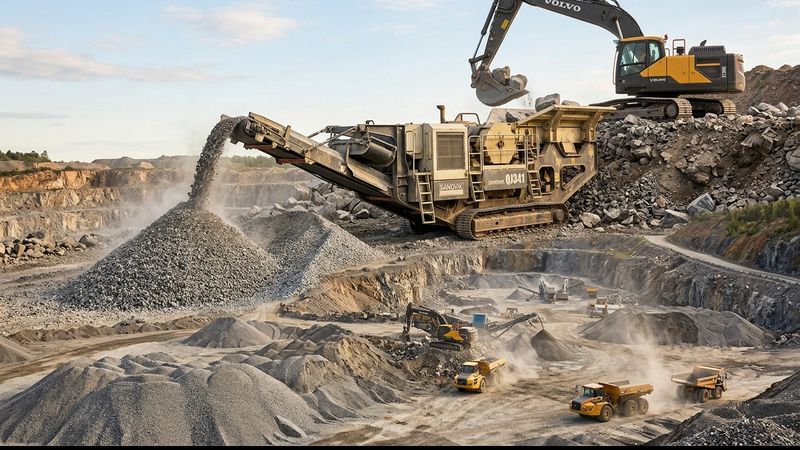
Vancouver's economy is dominated by industries with significant equipment needs. Construction crews need excavators, loaders, and concrete pumps. Healthcare practices need diagnostic imaging equipment and surgical tools. Restaurants need commercial kitchen appliances. Manufacturers need CNC machines and fabrication equipment.
Equipment financing in Vancouver typically follows these guidelines in 2026:
- Loan amounts: $5,000 to $5 million or more
- Terms: 24 to 84 months, matching the useful life of the equipment
- Rates: 5% to 25%+ depending on credit profile and lender type
- Down payment: Often $0 with qualified credit
- Approval speed: Same day to one week
The Section 179 tax deduction remains a powerful tool for Vancouver businesses financing equipment. For 2026, Section 179 allows businesses to deduct up to $1.22 million in qualifying equipment purchases in the year of purchase, rather than depreciating the asset over time. This can dramatically reduce the true after-tax cost of equipment financing.
How to Qualify for a Small Business Loan in Vancouver
Lenders evaluate Vancouver small business loan applications using several key criteria. Understanding what they look for helps you prepare a stronger application and set realistic expectations.
Credit Score Requirements by Loan Type
- SBA 7(a): 650+ personal FICO recommended (some lenders 640+)
- Bank term loans: 680+ personal FICO typical
- Equipment financing: 600+ (secured by equipment, more flexible)
- Business lines of credit: 620+ personal FICO, varies by lender
- Alternative lenders: 550+ for short-term products
- Bad credit business loans: Some products available with 500+ FICO
Revenue and Time in Business
Most traditional lenders in Vancouver require at least 2 years in business and $150,000 or more in annual revenue. Alternative lenders are more flexible, often approving businesses with as little as 6 months of operating history and $10,000 per month in gross revenue. Startups generally need either strong collateral, a personal guarantee backed by significant personal assets, or an SBA Microloan to access funding.
Debt Service Coverage Ratio (DSCR)
Lenders calculate your DSCR by dividing your net operating income by your total annual debt obligations. A DSCR of 1.25 or higher is typically required for approval, meaning your business generates $1.25 in operating income for every $1.00 of debt service. SBA lenders generally require a minimum 1.15 DSCR for approval.
Collateral
For loans over $25,000, most lenders will ask for collateral. This might include business equipment, commercial real estate, accounts receivable, or inventory. For small business loans under $25,000, many alternative lenders fund on an unsecured basis based on cash flow alone. SBA loans over $50,000 typically require collateral to the extent it is available.
Required Documents
Gather these documents before applying to any Vancouver lender:
- 3 to 6 months of business bank statements
- Business and personal tax returns (2 years)
- Profit and loss statement (current year)
- Business balance sheet
- Articles of incorporation or business license
- Government-issued ID for all owners with 20%+ stake
- Business plan (required for SBA loans and startups)
Not Sure If You Qualify?
Our team reviews your financials and matches you with the right lender, no obligation, no credit pull to start.
See Your Options TodayLocal Resources and Small Business Support in Vancouver
Vancouver and Clark County offer a robust ecosystem of small business support organizations. These resources can complement your financing strategy with education, mentoring, and grant opportunities:
Columbia River Economic Development Council (CREDC)
The CREDC serves as Clark County's primary economic development organization, connecting businesses with financing programs, site selection assistance, and workforce development resources. They maintain relationships with local banks and CDFIs that serve Vancouver entrepreneurs.
SCORE Vancouver / Portland Chapter
SCORE provides free mentoring from experienced executives and retired business owners. Vancouver businesses can access SCORE mentors for help developing a business plan, understanding financial statements, and preparing loan applications. This is invaluable for first-time borrowers navigating SBA loans.
Washington Small Business Development Center (SBDC)
The SBDC at Washington State University Vancouver offers free one-on-one business advising, financial analysis, and loan packaging assistance. Their advisors help Vancouver entrepreneurs prepare the documentation needed to access SBA and conventional financing.
Craft3
Craft3 is a CDFI (Community Development Financial Institution) that serves Pacific Northwest small businesses, including those in Clark County. They specialize in lending to businesses that do not qualify for traditional bank financing, offering loans from $5,000 to $5 million with more flexible underwriting.
Washington State Department of Commerce
The Washington State Department of Commerce administers several business development programs, including the Small Business Flex Fund and various industry-specific grant and loan programs. Eligible Vancouver businesses may access below-market rate capital through state-sponsored initiatives.
Top Industries Getting Funded in Vancouver, WA
Understanding which industries are most actively borrowing helps set expectations and frame your application. Here are the sectors seeing the most lending activity in Vancouver and Clark County in 2026:
Construction and Contracting
Clark County is one of Washington's fastest-growing construction markets, driven by strong in-migration from the Portland metro area and aggressive residential and commercial development. General contractors, HVAC firms, electricians, plumbers, and specialty trade contractors are among the most frequent borrowers of equipment loans, lines of credit, and construction loans.
Healthcare and Medical Services
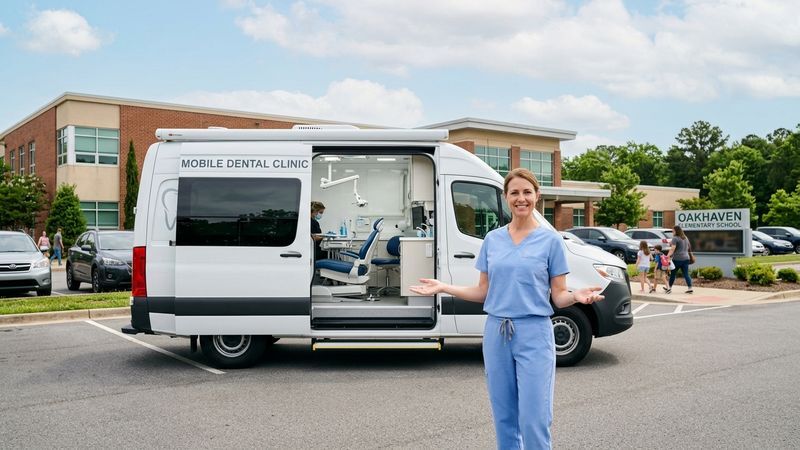
Vancouver's healthcare sector anchors around PeaceHealth Southwest Medical Center and a large network of independent medical, dental, and specialty practices. Physicians, dentists, optometrists, physical therapists, and behavioral health providers regularly access SBA loans and equipment financing for practice startup, expansion, and equipment upgrades.
Restaurants and Food Service
The Vancouver restaurant scene has grown substantially, with demand driven by the city's demographic growth and proximity to the Portland dining culture. Restaurant owners commonly use working capital loans and equipment financing to cover build-out costs, replace kitchen equipment, and manage seasonal cash flow.
Retail and E-Commerce
Retail businesses along Fourth Plain Boulevard, at Vancouver Mall, and in downtown Vancouver use inventory financing, lines of credit, and term loans to stock merchandise and fund expansion. E-commerce businesses based in Vancouver increasingly leverage working capital loans to fund inventory and fulfillment operations.
Transportation and Logistics
Vancouver's location as a Pacific Northwest transportation hub makes it a center for trucking companies, freight brokers, and logistics firms. These businesses frequently finance trucks, trailers, and fleet vehicles through commercial vehicle financing programs.
Professional Services
Accounting firms, law offices, marketing agencies, and consulting firms use lines of credit and working capital loans to bridge payroll gaps, fund new hires, and invest in technology upgrades that allow them to scale.
Vancouver, WA Business Lending Snapshot
Vancouver, WA Small Business Financing at a Glance (2026)
Loan Type Comparison: Vancouver Small Businesses
| Loan Type | Amount | Term | Speed | Credit Min |
|---|---|---|---|---|
| SBA 7(a) | Up to $5M | Up to 25 yr | 30-90 days | 650+ |
| Term Loan (Alt) | $10K - $500K | 3-60 mo | 24-72 hrs | 550+ |
| Line of Credit | $5K - $500K | Revolving | 2-5 days | 620+ |
| Equipment Financing | $5K - $5M | 24-84 mo | 1-5 days | 600+ |
| MCA | $5K - $500K | 3-18 mo | 24-48 hrs | 550+ |
Tips for a Stronger Business Loan Application in Vancouver
Vancouver lenders see hundreds of applications each month. Here is how to make yours stand out:
1. Know Your Numbers Before You Apply
Lenders will ask detailed questions about your revenue, expenses, profit margins, and existing debt obligations. Know your average monthly revenue for the past 6 to 12 months, your current monthly debt payments, and your approximate DSCR. Business owners who can answer these questions fluently signal financial sophistication to underwriters.
2. Separate Personal and Business Finances
Vancouver lenders want to see clean business bank statements with consistent deposits. If you are still running business income through personal accounts, open a dedicated business checking account immediately. Mixing finances raises red flags with underwriters and makes it harder to document your true revenue.
3. Build Business Credit Before You Need It
Establish trade lines with suppliers, open a business credit card, and ensure your business is listed with Dun & Bradstreet (DUNS number), Equifax Business, and Experian Business. A strong PAYDEX score of 75 or higher can significantly expand your financing options with Vancouver area lenders.
4. Have a Clear Use of Funds Statement
Lenders want to know exactly how you will use the money and how it will generate a return that supports repayment. "We need working capital" is vague. "We need $150,000 to hire two additional project managers to fulfill three new commercial construction contracts valued at $2.1 million" is compelling.
5. Consider Multiple Lenders
Do not limit yourself to one bank. Work with a lending partner like Crestmont Capital that can present your application to multiple lenders simultaneously, maximizing your odds of approval and helping you compare competing offers. According to Forbes, businesses that compare at least three loan offers save an average of 18% on total financing costs.
6. Address Credit Issues Proactively
If your credit has issues, explain them proactively in a letter of explanation. Lenders understand that businesses face challenges. A clear narrative about what happened and how the situation has been resolved is far better than leaving an underwriter to draw their own conclusions from credit report entries.
For more guidance on qualifying for a small business loan, our team works with Vancouver businesses of all sizes and credit profiles to find the right financing solution.
Vancouver Business Lending Trends in 2026
The Vancouver small business lending market in 2026 reflects several broader national trends:
- Alternative lenders continue to gain market share from traditional banks, particularly for loans under $250,000
- Digital application processes have compressed approval timelines from weeks to hours for many products
- Revenue-based financing is growing in popularity among e-commerce and subscription-based Vancouver businesses
- Equipment financing demand remains strong, particularly in construction, healthcare, and food service
- SBA loan volume in Washington State continues to grow year-over-year per CNBC reporting on small business lending trends
For deeper comparisons of loan types and strategies, see our guides on Small Business Loans in Washington State and Small Business Loans in Spokane, Washington for context on statewide lending patterns.
Looking for fast options? Our fast business loans and same-day business loans pages outline what's possible when time is critical.
Frequently Asked Questions: Small Business Loans in Vancouver, WA
What is the minimum credit score to get a business loan in Vancouver, WA?
The minimum credit score depends on the loan type and lender. SBA-preferred lenders in Vancouver typically require a 650+ personal FICO score. Traditional banks usually want 680 or higher. Alternative and online lenders can approve business loans with scores as low as 550 to 600, particularly for secured products like equipment financing or merchant cash advances. If your credit is below 600, focus on improving it for 3 to 6 months before applying, or explore bad credit business loans from specialized lenders.
How long does it take to get a business loan in Vancouver, Washington?
Approval and funding timelines vary significantly by product. Merchant cash advances and some alternative term loans can fund within 24 to 48 hours. Business lines of credit typically take 2 to 5 business days. SBA Express loans take up to 36 hours for an approval decision but may take 1 to 2 weeks to fund. Standard SBA 7(a) loans take 30 to 90 days from application to funding. Equipment financing with established lenders often funds in 2 to 5 business days.
Does Washington State's lack of income tax help when applying for business loans?
Yes, Washington State's absence of a state income tax can indirectly help your business loan application. When lenders calculate your debt service coverage ratio, they use your net operating income after all business expenses. Without a state income tax burden, your net income figures may look stronger compared to an identical business operating in a state with 5% to 10% income tax. This can tip a marginal DSCR above the lender's threshold and help qualify for better terms.
Can a Vancouver startup get a business loan?
Startups face more limited options than established businesses, but funding is available. SBA Microloans through nonprofit intermediaries serve startups needing up to $50,000. Some equipment lenders will finance a startup if the owner has good personal credit (680+) and industry experience. CDFIs like Craft3 serve startups with more flexible underwriting. Personal guarantees and collateral are almost always required for startup loans. Having a detailed business plan significantly improves your odds.
What are the best banks for small business loans in Vancouver, WA?
Major banks with Vancouver, WA presence include Chase, Bank of America, US Bank, Columbia Bank, Washington Trust Bank, and Banner Bank. These institutions offer SBA loans, term loans, and lines of credit for qualified borrowers. Community banks and credit unions like iQ Credit Union and Riverview Community Bank often provide more personalized service and flexibility for local businesses. For faster funding or more flexible qualification, national alternative lenders accessible through brokers like Crestmont Capital round out the options.
What types of collateral do Vancouver lenders accept?
Vancouver area lenders accept a range of collateral including commercial real estate, business-owned equipment and vehicles, accounts receivable, inventory, and sometimes personal real estate for owner-operators. SBA loans require collateral to be pledged to the extent it is available, though lack of collateral alone will not disqualify you. Equipment loans use the financed asset itself as primary collateral. Unsecured loans from alternative lenders require a personal guarantee in lieu of specific collateral.
How much can I borrow for a small business in Vancouver, WA?
Loan amounts depend on your revenue, cash flow, creditworthiness, and the loan type. A general rule of thumb is that lenders will approve up to 10% to 15% of your annual gross revenue as a term loan for general business purposes. SBA 7(a) loans go up to $5 million. Equipment financing has no hard ceiling, but is limited to the value of the asset being financed. For a business doing $500,000 per year in revenue with strong cash flow, loans of $50,000 to $150,000 are commonly attainable from alternative lenders.
Are there business grants available in Vancouver, Washington?
Yes, several grant programs exist for Vancouver small businesses. The Washington State Department of Commerce occasionally administers grants for small businesses meeting specific criteria, such as exporters, manufacturers, or businesses in underserved communities. The Small Business Innovation Research (SBIR) and Small Business Technology Transfer (STTR) programs fund tech-focused businesses. Additionally, Clark County's economic development organizations sometimes administer local grant and incentive programs. Grant funding is competitive and often industry-specific, so loans typically represent the more reliable and scalable funding source.
Can I use a business loan to buy commercial real estate in Vancouver?
Yes. SBA 504 loans are specifically designed for commercial real estate purchases, offering long terms (up to 25 years), fixed below-market rates on the CDC portion, and low down payments (as little as 10%). Conventional commercial real estate loans from banks are also available but typically require 20% to 30% down payments and shorter amortization periods. Commercial real estate in Vancouver has appreciated substantially, making owner-occupied real estate financing a strong strategic investment for many business owners.
What is the SBA loan process like for Vancouver businesses?
The SBA loan process involves several steps. First, you select a lender and complete their application, which includes business and personal financial statements, tax returns, and a business plan. The lender underwrites the loan and, if approved, submits it to the SBA for a guarantee. The SBA reviews the package and issues an authorization. Closing and funding follow. For SBA Preferred Lenders (those with delegated authority), SBA review happens in parallel, compressing the timeline. Total process: 30 to 90 days for standard 7(a), faster for Express loans.
Do I need a business plan to get a loan in Vancouver?
SBA loans and startup loans almost always require a business plan. For established businesses applying for working capital or equipment financing, a formal plan may not be required, but lenders will still want to understand your business model, market, and use of funds. Even when not formally required, having a clear narrative about your business and how you will use and repay the loan dramatically improves approval odds and can help you negotiate better terms.
How does a business line of credit work for a Vancouver business?
A business line of credit works like a credit card but typically with higher limits and lower rates. You are approved for a maximum credit limit (say, $100,000) and can draw funds as needed up to that amount. You pay interest only on what you have drawn, and as you repay, the funds become available again. Lines of credit are ideal for managing cash flow gaps between invoicing and payment, covering payroll during slow periods, or seizing short-term inventory or marketing opportunities.
What is the difference between a secured and unsecured business loan?
A secured business loan is backed by specific collateral, such as equipment, real estate, or accounts receivable. If you default, the lender can seize the collateral. Secured loans typically offer lower interest rates because the lender has reduced risk. Unsecured business loans are not backed by specific assets but almost always require a personal guarantee from the business owner. Because the lender bears more risk, unsecured loans carry higher rates. For Vancouver businesses, secured products like equipment financing and SBA 504 loans offer the best rates, while unsecured working capital loans from alternative lenders provide speed and flexibility.
Can I get a business loan with an LLC in Vancouver, WA?
Yes, LLCs are one of the most common business structures for small business loan applicants in Vancouver. Lenders will look at both the LLC's financial performance and the personal credit and financial position of members with 20% or greater ownership stake. The LLC structure provides personal liability protection, but lenders typically require personal guarantees from major owners for loans under approximately $1 million, effectively piercing the liability shield for loan repayment purposes.
What is the best loan option for a Vancouver construction company?
Vancouver construction companies benefit from several financing products. Equipment financing is ideal for acquiring excavators, loaders, concrete equipment, and trucks. A business line of credit helps manage the gap between project milestone payments and payroll obligations. SBA 7(a) loans work well for larger working capital needs or business acquisitions. Construction factoring or invoice financing unlocks cash tied up in completed but unpaid project invoices. Long-term business loans may be appropriate for major equipment purchases or facility investments. Most construction companies in Clark County benefit from having multiple financing tools available simultaneously.
Next Steps: Get Funded for Your Vancouver Business
Vancouver, Washington is a tremendous place to run a small business. The no-income-tax advantage, strong regional economy, and proximity to the Portland market create significant growth opportunities for entrepreneurs willing to invest in their operations. Here is what to do next:
- Assess your current financial position: Pull your last 6 months of business bank statements and calculate your average monthly revenue and net operating income.
- Check your credit: Review both your personal credit score and your business credit profile at Dun & Bradstreet, Equifax Business, and Experian Business.
- Identify the right loan type: Match your needs (equipment, working capital, real estate, startup) with the appropriate product.
- Gather your documents: Bank statements, tax returns, P&L, balance sheet, business license, and owner ID.
- Apply with Crestmont Capital: We work with Vancouver businesses across all industries and present your application to a network of lenders to maximize your approval odds and minimize your cost.
Disclaimer: The information in this article is provided for general educational purposes only and does not constitute financial, legal, or tax advice. Loan terms, rates, and availability vary based on individual circumstances and lender requirements. Always consult with a qualified financial advisor or lending professional before making financing decisions. Crestmont Capital is a commercial finance company, not a bank or SBA lender.

Allan Garfinkle
Allan Garfinkle is the Chief Revenue Officer at Crestmont Capital, where he has spent more than a decade leading revenue strategy, business development, and operational growth. With 28 years of experience building and advising startups and small businesses, Allan has helped more than 10,000 business owners navigate financing decisions, growth opportunities, and changing economic conditions. He earned a Bachelor of Science in Economics and an MBA with a concentration in Finance from Northeastern University, as well as a Juris Doctor from New England Law, where his studies focused on contracts and business law. His writing draws on extensive practical experience in small-business lending, equipment financing, business credit, and commercial finance.