
 (800) 949-0401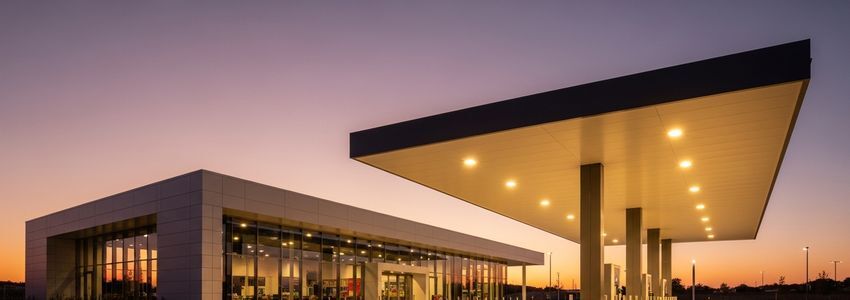
Service Station Equipment Financing: The Complete Guide for Station Owners
Running a profitable service station means keeping your equipment modern, reliable, and compliant - from fuel dispensers and underground storage tanks to vehicle lifts and point-of-sale systems. But upgrading or acquiring that equipment demands serious capital, and most station owners can't - or shouldn't - drain cash reserves to pay upfront. Service station equipment financing gives you a practical, affordable path to the gear you need without compromising your working capital or growth trajectory.
This guide covers every aspect of financing and leasing equipment for service stations and fuel retailers: how it works, what qualifies, which financing structure fits your situation, how to apply, and what to expect from lenders. Whether you're opening a new station, upgrading aging fuel dispensers, or adding a quick-serve food area, you'll find actionable guidance here.
In This Article
- What Is Service Station Equipment Financing?
- What Equipment Qualifies
- Financing vs. Leasing: Key Differences
- How the Process Works
- Types of Financing Options
- Key Benefits for Station Owners
- Service Station Financing at a Glance
- Who Qualifies
- Comparing Financing Options
- How Crestmont Capital Helps
- Real-World Scenarios
- Frequently Asked Questions
- How to Get Started
What Is Service Station Equipment Financing?
Service station equipment financing is a lending arrangement in which a lender provides capital specifically to purchase, upgrade, or install equipment used in the operation of a fuel retailer, convenience store, or automotive service business. The equipment itself typically serves as collateral, which means you don't need to pledge your building or personal assets to secure funds.
Unlike general business loans, equipment financing is structured around the asset's useful life. Loan or lease terms align with how long the equipment is expected to remain functional and profitable - usually three to seven years for most service station assets. This structure keeps monthly payments manageable relative to the income the equipment generates.
Leasing operates slightly differently: instead of owning the equipment outright, you pay to use it for a defined period. At term's end, you typically choose to buy the equipment at fair market or residual value, return it, or upgrade to newer models. This is especially advantageous for technology-driven equipment - like EMV-compliant payment terminals or automated fuel management systems - that becomes outdated within a few years.
Industry Context: According to the National Association of Convenience Stores (NACS), there are approximately 150,000 fuel retailing sites across the United States, the vast majority of which are small business operations. Capital access is consistently cited as a top barrier to equipment upgrades and compliance investments.
What Equipment Qualifies for Financing
Lenders that specialize in service station financing are familiar with the wide range of equipment these businesses require. Almost any tangible, depreciable asset used in daily operations can be financed. Here's a breakdown of common qualifying categories:
Fuel Dispensing and Storage
- Fuel dispensers and pump islands
- Underground storage tanks (USTs) and liners
- Vapor recovery systems
- Automatic tank gauging (ATG) systems
- Fuel management software and remote monitoring technology
- Canopy structures and lighting
Automotive Service Equipment
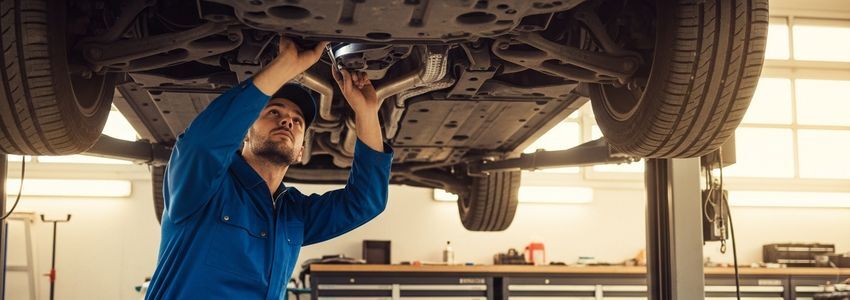
- Two-post and four-post vehicle lifts
- Tire changers and wheel balancers
- Air compressors and pneumatic tools
- OBD diagnostic scanners and computerized alignment systems
- Fluid exchange and oil change equipment
- Brake lathes and shop presses
Convenience Store and Car Wash Equipment
- Point-of-sale systems and EMV payment terminals
- Refrigeration units and cooler systems
- Automatic and self-serve car wash systems
- Vacuum stations and car wash chemicals dispensers
- Lottery terminals and kiosk equipment
- Security cameras and surveillance systems
Environmental Compliance Equipment
- Stage II vapor recovery upgrades
- Double-wall containment systems
- Spill buckets and overfill prevention devices
- Soil remediation equipment and related environmental tools
Pro Tip: Even equipment that is considered a "soft cost" - like installation labor, delivery, setup, and training - can often be rolled into the financed amount with the right lender. Ask Crestmont Capital about bundling these costs into a single, streamlined loan.
Financing vs. Leasing: Key Differences
Service station owners often ask whether they should finance or lease equipment. The right answer depends on your cash flow goals, how often equipment needs to be replaced, and whether you want ownership at the end of the term. Here's how the two options compare in practical terms:
Equipment Financing (Loan): You borrow funds to purchase the equipment outright. The lender holds a lien on the equipment as collateral. Monthly payments reduce your loan balance until the equipment is fully paid off and you hold free-and-clear title. This is optimal for durable assets with long service lives - like underground storage tanks, vehicle lifts, or car wash tunnels.
Equipment Leasing: The lender (lessor) owns the equipment; you pay to use it for a defined period. Operating leases keep the asset off your balance sheet and may offer full deductibility of payments as a business expense. Finance leases (also called capital leases) are more similar to ownership and appear as assets and liabilities on your books. Leasing is ideal for technology equipment like POS systems, ATG systems, or diagnostic tools that benefit from regular refreshes.
How the Process Works
The application and funding process for service station equipment financing is straightforward when you work with an experienced lender. Here's what to expect from start to funding:
Step 1 - Submit an Application: Provide basic business information, including time in business, annual revenue, and the type and approximate cost of equipment you need. Most lenders have a quick pre-qualification form that doesn't impact your credit score.
Step 2 - Document Review: Lenders typically request three to twelve months of bank statements, a copy of your business license or fuel retailer permit, and occasionally a federal tax return. Specialized equipment lenders familiar with the petroleum retail sector may require less documentation than banks.
Step 3 - Approval and Term Sheet: Once approved, you receive a term sheet outlining the loan or lease amount, interest rate or money factor, repayment term, and any fees. Review this carefully - pay attention to early payoff penalties and end-of-lease purchase options.
Step 4 - Equipment Selection and Vendor Payment: You select the equipment and vendor. The lender pays the vendor directly, or reimburses you if you've already purchased equipment recently. This protects both parties and keeps the transaction clean.
Step 5 - Repayment: Monthly payments begin, typically with the first payment due within 30 days. Payments are fixed and predictable, making cash flow planning straightforward.
Ready to Finance Your Station's Equipment?
Crestmont Capital specializes in equipment financing for service stations and fuel retailers. Get a fast decision with competitive rates.
Apply Now - Takes Minutes ->Types of Service Station Financing Options
Not all financing products are created equal. Depending on your credit profile, the age of your business, the equipment cost, and your cash flow priorities, different products will serve you better. Here's an overview of the most common options available to service station owners:
Equipment Term Loans
A straightforward loan secured by the equipment. Terms typically range from 24 to 84 months. These are best for large capital purchases like fuel dispensers, UST installations, or car wash systems where you intend to own and use the equipment for the long term. Rates are generally lower than unsecured working capital loans because the equipment serves as collateral.
Operating Leases
An operating lease is essentially a long-term rental. You use the equipment for a set period and return it (or purchase it) at the end. Monthly payments are typically lower than loan payments because you're not paying to own the full asset value. This is popular for EMV-compliant pump technology, POS systems, and digital signage - items that need regular refreshing.
Finance Leases (Capital Leases)
Structured similarly to a loan from an accounting perspective. You intend to own the equipment at the end of the term and can exercise a purchase option - often $1 or fair market value. Finance leases are on-balance-sheet and work well when you want the ownership benefits of a loan but need flexibility in the contract structure.
SBA 7(a) Loans
For larger equipment purchases - particularly major infrastructure investments like underground tank replacements - the SBA 7(a) loan can provide up to $5 million with longer repayment terms and competitive rates. The SBA guarantee reduces risk for lenders, often making these loans accessible to businesses that might not qualify for conventional financing. However, documentation and approval timelines are more extensive.
Business Lines of Credit
A business line of credit gives you revolving access to capital up to a set limit. You draw and repay as needed. This works well for purchasing supplies, covering emergency repairs, or handling smaller equipment additions without committing to a fixed-term loan. It's a flexible complement to equipment-specific financing.
Working Capital Loans
While not equipment-specific, working capital loans provide lump-sum capital that can be used for any business purpose - including equipment alongside operational expenses like payroll, fuel inventory, or marketing. These are often faster to fund than equipment loans and are useful when you need capital quickly.
Key Benefits of Equipment Financing for Service Stations
Service station operators have unique financial dynamics: high-volume, lower-margin fuel sales combined with higher-margin automotive services and convenience retail. Financing equipment delivers several advantages specifically aligned with these dynamics:
Preserve Working Capital
Paying cash for a $150,000 fuel dispenser island depletes reserves that could fund fuel inventory, payroll, or a slow season. Financing spreads that cost over years, so cash stays in your account and available for operations.
Upgrade Without Delay
Modern fuel dispensers with EMV chip readers, contactless pay, and digital signage attract customers and increase per-transaction value. Financing lets you upgrade now and pay from the revenue the equipment generates - rather than waiting until you've saved enough cash.
Stay Compliant Without Financial Strain
Environmental regulations for underground storage tanks, vapor recovery systems, and spill prevention change frequently. Equipment financing allows you to meet compliance mandates without a sudden capital shock.
Fixed, Predictable Payments
Equipment loan payments are fixed over the term, making it easy to build accurate P&L forecasts. Unlike variable-rate credit products, you know exactly what you'll pay each month.
Potential for 100% Financing
Many service station equipment lenders will finance the full cost of equipment - including soft costs like installation and training - with no down payment required for qualified borrowers. This is in sharp contrast to commercial real estate financing, which typically requires 20-30% equity.
Service Station Equipment Financing at a Glance
By the Numbers
Service Station Equipment Financing - Key Statistics
150K+
Fuel retail sites in the U.S. (NACS)
$500K+
Avg. equipment value at a full-service station
2-7 Yrs
Typical equipment financing term length
24-48hr
Typical approval time with Crestmont Capital
Who Qualifies for Service Station Equipment Financing
The qualification criteria for service station equipment financing are more flexible than most station owners expect - especially when working with specialty lenders like Crestmont Capital rather than traditional banks. Here's what lenders typically evaluate:
Time in Business
Most equipment lenders prefer businesses with at least one to two years of operating history. Startups and newer stations can still qualify, but may face higher rates or may need a larger down payment or personal guarantee. Franchise operators and stations with established brand affiliations often have easier access to capital.
Credit Profile
Equipment financing is more collateral-driven than unsecured lending, so lenders weigh the equipment's value heavily. Business owners with credit scores above 600 typically qualify for standard equipment financing. Those with lower scores may still qualify through bad credit equipment financing options, though at higher rates.
Revenue and Cash Flow
Lenders want to confirm that your monthly revenue is sufficient to cover loan payments with room to spare. Most look for a debt service coverage ratio (DSCR) of at least 1.25, meaning your monthly income exceeds your total debt obligations by 25% or more. Bank statements showing consistent fuel sales, car wash revenue, or convenience store income are the primary evidence lenders review.
Equipment Age and Type
New equipment is easier to finance because it holds predictable value as collateral. Used equipment can be financed, but lenders may cap the loan amount at a percentage of the equipment's appraised value and shorten the term. Equipment with a clear, documented value - like name-brand fuel dispensers or commercial vehicle lifts - is generally easier to finance than highly specialized or custom-built equipment.
Not Sure If You Qualify?
Our team reviews all applications individually. Even imperfect credit or shorter business history may not disqualify you. Apply in minutes and get a real answer fast.
Check Your Options ->Comparing Service Station Equipment Financing Options
| Option | Best For | Typical Term | Ownership at End | Speed to Fund |
|---|---|---|---|---|
| Equipment Loan | Long-life assets (USTs, lifts, car wash) | 3-7 years | Yes | 2-5 business days |
| Operating Lease | Tech equipment (POS, ATG, dispensers) | 2-5 years | Optional buyout | 3-7 business days |
| Finance Lease | Ownership intent, balance sheet flexibility | 3-7 years | Yes ($1 buyout) | 3-7 business days |
| SBA 7(a) Loan | Major infrastructure, UST replacements | 10-25 years | Yes | 30-90 days |
| Working Capital Loan | Mixed-use, smaller purchases, urgency | 6-24 months | N/A | Same day - 48 hours |
How Crestmont Capital Helps Service Station Owners
Crestmont Capital is a nationwide business lender rated #1 in the U.S. with a strong specialization in equipment financing across industries including petroleum retail and automotive services. Our team understands the operational realities of running a service station - the regulatory pressures, the high-ticket equipment, the thin margins on fuel, and the importance of keeping your station running without interruption.
Here's how we differ from traditional banks and commodity online lenders:
- Industry-specific knowledge: We know what fuel dispensers, UST systems, and car wash equipment cost, how they're valued, and how long they last. That means faster approvals and better-structured deals.
- Flexible qualification criteria: We work with station owners who have had credit challenges, newer businesses, and non-franchise operators who may face resistance from traditional lenders.
- Multiple product options: We can place your financing through our network of lenders to find the product that best fits your situation - whether that's a direct equipment loan, a lease, or a working capital product.
- Fast turnaround: Many applications receive a decision within 24-48 hours. Funding can follow within days, not weeks.
- Dedicated advisors: You work with a real person who understands your industry - not an algorithm and a call center.
We also offer commercial equipment financing for multi-station operators managing larger portfolios of equipment across multiple sites, as well as unsecured working capital loans for immediate operational needs.
Real-World Scenarios: When Station Owners Use Equipment Financing
Scenario 1: Fuel Dispenser Upgrade for EMV Compliance
A third-generation family-owned service station in the Midwest had 12-year-old fuel dispensers that no longer met EMV (chip-card) compliance requirements. Replacing all eight pump islands with modern dispensers carrying contactless pay, digital marketing screens, and real-time fuel management integration would cost $220,000. Rather than depleting their reserve fund - which they needed for a slow winter season - the owners financed the project over 60 months. Monthly payments fit comfortably within their operating cash flow, and the new pumps increased average transaction value by 15% within the first quarter.
Scenario 2: Car Wash System Addition
A busy highway service station saw consistent demand from commercial vehicles but had no on-site car wash to capture that revenue. Adding an automatic tunnel wash system with a 30-car-per-hour capacity required a $180,000 investment. The station owner used an equipment loan with a 72-month term. The wash generated enough additional monthly revenue to cover debt service within the first two months of operation, with the remaining income contributing directly to profit.
Scenario 3: Underground Storage Tank Replacement
A convenience store and fuel retailer in the Southeast was cited by state environmental regulators for a failing single-wall UST. Replacing two tanks with double-wall fiberglass systems including new fill equipment and ATG monitoring would cost $310,000. The owner combined a conventional equipment loan for most of the project with a small working capital draw to cover business disruption costs during the three-week installation. The financed approach preserved the owner's ability to continue hiring, stocking inventory, and marketing without interruption.
Scenario 4: Service Bay Expansion
A fuel and automotive service station wanted to expand from two service bays to four, adding two new two-post lifts, additional diagnostic equipment, and upgraded air compressor capacity. Total equipment cost: $68,000. Using an equipment lease, the owner kept monthly payments low, preserved ownership options at lease end, and put the expanded capacity to work immediately. The two new bays generated incremental revenue that more than offset the lease payment in the first full quarter.
Scenario 5: POS and Loyalty Technology Upgrade
A convenience store attached to a fuel station wanted to modernize its checkout experience with a new POS system, integrated loyalty program platform, and digital signage across the forecourt. The combined technology cost was $42,000. The owner used an operating lease to keep monthly costs low and retain the ability to upgrade to the next generation of POS technology at lease end - a smart move in a space where retail tech evolves quickly.
Scenario 6: Multi-Site Fleet Refresh
A regional operator running five service stations needed to replace fuel dispensers at three locations simultaneously. Doing it one station at a time would spread disruption over two years. Financing all three projects in a single transaction - totaling $480,000 - allowed simultaneous installation across all locations, with a single monthly payment and coordinated vendor contracts that reduced total installation costs.
Frequently Asked Questions
How to Get Started
Complete our quick application at offers.crestmontcapital.com/apply-now - takes just a few minutes. No commitment required.
A Crestmont Capital advisor with service station and petroleum retail experience will review your application and match you with the right financing product.
Receive your financing approval, sign your documents, and get your equipment order placed. Funding often arrives within days of approval.
Conclusion
Service station equipment financing is one of the most practical and accessible tools available to fuel retailers and automotive service operators. Whether you're replacing aging fuel dispensers, investing in a car wash system, meeting environmental compliance requirements, or building out a new service bay, the right financing structure allows you to act decisively without depleting the working capital your operation depends on.
The key is working with a lender who understands the petroleum retail industry - one who can evaluate your application in the context of real service station operations, not just generic credit metrics. Crestmont Capital brings that expertise, along with a flexible product suite and a streamlined process that gets station owners funded fast.
Don't let equipment constraints limit what your service station can achieve. Service station equipment financing puts the tools you need within reach - on a payment schedule designed to work with your business, not against it.
Finance Your Service Station Equipment Today
Fast approvals, competitive rates, and a team that understands the petroleum retail industry. Apply now and get a decision within 24-48 hours.
Apply Now ->Disclaimer: The information provided in this article is for general educational purposes only and is not financial, legal, or tax advice. Funding terms, qualifications, and product availability may vary and are subject to change without notice. Crestmont Capital does not guarantee approval, rates, or specific outcomes. For personalized information about your business funding options, contact our team directly.








