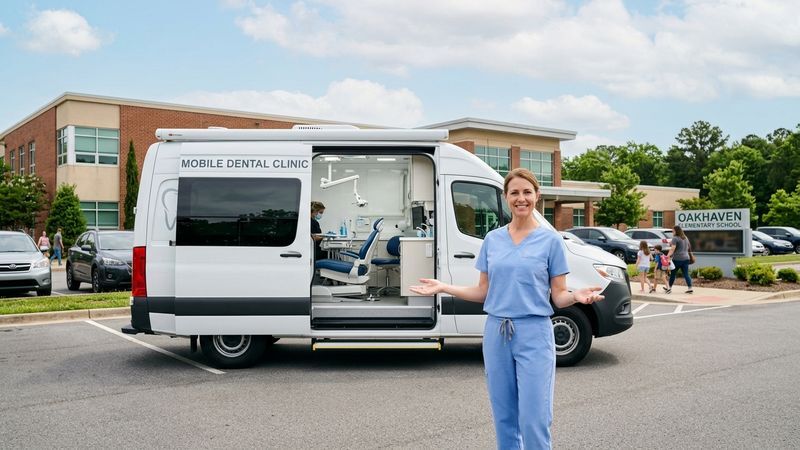
Securing an opening second location business loan is one of the most significant steps a growing company can take, and with the right financing strategy, it can transform a single thriving location into a scalable, multi-unit operation. Whether you run a retail store, restaurant, service business, or professional firm, expanding to multiple locations requires careful planning, sufficient capital, and a financing structure that supports both immediate costs and long-term growth. This guide covers everything business owners need to know about financing multi-location expansion in 2026.
In This Article
- Why Multi-Location Expansion Is a Strategic Opportunity
- Financing Options for Opening a Second Location
- SBA Loans for Multi-Location Growth
- Equipment and Real Estate Financing
- Using a Business Line of Credit for Expansion
- How Much Capital Do You Actually Need?
- How to Qualify for a Multi-Location Business Loan
- Expansion Financing: Key Numbers at a Glance
- Common Mistakes When Financing Multiple Locations
- Step-by-Step Financing Roadmap
- Frequently Asked Questions
- Next Steps
Why Multi-Location Expansion Is a Strategic Opportunity
The U.S. small business landscape rewards growth. According to the U.S. Census Bureau's Statistics of U.S. Businesses, firms with multiple locations consistently outperform single-location businesses in revenue growth and long-term survival rates. The reasons are straightforward: geographic diversification reduces concentration risk, multiple locations multiply brand visibility, and operational efficiencies from shared systems reduce per-unit overhead over time.
Despite the opportunity, expansion remains one of the most capital-intensive decisions a business owner faces. Labor costs, lease deposits, equipment purchases, inventory, and working capital for the ramp-up period can collectively require $100,000 to $500,000 or more depending on the industry. Without the right financing structure, even profitable businesses can find themselves cash-constrained at the worst possible moment.
That is why understanding your options for multi-location business financing before committing to a lease or purchase agreement is essential. The right loan structure can mean the difference between a smooth launch and a financial strain that threatens both your new and existing locations.
Key Insight
Businesses that plan their multi-location financing strategy 6-12 months before opening a new location are significantly more likely to qualify for favorable terms and avoid cash flow gaps during the launch phase.
Financing Options for Opening a Second Location
There is no single loan product that works for every multi-location expansion. The best financing approach often combines two or more products to cover different cost categories. Here is an overview of the primary options available to business owners in 2026.
Traditional Term Loans
A small business loan in the form of a traditional term loan provides a lump sum of capital that is repaid over a fixed period with regular payments. For multi-location expansion, term loans work well for large, one-time expenses such as leasehold improvements, furniture and fixtures, or acquiring an existing business location.
Term loans typically offer:
- Loan amounts from $50,000 to $5 million or more
- Repayment terms of 2 to 10 years (or longer with real estate)
- Fixed or variable interest rates depending on the lender and loan type
- Predictable monthly payments that simplify cash flow planning
For businesses with strong revenue history and good credit, term loans from banks or online lenders can be competitive. However, approval timelines at traditional banks can run 30 to 90 days, which can be a challenge when you have a lease commitment deadline.
Long-Term Business Loans
Long-term business loans are purpose-built for major capital expenditures and large-scale expansion. These loans typically carry repayment terms of 5 to 25 years, depending on how the funds are used, and are well-suited for purchasing real estate, undertaking major construction, or consolidating expansion debt across multiple projects.
The extended repayment term lowers monthly payment obligations, which is critical when a new location is still ramping up revenue. However, long-term loans generally require strong financials, collateral, and a detailed business plan demonstrating the viability of the expansion.
Fast Business Loans for Time-Sensitive Opportunities
Commercial real estate moves quickly, and so do franchise opportunities. When you find the right location and need to act fast, fast business loans can provide funding in as little as 24 to 72 hours. These loans typically come through alternative and online lenders who use technology-driven underwriting to compress the approval process.
While fast loans carry higher costs than traditional bank financing, the speed premium can be worth it when the alternative is losing a prime location to a competitor.
Pro Tip: Stack Your Financing
Many successful multi-location operators use a combination of a long-term loan for real estate or major build-out, an equipment loan for machinery and fixtures, and a line of credit for working capital. This "stacking" approach keeps each debt obligation tied to an appropriate repayment horizon.
SBA Loans for Multi-Location Growth
For many business owners, SBA loans represent the gold standard of small business financing. The U.S. Small Business Administration guarantees a portion of qualifying loans made through approved lenders, which allows those lenders to offer more competitive rates and longer repayment terms than conventional financing.
The two SBA programs most relevant to multi-location expansion are:
SBA 7(a) Loans
The SBA 7(a) loan is the most versatile small business loan program available. Loan amounts go up to $5 million, and funds can be used for working capital, equipment, inventory, leasehold improvements, and even acquisition of an existing business location. Repayment terms extend up to 10 years for most uses, or 25 years for real estate.
SBA 7(a) loans are particularly useful for opening a second location because they can cover the entire range of startup costs in a single loan structure.
SBA 504 Loans
The SBA 504 program is designed specifically for major fixed asset purchases, such as real estate acquisition or large equipment. If you plan to purchase the building for your new location rather than lease it, the SBA 504 program offers below-market fixed interest rates and up to $5.5 million in financing.
The 504 program involves three parties: a Certified Development Company (CDC), a conventional lender, and the borrower. The structure typically requires a 10% down payment from the business owner, making it more accessible than conventional commercial real estate loans that often require 20% to 30% down.
The trade-off with SBA loans is time. The application process can take 60 to 90 days or longer, and documentation requirements are extensive. If your expansion timeline is tight, you may need a bridge financing solution while your SBA application is processed.
Equipment and Real Estate Financing
Opening a second location almost always involves significant equipment purchases. Whether you are outfitting a commercial kitchen, installing manufacturing equipment, or furnishing a professional office, equipment financing allows you to acquire the assets you need without tying up working capital.
Equipment loans and leases use the equipment itself as collateral, which generally makes approval easier and faster than unsecured business loans. Key advantages include:
- Preservation of working capital: You keep your cash reserves for operations while financing the equipment over its useful life.
- Flexible structures: Choose between loans (ownership from day one) and leases (lower payments, options to upgrade or purchase at end of term).
- Faster approvals: Equipment loans often close in days rather than weeks because the collateral is clear and appraised.
- Aligned costs: Equipment financing terms typically match the useful life of the asset, preventing you from paying off a five-year asset in two years.
For real estate, commercial mortgage products are the primary vehicle. If you are purchasing the property, a conventional commercial mortgage or SBA 504 loan will likely be your best options. If you are leasing, your primary capital needs shift to tenant improvement (TI) allowances, security deposits, and build-out costs, which are better suited to term loans or lines of credit.
Ready to Finance Your Next Location?
Crestmont Capital specializes in helping multi-location businesses secure the right financing, fast. Get a decision in as little as 24 hours.
Apply Now - It Takes 5 MinutesUsing a Business Line of Credit for Expansion
A business line of credit is one of the most flexible tools in a multi-location operator's financing arsenal. Unlike a term loan that delivers a lump sum, a line of credit gives you access to a revolving pool of capital that you draw from as needed and repay on a rolling basis.
For multi-location expansion, a line of credit serves several important functions:
Managing working capital gaps: New locations rarely hit break-even immediately. During the ramp-up period, you may need to cover payroll, inventory replenishment, and operating costs before revenue catches up. A line of credit bridges this gap without requiring you to take on a fixed loan payment for temporary needs.
Handling unexpected costs: Construction projects run over budget. Equipment deliveries get delayed. A line of credit provides a safety net for cost overruns without disrupting your primary financing structure.
Staying agile: If a second opportunity appears before your first expansion is fully stabilized, a line of credit allows you to move quickly without applying for a new loan.
Lines of credit are typically best for businesses with at least one year of operating history, stable revenue, and a demonstrated ability to manage revolving debt. Credit limits typically range from $25,000 to $500,000 or more, depending on your business's financial profile.
How Much Capital Do You Actually Need?
One of the most common mistakes in multi-location expansion is underestimating the total capital required. Business owners often budget for the obvious costs while overlooking the less visible but equally important expenses. Here is a breakdown of cost categories to account for when planning your expansion budget.
Pre-Opening Costs
- Real estate: Security deposit (typically 2-3 months rent), first and last month, and broker fees if applicable
- Leasehold improvements: Construction, HVAC modifications, electrical, plumbing, and cosmetic work not covered by landlord TI allowance
- Equipment and fixtures: Industry-specific equipment, furniture, point-of-sale systems, technology infrastructure
- Permits and licenses: Building permits, business licenses, health department approvals, and any industry-specific certifications
- Inventory: Initial stock to open at full capacity, typically 30 to 60 days of projected sales
Operating Reserve
- Working capital: Most lenders and advisors recommend 3 to 6 months of projected operating expenses in reserve before opening
- Staffing: Recruitment, training, and initial payroll before revenue stabilizes
- Marketing: Grand opening campaign, local advertising, and digital marketing investment to build awareness in the new market
Contingency
- Budget overruns: Construction projects regularly run 10% to 20% over initial estimates
- Slower-than-expected ramp: If revenue takes longer to build, you need reserves to cover the extended ramp period
When all categories are included, total capital requirements for opening a second location typically range from $75,000 for a service business operating from a leased office to over $1 million for a full-service restaurant or specialty retail operation.
How to Qualify for a Multi-Location Business Loan
Lenders evaluate multi-location expansion loans through the lens of risk. The key question they are trying to answer is: does this business have the financial strength, management capacity, and market opportunity to successfully operate a second location without compromising the first? Here is how to position your business for approval.
Financial Documentation
Prepare to provide:
- 2-3 years of business tax returns
- Year-to-date profit and loss statement
- Current balance sheet
- 3-6 months of business bank statements
- Personal financial statements for all owners with 20% or greater ownership
Credit Profile
Most conventional lenders look for a business credit score of 680 or higher on the owner's personal credit. SBA loans and some alternative lenders may approve borrowers with scores in the 620 to 650 range, while hard-money commercial lenders may go lower in exchange for higher rates and stronger collateral.
If your credit score needs improvement, focus on paying down revolving balances, resolving any outstanding collections, and ensuring all existing debts are current before applying.
Revenue and Cash Flow
Lenders want to see that your existing location generates sufficient cash flow to service the new debt while covering existing obligations. The debt service coverage ratio (DSCR) is a key metric: most lenders require a DSCR of at least 1.25, meaning your business generates $1.25 in income for every $1.00 of debt payment.
Business Plan for the New Location
For larger loans, especially SBA loans, a formal business plan for the new location is typically required. This should include projected revenue and expenses for the first 24 months, a description of the target market, a competitive analysis, and an explanation of your management and staffing plan. According to Forbes, lenders place particular emphasis on demonstrating that your management team has the capacity to oversee multiple locations simultaneously.
Expansion Financing: Key Numbers at a Glance
Multi-Location Business Expansion: What the Numbers Show
$250K
Average capital required to open a second retail or restaurant location
68%
Of multi-location businesses use some form of outside financing for expansion
1.25x
Minimum DSCR most lenders require before approving an expansion loan
6-12
Months advance planning recommended before submitting a multi-location loan application
$5M
Maximum SBA 7(a) loan amount available for expansion projects
24-72h
Typical funding timeline for fast business loans from alternative lenders
Common Mistakes When Financing Multiple Locations
Even experienced business owners make costly mistakes when financing expansion. Understanding what to avoid is as important as knowing what to pursue.
Mistake 1: Undercapitalizing the Launch
Borrowing just enough to open the doors is a recipe for trouble. If your new location takes longer than expected to reach profitability (and most do), you will need to tap your existing location's cash flow or emergency credit to cover the gap. Build adequate working capital reserves into your loan request from the start.
Mistake 2: Ignoring the Impact on Existing Operations
Expansion financing adds debt to your balance sheet. If the new location underperforms, that debt still needs to be serviced. Model out a downside scenario where the new location generates 50% to 60% of projected revenue in year one and confirm that your business can still service all debt obligations without crisis.
Mistake 3: Moving Too Quickly Between Locations
Some business owners open a second location before the first has fully stabilized. This compounds risk significantly. As a general rule, your original location should be generating consistent profit for at least 18 to 24 months before you commit capital to expansion. According to CNBC, businesses that rush expansion often find that both locations suffer as management attention and capital are stretched thin.
Mistake 4: Choosing the Wrong Financing Structure
Using a short-term loan to fund long-term assets creates a cash flow mismatch. If you borrow on a two-year term to fund leasehold improvements that will take five years to generate their full return, you will be refinancing under pressure. Match the repayment horizon to the asset's productive life.
Mistake 5: Overlooking Lender Fees and Costs
The interest rate is only one component of the true cost of a loan. Origination fees, prepayment penalties, annual fees on lines of credit, and closing costs can meaningfully increase the effective cost of financing. Always compare loans on an annual percentage rate (APR) or total cost basis, not just the stated interest rate.
Get Expert Guidance on Your Expansion Financing
Our team at Crestmont Capital has helped thousands of business owners navigate the financing process for multi-location expansion. Talk to a specialist today.
Start Your ApplicationStep-by-Step Financing Roadmap for Multi-Location Expansion
The following roadmap gives business owners a structured approach to securing financing for a second or subsequent location. For more on the overall second-location process, see our detailed guide on using a small business loan to open a second location.
Step 1: Validate the Opportunity (6-12 Months Before Opening)
Before approaching any lender, confirm that the market opportunity for your new location is real. Conduct customer surveys in the target area, analyze local competition, review demographic data from the Census Bureau, and model out realistic revenue projections. Lenders will scrutinize these assumptions closely.
Step 2: Assess Your Current Financial Position
Pull your business credit reports from Dun and Bradstreet, Experian Business, and Equifax Business. Review your personal credit score. Calculate your current DSCR. Identify any weaknesses in your financial profile and address them before applying.
Step 3: Develop a Detailed Expansion Budget
Build a comprehensive budget that covers all cost categories discussed earlier: pre-opening costs, operating reserves, contingency, and working capital. Be conservative with revenue projections and conservative with cost estimates. Lenders respect realism.
Step 4: Choose Your Financing Structure
Based on your budget, timeline, and financial profile, identify the loan products that best fit your needs. Consider consulting a financial advisor or a business financing specialist who can help you evaluate the trade-offs between different products. Our article on the top reasons to pursue a business expansion loan provides additional context for this decision.
Step 5: Prepare Your Loan Application Package
Assemble all required documentation: tax returns, financial statements, bank statements, business plan, lease agreements or letters of intent, and personal financial information. Organize everything clearly before submitting to reduce back-and-forth with the lender.
Step 6: Submit Applications Strategically
If you are applying to multiple lenders, do so within a compressed window of 14 to 30 days to minimize the credit inquiry impact on your personal credit score. Rate shopping within a short window is typically treated as a single inquiry by the major credit bureaus.
Step 7: Evaluate Offers and Negotiate Terms
Do not accept the first offer without comparing alternatives. Key terms to negotiate include interest rate, repayment term, origination fee, prepayment penalty, and covenants (conditions the lender requires you to maintain). A small improvement in rate or term can save thousands over the life of a large loan.
Step 8: Close, Deploy Capital, and Track Performance
Once funded, deploy capital according to your budget and establish monthly financial reporting for the new location separate from your existing operations. Track revenue, expenses, and cash flow against projections. If the location is trending below plan, identify and address the issue early before it becomes a financial crisis.

Industry-Specific Considerations for Multi-Location Financing
While the financing fundamentals apply across industries, specific sectors have unique considerations that affect both the capital requirements and the most suitable loan products.
Restaurants and Food Service
Restaurant expansion is among the most capital-intensive categories, with build-out costs that can exceed $300 per square foot in high-cost markets. Equipment financing for commercial kitchens, combined with an SBA 7(a) or long-term term loan for construction, is typically the most efficient structure. Franchisees may have additional financing options through their franchisor's preferred lender network.
Retail
Retail expansion requires substantial inventory investment in addition to build-out and fixture costs. A combination of a term loan for capital expenditures and a line of credit for inventory management is often optimal. Multi-location retailers also benefit from negotiating volume discounts with suppliers, which can reduce the per-unit inventory cost as the chain grows.
Professional Services
Law firms, accounting practices, medical offices, and other professional service businesses typically have lower capital requirements for opening new locations since their primary asset is intellectual capital. However, regulatory requirements, licensing, and the cost of recruiting qualified professionals can be significant. Term loans and lines of credit are usually sufficient for professional service expansion.
Healthcare and Medical Practices
Medical and dental practices require substantial equipment investment (imaging equipment, examination rooms, specialized instrumentation) and often face complex licensing and credentialing timelines. Equipment financing combined with SBA loans is a common structure, and some lenders specialize specifically in healthcare practice acquisition and expansion financing.
Manufacturing and Light Industrial
Manufacturing expansion often involves significant facility and equipment investment. Equipment financing for machinery combined with commercial real estate financing (SBA 504 or conventional mortgage) is the typical structure. Manufacturers should also budget for the cost of replicating their operational systems, quality control processes, and supply chain relationships at the new facility.
Building Systems That Support Multi-Location Operations
Financing is the enabler of multi-location growth, but operational systems determine whether that growth is profitable. Many businesses discover that the operational challenges of managing multiple locations are as demanding as the financial ones.
Successful multi-location operators invest early in:
- Centralized financial reporting: Real-time visibility into each location's revenue, expenses, and cash flow is essential for managing multi-unit operations. Cloud-based accounting platforms make this feasible even for small businesses.
- Standardized operating procedures: Document every process at your original location before opening the second. Operational consistency is the foundation of scalable growth and directly impacts customer experience, employee training, and cost control.
- Centralized purchasing and vendor management: As you add locations, your purchasing volume increases, creating leverage to negotiate better pricing with suppliers. Centralize purchasing to capture these savings systematically.
- Technology infrastructure: Point-of-sale systems, inventory management software, HR platforms, and communication tools that work across locations reduce administrative overhead and give management better operational visibility.
- Management development: You cannot be in two places at once. Developing strong location managers who can operate independently within your standards is one of the most important investments a multi-location operator can make.
Building these systems before you open your second location is significantly easier than retrofitting them across multiple operating units under pressure. Use the period between committing to expansion and opening day to document, systematize, and prepare your organization for multi-unit operations.
Finance Your Expansion with Confidence
Crestmont Capital is rated #1 in the country for business lending. Let us help you find the right financing to scale your business to multiple locations.
Apply for Expansion FinancingFrequently Asked Questions
What is the minimum credit score needed for an opening second location business loan?
Most conventional lenders look for a personal credit score of 680 or higher. SBA loan programs may approve applicants with scores as low as 620 to 650. Alternative and online lenders sometimes work with scores in the 600 range but typically charge higher rates to compensate for the additional risk. Improving your credit score before applying will almost always result in better loan terms.
How long does my business need to be operating before I can qualify for expansion financing?
Most lenders require at least 2 years of operating history for traditional term loans and SBA loans. Some alternative lenders will work with businesses that have as little as 6 to 12 months of history, though with more restrictive terms. Regardless of lender requirements, most business advisors recommend that your existing location be profitable and stable for at least 18 to 24 months before committing to expansion.
Can I use an SBA loan to open a second location?
Yes. SBA 7(a) loans are commonly used to finance second and subsequent location openings. Eligible uses include leasehold improvements, equipment, inventory, working capital, and in some cases, the purchase of real estate. The SBA 504 program is available specifically for real estate acquisition and large equipment purchases related to the expansion.
How much does it typically cost to open a second business location?
Costs vary significantly by industry. A service business operating from a leased office might need $75,000 to $150,000 total. A retail store typically requires $150,000 to $350,000. A restaurant or food service operation can range from $250,000 to over $750,000 depending on size and market. In all cases, budget for a 10-20% contingency above your initial estimate, plus 3-6 months of operating expenses in reserve.
What is a debt service coverage ratio and why does it matter for expansion loans?
The debt service coverage ratio (DSCR) measures how much income your business generates relative to its debt obligations. A DSCR of 1.25 means you earn $1.25 for every $1.00 of debt payment, providing a 25% cushion. Most conventional and SBA lenders require a DSCR of at least 1.25 before approving expansion financing. If your current DSCR is below this threshold, focus on improving profitability or reducing existing debt before applying.
Is equipment financing available for a new business location?
Yes. Equipment financing is available for equipment purchases at a new location, and approval is often faster and easier than unsecured loans because the equipment serves as collateral. Most lenders will finance 80% to 100% of the equipment's value. Equipment loans and leases are available for a wide range of business types including restaurants, medical practices, manufacturers, and retailers.
How long does it take to get approved for a multi-location expansion loan?
Timelines vary significantly by lender and loan type. Alternative online lenders can often provide decisions in 24 to 72 hours and fund within a week. Conventional bank loans typically take 2 to 4 weeks. SBA loans generally require 60 to 90 days or more from application to funding. If your expansion timeline is tight, factor in the approval and funding timeline when choosing a lender.
Can I borrow against my existing location to fund a new one?
Yes, in some cases. If you own the real estate at your existing location, you may be able to take out a commercial equity loan or refinance to access equity for expansion capital. If you have equipment with remaining value, some lenders will offer equipment equity loans. However, using your existing location's assets as collateral for a new location carries risk - if the new location fails, your existing operations could be affected. Consult with a financial advisor before pledging existing location assets.
What documents do I need to apply for an expansion business loan?
Typical documentation requirements include: 2-3 years of business tax returns, year-to-date profit and loss statement, current balance sheet, 3-6 months of business bank statements, personal tax returns for all owners with 20% or greater ownership, personal financial statements, and a business plan for the new location. For SBA loans, additional forms and documentation specific to the program are also required. Online and alternative lenders often have simpler documentation requirements.
Should I open a separate LLC for each business location?
Whether to operate each location as a separate legal entity is a legal and business strategy question that you should discuss with a qualified attorney. Some operators create separate LLCs for each location to limit liability exposure, while others operate all locations under a single entity for simplicity. There are trade-offs either way that affect financing, liability, and operations. This article does not provide legal advice, and you should consult with a licensed attorney for guidance specific to your situation.
What is the difference between a business line of credit and a term loan for expansion?
A term loan provides a lump sum upfront and is repaid with fixed payments over a set period. It works best for large, defined capital expenditures like build-out or equipment. A line of credit provides revolving access to capital up to a set limit - you draw what you need, repay it, and draw again. Lines of credit work best for working capital management, bridging cash flow gaps, and handling unpredictable expenses. Many expanding businesses use both: a term loan for capital expenditures and a line of credit for operational flexibility.
Can a franchise owner get financing to open additional franchise locations?
Yes. Franchisees have access to the same loan products as independent business owners, and many franchise systems have negotiated relationships with preferred lenders who are familiar with the brand and its financial performance. SBA loans are widely used in franchising. Some lenders also offer multi-unit franchise development financing designed specifically for franchisees who are opening several locations under a development agreement.
How do lenders evaluate the new location when it has no revenue history?
Since the new location has no operating history, lenders rely primarily on the performance of your existing locations, the quality of your business plan and financial projections, comparable data from similar businesses in similar markets, and your management team's track record. Strong performance at your existing location is the most powerful proof point for a lender evaluating your capacity to successfully operate a second one.
Are there grants available for multi-location business expansion?
Business grants for expansion are available but competitive and often targeted to specific industries, demographics, or geographies. The SBA and state economic development agencies offer some grant programs, particularly for manufacturers, rural businesses, and businesses creating jobs in underserved communities. Private foundations and industry associations also offer grants in some sectors. Grants rarely cover the full cost of expansion and are better thought of as a supplement to, rather than a replacement for, debt financing.
How can Crestmont Capital help with my multi-location expansion financing?
Crestmont Capital is rated #1 in the country for business lending and specializes in helping business owners find the right financing for growth and expansion. Our team can evaluate your specific situation, identify the most suitable loan products from our broad network of lending partners, and guide you through the application process. We offer fast decisions, competitive terms, and dedicated support throughout the funding process. Apply online in as little as 5 minutes at offers.crestmontcapital.com.
Next Steps: Start Your Multi-Location Expansion
- Validate your target market and confirm the business case for a second location
- Pull your business and personal credit reports and address any issues
- Build a detailed expansion budget including working capital reserves and contingency
- Review your financing options: SBA loans, term loans, equipment financing, and lines of credit
- Prepare your financial documentation and business plan for the new location
- Apply with Crestmont Capital to explore your financing options with no obligation
Disclaimer: The information provided in this article is for general educational purposes only and is not financial, legal, or tax advice. Funding terms, qualifications, and product availability may vary and are subject to change without notice. Crestmont Capital does not guarantee approval, rates, or specific outcomes. For personalized information about your business funding options, contact our team directly.