Securing the right recreation center business loans is a critical step for owners looking to upgrade their facilities, expand their programs, or manage operational costs effectively. As community hubs that promote health, wellness, and social connection, recreation centers require consistent investment to meet the evolving needs of their members. This comprehensive guide will walk you through every aspect of rec center financing, from understanding the available loan types to navigating the application process and putting your capital to work.
In This Article
- What Are Recreation Center Business Loans?
- Key Benefits of Financing
- How Recreation Center Financing Works
- Types of Financing Available
- Who Qualifies for Financing?
- How Crestmont Capital Helps
- Real-World Scenarios
- Comparing Financing Options
- How to Apply for a Loan
- Frequently Asked Questions
- How to Get Started
- Conclusion
What Are Recreation Center Business Loans?
Recreation center business loans are a category of commercial financing specifically designed to meet the unique capital needs of facilities dedicated to fitness, sports, community activities, and leisure. Unlike generic business loans, these financial products are often structured with an understanding of the specific challenges and opportunities within the recreation industry, such as seasonal revenue streams, high equipment costs, and the need for continuous facility maintenance and upgrades. This type of funding is not a one-size-fits-all solution; it encompasses a variety of loan types that can be used for a wide range of purposes.
The primary function of these loans is to provide the necessary capital to launch, operate, and grow a recreation facility. For a new venture, this might mean securing funds for construction, initial equipment purchases, and marketing to attract the first wave of members. For an established center, it could involve financing a major renovation, expanding the building to add new amenities, or purchasing the latest generation of fitness technology to stay competitive. These loans are essential tools for ensuring a center remains safe, modern, and appealing to its community.
A broad spectrum of facilities can qualify for and benefit from this specialized financing. The term "recreation center" is an umbrella that covers many different types of businesses, each with its own financial profile. These include:
- Community Centers: Often municipally or non-profit-run, these centers may need funding for facility repairs, program expansions for different age groups (e.g., senior activities, youth sports), or accessibility upgrades to better serve the public.
- Sports Complexes: These large-scale facilities, which may feature indoor turf fields, basketball courts, ice rinks, or swimming pools, require significant capital for maintenance, energy costs, and specialized equipment. Sports complex business loans can help fund everything from a new HVAC system to a Zamboni for the ice rink.
- Fitness Centers and Gyms: Private gyms need constant investment in new cardio and strength-training equipment, modern locker rooms, and group fitness studios. A detailed gym financing guide can provide more specific insights for these businesses.
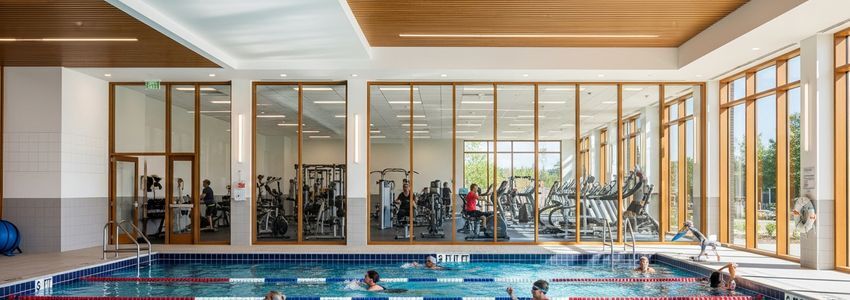
- Aquatic Centers and Pools: These facilities face high costs related to water treatment systems, pool liner repairs, safety equipment, and seasonal staffing.
- Youth Clubs (e.g., Boys & Girls Clubs): Non-profit organizations often seek community center loans to fund educational programs, upgrade computer labs, or renovate activity spaces.
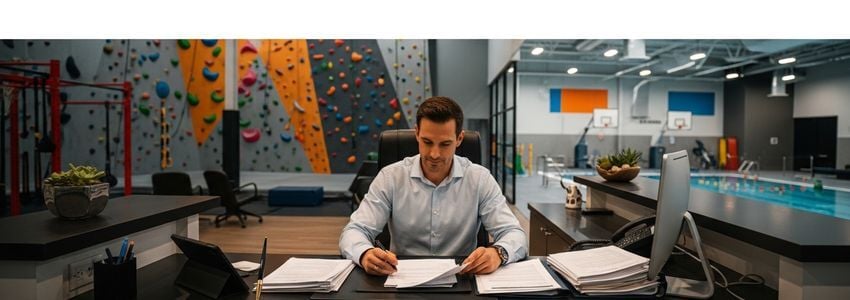
- Specialty Recreation Facilities: This includes a growing number of niche businesses like indoor rock climbing gyms, trampoline parks, yoga studios, and indoor sports training centers. Each has unique equipment and facility needs that can be met with targeted financing.
Ultimately, rec center financing provides the financial backbone that allows these vital community assets to thrive. It empowers owners and managers to make strategic investments that enhance member experience, improve operational efficiency, and ensure long-term sustainability.
Key Benefits of Financing Your Recreation Center
Securing external financing for your recreation center is more than just a way to cover expenses; it is a strategic business decision that can unlock significant growth and operational improvements. By leveraging capital, you can make proactive investments that directly impact your facility's appeal, efficiency, and long-term viability. Here are some of the key benefits of using recreation center business loans:
- Upgrade and Modernize Your Facility: A clean, modern, and well-maintained facility is crucial for attracting and retaining members. Financing allows you to undertake significant renovation projects-such as updating locker rooms, resurfacing courts, improving lighting, or creating more welcoming social spaces-without depleting your cash reserves. These upgrades enhance the member experience and show your community that you are invested in providing a top-tier environment.
- Purchase State-of-the-Art Equipment: The fitness and recreation industry is constantly evolving with new technology and equipment. Outdated or broken machines are not only a turn-off for members but can also be a safety hazard. Financing enables you to purchase or lease the latest cardio machines, strength-training equipment, pool filtration systems, or sports-specific gear, helping you stay competitive and meet member expectations.
- Expand Your Services and Programs: Growth often requires physical expansion. A loan can provide the capital needed to add a new wing, build an outdoor pool, add more tennis courts, or create dedicated studios for popular classes like yoga or cycling. This allows you to serve more members and introduce new revenue streams, increasing your center's overall profitability.
- Improve Cash Flow Management: Many recreation centers experience seasonal fluctuations in revenue. Membership sales might peak in January and dip in the summer. A business line of credit or a working capital loan can provide a crucial buffer during slower months, ensuring you can consistently cover payroll, utilities, and other fixed costs without stress.
- Invest in Marketing and Community Outreach: You can have the best facility in the region, but it won't succeed if people don't know about it. Financing can be allocated to strategic marketing campaigns, a redesigned website, or community events to boost brand awareness, drive membership sales, and solidify your center's role as a community pillar.
- Gain a Competitive Edge: In a crowded market, financing gives you the power to differentiate your facility. Whether it's by offering amenities your competitors lack, having the newest equipment, or providing a cleaner and more modern space, these investments help you stand out and become the preferred choice for health and wellness in your area.
Ready to Fund Your Recreation Center?
Get a free, no-obligation quote and see your funding options in minutes.
Apply Now →How Recreation Center Financing Works
The process of securing rec center financing can seem complex, but it generally follows a logical sequence of steps from identifying a need to receiving funds. While the specifics can vary between lenders-for example, a traditional bank's process will be more lengthy and document-intensive than an alternative lender's-the core framework remains consistent. Understanding this workflow helps you prepare effectively and navigate the journey with confidence.
The process begins internally with a thorough Assessment of Needs. Before approaching any lender, you must have a crystal-clear understanding of why you need the capital and exactly how much is required. Are you looking to purchase a specific list of cardio machines? The cost will be precise. Are you planning a major renovation? You'll need detailed quotes from contractors. This step involves creating a budget, projecting the return on investment, and defining the project scope. A well-defined need is the foundation of a strong loan application.
Next comes Lender Selection and Application. You will research different types of lenders, including traditional banks, credit unions, SBA-approved lenders, and alternative financing companies like Crestmont Capital. Each has its own pros and cons regarding speed, interest rates, and qualification criteria. Once you've identified potential partners, you will complete their application. Modern lenders offer streamlined online applications that can be finished in minutes, while banks may require in-person appointments and extensive paperwork.
After you submit your application, it enters the Underwriting and Review phase. This is where the lender's team assesses the financial health and risk profile of your recreation center. They will analyze your business bank statements to verify revenue, review your credit history, and evaluate your time in business. For larger loans or construction projects, they may also require a detailed business plan, financial projections, and information about your personal finances. The goal of underwriting is to ensure your business has the capacity to repay the loan.
If your application meets the lender's criteria, you will receive a Loan Offer and Approval. This is not just a simple "yes" or "no." The lender will present you with one or more financing options, each detailing the loan amount, interest rate, repayment term, and any associated fees. It is crucial to review these offers carefully to ensure the terms align with your business's financial strategy. A dedicated funding specialist can help you understand the nuances of each option.
The final step is Funding. Once you have selected an offer and signed the loan agreement, the lender will disburse the funds. With alternative lenders, this process can be incredibly fast, with capital often deposited directly into your business bank account in as little as 24 hours. For SBA loans or complex bank loans, the funding process can take several weeks. Once funded, you can begin executing your project, whether it's ordering new equipment or breaking ground on an expansion.
Quick Guide
How Recreation Center Financing Works - At a Glance
Types of Financing Available for Recreation Centers
Recreation center owners have access to a diverse range of financing products, each suited for different needs, timelines, and financial situations. Choosing the right type of loan is just as important as choosing the right lender. Understanding the structure, use cases, and benefits of each option will empower you to make the most strategic financial decision for your facility. Here are the most common types of financing for recreation and community centers:
Term Loans
A term loan is what most people picture when they think of a business loan. You borrow a lump sum of capital upfront and repay it, plus interest, over a predetermined period (the "term") through regular fixed installments. Terms can range from a few months to 10 years or more. These loans are ideal for large, specific, one-time investments where the total cost is known in advance.
- Best For: Major facility renovations, building expansions, purchasing another recreation center, or refinancing existing debt.
- Pros: Predictable, fixed monthly payments make budgeting easy. Can often secure larger amounts of capital than other loan types.
- Cons: May require a strong credit history and significant documentation. The application and funding process can be slower, especially with traditional banks.
Equipment Financing
This is a specialized type of loan designed specifically for the purchase of new or used equipment. The loan is secured by the asset you are purchasing, meaning the equipment itself serves as collateral. This often makes equipment financing options easier to qualify for than unsecured loans. For a recreation center, this could cover everything from a set of treadmills to a new HVAC system or specialized flooring for a basketball court.
- Best For: Acquiring fitness machines, pool pumps, computer systems, security cameras, commercial laundry machines, or sports-specific gear.
- Pros: High approval rates, as the loan is secured. Preserves working capital for other business needs. Often allows for 100% financing of the equipment cost.
- Cons: Funds can only be used for the specified equipment purchase.
Business Lines of Credit
A business line of credit operates similarly to a credit card. You are approved for a maximum credit limit and can draw funds as needed, up to that limit. You only pay interest on the amount you have drawn. As you repay the principal, your available credit is replenished. This provides incredible flexibility for managing ongoing or unexpected expenses.
- Best For: Managing seasonal cash flow gaps, covering unexpected repairs (e.g., a broken boiler in winter), purchasing inventory like towels or concessions, or funding small, recurring marketing initiatives.
- Pros: Extreme flexibility-use funds when you need them. You only pay for what you use. Provides a ready source of capital for emergencies.
- Cons: Interest rates can be variable. May have lower borrowing limits compared to term loans.
SBA Loans
SBA loans are partially guaranteed by the U.S. Small Business Administration, which reduces the risk for lenders. This allows them to offer favorable terms, including long repayment periods and low interest rates. The most common types are the SBA 7(a) loan, used for general business purposes, and the SBA 504 loan, used for major fixed assets like real estate or large equipment. These are often considered the "gold standard" of business loans.
- Best For: Purchasing commercial real estate for your facility, major construction or expansion projects, and acquiring large amounts of capital with long repayment terms.
- Pros: Excellent interest rates and long terms, leading to lower monthly payments. High borrowing limits.
- Cons: The application process is notoriously long and complex, often taking several months. The qualification criteria are very strict, requiring excellent credit and extensive documentation. You can find more information directly on the SBA's official website.
Working Capital Loans
These are short-term working capital loans designed to cover day-to-day operational expenses rather than long-term assets. They provide a quick infusion of cash to bridge revenue gaps, make payroll, or seize a time-sensitive opportunity. The focus is on speed and accessibility, making them a popular choice for businesses that need funds immediately.
- Best For: Covering payroll during a slow season, launching a large marketing campaign before the new year, or stocking up on supplies.
- Pros: Very fast application and funding process, often within 24-48 hours. More flexible qualification requirements than traditional loans.
- Cons: Typically have shorter repayment terms and may have higher interest rates due to their speed and convenience.
| Financing Type | Typical Term | Amount | Funding Speed | Best For |
|---|---|---|---|---|
| Term Loan | 1 - 10 years | $25k - $5M+ | 1-5 days (Alternative) / Weeks (Bank) | Large, one-time investments like renovations or expansions. |
| Equipment Financing | 2 - 7 years | $10k - $2M+ | 1 - 3 days | Purchasing new or used fitness machines, HVAC, or facility gear. |
| SBA Loan | 10 - 25 years | Up to $5M | 1 - 3 months | Buying real estate, major construction, or large-scale projects. |
| Business Line of Credit | Revolving (1-2 years) | $10k - $250k | 1 - 2 days | Managing cash flow, unexpected repairs, and ongoing expenses. |
Who Qualifies for Recreation Center Business Loans?
Qualifying for recreation center business loans depends on a lender's assessment of your business's ability to repay the debt. While specific requirements vary significantly between lenders and loan products, they generally evaluate a core set of factors to determine your creditworthiness. Understanding these criteria can help you prepare your application and position your recreation center for success.
Here are the key factors lenders consider:
- Credit Score: Lenders will review both your personal and business credit scores. A higher score indicates a history of responsible debt management and reduces the lender's risk. Traditional banks and SBA loans often require a personal credit score of 680 or higher. Alternative lenders like Crestmont Capital are more flexible, often working with business owners who have scores of 600 or even lower, depending on other factors.
- Time in Business: Most lenders want to see a track record of stability and operation. The standard minimum is typically one to two years in business. Startups or centers open for less than a year may have more difficulty securing traditional financing but may qualify for specific startup loan programs or equipment financing.
- Annual Revenue: Your center's revenue is a direct indicator of its ability to handle loan payments. Lenders will analyze your business bank statements to verify consistent cash flow. Many alternative lenders look for a minimum annual revenue of $100,000 to $250,000. Higher revenues can help you qualify for larger loan amounts and better terms.
- Business Financial Health: Beyond top-line revenue, lenders will assess the overall financial health of your business. This involves reviewing documents like your profit and loss statement, balance sheet, and cash flow statements. They are looking for profitability, healthy margins, and a manageable level of existing debt. A business that is consistently profitable is a much stronger candidate for a loan.
- Collateral: Some loans, particularly larger term loans or those from traditional banks, may require collateral. This is a business or personal asset that you pledge to the lender to secure the loan. For a recreation center, collateral could include the property itself, valuable equipment, or accounts receivable. Equipment financing is inherently collateralized by the equipment being purchased. Many modern small business loans from alternative lenders are unsecured, meaning they do not require specific collateral.
- Business Plan: For new ventures, major expansions, or SBA loans, a comprehensive business plan is often required. This document should outline your business model, market analysis, management team, marketing strategy, and detailed financial projections. It needs to tell a compelling story about your center's potential for success.
Meeting these qualifications can seem daunting, but it's important to remember that different lenders have different appetites for risk. Even if you don't meet the strict criteria of a major bank, there are many other financing avenues, like those offered by Crestmont Capital, that are designed to be more accessible for small and medium-sized businesses.
Industry Growth: According to a report by Bloomberg, the global health club market is projected to reach $108.7 billion by 2026, highlighting the sustained demand for fitness and recreation facilities. This growth underscores the importance of strategic investment to capture market share.
How Crestmont Capital Helps Recreation Centers
At Crestmont Capital, we understand that recreation centers, sports complexes, and community hubs are more than just businesses-they are vital parts of the community. We also recognize that these businesses have unique financial needs that often don't fit the rigid lending criteria of traditional banks. Our mission is to provide fast, flexible, and accessible financing solutions to help your recreation center thrive and grow.
We specialize in cutting through the red tape that often slows down the funding process. While a bank might take weeks or months to approve a loan, our streamlined application and underwriting process can provide you with a decision in hours and funding in as little as 24 hours. This speed is critical when you need to replace a broken piece of essential equipment quickly or seize a time-sensitive opportunity for expansion.
Our two most popular products for recreation centers are designed to address your most common capital needs:
- Equipment Financing: We can help you acquire the state-of-the-art equipment that keeps your members happy and safe. Whether you need a full set of new treadmills, specialized turf for an indoor field, a new pool heater, or an upgraded point-of-sale system, our equipment financing options provide up to 100% of the purchase price. By using the equipment as collateral, we can offer competitive rates and flexible terms, allowing you to preserve your cash for other operational needs.
- Working Capital Loans: Manage the natural ebb and flow of your business with our flexible working capital solutions. This financing is perfect for bridging seasonal revenue gaps, funding a pre-season marketing push, covering unexpected maintenance costs, or simply ensuring you always have the cash on hand to run your operations smoothly. We focus on your business's overall health and cash flow, not just your credit score, resulting in higher approval rates.
Our team of dedicated funding specialists works with you to understand your specific goals and challenges. We don't offer a one-size-fits-all product; we present you with tailored options and help you choose the one that best aligns with your business strategy. With Crestmont Capital, you get a financial partner committed to the success of your recreation center.
Get Flexible Financing for Your Recreation Center
Our simple application takes just minutes. Discover the capital you need to grow your community hub.
Apply Now →Real-World Scenarios: Recreation Center Financing in Action
Understanding how different loan types are applied in practice can help clarify which option is best for your specific situation. Here are four common scenarios demonstrating how recreation center owners use financing to solve problems and achieve their goals.
Scenario 1: The Aquatic Center Pool Renovation
The Challenge: A well-loved community center with a 30-year-old swimming pool is facing a critical issue. The pool's liner is deteriorating, and the filtration system is inefficient, leading to high chemical and energy costs. With the busy summer season just three months away, they need to complete a major overhaul estimated to cost $150,000.
The Solution: The center's director applies for a medium-term loan. Because the project has a clear, fixed cost and a long-term benefit, a term loan is the perfect fit. They are approved for $150,000 with a 5-year repayment term. The predictable monthly payments are easily integrated into their operating budget. The funds are disbursed within a week, allowing them to hire a contractor immediately. The project is completed on time, resulting in a safer, more attractive pool and a 20% reduction in monthly utility costs, which helps offset the loan payments.
Scenario 2: The Sports Complex Equipment Upgrade
The Challenge: A large, private sports complex prides itself on offering the best training facilities in the area. However, their weight room and cardio equipment are now over seven years old and showing signs of wear. A competing gym just opened nearby with brand-new machines, and the complex is starting to lose members.
The Solution: The owner decides to invest $80,000 in a complete equipment refresh. Instead of using a traditional loan, they opt for equipment financing. This allows them to finance 100% of the equipment cost without a significant down payment, preserving their cash for marketing. The new equipment itself serves as collateral for the loan. The funding process is completed in just 48 hours. The complex heavily promotes its new "State-of-the-Art Fitness Zone," leading to a surge in new memberships and positive reviews, quickly justifying the investment.
Scenario 3: The Youth Center Expansion
The Challenge: A non-profit youth center has a long waiting list for its popular after-school programs. They have an opportunity to purchase an adjacent building to expand their facility, adding a new computer lab, a tutoring center, and an arts and crafts studio. The total project cost, including the building purchase and renovation, is $750,000.
The Solution: Given the scale of the project and the non-profit's need for favorable terms, they pursue an SBA 504 loan. While the application process is lengthy and requires extensive documentation, the benefits are unmatched. They secure a loan with a 25-year term and a very low, fixed interest rate. This results in a manageable monthly payment that their budget can sustain. The expansion allows them to double their enrollment, significantly increasing their community impact and securing more grant funding for their new programs.
Scenario 4: Bridging a Seasonal Cash Flow Gap
The Challenge: A recreation center with outdoor tennis courts and a pool sees a significant drop in revenue during the cold winter months. While membership dues provide some stable income, the cash flow is tight from November to February, making it difficult to cover payroll for their full-time staff and rising heating costs.
The Solution: The manager secures a $50,000 business line of credit at the beginning of winter. They don't draw any funds immediately but have it available as a safety net. In January, when cash flow is at its lowest, they draw $30,000 to comfortably cover payroll and a sudden boiler repair. As spring approaches and membership renewals pick up, they are able to repay the drawn amount quickly. The line of credit remains open, providing them with financial flexibility and peace of mind for future slow seasons.
Comparing Recreation Center Financing Options
When seeking capital for your recreation center, it's crucial to weigh the pros and cons of different funding sources. The best choice for a multi-million dollar expansion will be very different from the best choice for a quick equipment replacement. Here's a comparative look at the primary lender types.
Traditional Banks and Credit Unions
These institutions are the most conventional source of business lending. They are often the first place business owners think to look for a loan.
- Pros: They typically offer the lowest interest rates and longest repayment terms available, especially for well-qualified borrowers. A pre-existing relationship with your local bank can sometimes be an advantage. They are an excellent choice for large, well-planned projects like real estate acquisition.
- Cons: The qualification criteria are extremely strict. They often require near-perfect credit, several years of profitable business history, and substantial collateral. The application process is slow and paper-intensive, often taking months from application to funding. Approval rates for small businesses are notoriously low.
SBA Loans
While administered by banks and other lenders, these loans are guaranteed by the Small Business Administration, making them a unique and highly sought-after option.
- Pros: The government guarantee allows lenders to offer some of the best terms possible, including very low interest rates and repayment periods that can extend up to 25 years for real estate. This results in the lowest possible monthly payments, making large projects more affordable.
- Cons: The trade-off for these excellent terms is an arduous and lengthy application process. It requires a mountain of paperwork, a detailed business plan, and multiple layers of approval. It is not a solution for any business that needs capital quickly. The requirements are even stricter than for conventional bank loans.
Alternative Lenders (like Crestmont Capital)
The fintech revolution has given rise to a new class of online, non-bank lenders that specialize in providing fast and accessible capital to small and medium-sized businesses.
- Pros: The primary advantages are speed and accessibility. Applications are simple, often taking minutes to complete online. Decisions are made within hours, and funding can be received in as little as one business day. They have much more flexible qualification criteria, looking at overall business health and cash flow rather than just credit score. This makes them a lifeline for many businesses that don't qualify for bank loans.
- Cons: The convenience and speed come at a cost. Interest rates are typically higher than those from banks or the SBA to compensate for the increased risk and faster service. Repayment terms are also generally shorter. They are best suited for opportunities where the return on investment outweighs the higher cost of capital.
Economic Impact: According to the U.S. Census Bureau, there are over 114,000 fitness and recreational sports centers in the United States. These businesses are not only health hubs but also significant employers and contributors to local economies.
How to Apply for a Recreation Center Business Loan
Applying for a business loan can be straightforward and efficient, especially when working with a modern lender. By preparing in advance and following a clear set of steps, you can streamline the process and increase your chances of a successful outcome. Here is a step-by-step guide to applying for rec center financing.
Step 1: Define Your Funding Need and Purpose
Before you fill out a single form, you must have a precise understanding of your financial needs. Vague requests are a red flag for lenders. You need to determine the exact amount of capital required and how you will use it. Create a detailed budget for your project. For example, if you're upgrading equipment, get quotes from multiple vendors. If you're renovating, get detailed estimates from contractors. This clarity will not only help you request the right amount but will also form the basis of a strong application.
Step 2: Gather Your Essential Documents
Being prepared with the necessary paperwork is the single best way to speed up the application process. While requirements vary, most lenders will ask for a standard set of documents to verify your business's identity and financial health. It's wise to have digital copies of these ready:
- Business Bank Statements: The most recent 3 to 6 months of statements. This is the primary document lenders use to verify your revenue and cash flow.
- Financial Statements: Your most recent Profit and Loss (P&L) Statement and Balance Sheet.
- Tax Returns: Typically the last 1 to 2 years of both business and personal tax returns.
- Business Identification: Your business license, articles of incorporation (if applicable), and your Employer Identification Number (EIN).
- Identification: A government-issued photo ID for all owners with 20-25% or more stake in the business.
- Project-Specific Documents: For equipment financing, a purchase order or invoice for the equipment. For real estate or construction loans, architectural plans, contractor bids, and a purchase agreement.
Step 3: Check Your Credit and Financial Standing
Before you apply, it's important to know where you stand. Obtain copies of your personal and business credit reports. Review them for any errors that could be dragging down your score and dispute them if necessary. Having this information upfront allows you to apply with lenders whose credit requirements you are likely to meet, saving you time and avoiding unnecessary credit inquiries.
Step 4: Complete the Application
With your documents and information in hand, you are ready to apply. With a lender like Crestmont Capital, this can be done online in just a few minutes. Be sure to fill out the application completely and accurately. Any inconsistencies between your application and your supporting documents can cause delays or lead to rejection. Double-check all numbers before submitting.
Step 5: Review Your Offers and Work with a Specialist
Once you are approved, you will receive one or more loan offers. Do not just look at the loan amount. Carefully review the interest rate, the repayment term, the payment frequency (daily, weekly, or monthly), and any associated fees. A dedicated funding specialist will walk you through the details of each offer, answer your questions, and help you select the financing solution that best fits your recreation center's budget and goals.
Frequently Asked Questions
What are recreation center business loans?
Recreation center business loans are a form of commercial financing used to fund various needs of a recreation, sports, or community facility. This can include purchasing equipment, renovating the property, expanding the building, managing operational cash flow, or launching marketing campaigns. They encompass various loan types like term loans, equipment financing, and lines of credit.
How does financing for a recreation center work?
The process typically involves five steps: 1) Assessing your financial need and determining the loan amount. 2) Choosing a lender and submitting an application with required documents (like bank statements). 3) The lender underwrites the loan, reviewing your business's financial health. 4) You receive and review loan offers. 5) After accepting an offer, the funds are disbursed to your business bank account.
Who is eligible for a community center loan?
Eligibility depends on the lender, but common criteria include time in business (usually 1+ years), annual revenue (often $100k+), and the owner's credit score. Both for-profit and non-profit community centers can be eligible. Lenders will evaluate your ability to repay the loan based on your organization's cash flow and financial stability.
What are the typical interest rates and terms?
Rates and terms vary widely based on the loan type, lender, and your business's financial profile. SBA and bank loans offer the lowest rates with long terms (10-25 years), but are hard to get. Alternative lenders offer faster, more accessible loans with terms from 6 months to 5 years, with rates that are higher to reflect the speed and flexibility.
What is the minimum credit score required for rec center financing?
Traditional banks and SBA lenders often require a personal credit score of 680 or higher. Alternative lenders like Crestmont Capital are more flexible and can often work with business owners with credit scores as low as 600. They place a stronger emphasis on the business's revenue and cash flow.
Are there specific SBA loans for sports complexes?
While there isn't an SBA loan program named specifically for sports complexes, they are eligible for the main SBA loan programs. The SBA 7(a) loan can be used for a wide range of purposes, including working capital and equipment, while the SBA 504 loan is ideal for purchasing real estate or funding major construction projects for a sports complex.
Can I get a loan just for new gym or pool equipment?
Yes, absolutely. This is exactly what equipment financing is for. It is a loan specifically designed to fund the purchase of new or used equipment. The equipment itself serves as collateral, making these loans often easier to qualify for than other types of financing. This is one of the most common forms of financing for recreation centers.
What is the application process like?
With modern lenders, the application process is fast and simple. It typically involves filling out a short online form with basic information about you and your business. You will then be asked to securely provide recent business bank statements for review. The entire process can often be completed from your computer in under 10 minutes.
How quickly can I get funded?
Funding speed is a major differentiator between lenders. Traditional banks and SBA loans can take weeks or even months. Alternative lenders like Crestmont Capital specialize in speed. After a quick application and approval process, you can often receive funds directly in your bank account in as little as 24 hours.
Is collateral required for a recreation center loan?
It depends on the loan type. Equipment financing is secured by the equipment itself. Large bank loans and SBA loans often require collateral, such as real estate. However, many working capital loans and term loans from alternative lenders are unsecured, meaning they do not require you to pledge specific assets.
Can a new recreation center or an LLC get a loan?
Yes, an LLC (Limited Liability Company) is one of the most common business structures and is fully eligible for business loans. New recreation centers (startups) can find it more challenging to secure traditional funding, as most lenders want to see at least a year of operating history. However, options like SBA startup loans or equipment financing may be available.
My recreation center has seasonal revenue. Can I still get a loan?
Yes. Lenders who work with the recreation industry understand seasonality. They will typically review a full year of bank statements to understand your annual revenue cycle, not just a few slow months. A business line of credit or a working capital loan are excellent tools for managing the cash flow challenges of a seasonal business.
What are my financing options if I have bad credit?
If you have a lower credit score, your best options will be with alternative lenders. They focus more on your business's cash flow and daily revenue than your credit history. While the rates may be higher, these lenders provide a crucial source of capital for business owners who may not qualify for traditional bank financing.
How much money can I borrow for my recreation center?
The amount you can borrow depends on your business's annual revenue, profitability, and the lender's policies. Loan amounts can range from as little as $5,000 for a small working capital loan to over $5 million for an SBA real estate loan. Generally, a lender will approve an amount that your demonstrated cash flow can comfortably support.
How can I improve my chances of getting approved for a loan?
To improve your approval odds, focus on maintaining clean financial records and a healthy business bank account balance. Prepare all necessary documents in advance. Have a clear and specific plan for how you will use the funds. Pay down existing high-interest debt if possible, and work on improving your personal credit score over time.
How to Get Started
Ready to take the next step and secure the financing your recreation center needs to grow? We've made the process as simple and efficient as possible. Follow these three steps to get funded.
Fill out our secure, one-page application. It’s fast, easy, and won’t impact your credit score.
A dedicated funding expert will reach out to discuss your specific needs and present you with clear, tailored financing options.
Once you select your offer and sign the agreement, capital can be deposited into your business account in as little as 24 hours.
Apply for Recreation Center Financing Today
Turn your plans into reality. Start our simple application now and get the capital you need to thrive.
Apply Now →Conclusion
Your recreation center is an essential asset to your community, providing a space for health, connection, and activity. To ensure it continues to serve its members effectively, strategic financial investment is not just an option-it's a necessity. From upgrading equipment and renovating facilities to expanding your offerings and managing seasonal cash flow, the right financing empowers you to build a more resilient, competitive, and successful operation. The landscape of commercial lending offers more options than ever, from the favorable terms of SBA loans to the unparalleled speed and flexibility of alternative lenders.
Navigating these options can be complex, but you don't have to do it alone. By understanding your needs, preparing your financial documents, and partnering with a lender that understands your industry, you can secure the capital required to achieve your goals. Whether you run a sprawling sports complex, a local community center, or a specialized fitness studio, the right recreation center business loans can be the catalyst that propels your facility to new heights. If you're ready to invest in the future of your recreation center, the team at Crestmont Capital is here to help you find the perfect funding solution quickly and efficiently. Take the first step today and see what's possible.
Disclaimer: The information provided in this article is for general educational purposes only and is not financial, legal, or tax advice. Funding terms, qualifications, and product availability may vary and are subject to change without notice. Crestmont Capital does not guarantee approval, rates, or specific outcomes. For personalized information about your business funding options, contact our team directly.