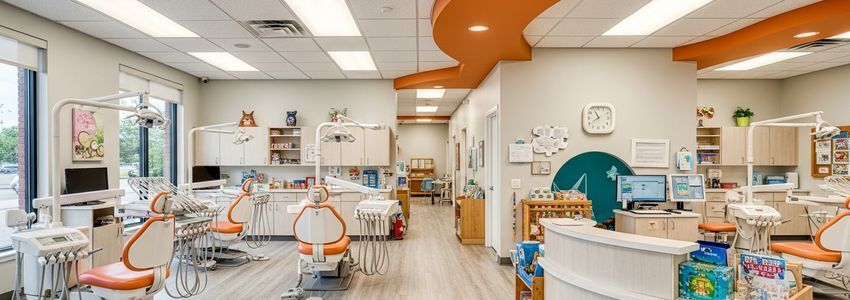
Building or growing a pediatric dental practice is a unique and rewarding endeavor, focused on creating positive oral health experiences for children from their very first tooth. However, this specialized field comes with its own distinct financial challenges, from child-friendly equipment to specialized staff training. This guide provides a comprehensive overview of pediatric dentistry practice loans, helping you navigate the financing landscape to build a thriving practice that serves the youngest members of your community.
In This Article
- Why Pediatric Dental Practices Need Specialized Financing
- Exploring the Types of Loans for Your Pediatric Practice
- How to Qualify for a Pediatric Dentistry Practice Loan
- Strategic Ways to Use Your Practice Funding
- The Crestmont Capital Advantage for Pediatric Dentists
- Frequently Asked Questions
- Your Next Steps to Secure Funding
Why Pediatric Dental Practices Need Specialized Financing
A pediatric dental office is far more than just a smaller version of a general dentistry practice. It is a carefully curated environment designed to make children feel safe, comfortable, and even excited about visiting the dentist. This specialization, while crucial for success, introduces unique financial considerations that generic business loans often fail to address. Understanding these nuances is the first step toward securing the right kind of capital.
The High Cost of a Child-Centric Environment
Creating a welcoming atmosphere for children goes beyond a few toys in the waiting room. The entire physical space needs to be designed with a child’s perspective in mind. This often involves significant upfront investment in:
- Themed Decor and Interior Design: Jungle, space, or underwater themes are popular for a reason. They transform a potentially intimidating clinical setting into a fun, distracting adventure. This level of custom interior design, including murals, special lighting, and interactive elements, can be a substantial construction and design expense.
- Specialized Furniture: From smaller, child-sized chairs and benches in the waiting area to durable, easy to clean surfaces, every piece of furniture must be chosen for both aesthetics and practicality in a high-traffic children's environment.
- Entertainment Systems: Integrated tablets, video games, or ceiling mounted televisions in treatment rooms are no longer a luxury but an expectation. They serve as powerful distraction tools that can make procedures smoother for the child, parent, and practitioner. These systems require initial hardware costs and ongoing subscription fees.
Specialized Equipment and Technology
The tools and technology used in pediatric dentistry are distinct from those in adult dentistry. They are smaller, often designed to be less intimidating, and cater to the unique anatomical and developmental needs of children. Key investments include:
- Smaller Instruments: Pediatric handpieces, forceps, and explorers are all scaled down for smaller mouths. A full inventory of these specialized tools represents a significant cost.
- Digital Radiography with Lower Radiation: Parents are increasingly concerned about radiation exposure. Modern pediatric practices require digital X-ray sensors and panoramic machines that offer high-resolution images with the lowest possible radiation dose, which often come at a premium price.
- Sedation and Anesthesia Equipment: To manage anxiety and ensure safe treatment for very young or fearful children, many practices offer various levels of sedation, from nitrous oxide to general anesthesia. This equipment is expensive to purchase, install, and maintain, and it requires specialized staff certification.
- Behavior Management Tools: This category includes everything from colorful protective eyewear and bibs to advanced tools like the Isolite system, which provides isolation, suction, and a bite block in one comfortable device, making treatment faster and safer.
Unique Staffing and Training Requirements
Your team is your greatest asset, and in a pediatric practice, they need a specific skill set. Your staff must not only be clinically proficient but also excel at communicating with and managing young, often anxious, patients. This necessitates investment in:
- Hiring Specialized Personnel: Finding and retaining registered dental assistants (RDAs) and hygienists with pediatric experience or certifications can command higher salaries.
- Ongoing Training: Continuous education in pediatric behavior management, sedation monitoring, and emergency protocols is critical for patient safety and practice reputation. These courses and certifications represent an ongoing operational expense.
Irregular Cash Flow and Billing Cycles
Unlike some businesses with predictable monthly revenue, a pediatric dental practice can experience fluctuating cash flow. Revenue may be seasonal, often peaking during summer and school holidays when it is easier for parents to schedule appointments. Furthermore, dealing with dental insurance, and sometimes Medicaid, can lead to delayed reimbursement cycles. A practice needs access to flexible capital, like a business line of credit, to manage payroll, order supplies, and cover other operational costs while waiting for insurance payments to be processed. This is a key reason why a standard loan with rigid repayment terms may not be the best fit.
Ready to Build Your Dream Practice?
Don't let financing be a barrier. Get the capital you need to create a welcoming and state-of-the-art pediatric dental office. Our specialists understand your unique needs.
Apply NowExploring the Types of Loans for Your Pediatric Practice
Securing the right type of financing is as critical as choosing the right location for your practice. Each loan product is designed for a specific purpose, and understanding the options allows you to create a funding strategy that aligns with your business goals, whether you are starting from scratch, acquiring an existing practice, or expanding your current operations. Here is a detailed look at the most common and effective financing solutions for pediatric dentists.
SBA Loans
Loans backed by the U.S. Small Business Administration (SBA) are often considered the gold standard for small business financing, and they are exceptionally well suited for dental practices. The SBA doesn't lend money directly; instead, it provides a guarantee to lenders like Crestmont Capital, reducing their risk. This allows lenders to offer favorable terms, including longer repayment periods and lower down payments, than they could with conventional loans.
- SBA 7(a) Loans: This is the SBA's most popular and flexible loan program. For a pediatric dentist, an SBA 7(a) loan can be a comprehensive financing tool used for a wide range of purposes:
- Practice Acquisition: Funding the purchase of an existing pediatric practice, including its patient list (goodwill), equipment, and real estate.
- Startup Costs: Covering all the expenses of building a new practice from the ground up.
- Commercial Real Estate: Purchasing or constructing the building for your office.
- Working Capital: Providing the necessary cash to cover initial operating expenses before the practice becomes profitable.
- Debt Refinancing: Consolidating existing high-interest business debts into a single loan with a more manageable payment.
- SBA 504 Loans: This program is specifically designed for financing major fixed assets, such as commercial real estate or long-term heavy equipment. While a 7(a) loan can also fund these, a 504 loan often offers a lower, fixed interest rate on a significant portion of the loan. A typical use case would be purchasing and renovating a building for your practice. You can learn more about the differences in our comparison of SBA 7(a) vs. SBA 504 Loans.
While SBA loans offer excellent terms, the application process can be document intensive and take longer than other options. Working with an experienced lender like Crestmont Capital can help streamline this process significantly.
Equipment Financing
The specialized equipment required for a pediatric practice represents one of the largest capital outlays. Equipment financing is a loan or lease specifically designed to fund the purchase of these assets. The equipment itself typically serves as the collateral for the loan, which can make it easier to qualify for than other types of financing.
- Key Benefits: This type of loan allows you to acquire essential technology without depleting your working capital. You can get 100% financing for the cost of the equipment, including soft costs like taxes, shipping, and installation.
- Use Cases for a Pediatric Practice:
- Purchasing new, child-sized dental chairs and delivery units.
- Investing in a state-of-the-art panoramic or cone-beam computed tomography (CBCT) machine.
- Upgrading to digital sensors and intraoral cameras.
- Acquiring specialized sedation and monitoring equipment.
- Outfitting your sterilization center with new autoclaves and instrument washers.
Working Capital Loans
Working capital is the lifeblood of any practice, covering the day-to-day operational expenses. A working capital loan is a short-term financing solution designed to bridge gaps in cash flow or fund growth initiatives.
- Key Benefits: These loans are typically faster to obtain than SBA loans and can provide a quick infusion of cash when you need it most. They are ideal for managing expenses that don't involve purchasing a physical asset.
- Use Cases for a Pediatric Practice:
- Hiring and Training Staff: Covering payroll for a new hygienist or front office manager before they begin generating revenue.
- Marketing Campaigns: Funding a "back-to-school" marketing push or a digital advertising campaign to attract new patients.
- Inventory Purchases: Stocking up on dental supplies, consumables, and child-friendly prizes and giveaways.
- Unexpected Expenses: Covering the cost of an emergency repair to your HVAC system or a critical piece of equipment.
These are just a few examples of the flexible small business loans available to manage your practice's health.
Business Lines of Credit
A business line of credit provides the ultimate financial flexibility. Instead of receiving a lump sum of cash, you are approved for a specific credit limit that you can draw from as needed. You only pay interest on the funds you actually use, and as you repay the balance, the funds become available to use again. It functions like a credit card for your business but often with a higher limit and lower interest rate.
- Key Benefits: A line of credit is a powerful tool for managing unpredictable expenses and fluctuating cash flow. It's an ideal safety net, ensuring you always have access to capital when opportunities or emergencies arise.
- Use Cases for a Pediatric Practice:
- Managing payroll during a slow month or while waiting on a large insurance reimbursement.
- Seizing a time-sensitive opportunity, such as purchasing supplies from a vendor offering a bulk discount.
- Covering unexpected repair costs without disrupting your budget.
- Smoothing out the seasonal revenue peaks and valleys common in pediatric dentistry.
Conventional Term Loans
A conventional term loan is a more traditional financing product offered by banks and alternative lenders. You receive a lump sum of capital upfront, which you repay with interest in fixed monthly installments over a predetermined period (the "term").
- Key Benefits: Term loans offer predictable, stable payments, which can be helpful for budgeting. They are well-suited for planned, one-time investments.
- Use Cases for a Pediatric Practice:
- Financing a major office renovation or expansion project.
- Investing in a significant technology upgrade, such as a complete practice management software overhaul.
- Consolidating several smaller, high-interest debts into a single, more manageable loan.
Choosing the right mix of these financing tools is key. For instance, you might use an SBA 7(a) loan to acquire your practice, use equipment financing for a new X-ray machine two years later, and maintain a business line of credit for ongoing cash flow management. A knowledgeable financial partner can help you build this comprehensive strategy.
Key Statistics: Pediatric Dental Practice Financing
$1.2B
Projected U.S. Pediatric Dental Market Size by 2027, indicating strong industry growth.

$500k+
Average startup cost for a new, fully equipped single-practitioner dental office.
75%
Percentage of dental practices that are considered small businesses, highlighting the need for accessible financing.
10-25 Yrs
Typical repayment terms for SBA loans used for practice acquisition and real estate, improving cash flow.
How to Qualify for a Pediatric Dentistry Practice Loan
Securing a loan for your pediatric dental practice requires lenders to have confidence in both you as a practitioner and the financial viability of your business. While specific requirements vary by lender and loan type, there are several core pillars that all financiers will scrutinize. Preparing these elements in advance will significantly strengthen your application and increase your chances of approval on favorable terms.
1. Credit Score: Personal and Business
Your credit history is a primary indicator of your financial responsibility. Lenders will review both your personal and business credit scores (if your practice is established).
- Personal Credit Score: For new practices or sole proprietorships, your personal credit score (FICO score) is paramount. Most lenders, especially for prime financing like SBA loans, look for a score of 680 or higher. A score above 720 will put you in a very strong position to receive the best rates and terms. Lenders view a high score as evidence that you manage your personal debts responsibly, suggesting you will do the same for your business obligations.
- Business Credit Score: For established practices, lenders will also pull a business credit report from agencies like Dun & Bradstreet or Experian Business. This score reflects your practice's history of paying suppliers, lenders, and other creditors on time. A strong business credit profile demonstrates the financial health and reliability of your practice as a standalone entity.
- What if my credit isn't perfect? While a high score is ideal, some financing options are available for those with less than perfect credit. However, you should expect to face higher interest rates and may need to provide a larger down payment or additional collateral.
2. Financial Documentation and Revenue History
Lenders need to see the numbers. They will conduct a thorough analysis of your financial documents to assess the practice's profitability, cash flow, and ability to handle new debt. Be prepared to provide:
- For Established Practices:
- Profit and Loss (P&L) Statements: Typically for the last 2 to 3 years. This shows your practice's revenues, costs, and profitability over time.
- Balance Sheets: These provide a snapshot of your assets, liabilities, and equity at a specific point in time.
- Business Tax Returns: Corresponding with your P&L statements, usually for the past 2 to 3 years.
- Bank Statements: Several months of recent business bank statements to verify cash flow and revenue.
- Debt Schedule: A list of all current business debts, including balances, monthly payments, and interest rates.
- For Startups or Acquisitions:
- Detailed Business Plan: This is your most critical document. It must include a mission statement, market analysis, marketing plan, and, most importantly, detailed financial projections.
- Financial Projections: At least 3 to 5 years of projected P&L statements, balance sheets, and cash flow statements. These must be well-researched and based on realistic assumptions about patient volume, procedure fees, and operating costs.
- Personal Financial Statement: A detailed list of your personal assets and liabilities.
- Personal Tax Returns: Usually for the last 2 to 3 years.
3. Time in Business and Industry Experience
Lenders value stability and experience. The longer your practice has been successfully operating, the lower the perceived risk.
- Established Practices: Most lenders prefer to see at least two years of operational history. A track record of consistent revenue and profitability makes you a highly attractive borrower.
- Startups: If you are starting a new practice, the lender's focus will shift to your personal experience. They will want to see your dental license, resume or CV, and any experience you have as an associate dentist. Your proven clinical skills and any prior business management experience will be crucial in demonstrating your ability to run a successful practice.
4. Collateral and Down Payment
Collateral is an asset that you pledge to a lender to secure a loan. If you default on the loan, the lender can seize the collateral to recoup its losses. A down payment is the portion of the purchase price that you pay upfront in cash.
- Collateral: For secured loans like equipment financing or real estate loans, the asset being purchased (the equipment or building) serves as the primary collateral. For other loans, lenders may require additional collateral, which could include business assets (like accounts receivable) or even personal assets, such as your home.
- Down Payment: The required down payment varies. For SBA 7(a) loans for practice acquisitions or startups, a down payment of 10% to 20% is typical. A larger down payment reduces the lender's risk and demonstrates your personal investment in the project, which can lead to better loan terms.
Preparing a comprehensive and well-organized loan package is key. It not only speeds up the approval process but also presents you as a professional and reliable borrower, setting the stage for a positive long-term relationship with your lender.
Strategic Ways to Use Your Practice Funding
Securing a loan is just the beginning. The true measure of success lies in how strategically you deploy that capital to generate a return on investment, enhance patient care, and build a more profitable and sustainable practice. A well-structured dental practice loan can be the catalyst for transformative growth. Here are some of the most impactful ways to use your funding.
Acquiring, Starting, or Buying Into a Practice
This is often the largest financial decision a dentist will make in their career. Financing is essential for several scenarios:
- Starting a New Practice: A startup loan can cover everything from the ground up: securing a lease, construction and build-out costs, purchasing all new equipment, initial marketing expenses, and providing working capital to cover salaries and overhead until the practice is cash-flow positive.
- Acquiring an Existing Practice: Buying a practice with an established patient base can be a faster path to profitability. A loan can finance the purchase price, which often includes the value of tangible assets (equipment, building) and intangible assets like goodwill (the value of the patient list and community reputation).
- Partnership Buy-In: For dentists looking to become a partner in an existing group practice, a loan can provide the capital needed to purchase their share of the equity.
Expanding or Renovating Your Physical Space
As your practice grows, your physical space may need to evolve. A renovation or expansion can dramatically improve workflow efficiency and the patient experience.
- Adding Operatories: The most direct way to increase production capacity is to add more treatment rooms. This allows you to accommodate more patients, hire an additional hygienist or associate dentist, and reduce patient wait times.
- Modernizing the Waiting Room: For a pediatric practice, the waiting room is a critical first impression. Funding can be used to create a more engaging and comfortable space with interactive play areas, gaming stations, and comfortable seating for parents.
- Improving Clinical Workflow: Reconfiguring your office layout to create a more efficient sterilization center, a private consultation room, or a better-organized administrative area can boost staff productivity and morale.
Investing in Advanced Equipment and Technology
Technology is a key differentiator in modern dentistry, enhancing diagnostic capabilities, improving treatment outcomes, and increasing efficiency. According to recent reports highlighted by sources like CNBC, the dental industry is experiencing significant growth, much of it driven by technological adoption.
- Digital Workflow: Investing in intraoral scanners eliminates the need for messy impressions, improving the patient experience and accuracy for crowns, bridges, and orthodontic appliances. This technology is becoming the standard of care.
- Upgrading Radiography: Moving from 2D panoramic X-rays to 3D Cone-Beam Computed Tomography (CBCT) provides vastly more diagnostic information, crucial for implant planning, orthodontics, and complex cases, thereby expanding the services you can offer.
- Practice Management Software: A modern, cloud-based software suite can streamline scheduling, billing, patient communication, and insurance claims. This reduces administrative burden and improves the overall efficiency of your front office.
- Laser Dentistry: Soft-tissue lasers can be used for procedures like frenectomies with minimal bleeding and discomfort, a significant advantage when treating children.
Hiring and Training a World-Class Team
Your practice is only as good as the people on your team. Working capital loans can provide the funds needed to invest in human resources.
- Recruiting Top Talent: Attracting and hiring an experienced pediatric dental assistant, a highly skilled hygienist, or a friendly and efficient office manager requires offering competitive salaries and benefits. A loan can provide the cash flow to make these crucial hires.
- Investing in Continuing Education: Sending your team to specialized training courses in pediatric care, sedation, or new technologies not only improves their skills but also boosts morale and demonstrates your commitment to excellence. This can be a powerful tool for staff retention.
Boosting Marketing and Patient Acquisition Efforts
A beautiful office and the best technology are useless if patients don't know you exist. A dedicated marketing budget is essential for growth.
- Building a Professional Website: Your website is your digital front door. Funding can be used to create a modern, mobile-friendly website with online appointment scheduling and resources for parents.
- Digital Marketing Campaigns: Executing targeted online advertising campaigns on platforms like Google and Facebook can help you reach parents in your specific geographic area who are searching for a pediatric dentist.
- Community Outreach: Sponsoring local youth sports teams, participating in school health fairs, and hosting open house events are effective ways to build brand awareness and establish your practice as a trusted part of the community.
The Crestmont Capital Advantage for Pediatric Dentists
Choosing a lending partner is a critical decision. You need more than just a source of funds; you need a financial partner who understands the unique rhythm and requirements of a pediatric dental practice. Crestmont Capital stands apart by offering a combination of industry expertise, flexible solutions, and a streamlined process designed to help you succeed.
We Understand Your Specialized Needs
We recognize that financing a pediatric dental practice is not the same as financing a restaurant or retail store. Our funding specialists are well-versed in the dental industry. We understand the high cost of specialized equipment like panoramic X-ray machines and sedation systems. We know the importance of creating a child-friendly environment and the impact it has on your budget. This industry-specific knowledge means we can ask the right questions and structure a financing package that truly aligns with your practice's goals, rather than trying to fit you into a generic loan box.
A Broad Spectrum of Financing Solutions
Your practice's needs will change as it grows. A startup requires a different funding strategy than an established practice looking to upgrade its technology. Crestmont Capital offers a comprehensive suite of financing products to support you at every stage of your business journey.
- Comprehensive Startup and Acquisition Funding: Our access to premier loan programs, including SBA loans, provides the substantial capital needed for practice acquisitions and new constructions.
- Targeted Equipment Financing: When you need to purchase a specific piece of equipment, our equipment financing solutions offer a direct and efficient path to acquiring that asset without draining your working capital.
- Flexible Working Capital: For day-to-day needs, marketing initiatives, or unexpected expenses, our working capital loans and business lines of credit provide the flexibility and quick access to cash that modern practices require.
This diverse portfolio means we can be your single source for all your financing needs, building a long-term partnership based on trust and understanding.
Speed and Efficiency: A Streamlined Process
As a busy practitioner and business owner, your time is your most valuable asset. Traditional bank loan applications can be notoriously slow and bureaucratic, often taking months to process. We have built our process around speed and efficiency. Our online application is simple and secure, and we leverage technology to accelerate the underwriting and approval process. For many of our products, like our fast business loans, we can provide decisions in hours and funding in as little as 24 hours. This agility allows you to seize opportunities, like a deal on new equipment, without being bogged down by paperwork.
Dedicated and Personalized Service
At Crestmont Capital, you are not just a loan number. From your first inquiry, you will be paired with a dedicated funding specialist who will be your single point of contact throughout the entire process. Your specialist will take the time to understand your specific vision for your practice, answer your questions, and guide you toward the best financing solution. This personalized approach, as noted by many small business experts in publications like Forbes, is a key differentiator from large, impersonal financial institutions. We are committed to building relationships, not just processing transactions.
Partner with an Expert in Dental Financing
Experience the difference of working with a lender who truly understands your industry. Let us help you secure the right funding with a process built for busy professionals like you.
Apply NowFrequently Asked Questions
1. Can I get a loan to start a new pediatric dental practice from scratch?
Yes, absolutely. Startup financing is a common need for dentists. Lenders, particularly through programs like the SBA 7(a) loan, can provide comprehensive funding to cover build-out costs, equipment purchases, working capital, and other initial expenses. Lenders will heavily weigh your personal credit, industry experience, and the strength of your business plan, including detailed financial projections.
2. What is the minimum credit score required for a dental practice loan?
While requirements vary, for prime financing options like SBA loans, most lenders look for a personal credit score of 680 or higher. A score above 720 will significantly improve your chances of approval and help you secure the most favorable interest rates and terms. Some alternative financing options may be available for lower scores, but they often come with higher costs.
3. How much of a down payment will I need?
The required down payment depends on the loan type and the project's total cost. For an SBA 7(a) loan for a practice acquisition or startup, a down payment of 10% to 20% is typical. For equipment financing, the down payment may be lower or even zero, as the equipment itself serves as strong collateral.
4. How long does the loan approval process take?
The timeline varies significantly by loan type. SBA loans are the most intensive and can take anywhere from 30 to 90 days from application to funding. Other products, like working capital loans or equipment financing, can be much faster. At Crestmont Capital, we offer fast business loans that can be approved and funded in as little as 24-48 hours.
5. Can I finance 100% of my equipment purchase?
Yes, it is very common to receive 100% financing for equipment purchases. Many equipment financing agreements are structured to cover the full cost of the asset, including soft costs like taxes, delivery, and installation, which helps you conserve your cash for other business needs.
6. What documents do I need to apply for a loan?
For an established practice, you will typically need 2-3 years of business and personal tax returns, recent P&L statements and balance sheets, and several months of bank statements. For a startup, you will need a comprehensive business plan, detailed financial projections, personal tax returns, and a personal financial statement.
7. What is "goodwill" and can it be financed?
Goodwill is an intangible asset representing the value of an established practice's reputation, patient list, and community standing. It is often a significant portion of a practice's sale price. Yes, goodwill can be financed, and it is a common component of loan packages for practice acquisitions, especially with SBA loans.
8. Should I get an SBA loan or a conventional loan?
This depends on your situation. SBA loans often offer longer repayment terms and lower down payments, making them ideal for large projects like acquisitions or startups. Conventional loans may be faster to obtain and have less paperwork but might require a larger down payment or have shorter terms. A funding specialist can help you compare the pros and cons for your specific needs.
9. Can I use a loan to hire staff for my practice?
Yes. A working capital loan or a business line of credit is perfectly suited for covering payroll and training costs for new hires. This allows you to bring on essential staff, like a hygienist or office manager, before they begin generating revenue for the practice.
10. Will I need to provide collateral for my loan?
It depends on the loan type. For secured loans like equipment or real estate financing, the asset being purchased serves as collateral. For other loans, particularly larger ones, lenders may require a lien on business assets or even personal collateral. Some unsecured loans are available, but they are typically for smaller amounts and may have higher interest rates.
11. Can I refinance my existing dental practice debt?
Yes, debt refinancing is a common and smart financial strategy. If you have multiple high-interest loans, credit card balances, or equipment leases, you can consolidate them into a single new loan, often with a lower overall interest rate and a more manageable single monthly payment. An SBA 7(a) loan is an excellent tool for this purpose.
12. What interest rates can I expect?
Interest rates are determined by several factors: the type of loan, the current market rates (like the Prime Rate), your credit score, and the overall financial health of your practice. SBA loans typically offer very competitive, variable rates tied to the Prime Rate. Short-term loans may have higher rates but are faster to obtain. We work to secure the most competitive rates available for our clients.
13. I'm an associate dentist. Can I get a loan to buy the practice I work for?
Yes, this is a very common and often ideal scenario for a practice transition. As an associate, you already know the practice's staff, patients, and operations. Lenders view this favorably as it reduces the transition risk. Financing is readily available for associate buyouts, typically through an SBA 7(a) loan.
14. What is the difference between a loan and a line of credit?
A loan provides you with a lump sum of cash that you repay in fixed installments over a set term. It's best for large, planned purchases. A line of credit gives you access to a revolving pool of funds up to a certain limit. You can draw and repay funds as needed, only paying interest on what you use. It's ideal for managing cash flow and unexpected expenses.
15. Why should I choose a lender like Crestmont Capital over my local bank?
While local banks are a great resource, Crestmont Capital offers specialized expertise in the dental industry and access to a wider network of lending products. Our streamlined, technology-driven process is often much faster than a traditional bank's, and our dedicated specialists provide a level of personalized service focused entirely on securing the best business financing for your unique situation.
Your Next Steps to Secure Funding
Navigating the world of practice financing can feel complex, but breaking it down into manageable steps makes the process clear and achievable. Here is a simple roadmap to guide you from planning to funding.
- Define Your Needs and Goals: Before you apply, have a crystal-clear understanding of what you need the money for and how much you require. Are you buying a $50,000 CBCT machine or acquiring a $1.2 million practice? Create a detailed budget for your project.
- Gather Your Financial Documents: Get organized. Assemble all the necessary paperwork, including tax returns (personal and business), financial statements (P&L, balance sheet), bank statements, and a list of any existing debts. For startups, focus on perfecting your business plan and financial projections.
- Review Your Credit: Check your personal and business credit reports. Knowing your scores ahead of time allows you to address any inaccuracies or issues and helps set realistic expectations for the types of financing you may qualify for.
- Consult with a Funding Specialist: This is a crucial step. Talk to an expert who understands pediatric dental financing. A specialist can review your scenario, explain your options, and help you identify the best loan product for your specific goals, saving you time and preventing you from applying for the wrong type of loan.
- Complete Your Application: With the guidance of your specialist, complete the loan application accurately and thoroughly. A well-prepared application package makes a strong first impression on underwriters and can significantly speed up the approval process.
Take the First Step Today
Your journey to a better practice starts with a simple, no-obligation application. See what you qualify for in minutes and let our experts guide you the rest of the way.
Apply NowConclusion
Building and growing a successful pediatric dental practice is a significant undertaking that requires passion, clinical excellence, and a solid financial foundation. The unique demands of this specialty, from creating a child-friendly atmosphere to investing in specialized technology, necessitate a tailored approach to financing. By understanding the various types of loans available, from versatile SBA loans to targeted equipment financing, and by preparing the key qualification documents, you can position your practice for success.
The right funding does more than just cover costs; it empowers you to realize your vision. It enables you to create a safe and welcoming environment where children can build a lifetime of positive oral health habits. It allows you to invest in the technology and team that deliver the highest standard of care. At Crestmont Capital, we are more than just a lender; we are a partner dedicated to helping you achieve those goals. With our industry expertise and commitment to personalized service, we can help you navigate the financing process with confidence, so you can focus on what you do best: creating healthy, happy smiles.
Disclaimer: The information provided in this article is for general educational purposes only and is not financial, legal, or tax advice. Funding terms, qualifications, and product availability may vary and are subject to change without notice. Crestmont Capital does not guarantee approval, rates, or specific outcomes. For personalized information about your business funding options, contact our team directly.