
Whether you are launching a new practice, acquiring an existing one, or upgrading your current facility, securing the right funding is a critical step toward success. The dental industry is capital-intensive, and navigating the world of finance can be complex. This guide provides a comprehensive overview of dental practice loans, helping you understand your options, qualify for funding, and make informed decisions that will empower your practice to thrive for years to come.
In This Article
- What Are Dental Practice Loans?
- Types of Dental Practice Financing
- How Much Can You Borrow for Your Dental Practice?
- How to Qualify for a Dental Practice Loan
- How Crestmont Capital Helps Dental Practices
- Step-by-Step Application Process
- Best Uses for Dental Practice Financing
- Frequently Asked Questions
What Are Dental Practice Loans?
Dental practice loans are specialized financial products designed to meet the unique capital needs of dentists and dental professionals. Unlike generic business loans, these financing solutions are tailored to the specific economic model of a dental practice, which is characterized by high startup costs, significant equipment expenses, and strong, predictable revenue streams once established. Lenders who specialize in this niche, like Crestmont Capital, understand the industry's value, the cost of technology, and the potential for long-term profitability.
The U.S. dental services market is a robust and growing sector, valued at over $160 billion and projected to expand significantly in the coming years. This growth is driven by an aging population, increasing awareness of oral health, and advancements in cosmetic and restorative dentistry. However, tapping into this potential requires substantial investment. From state-of-the-art diagnostic tools to ergonomic patient chairs and practice management software, the initial outlay can be immense.
This is where dental practice loans become essential. They provide the necessary capital to cover a wide range of expenses, including:
- Practice Acquisition: Buying an existing practice from a retiring dentist.
- Startup Costs: Funding for new practices, covering everything from real estate and construction to initial marketing and staffing.
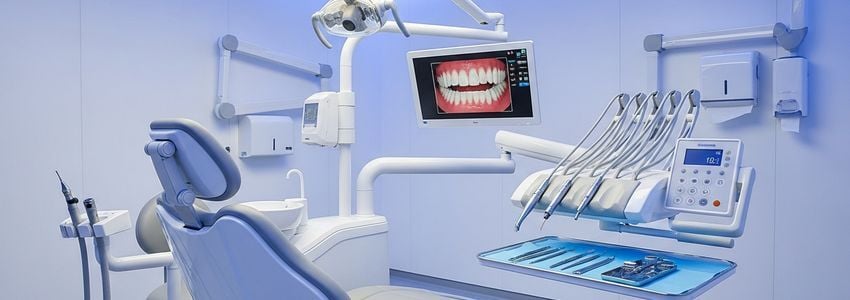
- Equipment Purchases: Financing for essential technology like digital X-ray machines, CBCT scanners, intraoral cameras, and sterilization systems.
- Practice Expansion or Relocation: Capital to build out additional operatories, renovate an existing space, or move to a larger, more modern facility.
- Working Capital: Funds to manage day-to-day operational expenses, cover payroll, purchase supplies, and bridge gaps in cash flow.
Lenders view dental practices as highly stable and lucrative businesses. Dentists are highly trained professionals with significant earning potential, and the demand for dental care is consistent and relatively recession-proof. This favorable risk profile often results in more attractive financing terms, including higher loan amounts, longer repayment periods, and competitive interest rates compared to loans for businesses in other, more volatile industries.
Essentially, a dental practice loan is not just a debt instrument; it's a strategic tool. It allows you to invest in the infrastructure, technology, and talent needed to build a successful, modern practice that delivers exceptional patient care and generates substantial returns. By partnering with a lender that understands the dental landscape, you can structure financing that aligns perfectly with your business goals and cash flow projections.
Ready to Finance Your Dental Practice?
Get fast, flexible funding with competitive rates. Apply in minutes and see your options.
Apply Now - Get Funded FastTypes of Dental Practice Financing
There is no one-size-fits-all solution when it comes to financing a dental practice. The best option depends on your specific needs, financial situation, and business goals. Understanding the different types of dental practice financing available is the first step toward making an empowered choice. Here’s a breakdown of the most common options.
SBA Loans
The U.S. Small Business Administration (SBA) doesn't directly lend money but rather guarantees a portion of loans made by partner lenders like banks and financial institutions. This guarantee reduces the lender's risk, making it easier for small businesses, including dental practices, to qualify for funding with favorable terms.
- SBA 7(a) Loans: This is the most popular and versatile SBA loan program. Funds can be used for a wide variety of purposes, including practice acquisition, real estate purchase, construction, equipment financing, and working capital. They offer high loan amounts (up to $5 million) and long repayment terms (up to 25 years for real estate), resulting in lower monthly payments.
- SBA 504 Loans: This program is designed for financing major fixed assets, such as commercial real estate or heavy machinery. It involves two lenders: a bank covering up to 50% of the project cost and a Certified Development Company (CDC) covering up to 40%, with the borrower contributing at least 10%.
Best For: Practice acquisitions, commercial real estate purchases, and comprehensive startup financing due to long terms and high borrowing limits.
Crestmont Capital is a preferred lender for SBA loans, helping dentists navigate the application process efficiently.
Conventional Term Loans
A conventional term loan is a traditional financing product where you borrow a lump sum of money and repay it, plus interest, over a fixed period. These loans are offered by banks, credit unions, and alternative lenders. They are ideal for large, one-time investments with a clear purpose and predictable return.
- Loan Amounts: Typically range from $25,000 to over $1 million, depending on the lender and the borrower's creditworthiness.
- Repayment Terms: Usually range from 2 to 10 years.
- Interest Rates: Can be fixed or variable. Well-qualified borrowers with established practices can secure very competitive rates.
Best For: Practice expansion, major renovations, debt consolidation, or acquiring another practice when you need a specific amount of capital upfront.
Equipment Financing
The technology in a modern dental office is a significant expense. A Cone Beam Computed Tomography (CBCT) machine can cost between $65,000 and $175,000, and a full set of operatories adds up quickly. Equipment financing is a loan specifically designed to cover the cost of these purchases.
The equipment itself typically serves as collateral for the loan, which can make these loans easier to qualify for than other types of financing. Repayment terms are often aligned with the expected useful life of the equipment, usually 3 to 7 years. This allows you to acquire cutting-edge technology without depleting your working capital, letting the new equipment generate revenue that helps pay for itself.
Best For: Purchasing new or used dental chairs, CBCT scanners, digital X-ray sensors, sterilization units, CAD/CAM systems, and other essential dental technology.
Pro Tip: When considering equipment financing, look into Section 179 of the IRS tax code. It allows businesses to deduct the full purchase price of qualifying equipment and/or software purchased or financed during the tax year. This can provide a significant tax advantage.
Business Line of Credit
A business line of credit functions like a credit card for your practice. You are approved for a specific credit limit and can draw funds as needed, up to that limit. You only pay interest on the amount you use. Once you repay the drawn amount, the full credit limit becomes available again.
This type of financing offers incredible flexibility, making it perfect for managing unpredictable expenses, bridging cash flow gaps between insurance reimbursements, or seizing unexpected opportunities. It's an excellent financial safety net for any practice.
Best For: Ongoing working capital needs, unexpected repairs, marketing campaigns, purchasing inventory, and managing fluctuating cash flow.
Practice Acquisition Loans
While an SBA or conventional term loan can be used for an acquisition, some lenders offer specific practice acquisition loans. These are structured to finance the purchase of an existing dental practice. The loan can cover not only the purchase price but also provide additional working capital to ensure a smooth transition and cover initial operating costs under new ownership.
Underwriting for these loans heavily scrutinizes the financial health of the selling practice, including its historical revenue, patient base, and cash flow, in addition to the buyer's credentials and financial standing.
Best For: Dentists looking to buy into or purchase an entire existing practice from a retiring or relocating practitioner.
Commercial Real Estate Loans
For dentists who want to own their office space rather than lease, a commercial real estate (CRE) loan is the appropriate vehicle. These are long-term loans used to purchase, develop, or construct commercial property. Owning your building can be a significant long-term investment, building equity and providing stability for your practice. These loans often have terms of 15, 20, or even 25 years.
Best For: Purchasing an office condo, buying a standalone building for your practice, or financing ground-up construction of a new dental facility.
How Much Can You Borrow for Your Dental Practice?
The amount of financing you can secure for your dental practice depends on a complex interplay of factors. Lenders assess risk and potential return by analyzing your personal financial health, the strength of your business plan, and the specific purpose of the loan. While some loans can exceed $5 million, particularly for large acquisitions or real estate projects, most will fall into a range determined by the following key elements.
1. Purpose of the Loan
The intended use of the funds is a primary determinant of the loan amount.
- Startup Loans: For a brand new practice, lenders will finance a percentage of your total projected startup costs, which typically range from $350,000 to over $750,000. The loan amount will be based on a detailed business plan, including cost breakdowns for build-out, equipment, initial staffing, and working capital.
- Practice Acquisitions: The loan amount is primarily based on the valuation of the target practice. Lenders will typically finance 80-100% of the purchase price for a profitable practice with strong historical cash flow.
- Equipment Purchases: For equipment financing, you can generally borrow up to 100% of the cost of the new or used equipment.
- Working Capital: These loans are smaller and based on your monthly revenue and operational needs, often ranging from $25,000 to $500,000.
2. Personal and Business Credit Score
Your credit history is a critical indicator of your financial responsibility. Lenders will pull both your personal credit score (FICO) and your business credit score (if applicable). For traditional bank loans and SBA loans, a personal credit score of 680 or higher is generally required. Higher scores (720+) will unlock the best rates and terms. While options for bad credit business loans exist, they come with higher interest rates and less favorable terms.
3. Practice Revenue and Cash Flow
For an existing practice, lenders will meticulously review your financial statements. They want to see a history of stable or growing revenue and, most importantly, positive cash flow. Your Debt Service Coverage Ratio (DSCR) is a key metric they use. This ratio measures your practice's annual cash flow against its total annual debt obligations. A DSCR of 1.25x or higher is typically required, meaning your practice generates at least 25% more cash than is needed to cover all its debt payments.
4. Down Payment or Equity Injection
Most lenders want to see that you have some "skin in the game." A down payment demonstrates your commitment to the project and reduces the lender's risk. For practice startups and acquisitions, a down payment of 10-20% is standard. For real estate, it can be 10-25%. While 100% financing is sometimes possible, particularly for strong applicants acquiring a highly profitable practice, having capital for a down payment significantly improves your chances of approval and can lead to better terms.
5. Experience and Credentials
Your professional background matters. Lenders prefer to see that you have several years of clinical experience as an associate dentist before starting or buying your own practice. A solid track record demonstrates your ability to generate revenue and manage patient care, which are foundational to running a successful business.
Dental Financing Options at a Glance
| Loan Type | Typical Amount | Term Length | Best For |
|---|---|---|---|
| SBA 7(a) Loan | $30k - $5M | 10 - 25 years | Acquisitions, startups, real estate |
| Term Loan | $25k - $1M+ | 2 - 10 years | Expansion, renovations, debt refinance |
| Equipment Financing | $10k - $500k+ | 3 - 7 years | New/used technology & machinery |
| Business Line of Credit | $10k - $250k | Revolving | Working capital, cash flow gaps |
How to Qualify for a Dental Practice Loan
Securing a dental practice loan requires thorough preparation. Lenders are making a significant investment in your success, and they need to see a clear, compelling case that you are a reliable borrower with a viable business. By preparing the following documents and strengthening these key areas, you can significantly increase your chances of approval.
1. Develop a Comprehensive Business Plan
Your business plan is the roadmap for your practice's success and is arguably the most important document in your loan application, especially for startups. It should be detailed, professional, and data-driven.
- Executive Summary: A concise overview of your practice, mission, and funding request.
- Company Description: Detail your services (general dentistry, orthodontics, cosmetic, etc.), legal structure, and competitive advantages.
- Market Analysis: Provide research on your target demographic, local competition, and the demand for dental services in your chosen location. The SBA.gov website offers excellent resources for conducting market research.
- Management Team: Highlight your clinical experience, any business management skills, and the credentials of key staff members.
- Marketing and Sales Strategy: Outline how you will attract and retain patients (e.g., website, local SEO, referral programs, community outreach).
- Financial Projections: This is crucial. Include 3-5 years of projected financial statements, including income statements, cash flow projections, and a balance sheet. Your projections should be realistic and supported by your market analysis.
2. Gather Your Financial Documentation
Lenders need a complete picture of your personal and business financial health. Be prepared to provide:
- Personal Financial Statement: A detailed list of your personal assets and liabilities.
- Tax Returns: Typically 2-3 years of personal and business tax returns.
- Business Financial Statements (for existing practices): 2-3 years of profit and loss (P&L) statements, balance sheets, and cash flow statements.
- Business Bank Statements: 6-12 months of recent statements to show cash flow patterns.
- Business Debt Schedule: A list of all current business debts with balances, payments, and terms.
3. Maintain a Strong Personal Credit Score
Before applying, obtain copies of your credit report from all three major bureaus (Equifax, Experian, TransUnion). Review them for errors and take steps to improve your score if necessary, such as paying down high-balance credit cards and making all payments on time. A score above 700 is good, while 740+ is excellent and will give you access to the most competitive loan products.
4. Demonstrate Sufficient Cash Flow and Collateral
For an existing practice, your historical cash flow is paramount. Ensure your financial statements clearly demonstrate your ability to cover existing debts plus the new proposed loan payment. For startups, your financial projections must show a clear and believable path to profitability. While some loans are unsecured, most larger loans, especially for startups and acquisitions, will require collateral. This could include business assets (equipment, accounts receivable) or personal assets like real estate.
5. Highlight Your Professional Experience
Lenders want to see that you are not just a skilled clinician but also a capable business operator. Your resume or CV should detail your work history, specialties, and any management experience you have. If business management is not your strong suit, your business plan should address this by outlining plans to hire a practice manager or work with experienced consultants.
Industry Insight: According to the American Dental Association (ADA), the average gross billings for a solo private practice are well over $700,000 annually. Highlighting your understanding of industry benchmarks in your financial projections can build lender confidence.
How Crestmont Capital Helps Dental Practices
Navigating the world of dental practice loans can be overwhelming. Choosing the right lending partner is just as important as choosing the right location for your practice. Crestmont Capital stands apart by offering a financing experience specifically tailored to the needs of dental professionals. We understand that your time is best spent treating patients, not buried in complex loan paperwork.
Deep Industry Expertise
We are not generalist lenders. Our team has specialized expertise in healthcare and dental financing. We understand the nuances of the dental industry - from the high cost of technology and the importance of patient flow to the billing cycles of insurance companies. This expertise allows us to evaluate your application with a more informed perspective than a traditional bank might. We recognize the inherent value and stability of a well-run dental practice, which translates into higher approval rates and more favorable terms for our clients. For more on this, see our related guide on How to Secure Financing for Your Medical Practice.
A Broad Spectrum of Loan Products
Your financing needs are unique, and your lending options should be too. Crestmont Capital offers a comprehensive suite of small business loans to ensure we can find the perfect fit for your situation. Whether you need an SBA loan for a practice acquisition, fast equipment financing for a new CBCT scanner, or a flexible business line of credit for working capital, we have a solution. This saves you the time and effort of applying with multiple lenders for different needs. We serve as your single point of contact for all your practice financing requirements.
Streamlined and Efficient Process
We have invested heavily in technology to make our application and funding process as simple and fast as possible. Our online application takes just minutes to complete. A dedicated funding specialist will then guide you through the process, helping you gather the necessary documentation and answering any questions you have along the way. Our goal is to move from application to funding in a fraction of the time it takes traditional banks, allowing you to get the capital you need to act on opportunities quickly.
Customized and Flexible Solutions
We don't believe in rigid, one-size-fits-all loan structures. We work with you to understand your specific goals and cash flow. This allows us to customize loan terms, repayment schedules, and funding amounts to align with your business plan. We pride ourselves on our ability to find creative financing solutions for complex scenarios, whether you're a new graduate starting from scratch or an experienced dentist expanding to a multi-practice group.
A True Partnership Approach
At Crestmont Capital, we view our clients as long-term partners. Our relationship doesn't end once your loan is funded. We are here to support your practice's growth over the long haul. As your needs evolve, we can provide additional financing for new equipment, expansion, or other growth initiatives. We are committed to being the financial backbone that supports your success from your first operatory to your dream practice.
Partner with a Lender Who Understands Dentistry
Experience the Crestmont Capital difference. Let our experts find the perfect financing solution for your practice.
Get Your Free Quote TodayStep-by-Step Application Process
At Crestmont Capital, we've refined our application process to be clear, straightforward, and efficient. Here’s what you can expect when you apply for a dental practice loan with us.
Step 1: Initial Consultation and Pre-Qualification
The journey begins with a simple action: completing our online application or calling one of our funding specialists. This initial step is designed to be quick and non-committal. We'll ask for some basic information about you, your practice (or your plans for one), and your financing needs. Based on this, we can give you a preliminary assessment of the loan options you may qualify for, including potential amounts, rates, and terms. This pre-qualification step helps you understand your borrowing power without a hard credit check.
Step 2: Document Submission
Once you decide to move forward, your dedicated account manager will provide you with a clear, concise checklist of the required documents. This typically includes the items mentioned in the "How to Qualify" section, such as your business plan, tax returns, and financial statements. We provide a secure online portal for you to upload your documents easily and safely, ensuring your sensitive information is protected.
Step 3: Underwriting and Review
This is where our team of experts gets to work. Our underwriters will conduct a thorough review of your application and supporting documents. Because we specialize in dental financing, our team understands how to read your financials and projections in the context of the industry. We look beyond just the numbers to understand the story of your practice and its potential. During this stage, your account manager will keep you informed of our progress and may reach out if any additional information is needed.
Step 4: Approval and Offer Presentation
Once the underwriting process is complete, we will present you with a formal loan offer (or multiple offers, if you qualify for different products). The offer will clearly outline the loan amount, interest rate, repayment term, and any associated fees. Your account manager will walk you through the details of the offer, ensuring you fully understand all aspects of the loan agreement. We believe in complete transparency and want you to feel 100% confident in your decision.
Step 5: Closing and Funding
After you accept the offer, we move to the final stage: closing. We will send you the final loan documents for your signature, which can typically be completed electronically. Once we receive the signed documents, the funds are disbursed directly to your business bank account. Our streamlined process means that for many loan types, you can have the capital you need in a matter of days, not weeks or months.
Best Uses for Dental Practice Financing
Strategic use of capital is what separates a good dental practice from a great one. Dental practice loans provide the fuel for growth, efficiency, and enhanced patient care. Here are some of the most effective ways to leverage financing to build the value of your practice.
Starting a New Practice (De Novo)
Building a practice from the ground up is a monumental task, but it offers complete control over your brand, location, and design. A startup loan can cover all the associated costs, including:
- Commercial real estate down payment or leasehold improvements.
- Architectural design and construction costs.
- Purchase of all new dental and office equipment.
- Initial inventory of dental supplies.
- Practice management and billing software.
- Initial marketing budget to attract your first patients.
- Working capital to cover salaries and overhead for the first 6-12 months.
Acquiring an Existing Practice
Buying an established practice is often a faster path to profitability. An acquisition loan allows you to purchase the assets of the practice, including its patient list, equipment, and goodwill. This provides immediate cash flow from day one. Financing can cover the full purchase price plus additional funds for any desired upgrades or initial working capital.
Upgrading and Investing in Technology
The dental field is constantly evolving. Investing in the latest technology not only improves clinical outcomes but also enhances patient experience and office efficiency. A recent Forbes article highlights how technology is a key driver of growth. Use equipment financing to purchase:
- CBCT Scanners: For advanced 3D imaging for implants and orthodontics.
- Intraoral Scanners: To eliminate messy impressions and improve crown and bridge workflow.
- CAD/CAM Milling Machines: For same-day crowns, a huge patient satisfier.
- Laser Dentistry Equipment: For less invasive soft-tissue procedures.
- Practice Management Software: To streamline scheduling, billing, and patient communication.
Expanding or Remodeling Your Office
If your practice is bursting at the seams, it's time to grow. A term loan or SBA loan can finance a physical expansion or renovation. This could involve:
- Adding more operatories to increase patient capacity.
- Modernizing the waiting room and reception area to improve patient comfort.
- Improving workflow with a redesigned sterilization center or lab.
- Relocating to a larger, higher-visibility location.
Hiring Staff and Managing Working Capital
As you grow, you'll need to expand your team by hiring associates, hygienists, or administrative staff. A business line of credit or a working capital loan can provide the funds to cover payroll and benefits while new team members ramp up their productivity. This financing is also perfect for managing the natural ebb and flow of cash in a practice, ensuring you can always make payroll, order supplies, and invest in marketing, even during slower months.
Frequently Asked Questions
What is the average interest rate for a dental practice loan?
Can I get a dental practice loan with no money down?
How long does it take to get approved for a dental practice loan?
What credit score do I need to qualify?
Can I use a dental practice loan to buy out a partner?
What is the difference between a loan for a startup vs. an acquisition?
Will I need to provide collateral?
Can I refinance my existing dental practice debt?
How much working capital should I request for a new practice?
What are the most common mistakes dentists make when applying for loans?
Is it better to lease or buy dental equipment?
What is a personal guarantee and will I need to sign one?
Can I get a loan if I'm just out of dental school?
Does my student loan debt affect my ability to get a practice loan?
What kind of professional advisors should I consult before taking a loan?
Your Dream Practice is Within Reach
Don't let financing be a barrier to your success. Find out how much you qualify for today.
Apply in MinutesYour Next Steps to Secure Funding
1Assess Your Needs
Clearly define how much capital you need and what it will be used for.
2Prepare Your Documents
Gather your business plan, financial statements, and personal financial information.
3Apply with Crestmont
Complete our simple online application to connect with a dental financing expert.
Conclusion
Securing the right dental practice loan is a foundational element of building a successful and profitable enterprise. From launching a new clinic to acquiring state-of-the-art technology, financing empowers you to provide exceptional care and achieve your professional ambitions. The key is to understand your options, prepare a thorough application, and partner with a lender that possesses deep industry expertise. At Crestmont Capital, we are dedicated to providing the tailored financial solutions and expert guidance that dental professionals need to succeed. Let us help you turn your vision for your practice into a reality.
Disclaimer: The information provided in this article is for general educational purposes only and does not constitute financial or legal advice. Crestmont Capital is a business lender and does not offer personal loans. Loan products are subject to lender approval. Terms and conditions apply.