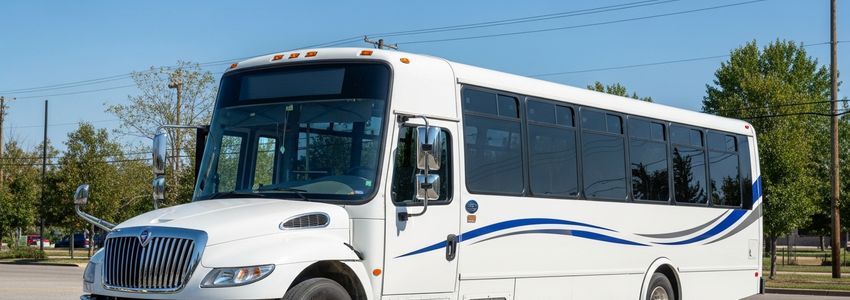
The party bus industry is a dynamic and profitable niche within the transportation sector, capitalizing on the growing demand for unique event experiences. For entrepreneurs looking to start or expand a party bus company, securing adequate funding is the most critical step. This comprehensive guide covers everything you need to know about party bus business loans, from the types of financing available to the step-by-step application process, ensuring you have the capital to get your business on the road to success.
What Are Party Bus Business Loans?
Party bus business loans are a specific category of commercial financing designed to meet the unique capital needs of companies operating in the luxury and event transportation industry. Unlike generic business loans, these financial products are often structured to accommodate the high-value, depreciating assets central to the business-the party buses themselves. Lenders who specialize in this area understand the industry's revenue models, operational costs, and growth potential.
These loans provide the necessary funds to start, operate, and expand a party bus company. The capital can be used for a wide range of purposes, from purchasing a single vehicle to building out an entire fleet. It can also cover essential operational expenses like insurance, marketing, driver salaries, and technology upgrades. Essentially, a party bus business loan is the fuel that powers your company's engine, enabling you to acquire assets, manage cash flow, and seize growth opportunities.
Financing is crucial because the initial investment in a party bus business is substantial. A new, custom-outfitted party bus can cost anywhere from $100,000 to over $300,000, while a quality used vehicle might range from $40,000 to $90,000. Few entrepreneurs have this level of capital readily available. Business loans bridge this gap, allowing you to launch or scale your operations without draining personal savings or liquidating other assets. The loan is then repaid over a set term with interest, using the revenue generated by the vehicles you financed.
There are two primary categories of financing you'll encounter:
- Asset-Based Lending: This is the most common type for this industry. The party bus itself serves as collateral for the loan. If you default on the payments, the lender can repossess the vehicle to recoup their losses. This secured nature often leads to more favorable interest rates and higher approval chances. Equipment Financing falls squarely into this category.
- Unsecured Lending: This type of financing does not require specific collateral. Instead, lenders base their decision on the overall financial health of your business, including your credit score, revenue history, and cash flow. These loans, such as Working Capital Loans, offer more flexibility in how the funds are used but may come with higher interest rates due to the increased risk for the lender.
Understanding the distinction between these loan types and identifying your specific needs are the first steps toward building a successful financing strategy for your party bus empire.
Types of Financing for Party Bus Companies
Navigating the world of Small Business Financing can be complex, but understanding the specific options available for your party bus company will empower you to choose the best fit. Each financing type has unique features, benefits, and ideal use cases. Here’s a detailed breakdown of the most common party bus business loans.
1. Equipment Financing and Leases
This is the most direct and popular method for acquiring party buses. The loan is specifically for purchasing new or used vehicles, and the bus itself acts as collateral. This secured arrangement reduces risk for the lender, often resulting in competitive interest rates and longer repayment terms.
- How it Works: You receive up to 100% of the vehicle's cost, which you then repay in fixed monthly installments over a set period (typically 3-7 years).
- Pros: Easier to qualify for than unsecured loans, preserves working capital for other expenses, potential tax benefits through depreciation (consult a tax advisor).
- Cons: Funds can only be used for the specified equipment purchase; a down payment may be required.
- Best For: Purchasing your first party bus, adding new vehicles to your fleet, or upgrading older models. For a deeper dive, explore our guide on Equipment Financing 101.
2. SBA Loans
Loans from the U.S. Small Business Administration (SBA) are highly sought after due to their favorable terms, low interest rates, and long repayment periods. The SBA doesn't lend money directly; instead, it guarantees a portion of the loan made by a partner lender, like a bank or credit union. This guarantee reduces the lender's risk, making them more willing to offer great terms.
- How it Works: The most common programs are the SBA 7(a) loan, which is versatile for various business needs, and the CDC/504 loan, which is ideal for major fixed assets.
- Pros: Some of the best interest rates and longest repayment terms available (up to 10 years for equipment, 25 for real estate).
- Cons: The application process is notoriously long and requires extensive documentation. Qualification standards are very strict.
- Best For: Well-established businesses with strong financials and a solid business plan looking for significant, long-term capital for major expansion. The SBA website offers comprehensive details on their programs.
3. Traditional Term Loans
A term loan from a bank or online lender provides a lump sum of cash upfront, which you repay with interest over a fixed period. These loans can be secured or unsecured, depending on the lender and your business's financial profile.
- How it Works: You apply for a specific amount, and if approved, you receive the funds to use for various business purposes. Repayment consists of regular, predictable installments.
- Pros: Fixed payments make budgeting easy; can be used for a wide range of needs beyond just vehicle purchase.
- Cons: Bank loans can be difficult to qualify for, requiring excellent credit and a long business history. Online lenders may have higher interest rates.
- Best For: Business owners who need a large, one-time infusion of capital for a specific project, such as a major marketing campaign, business acquisition, or down payment on multiple vehicles.
4. Business Line of Credit
A Business Line of Credit functions like a credit card for your business. You are approved for a certain credit limit and can draw funds as needed, up to that limit. You only pay interest on the amount you've drawn, not the total limit.
- How it Works: Once you draw funds, you repay them over time. As you pay back the principal, your available credit is replenished, allowing you to draw from it again.
- Pros: Extremely flexible; provides a safety net for unexpected expenses or cash flow gaps. You only pay for what you use. -Cons: Interest rates can be variable and sometimes higher than term loans. There may be fees for maintenance or draws.
- Best For: Managing day-to-day operational costs, covering surprise repairs, bridging seasonal revenue gaps, or having on-demand access to capital for opportunities.
5. Working Capital Loans
These are short-term loans designed to cover everyday operational expenses rather than long-term assets. They are essential for maintaining healthy Cash Flow Management.
- How it Works: You receive a lump sum to cover costs like payroll, rent, fuel, insurance premiums, and marketing. Repayment is typically faster, often through daily or weekly automated debits from your business bank account.
- Pros: Fast funding times (sometimes within 24 hours), easier qualification criteria than traditional loans.
- Cons: Higher interest rates and shorter repayment terms due to their short-term, often unsecured nature.
- Best For: New businesses needing startup capital for initial operating costs, or existing businesses facing a temporary cash crunch.
6. Merchant Cash Advance (MCA)
An MCA is not technically a loan but an advance on your future sales. A provider gives you a lump sum of cash in exchange for a percentage of your future credit and debit card sales.
- How it Works: Repayment is automatic. A fixed percentage of your daily card sales is remitted to the MCA provider until the advance is paid back in full, plus a fee (expressed as a factor rate).
- Pros: Very fast funding, accessible to businesses with poor credit or short operating history. Payments adjust with your sales volume.
- Cons: Can be one of the most expensive forms of financing. The high effective interest rate can severely impact cash flow.
- Best For: Businesses in urgent need of cash that cannot qualify for any other type of financing. This should be considered a last resort.
Ready to Fund Your Party Bus Business?
Get competitive rates and fast approvals from Crestmont Capital.
Apply NowHow Much Funding Can Party Bus Companies Get?
The amount of funding a party bus company can secure varies widely, ranging from as little as $10,000 for a small working capital loan to over $500,000 for fleet expansion. The final loan amount depends on a combination of factors related to your business's financial health, the lender's risk assessment, and the type of financing you seek.
Here’s a breakdown of the key elements that determine your funding potential:
1. Type of Loan
The financing product you choose is a primary determinant of the loan amount.
- Equipment Loans: Funding is directly tied to the value of the asset. You can often finance 80-100% of the purchase price of a new or used party bus. For a $150,000 bus, you could potentially secure a loan for the full amount.
- SBA Loans: These loans offer some of the highest funding amounts, with the SBA 7(a) program going up to $5 million. However, qualifying for the maximum amount requires a very large, established, and profitable business.
- Term Loans: For established businesses, bank term loans can reach into the hundreds of thousands. Online lenders typically offer amounts from $25,000 to $500,000.
- Business Lines of Credit: Credit limits typically range from $10,000 to $250,000, depending on your revenue and creditworthiness.
- Working Capital Loans: These are usually smaller, short-term loans, often ranging from $5,000 to $150,000, designed to cover immediate operational needs.
2. Business Revenue and Cash Flow
Lenders want to see that you can comfortably afford the loan payments. They will meticulously analyze your business's annual revenue and monthly cash flow. A common rule of thumb is that lenders will offer a loan amount that is a multiple of your monthly or annual revenue. For example, some short-term lenders might offer 1-2 times your average monthly revenue. A business generating $40,000 per month might qualify for a working capital loan of $40,000 to $80,000. Strong, consistent, and well-documented cash flow is perhaps the single most important factor in a lender's decision.
3. Credit Score (Personal and Business)
Your credit history is a direct indicator of your reliability as a borrower. Lenders will check both your personal FICO score and your business credit score (from agencies like Dun & Bradstreet). A higher credit score (typically 680+ for personal, 80+ for business) signals lower risk and opens the door to larger loan amounts, better interest rates, and more favorable terms. While some financing options are available for those with lower scores, the funding amounts will likely be smaller and more expensive.
4. Time in Business
The longer your party bus company has been in operation, the more stable it appears to lenders. Most traditional lenders and SBA partners require a minimum of two years in business. Newer businesses (under two years) may have more success with online lenders or working capital providers, but the loan amounts will generally be smaller. Startups with no operating history face the biggest challenge and often rely on equipment financing (where the vehicle is collateral) or personal loans.
5. Collateral
For secured loans, the value of your collateral is paramount. When applying for an equipment loan, the value of the party bus itself determines the maximum loan amount. If you are seeking other types of secured loans, you can offer other business assets (like existing vehicles or real estate) or even personal assets to secure a larger amount of funding. Providing strong collateral significantly reduces the lender's risk, increasing your borrowing power.
Qualification Requirements for Party Bus Business Loans
Getting approved for a party bus business loan requires meeting a specific set of criteria that lenders use to assess your creditworthiness and the viability of your business. While requirements vary between lenders and loan types, most will evaluate the following core areas. Preparing these in advance will significantly streamline your application process.
Minimum Credit Score
- Personal Credit Score: This is crucial, especially for new businesses. Most lenders look for a personal FICO score of 650 or higher. For more competitive products like SBA loans or bank term loans, a score of 680-700+ is often required.
- Business Credit Score: If your business is established, lenders will check your business credit profile with agencies like Experian Business or Dun & Bradstreet. A strong PAYDEX score (80+) demonstrates a history of paying suppliers and creditors on time.
Time in Business
- Startups (0-1 year): Financing options are limited. You will likely need a very strong personal credit score, a significant down payment (20%+), and a detailed business plan. Equipment financing is the most accessible option.
- Young Businesses (1-2 years): More options open up, particularly with online lenders. You can qualify for working capital loans, lines of credit, and equipment loans.
- Established Businesses (2+ years): You become eligible for the most desirable financing, including traditional bank loans and SBA loans. A proven track record of revenue and profitability is key.
Annual Revenue
Lenders need to see that your business generates enough income to support loan repayments. The minimum revenue requirement varies greatly:
- Online Lenders: Often require a minimum of $100,000 to $250,000 in annual revenue. Some may look at monthly revenue, requiring at least $10,000 per month.
- Banks and SBA Lenders: Typically have higher thresholds, often looking for businesses with $250,000+ in annual revenue and strong profitability.
Required Documents
Being organized is essential. Lenders will request a comprehensive set of documents to verify your financial standing. Be prepared to provide:
- Business Bank Statements: Typically the last 3-6 months to verify cash flow and revenue.
- Tax Returns: Both personal and business tax returns for the past 2-3 years.
- Financial Statements: Including a Profit & Loss (P&L) statement, balance sheet, and cash flow statement.
- Business Plan: Especially for startups or major expansion projects. This should include financial projections, market analysis, and your operational plan.
- Vehicle Quote/Purchase Agreement: For equipment financing, you'll need a formal quote from the seller detailing the party bus's cost, VIN, and specifications.
- Legal Documents: Articles of incorporation, business licenses, permits, and commercial auto insurance information.
- Debt Schedule: A list of all current business debts and their payment terms.
Down Payment
While some lenders offer 100% financing, many equipment financing agreements require a down payment. This shows the lender you have "skin in the game" and reduces their risk.
- Typical Range: Expect to need a down payment of 10% to 20% of the vehicle's purchase price.
- Impact: A larger down payment can help you secure a lower interest rate and may improve your approval odds, especially if you have weaker credit or are a new business.
How to Use Party Bus Business Loans
Strategic use of capital is what separates thriving businesses from struggling ones. A party bus business loan is a powerful tool that can be deployed in numerous ways to fuel growth, improve efficiency, and enhance customer experience. While the primary use is often vehicle acquisition, savvy owners leverage financing for a wide array of essential investments.
- Purchase New or Used Party Buses: This is the most common and critical use. A loan allows you to acquire the primary revenue-generating asset without depleting your cash reserves. You can choose a brand new, fully customized vehicle or a reliable, pre-owned bus to start or expand your fleet.
- Customize and Retrofit Vehicles: Transform a standard bus into a luxury "club on wheels." Use funds to install high-end sound systems, custom LED lighting, plush seating, dance floors, bars, and flat-screen TVs. These premium features justify higher rental rates and attract more clients.
- Cover Startup Costs: For new ventures, a loan can cover the initial barrage of expenses, including business registration fees, licensing and permits from local and state transportation authorities, and initial insurance down payments.
- Marketing and Advertising: You can have the best fleet in town, but if no one knows about it, you won't get bookings. Use loan capital for a professional website with an online booking system, search engine optimization (SEO), social media advertising campaigns, and partnerships with wedding planners and event venues.
- Secure a Garage or Parking Facility: A fleet of large vehicles requires a secure place for storage and maintenance. A loan can help you lease or purchase a commercial garage space to protect your valuable assets from weather and theft.
- Hire and Train Drivers: Invest in recruiting, training, and certifying professional drivers with Commercial Driver's Licenses (CDLs) and passenger endorsements. Proper training ensures safety, compliance, and excellent customer service.
- Technology and Software Upgrades: Implement booking and dispatch software to streamline operations, manage your schedule, and provide a seamless customer experience. GPS tracking for your fleet can improve efficiency and safety.
- Refinance Existing Debt: If you have existing vehicle loans or other business debt with high interest rates, you may be able to use a new loan with better terms to refinance that debt, lowering your monthly payments and freeing up cash flow.
- Working Capital for Operations: Cover the day-to-day costs that keep your business running smoothly. This includes fuel, routine maintenance, driver salaries, insurance premiums, and utility bills, especially during seasonal lulls.
- Major Repairs and Maintenance: Party buses endure significant wear and tear. A loan or line of credit can provide a crucial buffer for unexpected major repairs, such as engine or transmission overhauls, ensuring your vehicles stay on the road and generating revenue.
- Business Expansion: Use funds to expand your service area, open a new office in a neighboring city, or acquire a smaller competitor to rapidly grow your market share.
Party Bus Industry Overview and Growth Statistics
Investing in a party bus business means entering a vibrant and growing segment of the "experience economy." Modern consumers, particularly millennials and Gen Z, increasingly prioritize unique experiences over material goods. This trend is a primary driver for the luxury transportation market, which includes limousines, charter buses, and party buses.
The party bus niche thrives by catering to a wide range of events, including:
- Bachelor and bachelorette parties
- Weddings and proms
- Birthday celebrations and milestone events
- Corporate outings and team-building events
- Concerts, sporting events, and festival transportation
- Winery, brewery, and city tours
The industry is characterized by strong demand but also requires significant capital investment and adherence to strict safety and regulatory standards. According to a report by Bloomberg, the broader limousine and luxury transport market is projected to see substantial growth, driven by rising disposable incomes and an increase in both leisure and business travel. This positive outlook directly benefits party bus operators.
The U.S. Census Bureau's data on the transportation sector further highlights the scale of the industry. The "Charter Bus Industry" sub-sector (NAICS 485510), which includes party buses, is a multi-billion dollar market comprised of thousands of small and medium-sized businesses across the country. This indicates a fragmented market with ample opportunity for new entrants to capture local market share.
Post-pandemic, there has been a surge in demand for group activities and celebrations, further fueling the industry's recovery and growth. A report from Reuters on the "experience economy" notes that consumers are eager to spend on social outings and events, making services like party bus rentals highly attractive. This consumer behavior trend suggests a sustained period of growth for well-managed party bus companies.
Party Bus Industry at a Glance
| Statistic | Data Point | Implication for Your Business |
|---|---|---|
| Market Segment | Part of the U.S. Charter Bus & Limousine Industry | A stable and established sector with consistent demand. |
| Key Growth Driver | The "Experience Economy" & Group Events | Focus marketing on unique experiences, not just transportation. |
| Average Vehicle Cost | $40,000 (Used) to $300,000+ (New Custom) | Financing is essential for asset acquisition and growth. |
| Primary Revenue Streams | Weddings, Bachelor(ette) Parties, Corporate Events | Diversify your marketing to target multiple event types. |
| Regulatory Body | Federal Motor Carrier Safety Administration (FMCSA) & State DOTs | Compliance with safety, licensing, and insurance is non-negotiable. |
Step-by-Step: How to Apply for Party Bus Business Financing
Securing a party bus business loan is a structured process. Following these steps will help you stay organized, present a professional application, and increase your chances of a successful outcome.
Step 1: Define Your Funding Needs
Before you approach any lender, you need to know exactly how much money you need and what you'll use it for. Are you buying a specific $80,000 used bus? Do you need an additional $15,000 for insurance, marketing, and initial repairs? Create a detailed budget. This clarity is crucial for both your business plan and your conversations with lenders.
Step 2: Check Your Credit and Financial Health
Review your personal and business credit reports. You can get free personal credit reports annually from the major bureaus. Correct any errors you find, as they can negatively impact your score. Gather all your key financial documents, including bank statements, tax returns, and P&L statements. Understanding your financial position will help you identify which loan products you are most likely to qualify for.
Step 3: Develop a Strong Business Plan
A comprehensive business plan is your roadmap to success and a critical tool for convincing lenders to invest in you. It should include:
- Executive Summary: A brief overview of your business and funding request.
- Company Description: Your mission, legal structure, and competitive advantages.
- Market Analysis: Research on your target audience, local competition, and pricing strategy.
- Operations Plan: Details on your fleet, drivers, maintenance schedule, and booking process.
- Marketing and Sales Strategy: How you will attract and retain customers.
- Financial Projections: Realistic revenue and profit forecasts for the next 3-5 years, showing how you will repay the loan.
Step 4: Research and Compare Lenders
Don't just go with the first offer you see. Explore different types of lenders to find the best fit for your needs:
- Traditional Banks: Best for established businesses with excellent credit seeking low rates.
- SBA Lenders: Offer great terms but have a lengthy application process.
- Online Lenders & Fintech Companies: Provide faster funding and more flexible requirements, often at a higher cost.
- Specialty Finance Companies (like Crestmont Capital): Lenders who specialize in equipment and vehicle financing often have a better understanding of your industry and can offer tailored solutions.
Compare their interest rates, fees, repayment terms, and qualification criteria. Read reviews and check their reputation.
Step 5: Gather Your Documents and Submit the Application
Once you've chosen a few potential lenders, gather all the required documentation from the list in the "Qualification Requirements" section above. Fill out the application form completely and accurately. Double-check everything before submitting. A complete and organized application package makes a strong first impression and speeds up the underwriting process.
Step 6: Underwriting and Approval
After you submit your application, it goes into underwriting. The lender's team will review your financials, credit history, business plan, and the collateral's value. They may come back with follow-up questions or requests for additional documentation. Be responsive and provide any requested information promptly. This stage can take anywhere from a few hours for an online lender to several weeks for an SBA loan.
Step 7: Review the Loan Offer and Close
If approved, you will receive a formal loan offer or term sheet. Review this document carefully. Pay close attention to the loan amount, interest rate (APR), repayment term, monthly payment amount, and any fees (origination fees, prepayment penalties). If the terms are acceptable, you will sign the loan agreement. Once the paperwork is complete, the funds will be disbursed, either directly to your business bank account or to the vehicle seller in the case of equipment financing.
Ready to Fund Your Party Bus Business?
Get competitive rates and fast approvals from Crestmont Capital.
Apply NowTips to Get Approved and Get the Best Rates
Getting approved for a party bus business loan is one thing; securing the best possible terms is another. A lower interest rate can save you thousands of dollars over the life of the loan. Here are some actionable tips to improve your approval odds and land a great deal.
1. Polish Your Personal and Business Credit
Your credit score is a primary factor in determining your interest rate. Before applying, take steps to improve it. Pay all your bills on time, pay down high-balance credit cards to lower your credit utilization ratio, and avoid opening new credit lines right before you apply for a loan. A score above 720 will generally get you access to the most competitive rates.
2. Prepare a Flawless Business Plan
A well-researched, detailed business plan demonstrates your professionalism and understanding of the market. It should clearly articulate your path to profitability. Lenders are more likely to offer favorable terms to an owner who has a clear vision and a data-backed plan to achieve it. Focus on realistic financial projections that show a strong capacity to repay the debt.
3. Offer a Larger Down Payment
For equipment financing, offering a down payment of 20% or more significantly reduces the lender's risk. This lower risk is often passed on to you in the form of a lower interest rate. It also decreases the total amount you need to finance, resulting in lower monthly payments.
4. Highlight Your Industry Experience
If you or your key team members have prior experience in the transportation, hospitality, or events industry, make sure to highlight it in your application. Lenders view industry experience as a major asset, as it suggests you understand the operational challenges and are better equipped to succeed. This can be a deciding factor, especially for new businesses.
5. Shop Around and Negotiate
Don't accept the first loan offer you receive. Apply with multiple lenders-a bank, an online lender, and a specialty financing company-to compare offers. Having competing offers gives you leverage. You can use a better offer from one lender to negotiate terms with another that you prefer to work with.
6. Show Strong, Consistent Cash Flow
Your bank statements are proof of your business's health. Lenders want to see consistent deposits and a healthy average daily balance. Avoid non-sufficient funds (NSF) fees or overdrafts in the months leading up to your application, as these are major red flags. If your business is seasonal, provide historical data that shows a predictable pattern of revenue.
7. Secure Pre-Bookings or Contracts
For a new party bus business, showing lenders that you already have future revenue lined up can be incredibly powerful. If you have letters of intent from corporate clients, or signed contracts for future weddings and events, include them in your application package. This provides tangible proof of future cash flow and reduces the perceived risk of your venture.
Party Bus Fleet Financing and Equipment Loans
For many party bus company owners, the goal is to grow beyond a single vehicle. Building a fleet allows you to serve multiple clients simultaneously, cater to larger events, and significantly increase your revenue potential. This is where fleet financing and specialized equipment loans become essential.
Fleet financing is not just about getting multiple individual loans. It’s a strategic approach to acquiring several vehicles, often under a master loan agreement or a specialized line of credit. Lenders who offer fleet financing understand the scalability of your business model and can provide more streamlined solutions than applying for a separate loan for each bus.
Key advantages of dedicated fleet financing include:
- Simplified Process: Instead of repeating the full application process for each vehicle, a master agreement can allow for quicker additions to your fleet as your business grows.
- Better Terms: By financing multiple assets at once or through a single lender, you may be able to negotiate more favorable rates and terms.
- Consistent Payment Structure: It can consolidate your debt, making it easier to manage payments for your entire fleet.

When considering fleet expansion, it's important to have a clear strategy. Lenders will want to see a plan that justifies the expansion. This should be supported by:
- Market Demand: Evidence that you are turning away customers or that there is untapped demand in your service area.
- Financial Performance: Strong revenue and profit margins from your existing operations that demonstrate you can support additional debt.
- Operational Capacity: A plan for hiring more drivers, securing more parking, and increasing your maintenance capabilities.
An equipment loan remains the fundamental tool for this expansion. Each new bus added to your fleet can be financed with a loan where the vehicle itself serves as collateral. This asset-backed approach is highly effective for fleet building because each new loan is secured by a tangible, revenue-generating asset. At Crestmont Capital, we specialize in this type of financing, providing tailored solutions that align with your company's growth trajectory.
Next Steps to Secure Party Bus Business Financing
You've learned about the types of loans, qualifications, and strategies for success. Now it's time to take action. Follow these concrete next steps to move forward with securing the financing your party bus business needs to thrive.
Gather your last six months of business bank statements, your most recent tax returns, and pull your personal credit report. Get a clear, honest picture of your revenue, cash flow, and credit score. This is your starting point.
Update your business plan with current market data and realistic financial projections. Create a detailed "Use of Funds" budget that specifies exactly how you will spend the loan capital, from the vehicle purchase to marketing expenses.
Whether you're buying new or used, get a formal purchase order or bill of sale from a reputable dealer. This document is required for any equipment financing application and solidifies the exact amount you need to borrow for the asset.
Contact a financing expert who understands the transportation industry. They can review your scenario, explain your best options, and guide you toward the loan product with the highest chance of approval and the most favorable terms for your specific situation.
Frequently Asked Questions About Party Bus Business Loans
1. Can I get a party bus business loan with bad credit?
Yes, it is possible, but your options will be more limited and more expensive. Lenders may require a larger down payment (20-30%+), a lower loan-to-value ratio, or offer a higher interest rate to offset the increased risk. Options like merchant cash advances or working capital loans from online lenders often have more lenient credit requirements than traditional bank or SBA loans.
2. How long does it take to get funded?
The timeline varies significantly by loan type. Online lenders and equipment financing companies can often provide funding in as little as 24-72 hours after approval. Traditional bank loans can take several weeks, while SBA loans are the longest, often taking 30-90 days from application to funding.
3. Do I need a CDL to get a loan for a party bus?
You personally do not need a Commercial Driver's License (CDL) to own the business or get the loan. However, your business plan must show that you will hire drivers who do have the appropriate CDL with a passenger (P) endorsement, as required by federal and state law for vehicles designed to transport 16 or more passengers.
4. Can I finance a used party bus?
Absolutely. Many lenders, especially those specializing in equipment financing, are happy to finance used vehicles. However, they may have restrictions on the age and mileage of the bus. Financing a used bus can be a smart way to lower your initial investment and monthly payments.
5. What kind of interest rates can I expect?
Interest rates depend on your credit score, time in business, the type of loan, and the overall economy. As of late 2023, you might see rates from 7-10% for highly qualified borrowers on SBA or bank loans, 9-20% for equipment financing, and 20% or higher for short-term working capital loans or MCAs.
6. Is it better to lease or buy a party bus?
Buying (through an equipment loan) means you own the asset at the end of the term, building equity. It's better for long-term use. Leasing involves lower monthly payments and allows you to upgrade to a newer vehicle every few years, but you don't own the bus. The best choice depends on your long-term business goals and cash flow situation.
7. Do I need a down payment for a party bus loan?
It depends on the lender and your qualifications. Some equipment financing programs offer 100% financing for well-qualified buyers. However, most lenders prefer or require a down payment of 10-20%. A down payment reduces the lender's risk and can help you secure better terms.
8. Can I get a loan for a party bus business startup?
Yes, but it's challenging. As a startup with no revenue history, lenders will rely heavily on your personal credit score, a strong business plan with detailed financial projections, and a significant down payment. Equipment financing is the most accessible option, as the bus itself serves as collateral.
9. What are the typical repayment terms for a party bus loan?
For equipment financing on a party bus, terms typically range from 3 to 7 years (36 to 84 months). Working capital loans have much shorter terms, often 6 to 18 months. SBA loans can have terms up to 10 years for equipment.
10. Does the loan cover insurance and registration costs?
Generally, an equipment loan is for the purchase price of the vehicle only. You would need a working capital loan, a line of credit, or use your own cash to cover ancillary costs like insurance premiums, taxes, registration fees, and initial marketing expenses.
11. What kind of insurance is required for a party bus business?
Lenders will require you to have significant commercial auto liability insurance, often with a minimum coverage of $1.5 million to $5 million, depending on your state and the vehicle's passenger capacity. You will need to provide proof of insurance before the loan can be finalized.
12. Can I use a personal loan to start my party bus business?
While possible, it's generally not recommended. Personal loans often have lower funding limits than business loans and do not help you build business credit. More importantly, using a personal loan means you are personally liable for the debt, putting your personal assets at risk without the liability protections of a business structure like an LLC.
13. How does a lender value a party bus for a loan?
For new buses, the value is the purchase price from the dealer. For used buses, lenders use a combination of industry valuation guides (similar to a Blue Book for commercial vehicles), comparable sales data, and sometimes a third-party appraisal to determine the fair market value, which sets the ceiling for the loan amount.
14. Will a party bus business loan have a prepayment penalty?
Some loans do, and some don't. It's a critical question to ask your lender. SBA loans and many bank loans do not have prepayment penalties. However, some online lenders and short-term loan products may include them, meaning you would have to pay a fee if you pay off the loan ahead of schedule.
15. What happens if I default on my party bus loan?
If you default on a secured equipment loan, the lender has the right to repossess the party bus to recover their losses. This will also severely damage your personal and business credit. For unsecured loans, the lender can pursue legal action, such as a lawsuit or collections, to claim repayment from your business's assets or revenue.
Ready to Fund Your Party Bus Business?
Get competitive rates and fast approvals from Crestmont Capital.
Apply NowThe information provided in this article is for general educational purposes only and does not constitute financial, legal, or tax advice. Crestmont Capital makes no representations regarding the accuracy or completeness of the information. Consult a qualified financial advisor before making any financing decisions.