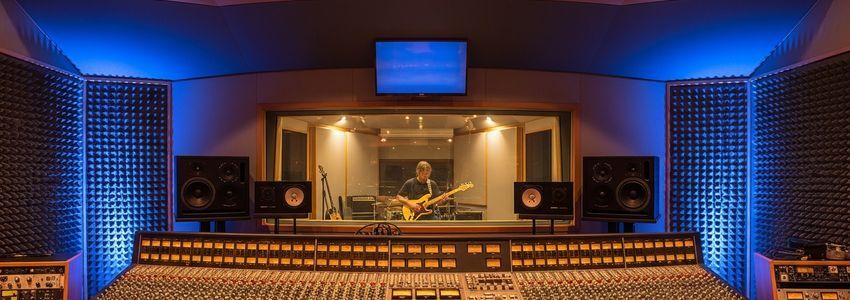
Running a music studio is a labor of love — but it is also a capital-intensive business. Whether you operate a professional recording studio, a music school, a rehearsal space, or a hybrid creative facility, the financial demands are real and ongoing. Acoustic treatment and soundproofing alone can cost tens of thousands of dollars. Professional recording equipment — consoles, microphones, monitors, outboard gear — represents hundreds of thousands in investment for top-tier facilities. Music studio business loans exist to help studio owners access the capital they need to build world-class spaces, purchase the right gear, and grow their operations without draining personal savings or waiting years to accumulate enough cash.
This comprehensive guide covers every aspect of financing a music studio: the loan types available, qualification requirements, what lenders look for, how to use financing strategically, and how Crestmont Capital helps studio owners access fast, flexible funding.
In This Article
- What Are Music Studio Business Loans?
- Key Benefits of Financing for Music Studios
- How Music Studio Financing Works
- Types of Loans for Music Studio Owners
- Best Ways to Use a Music Studio Business Loan
- How Much Does It Cost to Build or Expand a Music Studio?
- Who Qualifies for Music Studio Business Loans?
- How Crestmont Capital Helps Music Studio Owners
- Real-World Scenarios
- Frequently Asked Questions
- How to Get Started
What Are Music Studio Business Loans?
Music studio business loans are financing products specifically applied to the needs of music-related businesses: recording studios, music schools and academies, rehearsal spaces, mixing and mastering studios, podcast production facilities, voiceover studios, and music production companies. These loans function like standard small business loans but are used to fund the unique capital requirements of the audio and music industry.
The music business requires specialized infrastructure that is expensive to build and maintain. Acoustically treated rooms, professional-grade recording equipment, mixing consoles, digital audio workstations, monitoring systems, and soundproofing represent major capital outlays that most studio owners cannot fund entirely from cash flow. Business loans bridge this gap, allowing studio owners to invest in quality infrastructure now and repay the cost over time as revenue grows.
Unlike manufacturing or retail businesses, music studios earn revenue through session bookings, monthly memberships, lesson fees, equipment rental, and long-term contracts with artists and producers. This recurring revenue model — when established — supports predictable loan repayment, making music studios a viable borrowing profile for many lenders.
Industry Snapshot: The U.S. music recording studio industry generates approximately $2.6 billion in annual revenue. Music schools and academies add several billion more. With thousands of independent studios competing for bookings, high-quality infrastructure is no longer optional — it is a competitive necessity.
Key Benefits of Financing for Music Studio Owners
Studio owners often hesitate to take on debt, preferring to upgrade gear incrementally from profits. While that approach avoids risk, it also leaves money on the table — as every month spent with subpar equipment or limited capacity is revenue lost to better-equipped competitors. Strategic financing can accelerate growth substantially and often generates a return that far exceeds the cost of capital.
- Build the right room from the start: Acoustic treatment, soundproofing, and room design are the foundation of a great studio. Doing it right the first time costs money, but doing it wrong and retrofitting costs even more. Business loans let you hire experienced acoustic designers and use quality materials from day one.
- Purchase professional-grade equipment: Artists and producers can tell the difference between prosumer and professional gear. A loan to invest in a great console, top-tier microphones, and reference monitors will attract higher-paying clients and command premium session rates.
- Expand capacity: Adding a second tracking room, a separate live room, or a dedicated mixing suite dramatically increases the number of clients you can serve simultaneously — multiplying revenue potential.
- Manage cash flow during slow periods: Recording studio bookings are often seasonal, with peaks around album release cycles and slower periods mid-year. A line of credit can cover operating expenses during quiet months.
- Hire staff: Bringing on additional engineers, instructors, or studio managers requires upfront payroll investment before those employees generate their full revenue contribution.
- Marketing and client acquisition: A studio that nobody knows about is invisible. Financing a professional website, recording demos, advertising campaigns, and industry networking can generate a return many times the investment.
- Acquire or lease a better space: Location matters enormously for client-facing studios. Moving from a basement to a commercial location, or from a commercial space to a dedicated studio building, requires significant capital for leasehold improvements and buildout.
Ready to Finance Your Music Studio?
Get fast, flexible financing from the #1 business lender in the U.S. No obligation — apply in minutes.
Apply Now →How Music Studio Financing Works
Obtaining a business loan for a music studio follows the same general process as any small business financing. Here is what to expect at each stage.
Application
Most alternative lenders offer a streamlined online application that takes 10-15 minutes to complete. You will provide basic information about your business — your studio name, entity type, time in business, estimated annual revenue, and the purpose of the loan. No elaborate business plan is required at this stage.
Documentation
After the initial application, lenders request supporting documents. For a music studio, this typically includes three to six months of business bank statements, proof of business identity (EIN, business license), and sometimes the most recent one to two years of business tax returns. Some lenders also request a voided business check to verify account details.
Underwriting
The underwriter reviews your application package to assess creditworthiness and repayment ability. Key metrics include average monthly revenue, existing debt obligations, personal credit score, and time in business. Music studios with consistent booking revenue and at least one year of operating history generally find the most loan options available to them.
Offer and Terms
Once approved, you receive a written loan offer with the proposed amount, interest rate or factor rate, repayment term, payment frequency, and any fees. Review this carefully before accepting. With alternative lenders, approval can occur within 24 to 48 hours of submitting a complete application.
Funding
After signing the loan agreement, funds are deposited directly into your business bank account — often within one to three business days. For urgent equipment purchases or lease opportunities, same-day or next-day funding is available through some lenders.
Step-by-Step
Music Studio Financing — How It Works
Complete a quick application with business info and estimated revenue.
Bank statements, business license, tax returns if required.
Review your offer and terms. Ask questions before signing.
Capital deposited to your business account and ready to use.
Types of Loans Available for Music Studio Owners
Music studio owners have access to several financing products, each suited to different purposes and business profiles. Understanding your options is the first step to choosing the right one.
Business Term Loans
A business term loan provides a lump sum of capital repaid over a fixed period — typically six months to five years — with regular payments. Term loans are ideal for large one-time investments: building out a new room, purchasing a major piece of equipment, or acquiring an existing studio. Loan amounts range from $5,000 to $500,000 or more depending on your revenue and creditworthiness. Alternative lenders can fund term loans within 24 to 72 hours, while SBA-backed term loans take 30 to 90 days but offer lower rates and longer terms.
Business Line of Credit
A business line of credit functions like a business credit card — you are approved for a maximum limit and draw from it as needed, paying interest only on what you use. Lines of credit are invaluable for music studios dealing with seasonal revenue fluctuations. During a slow booking month, you can draw on the line to cover rent and salaries; when bookings pick up, you repay what you borrowed. Approval ranges from $10,000 to $250,000 for most studios.
Equipment Financing
Equipment financing is specifically designed for purchasing business equipment — in a studio's case, recording consoles, microphones, monitors, outboard gear, digital audio workstations, acoustic panels, cameras, lighting rigs, and more. The equipment itself serves as collateral, which typically allows for faster approval and more flexible credit requirements. Loan amounts align directly with the equipment purchase price, and terms often match the useful life of the equipment.
SBA Loans
For established studios with strong financials and a need for substantial capital, SBA loans offer some of the most favorable rates and longest repayment terms in the market. The SBA 7(a) loan program supports amounts up to $5 million with terms up to 10 years for equipment and 25 years for real estate. The SBA 504 program is specifically designed for real estate and major equipment purchases. The tradeoff is a more rigorous application process and longer approval timeline.
Merchant Cash Advance (MCA)
A merchant cash advance provides fast capital in exchange for a percentage of your future daily card sales. MCAs require minimal documentation and can fund within 24 hours. However, the effective cost is higher than traditional loans, making them best suited for short-term cash flow needs rather than large capital investments. Music studios with consistent card-payment revenue from lesson fees or memberships may find MCAs useful in a pinch.
Working Capital Loans
Working capital loans are unsecured, short-term loans designed to cover day-to-day operating expenses: rent, utilities, staff payroll, insurance, and marketing. Repayment terms are typically 6 to 18 months. These are particularly useful during the launch phase of a new studio, when revenue is still building but fixed expenses are already in full swing.
Commercial Real Estate Financing
If you are ready to purchase your studio's physical space rather than continue paying rent indefinitely, commercial real estate financing allows you to buy the building outright. Owning your space eliminates the risk of rent increases or lease non-renewal and builds equity over time. SBA 504 loans are a popular structure for owner-occupied commercial real estate purchases.
Pro Tip: Many music studios benefit from combining financing products — for example, using a term loan for major buildout costs while maintaining a line of credit for ongoing cash flow management. Crestmont Capital can help you structure a financing strategy that fits your studio's specific needs and growth stage.
| Loan Type | Best For | Funding Speed | Typical Amount |
|---|---|---|---|
| Term Loan | Studio buildout, major gear, expansion | 1-5 days | $5K-$500K+ |
| Line of Credit | Seasonal gaps, ongoing operations | 1-5 days | $10K-$250K |
| Equipment Financing | Consoles, mics, monitors, DAW rigs | 1-5 days | $5K-$300K |
| SBA 7(a) Loan | Major expansion, long-term capital | 30-90 days | Up to $5M |
| SBA 504 | Real estate purchase, heavy equipment | 60-90 days | Up to $5.5M |
| MCA | Urgent cash needs, short-term gaps | 24-48 hours | $5K-$250K |
| Working Capital Loan | Rent, payroll, utilities, marketing | 1-5 days | $5K-$150K |
Best Ways to Use a Music Studio Business Loan
The most impactful uses of business financing depend on your studio type, revenue stage, and growth goals. Here are the most common and highest-return applications for music studio loans.
Acoustic Treatment and Soundproofing
The quality of a recording studio begins with the room itself. Proper acoustic treatment — bass traps, diffusers, absorbers, and room geometry — is the foundation of professional sound. Soundproofing, which prevents external noise from entering and studio noise from disturbing neighbors, is equally critical for commercial viability. Professional acoustic consulting fees, specialized materials, and skilled installation can easily total $30,000 to $150,000 or more for a high-quality control room. This is a foundational investment that affects every recording made in your studio for decades.
Professional Recording Equipment
The gap between consumer and professional audio equipment is enormous — in sound quality, reliability, and the confidence it inspires in clients. A professional-grade recording console, a collection of world-class microphones (Neumann U87s, AKG C414s, Shure SM7Bs), quality outboard preamps, compressors, EQs, and reference monitor speakers can transform a demo studio into a world-class recording environment. Equipment financing is ideally suited to these purchases, as the gear itself serves as collateral and terms can extend to five to seven years.
Studio Buildout and Leasehold Improvements
If you are moving into a new commercial space, transforming it into a functional recording studio requires significant investment. Electrical upgrades (studios require isolated circuits and substantial amperage for equipment), HVAC modifications (climate control is critical for equipment and recording conditions), custom cabinetry and millwork, cable infrastructure, a control room window between rooms, and isolation construction can total $50,000 to $500,000 depending on scope. Business term loans and SBA loans are the most appropriate vehicles for these capital-intensive projects.
Adding New Recording Rooms
A single-room studio serves one client at a time. Adding a second tracking room, an isolation booth, a vocal booth, or a dedicated mixing suite allows you to book multiple clients simultaneously — potentially doubling or tripling hourly revenue. Each additional room requires its own acoustic treatment, equipment, and wiring infrastructure. Financing these additions as a growth investment makes strong financial sense when your existing room is consistently booked.
Music School or Academy Expansion
For music educators running lesson studios or academies, financing can fund the expansion of teaching rooms, the purchase of teaching instruments (pianos, drum kits, amplifiers, recording interfaces for students), hiring additional instructors, or moving to a larger facility. The recurring revenue model of monthly lesson fees provides a predictable repayment base that lenders view favorably.
Technology and Software Upgrades
Professional digital audio workstations, plugin libraries, sample libraries, and virtual instruments represent significant software investment. Hardware upgrades — new Apple Mac Pros, high-end audio interfaces, video monitoring systems for sync work — have both a quality impact and a marketing value (clients notice and appreciate when a studio invests in the latest technology). Working capital loans or equipment financing can fund these upgrades.
Marketing and Brand Building
A recording studio without a strong online presence, professional photography, client testimonials, and a portfolio of past work is essentially invisible to potential clients. Financing a professional website redesign, SEO campaign, social media advertising, professional photography and videography of your facility, and your presence at music industry events (NAMM, AES, regional music conferences) is often one of the highest-ROI uses of business capital for a studio at an early growth stage.
Staff Hiring and Payroll
Bringing on a second engineer, a studio manager, a music instructor, or a booking coordinator requires upfront payroll commitment before those hires generate their full revenue contribution. Working capital loans can bridge this ramp-up period, allowing you to hire the talent needed to serve more clients without cash flow stress.
By the Numbers
Music Studio Industry — Key Data
$2.6B
U.S. recording studio industry annual revenue
10K+
Independent recording studios in the U.S.
$50-500K
Typical buildout cost for a professional studio
24hr
Funding speed with alternative lenders
How Much Does It Cost to Build or Expand a Music Studio?
Understanding the real capital requirements of music studio development helps you approach financing conversations with clear numbers. Costs vary enormously based on facility size, location, quality level, and whether you are building from scratch or upgrading an existing space.
Entry-Level Home-Based Studio
A serious home studio with professional acoustic treatment, a quality audio interface, monitoring system, and a collection of professional microphones can be built for $15,000 to $50,000. At this level, you are equipped to record vocals, acoustic instruments, and produce music at a professional quality level. Equipment financing is typically the best vehicle for this range.
Mid-Level Commercial Studio
A proper commercial recording studio with a dedicated control room, tracking room, vocal booth, and professional equipment (quality console or high-end DAW rig, multiple microphone chains, professional monitors) typically costs $75,000 to $300,000 to build out and equip. This includes leasehold improvements, acoustic construction, electrical upgrades, and professional gear. SBA loans and term loans are well-suited to this investment range.
Professional Full-Service Studio
A high-end professional studio designed to attract major-label recording projects, touring artists, and film/television work can cost $500,000 to several million dollars to build properly. This includes custom acoustic design by a renowned consultant, a large-format analog console, a deep microphone collection, professional outboard gear, multiple isolated rooms, and premium finishes that create the environment clients expect. SBA 504 loans combined with other financing are often used at this level.
Music School or Academy
A music school with multiple teaching rooms, a small ensemble rehearsal space, student instruments, and administrative areas typically costs $50,000 to $200,000 to establish in a commercial location, depending on the size of the space and the number of teaching rooms. Monthly lesson revenue from a full roster of students can easily support loan repayment at this range.
Rehearsal Space Facility
A multi-room rehearsal facility designed for band rentals by the hour typically requires $30,000 to $150,000 to build and equip, depending on the number of rooms and the quality of the backline (drum kits, amplifiers, PA systems) provided in each room. These facilities often achieve strong ROI when located near active music scenes in urban markets.
Who Qualifies for Music Studio Business Loans?
Qualification requirements vary by lender and loan type. Here is a realistic picture of what most lenders look for when evaluating a music studio for financing.
Time in Business
Alternative lenders typically require a minimum of six months to one year of operating history. Traditional banks and SBA lenders generally prefer two or more years. If your studio is brand-new, startup equipment financing and merchant cash advances are the most accessible options. Building at least six months of documented revenue history opens up significantly more loan options.
Annual Revenue
Most alternative lenders have minimum annual revenue requirements of $60,000 to $100,000. Traditional bank lenders typically want to see higher revenue. For music studios, revenue sources that count include session fees, lesson income, membership fees, equipment rental income, and production work. Combined, these revenue streams can add up quickly even for mid-sized studios.
Credit Score
Personal credit score is a significant factor in most lending decisions, especially for smaller studios without extensive business credit history. Alternative lenders often work with scores as low as 550-600. For SBA loans and traditional bank loans, a minimum score of 680 is typically required. Building and maintaining a strong personal credit profile is one of the most important things a studio owner can do to improve loan access. For more detail, see our guide on how to improve your business credit before applying for a loan.
Cash Flow and Bank Statements
Lenders want to see consistent, regular revenue deposits in your business bank account. Three to six months of bank statements is the standard documentation requirement. Irregular deposits, frequent overdrafts, or large unexplained withdrawals can raise red flags. Music studios that primarily accept cash or check payments should work to bring as many transactions as possible through their business bank account to create a clear documented revenue picture.
Industry Considerations
Music studios are generally viewed favorably by alternative lenders as long as they demonstrate consistent revenue. The industry has legitimate long-term demand from artists, producers, bands, podcasters, and content creators. Studios with a diversified revenue base — a mix of recording sessions, music lessons, beat licensing, podcast production, and equipment rental — are especially well-positioned.
Tip for Studio Owners: If you are a recording engineer or music teacher operating as a sole proprietor, converting to an LLC or S-Corp and establishing a business bank account and business credit profile will significantly expand your financing options. Lenders respond to structured businesses with clear separation between personal and business finances.
How Crestmont Capital Helps Music Studio Owners
Crestmont Capital is a direct business lender and the #1 rated business lender in the U.S., with over 15 years of experience helping small business owners access the capital they need to grow. We understand that music studio owners often operate with passion, creativity, and deep expertise in their craft — but the financial side of running a business can feel overwhelming. Our team specializes in making business financing straightforward and accessible.
We work with studios at every stage — from first-time studio owners who need equipment financing to establish their initial setup, to established multi-room facilities seeking significant capital for major expansion or real estate acquisition. Our streamlined application process takes minutes, underwriting decisions often come back the same day, and funding typically occurs within one to three business days.
Our financing products available to music studio owners include:
- Equipment Financing — for consoles, microphones, monitors, outboard gear, DAW hardware, and acoustic materials
- Business Line of Credit — for ongoing cash flow management and seasonal revenue gaps
- Unsecured Working Capital Loans — for operating expenses, staff, and marketing
- SBA Loans — for major buildout, real estate, and long-term capital investments
- Commercial Real Estate Financing — for purchasing your studio's physical space
- Merchant Cash Advances — for urgent, short-term cash needs
We also understand that musicians and audio professionals often have non-traditional income histories and business structures. Our underwriting team takes a holistic view of your financial profile rather than applying rigid checklist-based criteria, which means more studio owners qualify for meaningful financing.
Build the Studio You've Always Envisioned
Don't let capital limitations hold your creative vision back. Crestmont Capital can help you get funded fast — apply today.
Apply Now →
Real-World Scenarios: Music Studio Financing in Action
Understanding how other studio owners have used financing can help you see how capital might benefit your own situation.
Scenario 1: The First Commercial Space
Marcus has been running a home studio for three years and has built a loyal base of local hip-hop producers and vocalists. He has identified a 1,200 square foot commercial space that could be transformed into a two-room professional studio. The buildout — electrical upgrades, acoustic treatment, soundproofing, and equipment — will cost $120,000. He applies for a $130,000 business term loan from Crestmont Capital using his home studio's three-year revenue history as the basis. Approved within 48 hours, he completes the buildout over 10 weeks. Within six months, the commercial studio generates triple his previous monthly revenue.
Scenario 2: The Music School Expansion
Sarah owns a successful music school in the suburbs that currently has four teaching rooms, all of which are fully booked six days a week. She has a waitlist of 40 students. She identifies an adjacent commercial suite she can lease to create four more teaching rooms, a small ensemble rehearsal space, and a proper waiting area. The total cost for leasehold improvements, additional instruments, and three months of additional rent during setup is $85,000. She applies for a term loan and receives approval within two days. The new rooms are operational within eight weeks, and her monthly revenue increases by 65% as the waitlist is absorbed.
Scenario 3: The Equipment Upgrade
David runs a modest recording studio that has been operating for two years. His current setup — an older digital console, basic preamps, and prosumer monitors — produces acceptable recordings but does not attract the higher-paying commercial clients and label-funded projects in his market. He researches the investment needed to upgrade to a professional-tier signal chain: a quality Neve or SSL console (or equivalent), Genelec reference monitors, a collection of Neumann and AKG microphones, and Manley and API outboard gear. The total investment is $95,000. He finances the purchase through equipment financing, approved within 48 hours. Within four months of completing the upgrade, he has landed two major advertising jingle projects and a record label artist's album recording — clients who specifically cited his studio's equipment upgrade in booking decisions.
Scenario 4: The Seasonal Cash Flow Crisis
Jennifer runs a music production studio that specializes in film and television work. Her business is highly seasonal — Q1 and Q4 are extremely busy with project deadlines, while Q2 and Q3 are much slower. During a particularly slow summer, she faces a month where a large client delayed payment while her rent, equipment maintenance contracts, and two staff salaries remain due. She draws $30,000 from a business line of credit she established with Crestmont Capital the previous year. She repays the draw over the following three months as payment arrives from clients. The line of credit costs her a fraction of what a disruption to operations would have cost — and she avoids the stress of a cash flow crisis entirely.
Scenario 5: The Recording Studio Acquisition
James has been engineering sessions at another studio for eight years. When the owner announces he is retiring and the studio is available for purchase, James sees an opportunity to acquire an established facility with existing client relationships, equipment, and a known brand. The purchase price is $280,000 for the business and equipment, with a separate lease on the space. He applies for an SBA 7(a) loan through Crestmont Capital, leveraging the studio's five-year revenue history in the loan application. Approved after a 45-day process, he closes the acquisition and continues the studio's operation without interruption to existing clients.
Scenario 6: The Multi-Format Studio
Carlos runs a recording studio that primarily serves music clients but recognizes the booming demand for podcast production, voiceover recording, and content creation services. He wants to add a dedicated podcast room with professional acoustic treatment, video camera setup, lighting, and podcast-specific equipment. He also wants to hire a part-time producer to manage bookings and run sessions in the new room. Total investment: $35,000 for the room buildout plus three months of salary advance. He applies for a $40,000 working capital loan, receives approval within 36 hours, and has the new podcast room operational within six weeks. The room is booked every day of its first month of operation, generating $12,000 in revenue in its first 30 days.
Frequently Asked Questions
Can a music studio qualify for a business loan?
Yes. Music studios, recording studios, music schools, rehearsal facilities, and related music businesses qualify for the same business loan products available to any small business. Lenders evaluate studios based on revenue, time in business, cash flow, and credit profile.
How much can I borrow for my music studio?
Loan amounts depend on your revenue, credit score, time in business, and the type of loan. Equipment financing typically covers the full purchase price of the equipment. Term loans from alternative lenders typically range from $5,000 to $500,000. SBA loans can reach $5 million or more for established studios with strong financials.
Can I finance recording studio equipment specifically?
Yes. Equipment financing is specifically designed for purchasing business equipment, and recording studio gear — consoles, microphones, monitors, outboard gear, digital audio workstations, and acoustic panels — all qualify. The equipment serves as collateral, which typically makes approval faster and easier than unsecured loans.
How fast can I get a business loan for my recording studio?
With alternative lenders like Crestmont Capital, you can receive approval within 24 to 48 hours and funding in as little as 24 to 72 hours after approval. SBA loans take 30 to 90 days. Traditional bank loans typically take 2 to 6 weeks.
Can a new music studio that has been open less than a year get a loan?
Yes, though options are more limited. Some alternative lenders work with businesses at least six months old. Equipment financing and merchant cash advances have the most flexible time-in-business requirements. Building six months of consistent documented revenue will open up significantly more financing options.
What credit score do I need to get a music studio loan?
Alternative lenders often work with credit scores as low as 550-600. Traditional bank loans and SBA loans typically require a score of 680 or higher. The higher your credit score, the better the interest rates and terms you can expect.
Do I need collateral to get a music studio business loan?
Not necessarily. Many working capital loans and business lines of credit are unsecured. Equipment loans use the purchased equipment as collateral. SBA loans may require business assets and sometimes personal guarantees. Many alternative lender products do not require specific collateral beyond a personal guarantee.
Can I use a business loan to build acoustic treatment into my studio?
Yes. Business term loans and working capital loans can be used for acoustic treatment, soundproofing, leasehold improvements, and room construction. Unlike equipment financing, these general-purpose loans are not restricted to specific collateral assets — they can fund the full scope of a studio buildout project.
What interest rates should I expect on a music studio business loan?
Rates vary significantly by loan type and borrower profile. SBA loans typically range from 6-12% APR. Alternative lender term loans may range from 10-35% APR depending on your credit and revenue. Equipment financing rates often fall between 6-20% depending on creditworthiness. Merchant cash advances are expressed as factor rates (1.15-1.50 typical) rather than APR. Your specific rate depends on your credit score, revenue, time in business, and the loan amount.
Can I get a loan to acquire an existing recording studio?
Yes. Business acquisition financing is available through SBA 7(a) loans and conventional business term loans. Acquiring an existing studio with established clientele, equipment, and revenue history can be easier to finance than a startup because lenders can evaluate the target business's historical performance.
What documents do I need to apply for a music studio business loan?
Standard documentation includes three to six months of business bank statements, a business license, photo ID, and sometimes the last one to two years of business tax returns. Equipment financing may also require a quote from the equipment vendor. SBA loans require more extensive documentation including profit and loss statements and business plans.
Can a music school or academy qualify for business loans?
Yes. Music schools and academies qualify for business loans on the same basis as any service business. The recurring revenue model of monthly lesson fees is particularly attractive to lenders because it demonstrates consistent, predictable income. Equipment financing can cover teaching instruments, and term loans can fund room expansions and facility improvements.
Can I finance a rehearsal space or practice facility?
Yes. Rehearsal facilities qualify for the same range of business loan products. Equipment financing can cover backline gear (drum kits, amplifiers, PA systems), and term loans or working capital loans can fund the buildout of individual practice rooms with proper acoustic treatment and soundproofing.
What makes Crestmont Capital a good choice for music studio financing?
Crestmont Capital is the #1 rated business lender in the U.S. with a streamlined application process, same-day approvals in many cases, and funding within 1-3 business days. We work with a wider range of credit profiles than most traditional lenders and offer multiple financing products suited to music studio needs — from equipment financing to SBA loans.
How do I know which type of music studio loan is right for me?
The right loan depends on what you need the money for and how quickly you need it. Equipment purchases are best financed through equipment financing. Studio buildout and major capital projects are best suited to term loans or SBA loans. Ongoing cash flow gaps are best managed with a business line of credit. A Crestmont Capital advisor can help you identify the right product for your specific situation.
How to Get Started
Complete our streamlined application at offers.crestmontcapital.com/apply-now with basic business and revenue information.
Provide bank statements and any other requested documentation. Our team will guide you through what is needed.
A Crestmont Capital advisor will review your studio's financing needs and match you with the right loan product — whether that is equipment financing, a working capital loan, or an SBA loan.
Receive your funds — often within 24-72 hours of approval — and put them to work building the studio you have always envisioned.
Conclusion
Music studio business loans provide the capital that makes it possible for audio professionals to build world-class facilities, invest in professional equipment, expand their capacity, and weather the inevitable cash flow challenges that come with running a creative business. Whether you are a recording engineer ready to leave your home studio for a commercial space, a music teacher looking to expand your school, or an established studio owner seeking capital for a major technology upgrade or real estate acquisition, the right financing product exists for your situation.
Crestmont Capital is the #1 rated business lender in the U.S., and we have helped thousands of small business owners across the country access the capital they need to grow. Our team understands the creative industries and the unique financial dynamics that music studio owners navigate. We offer fast approvals, flexible qualification criteria, and multiple financing products matched to the specific capital needs of music businesses.
Apply today and take the next step toward building the music studio that your talent and your clients deserve. Get started with Crestmont Capital now.
Disclaimer: The information provided in this article is for general educational purposes only and is not financial, legal, or tax advice. Funding terms, qualifications, and product availability may vary and are subject to change without notice. Crestmont Capital does not guarantee approval, rates, or specific outcomes. For personalized information about your business funding options, contact our team directly.