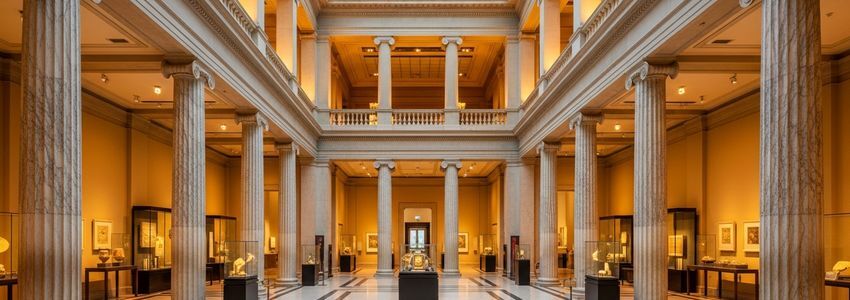
Running a museum is one of the most rewarding — and financially demanding — endeavors in the cultural sector. Whether you oversee a world-class natural history collection, a regional art gallery, a children's discovery center, or a private specialty museum, the costs of keeping your institution vibrant and relevant are substantial and unrelenting. Acquiring new exhibits, restoring aging artifacts, modernizing facilities, and retaining skilled curatorial staff all require significant capital investment. Yet unlike traditional businesses, museums often face complex funding landscapes where revenue fluctuates with seasonal attendance, grant cycles are unpredictable, and capital expenditures can arrive faster than donor contributions.
The reality is that museum funding gaps are common — and they don't discriminate between for-profit and nonprofit institutions. A temporary exhibit opportunity might demand a six-figure investment within weeks. A roof leak in a century-old building can become an emergency renovation. New interactive technology can transform visitor engagement but requires upfront capital that many museums simply don't have on hand. These are the moments when a well-structured business loan can be the difference between seizing an opportunity and watching it pass by.
This guide explores the full spectrum of museum business loans and financing options available to cultural institutions of all types and sizes. From SBA loans and equipment financing to working capital lines of credit and short-term bridge funding, you'll learn how museum financing works, who qualifies, what the process looks like, and how Crestmont Capital can help your institution secure the museum funding it needs to grow, preserve, and thrive.
In This Article
What Are Museum Business Loans?
Museum business loans are commercial financing products designed to provide cultural institutions — including art museums, natural history museums, science centers, children's museums, historic sites, and private specialty collections — with the capital they need to operate, expand, and improve. These loans function similarly to traditional small business loans but are applied to the unique operational and capital needs of the museum sector. Funds can be used for virtually any institutional purpose: purchasing or leasing exhibit collections, renovating galleries, upgrading HVAC and climate-control systems for artifact preservation, investing in interactive technology, hiring specialized staff, or simply bridging cash flow gaps during low-attendance seasons.
The term "museum business loan" encompasses a wide range of financing structures, from lump-sum term loans to revolving lines of credit, SBA-guaranteed programs, and asset-based equipment financing. Both for-profit museums and tax-exempt nonprofit institutions can access business financing, though the qualification criteria and available products may differ. The key distinction from grants or endowment draws is that business loans provide immediate, flexible capital that doesn't depend on donor timelines, government appropriations, or foundation grant cycles — giving museum leadership the financial agility to act when opportunities or emergencies arise.
Why Museums Need Financing
Museums face a unique combination of capital-intensive operations and revenue variability that makes access to financing not just useful, but often essential. Exhibit acquisition is one of the most significant drivers of museum borrowing — purchasing or leasing major collections can require hundreds of thousands or even millions of dollars, and the window to secure coveted pieces is often narrow. Beyond acquisitions, facility renovation is a constant challenge: historic buildings require ongoing structural maintenance, accessibility upgrades, climate-control improvements for collections preservation, and modernized public spaces to remain competitive for visitor attention and donor interest.
Technology investment is another growing pressure point. Today's museum visitors expect immersive, interactive experiences — augmented reality displays, digital kiosks, app-integrated tours, and multimedia installations that bring collections to life. Implementing these technologies requires substantial upfront capital that most museums cannot fund from operating budgets alone. Staffing is similarly challenging: attracting and retaining expert curators, conservators, educators, and visitor experience professionals requires competitive compensation that can strain institutional resources, especially during the hiring surges that accompany new exhibits or expanded programming.
Perhaps most critically, museums deal with pronounced seasonal cash flow variability. Attendance — and therefore earned revenue — peaks during summer months and holiday periods, then drops significantly in the off-season. Operating expenses, however, remain largely fixed year-round. This structural mismatch creates recurring cash flow gaps that financing can bridge, allowing museums to maintain full staffing, marketing, and operational quality even when ticket revenue dips.
📊 Did You Know? There are more than 33,000 museums across the United States — generating over $21 billion in annual revenue and welcoming more than 850 million visits each year. Yet the majority of these institutions operate with lean budgets and rely on flexible financing to fund growth and sustain operations. (Source: American Alliance of Museums)
Ready to Fund Your Museum's Growth?
Crestmont Capital provides fast, flexible financing for museums and cultural institutions nationwide. Get a decision in as little as 24 hours.
Apply Now →Types of Museum Financing Options
Museums have access to a broader range of financing products than many institutional leaders realize. Understanding each option — and which scenarios it best fits — is the first step toward securing the right museum capital for your institution's needs.
Small Business Loans
Small business loans are term loans that provide a lump sum of capital repaid over a fixed schedule — typically one to five years. They're ideal for well-defined, one-time capital needs: a gallery renovation, a major exhibit installation, a building expansion, or a significant technology upgrade. Both for-profit museums and nonprofits structured as small businesses may qualify, with loan amounts typically ranging from $10,000 to $500,000 or more depending on financials and creditworthiness.
Equipment Financing
Equipment financing allows museums to acquire the physical assets they need — from HVAC and climate-control systems to interactive kiosks, projection equipment, conservation tools, and security systems — while spreading the cost over time. The equipment itself typically serves as collateral, which can make qualification easier and rates more favorable. This is one of the most practical museum financing tools for technology upgrades and facility improvements.
Business Line of Credit
A business line of credit gives museums revolving access to a pre-approved credit limit they can draw from as needed and repay over time — similar to a credit card but with lower rates and higher limits. This is particularly valuable for managing seasonal cash flow gaps, covering operating expenses between grant disbursements, or handling unexpected costs without disrupting operations. You only pay interest on what you use, making it a cost-effective standby resource.
Working Capital Loans
Working capital loans are short-to-medium term loans designed specifically to fund day-to-day operational needs — payroll, utilities, marketing, inventory, and vendor payments — rather than long-term capital investments. For museums experiencing seasonal revenue dips or unexpected operational shortfalls, working capital financing provides a fast, flexible bridge to keep operations running smoothly while longer-term funding sources catch up.
SBA Loans
SBA loans — loans partially guaranteed by the U.S. Small Business Administration — offer some of the most favorable terms available in commercial lending: lower interest rates, longer repayment periods (up to 25 years for real estate), and higher loan amounts. The SBA 7(a) program is the most widely used for general business purposes, while the SBA 504 program is structured specifically for major fixed-asset acquisitions and real estate. The tradeoff is a more rigorous application process and longer approval timeline, making SBA loans best suited for well-planned capital projects rather than urgent needs.
Short-Term Business Loans
Short-term business loans provide fast access to capital — often within 24 to 72 hours — with repayment terms of three to eighteen months. While the cost of capital is typically higher than longer-term options, these loans are invaluable when a museum needs to act quickly: securing a time-sensitive exhibit acquisition, making emergency repairs, or capitalizing on a short-window opportunity. Speed and accessibility are the defining advantages of short-term financing.
| Loan Type | Best For | Typical Terms |
|---|---|---|
| Small Business Loans | Renovations, exhibit installations, expansions | 1–5 years | $10K–$500K+ |
| Equipment Financing | Tech upgrades, HVAC, security, display systems | 2–7 years | Up to equipment value |
| Business Line of Credit | Seasonal cash flow, ongoing operational needs | Revolving | $10K–$250K+ |
| Working Capital Loans | Payroll, operations, vendor payments | 3–24 months | $5K–$250K |
| SBA Loans | Major capital projects, real estate, long-term growth | Up to 25 years | Up to $5M |
| Short-Term Loans | Emergency needs, time-sensitive acquisitions | 3–18 months | $5K–$250K |
The Museum Industry: By the Numbers
Museums are economic engines — and the right financing helps them grow even stronger.
Apply Now →How Museum Business Loans Work
Understanding the museum loan process from application to funding helps institutional leaders prepare effectively and set realistic expectations. While the specifics vary by lender and loan type, most commercial museum financing follows a consistent sequence of steps.
Step 1: Assess Your Needs
Before applying for any financing, your leadership team should clearly define what the funds will be used for, how much capital is needed, and over what timeframe you expect to repay the loan. Having a clear project scope — whether it's a specific exhibit purchase, a renovation budget, or an operational bridge — will help you identify the right financing product and present a compelling case to lenders.
Step 2: Gather Your Documentation
Most commercial lenders will require several months to years of financial statements, recent bank statements, tax returns (for for-profit museums) or 990 forms (for nonprofits), proof of business entity, and basic details about your institution's operations. Having these documents organized in advance significantly accelerates the process.
Step 3: Submit Your Application
With Crestmont Capital, the application process is simple and can be completed online in minutes. You'll provide basic information about your museum, the funding amount requested, and how you plan to use the capital. No lengthy paper applications or in-person meetings required.
Step 4: Review and Approval
Crestmont's underwriting team evaluates your application — typically within 24 hours for most loan types. They'll assess your revenue history, cash flow patterns, credit profile, and the overall financial health of your institution to determine qualification and optimal loan structure.
Step 5: Funding
Once approved and terms are accepted, funds are typically deposited directly to your business bank account within one to three business days. From there, you have immediate access to deploy the capital toward your museum's needs.
💡 Pro Tip: Museums with strong seasonal revenue patterns benefit from applying for a line of credit during their high-revenue season. Lenders view recent financial performance favorably, and having the credit line established before slow season begins gives you a ready financial cushion without the pressure of applying during a cash flow crunch.
Who Qualifies for Museum Financing
One of the most common misconceptions about museum business loans is that financing is only available to large, well-endowed institutions or strictly for-profit entities. In reality, a broad range of cultural institutions can qualify for business financing — including nonprofits — as long as they demonstrate sufficient revenue, operational history, and the ability to repay the loan.
For-Profit Museums
Privately owned, for-profit museums typically qualify for the full range of commercial financing products using standard business underwriting criteria. Lenders evaluate time in business (typically one to two years minimum), annual revenue, credit score, and cash flow stability. For-profit museums with consistent ticket sales, event revenue, and gift shop income are often well-positioned for approval across multiple loan types.
Nonprofit Museums
Nonprofit museums (501(c)(3) organizations) can also access business financing, though lenders may apply slightly different underwriting criteria. Revenue from ticket sales, memberships, program fees, gift shops, and event rentals is all considered — not just grant income, which lenders view as less predictable. Nonprofits with diversified earned revenue streams, healthy operating reserves, and a track record of financial stewardship are strong candidates for museum financing. Some lenders specialize in cultural institution loans specifically designed for nonprofits.
Typical Qualification Requirements
- Time in Business: Minimum 1–2 years of operating history
- Annual Revenue: Typically $100,000+ (varies by loan type and lender)
- Credit Score: 600+ preferred for most products; lower scores may still qualify for some programs
- Bank Statements: 3–6 months of recent business bank statements
- Financial Statements: Profit & loss statements, balance sheet, and/or 990 filings for nonprofits
- Business Entity: Legally registered business or nonprofit organization
If your museum has a lower credit score or shorter operating history, you're not necessarily out of options. Crestmont Capital's bad credit business loan programs are designed to provide financing pathways for institutions that don't meet traditional credit thresholds, with alternative underwriting that considers overall business performance rather than credit score alone.
Check If Your Museum Qualifies
Our team works with museums of all types — for-profit, nonprofit, large and small. Find out what financing options are available for your institution with no commitment required.
Apply Now — It's Free →How Crestmont Capital Helps Museums
Crestmont Capital is a leading U.S. business lender with deep experience serving cultural institutions, nonprofits, and service-sector businesses that traditional banks often overlook. We understand that museums operate differently from retail stores or restaurants — revenue is seasonal, collections have intrinsic but sometimes hard-to-liquidate value, and the mission-driven nature of the institution means that financial decisions must balance fiscal responsibility with cultural stewardship. Our lending specialists bring this institutional understanding to every museum financing engagement we handle.
Speed and flexibility are central to what makes Crestmont Capital valuable for museum clients. When an exhibit opportunity surfaces, a facility emergency strikes, or a seasonal cash flow gap threatens operations, museums can't afford to wait weeks or months for a financing decision. Crestmont's streamlined application process and rapid underwriting mean that most museum clients receive a decision within 24 hours and funding within one to three business days — making us one of the most responsive sources of fast business loans for cultural institutions. We offer a full suite of small business loan products that can be tailored to the specific needs of your museum, with loan structures designed to align repayment with your institution's revenue patterns.
We're also deeply committed to the nonprofit museum sector. Our team has helped dozens of 501(c)(3) cultural institutions access the capital they need to grow their programs, renovate their facilities, and serve their communities more effectively. If you're a nonprofit museum leader exploring your financing options, we encourage you to read our guide on empowering nonprofits with tailored business loans — and then reach out to learn how we can structure a solution specific to your institution's needs, mission, and financial profile.
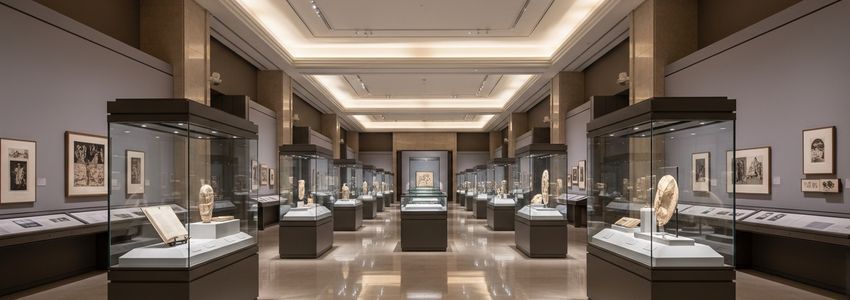
Real-World Museum Financing Scenarios
To illustrate how museum business loans work in practice, consider these detailed scenarios drawn from the range of institutions Crestmont Capital serves.
Scenario 1: Natural History Museum Renovation
A 75-year-old natural history museum in the Midwest had been operating in a facility that hadn't seen significant renovation in over two decades. The HVAC system was failing — a critical issue for collections preservation — and the visitor entrance and ticketing area had become outdated compared to regional competitors. The museum's board approved a $380,000 renovation project, but grant funding secured covered only $120,000. The museum director reached out to Crestmont Capital and secured a $260,000 small business loan with a four-year repayment term. Renovation was completed over eight months, attendance increased 22% in the following year, and the improved visitor experience helped attract three new major donors. The loan was repaid ahead of schedule using increased earned revenue.
Scenario 2: Art Museum Acquiring a Major Exhibit
A regional art museum with a strong membership base received a rare opportunity to acquire a traveling collection of significant contemporary works — a collection that would anchor an eighteen-month exhibit series and drive substantial ticket and membership revenue. The acquisition window was 45 days. The museum's endowment policy prohibited spending down principal for acquisitions, and grant applications take months to process. The executive director applied to Crestmont Capital for a $175,000 short-term business loan. Approval came in 18 hours; funding arrived in two business days. The exhibit series generated over $420,000 in combined ticket, membership, and event revenue — more than covering the loan's cost and generating surplus capital for future programming.
Scenario 3: Children's Museum Technology Upgrade
A popular urban children's museum had ambitious plans to transform two gallery spaces into fully interactive, app-integrated learning environments — complete with projection mapping, touchscreen learning stations, and sensor-based exhibits. The technology package quoted at $210,000. The museum used equipment financing through Crestmont Capital, with the technology assets serving as collateral. This structure kept the monthly payment affordable, aligned repayment with the five-year useful life of the equipment, and allowed the museum to preserve its cash reserves for operating needs. The upgraded galleries became the museum's most-visited areas and were featured in multiple local media stories, driving membership enrollment up 31%.
Scenario 4: Science Museum Wing Expansion
A science museum in the Southeast had secured a long-term land lease for adjacent property and was ready to break ground on a 12,000-square-foot expansion wing focused on space exploration. Total project cost: $1.8 million. The museum secured a combination of an SBA 504 loan (for the construction component) and a working capital loan (to cover the operational costs of running the existing facility during construction, when renovation-related disruptions temporarily reduced revenue). Crestmont Capital helped structure the working capital component and coordinate with the SBA lender, ensuring the museum had full financial coverage throughout the 14-month construction period. The new wing opened to record attendance and significantly elevated the museum's regional profile.
Scenario 5: Private Museum Opening a Second Location
A successful for-profit specialty museum focused on vintage automobiles had built a loyal following at its original location and identified an ideal property in a high-traffic tourist market three states away. The owner had strong personal credit and two years of profitable operating history at the original location. Crestmont Capital provided a $325,000 small business loan to cover leasehold improvements, exhibit relocation and duplication costs, and initial working capital for the new location. The second location reached break-even in month seven and became profitable in year two, with combined revenues from both locations exceeding $1.1 million annually.
Frequently Asked Questions
Your Next Steps to Museum Funding
Complete Crestmont Capital's simple online application in under 10 minutes. No lengthy paperwork, no in-person meetings required.
Our museum and cultural institution financing specialists will review your application and discuss the best loan structure for your institution's specific needs and financial profile.
Once approved and terms are accepted, funds are deposited to your business account within one to three business days — ready to deploy toward your museum's goals.
Ready to Secure Funding for Your Museum?
Join the growing number of cultural institutions that have found their financing solution with Crestmont Capital. Apply today — decisions in as little as 24 hours.
Start Your Application →Conclusion
Museums are more than cultural institutions — they are community anchors, educational powerhouses, and economic drivers that enrich the lives of millions of visitors each year. But sustaining and growing a museum requires consistent, flexible access to capital that many institutions struggle to secure through grants and donations alone. Business loans offer a practical, powerful complement to traditional museum funding strategies — providing the speed, flexibility, and scale needed to seize exhibit opportunities, complete facility renovations, invest in transformative technology, and bridge the inevitable cash flow gaps that seasonal attendance patterns create. Whether you operate a small regional gallery, a large metropolitan museum, or a specialty private collection, Crestmont Capital has the museum funding solutions to help your institution achieve its goals. Don't let financial constraints stand between your vision and its realization — explore your options today and take the next step toward a stronger, more financially resilient museum.
Disclaimer: The information provided in this article is for general educational purposes only and is not financial, legal, or tax advice. Funding terms, qualifications, and product availability may vary and are subject to change without notice. Crestmont Capital does not guarantee approval, rates, or specific outcomes. For personalized information about your business funding options, contact our team directly.