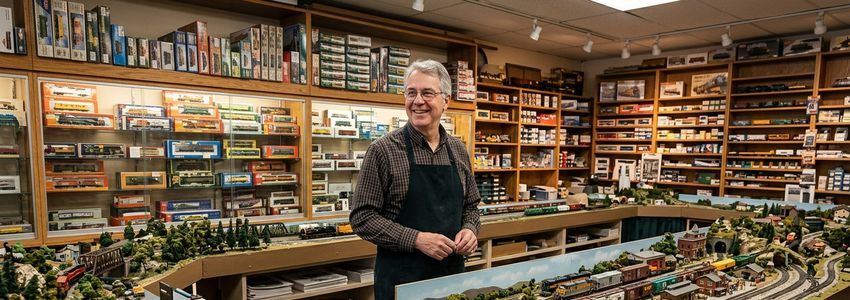
Running a retail business in Harrisburg or Erie takes grit, vision, and steady access to capital. Whether you're expanding your floor space in downtown Harrisburg, upgrading your point-of-sale systems on Peach Street in Erie, or managing cash flow through a slow winter quarter, the right financing can make or break your momentum. Pennsylvania's two major inland cities offer distinct retail markets - and understanding the funding landscape in each is the first step toward securing the capital your business needs to grow.
This guide covers everything Pennsylvania retail owners need to know about business loans - from the types of funding available to how Crestmont Capital helps store owners across Harrisburg and Erie get funded fast.
In This Article
- Retail Markets in Harrisburg and Erie
- Loan Types Available to Retail Businesses
- How Retail Business Loans Work
- Top Uses for Retail Financing
- Retail Financing By the Numbers
- Who Qualifies
- Loan Comparison Table
- How Crestmont Capital Helps
- Real-World Scenarios
- Frequently Asked Questions
- How to Get Started
Retail Markets in Harrisburg and Erie, PA
Harrisburg, Pennsylvania's state capital, is home to a diverse and growing retail corridor that spans downtown shopping districts, suburban strip malls, and specialty boutiques across the broader Capital Region. With a metropolitan area population approaching 600,000, Harrisburg retailers benefit from steady consumer traffic fueled by government employment, higher education institutions, and a growing hospitality sector. The city's position as a regional hub makes it especially attractive for specialty retail, home goods, apparel, and food retail businesses.
Erie, located on the southern shore of Lake Erie in northwestern Pennsylvania, has a retail economy shaped by its manufacturing heritage and growing tourism sector. The Millcreek Mall area remains a key retail destination, while downtown Erie continues to see neighborhood revitalization efforts that create new opportunities for independent shop owners. Erie's diverse demographics and close proximity to Cleveland and Buffalo give local retailers access to a wider regional customer base during peak tourism months.
Both cities present real growth opportunities for retail entrepreneurs - but growth requires capital. Whether it's covering payroll during a slow season, investing in new inventory before a peak period, upgrading equipment, or opening a second location, retail business loans provide the financial foundation that makes sustained growth possible.
Key Stat: According to the U.S. Census Bureau, Pennsylvania has more than 900,000 small businesses, and retail trade represents one of the largest employer sectors in both the Harrisburg and Erie metropolitan areas.
Loan Types Available to Retail Businesses in Harrisburg and Erie
Pennsylvania retail businesses have access to a broad range of financing products. The right option depends on your business's revenue, credit profile, time in business, and the specific purpose of the funds. Here are the primary categories of retail business loans available through lenders like Crestmont Capital:
1. Working Capital Loans
Working capital loans are designed to cover day-to-day operating expenses - payroll, utilities, supplier invoices, and other recurring costs. These are typically unsecured loans with terms ranging from 3 to 24 months, and they can be funded in as little as 24 to 48 hours. For retail businesses dealing with seasonal cash flow gaps, a working capital loan provides immediate liquidity without requiring collateral.
2. Equipment Financing
Retail businesses often need to finance point-of-sale systems, display fixtures, refrigeration units, digital signage, security equipment, and specialized machinery. Equipment financing allows you to acquire the assets you need while preserving your cash reserves. The equipment itself typically serves as collateral, making this type of loan accessible even for businesses with moderate credit profiles.
3. Business Lines of Credit
A business line of credit gives retail owners access to a revolving pool of capital they can draw from as needed. Rather than receiving one lump sum, you borrow what you need, repay it, and borrow again. This is ideal for managing irregular cash flow, funding opportunistic inventory buys, and covering unexpected costs without paying interest on money you haven't yet used.
4. SBA Loans
Small Business Administration loans offer the most favorable interest rates and longest repayment terms available to small retailers. The SBA 7(a) program is the most commonly used, offering up to $5 million with repayment terms of up to 10 years for working capital and up to 25 years for real estate. SBA loans do require more documentation and a longer approval timeline - typically 30 to 90 days - but they are an excellent long-term financing option for established retail businesses.
5. Merchant Cash Advances
A merchant cash advance (MCA) provides a lump sum of capital in exchange for a percentage of your future credit card sales. MCAs are ideal for retailers with strong card-based revenue who need fast access to cash without traditional credit requirements. While MCAs tend to carry higher factor rates than traditional loans, they offer near-instant approvals and flexible repayment that adjusts with your revenue.
6. Inventory Financing
Inventory financing is a specialized loan product that uses your existing or future inventory as collateral. This is especially useful for retailers who need to stock up for peak seasons - whether that's the holiday rush for an Erie gift shop or back-to-school buying for a Harrisburg children's clothing store.
Need Retail Financing in Pennsylvania?
Crestmont Capital works with retail businesses across Harrisburg, Erie, and all of Pennsylvania. Apply in minutes and get a decision fast.
Apply Now →How Retail Business Loans Work
The process for obtaining a retail business loan depends on the type of financing and the lender, but the general framework is consistent across most programs. Understanding each step helps you prepare properly and move through the process faster.
Step 1 - Assess Your Needs
Before applying, determine exactly how much capital you need and what you'll use it for. Lenders want to see a clear purpose for the funds. Whether it's expanding inventory by $50,000 before the holiday season or investing $150,000 in a new leasehold improvement, specificity builds lender confidence and improves your approval odds.
Step 2 - Gather Your Documents
Most lenders require some combination of the following: recent business bank statements (typically 3 to 6 months), personal and business tax returns, a completed application, and for larger loans, financial statements like a profit and loss statement or balance sheet. Online lenders like Crestmont Capital streamline this process significantly - often requiring just a few months of bank statements to get started.
Step 3 - Submit Your Application
Applications can often be completed online in 10 to 15 minutes. Many alternative lenders offer a soft credit inquiry pre-qualification that doesn't affect your credit score, allowing you to explore options before committing to a hard pull.
Step 4 - Review Your Offers
Once your application is reviewed, you'll receive one or more loan offers detailing the amount, rate, term, and payment schedule. Compare total cost of capital, not just interest rate - factor in fees, payment structure, and any prepayment penalties.
Step 5 - Receive Your Funds
For working capital loans and MCAs, funds can often be deposited within 24 to 48 hours of approval. Equipment financing and SBA loans take longer, typically 5 to 30 days depending on complexity.
By the Numbers
Pennsylvania Retail Business Financing
900K+
Small businesses in Pennsylvania
48 hrs
Average funding time for working capital loans
$5M
Maximum SBA 7(a) loan amount
43%
Of small businesses seek financing annually (SBA)
Top Uses for Retail Business Loans in Harrisburg and Erie
Understanding how retail owners typically deploy business financing helps you plan your own capital strategy. Here are the most common applications for retail business loans in Harrisburg and Erie:
Inventory Expansion
Buying inventory in bulk typically reduces per-unit cost, but it requires upfront capital that many retailers struggle to maintain. A business loan or line of credit enables you to stock up ahead of peak seasons without depleting your operating reserves. For an Erie sporting goods store preparing for summer tourism or a Harrisburg boutique stocking holiday merchandise, inventory financing can directly improve profitability.
Store Renovations and Build-Outs
The physical appearance and layout of your retail space directly affects conversion rates, customer experience, and average transaction value. Many Pennsylvania retailers use business loans to fund leasehold improvements, ADA compliance upgrades, lighting overhauls, and fixture replacements. These investments pay dividends over years, making them well-suited for term loan financing.
Technology and POS Upgrades
Modern retail requires modern technology. Point-of-sale systems, inventory management software, e-commerce integration platforms, and customer relationship management tools have become essential. Equipment financing makes it easy to acquire these systems with predictable monthly payments rather than large upfront costs.
Hiring and Payroll
Scaling a retail team for peak seasons - or maintaining staff through slow periods - is one of the most common reasons retail owners seek working capital. A short-term working capital loan can bridge the gap between when you need staff and when revenue fully supports that headcount.
Marketing and Customer Acquisition
Local advertising, social media campaigns, loyalty programs, and community sponsorships require consistent investment. A business line of credit can fund marketing pushes tied to key retail seasons, allowing you to capture market share when consumer spending is highest.
Second Location Expansion
For retailers ready to scale, a second location - whether in a different Harrisburg neighborhood or expanding from Erie to Pittsburgh - requires substantial upfront capital. SBA loans and commercial term loans are well-suited for this type of major growth milestone.
Pro Tip: The most successful retail loan applications are those that clearly articulate a specific use for the funds, show consistent business bank deposits, and demonstrate that the loan will generate more revenue than it costs to service.
Who Qualifies for Retail Business Loans
Qualification requirements vary significantly by loan type and lender. Here's a general breakdown of what most lenders look for when evaluating retail business loan applications:
Time in Business: Most traditional lenders require a minimum of 2 years in business. Alternative lenders and online lenders like Crestmont Capital often work with businesses that have been operating for as little as 6 months, making financing accessible to newer retailers who are already generating revenue.
Monthly Revenue: Lenders want to see that your business generates enough cash flow to service the loan. Most programs require a minimum of $8,000 to $15,000 in average monthly revenue, though some programs are more flexible for high-growth businesses.
Credit Score: A higher credit score unlocks better rates and terms. Most traditional bank loans require a minimum personal credit score of 680+. Alternative lenders typically work with scores as low as 550, particularly for secured or revenue-based products.
Industry Standing: Retail businesses are generally viewed favorably by lenders due to consistent transaction volume and tangible inventory assets. However, certain high-risk retail categories may face more scrutiny depending on the lender.
Bank Account Health: Lenders review your bank statements to assess revenue consistency, average daily balance, and whether there are negative indicators like frequent overdrafts or returned ACH transactions.

Check If Your Store Qualifies
Our qualification process takes just a few minutes. Get a same-day pre-approval decision with no obligation.
Start Your Application →Retail Business Loan Comparison Table
Not all loans are created equal. Use this comparison to identify which product type aligns with your business profile and financing goals:
| Loan Type | Best For | Loan Amount | Term | Speed |
|---|---|---|---|---|
| Working Capital Loan | Cash flow gaps, payroll | $5K - $500K | 3 - 24 months | 24 - 48 hours |
| Business Line of Credit | Ongoing flexibility | $10K - $250K | Revolving | 2 - 5 days |
| Equipment Financing | POS, fixtures, tech | $10K - $5M | 2 - 7 years | 3 - 10 days |
| SBA 7(a) Loan | Long-term, large needs | Up to $5M | Up to 10-25 years | 30 - 90 days |
| Merchant Cash Advance | High card volume, fast need | $5K - $250K | 3 - 18 months | 24 hours |
| Inventory Financing | Seasonal stock-up | $10K - $1M | 3 - 12 months | 3 - 7 days |
How Crestmont Capital Helps Harrisburg and Erie Retail Businesses
Crestmont Capital is one of the most trusted business lenders in the United States, with a track record of helping small retail businesses across Pennsylvania secure fast, flexible financing. Unlike traditional banks, Crestmont offers a streamlined application process, same-day pre-approvals, and funding timelines measured in days - not months.
Here's what sets Crestmont Capital apart for Pennsylvania retail owners:
Speed: Most retail business loan applications are reviewed within hours. Approved borrowers can receive funds in as little as 24 to 48 hours - ideal for time-sensitive opportunities like a bulk inventory deal or an urgent equipment repair.
Flexibility: Crestmont works with a broad range of retail businesses - from boutique clothing stores to hardware shops to gift retailers. Even if you've been turned down by a bank, Crestmont's alternative underwriting approach may still qualify you for funding.
Range of Products: From working capital loans and business lines of credit to equipment financing and SBA loans, Crestmont has a financing solution for virtually every retail scenario.
Dedicated Advisors: Every Crestmont client is paired with a dedicated financing advisor who understands the retail sector and can guide you to the product that best fits your needs.
For more information about funding options specific to retail businesses, explore Crestmont's Pennsylvania small business financing resources.
Did You Know? Crestmont Capital is rated the #1 business lender in the United States, with thousands of retail businesses funded across all 50 states. Our team specializes in retail financing and understands the unique cash flow cycles and growth challenges that Pennsylvania store owners face.
Real-World Scenarios: Retail Loans in Action
These illustrative examples show how retail businesses in Harrisburg and Erie can use business financing strategically:
Scenario 1: Erie Gift Shop Prepares for Summer Tourism
An Erie gift shop near Presque Isle State Park relies heavily on summer tourist traffic for the majority of annual revenue. In late spring, the owner secures a $40,000 inventory financing loan to stock up on branded merchandise, beach accessories, and locally made goods. The loan is structured over 8 months, with payments calibrated to the shop's revenue cycle. The investment pays off: seasonal sales increase by 22% compared to the prior year.
Scenario 2: Harrisburg Clothing Boutique Opens Second Location
A boutique women's clothing store on Second Street in downtown Harrisburg has been profitable for three years. The owner is ready to expand to Camp Hill, but needs $180,000 to cover leasehold improvements, initial inventory, staffing, and opening marketing. Approved in two days for a working capital term loan combined with an equipment financing package for fixtures and POS systems, the second location opens on schedule and reaches profitability within four months.
Scenario 3: Hardware Store Modernizes POS Infrastructure
A third-generation hardware store in East Harrisburg invests $35,000 via equipment financing in a modern cloud-based POS system with inventory integration and customer loyalty capabilities. Checkout times drop by 40% and year-over-year sales increase by 15% within six months.
Scenario 4: Erie Apparel Retailer Bridges Holiday Season Cash Gap
An Erie apparel retailer experiences a predictable late-fall cash flow crunch as they ramp up inventory purchases for the holiday season. A $60,000 business line of credit from Crestmont Capital provides the flexibility to draw funds as needed. The line is fully repaid by January from strong holiday sales revenue.
Scenario 5: Specialty Food Retailer Funds Renovation
A specialty food and wine shop in Harrisburg's Midtown neighborhood uses a $95,000 SBA 7(a) loan to fund a full interior renovation including expanded tasting areas, new refrigerated display cases, and improved checkout flow. The renovation attracts a significant increase in foot traffic and allows the store to host private events, creating an entirely new revenue stream.
Scenario 6: Erie Children's Store Capitalizes on Back-to-School Season
A children's clothing and toy retailer in Erie secures a $25,000 working capital loan within 48 hours to increase inventory and add two part-time employees for the back-to-school season. The retailer beats prior-year back-to-school sales by 31%, fully repaying the loan within 90 days.
Frequently Asked Questions
Ready to Fund Your Pennsylvania Retail Business?
Join thousands of retail businesses that trust Crestmont Capital for fast, flexible financing. Apply in minutes and get a same-day decision.
Apply Now - It's Free →How to Get Started
Complete our quick application at offers.crestmontcapital.com/apply-now - takes just a few minutes.
A Crestmont Capital advisor will review your needs and match you with the right retail financing option.
Receive your funds and put them to work - often within 24 to 48 hours of approval.
Conclusion
Retail business loans are a powerful tool for Pennsylvania store owners looking to maintain operations, seize growth opportunities, and compete effectively in today's market. Whether you operate a boutique in downtown Harrisburg or a specialty shop near the Erie lakefront, access to flexible, fast business financing can be the difference between stagnating and scaling.
The key is choosing the right type of financing for your specific situation - working capital for short-term gaps, equipment financing for asset acquisitions, lines of credit for ongoing flexibility, and SBA loans for long-term, large-scale growth. Understanding each option's tradeoffs helps you borrow smarter and preserve more of your profits over time.
Crestmont Capital is ready to help retail businesses in Harrisburg, Erie, and across all of Pennsylvania access the funding they need. With same-day decisions, transparent terms, and a full suite of lending products, Crestmont makes small business financing simple and accessible.
Disclaimer: The information provided in this article is for general educational purposes only and is not financial, legal, or tax advice. Funding terms, qualifications, and product availability may vary and are subject to change without notice. Crestmont Capital does not guarantee approval, rates, or specific outcomes. For personalized information about your business funding options, contact our team directly.