
 (800) 949-0401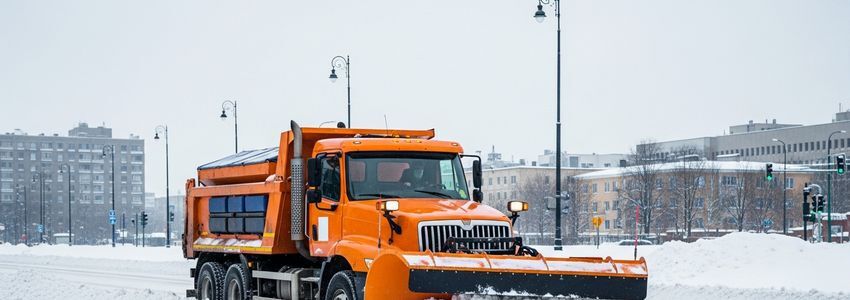
Snow Removal and Salt Spreading Equipment Leasing: The Complete Guide for Business Owners
The snow and ice management industry is a demanding field where success hinges on reliability, efficiency, and having the right tools for the job. For business owners, acquiring a fleet of plows, spreaders, and loaders represents a significant capital investment that can strain cash flow, especially during the off-season. This is where strategic **snow removal equipment leasing** provides a powerful financial solution, enabling companies to access top-tier machinery without the burden of outright ownership.In This Article
- What Is Snow Removal Equipment Leasing?
- Types of Snow Removal and Salt Spreading Equipment
- Key Benefits of Leasing vs. Buying
- How Snow Removal Equipment Leasing Works
- Leasing vs. Buying: Side-by-Side Comparison
- Who Qualifies for Snow Removal Equipment Leasing?
- How Crestmont Capital Can Help
- Real-World Scenarios
- How to Get Started
- Frequently Asked Questions
- Conclusion
What Is Snow Removal Equipment Leasing?
Snow removal equipment leasing is a financial arrangement where a business owner (the lessee) pays a financing company (the lessor) a fixed monthly fee to use specific equipment for a predetermined period. It is essentially a long-term rental agreement. Unlike a traditional loan where you borrow money to purchase an asset, leasing allows you to pay for the use of the asset. At the end of the lease term, you typically have several options: you can return the equipment, renew the lease, upgrade to newer models, or purchase the equipment for a predetermined price.
This financial tool is particularly well-suited for the snow and ice management industry due to the high cost and seasonal nature of the equipment. Instead of tying up tens or hundreds of thousands of dollars in machinery that depreciates and may sit idle for half the year, businesses can align their equipment expenses with their revenue-generating seasons. It provides access to a modern, reliable fleet without the substantial upfront capital expenditure required for a purchase.
Understanding Common Lease Structures
Not all leases are created equal. Understanding the primary types of lease agreements is crucial for choosing the right one for your business goals. The two most common structures in commercial equipment leasing are the Fair Market Value (FMV) lease and the $1 Buyout lease.
Fair Market Value (FMV) Lease: Also known as an operating lease, an FMV lease offers the lowest monthly payments. During the lease term, you are essentially paying for the depreciation of the equipment, not its full value. At the end of the term, you have the option to purchase the equipment for its fair market value at that time, return it to the lessor, or renew the lease. This option is ideal for businesses that want to maintain a modern fleet, constantly upgrade to the latest technology, and prefer lower monthly costs. It keeps the equipment off your balance sheet, which can be advantageous for certain accounting purposes.
$1 Buyout Lease: Also called a capital lease or a finance lease, this structure is designed for businesses that intend to own the equipment at the end of the term. The monthly payments are higher than an FMV lease because you are financing the full value of the equipment over the lease period. At the end of the term, you can purchase the equipment for a nominal amount, typically just $1. This type of lease is treated similarly to a loan for tax purposes, meaning you may be able to take advantage of depreciation deductions like Section 179. It's the right choice if you plan to use the equipment for its entire useful life and want the benefits of ownership without the large initial cash outlay.
Choosing between these options depends on your long-term strategy. Do you prioritize low monthly payments and frequent technology upgrades (FMV)? Or is your goal eventual ownership and building equity in your assets ( $1 Buyout)? A skilled financing partner can help you analyze your business needs and determine the most beneficial structure.
Ready to Lease Snow Removal Equipment?
Get fast, flexible financing from the #1 business lender in the U.S. No obligation - apply in minutes.
Apply NowTypes of Snow Removal and Salt Spreading Equipment
A successful snow and ice management operation relies on a diverse fleet of specialized equipment. Leasing provides the flexibility to acquire the exact tools needed for different types of properties, from tight residential driveways to expansive commercial parking lots. Here is a breakdown of the common types of equipment you can lease.
Plows and Pushers
These are the primary tools for moving large volumes of snow. The right choice depends on the vehicle, the size of the area being cleared, and the type of snow typically encountered.
- Straight-Blade Plows: The most common type of plow, ideal for clearing roads, driveways, and smaller parking lots. They are versatile, relatively simple to operate, and available in various sizes to fit everything from a half-ton pickup to a large municipal truck.
- V-Plows: These plows feature two independently controlled wings that can be configured into a "V" shape to break through heavy drifts, a scoop shape to carry snow, or a straight position. Their versatility makes them highly efficient for professional contractors clearing complex commercial properties.
- Wing Plows: These are additions to straight-blade or V-plows, extending the plowing width significantly. They are essential for clearing large lots, highways, and airport runways quickly, increasing productivity per pass.
- Snow Pushers (Containment Plows): Instead of angling snow to the side, pushers are large boxes that contain and push massive amounts of snow forward. They are typically attached to skid steers, wheel loaders, or backhoes and are incredibly effective for clearing large, open areas like mall parking lots or industrial yards.
Salt and Sand Spreaders
De-icing is a critical component of risk management for commercial properties. Spreaders ensure an even and efficient application of salt, sand, or chemical de-icers.
- Tailgate Spreaders: These units mount to the tailgate of a pickup or utility vehicle. They are perfect for smaller jobs like residential driveways, small business parking lots, and walkways. They offer a cost-effective solution for light-duty commercial work.
- V-Box (Hopper) Spreaders: For serious commercial operations, V-box spreaders sit in the bed of a truck and hold a much larger volume of material. They provide wider, more consistent coverage and are necessary for clearing large parking lots, private roads, and commercial campuses. They often come with advanced controls for precise application rates.
- Walk-Behind Spreaders: Essential for sidewalks, entryways, and pedestrian areas, these manual push-spreaders allow for targeted application of de-icing materials in places where vehicles cannot go.
- Liquid De-icing Sprayers: A growing trend in the industry, liquid brine sprayers can pre-treat surfaces to prevent ice from bonding to the pavement. This proactive approach can reduce the amount of rock salt needed and provide more effective results. These systems can be mounted on trucks or trailers.
Loaders and Tractors
For heavy-duty snow removal, stacking, and loading, dedicated heavy machinery is indispensable.
- Skid Steers: Perhaps the most versatile machine in a snow contractor's arsenal. A skid steer can be equipped with a bucket, a snow pusher, a plow, or a snow blower attachment, making it a multi-purpose workhorse for clearing lots, stacking snow, and loading it into dump trucks.
- Compact Wheel Loaders: A step up from skid steers, compact wheel loaders can handle larger attachments and move more snow more quickly. They offer better visibility and are more fuel-efficient for large-scale operations, making them a popular choice for contractors with many large commercial accounts.
- Backhoe Loaders: Combining the functions of a loader and an excavator, backhoes are excellent for digging out areas buried in deep, compacted snow and are powerful enough to handle large snow pusher attachments.
- Compact Tractors: Often equipped with a front-end loader and a rear-mounted snow blower or blade, compact tractors are great for clearing long driveways, private lanes, and mid-sized properties. Their 4x4 capability provides excellent traction in harsh conditions.
Specialty and Support Equipment
Beyond the primary machines, a range of support equipment can enhance efficiency and service offerings.
- Snow Blowers: Commercial-grade snow blowers, whether walk-behind models or attachments for skid steers and tractors, are crucial for relocating snow without creating large, obstructive piles. They are essential for properties with limited space for snow stacking.
- Dump Trucks: For snow hauling and removal contracts, a dump truck is non-negotiable. Leasing a dump truck allows contractors to take on larger municipal or commercial jobs that require snow to be transported off-site.
- GPS and Fleet Management Systems: Modern snow operations use technology to track vehicle locations, monitor service completion, and optimize routes. Leasing can often bundle these technology packages with the vehicles themselves.
Key Benefits of Leasing vs. Buying
Choosing to lease snow removal equipment is a strategic financial decision that offers numerous advantages over outright purchasing, especially in a capital-intensive and seasonal industry. These benefits can directly impact your cash flow, operational efficiency, and ability to grow your business.
Preserve Working Capital
This is arguably the most significant benefit of leasing. Purchasing heavy equipment requires a massive upfront cash payment or a substantial down payment on a loan. A brand-new pickup truck with a commercial-grade plow and spreader can easily exceed $80,000, while a skid steer or compact loader can cost even more. Leasing requires little to no down payment, often just the first and last month's payment. This frees up your valuable working capital, which can be used for other critical business needs like marketing, hiring additional staff, purchasing de-icing materials, or covering unexpected operational costs. By preserving cash, you maintain financial flexibility and can better weather the industry's inherent unpredictability.
Predictable Monthly Payments
Leasing provides a fixed, predictable monthly expense over the term of the agreement. This makes budgeting and financial forecasting significantly easier. You know exactly what your equipment costs will be each month, allowing you to price your services accurately and manage your profit margins effectively. Unlike a variable-rate loan, a lease payment will not fluctuate, protecting your business from interest rate hikes. This stability is crucial for a seasonal business where revenue can be inconsistent.
Potential Tax Advantages
Leasing can offer significant tax benefits. With an FMV (operating) lease, monthly lease payments are often treated as a direct operating expense and can be fully deducted from your taxable income. This can result in a lower tax liability compared to the depreciation schedule of a purchased asset. With a $1 Buyout (capital) lease, you may be able to take advantage of Section 179 of the IRS tax code. As a Forbes article on the topic explains, this allows businesses to deduct the full purchase price of qualifying equipment in the year it is placed into service. This can be a powerful tool for reducing your tax burden. It's essential to consult with a tax professional to determine which lease structure provides the maximum benefit for your specific financial situation.
Access to Modern, Reliable Equipment
The snow removal industry is tough on equipment. Breakdowns are not just inconvenient; they can lead to lost contracts and a damaged reputation. Leasing allows you to operate a newer, more reliable fleet that is less prone to mechanical failures. Newer machines are also more fuel-efficient and often come with advanced technology like GPS, better hydraulics, and more comfortable cabs, which can improve operator productivity and morale. At the end of the lease term, you can simply upgrade to the latest models, ensuring you always have a competitive edge without the hassle of selling old equipment.
Flexible End-of-Lease Options
Leasing provides flexibility when the term ends. You are not locked into an aging asset. Depending on your lease agreement, you can:
- Upgrade: Return the old equipment and lease brand-new, state-of-the-art models.
- Purchase: If the equipment has performed well and you want to keep it, you can buy it for its fair market value or a pre-agreed price (like $1).
- Return: Simply walk away, freeing you from the responsibility of selling or disposing of used machinery.
- Renew: Continue leasing the same equipment, often at a reduced monthly rate.
Simplified Asset Management
When you purchase equipment, you are responsible for its entire lifecycle, from maintenance and repairs to eventual disposal. This includes tracking depreciation for accounting purposes and navigating the often difficult process of selling used heavy equipment. Leasing simplifies this entire process. The lessor handles the ultimate ownership and disposal of the asset. Your focus remains on using the equipment to generate revenue, not on managing its long-term value and resale.
How Snow Removal Equipment Leasing Works
The process of securing a lease for snow removal equipment is designed to be straightforward and efficient, allowing you to get the machinery you need quickly. While specifics can vary between lenders, the general process follows a clear path from application to acquisition. Understanding these steps can help you prepare and ensure a smooth experience.
Step 1: Application and Consultation
The journey begins with a simple application. At Crestmont Capital, this can often be completed online in just a few minutes. You will provide basic information about your business, such as its legal name, address, time in business, and annual revenue. You will also need to specify the type of equipment you wish to lease and its estimated cost. Following the initial application, a dedicated financing specialist will contact you for a consultation. This is a crucial step where you can discuss your business goals, cash flow situation, and long-term plans. The specialist will use this information to recommend the best lease structure, such as an FMV or a $1 Buyout lease, and explain the terms and potential payments.
Step 2: Documentation and Underwriting
After the consultation, you will need to provide some supporting documentation. For smaller lease amounts (typically under $250,000), this is often a simple, application-only process. For larger, more complex transactions, you may be asked to provide additional documents, such as:
- Bank statements (usually the last 3-6 months)
- Business tax returns
- A detailed equipment quote from the vendor of your choice
Step 3: Approval and Agreement Review
Once the underwriting process is complete, you will receive a formal approval. This will outline the specific terms of the lease, including the monthly payment, the length of the term (e.g., 24, 36, 48, or 60 months), and the end-of-lease options. Your financing specialist will walk you through the entire lease agreement, ensuring you understand all the details and answering any questions you may have. This transparency is a hallmark of a reputable lender. After you have reviewed and are comfortable with the terms, you will sign the official lease documents, which can typically be done electronically for speed and convenience.
Step 4: Funding and Equipment Acquisition
This is the final and most exciting step. Once the signed lease documents are received, the financing company coordinates directly with the equipment vendor you have chosen. The lessor issues a purchase order and sends the full payment for the equipment directly to the vendor. You do not have to handle the transaction yourself. The vendor will then arrange for you to pick up your new equipment or have it delivered to your place of business. Your lease payments begin after you have received and accepted the equipment, ensuring you are only paying for it once it is in your possession and ready to work.
By the Numbers
Snow Removal Industry - Key Statistics
$25.3bn
Estimated market size of the U.S. snow plowing services industry in 2024. (Source: IBISWorld)
134,000+
Number of businesses operating in the U.S. snow plowing industry. (Source: IBISWorld)
2.1%
Annualized market size growth from 2019 to 2024, showing a stable and growing demand. (Source: IBISWorld)
Top 50
The top 50 largest snow removal companies generate less than 5% of industry revenue, indicating a highly fragmented market dominated by small businesses. (Source: Snow Magazine)
Don't Let Capital Hold You Back
Access the best snow removal fleet without the upfront cost. Our flexible leasing programs are designed for businesses like yours.
Get a Free QuoteLeasing vs. Buying: Side-by-Side Comparison
The decision between leasing and buying equipment is one of the most critical financial choices a snow removal business owner will make. Both options have their merits, but they serve different business strategies. Buying is an investment in a long-term asset, while leasing is a strategic expense to access a tool. A direct comparison can help clarify which path is better aligned with your company's financial health and growth objectives.
Outright purchasing provides the pride of ownership and the freedom to use or modify the equipment as you see fit. However, it comes at the cost of a significant initial cash outlay and the full risk of depreciation. Leasing, on the other hand, conserves capital and provides flexibility but does not build equity in the asset. The table below breaks down the key differences to help you weigh the pros and cons.
| Feature | Equipment Leasing | Equipment Buying (with Cash or Loan) |
|---|---|---|
| Upfront Cost | Very low. Typically first and last month's payment. No large down payment required. | Very high. Requires 100% of the cost if paying cash, or a significant down payment (10-20%) for a loan. |
| Ownership | The leasing company (lessor) retains ownership. You have the right to use the equipment. | You own the equipment outright (or the bank has a lien until the loan is paid). |
| Monthly Payments | Generally lower than loan payments because you are only paying for the equipment's depreciation during the term. | Generally higher than lease payments because you are financing the entire cost of the asset. |
| Depreciation Risk | The lessor assumes all risk of depreciation. You can simply return the equipment at the end of the term. | You bear the full risk. The value of heavy equipment drops significantly, and you are responsible for selling it. |
| Maintenance & Repairs | You are responsible for routine maintenance. Major repairs on newer, leased equipment are often covered by the manufacturer's warranty. | You are responsible for all maintenance and repair costs, which can become substantial as the equipment ages. |
| Technology Upgrades | Easy. At the end of the lease, you can upgrade to the latest, most efficient models, avoiding technological obsolescence. | Difficult. To upgrade, you must sell your old equipment (often at a loss) and then purchase new machinery. |
| Tax Implications | Operating (FMV) lease payments can often be fully deducted as an operating expense. Capital leases may qualify for Section 179. | You can deduct depreciation over the asset's useful life and the interest paid on the loan. May also qualify for Section 179. |
| End of Term | Flexible options: purchase, return, renew, or upgrade the equipment. | You own an aging asset that you must continue to maintain or sell. |
Who Qualifies for Snow Removal Equipment Leasing?
Lenders evaluate several factors to determine a business's eligibility for an equipment lease. While qualifications can vary, most financing companies look at a combination of credit history, time in business, and overall financial stability. The good news is that leasing is often more accessible than traditional bank loans, especially for small and medium-sized businesses. At Crestmont Capital, we work with a wide spectrum of businesses, from established corporations to new startups.
Credit Profile
Your personal and business credit scores are a key indicator of your financial responsibility. Lenders use these scores to predict the likelihood of timely payments. Generally, a personal credit score of 620 or higher is preferred for the best rates and terms. However, many lenders, including Crestmont Capital, have programs for business owners with lower credit scores. A lower score might result in a slightly higher interest rate or a request for additional collateral, but it does not automatically disqualify you. A strong business credit profile, demonstrated by a history of paying vendors and other creditors on time, can also significantly strengthen your application.
Time in Business
The length of time your business has been operational is another important factor. Most lenders prefer to work with businesses that have been established for at least two years. This track record demonstrates stability and a proven ability to manage operations and generate revenue. However, the snow removal industry often sees new entrants. Crestmont Capital understands this and offers specialized startup programs for businesses with less than two years of history. For these programs, underwriters may place more weight on the owner's personal credit score and industry experience.
Annual Revenue
Your company's annual revenue shows lenders that you have sufficient cash flow to support the monthly lease payments. There isn't always a strict minimum revenue requirement, as the decision is made in the context of the total amount being leased. A business leasing a single $15,000 spreader will have different revenue expectations than one leasing a $150,000 wheel loader. The general rule is that your existing revenue should comfortably cover your current operating expenses plus the new proposed lease payment. Providing recent bank statements is the most common way to verify your revenue and cash flow.
Industry Experience
For seasonal and specialized industries like snow and ice management, the owner's direct experience can be a significant factor in the approval process, especially for newer businesses. If you have been working in the industry for several years as an operator or manager before starting your own company, this experience is considered a valuable asset. It demonstrates that you understand the market, know how to secure contracts, and can manage the operational challenges of the business. Be sure to highlight your relevant experience on your application, as it can make a real difference in the underwriting decision.
Key Stat: According to the U.S. Small Business Administration (SBA), small businesses comprise 99.9% of all firms in the United States. Flexible financing options like equipment leasing are vital for the growth and success of this critical economic sector.
How Crestmont Capital Can Help
Navigating the world of commercial equipment financing can be complex, but you do not have to do it alone. Crestmont Capital is a top-tier national lender dedicated to helping businesses like yours acquire the assets they need to grow. We specialize in providing fast, flexible, and transparent financing solutions, and we have extensive experience working with the snow and ice management industry.
What sets Crestmont Capital apart is our commitment to a personalized approach. We are not just an automated application portal; we are a team of dedicated financing specialists. When you partner with us, you are assigned an account manager who will take the time to understand your unique business needs, financial situation, and growth objectives. This allows us to tailor a leasing solution that is perfectly aligned with your goals, whether you need a single plow for a startup venture or an entire fleet for a large-scale commercial operation.
Our process is built for speed and efficiency. We know that in the snow removal business, opportunities can arise quickly, and you need to be able to act fast. Our streamlined online application takes only minutes to complete, and we often provide approvals in as little as two to four hours. We offer a wide range of lease terms and structures, including options for businesses with less-than-perfect credit and startups. By combining cutting-edge technology with expert human oversight, we deliver the capital you need to secure your equipment without the lengthy delays and rigid requirements of traditional banks.
Real-World Scenarios
To better understand the practical application of snow removal equipment leasing, let's explore a few common scenarios that business owners face.
Scenario 1: The Startup Landscaping Company
The Business: GreenThumb Landscaping, a successful one-person landscaping business, wants to expand into winter services to create year-round revenue. The owner has secured verbal commitments from several of his existing residential and small commercial clients but lacks the capital to purchase the necessary equipment: a heavy-duty pickup truck, a commercial V-plow, and a tailgate salt spreader, totaling around $95,000.
The Challenge: As a relatively new business (18 months old), obtaining a large traditional bank loan is difficult. Paying cash would wipe out the company's entire savings, leaving no buffer for operating expenses.
The Leasing Solution: The owner applies for an equipment lease with Crestmont Capital. Based on his strong personal credit and clear business plan, he is approved for a 48-month, $1 Buyout lease. His upfront cost is just the first and last month's payment. This allows him to acquire all the necessary equipment immediately while preserving his cash for fuel, insurance, and salt. The fixed monthly payments are easily incorporated into his new service contracts, and at the end of the term, he will own the equipment for just $1, having built equity in the assets that helped launch his winter operations.

Scenario 2: The Established Property Management Firm
The Business: Apex Commercial Properties manages a portfolio of 15 large properties, including office parks, retail centers, and a hospital. Their current fleet of three 10-year-old skid steers is becoming unreliable, leading to increased maintenance costs and downtime during critical snow events. They need to upgrade to new, more efficient machines with modern features.
The Challenge: Purchasing three new compact wheel loaders would represent a capital expenditure of over $300,000. While the company is profitable, such a large cash outlay would impact its ability to invest in other property upgrades and could displease investors.
The Leasing Solution: Apex's CFO opts for a 36-month Fair Market Value (FMV) lease. This provides the lowest possible monthly payment, which is treated as a simple operating expense, keeping the large asset purchase off their balance sheet. They get three brand-new, reliable wheel loaders under full manufacturer warranty, eliminating unexpected repair bills. At the end of the 36 months, they can simply return the loaders and lease the next generation of even more advanced equipment, ensuring their clients always receive top-tier service without the burdens of asset ownership and depreciation.
Scenario 3: The Rapidly Growing Contractor
The Business: Blizzard Busters LLC has had a breakout year, landing a major contract to service a large distribution center with over 50 acres of pavement. Their current fleet of pickup trucks is insufficient for this scale of work. To service the contract effectively, they need two snow pushers and a dedicated front-end loader.
The Challenge: The contract starts in 60 days, and the company needs to acquire the equipment quickly. The owner is also concerned about committing to a long-term loan for equipment that is tied to a single, albeit large, three-year contract.
The Leasing Solution: The owner chooses a 36-month lease to match the term of their new service contract. The fast approval process at Crestmont Capital allows them to order the equipment within a week of signing the contract. The lease payments are structured to be more than covered by the revenue from the new contract. At the end of the three years, if the contract is renewed, they can choose to buy the equipment or lease new models. If the contract is not renewed, they can simply return the equipment, avoiding the risk of being stuck with highly specialized machinery they no longer need. The lease perfectly matches the asset's use to the revenue it generates.
How to Get Started
Securing the financing for your snow removal equipment is a straightforward process with Crestmont Capital. We have designed our system to be fast and transparent, so you can get back to what you do best: running your business. Follow these simple steps to get the equipment you need.
Complete Our Simple Application
Start by filling out our secure online application. It takes less than five minutes and asks for basic information about you and your business. This initial step gives us the information we need to begin finding the best financing solution for you. There is no cost or obligation.
Speak with a Financing Specialist
Once your application is submitted, a dedicated financing specialist will contact you, often within the hour. They will discuss your equipment needs, review your qualifications, and explain the different lease options available. This is your opportunity to ask questions and get expert guidance tailored to your business.
Get Approved and Receive Your Equipment
With our streamlined underwriting process, approvals are often granted the same day. Once you approve the terms and sign the documents, we fund the vendor of your choice directly. You can then take delivery of your new snow removal equipment and put it to work immediately.
Ready to Take the Next Step?
Your new equipment is just a few clicks away. Start our no-obligation application now and get a decision in hours.
Apply NowFrequently Asked Questions
Expert Tip: When applying for a lease, having a clear equipment quote from a dealer ready can significantly speed up the approval and funding process.
Conclusion
In the competitive and capital-intensive snow and ice management industry, strategic financial planning is just as important as operational excellence. Outfitting your business with a modern, reliable fleet of plows, spreaders, and loaders is essential for success, but the high cost of this equipment can be a major barrier to entry and growth. Snow removal equipment leasing offers a powerful and flexible solution to this challenge.
By choosing to lease, you can preserve your precious working capital, maintain predictable monthly expenses, and gain access to the latest technology without the financial strain and risks of ownership. It allows you to scale your fleet up or down in response to market demand and contract opportunities, ensuring your capabilities always match your ambitions. Whether you are a startup looking to equip your first truck or an established enterprise upgrading an entire fleet, leasing is a smart financial tool that empowers growth and stability.
At Crestmont Capital, we are committed to helping you build a successful snow removal business. Our fast, transparent, and personalized leasing programs are designed to get you the equipment you need, when you need it. Don't let a lack of capital keep you from landing the next big contract. Contact our team today to explore your options and discover how our financing solutions can give you the competitive edge this winter.
Disclaimer: The information provided in this article is for general educational purposes only and is not financial, legal, or tax advice. Funding terms, qualifications, and product availability may vary and are subject to change without notice. Crestmont Capital does not guarantee approval, rates, or specific outcomes. For personalized information about your business funding options, contact our team directly.








