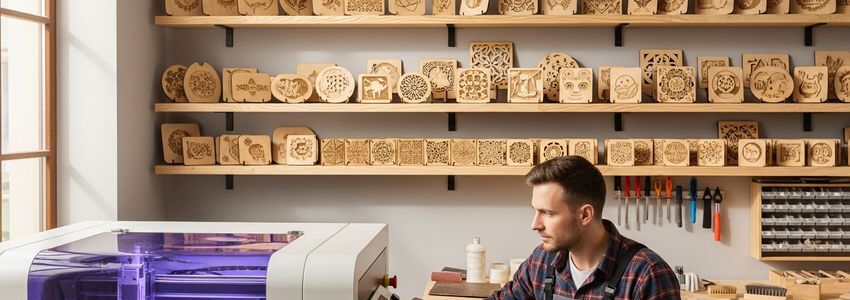
The laser engraving industry is a dynamic field where precision and creativity meet commerce, but scaling your operations or even starting one requires significant capital. Securing the right laser engraving business loans is often the critical step that transforms a passion project into a profitable enterprise or takes an established shop to the next level. This comprehensive guide will navigate you through every aspect of financing, from understanding your options to securing the funds needed to purchase equipment, manage cash flow, and grow your business.
In This Article
- Understanding Laser Engraving Business Loans: Fueling Your Precision Craft
- The Full Spectrum of Financing: Exploring Your Options for Laser Engraving Success
- Deep Dive: How Laser Equipment Financing Works for Engravers
- The Investment Breakdown: Calculating the Costs of a Laser Engraving Business
- Qualifying for Laser Engraving Financing: What Lenders Look For
- Who Needs a Laser Engraving Business Loan? Identifying the Ideal Candidate
- Comparing Your Choices: A Side-by-Side Look at Laser Engraving Financing
- Real-World Scenarios: How Laser Engraving Businesses Use Financing
- The Crestmont Capital Advantage: Your Partner in Precision Growth
- How to Get Started with Laser Engraving Business Financing
- Frequently Asked Questions About Laser Engraving Business Loans
Understanding Laser Engraving Business Loans: Fueling Your Precision Craft
Laser engraving business loans are specialized financial products designed to meet the unique capital needs of entrepreneurs in the custom engraving and cutting industry. Unlike generic personal loans, these commercial financing solutions are structured around business objectives. They provide the necessary funds to cover everything from high-end equipment purchases to operational expenses, marketing campaigns, and expansion efforts. Whether you are a startup launching a custom gifts shop or an established industrial marking service, this type of funding is the key to acquiring assets and managing cash flow without depleting your personal savings.
The core purpose of these loans is to bridge the gap between your current financial state and your business goals. The laser engraving sector is equipment-intensive. A commercial-grade laser cutter or engraver can cost anywhere from $10,000 to over $100,000. For most small businesses, paying this amount upfront is not feasible. Financing allows you to acquire the best technology for your needs now and pay for it over time as it generates revenue. This principle applies not just to the primary laser machine but to all associated costs that drive growth.
Common uses for laser engraving business loans include:
- Equipment Purchase: Acquiring new or used CO2 lasers, fiber lasers, galvo lasers, or UV laser marking systems.
- Software and Technology: Investing in design software like Adobe Illustrator, CorelDRAW, or specialized CAD/CAM programs, as well as e-commerce platforms.
- Inventory and Materials: Stocking up on raw materials such as wood, acrylic, leather, metal, and glass to fulfill large orders.
- Working Capital: Covering day-to-day operational costs like payroll, rent, utilities, and marketing during slow seasons or growth periods.
- Expansion: Leasing a larger workshop, opening a retail storefront, or hiring new technicians and designers.
- Marketing and Sales: Launching digital advertising campaigns, attending trade shows, or building a professional website to attract new clients.
Ultimately, a laser engraving business loan is an investment in your company's future. It provides the leverage to compete effectively, improve production quality and speed, and scale your operations to meet growing market demand. By understanding how to use this financial tool strategically, you can ensure your business not only survives but thrives in a competitive landscape.
Ready to Upgrade Your Laser Engraving Equipment?
Don't let capital hold you back. Get the funding you need for the best laser technology in as little as 24 hours.
Apply Now →The Full Spectrum of Financing: Exploring Your Options for Laser Engraving Success
When seeking laser engraving financing, business owners have a diverse range of options, each with its own structure, terms, and ideal use case. Choosing the right one depends on your specific needs, financial health, and long-term goals. Here is a detailed breakdown of the most common financing solutions available to laser engraving and cutting businesses.
1. Equipment Financing
This is arguably the most relevant and popular option for this industry. Equipment financing is a loan used specifically to purchase business machinery, in this case, a laser engraver, cutter, or related technology. The equipment itself serves as the collateral for the loan, which makes it easier to qualify for compared to unsecured loans. If you default, the lender repossesses the equipment, but your other business and personal assets are typically protected.
- Best For: Purchasing new or used laser engravers, ventilation systems, or other high-value machinery.
- Key Features: The loan term often matches the expected lifespan of the equipment. It can cover 100% of the equipment cost, including taxes, shipping, and installation. It also offers potential tax benefits through Section 179 deductions, allowing you to deduct the full purchase price in the year it's put into service.
2. SBA Loans
The U.S. Small Business Administration (SBA) partially guarantees loans made by traditional lenders, like banks and credit unions. This guarantee reduces the lender's risk, resulting in more favorable terms, lower interest rates, and longer repayment periods for the borrower. The most common SBA loans are the 7(a) and 504 programs.
- SBA 7(a) Loans: Highly versatile, these loans can be used for a wide range of purposes, including purchasing equipment, working capital, refinancing debt, or even buying a competing business. Loan amounts can go up to $5 million.
- SBA 504 Loans: These are designed for purchasing major fixed assets, such as commercial real estate or long-term heavy machinery. They involve two lenders: a bank covering up to 50% of the cost and a Certified Development Company (CDC) covering up to 40%.
- Best For: Well-established businesses with strong credit seeking large loan amounts with excellent terms.
- Key Features: Long repayment terms (up to 10 years for equipment, 25 for real estate) and competitive interest rates. The application process is notoriously long and document-intensive, often taking several months.
3. Term Loans
A traditional term loan provides a lump sum of cash upfront, which you repay with interest over a predetermined period through regular installments. They come in two main varieties: short-term and long-term.
- Short-Term Business Loans: These loans, like those offered by many alternative lenders, provide fast access to capital with repayment terms typically under 18-24 months. Short-term business loans are ideal for immediate opportunities or covering unexpected expenses.
- Long-Term Business Loans: Offered by banks and some online lenders, these have repayment periods of several years. They are better suited for major investments and expansion projects.
- Best For: Specific, planned investments like a major inventory purchase, a marketing campaign, or bridging a seasonal cash flow gap.
- Key Features: Predictable, fixed payments make budgeting easy. Interest rates and qualification criteria vary widely between traditional banks and online lenders.
4. Business Line of Credit
A business line of credit functions like a credit card for your business. You are approved for a maximum credit limit and can draw funds as needed, up to that limit. You only pay interest on the amount you use. Once you repay the borrowed funds, your available credit is replenished.
- Best For: Managing ongoing or unexpected expenses, handling cash flow fluctuations, and seizing opportunities without needing to apply for a new loan each time.
- Key Features: Extreme flexibility. It provides a safety net for your business's finances. Rates are often variable, and it is a great tool for businesses with fluctuating revenue streams, such as those dependent on seasonal gift-giving holidays.
5. Working Capital Loans
As the name suggests, working capital loans are designed to cover everyday operational expenses rather than large asset purchases. This could include payroll, rent, inventory, or utility bills. They are typically short-term solutions to ensure your business runs smoothly.
- Best For: Businesses that need a quick cash injection to cover operational shortfalls, especially during a growth phase when expenses temporarily outpace revenue.
- Key Features: Fast funding times, often within a few business days. The focus is on ensuring liquidity to keep the business running, not on long-term investment.
Key Point: The right financing type depends entirely on the purpose. For a new $50,000 fiber laser, equipment financing is ideal. For covering payroll during a slow month, a business line of credit or working capital loan is more appropriate.
6. Laser Engraving Startup Loans
Securing financing as a brand-new business is challenging, as lenders prefer a proven track record. However, options for laser engraving startup loans do exist. These might include:
- SBA Microloans: These provide smaller loan amounts (up to $50,000) and are often available to startups with a solid business plan.
- Equipment Financing: Since the equipment itself is the collateral, some lenders are willing to finance equipment for startups, sometimes requiring a larger down payment.
- Personal Loans for Business Use: Some entrepreneurs use personal loans, but this mixes personal and business finances, which can be risky.
For startups, a comprehensive business plan is non-negotiable. It must detail your market research, target audience, revenue projections, and how you will use the funds. This document is your primary tool for convincing lenders of your venture's viability.
Deep Dive: How Laser Equipment Financing Works for Engravers
For a business centered on a specific piece of machinery, understanding the nuances of laser equipment financing is paramount. This funding method is tailor-made for acquiring the high-value assets that form the backbone of your operations. It allows you to obtain a state-of-the-art CO2 or fiber laser system immediately while spreading the cost over its useful life, ensuring your capital remains free for other critical business needs.
The Step-by-Step Process
The journey to financing a commercial laser engraver is typically straightforward and much faster than traditional bank loan processes. Here is what you can expect:
- Application: You begin by filling out a simple application with a lender like Crestmont Capital. This usually takes only a few minutes and requires basic information about your business, such as its legal name, time in business, and estimated annual revenue. You will also need details about the equipment you intend to purchase, including a quote from the vendor.
- Credit Review and Approval: The lender reviews your application and business financials. Unlike traditional loans that scrutinize every aspect of your business history, equipment financing focuses heavily on the value of the asset being purchased. Because the laser itself secures the loan, the underwriting process can be faster and more lenient. Approvals can often be granted in a matter of hours.
- Documentation: Once approved, the lender will provide you with the financing agreement. This document outlines the loan amount, interest rate, repayment term, and monthly payment. It is crucial to review these terms carefully before signing.
- Funding: After you sign the documents, the lender works directly with the equipment vendor. They will pay the vendor the full amount for the laser engraver. This is a key benefit-you do not have to handle the large cash transaction yourself. The vendor is paid, and they proceed with shipping and installing your new equipment.
- Repayment: Your repayment schedule begins. You will make regular monthly payments to the lender for the duration of the agreed-upon term. All the while, the new equipment is in your workshop, generating revenue and contributing to your bottom line.
Key Benefits of Laser Equipment Financing
- Preservation of Capital: The most significant advantage is that you avoid a massive upfront cash outlay. This keeps your working capital liquid and available for inventory, marketing, payroll, and other opportunities.
- 100% Financing: Many equipment financing agreements can cover the total cost of the asset, including "soft costs" like taxes, delivery fees, and installation charges. This means you may be able to acquire the equipment with zero money down.
- The Equipment is the Collateral: The laser engraver secures the loan. This self-collateralizing nature means you generally do not have to pledge other business or personal assets, such as your property or accounts receivable. This significantly reduces your risk.
- Fixed, Predictable Payments: Your monthly payments are fixed for the life of the loan, making it easy to budget and forecast your expenses accurately. There are no surprise rate hikes to worry about.
- Tax Advantages: Section 179 of the IRS tax code allows businesses to deduct the full purchase price of qualifying equipment from their gross income in the year it is placed into service. This can lead to substantial tax savings. Always consult with a tax professional to understand how this applies to your specific situation.
- Builds Business Credit: Making timely payments on an equipment loan helps build a positive credit history for your business, making it easier to secure other types of financing in the future.
- Keeps You Competitive: Technology in the laser industry evolves. Financing allows you to regularly upgrade your equipment to the latest models, ensuring you can offer the best quality and speed to your clients without waiting to save up the full purchase price.
Expert Tip: When getting a quote for your laser engraver, ask the vendor to include all associated costs like shipping, training, and initial software licenses. This ensures your financing can cover the complete, ready-to-run package.
The Investment Breakdown: Calculating the Costs of a Laser Engraving Business
Before you can effectively seek financing, you need a crystal-clear understanding of the costs involved in starting or scaling a laser engraving business. A detailed budget not only helps you determine the right loan amount but also demonstrates to lenders that you have a viable plan for success. Costs can be divided into two categories: one-time startup costs and ongoing operational expenses.
One-Time Startup Costs
These are the initial investments required to get your business off the ground. For an existing business, these might be considered expansion costs.
- Laser Engraver/Cutter: This is your largest expense. The price varies dramatically based on type, power, and size.
- Hobbyist/Entry-Level (e.g., Glowforge, smaller CO2 lasers): $2,000 - $8,000
- Commercial-Grade CO2 Lasers (e.g., Trotec, Epilog): $10,000 - $80,000+
- Fiber Lasers (for metal marking): $15,000 - $100,000+
- Ventilation and Safety Equipment: A proper fume extraction system is non-negotiable for safety and compliance. This can range from $500 to $5,000. Safety glasses and fire extinguishers are also essential.
- Computer and Software: You will need a powerful computer to run design software.
- Computer: $1,000 - $2,500
- Design Software (Adobe Illustrator, CorelDRAW): $20-$60 per month (subscription) or $500+ (perpetual license)
- Laser Control Software (e.g., LightBurn): $60 - $120 (one-time fee)
- Business Formation and Licensing: Costs for registering your business (LLC, Sole Proprietorship), obtaining a federal EIN, and securing local business permits can range from $100 to $800.
- Initial Inventory: A starting supply of materials to practice on and for initial orders (wood, acrylic, leather, tumblers, etc.) could cost $500 - $2,000.
- Workspace Setup: If you are setting up a dedicated workshop, costs could include workbenches, shelving, and any necessary electrical upgrades. This can vary from a few hundred to several thousand dollars.
- Website and Branding: A professional logo, business cards, and a simple e-commerce website can cost anywhere from $500 (DIY with templates) to $5,000+ (professional design).
By the Numbers
Laser Engraving Business - Key Statistics
$4.1B
The projected global laser processing market size by 2026, indicating strong and sustained industry growth. (Source: MarketsandMarkets)
5.8%
The compound annual growth rate (CAGR) for the laser marking machine market, driven by demand in personalization and industrial applications. (Source: Mordor Intelligence)
35%
The share of the global marking and coding equipment market held by the food and beverage industry, a huge potential client base for engravers. (Source: Grand View Research)
82%
Of small businesses that fail do so because of cash flow problems. Securing adequate financing is critical for long-term survival and success. (Source: CNBC)
Ongoing Monthly Expenses
These are the recurring costs you will need to cover to keep your business running. Your working capital needs to be sufficient to handle these expenses, especially in the early months.
- Loan Repayments: The fixed monthly payment for your laser engraving business loan.
- Rent/Mortgage: The cost of your workshop or commercial space.
- Utilities: Electricity is a significant cost, as commercial lasers draw considerable power. Also includes internet, water, and heating/cooling.
- Materials and Inventory: The cost of replenishing the materials you use for customer orders.
- Marketing and Advertising: Budget for social media ads, Google Ads, craft market fees, or other promotional activities.
- Software Subscriptions: Monthly fees for Adobe Creative Cloud, e-commerce platforms like Shopify, or accounting software.
- Insurance: General liability insurance and property insurance are essential to protect your business and equipment.
- Payroll: If you have employees, this includes salaries, wages, and payroll taxes.
- Maintenance: Setting aside funds for laser tube replacements, lens cleaning supplies, and routine machine maintenance.
By carefully itemizing these costs, you can confidently approach lenders with a precise funding request that covers all your needs, setting your business up for a stable and successful launch or expansion.
Qualifying for Laser Engraving Financing: What Lenders Look For
Securing a business loan involves more than just filling out an application. Lenders evaluate several key factors to assess the risk of lending to your business. While requirements vary between traditional banks, the SBA, and alternative lenders like Crestmont Capital, they generally revolve around the "Three C's" of credit: Character, Capacity, and Collateral. Understanding these criteria will help you prepare a stronger application and increase your chances of approval.
1. Credit Score (Personal and Business)
Your credit history is a primary indicator of your financial responsibility. Lenders will look at both your personal credit score (FICO) and your business credit score (if established).
- Personal Credit Score: For new businesses and sole proprietorships, this is often the most important factor. A score of 680 or higher is generally preferred by traditional banks and for SBA loans. Alternative lenders are often more flexible, with some programs like bad credit business loans accepting scores in the 550-600 range, though typically at higher interest rates.
- Business Credit Score: An established business will have a credit profile with agencies like Dun & Bradstreet or Experian Business. A history of paying vendors and other creditors on time will strengthen your application significantly.
2. Time in Business
Lenders see a longer operational history as a sign of stability. It demonstrates that you have navigated the initial challenges of starting a business and have a proven concept.
- Startups (Under 2 years): Getting a loan is most challenging for startups. Lenders will rely heavily on your personal credit score, a detailed business plan, and industry experience. Laser engraving startup loans or equipment financing are often the most accessible routes.
- Established Businesses (2+ years): Businesses with at least two years of operational history have access to a much wider range of financing options, including SBA loans and traditional bank loans with more favorable terms.
3. Annual Revenue
Your business's revenue demonstrates its ability to generate cash flow and, consequently, its capacity to repay a loan. Lenders want to see consistent and sufficient revenue to cover both your existing expenses and the new loan payment.
- Minimum Revenue: Many alternative lenders require a minimum annual revenue, often starting around $100,000 to $250,000. This is typically verified through bank statements or tax returns.
- Profitability: While revenue is key, profitability is also important. Lenders will analyze your profit and loss statements to ensure your business is financially healthy and not just generating sales at a loss.
4. Cash Flow and Bank Statements
Your business bank statements provide a real-time view of your financial health. Lenders will typically ask for the last 3-6 months of statements to analyze:
- Average Daily Balance: A consistently healthy balance indicates good cash management.
- Number of Deposits: Shows the consistency of your revenue stream.
- Negative Balance Days: Frequent overdrafts or non-sufficient funds (NSF) are major red flags for lenders, signaling poor financial management.
5. Business Plan (Especially for Startups and Major Expansions)
A well-crafted business plan is essential, particularly if you have a limited operating history. It is your opportunity to tell the story of your business and convince the lender of its potential. According to the SBA, a strong plan should include:
- Executive Summary: A concise overview of your business and funding request.
- Company Description: Your mission, vision, and legal structure.
- Market Analysis: Research on your industry, target market, and competitors.
- Products and Services: A detailed description of what you offer.
- Marketing and Sales Strategy: How you will attract and retain customers.
- Financial Projections: Realistic forecasts for revenue, expenses, and profitability for the next 3-5 years.
Who Needs a Laser Engraving Business Loan? Identifying the Ideal Candidate
Laser engraving business loans are not a one-size-fits-all solution. They are strategic tools for businesses at various stages of growth. Understanding if your business fits the profile of an ideal candidate can help you time your application and choose the right financing product for your specific situation.
The Ambitious Startup
This entrepreneur is moving from a hobbyist setup to a full-fledged commercial operation. They may have been using a small, entry-level laser in their garage but now have a growing list of clients and need professional-grade equipment to meet demand and improve quality.
- Challenge: Lacks the capital for a $20,000+ commercial laser and the business history to qualify for traditional bank loans.
- Financing Need: A laser engraving startup loan or an equipment financing agreement to purchase their first major piece of machinery. The loan allows them to scale production and take on larger, more profitable jobs.
The Established Workshop Eyeing Expansion
This business has been operating successfully for several years. They have a steady stream of clients, a solid reputation, and are consistently at or near production capacity. The owner sees an opportunity to grow by adding a second laser, a different type of laser (e.g., adding a fiber laser to a CO2-based shop), or moving to a larger facility.
- Challenge: While profitable, a major capital investment of $50,000 or more would strain their cash flow and limit their ability to handle other operational costs.
- Financing Need: An SBA loan or a term loan to fund the expansion. This could cover new equipment, leasehold improvements on a new space, and hiring an additional technician. The goal is to increase revenue capacity significantly.
The Production Shop Needing a Technology Upgrade
This business has been a local leader for years, but their equipment is aging. Newer laser models are faster, more precise, and more efficient. To stay competitive and reduce maintenance-related downtime, they need to invest in modern technology.
- Challenge: Their existing equipment still works, so a large cash purchase for a new machine feels like a difficult decision. However, they are losing bids to competitors with faster turnaround times.
- Financing Need: Equipment financing is perfect here. They can acquire a new, state-of-the-art laser with minimal cash down. The increased efficiency and reduced operating costs of the new machine can often offset the monthly loan payment, resulting in a net positive return on investment.
The Seasonal Business Managing Cash Flow
This business specializes in personalized gifts, awards, and trophies. Their revenue peaks dramatically around holidays (Christmas, Valentine's Day, Mother's Day) and graduation season but can be slow during other parts of the year.
- Challenge: During the busy season, they need to purchase large amounts of inventory (tumblers, plaques, etc.) and potentially hire temporary staff, but their cash reserves are lower from the preceding slow period.
- Financing Need: A flexible business line of credit. They can draw funds to stock up on inventory before the rush and then pay it back quickly as the revenue flows in. It provides the perfect financial cushion to navigate seasonal peaks and troughs without stress. A blog post on working capital loans can also be a helpful resource in this scenario.
Comparing Your Choices: A Side-by-Side Look at Laser Engraving Financing
With several financing paths available, choosing the best one can be daunting. This table provides a clear comparison of the most common options for a laser engraving business, helping you match the product to your specific financial need.
| Financing Type | Typical Loan Amount | Repayment Term | Best Use Case |
|---|---|---|---|
| Equipment Financing | $10,000 - $500,000+ | 2 - 7 years | Purchasing a new or used laser engraver, cutter, or ventilation system. |
| SBA 7(a) Loan | $50,000 - $5 Million | 7 - 25 years | Major business expansion, purchasing real estate, or acquiring a competitor. |
| Short-Term Loan | $5,000 - $250,000 | 6 - 24 months | Bridging a cash flow gap, seizing a bulk inventory discount, or a quick marketing push. |
| Business Line of Credit | $10,000 - $250,000 | Revolving | Managing uneven cash flow, handling unexpected repairs, or ongoing operational expenses. |
| Working Capital Loan | $5,000 - $150,000 | 3 - 18 months | Covering payroll, rent, and other day-to-day expenses during a slow period. |
Real-World Scenarios: How Laser Engraving Businesses Use Financing
Theory is helpful, but seeing how financing works in practice provides the clearest picture. Here are three detailed, realistic scenarios illustrating how different laser cutting business loans can be applied to solve specific challenges and unlock growth.
Scenario 1: "The Etsy Seller Turning Pro"
- The Business: Sarah runs a successful Etsy shop selling custom-engraved wooden signs and cutting boards from her garage. She is overwhelmed with orders and is limited by the speed and size of her hobby-grade laser. She wants to lease a small commercial space and buy a professional CO2 laser to increase her output and product quality.
- The Challenge: Sarah has excellent sales records from Etsy but only one year of formal business history and limited capital. She needs approximately $30,000 for a Trotec Speedy 100 laser and another $5,000 for a ventilation system and initial workshop setup.
- The Solution: Sarah applies for laser equipment financing. Because the loan is secured by the laser itself, the lender is less concerned about her short time in business. She provides her strong Etsy sales reports and a solid business plan. She is approved for a $35,000 loan over a 5-year term.
- The Outcome: The lender pays the equipment vendor directly. Sarah gets her professional laser and sets up her new workshop. Her production time per item is cut by 75%, allowing her to take on three times the orders. The increased revenue easily covers her monthly loan payment and new rent, and she begins turning a significantly higher profit within three months.
Scenario 2: "The Industrial Parts Marking Company"
- The Business: "Precision Marking Inc." is an established B2B company that provides serial number and logo marking services for aerospace and medical device manufacturers. They have been in business for 10 years and have a contract opportunity with a major new client, but it requires them to purchase a high-power MOPA fiber laser for marking on specialized alloys.
- The Challenge: The required laser costs $85,000. While the business is profitable, this is a large, unplanned expense. The new contract has a tight deadline, so they need the equipment and funding as quickly as possible. A traditional bank loan would take too long.
- The Solution: The owner applies for a short-term business loan from an alternative lender. With their strong revenue and years in business, they are quickly approved for a $90,000 loan with an 18-month term. They receive the funds in their bank account within 48 hours.
- The Outcome: Precision Marking purchases the fiber laser immediately, gets it installed, and begins work on the new contract ahead of schedule. The high-margin revenue from the new client allows them to make the daily or weekly loan payments comfortably. They pay off the loan quickly and have secured a lucrative, long-term client relationship that would have been impossible without fast financing.
Scenario 3: "The Awards and Trophies Retailer"
- The Business: "Championship Trophies" is a retail store that has been a community staple for 20 years. They are facing increasing competition from online retailers. To diversify, they want to expand into the lucrative corporate gifts and promotional products market. This requires a new UV laser for printing full-color logos on items like pens, phone cases, and golf balls.
- The Challenge: The owners have excellent credit and a long, stable business history. They need about $60,000 for the UV laser and an initial stock of promotional products. They are looking for the best possible interest rate and a long repayment term to keep monthly payments low as they build this new revenue stream.
- The Solution: They decide to apply for an SBA 7(a) loan. While the application process is more intensive, requiring detailed financial statements, tax returns, and projections, their strong profile makes them an ideal candidate. After two months, they are approved for a $60,000 loan with a 10-year term and a very low interest rate.
- The Outcome: The low monthly payment has a minimal impact on their existing budget. They launch their new corporate gifts division, leveraging their existing community reputation to secure clients. Within two years, the new division accounts for 40% of their total revenue, revitalizing the business and positioning it for future growth.
The Crestmont Capital Advantage: Your Partner in Precision Growth
Navigating the world of business financing can be complex, but at Crestmont Capital, we simplify the process and focus on what matters most: getting your laser engraving business the capital it needs to succeed. We understand the unique demands of an equipment-heavy industry and have tailored our solutions to meet the needs of entrepreneurs just like you. We are not just a lender; we are a financing partner dedicated to your growth.
Why choose Crestmont Capital for your laser engraving business loan?
- Speed and Efficiency: We know that opportunities do not wait. Our streamlined online application takes only minutes to complete, and we often provide approvals in a matter of hours, not weeks or months. Funding can be available in as little as 24 hours, allowing you to purchase equipment and act on business needs immediately.
- A Wide Range of Solutions: We offer more than just one type of loan. From specialized laser equipment financing that uses the machine as collateral to flexible business lines of credit and fast small business loans, we have a portfolio of products to match your specific situation.
- High Approval Rates: We look beyond just a credit score. We take a holistic view of your business's health, including your cash flow and revenue, to find a way to say "yes." We work with businesses across the credit spectrum, including those who may not qualify for a traditional bank loan.
- Dedicated Funding Experts: When you work with Crestmont Capital, you are assigned a dedicated funding advisor who will guide you through the entire process. They will take the time to understand your business goals and help you select the financing option with the best terms for your needs.
- Transparent and Simple Process: We believe in clarity. Our loan terms are presented in plain English, so you know exactly what your payments will be, the total cost of financing, and when it will be paid off. There are no hidden fees or surprises.
Your focus should be on creating amazing products for your clients, not on navigating financial red tape. Let Crestmont Capital handle the funding, so you can get back to the work you love.
See Your Financing Options in Minutes
Our simple application is fast, free, and won't impact your credit score. Discover what your laser engraving business qualifies for today.
Apply Now →How to Get Started with Laser Engraving Business Financing
Securing the funding you need is a straightforward process. Follow these three simple steps to move from planning to purchasing.
Gather Your Information
Before applying, have a few key pieces of information ready. This includes a quote for the laser equipment you want to purchase, your business's monthly revenue estimates, and your most recent business bank statements. Having these documents on hand will make the application process even faster.
Complete the Online Application
Fill out our secure, one-page online application. It takes just a few minutes and asks for basic details about you and your business. The submission is free and carries no obligation. This initial step allows our team to understand your needs and begin identifying the best possible financing solutions.
Review Your Offers and Get Funded
A dedicated funding advisor will contact you to discuss your application and present you with clear, easy-to-understand financing offers. Once you select the best option and sign the agreement, we will handle the rest. Funds can be disbursed directly to your account or the equipment vendor in as little as one business day.
Don't Wait to Grow Your Business
The path to a more powerful and profitable laser engraving business starts here. Take the first step today.
Apply Now →Frequently Asked Questions About Laser Engraving Business Loans
1. What is the minimum credit score needed for a laser engraving business loan?
While traditional banks often require a credit score of 680 or higher, alternative lenders like Crestmont Capital are more flexible. We have financing programs that can accommodate business owners with credit scores as low as 550, focusing more on the overall health and cash flow of your business.
2. Can I get financing for a used laser engraver?
Yes, absolutely. Equipment financing is available for both new and used laser engravers. Financing used equipment can be a great way to reduce your initial investment while still acquiring a high-quality machine. Lenders will typically verify the value and condition of the used equipment as part of the approval process.
3. How long does the funding process take?
The timeline varies by loan type. For alternative financing like equipment loans or short-term loans, the process is very fast. You can often get approved within hours and receive funding in 24-48 hours. SBA loans and traditional bank loans are much slower, typically taking 30 to 90 days from application to funding.
4. Are there specific laser engraving startup loans available?
Yes. While startup financing is more challenging to secure, options exist. These include SBA microloans, equipment financing (where the asset is collateral), and some programs from alternative lenders that work with new businesses. A strong business plan and good personal credit are crucial for startup loan applications.
5. Do I need a down payment for laser equipment financing?
Not always. Many equipment financing programs offer 100% financing, meaning you can acquire the laser engraver with zero money down. This allows you to preserve your cash for other business needs. In some cases, such as for startups or businesses with challenged credit, a small down payment (typically 10-20%) may be required.
6. Can I finance soft costs like software, shipping, and training?
Yes. One of the major benefits of a good equipment financing agreement is the ability to bundle soft costs into the total loan amount. This means your financing can cover the entire turnkey cost of getting your new laser operational, not just the sticker price of the machine.
7. What is the difference between a loan and a lease for a laser engraver?
With an equipment loan (or finance agreement), you are the owner of the equipment from day one and are building equity with each payment. At the end of the term, you own it free and clear. With a lease, you are essentially renting the equipment for a set term. At the end of the lease, you may have the option to buy it, return it, or upgrade to a new model. Loans are better for long-term assets, while leases offer flexibility for technology that changes rapidly.
8. Will applying for a loan affect my credit score?
Most alternative lenders, including Crestmont Capital, use a "soft credit pull" for the initial application and pre-approval process. This does not impact your credit score. A "hard credit pull," which can have a minor, temporary effect on your score, is only performed once you decide to move forward with a specific loan offer.
9. What documents do I need to apply?
For a fast application with an alternative lender, you typically only need basic business information and your last 3-6 months of business bank statements. For larger loans or SBA loans, you will need more extensive documentation, including tax returns, profit and loss statements, a balance sheet, and a detailed business plan.
10. Can I get a loan if my business is home-based?
Yes. Many successful laser engraving businesses start as and continue to be home-based operations. As long as your business is legally registered and has its own business bank account, you are eligible to apply for financing.
11. What kind of interest rates should I expect?
Interest rates vary widely based on the loan type, your creditworthiness, time in business, and revenue. SBA and bank loans offer the lowest rates, often in the single digits. Alternative lender rates are higher to compensate for the increased speed and risk but are still very competitive. Rates are determined during the underwriting process.
12. What if my business revenue is seasonal?
Lenders understand that many businesses, especially in the gift and awards sector, have seasonal revenue. They will typically look at your total annual revenue to assess your ability to repay. A business line of credit is an excellent tool for managing seasonal cash flow, and some lenders may offer more flexible repayment structures like seasonal payments.
13. Can I pay off my loan early?
This depends on the loan agreement. Some loans, particularly term loans from alternative lenders, may have prepayment penalties or be structured so that you pay a fixed total cost regardless of when you pay it off. Other loans, like SBA loans and lines of credit, can be paid off early without penalty. It is critical to clarify the prepayment terms before signing any agreement.
14. What's more important: time in business or revenue?
Both are important, but their weight depends on the lender. Traditional banks heavily favor a long time in business (2+ years). Alternative lenders often place a greater emphasis on recent revenue and cash flow. A young business with very strong, consistent revenue can often secure financing more easily than an older business with declining or erratic sales.
15. Can I use the loan to buy a competing laser engraving business?
Yes. This is a common growth strategy, and certain types of financing are well-suited for it. An SBA 7(a) loan is specifically designed to accommodate business acquisitions. A large term loan could also be used for this purpose. You will need to provide detailed financials for both your business and the one you intend to acquire.
Investing in your business's growth is the most important step you can take as an entrepreneur. With the right financial strategy, you can acquire the technology and resources needed to elevate your craft, expand your market reach, and build a lasting, profitable enterprise. The world of laser engraving business loans offers a variety of tools to help you achieve these goals.
Disclaimer: The information provided in this article is for general educational purposes only and is not financial, legal, or tax advice. Funding terms, qualifications, and product availability may vary and are subject to change without notice. Crestmont Capital does not guarantee approval, rates, or specific outcomes. For personalized information about your business funding options, contact our team directly.