
 (800) 949-0401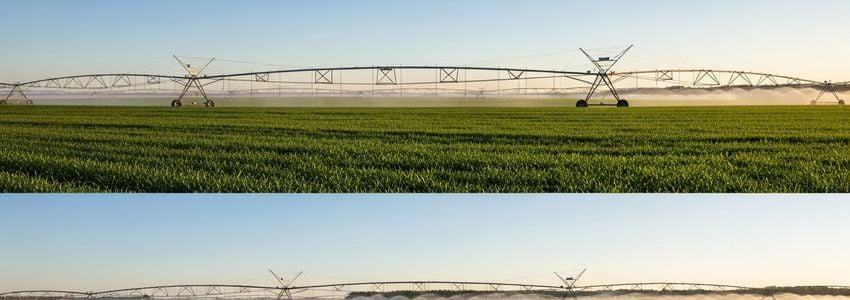
Irrigation Equipment Financing: The Complete Guide for Agricultural Businesses
In the world of modern agriculture, water is more than a resource; it's the lifeblood of productivity and profitability. Efficient water management is the cornerstone of successful farming, landscaping, and turf management operations. The right irrigation system can mean the difference between a bumper crop and a devastating loss, a lush landscape and a parched field. However, state-of-the-art irrigation technology represents a significant capital investment. This is where irrigation equipment financing becomes an essential tool for growth-minded agricultural businesses.
Acquiring advanced systems like center pivot irrigators, drip lines, or sophisticated pump stations often requires more capital than a business has readily available in its operating budget. Tying up substantial cash reserves in a single purchase can restrict a company's ability to manage day-to-day expenses, handle unexpected challenges, or seize other opportunities. Financing provides a strategic alternative, allowing you to obtain the critical equipment you need now while preserving your working capital for other vital areas of your operation. It transforms a prohibitive upfront cost into manageable, predictable monthly payments that align with your revenue cycles.
This comprehensive guide will walk you through every aspect of irrigation equipment financing. We will explore what it is, the types of equipment you can acquire, the significant benefits it offers, and the step-by-step process for securing funding. Whether you're a row crop farmer in the Midwest, a vineyard owner in California, or a commercial landscaper on the East Coast, understanding your financing options is key to unlocking your business's full potential. At Crestmont Capital, we specialize in providing tailored funding solutions that help agricultural businesses thrive, and this guide is designed to empower you with the knowledge to make the best financial decisions for your future.
In This Article
- What Is Irrigation Equipment Financing?
- Types of Irrigation Equipment You Can Finance
- Benefits of Financing Irrigation Equipment
- How Irrigation Equipment Financing Works
- Irrigation Financing vs. Leasing vs. Cash
- Who Qualifies for Irrigation Equipment Financing?
- How to Apply for Irrigation Equipment Financing
- Real-World Scenarios
- How Crestmont Capital Helps
- Frequently Asked Questions
- How to Get Started
- Conclusion
What Is Irrigation Equipment Financing?
Irrigation equipment financing is a specialized type of business loan designed specifically for the purchase of water management systems and related machinery. Unlike a general-purpose business loan that provides cash for any operational need, this type of financing is tied directly to the asset being acquired. In essence, the irrigation equipment itself serves as the collateral for the loan. This structure is highly beneficial for both the lender and the borrower. For the lender, the tangible asset reduces risk, often leading to more favorable terms and higher approval rates. For the borrower, it means you can acquire essential, high-value equipment without having to pledge other business or personal assets.
This financing model is a form of equipment financing tailored to the unique needs of the agricultural and horticultural industries. The lender provides up to 100% of the funds needed to purchase the equipment from a dealer or manufacturer. The business then makes regular payments-typically monthly-over a predetermined term, which can range from two to seven years or more. These payments consist of both principal and interest. Once the final payment is made, the business owns the irrigation equipment outright, free and clear.
The key advantage of this approach is its impact on cash flow. Instead of a massive, one-time cash outlay that could drain your financial reserves, you can spread the cost of the equipment over its useful life. This allows the new, more efficient irrigation system to generate revenue or create cost savings that help offset the monthly financing payments. It's a "pay-as-you-grow" model that aligns capital expenditure with operational returns, making it a sustainable and strategic way to upgrade or expand your business's capabilities. This financial tool is critical for maintaining a competitive edge, improving crop yields, conserving water, and ultimately boosting your bottom line.
Upgrade Your Irrigation System Today
Don't let capital constraints hold you back. Get the equipment you need with flexible terms and fast funding.
Get a Free Quote →Types of Irrigation Equipment You Can Finance
Modern irrigation is a diverse field with a wide array of specialized equipment designed for different crops, terrains, and water sources. Irrigation equipment financing can cover virtually any new or used system your operation requires. Understanding the types of equipment available can help you identify the best solution for your business and what you can acquire through a financing agreement.
- Center Pivot Irrigation Systems: These are the workhorses of large-scale agriculture. A long, wheeled pipeline rotates around a central pivot point, watering crops in a large circle. They are highly efficient for large, flat fields and can be equipped with advanced GPS and sensor technology for precision watering. Financing is almost essential for these systems, as they can cost anywhere from $50,000 to over $250,000.
- Linear Move Systems: Similar to center pivots, but the pipeline moves back and forth across a rectangular field. They are ideal for maximizing water coverage in non-circular plots of land and offer high water application efficiency.
- Drip and Micro-Irrigation Systems: These systems deliver water directly to the root zone of plants through a network of tubes and emitters. They are incredibly efficient, minimizing water loss from evaporation and runoff. Drip irrigation is perfect for high-value row crops, orchards, vineyards, and nurseries. Financing can cover the entire system, including tubing, emitters, filters, and pressure regulators.
- Sprinkler Systems: This broad category includes everything from solid-set sprinklers for fields and pastures to sophisticated pop-up systems for golf courses and commercial landscapes. It also covers large-volume "big gun" sprinklers used for specific applications. Financing can bundle the cost of sprinkler heads, pipes, valves, and control systems.
- Pumps and Pumping Stations: The heart of any irrigation system, pumps move water from the source (well, river, pond) to the fields. Financing can cover various types of pumps, including centrifugal, submersible, and turbine pumps, as well as the motors, engines, and variable frequency drives (VFDs) that power them.
- Controllers, Timers, and Automation Systems: Modern irrigation relies on smart technology. Financing can cover advanced controllers that use weather data, soil moisture sensors, and remote access via smartphone to optimize watering schedules. These systems save water, labor, and energy, providing a rapid return on investment.
- Filtration and Water Treatment Systems: Clean water is crucial to prevent clogging in drip emitters and sprinkler nozzles. You can finance sand media filters, screen filters, disc filters, and chemical injection systems (chemigation/fertigation units) that deliver nutrients through the irrigation lines.
- Piping and Tubing: The cost of hundreds or thousands of feet of PVC pipe, poly tubing, or aluminum pipe can be substantial. Financing allows you to roll this cost into the overall equipment package.
- Hose Reels and Travelers: These mobile irrigation systems consist of a large hose reel and a sprinkler cart that is pulled across a field. They offer flexibility for irregularly shaped fields or for operations that need to irrigate multiple locations.
Whether you are upgrading an outdated system, expanding your irrigated acreage, or installing a system for the first time, financing provides the means to acquire a complete, integrated solution without compromise.
Benefits of Financing Irrigation Equipment
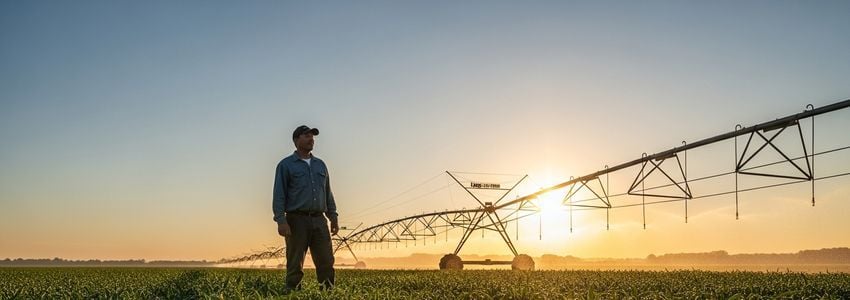
Choosing to finance your irrigation equipment instead of paying cash or forgoing an upgrade offers a multitude of strategic advantages that can significantly impact your business's financial health and operational efficiency. Here are the key benefits:
1. Preservation of Working Capital
This is arguably the most significant benefit. Large equipment purchases can deplete your cash reserves, leaving your business vulnerable to unexpected expenses or slow seasons. Financing allows you to keep your cash on hand for daily operations, payroll, marketing, inventory, and other growth opportunities. This financial flexibility is critical for maintaining a healthy and resilient business.
2. Immediate Access to Modern Technology
The agricultural industry is rapidly evolving, with new technologies offering greater efficiency and higher yields. Financing allows you to acquire the latest, most efficient irrigation systems immediately. This means you can start benefiting from water savings, reduced labor costs, and improved crop quality right away, rather than waiting until you've saved enough cash. This competitive edge can be a major factor in your profitability.
3. Predictable, Fixed Payments
Financing agreements typically come with fixed monthly payments over a set term. This makes budgeting and financial planning much simpler and more predictable. You know exactly what your equipment costs will be each month, allowing for better long-term forecasting without the worry of fluctuating interest rates or surprise costs. Many lenders also offer seasonal or deferred payment plans to match the cyclical nature of agricultural revenue.
4. Potential Tax Advantages
Financing your equipment can offer significant tax benefits. Under Section 179 of the IRS tax code, businesses may be able to deduct the full purchase price of qualifying new or used equipment in the year it is placed into service. Additionally, the interest paid on the loan is typically tax-deductible as a business expense. These deductions can substantially lower your overall tax liability. (Always consult with a tax professional to understand the specific benefits for your business.)
5. Building Business Credit
Successfully managing and paying off an equipment financing loan demonstrates financial responsibility and helps build a strong credit profile for your business. A positive payment history makes it easier to secure other types of financing in the future, such as lines of credit or real estate loans, often at more favorable terms.
6. 100% Financing
Many equipment financing programs cover the total cost of the acquisition, including "soft costs" like delivery, installation, and training. This means you can often acquire the equipment with little to no money down, further preserving your cash flow. You get a turnkey solution without the upfront financial strain.
7. Hedge Against Inflation
By locking in the purchase price and financing terms today, you protect your business from future price increases on equipment. You will be paying for today's technology with tomorrow's dollars, which are likely to be worth less due to inflation. This makes the purchase more cost-effective over the long run.
How Irrigation Equipment Financing Works (Step-by-Step)
Navigating the equipment financing process can seem daunting, but reputable lenders like Crestmont Capital have streamlined it to be fast and straightforward. Here is a typical step-by-step breakdown of how you can go from needing new equipment to having it installed and operating on your property.
Step 1: Identify Your Equipment Needs and Get a Quote
The first step is to determine the exact type of irrigation equipment that will best serve your operation. Research different brands, models, and technologies. Contact one or more equipment dealers or manufacturers to discuss your needs and get a formal quote or invoice for the complete package. This quote should include the price of the equipment itself, plus any associated costs for shipping, installation, and training. This document is crucial for the financing application.
Step 2: Choose a Lender and Submit an Application
Next, you'll select a financial partner. While you can approach a traditional bank, they often have slow processes and strict requirements. A specialized lender like Crestmont Capital, which focuses on agricultural equipment financing, can offer a faster, more flexible experience. The application is typically a simple one-page form that can be completed online in minutes. You'll provide basic information about your business, its owners, and the equipment you wish to purchase.
Step 3: Underwriting and Credit Review
Once your application is submitted, the lender's underwriting team will review it. For smaller financing amounts (e.g., under $250,000), this is often an automated or expedited process based primarily on your business and personal credit scores. For larger, more complex deals, the underwriter may request additional documentation, such as bank statements, financial statements, or tax returns. The goal is to assess the financial health of your business and its ability to manage the new debt.
Step 4: Receive and Review Financing Offers
If approved, the lender will present you with one or more financing offers. These documents will clearly outline the key terms: the total amount financed, the interest rate, the monthly payment, and the loan term (length). This is your opportunity to review the details carefully and ask any questions. A good lender will work with you to find a structure that fits your budget and cash flow, potentially offering options like seasonal payments that align with your harvest cycles.
Step 5: Sign a greement and Finalize the Deal
After you've selected the best offer, you will sign the financing agreement. This is a legally binding contract, so ensure you understand all its terms and conditions. In today's digital world, this can often be done electronically for maximum speed and convenience.
Step 6: Funding and Equipment Delivery
With the signed agreement in hand, the lender will coordinate directly with the equipment vendor. They will pay the vendor the full amount from the invoice. Once the vendor receives payment, they will release the equipment for delivery and installation at your location. This direct-to-vendor payment process is seamless and means you don't have to handle the large sums of money yourself.
Step 7: Begin Your Repayment Schedule
Your first payment will typically be due about 30 days after the funding is complete. You will continue to make your scheduled payments for the duration of the term. All the while, your new irrigation equipment is working to improve your efficiency, increase your yields, and generate a return on your investment.
By the Numbers
The Impact of Modern Irrigation
56.6 Million
Acres of U.S. farmland are irrigated, accounting for over half of the total value of crop sales. (Source: USDA NASS)
2-4x Higher
Irrigated farms can have crop yields that are two to four times higher than non-irrigated farms for the same crops.
Up to 95%
Water application efficiency for advanced drip irrigation systems, minimizing waste and conserving a vital resource.
80%
Approximately 80% of U.S. businesses finance or lease equipment to acquire the assets they need to grow. (Source: Forbes)
Irrigation Financing vs. Leasing vs. Cash
When it comes to acquiring new irrigation equipment, you have three primary options: financing it with a loan, leasing it, or paying for it outright with cash. Each method has distinct advantages and disadvantages, and the right choice depends on your business's financial situation, long-term goals, and philosophy on asset ownership.
| Feature | Equipment Financing | Equipment Leasing | Paying Cash |
|---|---|---|---|
| Ownership | You own the equipment at the end of the loan term. | You do not own the equipment. You have the option to buy it, return it, or upgrade at the end of the lease. | You own the equipment immediately. |
| Upfront Cost | Low. Often little to no down payment is required. | Low. Typically requires the first and last month's payment. | High. Requires 100% of the purchase price upfront. |
| Monthly Payment | Typically higher than a lease payment, as you are paying for the full value. | Typically lower than a loan payment, as you are only paying for the equipment's depreciation. | None. The cost is paid in full. |
| Tax Benefits | ✔ Potentially deduct the full purchase price (Section 179) and loan interest. | ✔ Lease payments are often treated as a 100% deductible operating expense. | ✔ Potentially deduct the full purchase price (Section 179). No interest to deduct. |
| Balance Sheet Impact | The equipment is listed as an asset, and the loan as a liability. | An operating lease does not appear as a liability, which can improve financial ratios. | Cash is exchanged for an asset, changing the composition of your balance sheet. |
| Flexibility | Less flexible. You are committed to owning the asset. | Highly flexible. Easy to upgrade to new technology at the end of the term. | Inflexible. Your capital is tied up in the asset. |
| Best For... | Businesses that want to own equipment with a long useful life and build equity. | Businesses that need the latest technology and want lower monthly payments and flexibility. | Businesses with very large cash reserves that do not have better uses for the capital. |
Financing is the ideal path for businesses that view their irrigation system as a long-term asset. You build equity with every payment, and once the loan is paid off, the equipment is yours to use for years to come, free of payments. This is the most common and strategic choice for core operational equipment like center pivots or primary pumping stations.
Leasing, on the other hand, is an excellent option for technology that evolves quickly, such as GPS controllers or sensor systems. An equipment lease provides lower monthly payments and allows you to easily upgrade at the end of the term, ensuring you always have access to the most efficient tools without the commitment of ownership. It's a usage-based model rather than an ownership-based one.
Paying Cash might seem like the simplest option, but it's often the least strategic. While it avoids interest payments, it severely depletes your liquidity. That cash could be better used for payroll, purchasing seed or fertilizer, marketing, or as a cushion for emergencies. According to the U.S. Small Business Administration, insufficient cash flow is a primary reason for business failure. Using financing allows your cash to work for you in other areas while the equipment pays for itself through increased productivity.
Who Qualifies for Irrigation Equipment Financing?
Lenders evaluate several factors to determine a business's eligibility for irrigation equipment financing. While requirements vary between lenders, most will look at a similar set of criteria to assess risk and determine the terms of the loan. At Crestmont Capital, we work with a wide range of businesses, from established enterprises to newer operations.
Here are the primary factors that influence qualification:
- Credit Score: Both personal and business credit scores are important. A strong credit history demonstrates a track record of responsible debt management. While a prime score (700+) will secure the best rates and terms, many lenders, including Crestmont Capital, have programs for businesses with fair or challenged credit (scores in the 600s).
- Time in Business: Most lenders prefer to work with businesses that have been operating for at least two years. An established operational history provides evidence of stability and a consistent revenue stream. However, specialized programs are available for startups and businesses with less than two years of history, though they may come with higher rates or require a larger down payment.
- Annual Revenue: Lenders need to see that your business generates enough income to comfortably support the new loan payment in addition to its existing obligations. There is no universal revenue threshold, as it's assessed in relation to the loan amount. You'll typically need to provide recent bank statements or financial reports to verify your revenue.
- Industry Experience: While not always a formal requirement, having experience in the agricultural or landscaping industry is a significant plus. It shows the lender that you understand your market and have the expertise to use the new equipment effectively to generate returns.
- Existing Debt: Underwriters will look at your business's current debt-to-income ratio. If the business is already heavily leveraged, it may be more difficult to take on additional debt. However, because equipment financing is secured by the asset itself, it's often easier to obtain than unsecured small business financing.
- Down Payment: While 100% financing is common, offering a down payment (typically 10-20%) can significantly improve your chances of approval, especially if you have weaknesses in other areas like credit or time in business. A down payment reduces the lender's risk and shows your commitment to the investment.
It's important to remember that these factors are considered together. A business with a lower credit score but strong revenue and several years in business may still easily qualify. The best way to know for sure is to complete a simple application and speak with a financing specialist who can assess your unique situation.
How to Apply for Irrigation Equipment Financing
Applying for irrigation equipment financing with a modern lender is a streamlined and efficient process designed to get you the capital you need with minimal hassle. Follow these steps for a smooth application experience.
1. Gather Your Information and Documents
Before you begin, have some basic information ready. This preparation will make the application process much faster.
- Business Information: Legal business name, address, phone number, Federal Tax ID (EIN).
- Personal Information: Name, address, and Social Security Number for all owners with 20% or more equity.
- Equipment Information: A formal quote or invoice from the vendor, including the total cost, make, and model of the equipment.
- Financial Snapshot: Be prepared to state your business's estimated annual revenue and time in business. For larger loan amounts, you may need the last 3-6 months of business bank statements and possibly your most recent tax return.
2. Complete the Online Application
The fastest way to apply is through a secure online portal. Crestmont Capital's application takes only a few minutes to complete. It's a simple form that asks for the information you gathered in step one. This initial application is often a "soft pull" on your credit, meaning it won't impact your credit score, allowing you to see your options risk-free.
3. Speak with a Financing Specialist
Shortly after submitting your application, a dedicated financing specialist will contact you. This is not just a salesperson; this is your advisor who will guide you through the process. They will review your application, discuss your business's specific needs and goals, and explain the potential financing structures available to you. This is the perfect time to ask questions about rates, terms, and payment schedules.
4. Submit Any Required Documents
Based on your conversation and the loan amount, your specialist will provide a short, clear list of any additional documents needed to finalize your approval. This may include the equipment invoice and bank statements. You can typically upload these securely through an online portal or send them via email.
5. Review and Sign Your Offer
Once underwriting is complete-often within a few hours-you will receive your formal financing offer. Review the terms carefully. A transparent lender will ensure everything is clearly stated with no hidden fees. Once you are satisfied, you can sign the documents electronically. The process is designed for speed, and it's possible to go from application to funding in as little as 24-48 hours.
Key Insight: According to the U.S. Small Business Administration, nearly 27% of businesses are unable to receive the funding they need, often due to slow and rigid processes at traditional banks. Specialized lenders like Crestmont Capital offer a vital alternative with higher approval rates and much faster funding times, specifically for asset-backed financing.
Ready to See Your Options?
Our simple application takes less than 60 seconds. See what you qualify for with no impact on your credit score.
Apply in 60 Seconds →Real-World Scenarios
To better understand how irrigation equipment financing works in practice, let's look at a few common scenarios across different industries.
Scenario 1: The Midwest Corn and Soybean Farm
Challenge: A 1,500-acre family farm in Nebraska is struggling with inconsistent rainfall and aging flood irrigation systems, which are inefficient and labor-intensive. To boost yields and conserve water, they want to install two new center pivot systems to cover a 320-acre section, but the total cost is $180,000.
Scenario 2: The Commercial Landscaping Company
Challenge: A successful landscaping company in Arizona wins a large contract to maintain the grounds of a new corporate campus. The contract requires the installation of a sophisticated, water-saving drip irrigation and smart controller system across several acres of complex garden beds. The equipment and installation cost is $95,000, a significant cash outlay.
Scenario 3: The Championship Golf Course
Challenge: A prestigious golf course in Florida needs to upgrade its 20-year-old sprinkler system. The old system is inefficient, leading to high water bills and inconsistent turf quality. A new, state-of-the-art system with individual head control and weather-based automation costs $450,000.
Scenario 4: The Wholesale Nursery
Challenge: A wholesale nursery that grows ornamental trees and shrubs is expanding with five new greenhouses. To ensure optimal plant health, they need to install a micro-irrigation system with precise fertigation (fertilizer injection) capabilities. The total cost for the new system is $60,000.
How Crestmont Capital Helps
In a market filled with lenders, choosing the right financial partner is as important as choosing the right equipment. Crestmont Capital stands out as the #1 rated business lender in the U.S. because we are built to serve the unique needs of businesses like yours. We understand that acquiring agricultural and commercial irrigation equipment is not just a purchase; it's a strategic investment in your future.
Here’s how we make a difference:
- Speed and Efficiency: We know that timing is critical in agriculture and landscaping. Our technology-driven application and underwriting process allows for decisions in hours, not weeks. We can often get your equipment funded in as little as 24 hours, ensuring you don't miss a critical window in your operational calendar.
- Flexible and Creative Solutions: We are not a one-size-fits-all lender. We listen to your story and understand your business's unique cash flow cycles. We specialize in crafting customized financing solutions, including seasonal payments, deferred payments, and other structures that traditional banks simply can't offer.
- High Approval Rates: Because we specialize in equipment financing, we understand the intrinsic value of the assets you're acquiring. The equipment itself serves as strong collateral, allowing us to approve a wider range of credit profiles and business situations than many other lenders. We look for reasons to say "yes."
- Dedicated Experts: When you work with Crestmont Capital, you are assigned a dedicated financing specialist who will be your single point of contact throughout the entire process. They are industry experts who can provide guidance, answer your questions, and advocate for you to get the best possible terms.
- Financing for New and Used Equipment: Whether you're buying a brand-new, top-of-the-line system or a reliable piece of used equipment from a reputable dealer or private party, we can provide the financing you need. This flexibility allows you to find the perfect asset for your budget and operational requirements.
At Crestmont Capital, our mission is to provide the capital that fuels your growth. We combine the speed and innovation of a fintech company with the personalized service and expertise of a dedicated financial partner. We make the process of securing irrigation equipment financing simple, fast, and transparent, so you can focus on what you do best: running your business.
Frequently Asked Questions
How to Get Started
Taking the next step toward acquiring your new irrigation equipment is simple and fast. Follow this three-step process to get funded.
Complete our secure, one-page application at offers.crestmontcapital.com/apply-now. It’s quick, easy, and won't affect your credit score.
A dedicated financing specialist will contact you to discuss your approval and present tailored financing options. We'll help you choose the term and payment structure that best fits your business.
Once you sign the documents, we work directly with your equipment vendor to finalize the payment. Your new irrigation system is delivered, and you can put it to work immediately.
Fuel Your Growth with the Right Equipment
Join thousands of businesses that trust Crestmont Capital. Get the fast, flexible funding you deserve.
Start Your Application Now →Conclusion
In today's competitive agricultural and commercial landscape, efficient water management is not a luxury-it's a necessity for survival and growth. Modern irrigation equipment offers the power to increase yields, improve product quality, conserve precious resources, and reduce labor costs. However, the high upfront cost of this technology can be a significant barrier. Irrigation equipment financing removes this barrier, providing a smart, strategic pathway to acquiring the tools you need to thrive.
By converting a large capital expenditure into predictable monthly payments, you preserve your cash flow, gain immediate access to revenue-generating assets, and take advantage of potential tax benefits. It’s a financial tool that allows your new equipment to start paying for itself from day one. Whether you are a farmer looking to install a center pivot, a landscaper needing a drip system for a major project, or a golf course superintendent upgrading your sprinklers, financing is the key to unlocking your operational potential without compromising your financial stability.
At Crestmont Capital, we are committed to providing the agricultural community with fast, flexible, and transparent financing solutions. We understand your industry's challenges and opportunities and are here to be your trusted partner in growth. We invite you to take the next step and discover how our tailored financing options can help you achieve your business goals.
Disclaimer: The information provided in this article is for general educational purposes only and is not financial, legal, or tax advice. Funding terms, qualifications, and product availability may vary and are subject to change without notice. Crestmont Capital does not guarantee approval, rates, or specific outcomes. For personalized information about your business funding options, contact our team directly.








