A heat treating furnace is one of the largest capital purchases a metalworking business will ever make. Between the furnace itself, installation, atmosphere control systems, and facility upgrades, a single industrial unit can run from $50,000 to well over $1 million. For machine shops, metal fabricators, aerospace suppliers, and commercial heat treaters, paying that amount in cash can stall growth for years. Heat treating furnace financing solves the problem by spreading the cost into predictable monthly payments while the equipment starts generating revenue immediately.
This guide covers everything a business owner needs to know about financing an industrial heat treating furnace: what it is, the furnace types that qualify, realistic price ranges, how the financing process works step by step, who qualifies, and how to choose between a loan and a lease. If you are comparing industrial furnace financing options right now, read this guide before you sign anything.
In This Article
- What Is Heat Treating Furnace Financing?
- Key Benefits of Financing a Furnace
- How the Financing Process Works
- Types of Furnaces You Can Finance
- What a Heat Treating Furnace Costs
- Who Qualifies for Financing
- Loan vs. Lease vs. Cash
- How Crestmont Capital Helps
- Real-World Scenarios
- FAQ
- How to Get Started
What Is Heat Treating Furnace Financing?
Heat treating furnace financing is a form of equipment financing that allows a business to acquire an industrial furnace without paying the full purchase price upfront. A lender pays the furnace manufacturer or dealer on your behalf, and you repay the amount over a fixed term, typically 24 to 84 months, with predictable monthly payments. When the structure is an equipment loan, you own the furnace outright from day one and the equipment itself serves as collateral. When the structure is a lease, you make payments for the use of the furnace and can usually purchase it at the end of the term for a residual amount.
Heat treating is the controlled heating and cooling of metals to change their physical and mechanical properties. Hardening, tempering, annealing, normalizing, carburizing, and stress relieving all depend on precise, repeatable thermal cycles, which is exactly what an industrial heat treating furnace delivers. These processes are mission-critical in aerospace, automotive, defense, energy, tool and die, and general precision machining supply chains. A shop that can heat treat in-house controls its own quality, lead times, and margins instead of waiting on an outside heat treater.
Because industrial furnaces are expensive, durable assets with service lives of 20 to 30 years, lenders view them as strong collateral. That is why industrial furnace financing tends to carry better rates and longer terms than unsecured borrowing, and why approval is often possible even for businesses that would struggle to qualify for a general-purpose bank loan. The furnace secures the transaction, so the lender's risk is anchored to a hard asset with established resale channels.
Financing also applies to the full project cost, not just the furnace cabinet. Most equipment financing programs can roll in delivery, rigging, installation, electrical work, and even the initial spare parts package, so the entire project moves forward with one monthly payment instead of a series of large cash outlays.
Key Benefits of Financing a Heat Treating Furnace
Buying a furnace is a strategic decision, and how you pay for it matters almost as much as which model you choose. Business owners who finance instead of paying cash tend to point to the same core advantages:
- Preserve working capital. Cash stays available for payroll, raw material, energy costs, and the slow-paying customer invoices that come with commercial heat treating work.
- Predictable fixed payments. A fixed monthly payment makes budgeting simple and protects you from interest rate swings over the term.
- Revenue from day one. The furnace starts earning money as soon as it is commissioned, so the equipment can effectively pay for itself out of new contract revenue.
- Up to 100% financing. Qualified buyers can finance the entire project, including delivery and installation, with little or no down payment.
- Build business credit. Consistent on-time payments strengthen your company's credit profile, making the next equipment purchase easier and cheaper.
- Lock in today's pricing. Furnace prices rise with steel, refractory, and controls costs. Financing now locks the purchase price instead of waiting while quotes climb.
- Replace inefficient equipment sooner. A modern furnace can cut energy consumption significantly compared with a 20-year-old unit, so waiting rarely saves money in the long run.
For most shops, the deciding factor is opportunity cost. Every month spent running jobs through an outside heat treater is margin walking out the door, plus lead time risk you do not control. Financing converts a five-year savings goal into an asset that starts working this quarter.
How Heat Treating Furnace Financing Works
The process is more straightforward than most owners expect, especially compared with a traditional bank loan. Here is how a typical transaction moves from quote to commissioned furnace:
- Get a formal quote. Start with a written quote from the furnace manufacturer or an authorized dealer. Lenders need the exact equipment description, price, and delivery terms, and a formal quote prevents surprises later in the process.
- Submit a financing application. A complete application for capital equipment financing usually takes minutes online. You will provide basic company information, time in business, annual revenue, and the equipment quote.
- Credit review and approval. The lender reviews business credit, the owner's personal credit, cash flow, and the equipment itself. Approvals for well-qualified buyers often arrive within 24 to 72 hours.
- Documentation and funding. You sign the finance agreement, and the lender pays the equipment vendor directly. This protects both parties and keeps the transaction clean.
- Delivery, installation, and repayment. The furnace ships, gets installed and commissioned, and your fixed monthly payments begin on the agreed schedule.
From application to funding, many transactions close inside a week once documents are in order. That speed matters when a furnace dealer is holding a build slot or a customer contract depends on a firm in-service date.
Planning a Furnace Purchase for Your Shop?
Get a financing decision fast from the #1 rated business lender in the U.S. Apply in minutes with no obligation.
Check Your Options →Types of Industrial Heat Treating Furnaces You Can Finance
Virtually every category of heat treating equipment is financeable, new or used. The right furnace depends on your throughput, part size, and process requirements, and the financing conversation should happen alongside the equipment selection, not after it.
Batch (Box) Furnaces
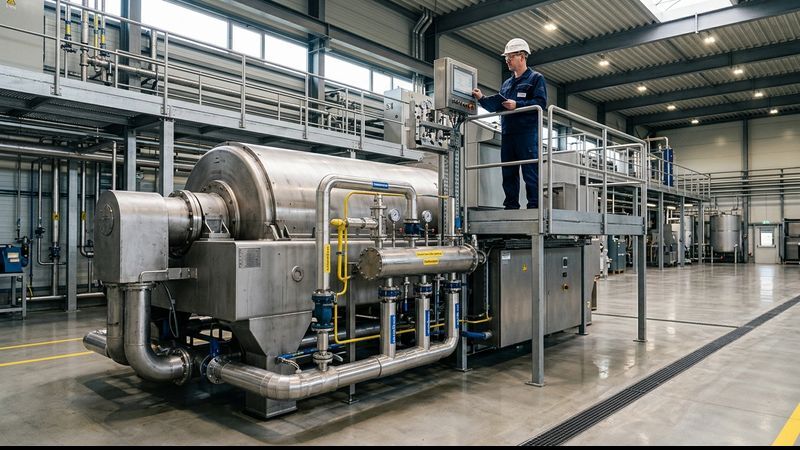
Box furnaces are the workhorses of commercial heat treating. Parts load into a sealed chamber, run through a programmed thermal cycle, and come out as a finished batch. They suit job shops with varied part mixes and moderate volumes, and they are the most common entry point for shops bringing heat treating in-house for the first time.
Continuous Furnaces
Mesh belt, pusher, and roller hearth furnaces move parts through heating and cooling zones on a conveyor, delivering consistent output around the clock. They are the standard choice for automotive and high-volume fastener, bearing, and stamping work. Price tags are larger, but so is throughput, which makes them strong candidates for financing because the revenue math is easy to model.
Car Bottom and Pit Furnaces
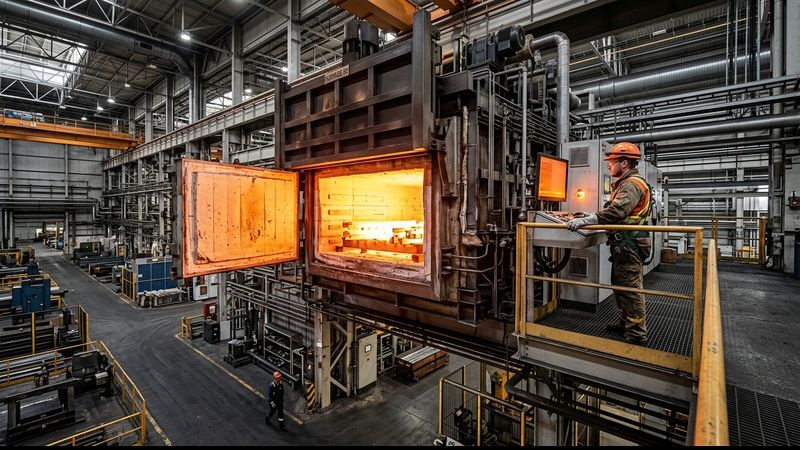
For oversized or extremely heavy loads, car bottom furnaces roll the entire hearth out of the chamber for crane loading, while pit furnaces lower long shafts, tubes, and tooling vertically into a below-floor chamber. Forging shops, rail suppliers, and heavy equipment manufacturers rely on these designs. Their specialized nature makes used units particularly attractive, and used equipment financing is widely available for them.
Vacuum Furnaces
Vacuum furnaces heat parts in a near-zero-atmosphere environment, producing bright, clean finishes with no oxidation. Aerospace, medical device, and tool and die shops prize them for precision hardening, brazing, and sintering. They sit at the premium end of the market, often $300,000 to $1.5 million new, so financing is the norm rather than the exception.
Atmosphere-Controlled Furnaces
Integral quench and sealed-quench atmosphere furnaces run carburizing, carbonitriding, and neutral hardening under a controlled gas environment. Any shop serving drivetrain, gear, or bearing customers will recognize these immediately. Endothermic generators and atmosphere controls add to the project cost, and both can typically be rolled into the same financing package.
Induction Heating Systems
Induction systems heat targeted zones of a part in seconds using electromagnetic fields, making them ideal for hardening shafts, gears, and wear surfaces at production speed. Power supplies, coils, and handling systems all qualify as financeable equipment, whether installed as a standalone cell or integrated into an automated line.
How Much Does an Industrial Heat Treating Furnace Cost?
Pricing varies widely with chamber size, temperature rating, atmosphere capability, and controls sophistication. The ranges below reflect typical market pricing that lenders see on quotes every day. Use them as a planning baseline, then get a formal quote for your exact specification.
| Furnace Type | Typical New Price | Typical Used Price |
|---|---|---|
| Batch (box) furnace | $40,000 - $150,000 | $15,000 - $70,000 |
| Car bottom furnace | $150,000 - $500,000 | $60,000 - $250,000 |
| Continuous mesh belt furnace | $500,000 - $2,000,000+ | $250,000 - $900,000 |
| Vacuum furnace | $300,000 - $1,500,000 | $150,000 - $700,000 |
| Integral quench atmosphere furnace | $250,000 - $900,000 | $100,000 - $450,000 |
| Induction heating system | $75,000 - $400,000 | $30,000 - $180,000 |
Remember that the furnace cabinet is rarely the whole project. Rigging and freight for a 40,000-pound car bottom furnace, 480-volt electrical service upgrades, cooling water systems, atmosphere generators, and foundation work can add 10 to 25 percent to the equipment price. A well-structured financing package covers these soft costs so the project does not stall halfway through installation.
Industry Context: U.S. manufacturing remains an enormous buyer of capital equipment. The Census Bureau's Annual Survey of Manufactures tracks trillions of dollars in annual shipments across the sector, and heat treating capacity sits at the heart of the metals supply chain that feeds it.
By the Numbers
Heat Treating Furnace Financing at a Glance
$40K - $2M+
Typical price range for industrial heat treating furnaces, new
Up to 100%
Of the project cost qualified buyers can finance, including installation
24 - 84 mo
Common financing terms for heavy industrial equipment
20 - 30 yrs
Typical service life of a well-maintained industrial furnace
Who Qualifies for Industrial Furnace Financing?
Qualification is based on a combination of business fundamentals, credit history, and the equipment itself. Because the furnace secures the transaction, equipment financing is generally more accessible than unsecured bank lending, and approval standards are more flexible than most owners assume.
Lenders typically look for two or more years in business, though younger companies can qualify with stronger credit or additional documentation. Annual revenue of $250,000 or more is a common benchmark for mid-size furnace transactions, and owner credit scores in the mid-600s or better open the widest range of programs. That said, every file is reviewed as a whole, and strong cash flow can offset a thinner credit history. Forbes Advisor's business loan guides offer a useful outside perspective on how lenders evaluate small business borrowers.
Documentation is refreshingly light compared with a bank loan. Most transactions under $500,000 require only an application and a few months of business bank statements. Larger deals may add two years of financial statements or tax returns, the vendor quote, and a brief explanation of how the furnace fits your production plans. Used equipment is financeable as well, provided the unit has reasonable remaining life and comes through a verifiable seller.
Pro Tip: Apply before you finalize the equipment quote. A pre-approval in hand tells you exactly what monthly payment your cash flow supports, and it strengthens your negotiating position with the furnace dealer because you can commit to a build slot immediately.
Furnace Loan vs. Lease vs. Paying Cash: Which Option Fits Your Business?
There are three realistic ways to put a heat treating furnace on your floor, and the right choice depends on your cash position, growth plans, and how long you expect to run the equipment.
An equipment loan gives you immediate ownership. You build equity with every payment, the furnace appears on your balance sheet as an asset, and at the end of the term you own it free and clear for the remaining decades of its service life. For a durable asset like a furnace that will still be running in 20 years, ownership usually delivers the lowest total cost of use.
An equipment lease trades ownership for flexibility. Payments are often lower than a comparable loan, approvals can be easier for younger businesses, and end-of-term options let you purchase the furnace at a residual value, return it, or upgrade to newer technology. Leasing suits shops that expect their capacity needs to change or that want to preserve every dollar of cash for growth.
Paying cash eliminates interest entirely, but it concentrates risk. A $600,000 wire leaves the business exposed if a major customer pays late, energy prices spike, or a second growth opportunity appears. Many owners who could pay cash still finance, keeping their reserves as a cushion while the furnace pays for itself out of new revenue.
Government-backed programs are a fourth path worth knowing. The SBA's loan programs, particularly the 504 program for major fixed assets, can offer attractive terms for large furnace projects, though approval timelines are measured in weeks or months rather than days.
| Factor | Equipment Loan | Equipment Lease | Cash Purchase |
|---|---|---|---|
| Ownership | Immediate | At end of term (option) | Immediate |
| Upfront cash required | Low (0 - 20%) | Very low (first payment) | 100% of price |
| Monthly payment | Fixed | Often lower than loan | None |
| Approval speed | Days | Days | Not applicable |
| Best for | Long-term owners, lowest total cost | Cash preservation, upgrade flexibility | Cash-rich buyers with no other capital needs |
Rule of Thumb: If the furnace will still be earning revenue ten years from now and your process mix is stable, a loan usually wins on total cost. If your workload is evolving or you want the lowest possible payment while you grow, start with a lease structure and revisit ownership at the end of the term.
How Crestmont Capital Helps
Crestmont Capital is the #1 rated business lender in the United States, and equipment financing for manufacturers is one of our core specialties. We work with machine shops, commercial heat treaters, fabricators, and aerospace suppliers every day, so we understand the difference between a batch furnace and a vacuum furnace and what that difference means for your cash flow.
Our equipment financing programs cover new and used furnaces from any manufacturer or dealer, with financing available up to 100% of the project cost. Delivery, rigging, and installation can be included, and terms run long enough to keep payments comfortable against the revenue the furnace generates. Approvals are fast because our underwriting team reviews industrial equipment files daily, and funding goes directly to your vendor so your build slot is secure.
For shops adding heat treating alongside existing machining work, our broader heavy machinery financing programs can package the furnace with related capital purchases into one payment. And if you are still building your understanding of how equipment finance fits a metalworking business, our guides on CNC machine financing and metal fabrication business loans walk through parallel examples from the same industry.
Most importantly, we treat the transaction the way you do: as an investment that has to pay for itself. Our advisors will talk through payment structures, term lengths, and end-of-term options until the monthly number fits your production plan.
Ready to Bring Heat Treating In-House?
Talk to a lender that understands industrial equipment. Fast approvals, flexible terms, and funding straight to your furnace vendor.
Apply Now →Real-World Scenarios: Five Businesses That Financed Heat Treating Equipment
Every furnace transaction has a story behind it. These five scenarios reflect the most common situations we see when shops decide to finance heat treating capacity.
1. The Aerospace Machine Shop Bringing Heat Treat In-House
A 22-person precision machine shop in Ohio was spending $18,000 a month sending hardened components to an outside heat treater, plus absorbing two-week lead times that put a new aerospace contract at risk. They financed a $410,000 vacuum furnace over 72 months for roughly $7,900 per month, hired a metallurgist, and converted an expense into an in-house capability. Within a year they were quoting heat treat services to neighboring shops as a second revenue stream.
2. The Commercial Heat Treater Replacing an Aging Batch Line
A family-owned commercial heat treating company in Michigan ran three 25-year-old batch furnaces with rising maintenance costs and a growing rejection rate. Rather than patch the oldest unit again, they financed two new integral quench furnaces for $780,000 with installation rolled in. Energy savings and reduced scrap covered most of the new payment, and the reliability let them accept a long-term automotive contract they had previously declined.
3. The Automotive Supplier Winning a High-Volume Contract
A stamping supplier in Tennessee landed a drivetrain component program that required continuous carburizing capacity they did not have. A $1.4 million mesh belt furnace line was the only way to fulfill it. They structured an equipment loan with payments sized to the contract revenue, so the customer's purchase orders effectively service the debt. The furnace was installed and PPAP-approved inside six months.
4. The Tool and Die Shop Adding Induction Hardening
A tool and die shop in Wisconsin kept losing die work to competitors who could deliver hardened tooling faster. They financed a $185,000 induction hardening system with a scanning station over 60 months. Selective hardening in-house cut their delivery time on hardened dies by nine days and paid for the monthly payment with two mid-size jobs per month.
5. The Startup Heat Treat Shop Leasing a Used Car Bottom Furnace
Two experienced heat treat operators opened their own shop serving regional forging houses. Cash was tight, so they leased a refurbished car bottom furnace for $220,000 with a fair-market-value purchase option. The low lease payment kept overhead manageable while they built their customer base, and three years later they exercised the purchase option and financed a second furnace to keep up with demand.
Frequently Asked Questions
What is heat treating furnace financing? +
Heat treating furnace financing is a type of equipment financing that lets a business acquire an industrial furnace through fixed monthly payments instead of a single cash purchase. A lender pays the equipment vendor directly, you repay over a term of 24 to 84 months, and the furnace itself typically serves as collateral for the transaction.
How much does an industrial heat treating furnace cost? +
Prices range from about $40,000 for a small batch furnace to $2 million or more for a high-volume continuous line. Vacuum furnaces typically run $300,000 to $1.5 million new, while used equipment across all categories commonly sells for 40 to 60 percent of the new price. Installation, rigging, and electrical work can add 10 to 25 percent to the project.
Can I finance a used heat treating furnace? +
Yes. Used industrial furnaces are financed every day, provided the unit has reasonable remaining service life and is purchased through a verifiable dealer, auction, or private seller. Because industrial furnaces routinely operate for 20 to 30 years, a well-maintained used unit can be an excellent value, and lenders evaluate it the same way they evaluate new equipment.
What credit score do I need to finance a furnace? +
Owner credit scores in the mid-600s or higher open the widest range of programs and the best rates, but equipment financing is more flexible than bank lending because the furnace secures the deal. Strong business cash flow, solid time in business, and a reasonable down payment can offset a thinner credit profile in many transactions.
How long are typical furnace financing terms? +
Most industrial furnace financing runs 24 to 84 months, with 60 and 72-month terms being the most common for mid-size equipment. Longer terms lower the monthly payment but increase total interest paid. Because furnaces remain productive for decades, matching a longer term to the asset's service life is a reasonable strategy for cash flow management.
Is it better to lease or buy a heat treating furnace? +
Buying through an equipment loan usually delivers the lowest total cost for a long-lived asset like a furnace, and you own it outright at the end of the term. Leasing offers lower payments and end-of-term flexibility, which suits younger companies or shops whose capacity needs are still evolving. The right answer depends on your cash position and how stable your workload is.
Can a startup heat treating company qualify for financing? +
Startups can qualify, though the bar is higher. Lenders will look closely at the owners' industry experience, personal credit, available down payment, and signed contracts or letters of intent from future customers. A used furnace with a lower price tag is often the smartest entry point for a new heat treating venture, and lease structures can further reduce upfront cash requirements.
How fast can I get approved for furnace financing? +
Well-qualified buyers often receive approvals within 24 to 72 hours for transactions up to $500,000. Larger deals with more documentation can take a week or two. Funding moves quickly once documents are signed, with payment going directly to the furnace manufacturer or dealer so your production slot is protected.
Does the furnace itself serve as collateral? +
In most equipment financing structures, yes. The furnace secures the transaction, which is why approval standards are more flexible and rates are lower than unsecured borrowing. Lenders file a UCC-1 financing statement on the equipment, and once the final payment is made, the lien is released and you own the furnace free and clear.
Can installation, delivery, and rigging be included in the financing? +
Yes, in most cases. Equipment financing can cover soft costs such as freight, rigging, installation, electrical work, and commissioning when they are itemized on the vendor quote or invoiced by related contractors. Bundling these costs into one financed amount keeps the whole project on a single predictable monthly payment.
What types of furnaces can be financed? +
Essentially all of them: batch and box furnaces, continuous mesh belt and pusher lines, car bottom and pit furnaces, vacuum furnaces, integral quench atmosphere systems, induction heating equipment, and the supporting generators, controls, and cooling systems. New and used units from any manufacturer qualify, as do complete production cells with automation.
Will a furnace payment strain my cash flow? +
A properly structured payment should strengthen cash flow, not strain it. The key is sizing the monthly payment against the revenue or savings the furnace creates. A shop spending $15,000 a month on outside heat treating that takes on an $8,000 furnace payment improves its position immediately. Longer terms and seasonal payment structures can add further breathing room.
Can I pay off furnace financing early? +
Most equipment loans allow early payoff, though some agreements include a prepayment premium in the first year or two. If you expect a large contract payout or plan to sell the business, ask about prepayment terms before signing so the flexibility you need is written into the agreement from the start.
What documents do I need to apply? +
For transactions under $500,000, most lenders need only a one-page application, three to six months of business bank statements, and the vendor's equipment quote. Larger transactions may add two years of business financial statements or tax returns. Compared with bank or SBA applications, the documentation burden is minimal and decisions arrive far faster.
Why finance a furnace instead of paying cash? +
Financing preserves your cash for the unpredictable parts of running a business: slow-paying customers, material price swings, and the next growth opportunity. A furnace is a productive asset that generates revenue while you pay for it, so most owners prefer a manageable monthly payment over a single six or seven-figure withdrawal from working capital.
How to Get Started
Request a formal quote from your furnace manufacturer or dealer, including delivery and installation, so the full project cost is on paper.
Complete our quick application at offers.crestmontcapital.com/apply-now in just a few minutes, and a Crestmont Capital advisor will review your options with you.
Once approved, we pay your vendor directly so your build or delivery slot is locked in, and your furnace goes to work while you make fixed monthly payments.
Your Next Furnace Is Closer Than You Think
Join thousands of manufacturers who have financed equipment through Crestmont Capital. Apply in minutes, get a decision fast.
Get Started Today →Conclusion: Put a Heat Treating Furnace to Work Without Draining Your Cash
An industrial heat treating furnace is a 20 to 30-year asset that can transform a metalworking business: shorter lead times, controlled quality, new revenue from commercial heat treat work, and the ability to say yes to contracts that used to be out of reach. The only real obstacle is the upfront price, and heat treating furnace financing removes it.
Whether you are a machine shop bringing heat treat in-house, a commercial heat treater modernizing an aging line, or a startup building capacity from scratch, the right financing structure turns a six or seven-figure purchase into a predictable monthly payment sized to the revenue the furnace produces. Gather your equipment quote, get pre-approved, and put the asset to work this quarter instead of five years from now.
Crestmont Capital finances industrial equipment for manufacturers across the country every day. When you are ready to talk through your furnace project, our team is ready with answers, options, and a fast path to funding.
Disclaimer: The information provided in this article is for general educational purposes only and is not financial, legal, or tax advice. Funding terms, qualifications, and product availability may vary and are subject to change without notice. Crestmont Capital does not guarantee approval, rates, or specific outcomes. For personalized information about your business funding options, contact our team directly.

Allan Garfinkle
Allan Garfinkle is the Chief Revenue Officer at Crestmont Capital, where he has spent more than a decade leading revenue strategy, business development, and operational growth. With 28 years of experience building and advising startups and small businesses, Allan has helped more than 10,000 business owners navigate financing decisions, growth opportunities, and changing economic conditions. He earned a Bachelor of Science in Economics and an MBA with a concentration in Finance from Northeastern University, as well as a Juris Doctor from New England Law, where his studies focused on contracts and business law. His writing draws on extensive practical experience in small-business lending, equipment financing, business credit, and commercial finance.